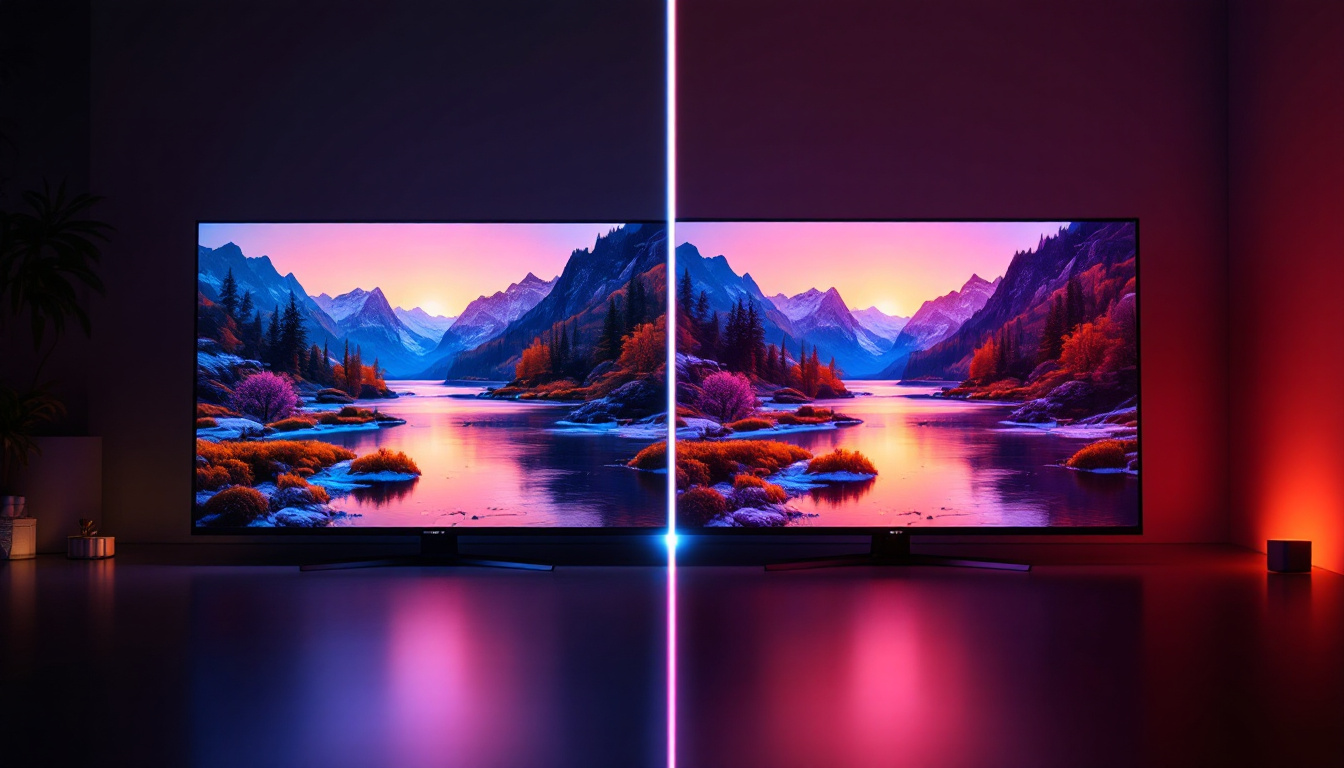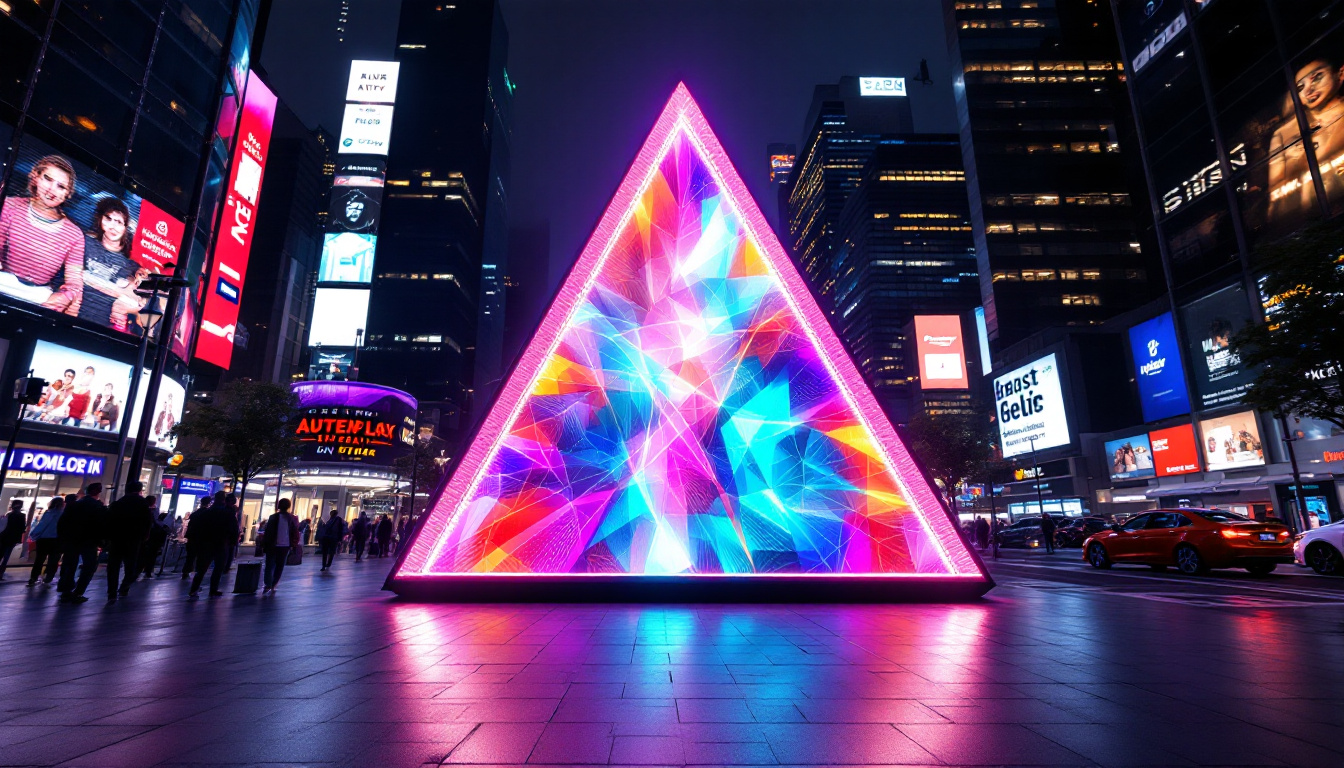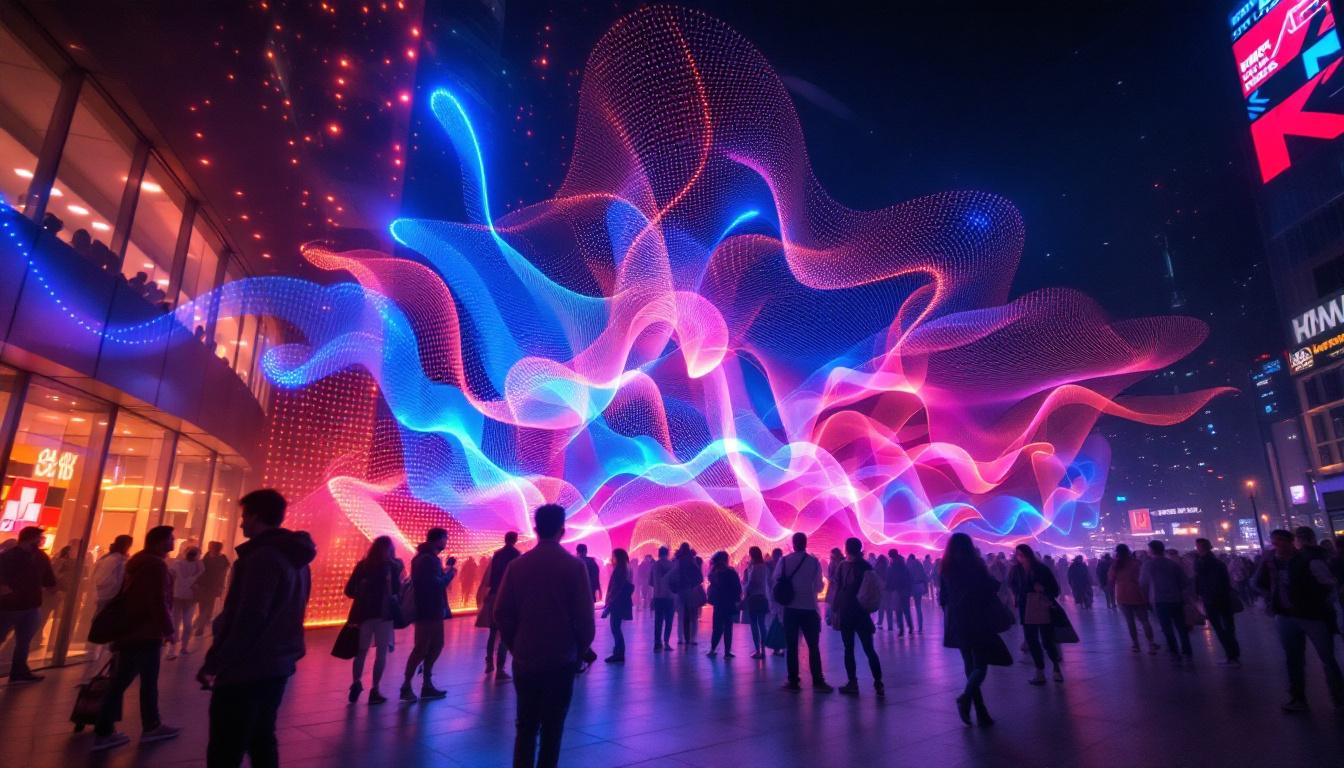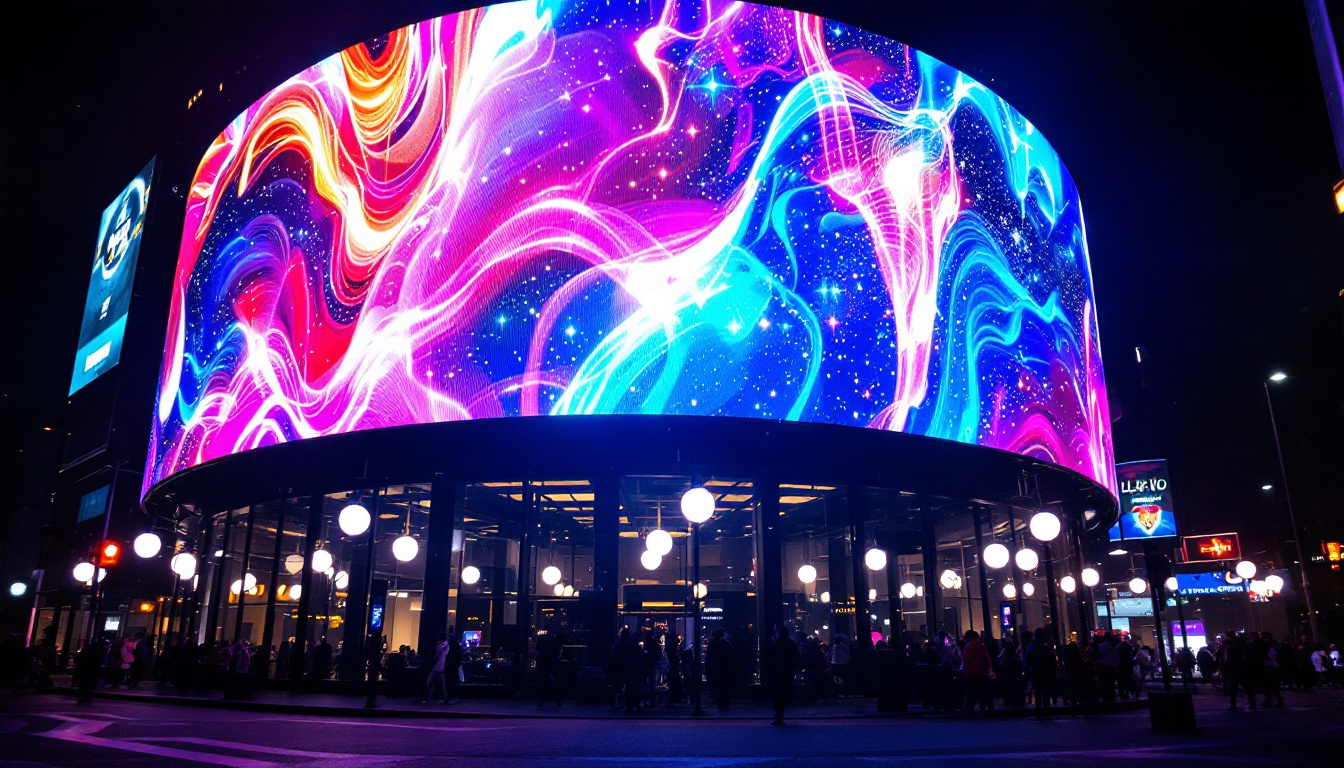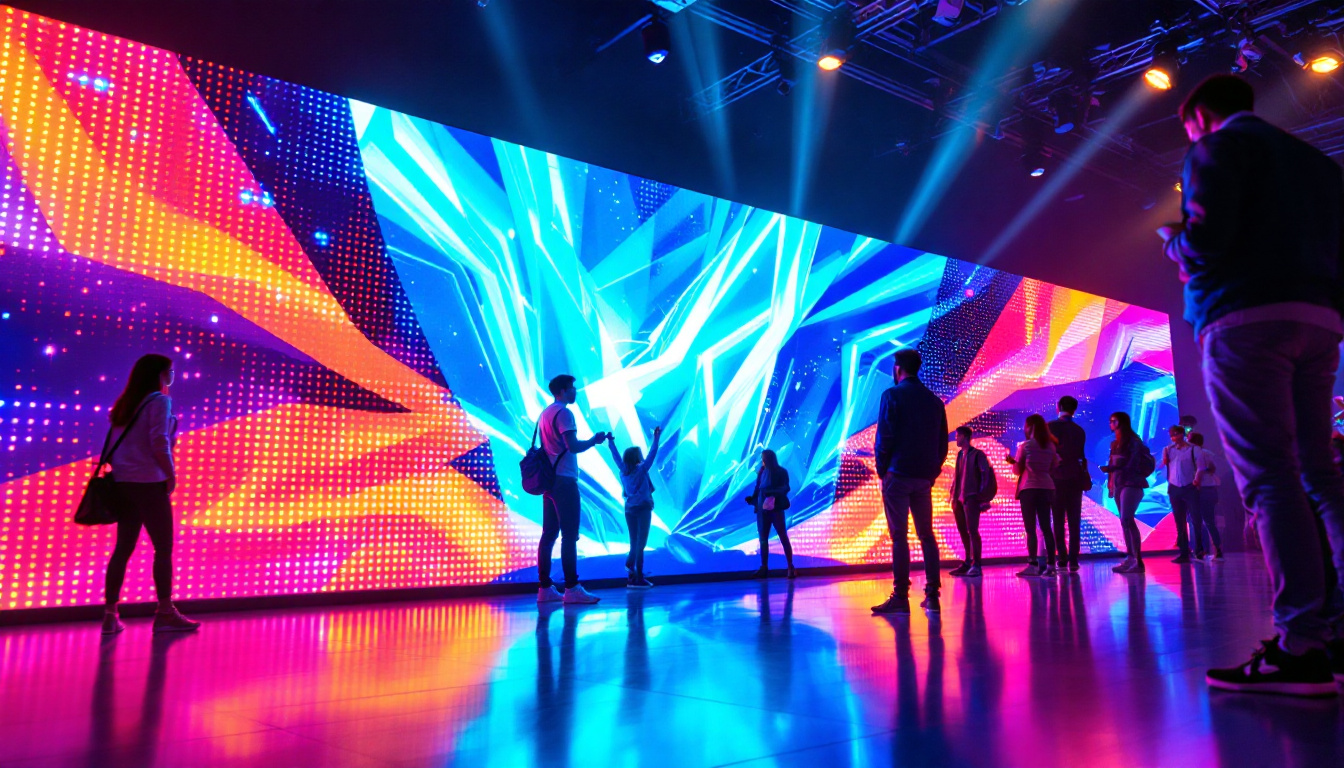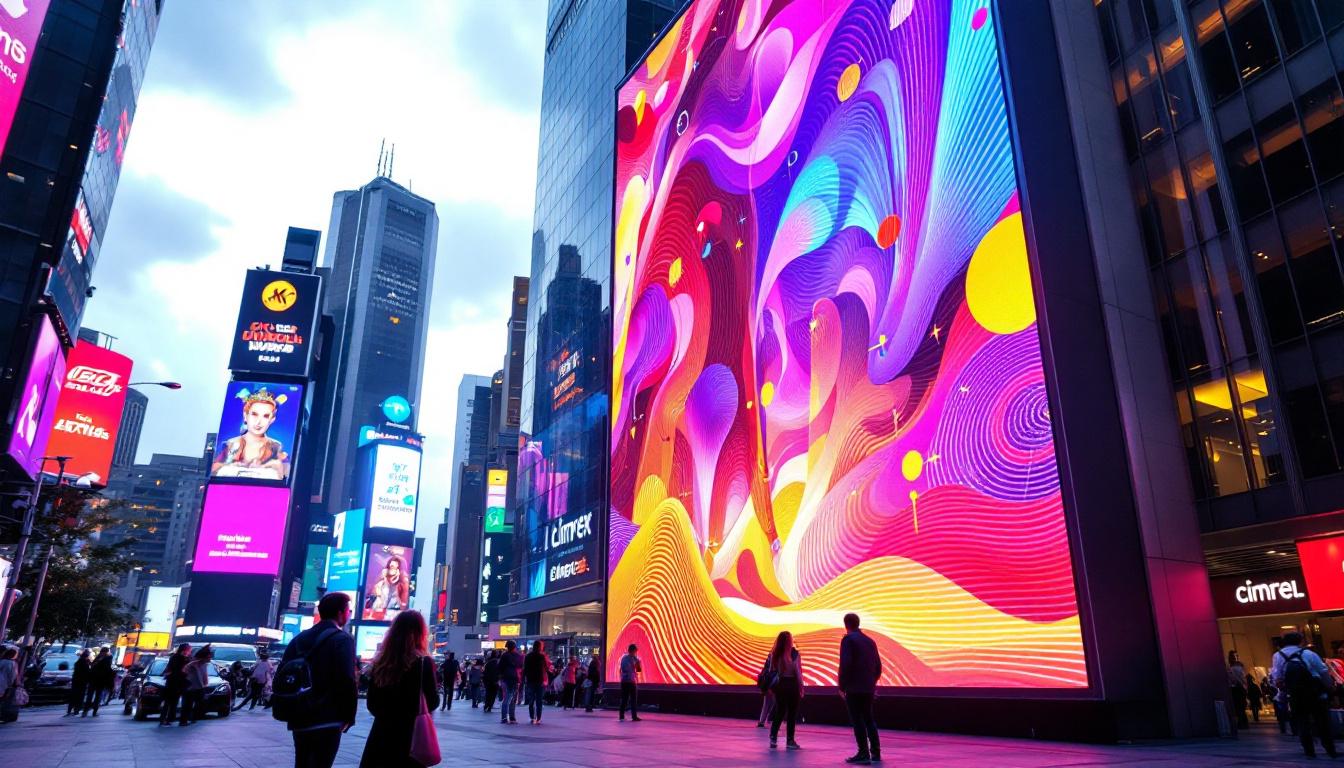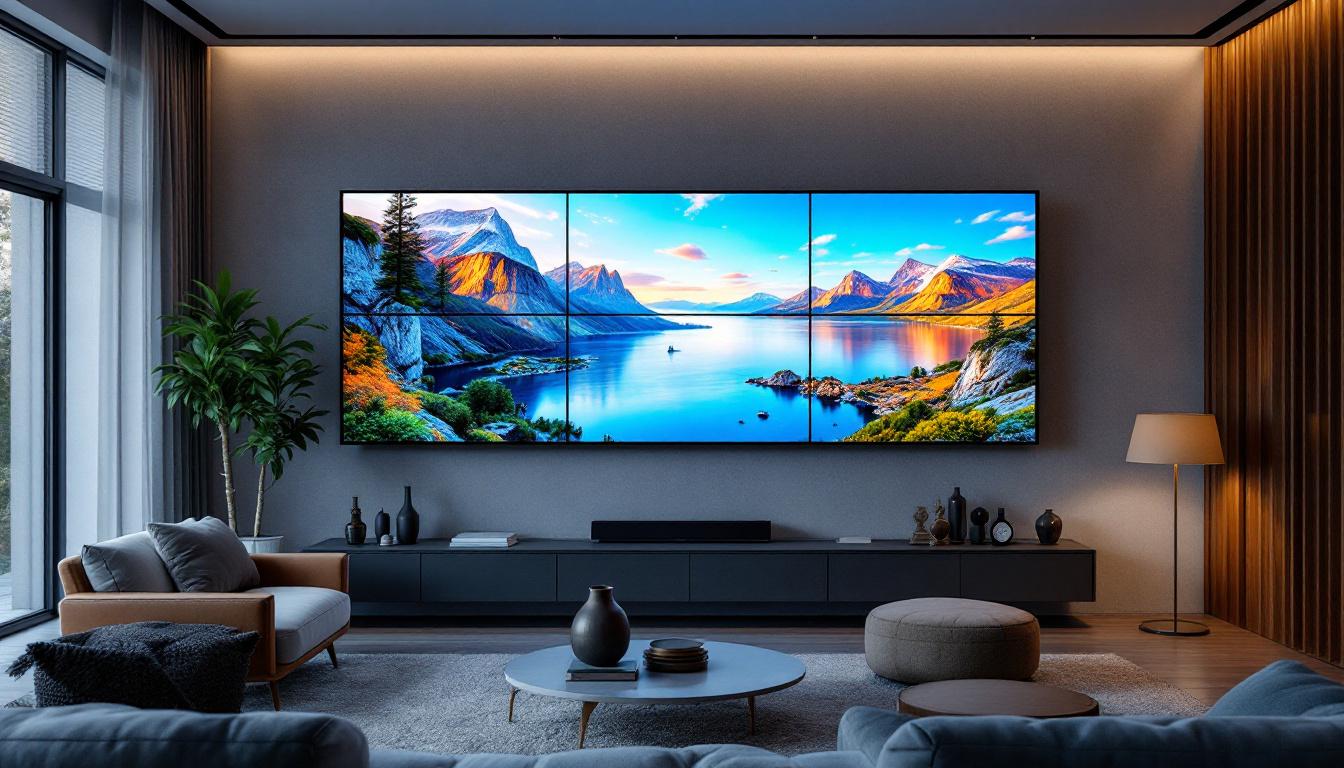
In today’s digital age, large wall monitors have become an essential component in various environments, ranging from corporate boardrooms and retail stores to stadiums and public spaces. Among the different technologies available, LED displays stand out due to their vibrant visuals, scalability, and energy efficiency. This article delves into the world of large wall monitors, focusing on LED display technology, its advantages, applications, and what to consider when choosing the right LED display for your needs.
Understanding LED Display Technology
LED, or Light Emitting Diode, technology has revolutionized the way large displays are designed and utilized. Unlike traditional LCD or projection screens, LED displays use tiny light-emitting diodes to create images, offering superior brightness and contrast. This advancement has made LED displays the go-to choice for a variety of applications, from advertising to entertainment, and even in educational settings where clarity and visibility are paramount.
How LED Displays Work
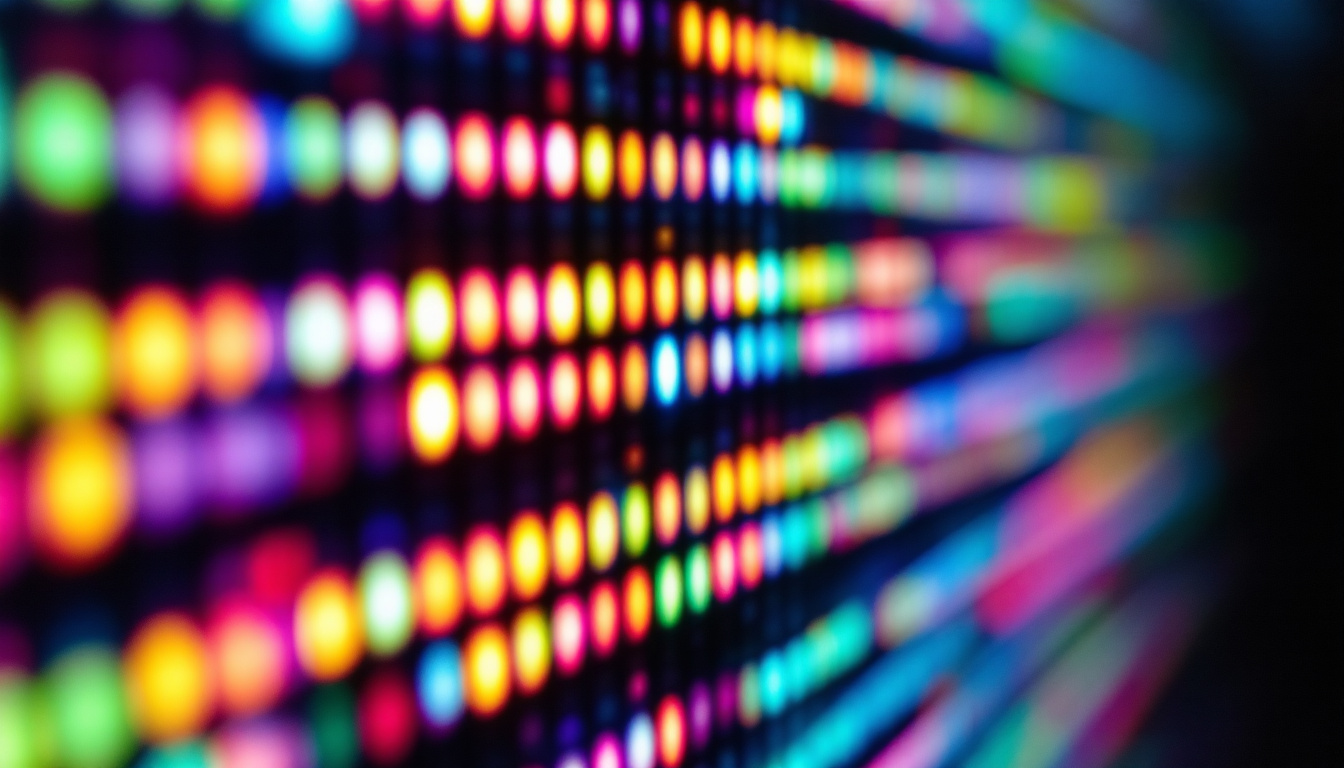
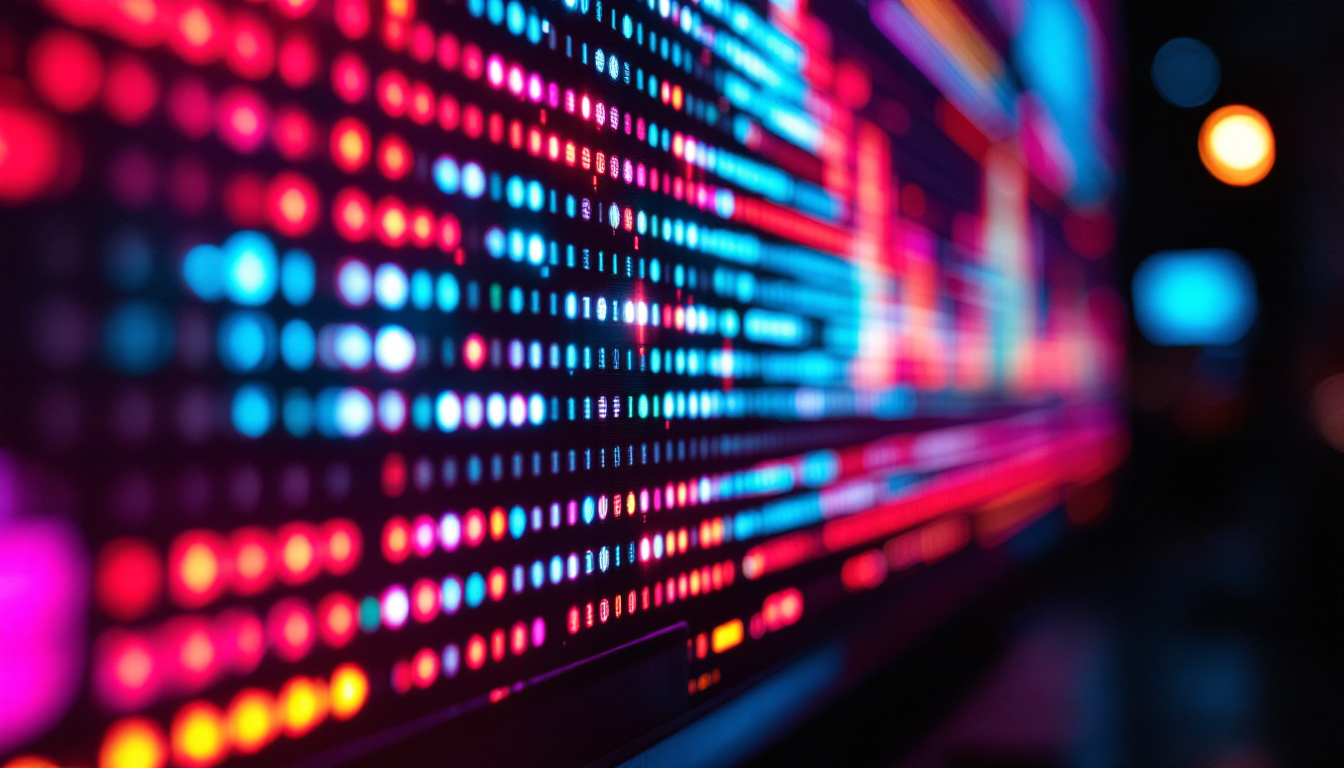
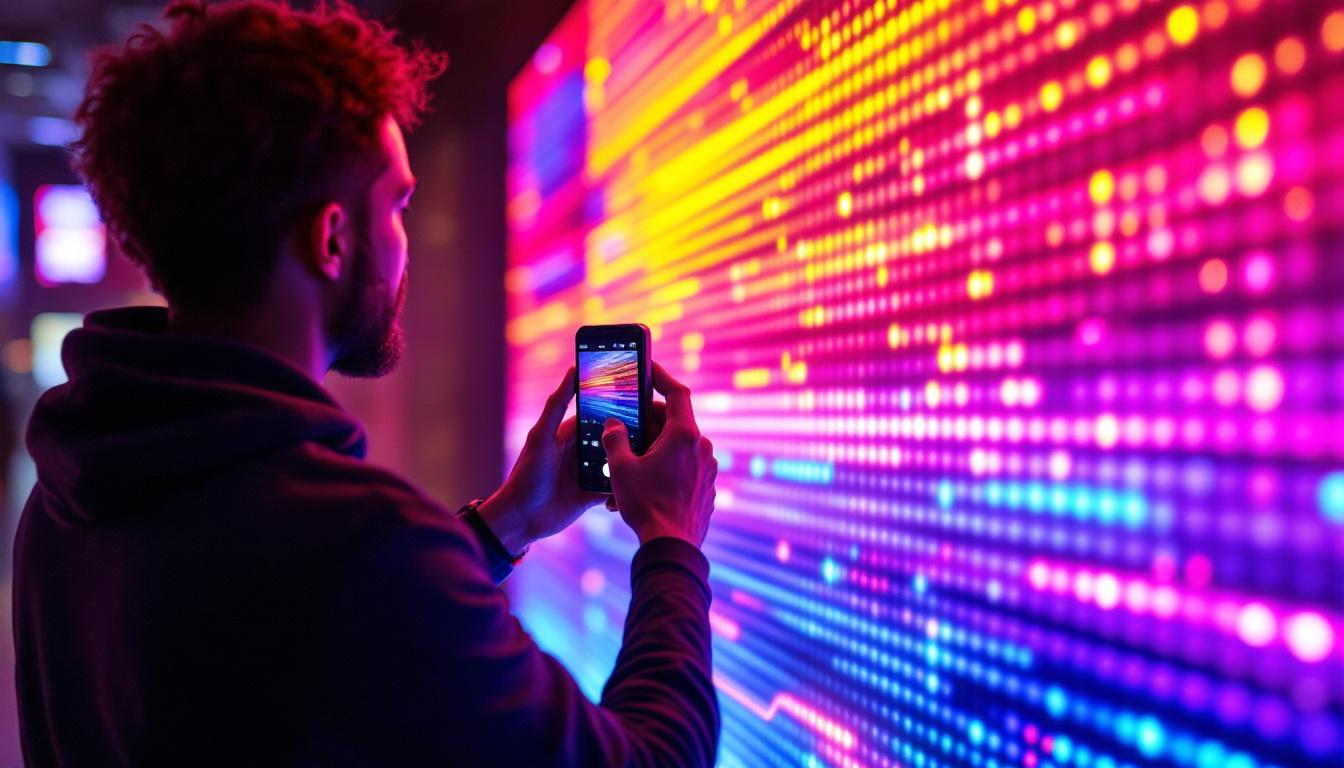
Each LED display is composed of thousands, sometimes millions, of individual diodes arranged in a grid. These diodes emit light when an electric current passes through them. By controlling the intensity and color of each diode, the display can produce a full spectrum of colors and detailed images. This direct emission of light allows LED displays to achieve higher brightness levels compared to backlit LCDs. The ability to adjust brightness and color on a pixel-by-pixel basis also means that LED displays can maintain image quality in various lighting conditions, making them ideal for both indoor and outdoor environments.
Modern LED displays often use RGB (red, green, blue) diodes grouped into pixels. By varying the intensity of each color diode, a wide range of colors can be produced, enabling vibrant and dynamic visual content. This color mixing technique is not only efficient but also allows for the creation of stunning visuals that can captivate audiences. Moreover, advancements in technology have led to the development of features such as high dynamic range (HDR) imaging, which enhances the contrast and color accuracy even further, providing viewers with an immersive experience.
Types of LED Displays
There are primarily two types of LED displays used in large wall monitors: Direct View LED (DVLED) and LED-backlit LCD. While both incorporate LEDs, they function differently. Understanding these distinctions is crucial for selecting the appropriate display technology for specific needs.
- Direct View LED: This type uses LEDs as the actual pixels emitting light directly to form the image. It is common in large-scale displays such as stadium screens and digital billboards. The modular nature of DVLED systems also allows for flexible sizing and configurations, making them adaptable for various environments, from concert venues to corporate lobbies.
- LED-backlit LCD: This technology uses LEDs as a backlight source behind an LCD panel. While it improves brightness and energy efficiency compared to older CCFL backlights, it does not offer the same contrast and viewing angles as DVLED. However, LED-backlit LCDs can still be a cost-effective solution for applications where ultra-high performance is not critical.
For large wall monitors, especially those designed for public or commercial use, direct view LED displays are typically preferred due to their superior visual performance and scalability. Additionally, the durability and longevity of LED technology mean that these displays can withstand the rigors of constant use, making them a reliable investment for businesses looking to enhance their visual communication strategies. As technology continues to evolve, we can expect to see even more innovative applications of LED displays, including integration with smart technologies and interactive features that engage audiences in new and exciting ways.
Advantages of Large LED Wall Monitors
LED displays have become the go-to solution for large wall monitors because they offer several key benefits over alternative technologies.
Exceptional Brightness and Visibility
One of the most significant advantages of LED displays is their brightness. Direct view LED walls can achieve brightness levels exceeding 1,000 nits, making them easily visible even in brightly lit environments or direct sunlight. This makes them ideal for both indoor and outdoor applications where ambient light conditions vary.
For example, retail stores use LED wall monitors to attract customers with vivid advertisements that remain clear and eye-catching throughout the day.
Wide Viewing Angles
Unlike LCD screens, which can suffer from color shifting and reduced contrast when viewed off-center, LED displays maintain consistent image quality across wide viewing angles. This ensures that content is visible and legible to audiences spread across large areas, such as in conference halls, airports, or stadiums.
Scalability and Customization
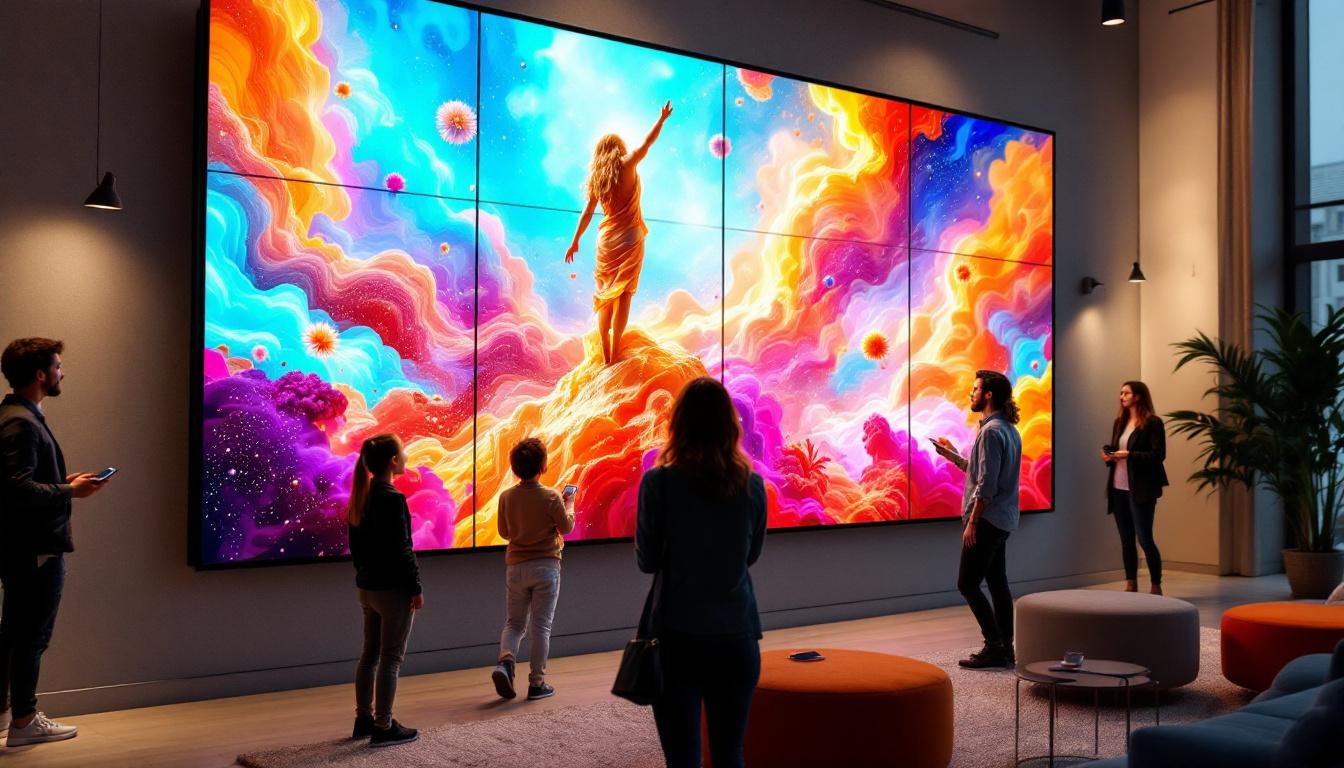
LED wall monitors are highly modular, allowing for custom sizes and shapes tailored to specific spaces. Panels can be seamlessly tiled to create massive displays without visible bezels, enabling immersive visual experiences. This scalability is crucial for venues requiring large-format displays that can adapt to architectural constraints.
Energy Efficiency and Longevity
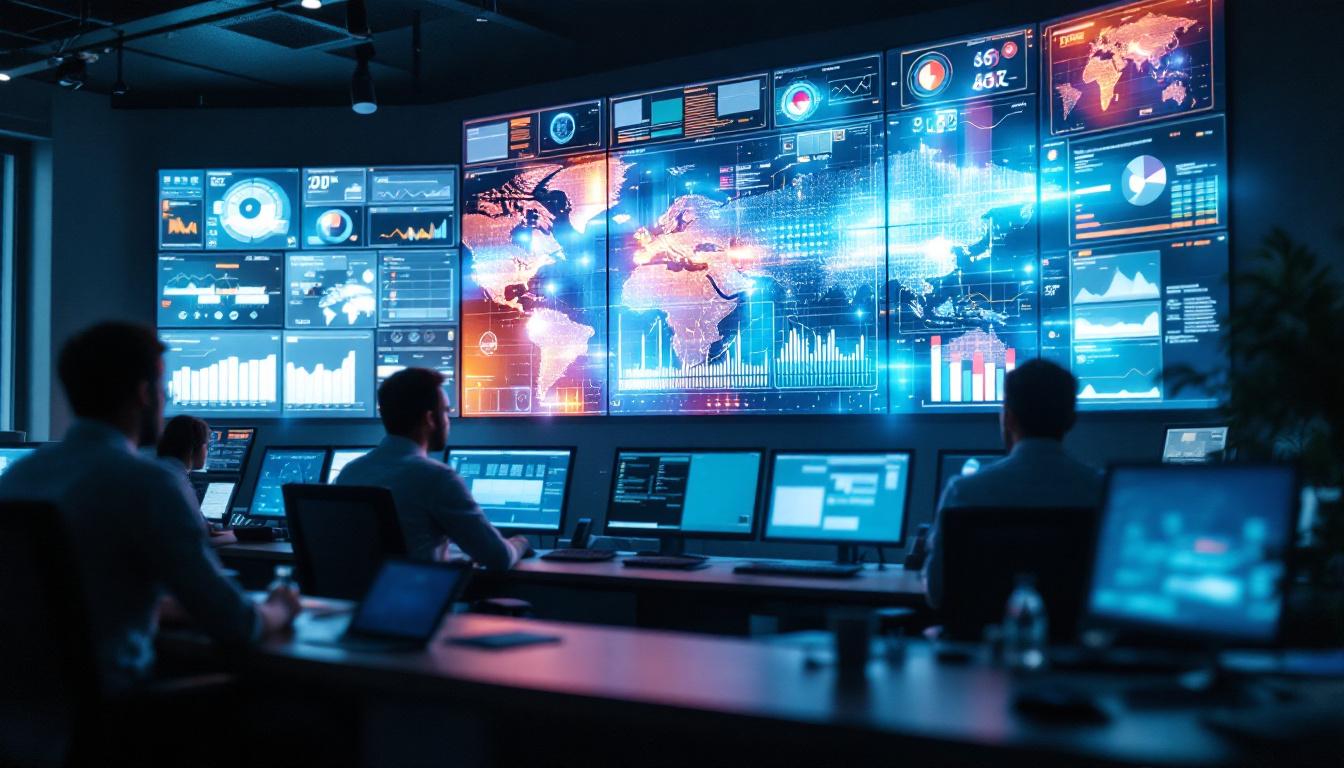
Compared to other large display technologies, LED displays consume less power and have longer operational lifespans. The energy efficiency of LEDs reduces operating costs, which is particularly important for installations that run continuously, such as digital signage in transportation hubs or control rooms.
Additionally, LEDs generally have a lifespan of 50,000 to 100,000 hours, minimizing the need for frequent replacements and maintenance.
Applications of Large LED Wall Monitors
The versatility of LED wall monitors has led to widespread adoption across numerous industries and use cases.
Corporate and Conference Environments
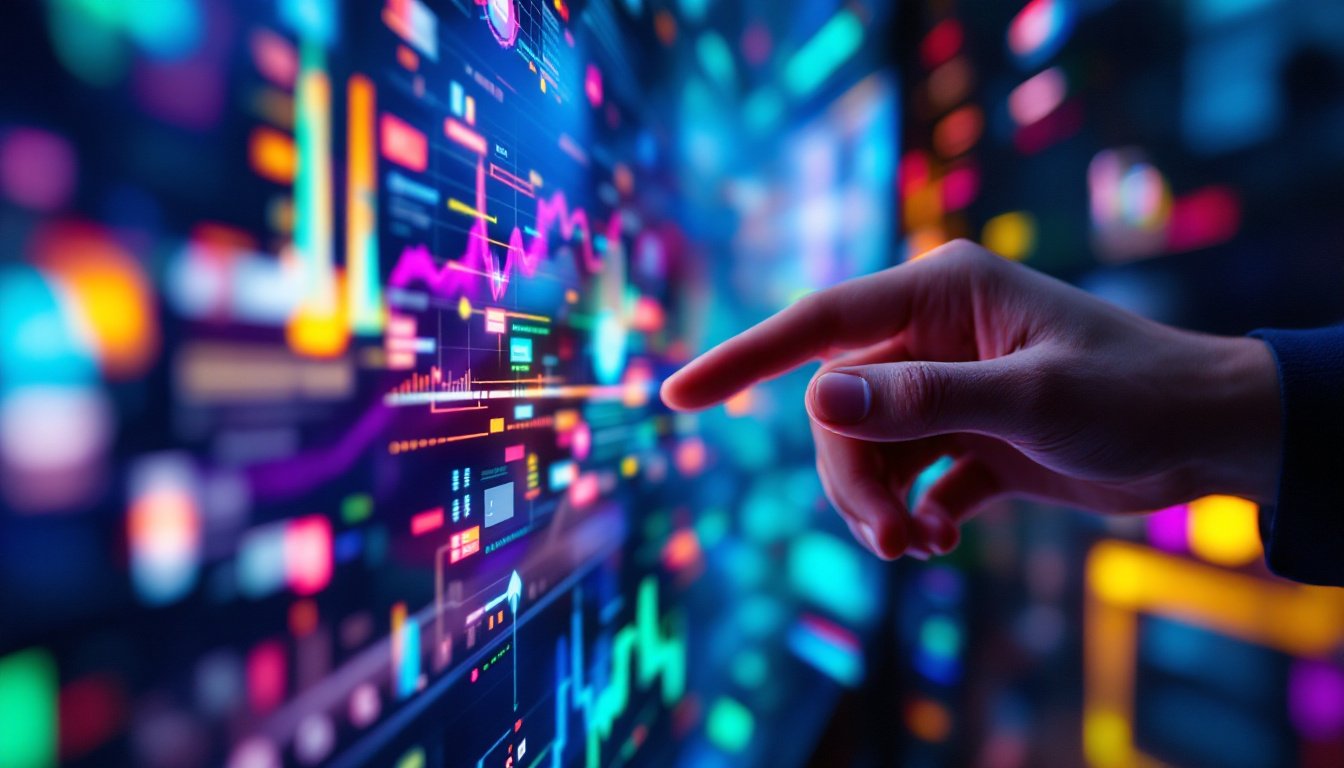
In corporate settings, large LED wall monitors enhance presentations, video conferencing, and data visualization. Their high resolution and brightness improve engagement and communication during meetings and events. Many companies invest in LED video walls for their lobbies and auditoriums to showcase branding or real-time information.
Retail and Advertising
Retailers leverage LED wall monitors for dynamic digital signage that captures customer attention and promotes products effectively. The ability to display high-resolution videos and animations makes LED walls a powerful marketing tool. According to a 2023 study by Digital Signage Today, digital signage including LED displays can increase customer dwell time by up to 30%, directly impacting sales.
Entertainment and Sports Venues
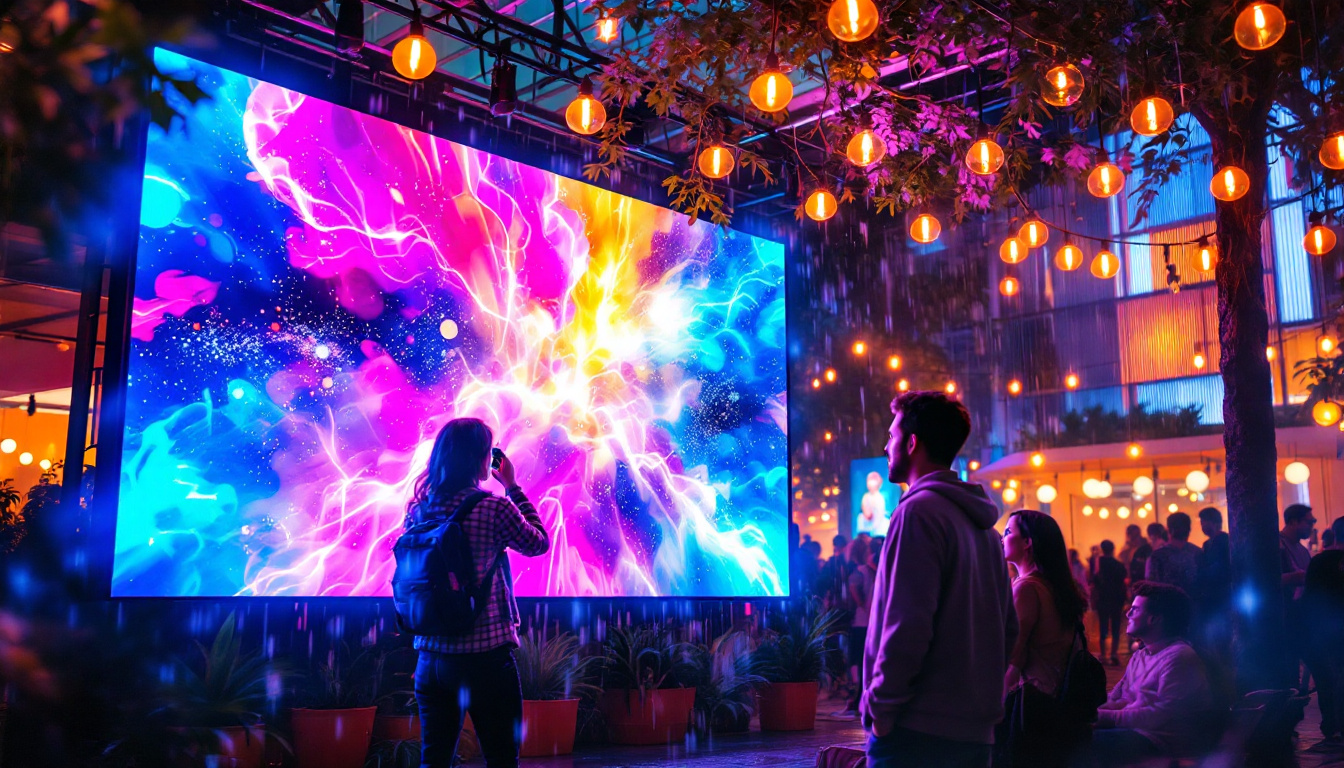
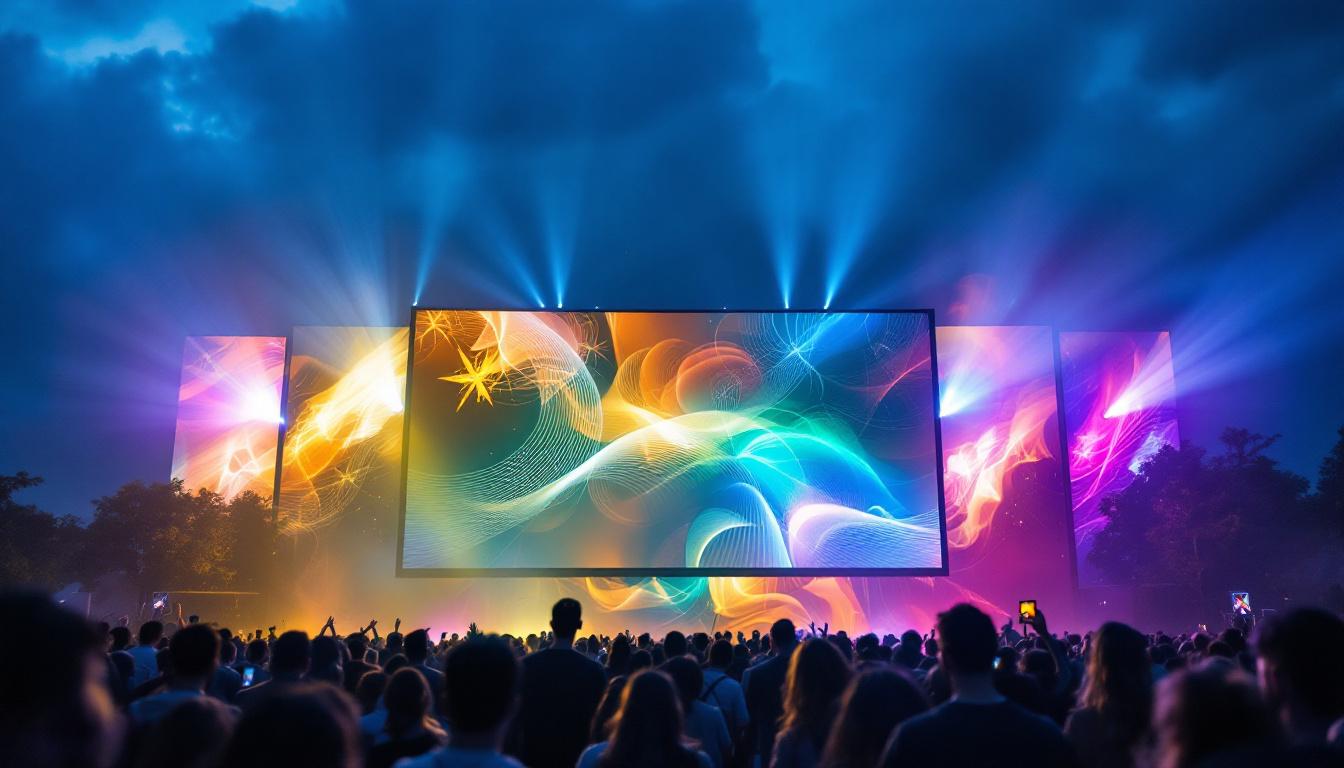
Stadiums, arenas, and concert venues rely on massive LED screens to provide live video feeds, replays, and interactive content to thousands of spectators. The scalability and brightness of LED walls ensure visibility from all seating areas, enhancing the overall experience.
Transportation and Public Spaces
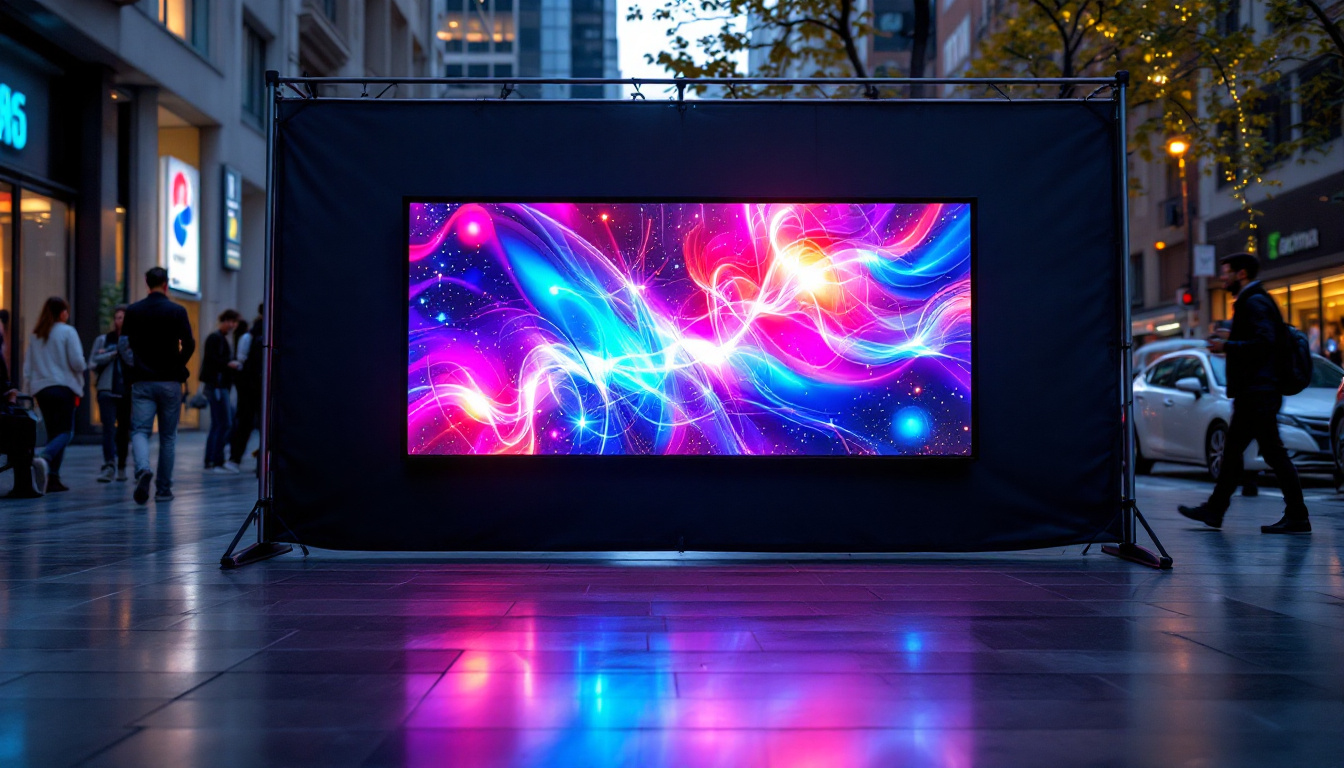
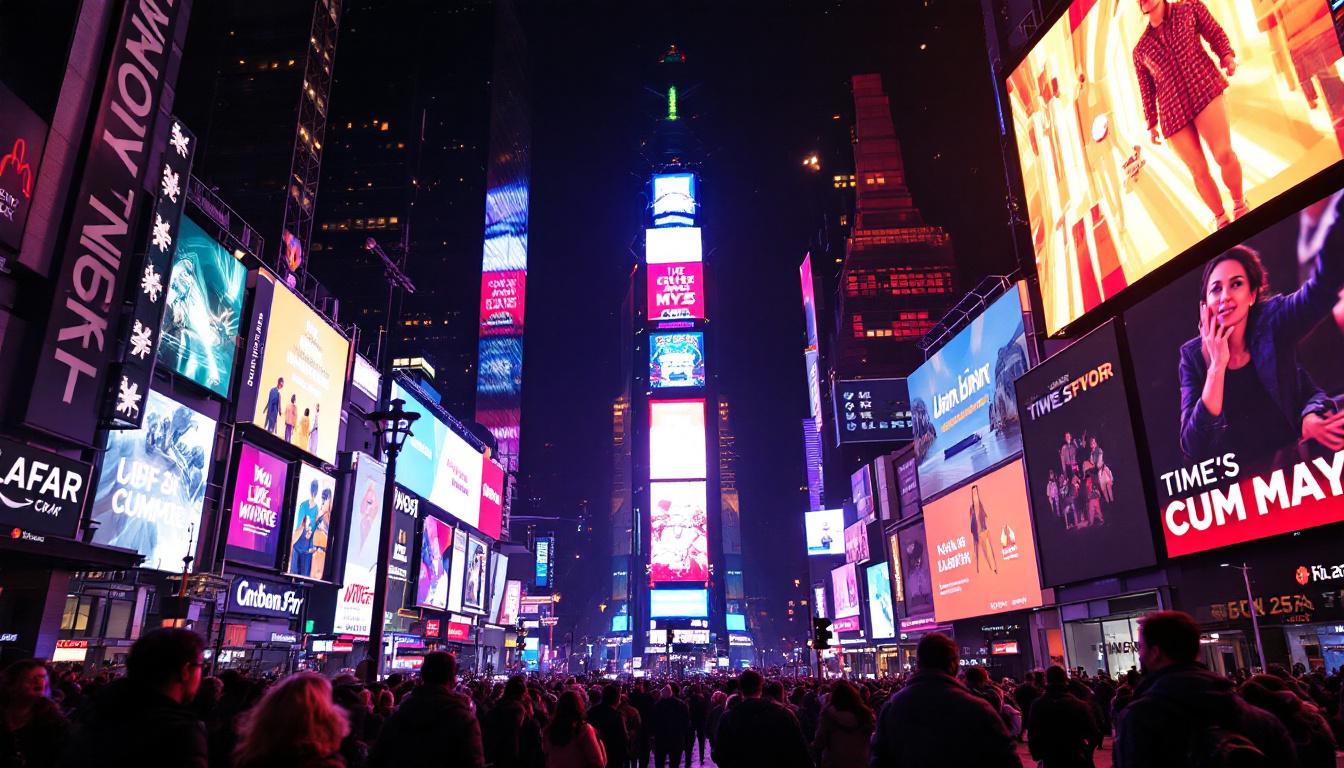
Airports, train stations, and city squares use LED wall monitors for real-time information displays, wayfinding, and public service announcements. Their durability and visibility in various lighting conditions make them ideal for these high-traffic environments.
Key Considerations When Choosing a Large LED Wall Monitor
Selecting the right LED display involves understanding several technical and practical factors to ensure the installation meets your specific needs.
Resolution and Pixel Pitch
Resolution is critical for image clarity, especially when viewers are close to the display. Pixel pitch, measured in millimeters, refers to the distance between the centers of adjacent pixels. A smaller pixel pitch means higher resolution and sharper images.
For indoor applications where viewers are close, pixel pitches between 1.2mm and 2.5mm are common, delivering crisp visuals. Outdoor displays, viewed from greater distances, often use larger pixel pitches (4mm to 10mm) to balance cost and visibility.
Brightness and Contrast Ratio
Brightness requirements depend on the installation environment. Outdoor LED walls typically require brightness levels above 5,000 nits to combat sunlight, while indoor displays can operate effectively at 800 to 1,500 nits. Contrast ratio, the difference between the darkest and brightest parts of the image, affects image depth and quality.
Refresh Rate and Color Accuracy
Higher refresh rates reduce flickering and motion blur, which is essential for video playback and live broadcasts. A refresh rate of at least 3,840 Hz is recommended for professional LED displays to ensure smooth visuals. Color accuracy is also important for branding and content fidelity, so look for displays that support wide color gamuts and color calibration.
Durability and Maintenance
Consider the environmental conditions where the LED wall will be installed. Outdoor displays need to be weatherproof and resistant to dust, moisture, and temperature fluctuations. Additionally, modular designs that allow for easy servicing and replacement of individual panels can reduce downtime and maintenance costs.
Installation and Support
Large LED wall monitors require professional installation to ensure structural safety and optimal performance. Working with experienced providers who offer comprehensive support, including calibration, software integration, and warranty services, is crucial for long-term satisfaction.
Future Trends in LED Wall Monitor Technology
The LED display industry continues to evolve rapidly, driven by advances in materials, manufacturing, and software.
MicroLED and MiniLED Innovations
Emerging technologies like MicroLED and MiniLED promise even higher resolution, improved energy efficiency, and thinner form factors. MicroLED displays use microscopic LEDs to create pixels, offering superior brightness and color performance without the burn-in issues associated with OLEDs.
Integration with Smart Technologies
Large LED walls are increasingly integrated with AI-powered content management systems, enabling dynamic, context-aware displays. This allows for personalized advertising, real-time data visualization, and interactive experiences that engage audiences more effectively.
Sustainability and Energy Efficiency
As environmental concerns grow, manufacturers are focusing on reducing the carbon footprint of LED displays through recyclable materials, lower power consumption, and longer lifespans. Energy-efficient designs not only reduce operating costs but also align with corporate sustainability goals.
Conclusion
Large wall monitors utilizing LED display technology offer unparalleled visual performance, flexibility, and durability across a wide range of applications. Understanding the fundamentals of LED technology, the benefits it provides, and the key factors to consider when selecting a display can help businesses and organizations make informed decisions that maximize impact and return on investment.
Whether for corporate communication, retail marketing, entertainment, or public information, LED wall monitors continue to set the standard for large-format digital displays, combining cutting-edge technology with practical advantages that meet the demands of modern visual communication.
Discover LumenMatrix’s Innovative LED Display Solutions
Ready to elevate your visual communication with the latest in LED display technology? Look no further than LumenMatrix, where innovation meets excellence. Our comprehensive range of LED display modules, including Indoor, Outdoor, Vehicle, Poster, Sports, Floor, Custom, All-in-One, and Transparent LED Displays, is designed to bring your brand to life and engage your audience like never before. Experience the future of digital signage with LumenMatrix and transform your space into a dynamic visual masterpiece. Check out LumenMatrix LED Display Solutions today and see the difference cutting-edge technology can make.