In an era where visual communication dominates, LED displays have become a cornerstone technology for advertising, information dissemination, and entertainment. The evolution of LED display technology has brought about slimmer, more efficient, and visually stunning screens that captivate audiences worldwide. This article delves into the intricacies of slim LED displays, exploring their technology, applications, and the reasons behind their growing popularity.
Understanding LED Display Technology
What is an LED Display?
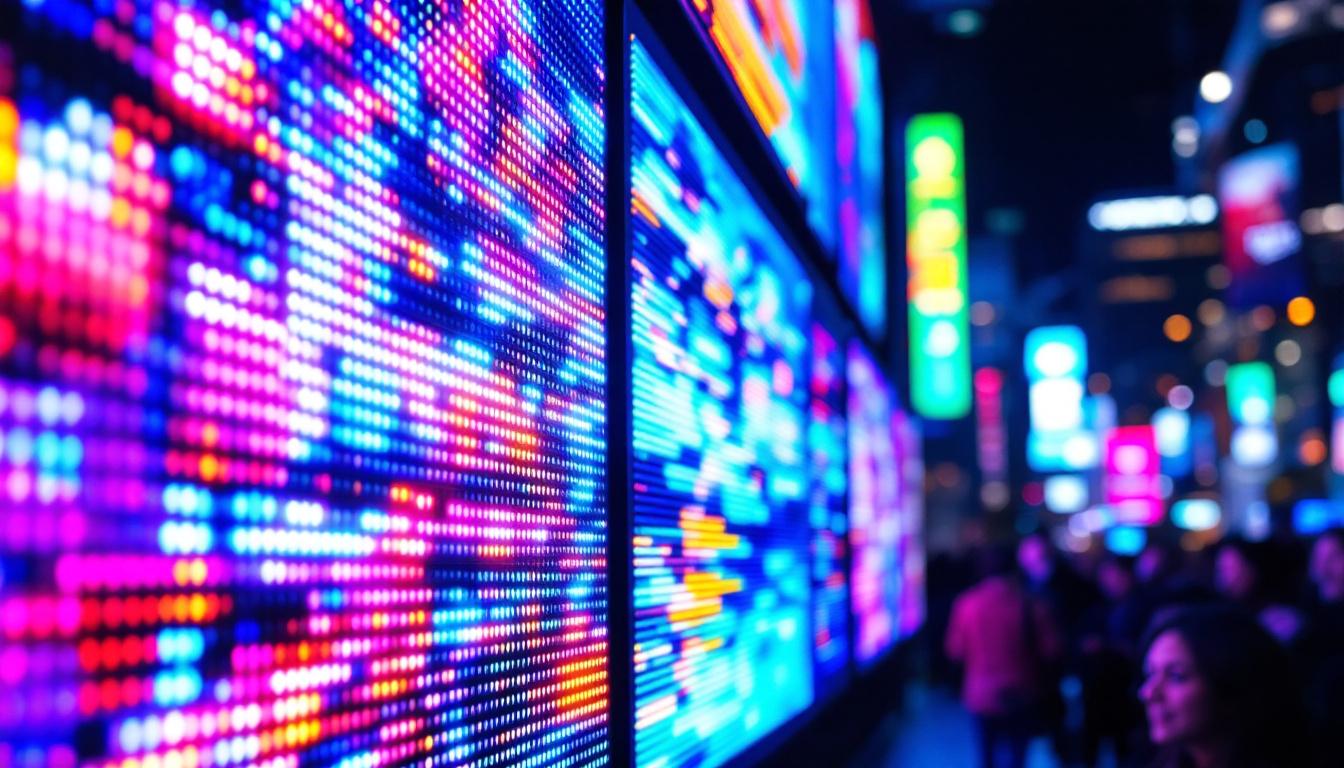
LED stands for Light Emitting Diode, a semiconductor device that emits light when an electric current passes through it. An LED display is essentially a screen made up of thousands to millions of these tiny diodes, arranged in a grid to form images and videos. Unlike traditional LCD or plasma screens, LED displays use direct light emission, which results in brighter images, better contrast, and more vibrant colors.
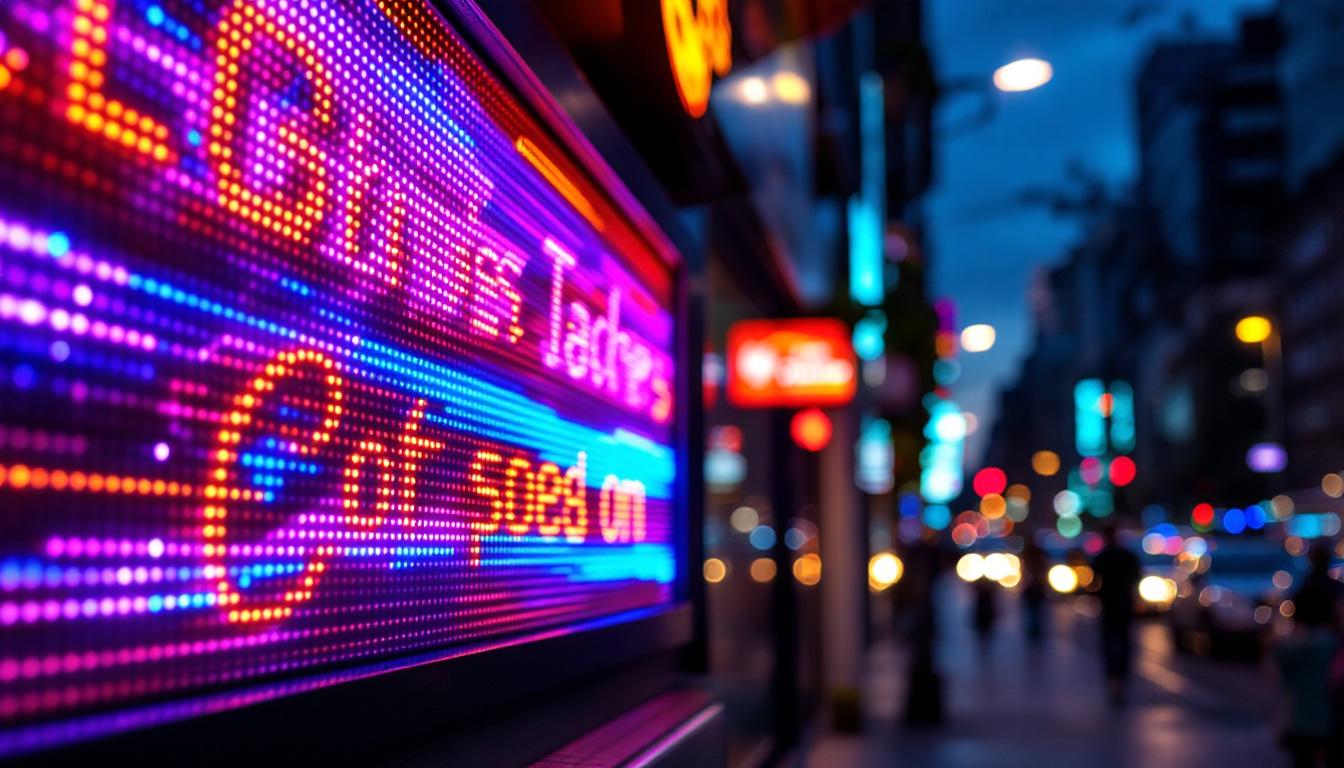
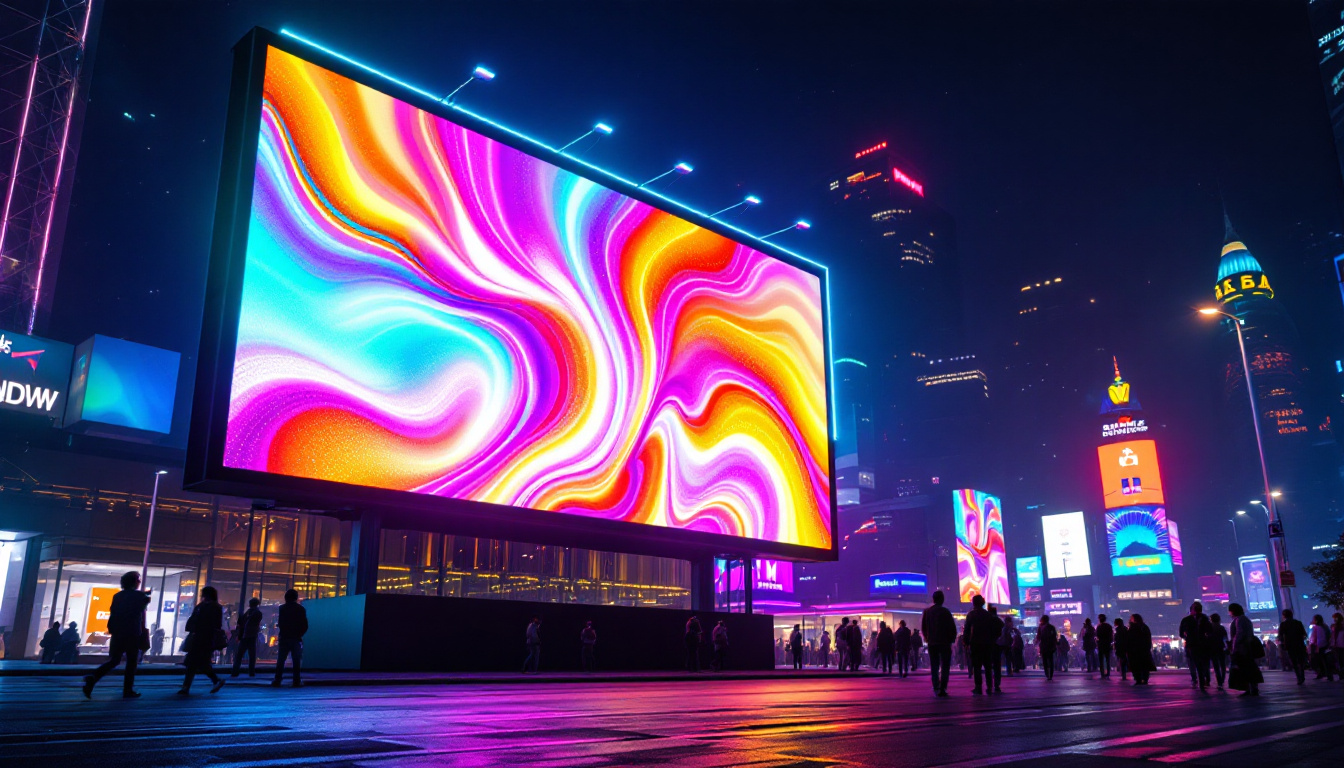
LED displays come in various forms, including indoor and outdoor variants, each designed to meet specific environmental and usage requirements. The key advantage of LED technology is its ability to produce high brightness levels, making these displays visible even under direct sunlight — a feature critical for outdoor advertising and public information systems.
How Slim LED Displays Differ from Traditional Screens
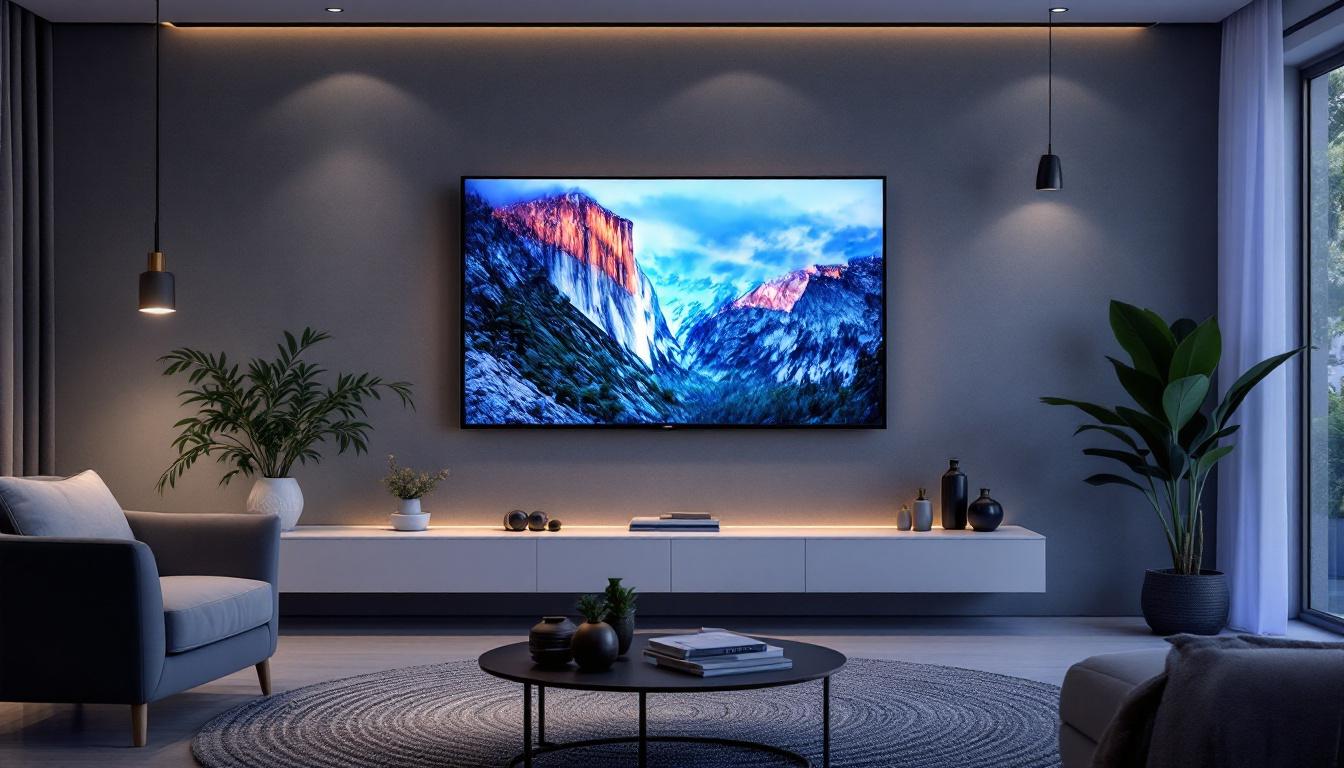
Traditional LED displays, especially those used in large-scale applications, were often bulky due to the size of the diodes and the supporting hardware. The term “slim image” refers to the modern trend towards thinner, lighter, and more compact LED panels without compromising image quality or brightness.
Several technological advancements have contributed to this slimming effect. For instance, the development of smaller, more efficient diodes allows for tighter pixel pitch — the distance between the centers of two adjacent pixels — enabling higher resolution in a smaller area. Additionally, innovations in panel design, heat dissipation, and power management have reduced the thickness of LED modules, making them easier to install and integrate into various environments.
Key Components and Design Features of Slim LED Displays
Pixel Pitch and Resolution
Pixel pitch is a critical factor in defining the sharpness and clarity of an LED display. It is measured in millimeters and represents the distance between individual pixels. Slim LED displays often feature pixel pitches as low as 0.9mm to 2.5mm, enabling ultra-high-definition images that rival traditional LCD screens.
Smaller pixel pitch means more pixels per square meter, which translates to finer detail and smoother images. This is particularly important for indoor displays where viewers are closer to the screen. For outdoor displays, a slightly larger pixel pitch is acceptable due to greater viewing distances.
Panel Thickness and Weight
The reduction in panel thickness is a hallmark of slim LED displays. Modern panels can be as thin as 30-50 millimeters, compared to older models that were often 100 millimeters or thicker. This reduction not only improves aesthetics but also simplifies installation, especially in architectural applications where space is limited.
Weight reduction is equally important. Slim LED panels are lighter, reducing the load on mounting structures and enabling more creative display designs, such as curved or flexible screens. This flexibility broadens the scope for innovative advertising and artistic installations.
Heat Management and Power Efficiency
Efficient heat dissipation is essential for maintaining the longevity and performance of LED displays. Slim designs incorporate advanced cooling systems, including heat sinks, ventilation channels, and sometimes active cooling mechanisms to prevent overheating.
Power efficiency has also improved significantly. Newer LED chips consume less power while delivering higher brightness, reducing operational costs and environmental impact. This makes slim LED displays an attractive option for businesses looking to combine performance with sustainability.
Applications of Slim LED Displays
Retail and Advertising
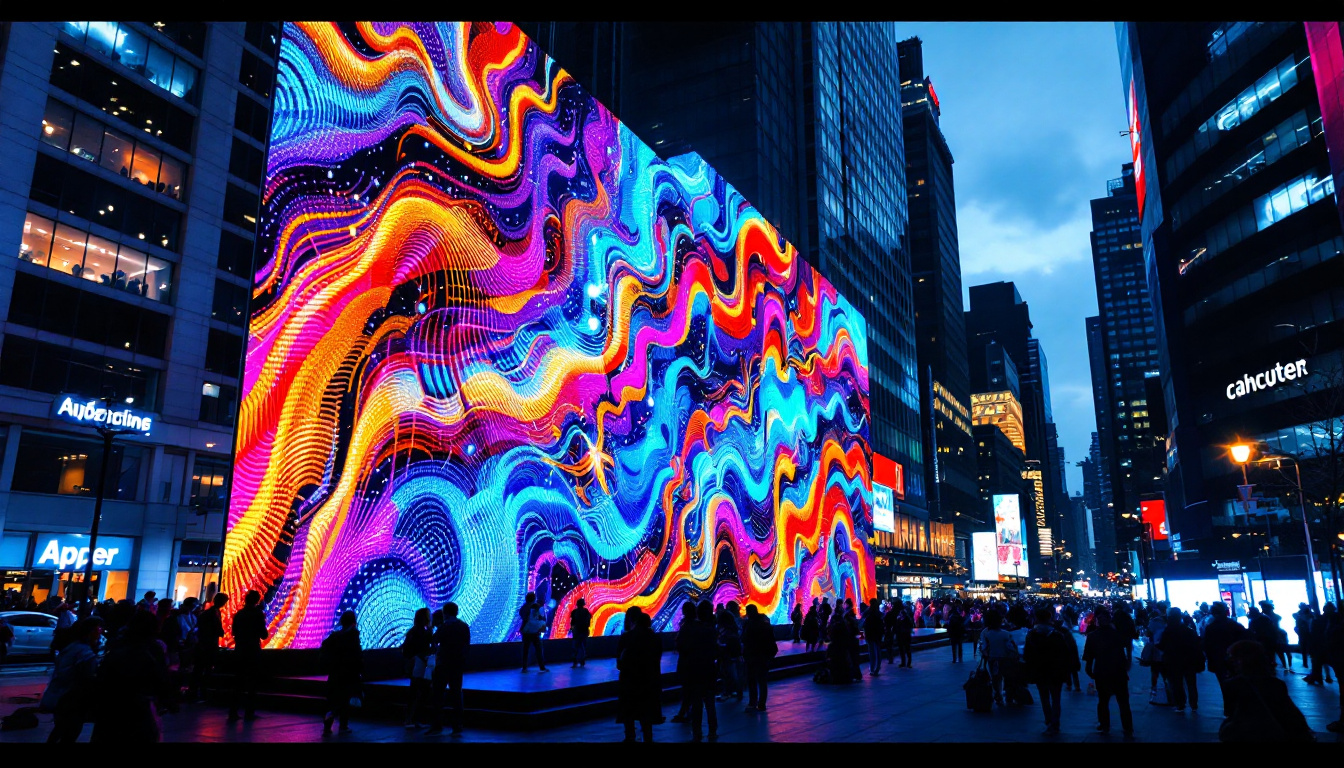
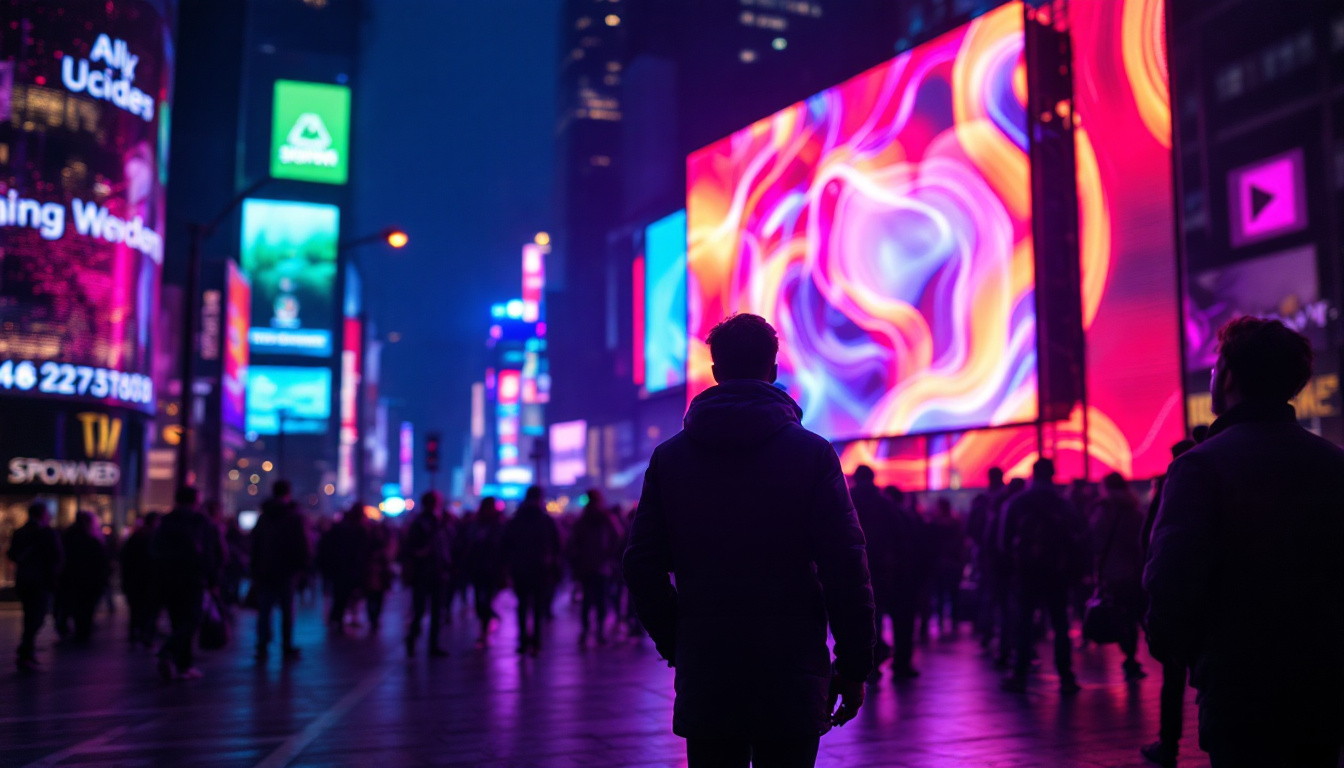
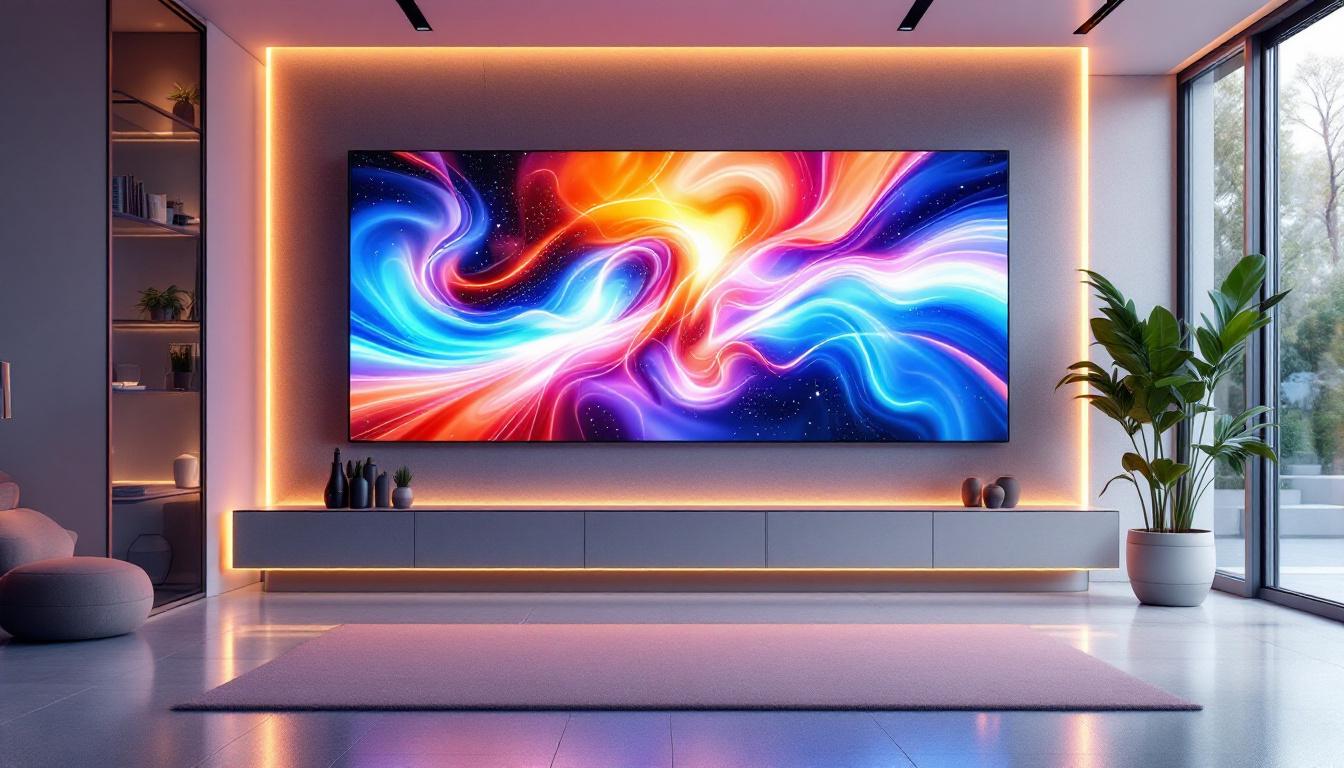
Retail environments have embraced slim LED displays for their ability to attract attention with vivid imagery and dynamic content. Slim panels can be seamlessly integrated into storefronts, window displays, and interior walls, providing high-impact visuals without occupying much space.
According to a 2023 report by Grand View Research, the global digital signage market is expected to reach $31.7 billion by 2028, driven largely by the adoption of advanced LED display technologies. Slim LED displays play a significant role in this growth, offering retailers a versatile tool to engage customers and promote products effectively.
Corporate and Conference Settings
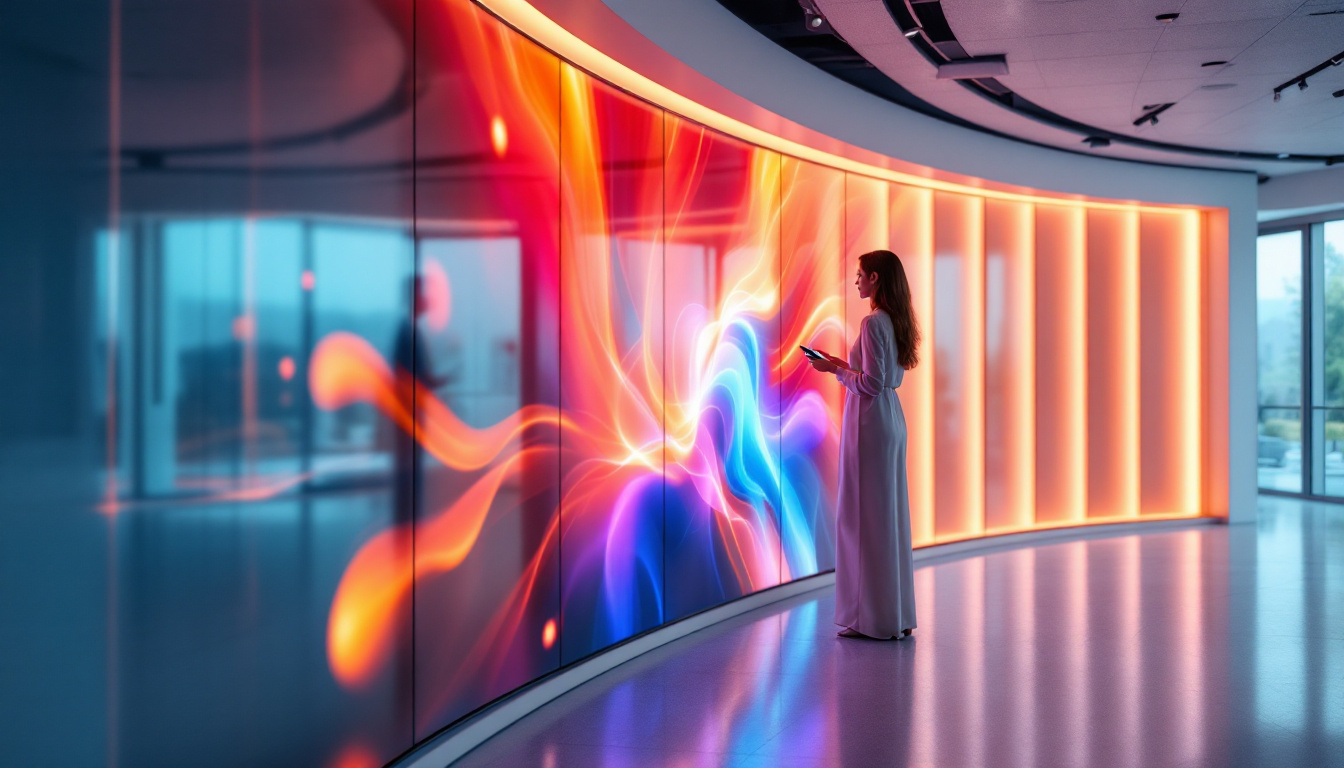
In corporate environments, slim LED displays are used for presentations, video conferencing, and digital whiteboards. Their sleek design complements modern office aesthetics while delivering clear, bright visuals that enhance communication and collaboration.
Many companies now prefer LED displays over traditional projectors due to better image quality, no shadow interference, and lower maintenance requirements. The slim form factor also allows for integration into walls or custom furniture, optimizing space usage.
Public Spaces and Transportation Hubs
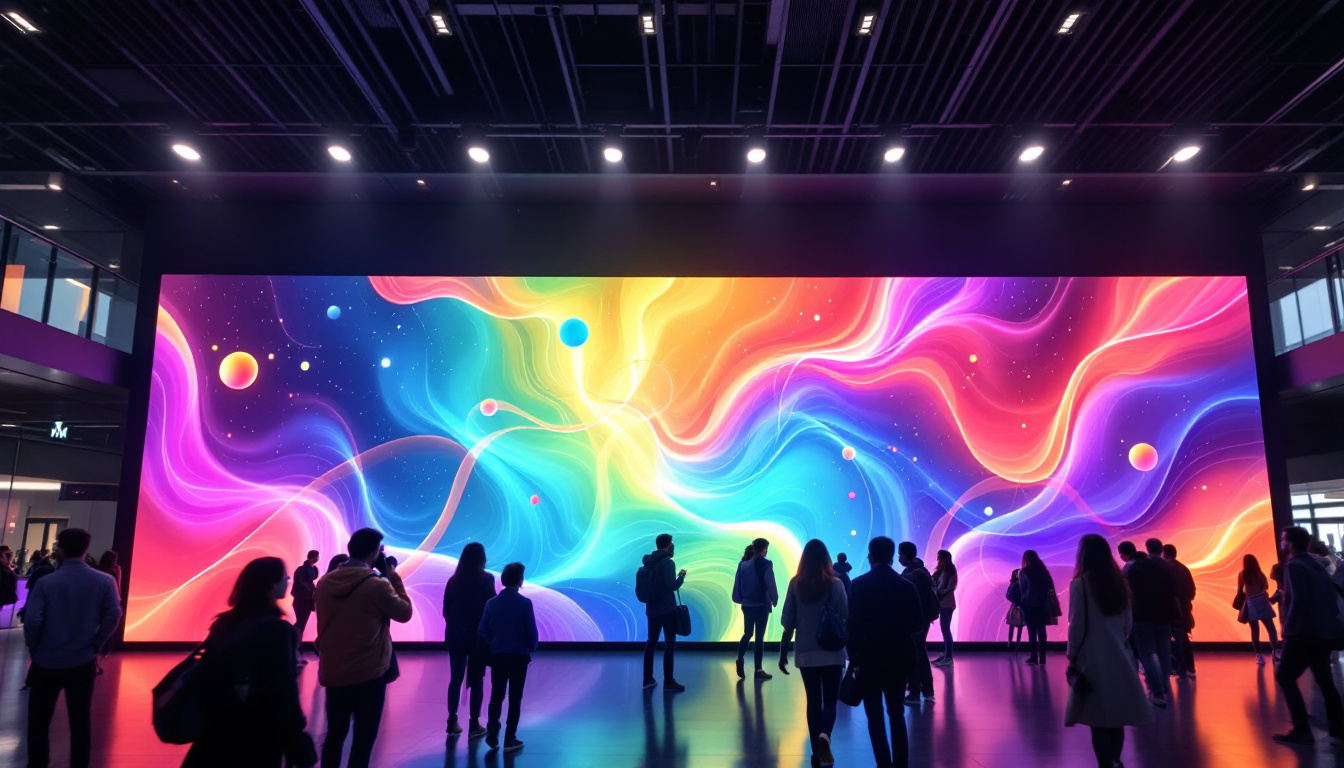
Airports, train stations, and other public venues utilize slim LED displays for real-time information, advertising, and wayfinding. The high brightness and wide viewing angles ensure visibility from various distances and angles, crucial in busy, dynamic environments.
For example, the introduction of slim LED displays in major airports has improved passenger experience by providing clear flight updates, weather information, and promotional content without cluttering the space.
Entertainment and Events
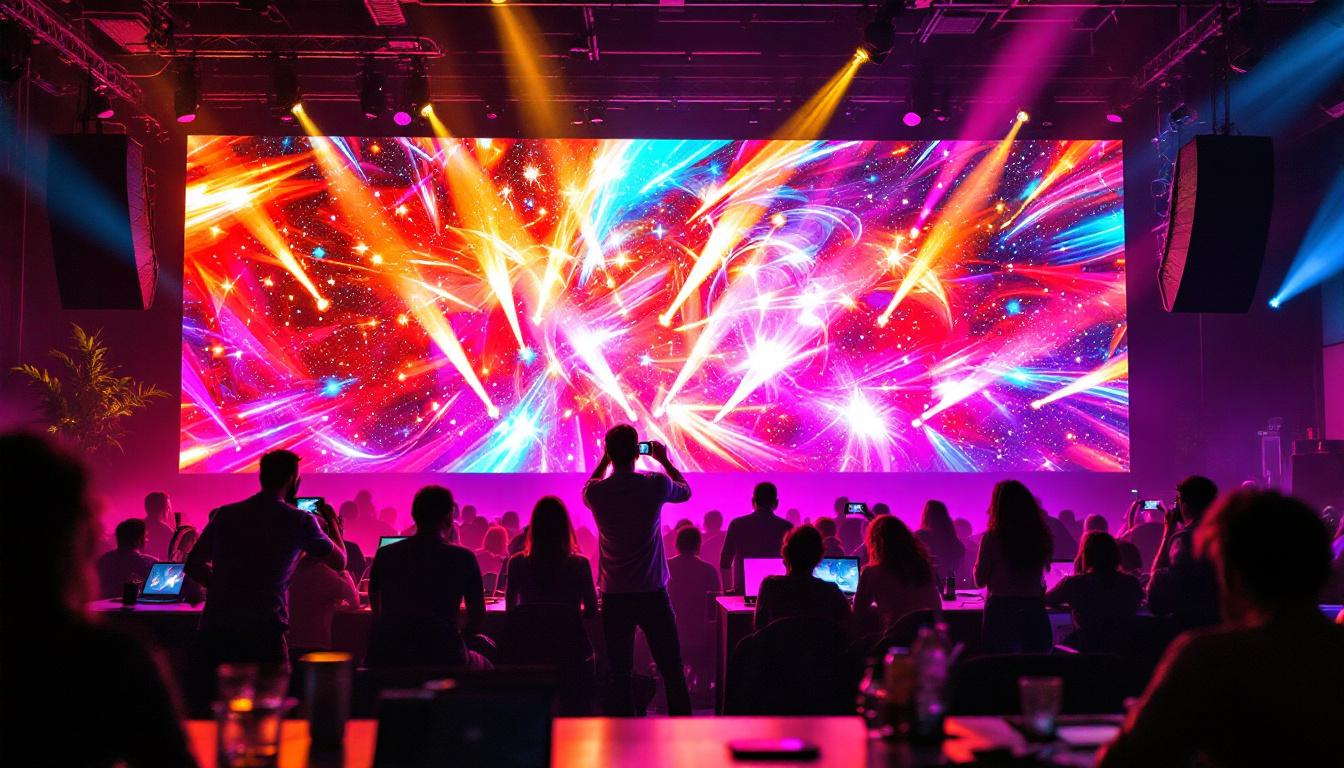
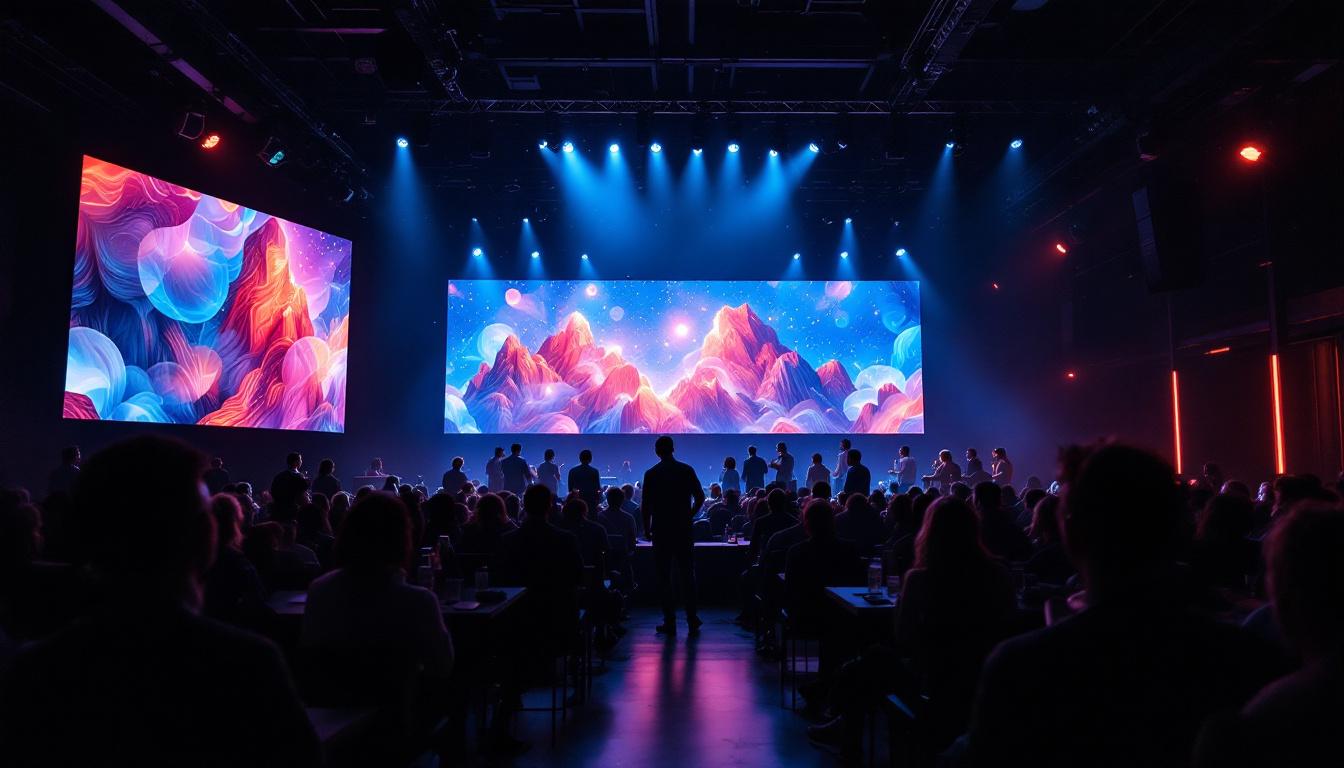
Concerts, sports arenas, and exhibition centers rely heavily on LED displays to deliver immersive experiences. Slim LED panels are favored for their portability, ease of installation, and ability to create large, seamless video walls.
The 2022 FIFA World Cup showcased the use of ultra-slim LED displays in stadiums and fan zones, enhancing visual storytelling and audience engagement. The technology enabled organizers to deliver high-resolution content in tight spaces, proving the versatility of slim LED solutions.
Advantages of Slim LED Displays Over Other Technologies
Superior Brightness and Contrast
Compared to LCD and projection-based displays, LED technology inherently offers higher brightness levels and better contrast ratios. Slim LED displays maintain these advantages while reducing physical bulk, making them suitable for both indoor and outdoor use.
This brightness capability ensures that content remains visible even in challenging lighting conditions, such as direct sunlight or brightly lit interiors, where other display types might struggle.
Durability and Longevity
LED displays are known for their durability, with many panels rated for 50,000 to 100,000 hours of operation. Slim LED displays benefit from improved materials and manufacturing processes that enhance resistance to dust, moisture, and mechanical impact.
This robustness reduces maintenance costs and downtime, which is particularly important for commercial installations where continuous operation is critical.
Flexibility and Customization
The slim form factor allows for greater design flexibility. LED panels can be curved, shaped, or tiled to create unique visual effects and fit unconventional spaces. This adaptability is a significant advantage over rigid display technologies.
Furthermore, content management systems for LED displays have evolved to support dynamic, interactive, and targeted messaging, enabling businesses to tailor their communications effectively.
Challenges and Considerations When Choosing Slim LED Displays
Cost Implications
While the prices of LED displays have decreased over the years, high-resolution slim LED panels remain a significant investment. The initial cost can be a barrier for small businesses or projects with limited budgets.
However, the total cost of ownership should consider factors such as energy efficiency, maintenance savings, and the potential for increased revenue through enhanced customer engagement.
Installation and Maintenance
Installing slim LED displays requires careful planning to ensure structural support, power supply, and ventilation are adequate. Professional installation is often necessary to optimize performance and safety.
Maintenance, while generally low, involves periodic cleaning and calibration to maintain image quality. Access to the panels for servicing should be considered during the design phase.
Content Quality and Management
The effectiveness of an LED display depends heavily on the quality of the content it displays. High-resolution screens require equally high-quality images and videos to avoid pixelation or blurriness.
Advanced content management systems are essential for scheduling, updating, and customizing content, especially for large-scale or multi-location deployments.
The Future of Slim LED Displays
Technological Innovations on the Horizon
Emerging technologies such as MicroLED and MiniLED promise to further revolutionize slim LED displays. MicroLED, in particular, offers even smaller pixel sizes, higher brightness, and improved energy efficiency, potentially surpassing OLED in image quality and durability.
Additionally, developments in flexible and transparent LED panels are opening new possibilities for architectural integration, wearable technology, and augmented reality applications.
Integration with Smart Technologies
As the Internet of Things (IoT) expands, slim LED displays are increasingly integrated with sensors, cameras, and AI-driven analytics. This integration enables interactive and context-aware content, enhancing user engagement and operational efficiency.
For example, retail stores can use facial recognition and foot traffic data to tailor advertising in real-time, maximizing marketing impact.
Sustainability and Environmental Impact
Manufacturers are focusing on reducing the environmental footprint of LED displays through the use of recyclable materials, energy-efficient components, and longer-lasting designs. Slim LED displays contribute to sustainability goals by consuming less power and generating less waste compared to older technologies.
As regulations around energy consumption and electronic waste tighten globally, these advances will become increasingly important for businesses and consumers alike.
Conclusion
Slim LED displays represent a significant advancement in visual display technology, combining high performance with sleek design and versatility. Their ability to deliver bright, sharp images in a compact form factor has transformed industries from retail to entertainment, making them an indispensable tool for modern communication.
While challenges such as cost and installation complexity remain, ongoing innovations and growing market demand are driving improvements that make slim LED displays more accessible and effective than ever before. Understanding the technology, applications, and future trends of slim LED displays is essential for businesses and organizations looking to leverage visual media to engage audiences and enhance their brand presence.
Explore the Future of Visual Display with LumenMatrix
Ready to elevate your visual communication and captivate your audience with the thinnest, brightest, and most versatile LED displays on the market? Discover LumenMatrix’s innovative range of LED display solutions, from Indoor and Outdoor LED Walls to Custom and All-in-One LED Displays. Embrace the future of digital signage with our cutting-edge technology designed to make your brand shine. Check out LumenMatrix LED Display Solutions today and transform your visual storytelling with unparalleled clarity and impact.