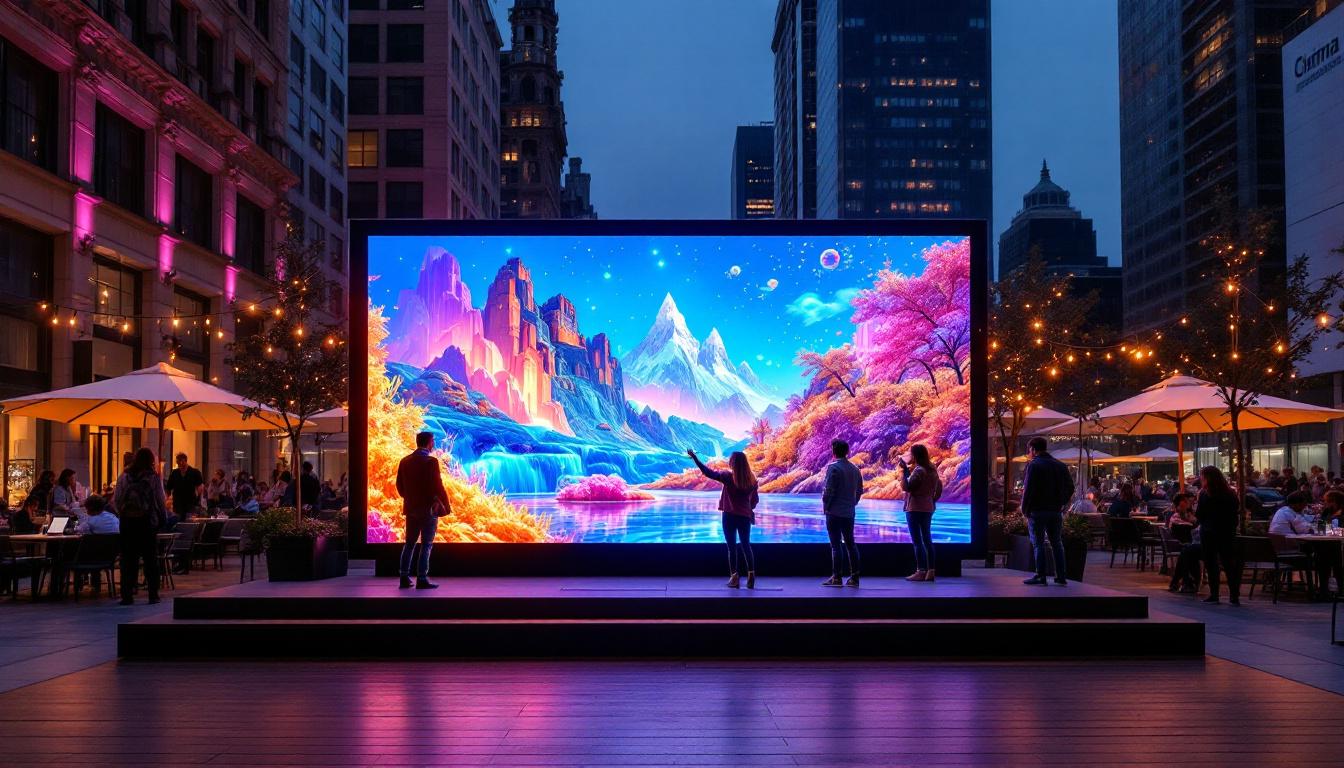
In the rapidly evolving world of digital signage and visual communication, LED displays have become a cornerstone technology, transforming how businesses, advertisers, and event organizers engage their audiences. Msbl North, a leading provider in this space, has been at the forefront of delivering innovative LED display solutions that combine cutting-edge technology with reliability and versatility.
This article delves deep into the world of LED displays, explaining the technology behind them, their applications, and why Msbl North’s offerings stand out in a competitive market. Whether you are a business owner considering digital signage or a tech enthusiast curious about LED technology, this comprehensive guide will provide valuable insights.
Understanding LED Display Technology
What is an LED Display?
LED stands for Light Emitting Diode, a semiconductor device that emits light when an electric current passes through it. An LED display is a flat panel display that uses an array of LEDs as pixels for a video display. These LEDs can be tiny individual diodes or clusters of diodes, which together create vibrant images and videos visible even in bright daylight conditions.
The key advantage of LED displays over traditional LCD or plasma screens lies in their brightness, energy efficiency, and longevity. LEDs can produce intense light output, making them ideal for both indoor and outdoor use. Moreover, the modular nature of LED panels allows for displays of virtually any size and shape, from small retail screens to massive stadium displays. This versatility has led to their widespread adoption in various sectors, including advertising, entertainment, and information dissemination, fundamentally changing how visual content is presented to audiences.
Additionally, LED technology has evolved significantly, with advancements that enhance color accuracy and reduce energy consumption. For instance, some modern LED displays incorporate advanced color calibration technologies that ensure consistent color reproduction across different viewing angles, addressing a common limitation of older display technologies. This makes LED displays not only a practical choice but also a preferred option for high-stakes environments like broadcasting studios and art galleries, where visual fidelity is paramount.
How LED Displays Work
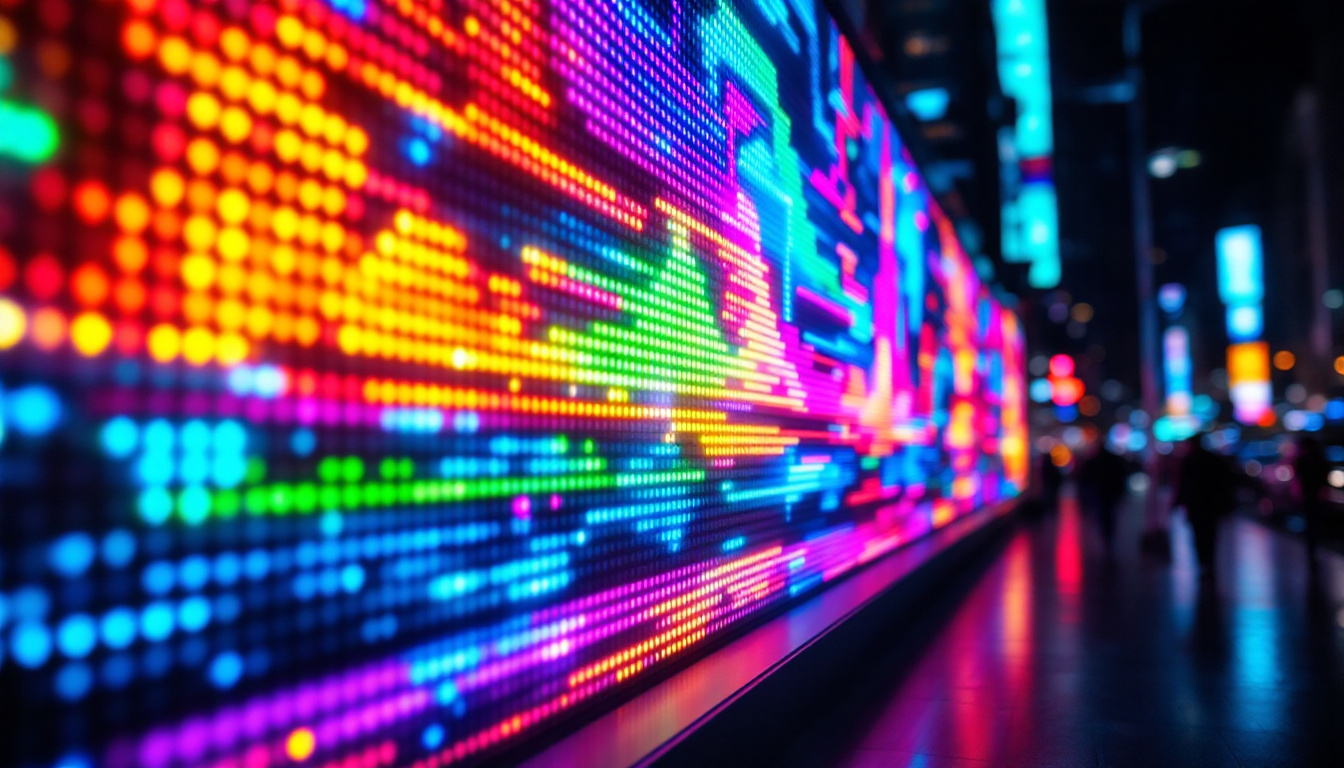
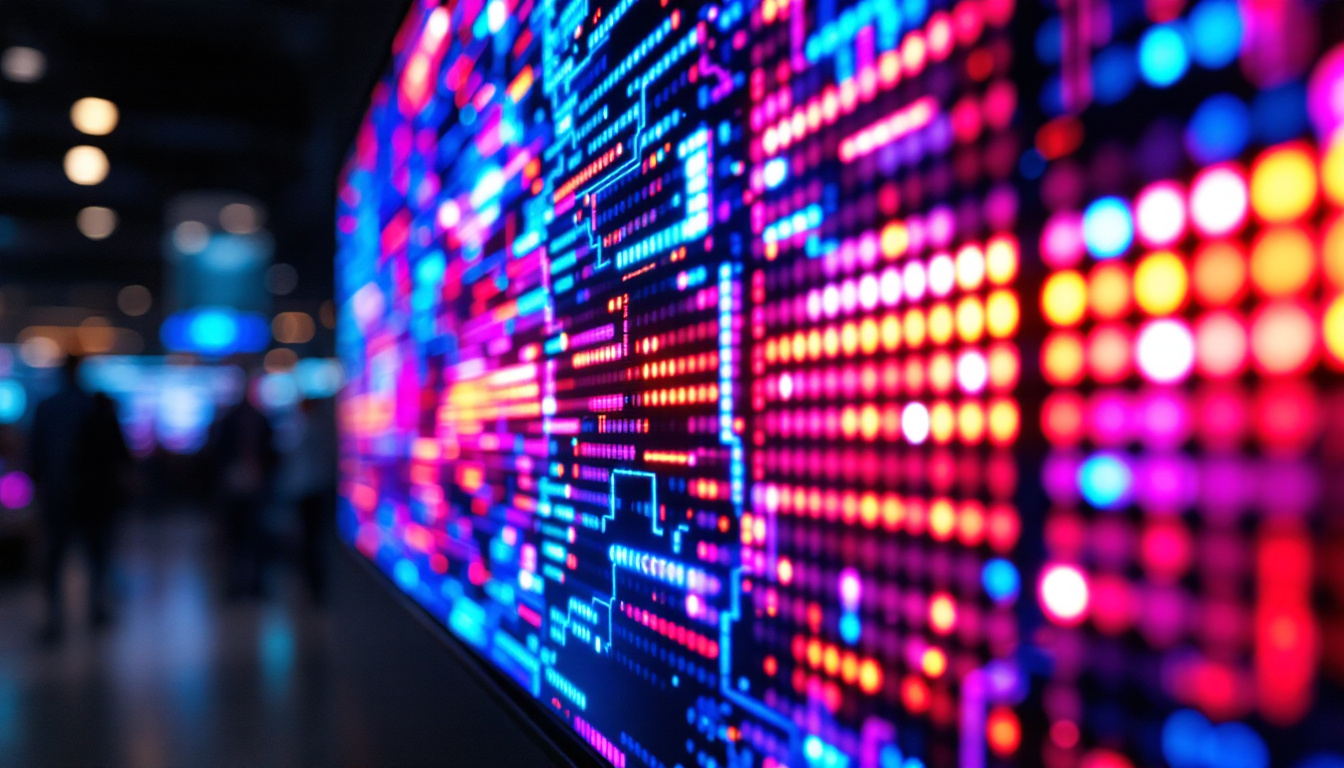
At the core of an LED display is the pixel, which typically consists of red, green, and blue (RGB) diodes. By varying the intensity of each diode, the display can produce millions of colors. The pixels are arranged in a grid pattern, and the display controller synchronizes the lighting of these pixels to form images and videos.
Modern LED displays use surface-mounted device (SMD) technology, where LEDs are mounted directly onto the circuit board. This allows for higher pixel density, resulting in sharper images and smoother video playback. The pixel pitch, or the distance between the centers of two adjacent pixels, is a crucial factor determining the resolution and viewing distance of the display. Smaller pixel pitches enable closer viewing distances without sacrificing image quality, making them ideal for venues like theaters and conference rooms where audience proximity to the screen is common.
Furthermore, the technology behind LED displays is continuously evolving, with innovations such as HDR (High Dynamic Range) capabilities that enhance contrast and color depth. This means that LED displays can not only be brighter but also display a wider range of colors and more detailed shadows and highlights, providing a more immersive viewing experience. As a result, LED displays are increasingly being integrated into virtual reality environments and interactive installations, further pushing the boundaries of visual technology.
Types of LED Displays
LED displays come in various types, each suited for different applications:
- Indoor LED Displays: Designed for controlled lighting environments, these displays have smaller pixel pitches (often less than 2mm) to provide high-resolution images at close viewing distances. They are commonly used in retail spaces, trade shows, and corporate environments where clarity and detail are essential.
- Outdoor LED Displays: Built to withstand weather conditions, these displays have higher brightness levels (up to 7,000 nits or more) and larger pixel pitches to be visible from long distances. They are often seen in sports arenas, billboards, and public transportation hubs, effectively capturing the attention of passersby.
- Transparent LED Displays: These innovative displays allow light to pass through, making them ideal for storefront windows and architectural applications where visibility both inside and outside is required. They enable businesses to showcase products while maintaining an open feel, merging digital content with physical space.
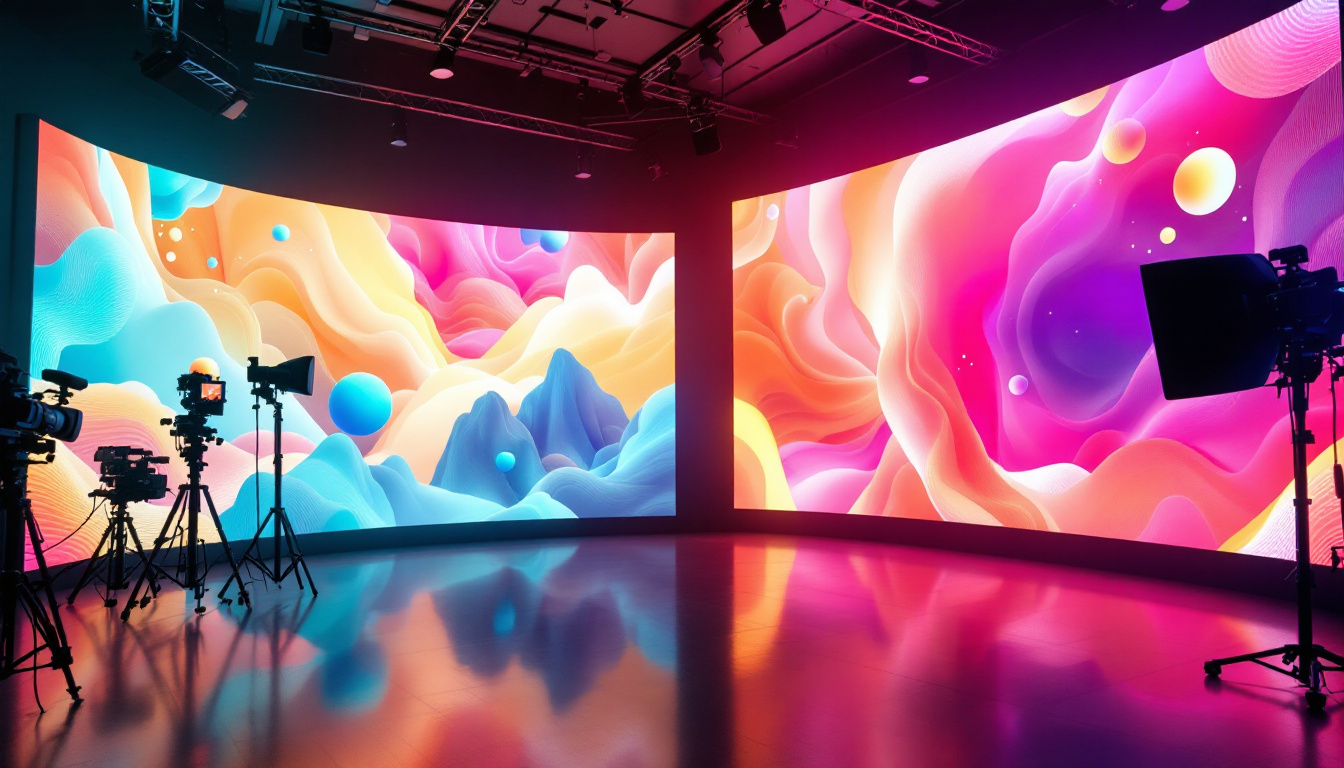
- Flexible and Curved LED Displays: Using flexible substrates, these displays can be bent or curved to fit unique design requirements, enhancing creative possibilities. This adaptability has led to their use in immersive environments, such as museums and exhibitions, where designers can create captivating visual experiences that engage viewers from multiple angles.
In addition to these types, there are also specialized LED displays designed for specific industries, such as medical imaging, where high-resolution displays are critical for accurate diagnostics. The continuous innovation in LED technology ensures that new applications are always emerging, making LED displays a dynamic and integral part of modern visual communication.
Applications of LED Displays in Modern Industries
Advertising and Digital Signage
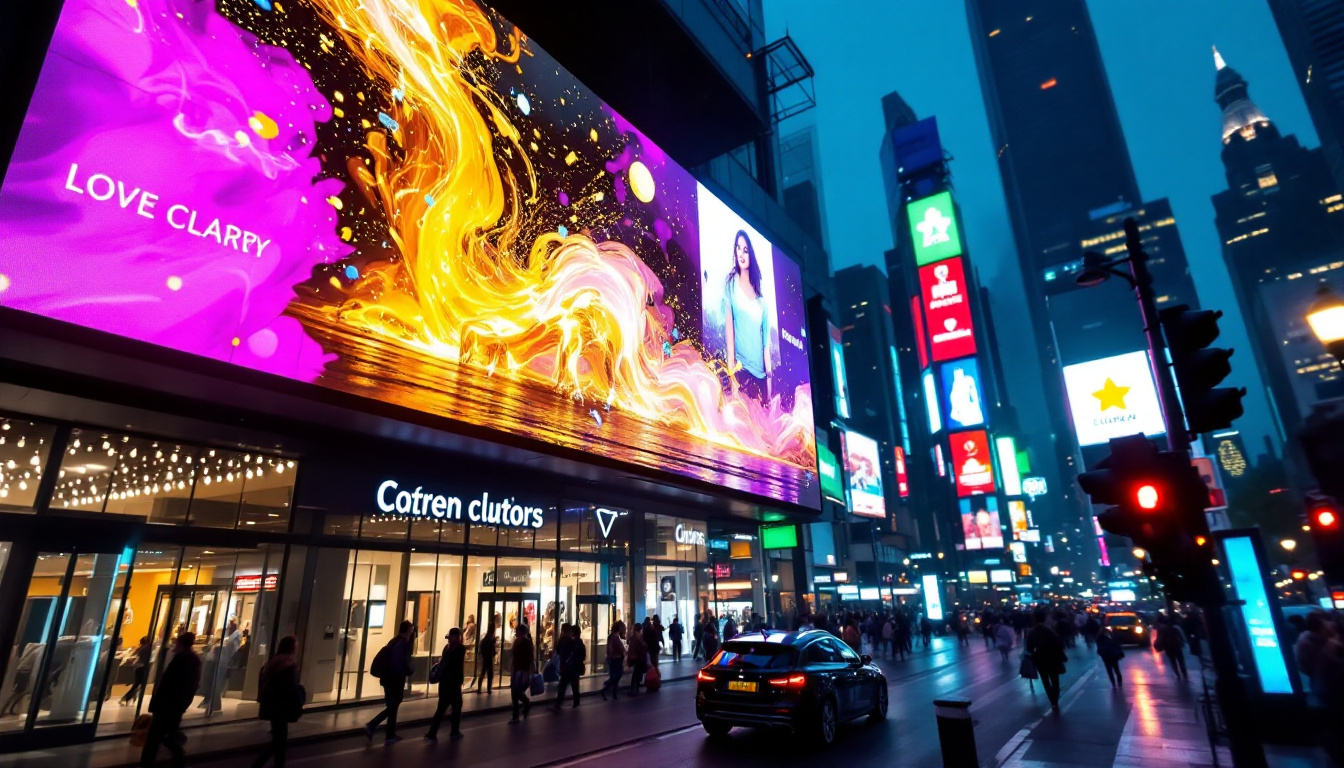
Advertising is one of the most prominent uses of LED displays. Their ability to deliver dynamic, eye-catching content makes them invaluable for brands looking to engage consumers. According to a 2023 report by Grand View Research, the global digital signage market is expected to reach $32.84 billion by 2028, growing at a compound annual growth rate (CAGR) of 8.3%. LED displays are a significant driver of this growth.
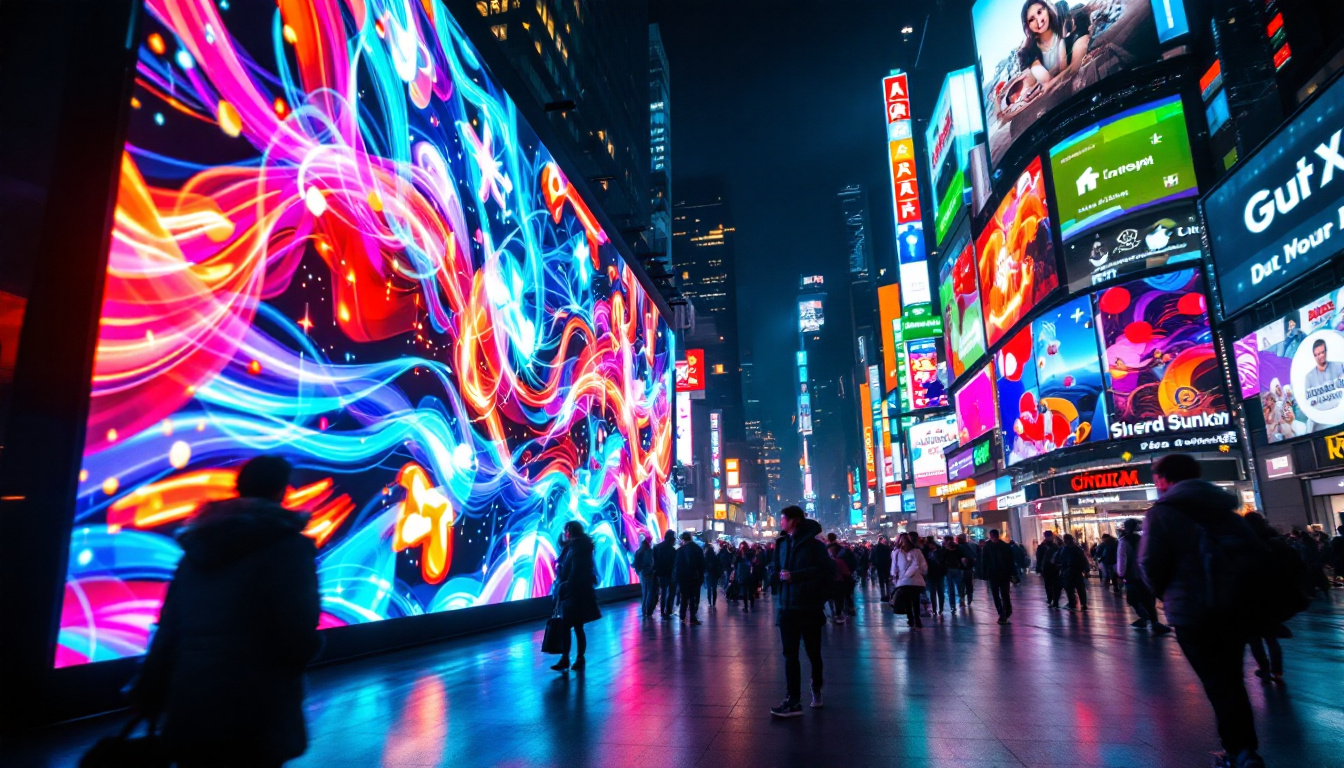
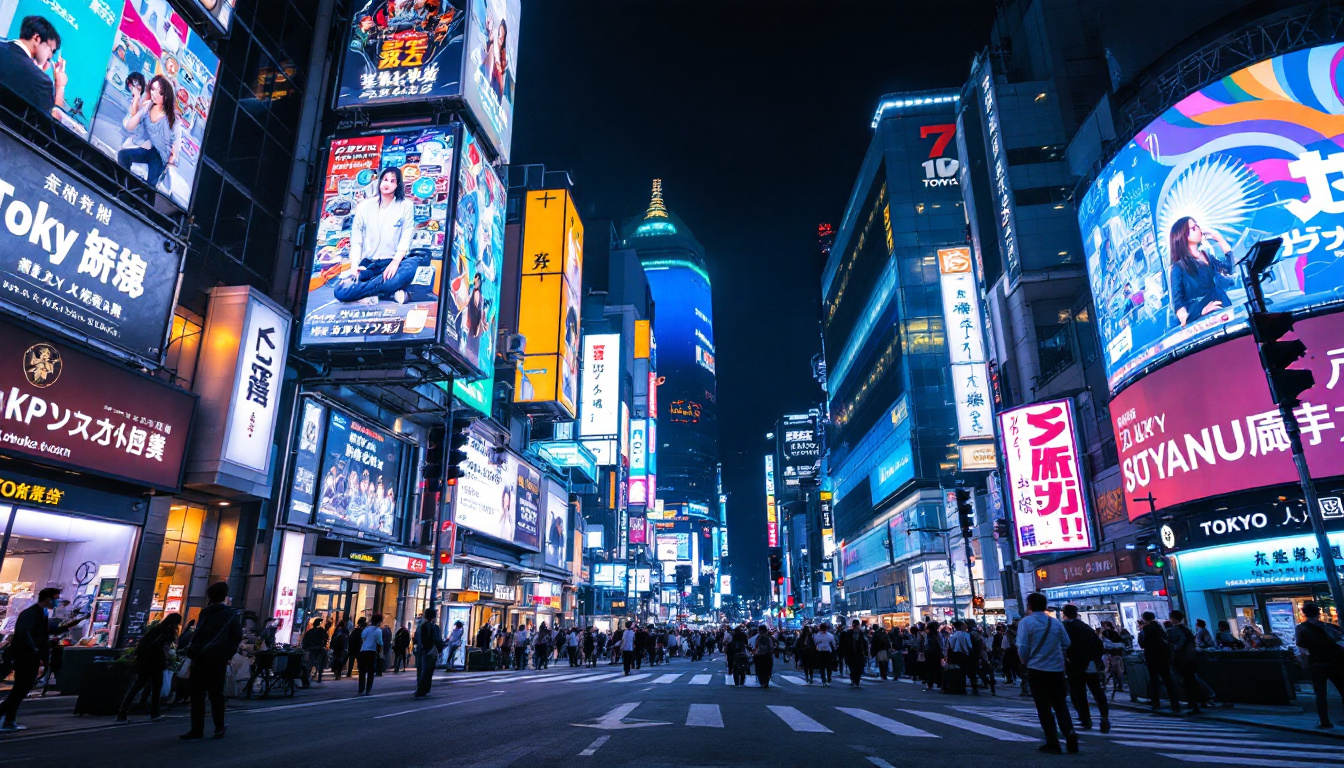
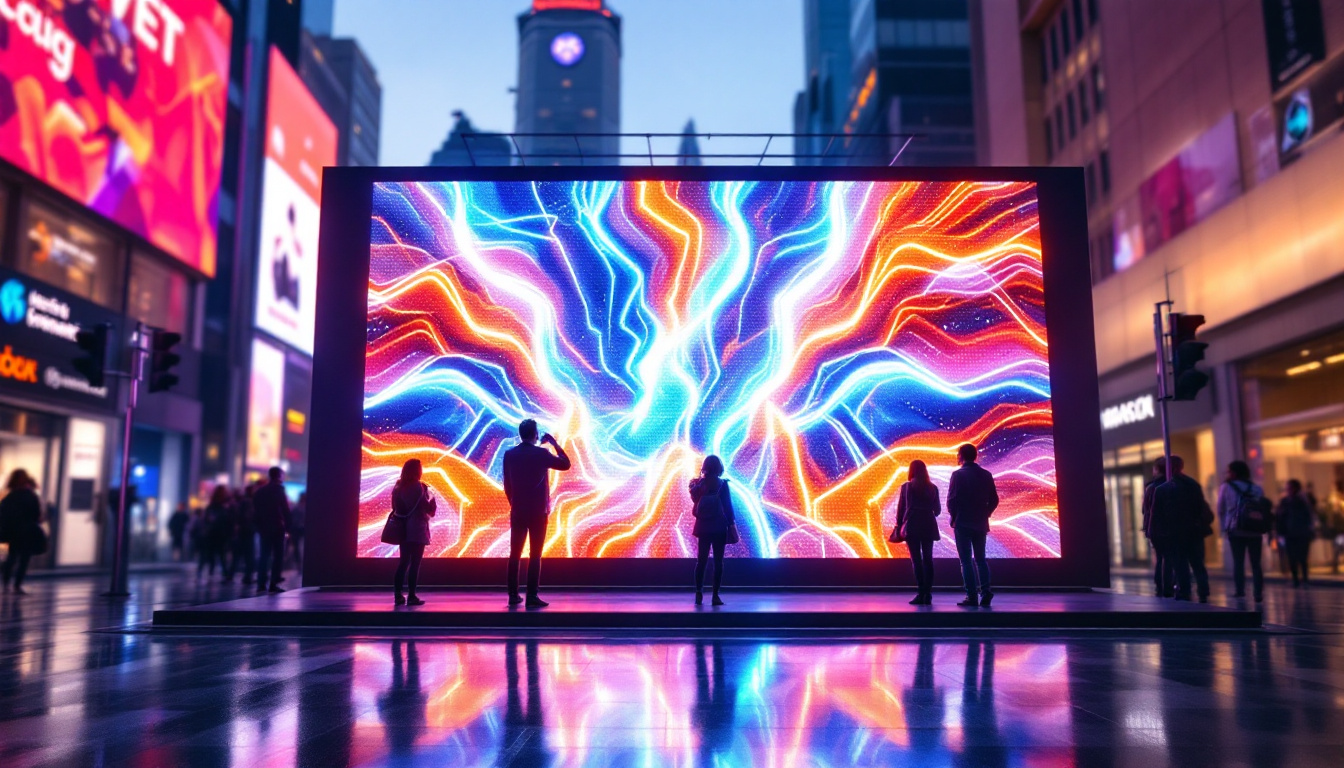
Msbl North’s LED displays are widely used in retail environments, shopping malls, and urban billboards. Their high brightness and vivid colors ensure advertisements stand out even in bustling cityscapes. Additionally, the ability to update content remotely and in real-time offers marketers unparalleled flexibility.
Sports and Entertainment Venues
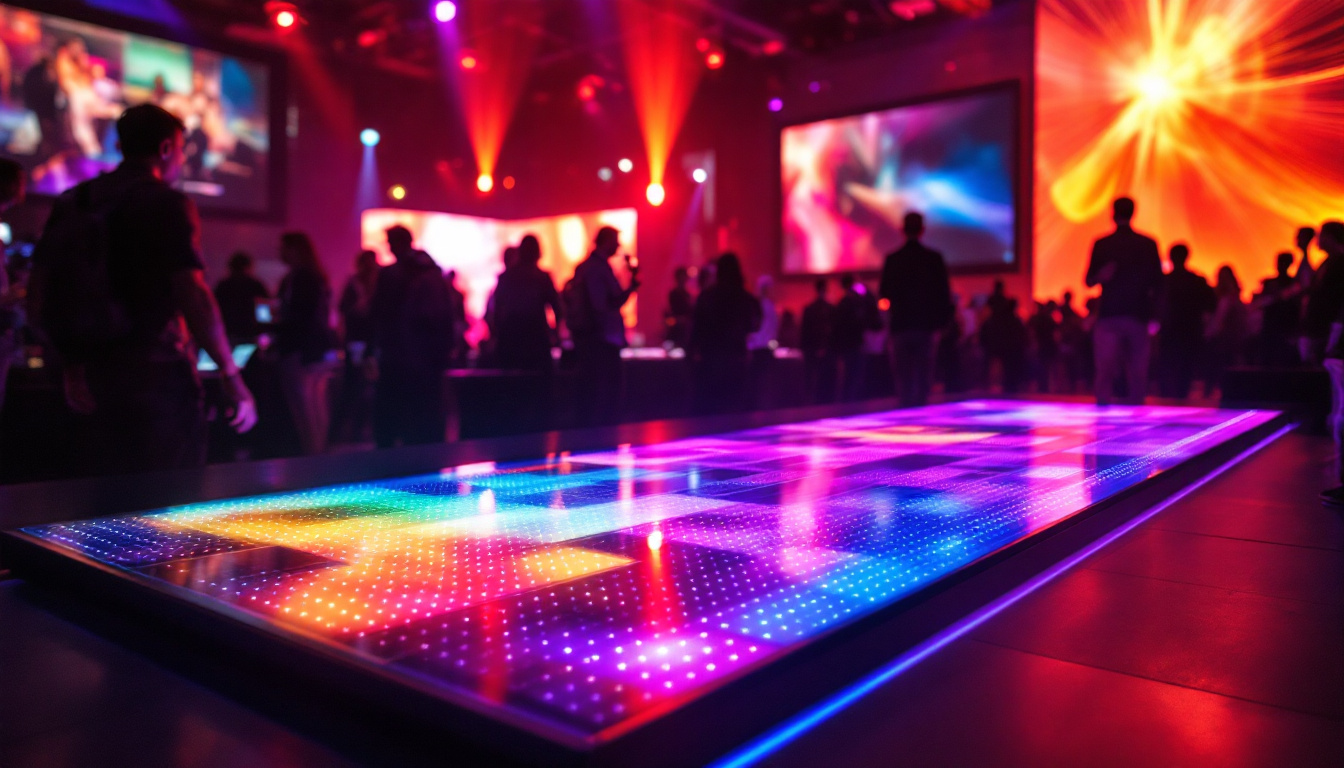
Stadiums and arenas rely heavily on large-format LED displays to enhance the spectator experience. From live game scores to instant replays and interactive content, these displays keep fans engaged throughout the event.
Msbl North has supplied LED video walls for several major sports venues in North America, known for their durability and seamless image quality. The modular design allows for custom configurations that fit the unique architectural constraints of each venue.
Corporate and Conference Environments
In corporate settings, LED displays are used for presentations, video conferencing, and digital branding. Their ability to deliver crisp images and videos enhances communication and collaboration during meetings and events.
Msbl North’s indoor LED solutions are popular in boardrooms and conference halls, offering pixel pitches as fine as 1.2mm, which ensures that even detailed charts and text are displayed clearly to all attendees.
Transportation and Public Information Systems
Airports, train stations, and bus terminals use LED displays to provide real-time information, such as arrivals, departures, and alerts. The high visibility and reliability of LED technology make it ideal for these critical applications.
Msbl North’s outdoor LED displays are designed to operate continuously under various weather conditions, ensuring that travelers receive accurate and timely information.
Why Choose Msbl North for LED Display Solutions?
Technological Innovation and Quality
Msbl North has built a reputation for combining the latest LED technology with rigorous quality control. Their displays feature high refresh rates (up to 3840Hz), ensuring flicker-free video playback suitable even for professional broadcasting environments.
Furthermore, Msbl North incorporates advanced heat dissipation systems and weatherproofing techniques, extending the lifespan of their products and reducing maintenance costs.
Customization and Scalability
One of the standout features of Msbl North’s LED displays is their modular design. Customers can scale their displays from small indoor units to massive outdoor video walls without compromising image quality or structural integrity.
This flexibility allows businesses to tailor solutions to their specific needs, whether it’s a single retail store or a nationwide advertising campaign.
Comprehensive Support and Service
Msbl North offers end-to-end support, from initial consultation and design to installation and ongoing maintenance. Their technical teams provide training and troubleshooting assistance, ensuring clients maximize the value of their LED investments.
Additionally, Msbl North’s commitment to sustainability is evident in their use of energy-efficient components and recyclable materials, aligning with the growing demand for environmentally responsible technology solutions.
Key Considerations When Investing in LED Displays
Pixel Pitch and Viewing Distance
Choosing the right pixel pitch is critical to achieving optimal image quality. Smaller pixel pitches provide higher resolution but come at a higher cost and are typically suited for close viewing distances. Conversely, larger pixel pitches are more cost-effective for large-scale outdoor displays viewed from afar.
Msbl North offers a range of pixel pitches, allowing clients to balance budget and performance based on their specific use case.
Brightness and Contrast Ratio
Brightness, measured in nits, determines how well the display performs under different lighting conditions. Outdoor displays require higher brightness levels to combat sunlight glare, while indoor displays can operate at lower brightness to reduce eye strain.
Contrast ratio affects the depth and vibrancy of images. High contrast ratios result in richer colors and better image clarity, enhancing viewer engagement.
Installation Environment and Durability
Environmental factors such as temperature, humidity, and exposure to elements influence the choice of LED display. Outdoor displays must be weatherproof and resistant to dust and moisture, while indoor displays focus more on aesthetics and integration with interior design.
Msbl North’s products are engineered to meet stringent industry standards, ensuring reliable performance in diverse environments.
Content Management and Software Integration
Modern LED displays are only as effective as the content they showcase. Robust content management systems (CMS) allow users to schedule, update, and customize content easily. Compatibility with various media formats and integration with third-party software enhances operational efficiency.
Msbl North provides user-friendly CMS platforms that empower clients to control their displays remotely, enabling dynamic and timely content delivery.
The Future of LED Displays with Msbl North
Advancements in Mini-LED and Micro-LED Technologies
Emerging technologies like Mini-LED and Micro-LED promise even greater brightness, contrast, and energy efficiency. These advances will enable thinner, lighter displays with superior image quality.
Msbl North is actively investing in research and development to incorporate these innovations into their product lines, ensuring customers benefit from the latest breakthroughs.
Integration with Smart Technologies
The rise of the Internet of Things (IoT) and artificial intelligence (AI) is transforming LED displays into interactive, intelligent platforms. Features such as facial recognition, gesture control, and real-time analytics are becoming standard in advanced digital signage solutions.
Msbl North is pioneering smart LED displays that adapt content based on audience demographics and environmental factors, maximizing engagement and ROI.
Sustainability and Energy Efficiency
As environmental concerns grow, energy-efficient LED displays are gaining importance. Msbl North’s commitment to sustainability includes developing products with reduced power consumption and recyclable components, helping clients meet corporate social responsibility goals.
Conclusion
LED displays have revolutionized visual communication across multiple industries, offering unparalleled brightness, flexibility, and durability. Msbl North’s expertise and innovative approach make them a trusted partner for businesses seeking high-quality LED display solutions tailored to their unique needs.
By understanding the technology, applications, and critical factors involved in LED display selection, organizations can make informed decisions that enhance their brand presence and audience engagement. With ongoing advancements and a focus on sustainability, the future of LED displays with Msbl North looks brighter than ever.
Discover LumenMatrix’s Advanced LED Solutions
Ready to elevate your visual communication strategy with the latest in LED technology? Look no further than LumenMatrix, where innovation meets excellence in creating dynamic and immersive visual experiences. From vibrant indoor and outdoor displays to specialized solutions like vehicle and sports LED displays, LumenMatrix offers a comprehensive range of products designed to bring your brand to life. Embrace the future of digital signage with our all-in-one, custom, and transparent LED solutions. Check out LumenMatrix LED Display Solutions today and transform your space into a captivating showcase of clarity and color.