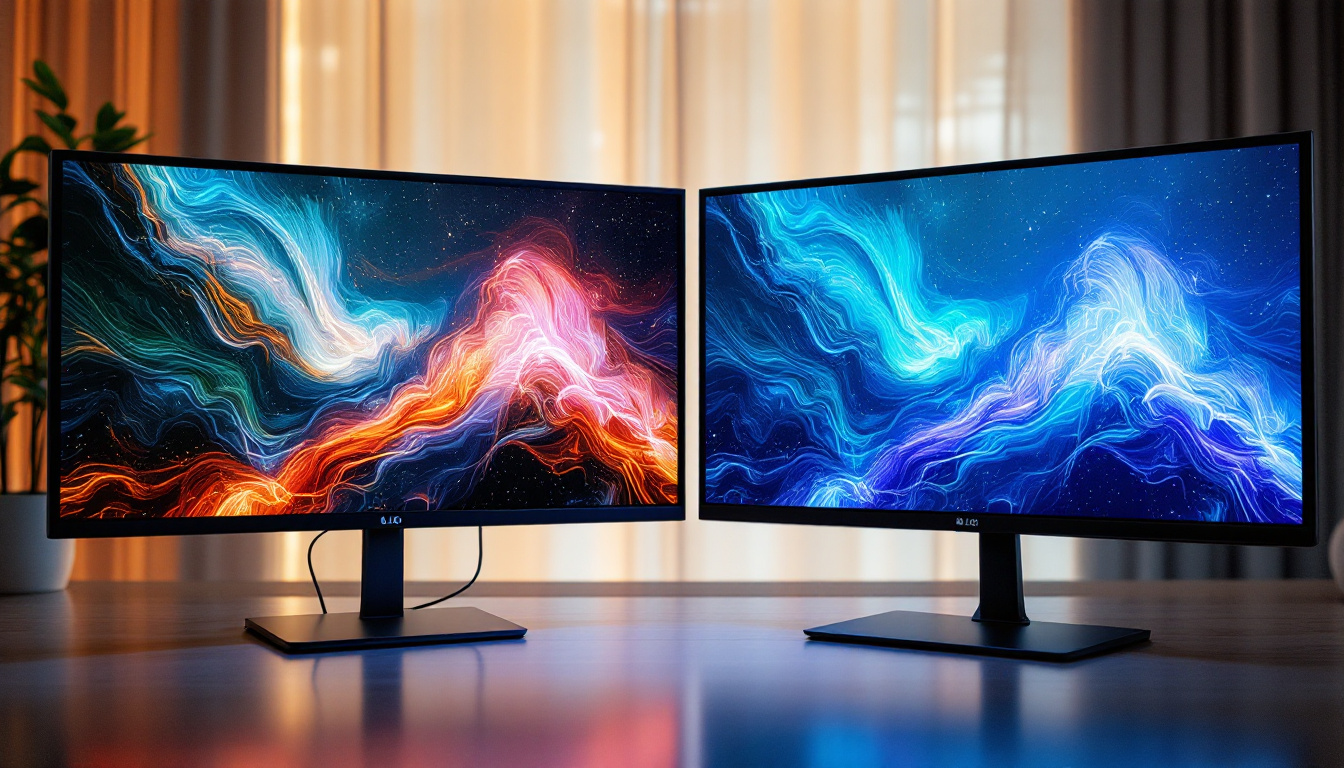
In the rapidly evolving world of display technology, resolution continues to be a key metric defining image clarity, detail, and overall visual experience. Among the highest resolutions currently available, 8640 x 5760 stands out as a benchmark of ultra-high-definition display quality. This article delves into what 8640 x 5760 resolution means, its applications in LED displays, and why it matters in today’s digital landscape.
Understanding 8640 x 5760 Resolution
The resolution of a display refers to the number of distinct pixels arranged horizontally and vertically on the screen. Specifically, 8640 x 5760 resolution means the display has 8,640 pixels horizontally and 5,760 pixels vertically, amounting to nearly 50 million pixels in total. This resolution is often referred to as 8K or more precisely, 8K+ in some contexts, as it exceeds the standard 8K UHD resolution of 7680 x 4320 pixels.
To put this in perspective, 8640 x 5760 resolution offers four times the pixel count of 4K UHD (3840 x 2160) and sixteen times that of Full HD (1920 x 1080). This immense pixel density allows for incredibly sharp and detailed images, making it ideal for large-format displays where image clarity is paramount.
Pixel Density and Visual Impact
Pixel density, measured in pixels per inch (PPI), is critical in determining how sharp an image appears to the human eye. While PPI depends on screen size, a display with 8640 x 5760 resolution can maintain high pixel density even on very large screens. This means viewers can sit closer to the screen without noticing pixelation or image degradation, enhancing immersion and realism.
For example, in commercial settings such as digital signage or control rooms, where displays often exceed 100 inches diagonally, 8640 x 5760 resolution ensures that detailed content remains crisp and legible from various viewing distances. Furthermore, this level of detail is not just beneficial for visual clarity; it also enhances the viewer’s ability to engage with the content. Whether it’s intricate data visualizations, high-resolution images, or dynamic video content, the clarity provided by such a high resolution allows for a more impactful viewing experience.
Moreover, the benefits of 8640 x 5760 resolution extend beyond commercial applications. In the realm of photography and videography, professionals can appreciate the finer details in their work, capturing textures and colors with unparalleled accuracy. For instance, landscape photographers can showcase the subtle variations in a sunset or the intricate patterns of a forest, while filmmakers can present their narratives with stunning visual fidelity. As technology continues to advance, the demand for such high resolutions will likely increase, pushing the boundaries of how we perceive and interact with visual media.
LED Displays and Their Advantages
LED (Light Emitting Diode) displays have become the preferred technology for high-resolution screens due to their brightness, energy efficiency, and versatility. Unlike traditional LCDs, LED displays use individual light-emitting diodes as pixels or subpixels, which can be controlled independently to produce vibrant colors and deep blacks.
How LED Technology Works
In an LED display, each pixel is composed of red, green, and blue diodes that combine to create a full spectrum of colors. By varying the intensity of each diode, the display can render millions of colors with high precision. This direct emission of light allows LED screens to achieve superior contrast ratios and brightness levels compared to other display technologies.
Moreover, LEDs have a faster response time and wider viewing angles, making them ideal for dynamic content and environments where multiple viewers observe the screen from different positions.
Benefits of Using 8640 x 5760 Resolution on LED Displays
When combined with LED technology, the 8640 x 5760 resolution elevates display quality to new heights. The high pixel count ensures that images and videos are rendered with extreme detail, while the inherent brightness and color accuracy of LEDs enhance the overall viewing experience.
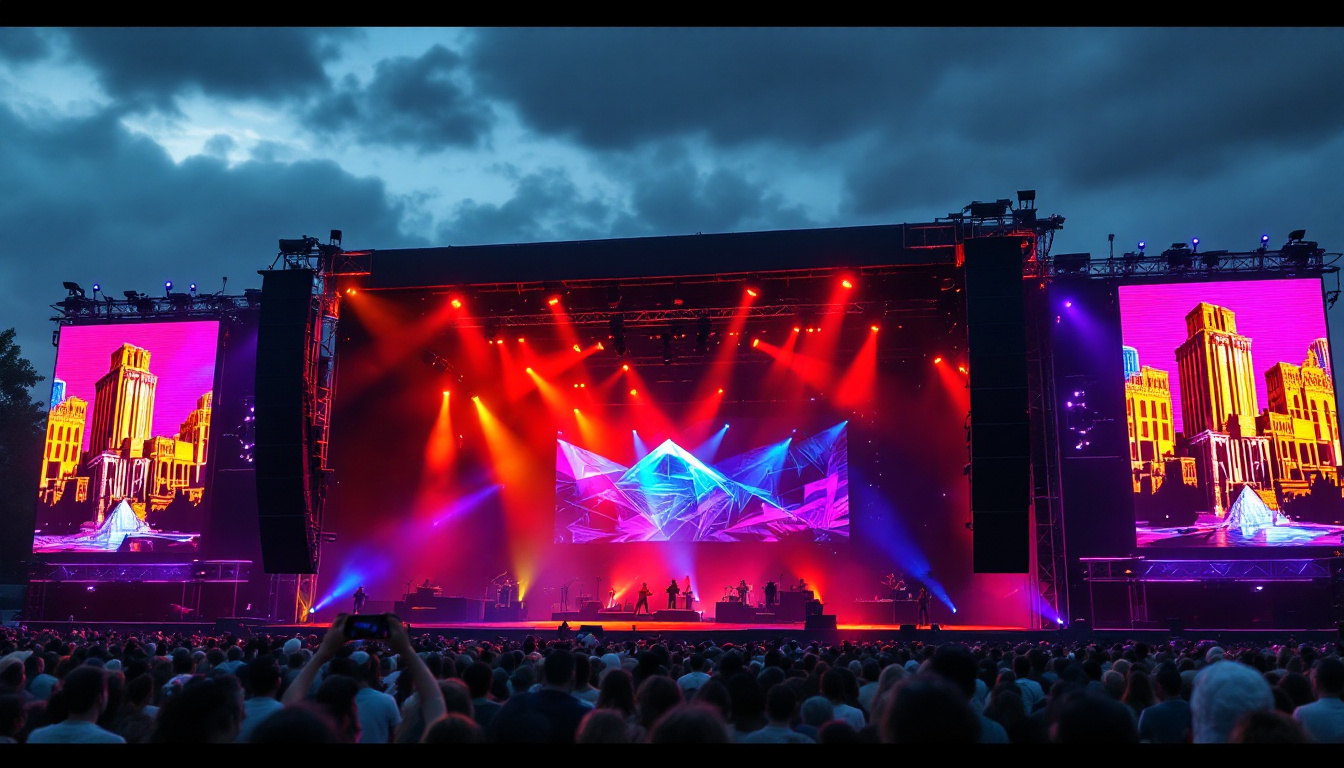
This combination is particularly advantageous in professional applications such as digital cinema, medical imaging, and simulation systems, where precise image reproduction is critical. Additionally, public installations like stadium displays and outdoor advertising benefit from the visibility and impact that this resolution and technology provide.
Applications of 8640 x 5760 Resolution LED Displays
The adoption of 8640 x 5760 resolution LED displays is expanding across various industries, driven by the demand for ultra-high-definition content and immersive visual experiences. Below are some key sectors where this resolution is making a significant impact.
Entertainment and Digital Cinema
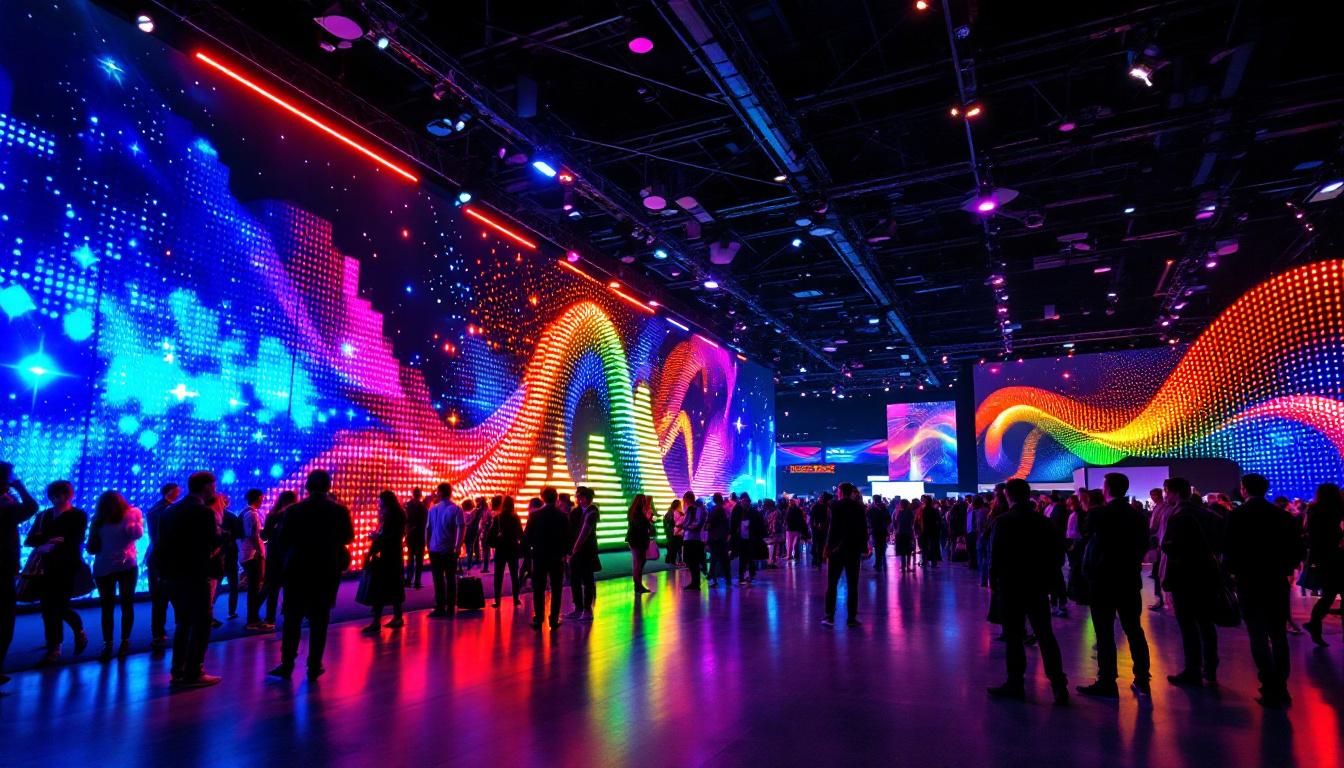
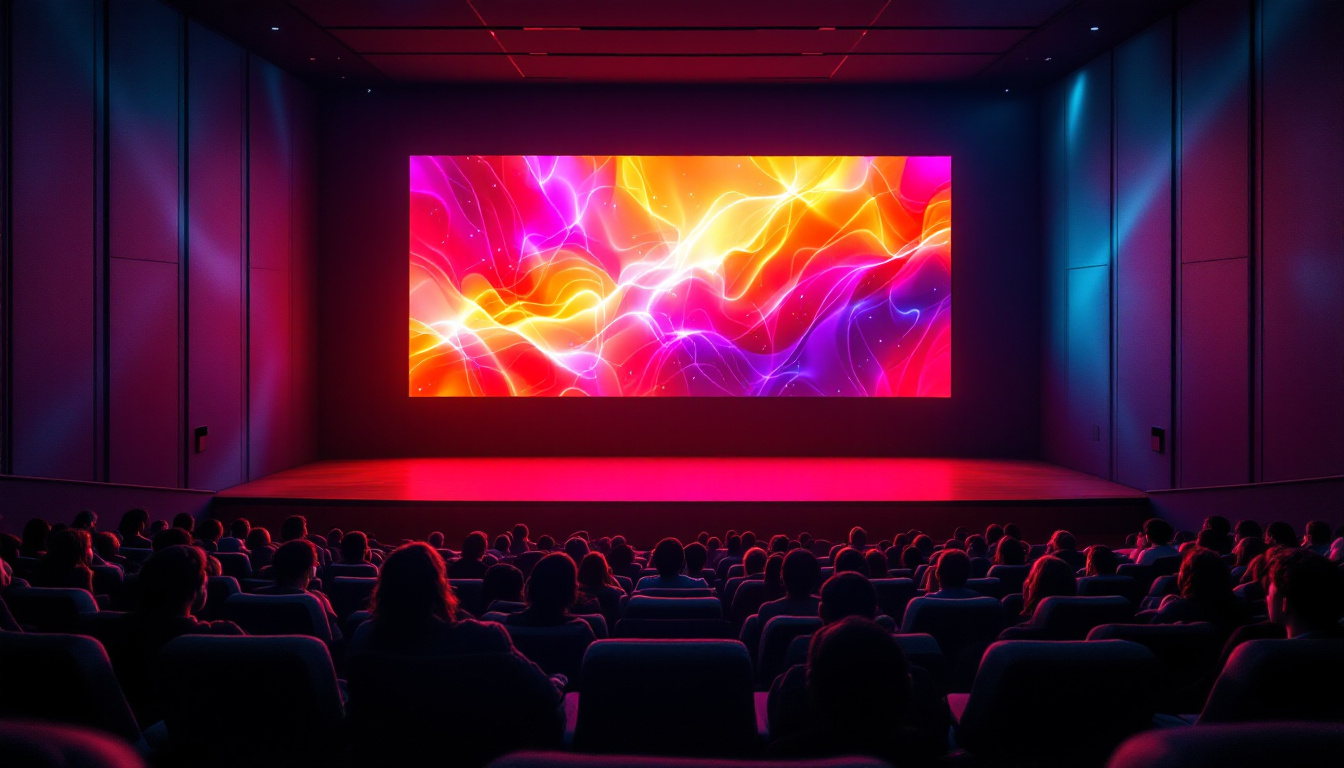
In the film and entertainment industry, 8K+ resolution LED displays are revolutionizing how content is produced and consumed. Cinemas equipped with ultra-high-resolution LED walls offer audiences unparalleled image clarity, color fidelity, and brightness compared to traditional projection systems.
Major studios and post-production houses utilize these displays for editing and color grading, ensuring that every detail is accurately represented before release. The ability to view content at 8640 x 5760 resolution also supports the growing trend of immersive experiences, including virtual reality and augmented reality applications.
Medical Imaging and Diagnostics
Medical professionals rely heavily on high-resolution displays to analyze diagnostic images such as MRIs, CT scans, and X-rays. The precision afforded by 8640 x 5760 resolution allows for more accurate detection of anomalies and subtle details that could be missed on lower-resolution screens.
LED displays with this resolution are increasingly integrated into surgical suites and diagnostic centers, where real-time, detailed imaging is essential for patient care. The combination of high resolution and LED technology’s brightness ensures visibility even in brightly lit environments.
Control Rooms and Command Centers
Control rooms for utilities, transportation, and emergency services demand displays that can present vast amounts of data clearly and simultaneously. The 8640 x 5760 resolution enables large video walls to show multiple data streams, maps, and live feeds without sacrificing detail or clarity.
LED video walls with this resolution facilitate better situational awareness and faster decision-making by operators, ultimately improving operational efficiency and safety.
Advertising and Public Displays
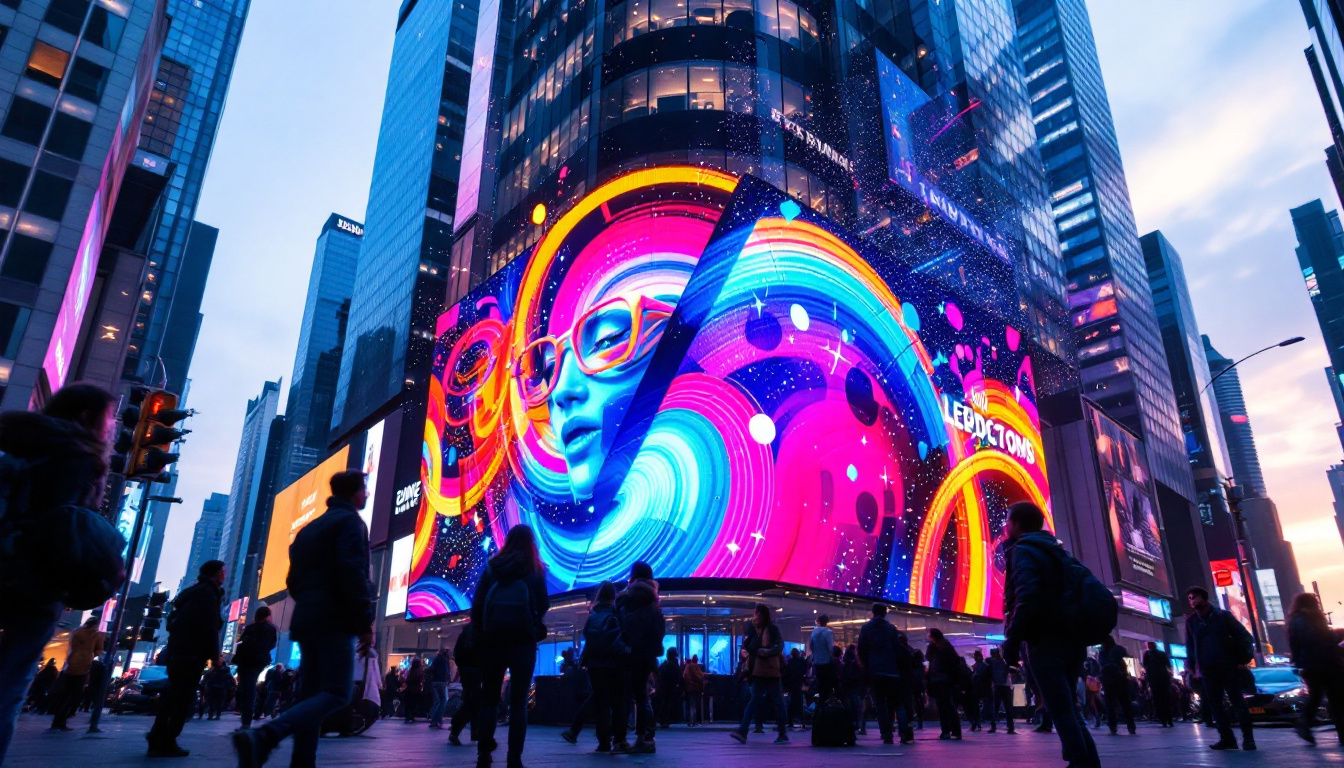
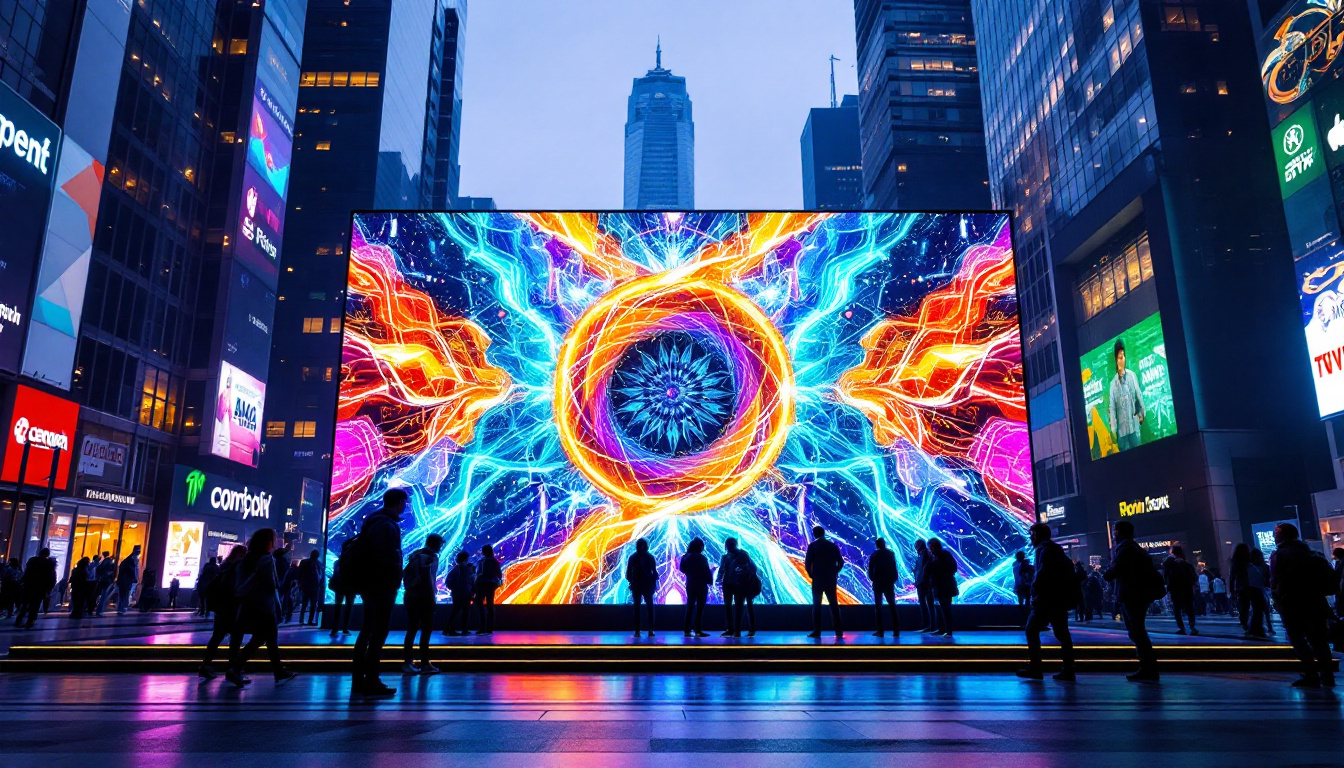
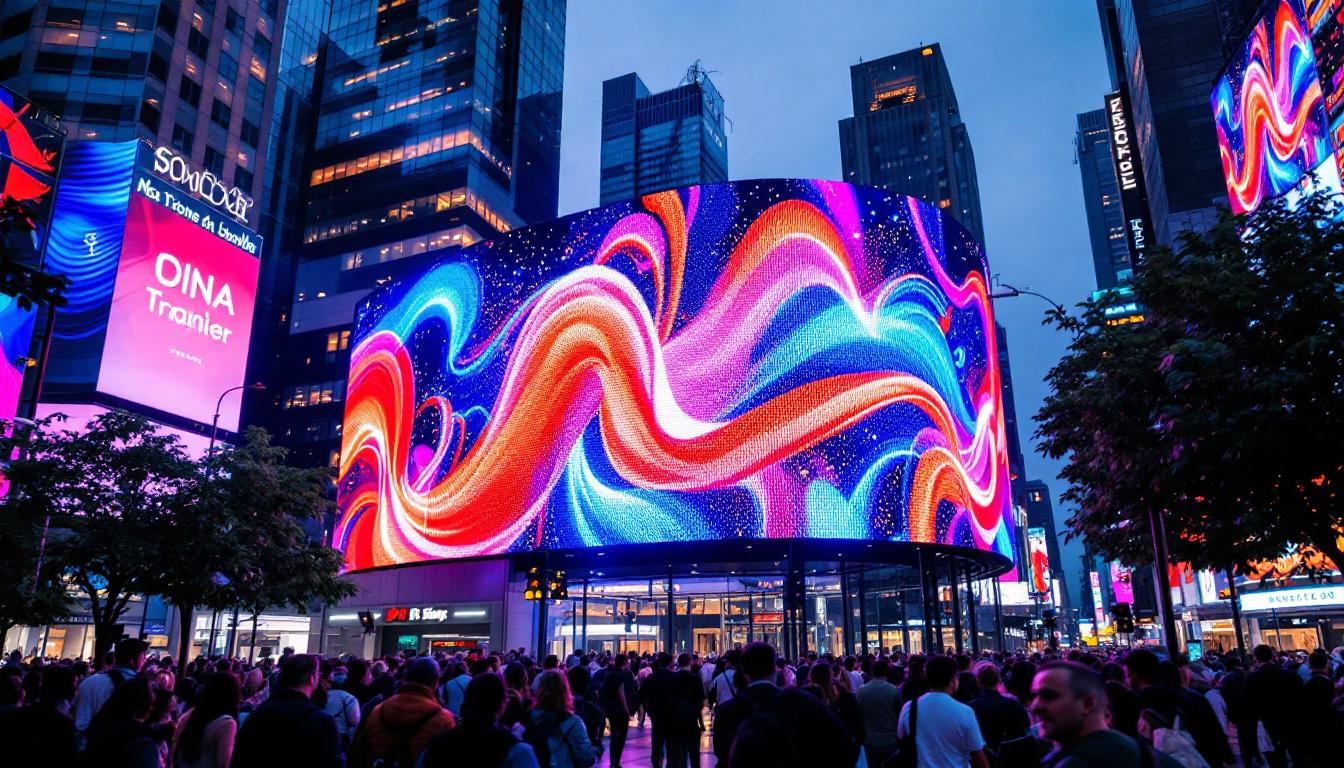
Outdoor advertising and public information displays benefit greatly from the combination of high resolution and LED technology. The 8640 x 5760 resolution ensures that even large-format billboards and digital signage maintain sharpness and vibrancy, attracting attention and delivering messages effectively.
LED displays are also durable and weather-resistant, making them suitable for various environments, from urban centers to sports arenas.
Technical Challenges and Considerations
While 8640 x 5760 resolution LED displays offer impressive benefits, there are technical challenges and considerations that manufacturers and users must address to maximize performance and value.
Bandwidth and Processing Requirements
Handling the massive data throughput required for 8640 x 5760 resolution content demands advanced processing hardware and high-bandwidth connections. For example, streaming 8K+ video at 60 frames per second requires robust compression algorithms and interfaces such as DisplayPort 2.0 or HDMI 2.1.
Systems must be designed to manage this data efficiently to avoid latency, buffering, or image degradation, particularly in live or interactive applications.
Content Availability and Creation
Producing native content at 8640 x 5760 resolution remains a challenge due to the high costs and technical expertise involved. Cameras and recording equipment capable of capturing this resolution are expensive and generate large file sizes, complicating storage and editing workflows.
As a result, much of the current content is upscaled from lower resolutions, which can diminish the visual benefits. However, as technology advances and 8K+ cameras become more accessible, native content availability is expected to increase.
Cost and Energy Consumption
High-resolution LED displays, especially those at 8640 x 5760 resolution, require significant investment in hardware, installation, and maintenance. The large number of LEDs and complex control systems contribute to higher upfront costs compared to lower-resolution alternatives.
Energy consumption is another factor to consider. Although LEDs are more energy-efficient than other display technologies, the sheer number of pixels in an 8K+ display can lead to substantial power usage, particularly for large-scale installations.
The Future of 8640 x 5760 Resolution LED Displays
As display technology continues to evolve, 8640 x 5760 resolution LED displays are poised to become more prevalent and accessible. Innovations in semiconductor manufacturing, miniaturization of LEDs, and advances in video processing will help reduce costs and improve performance.
Integration with Emerging Technologies
The future will likely see greater integration of ultra-high-resolution LED displays with artificial intelligence, machine learning, and real-time data analytics. This convergence will enable smarter content delivery, adaptive brightness and color calibration, and enhanced interactivity.
Moreover, the rise of metaverse applications and immersive environments will drive demand for displays that can deliver photorealistic visuals at close viewing distances, a niche where 8640 x 5760 resolution LED displays excel.
Environmental and Sustainability Considerations
As the industry grows, sustainability will become a priority. Manufacturers are exploring eco-friendly materials and energy-saving technologies to mitigate the environmental impact of large-scale LED displays. Innovations such as dynamic power management and recyclable components will play a key role in the future landscape.
Conclusion
8640 x 5760 resolution represents a significant leap in display technology, offering unparalleled image clarity and detail, especially when combined with the advantages of LED technology. From entertainment and medical imaging to control rooms and advertising, this ultra-high-definition resolution is transforming how visual information is presented and perceived.
While challenges related to cost, content creation, and technical requirements remain, ongoing advancements promise to make 8640 x 5760 resolution LED displays more accessible and impactful. For industries and applications where image quality is paramount, embracing this resolution is a strategic move toward future-proofing visual communication and experience.
Discover the Future of Visual Experience with LumenMatrix
Ready to elevate your visual displays to the next level? LumenMatrix is at the forefront of LED display innovation, offering an extensive range of solutions tailored to meet your needs. From immersive Indoor and Outdoor LED Wall Displays to dynamic Vehicle and Sports LED Displays, our cutting-edge technology is designed to captivate and engage your audience. Experience the pinnacle of clarity and impact with our 8640 x 5760 resolution LED displays. Check out LumenMatrix LED Display Solutions today and transform your visual communication into an unforgettable experience.