In the rapidly evolving world of digital displays, touch-based LED technology stands out as a transformative innovation. Combining the vibrant visual quality of LED screens with intuitive touch interactivity, these displays are redefining user engagement across numerous sectors. From retail environments to corporate settings, and even public installations, touch-based LED displays are becoming integral to how information and experiences are delivered.
This article delves deeply into the technology behind touch-based LED displays, exploring their components, applications, benefits, and future trends. Whether you are a business owner considering a digital signage upgrade, a technology enthusiast, or a professional in the display industry, understanding this technology is essential for making informed decisions.
Understanding LED Display Technology
What is an LED Display?
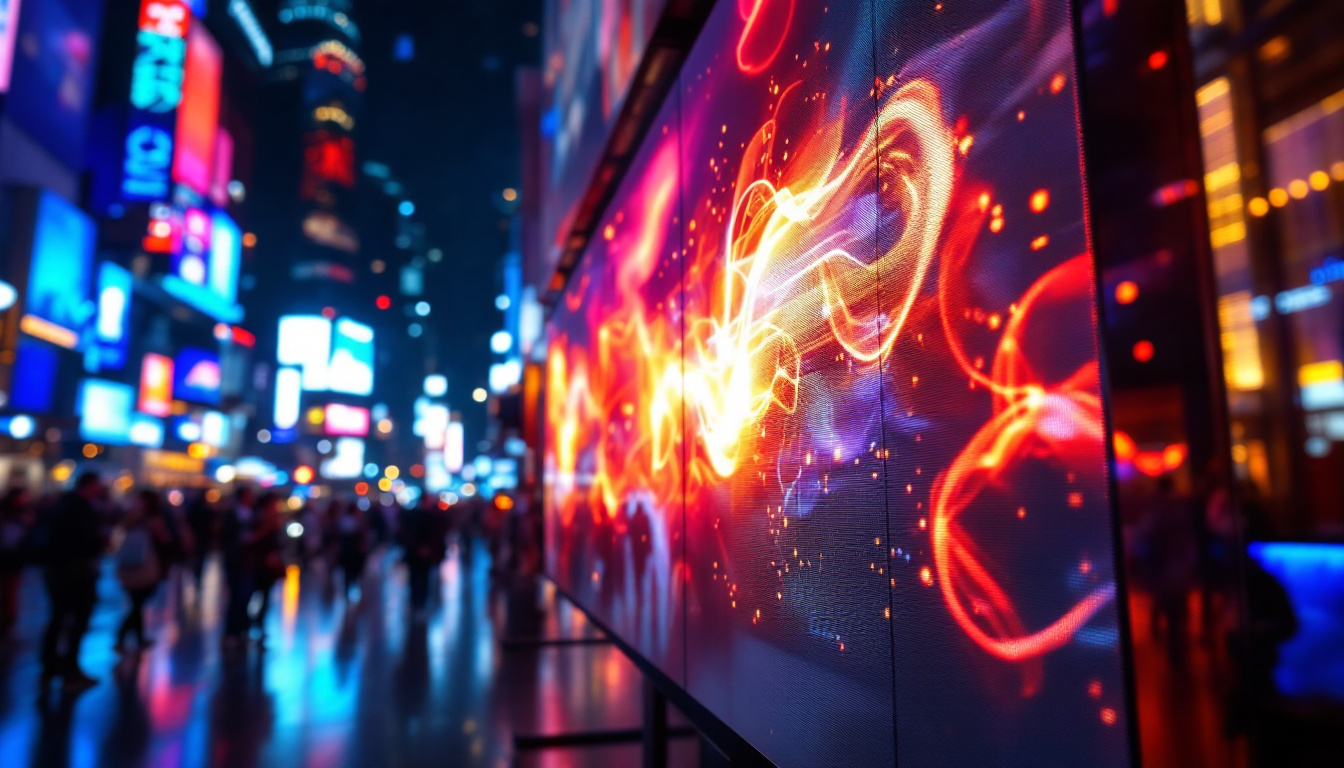
LED, or Light Emitting Diode, displays are screens that use tiny light-emitting diodes to create images. Unlike traditional LCDs that rely on backlighting, LEDs emit their own light, resulting in higher brightness, better contrast, and more vivid colors. This makes LED displays particularly effective in environments with high ambient light, such as outdoor advertising or brightly lit indoor spaces. The technology has evolved significantly, allowing for thinner and lighter designs that can be seamlessly integrated into various applications, from billboards to architectural installations.
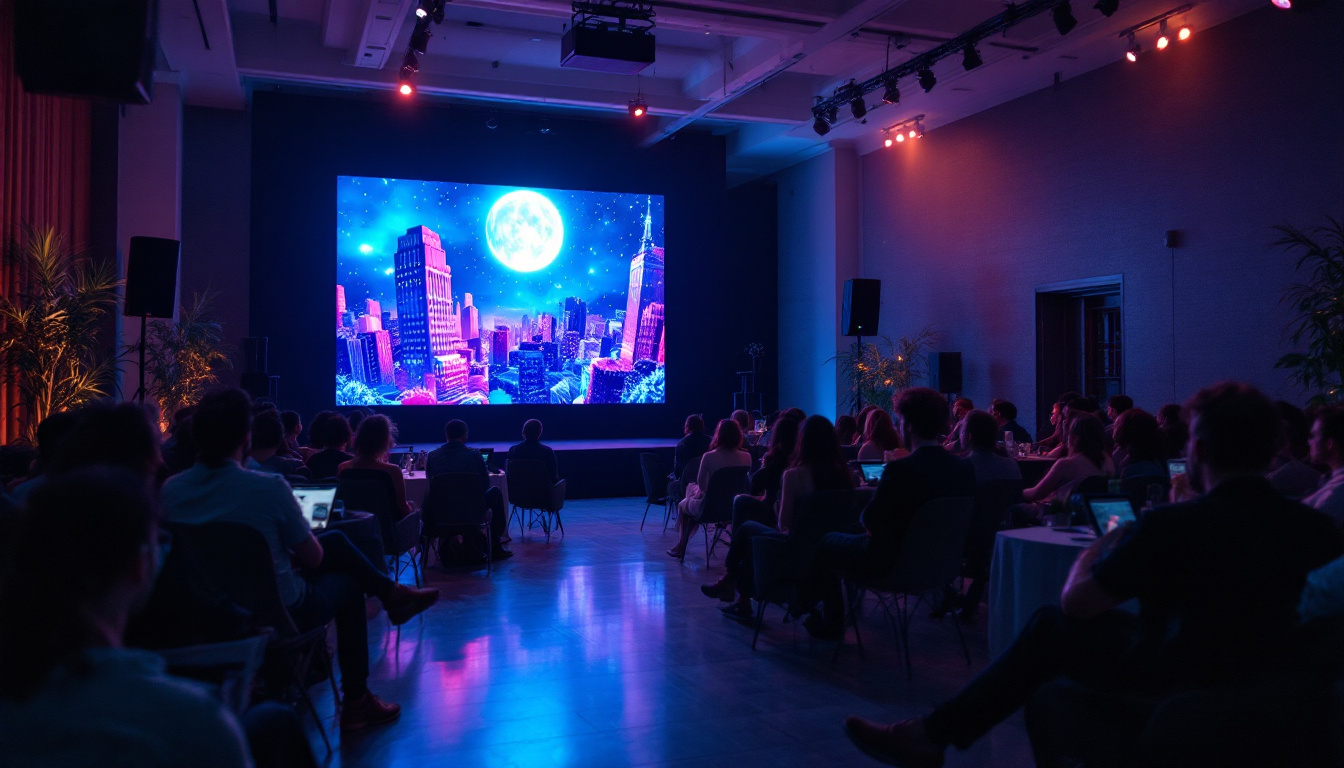
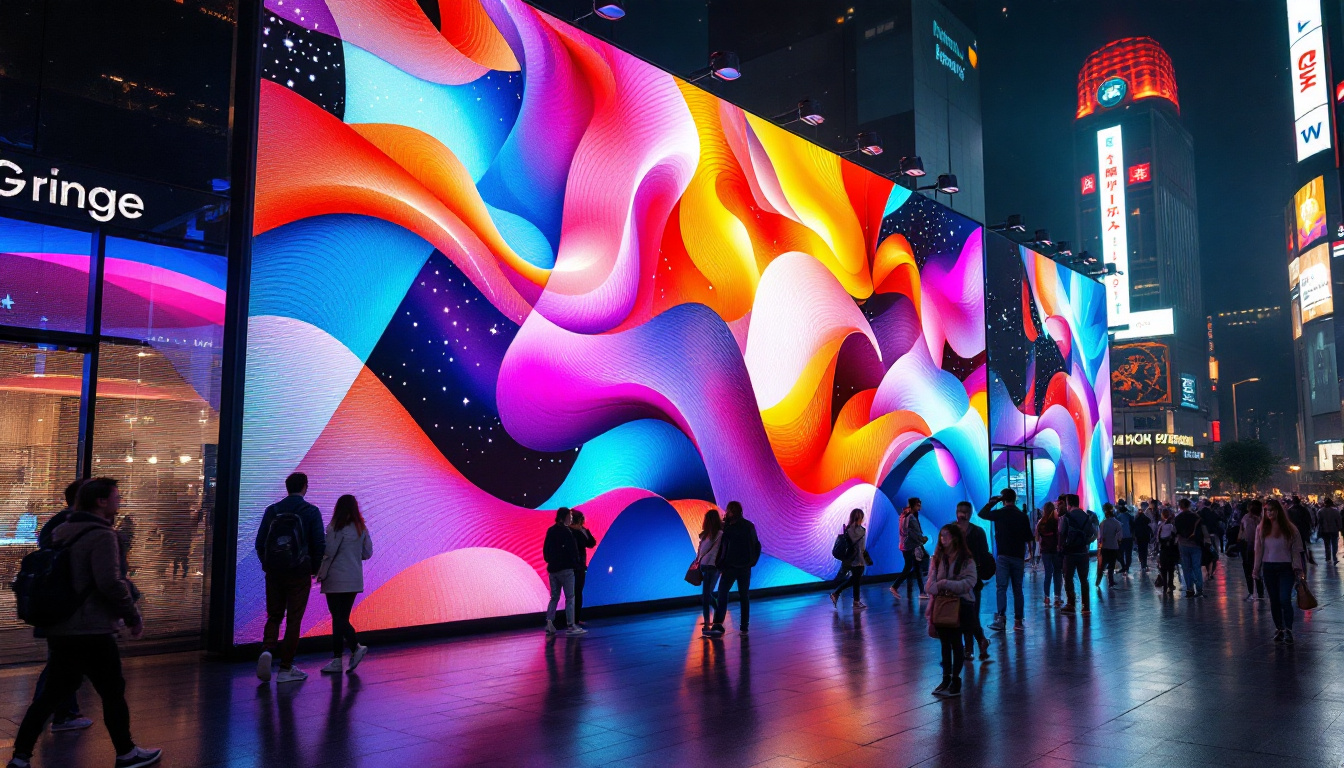
Modern LED displays come in various forms, including direct-view LED panels used for large-scale video walls and smaller LED-backlit screens found in televisions and monitors. The direct-view LED panels consist of an array of diodes arranged in pixels, which can be individually controlled to display dynamic content with exceptional clarity. These displays can also be configured in different shapes and sizes, making them versatile for creative installations. For instance, curved LED displays are becoming increasingly popular in retail environments, where they can enhance customer engagement through immersive visuals.
Key Advantages of LED Displays
LED displays offer several advantages over other display technologies:
- Brightness and Visibility: LEDs can achieve brightness levels exceeding 1,000 nits, making them visible even in direct sunlight.
- Energy Efficiency: LEDs consume less power compared to traditional lighting and display technologies, contributing to lower operational costs.
- Longevity: With lifespans often surpassing 50,000 hours, LED displays provide durable and reliable performance.
- Color Accuracy and Contrast: The ability to control each diode individually allows for precise color reproduction and deep blacks.
In addition to these advantages, LED technology has paved the way for innovations such as flexible displays, which can be bent or shaped to fit unconventional spaces. This flexibility opens up new possibilities for creative advertising and artistic installations, allowing designers to think outside the box. Furthermore, advancements in pixel pitch technology have led to higher resolution displays, making it possible to view detailed images and videos from closer distances without sacrificing quality. As a result, LED displays are becoming a staple in various industries, including entertainment, sports, and corporate environments, where visual impact is crucial.
Moreover, the integration of smart technology into LED displays has transformed how content is managed and displayed. With built-in connectivity options, these displays can be remotely controlled and updated in real-time, allowing businesses to adapt their messaging based on audience engagement or time of day. This capability not only enhances the effectiveness of advertising campaigns but also enables dynamic content that can respond to environmental factors, such as weather conditions or local events. As the demand for interactive and engaging visual experiences continues to grow, LED display technology is poised to play an increasingly vital role in shaping the future of visual communication.
Integrating Touch Technology with LED Displays
What Makes a Display “Touch-Based”?
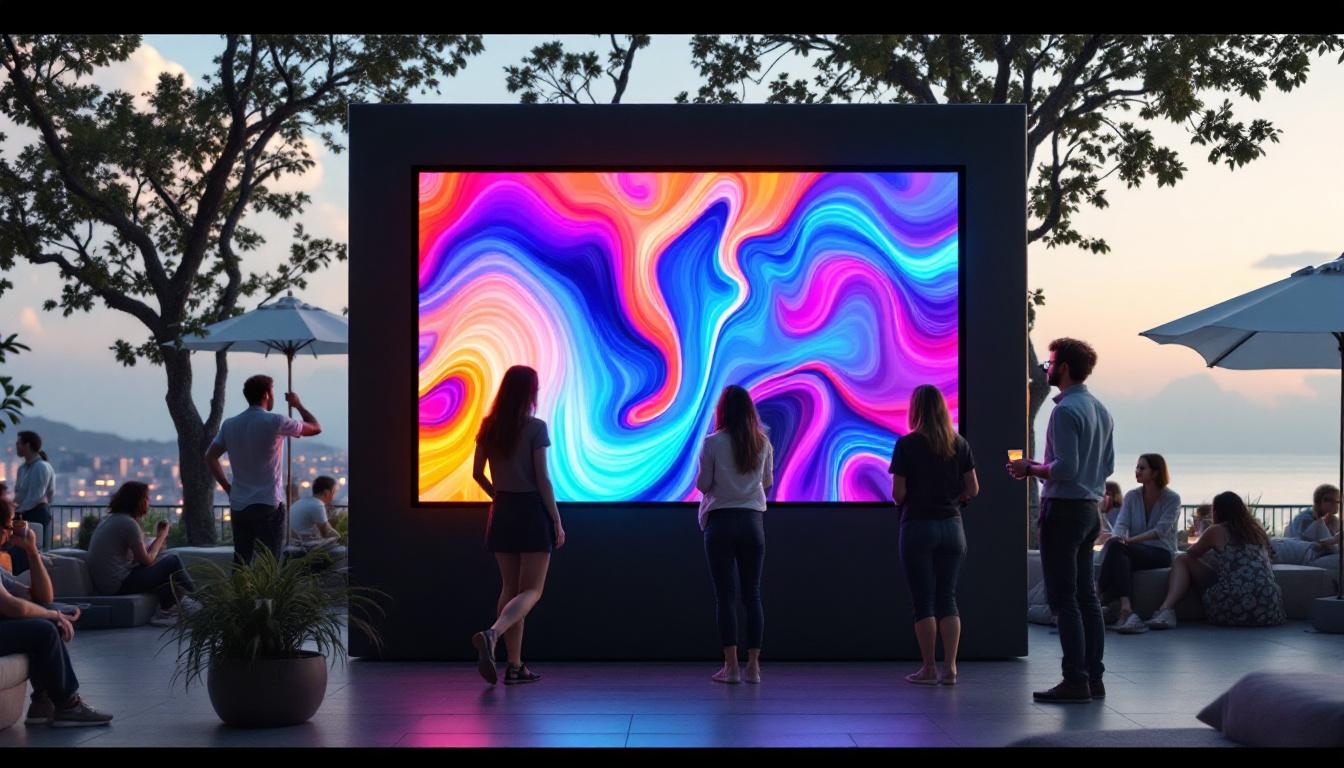
A touch-based LED display combines the visual capabilities of an LED screen with a touch-sensitive interface that allows users to interact directly with the content. This interactivity transforms the display from a passive viewing device into an engaging, user-driven experience.
Touch technology can be implemented using various methods, including capacitive, infrared, and optical touch sensing. Each method has its own strengths and is chosen based on the application’s requirements.
Common Touch Technologies Used in LED Displays
Capacitive Touch
Capacitive touch technology detects changes in electrical charge when a finger touches the screen. It is highly responsive and supports multi-touch gestures, making it ideal for interactive kiosks and digital signage. However, capacitive touch typically requires a protective glass layer, which can add thickness and cost to the display.
Infrared (IR) Touch
Infrared touch systems use a grid of IR light beams across the screen surface. When an object interrupts these beams, the system registers a touch. IR touch is durable and works with any input device, including gloves or styluses, making it suitable for industrial or outdoor environments. It also allows for larger screen sizes without significant cost increases.
Optical Touch
Optical touch technology employs cameras or sensors placed around the display edges to detect touch points. This technology supports multi-touch and can be used on very large screens. Optical touch systems are often used in interactive video walls and large-format displays.
Applications of Touch-Based LED Displays
Retail and Advertising
Retailers leverage touch-based LED displays to create immersive shopping experiences. Interactive digital signage allows customers to browse products, access detailed information, and even customize purchases in real time. According to a 2023 report by Grand View Research, the global interactive digital signage market is expected to grow at a CAGR of over 10% through 2030, driven largely by retail adoption.
For example, fashion brands use touch-enabled LED walls in flagship stores to showcase collections dynamically, enabling customers to explore styles and availability without the need for sales assistance. This not only enhances customer engagement but also collects valuable data on consumer preferences.
Corporate and Education Environments
In corporate settings, touch-based LED displays facilitate collaborative meetings and presentations. Large interactive screens allow teams to annotate documents, brainstorm ideas, and manipulate data visually. This enhances productivity and fosters a more engaging work environment.
Similarly, educational institutions are adopting these displays to create interactive learning spaces. Touch-based LED walls can display multimedia content, enable student participation, and support remote learning integration. The flexibility and visual impact of these displays contribute to improved knowledge retention and classroom engagement.
Public Spaces and Transportation
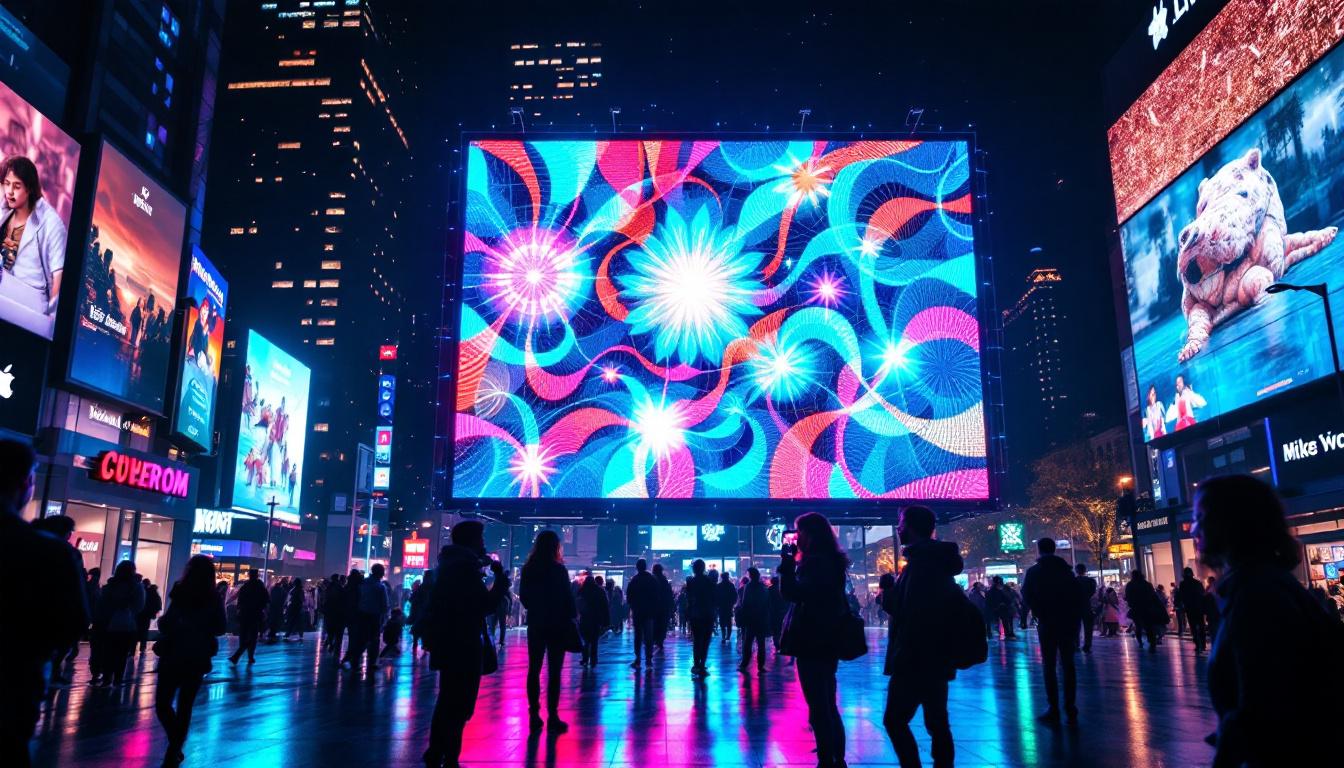
Touch-based LED displays are increasingly used in public spaces such as airports, museums, and transit hubs. Interactive wayfinding kiosks help visitors navigate complex environments efficiently. Additionally, these displays can provide real-time updates, emergency alerts, and advertising, all accessible through intuitive touch interfaces.
For example, major airports worldwide have installed large interactive LED screens that provide flight information, maps, and services, reducing the need for staff assistance and improving passenger experience.
Technical Considerations for Touch-Based LED Displays
Resolution and Pixel Pitch
Resolution and pixel pitch are critical factors that influence the clarity of LED displays. Pixel pitch refers to the distance between the centers of adjacent pixels. Smaller pixel pitches result in higher resolution and sharper images, which is especially important for close viewing distances.
When integrating touch technology, the display’s resolution must align with the intended use. For example, interactive kiosks viewed up close benefit from pixel pitches as low as 1.2 mm, while large outdoor LED walls can have pixel pitches of 10 mm or more without sacrificing effectiveness.
Durability and Environmental Resistance
Touch-based LED displays often operate in demanding environments. Outdoor installations must withstand weather conditions such as rain, dust, and temperature fluctuations. Therefore, displays are typically rated with IP (Ingress Protection) certifications to ensure resistance against water and dust.
Additionally, the touch interface must be robust. Infrared and optical touch systems are favored in harsh environments due to their durability and ability to function with gloves or other non-conductive inputs.
Latency and Responsiveness
For an optimal user experience, touch responsiveness is crucial. Latency—the delay between a touch input and the display’s response—should be minimal. High latency can frustrate users and reduce the effectiveness of interactive applications.
Modern touch-based LED displays employ advanced processing hardware and software optimizations to ensure latency remains below 10 milliseconds, which is generally imperceptible to users.
Benefits of Touch-Based LED Displays
Enhanced User Engagement
The primary advantage of touch-based LED displays is their ability to engage users actively. Interactivity encourages exploration, learning, and decision-making, which can translate into higher customer satisfaction and increased sales in commercial environments.
Versatility and Customization
Touch-based LED displays are highly versatile. Content can be updated remotely and customized based on user input or contextual data. This flexibility allows businesses and organizations to tailor messaging dynamically, improving relevance and impact.
Improved Accessibility
Interactive LED displays can be designed to accommodate diverse user needs, including multi-language support, adjustable font sizes, and audio feedback. This inclusivity enhances accessibility and ensures a broader audience can benefit from the technology.
Challenges and Limitations
Cost Considerations
While prices for LED and touch technologies have decreased over the years, touch-based LED displays can still represent a significant investment. The integration of touch sensors, protective layers, and processing units adds to the overall cost compared to standard LED displays.
However, the return on investment often justifies the expense through increased engagement, improved customer experience, and operational efficiencies.
Maintenance and Calibration
Touch-based systems require regular maintenance to ensure accuracy and responsiveness. Calibration may be necessary to align touch inputs with the display output, especially after installation or physical adjustments.
Environmental factors such as dust or moisture can also affect touch sensitivity, necessitating protective measures and periodic cleaning.
The Future of Touch-Based LED Displays
Advancements in Touch Sensitivity and Display Quality
Emerging technologies such as micro-LED and mini-LED promise even higher brightness, better energy efficiency, and improved color accuracy. Coupled with advances in touch sensing—like haptic feedback and pressure sensitivity—the future holds more immersive and tactile experiences.
Integration with Artificial Intelligence and IoT
Touch-based LED displays are increasingly integrated with AI and Internet of Things (IoT) technologies. AI can personalize content based on user behavior, while IoT connectivity enables real-time data exchange and remote management. These integrations will enhance the interactivity and functionality of LED displays in smart environments.
Expanding Use Cases
As costs decrease and technology matures, touch-based LED displays will find new applications in healthcare, automotive, entertainment, and beyond. For instance, interactive LED walls in hospitals can assist patients with navigation and information, while automotive HUDs (heads-up displays) may incorporate touch-based LED elements for enhanced driver interaction.
Conclusion
Touch-based LED displays represent a convergence of vibrant visual technology and intuitive user interaction, unlocking new possibilities across industries. Their ability to deliver bright, high-resolution content combined with responsive touch interfaces makes them a powerful tool for engagement, communication, and collaboration.
Understanding the underlying technologies, applications, and considerations is essential for anyone looking to leverage these displays effectively. As innovation continues to drive improvements in display quality, touch sensitivity, and integration capabilities, touch-based LED displays are poised to become even more integral to the digital landscape.
Investing in touch-based LED technology today can provide businesses and organizations with a competitive edge, enabling them to connect with audiences in more meaningful and dynamic ways.
Discover the Future of Interactive Displays with LumenMatrix
Ready to elevate your space with the latest in touch-based LED display technology? LumenMatrix is at the forefront of creating immersive environments that captivate and engage. From vibrant Indoor and Outdoor LED Wall Displays to innovative solutions like Vehicle LED Displays, LED Posters, and Custom LED Displays, our products are designed to transform your visual communication. Experience the difference with our All-in-One LED Displays and LED Transparent Displays, crafted to deliver your message with unparalleled clarity and impact. Check out LumenMatrix LED Display Solutions today and join the revolution in digital signage.