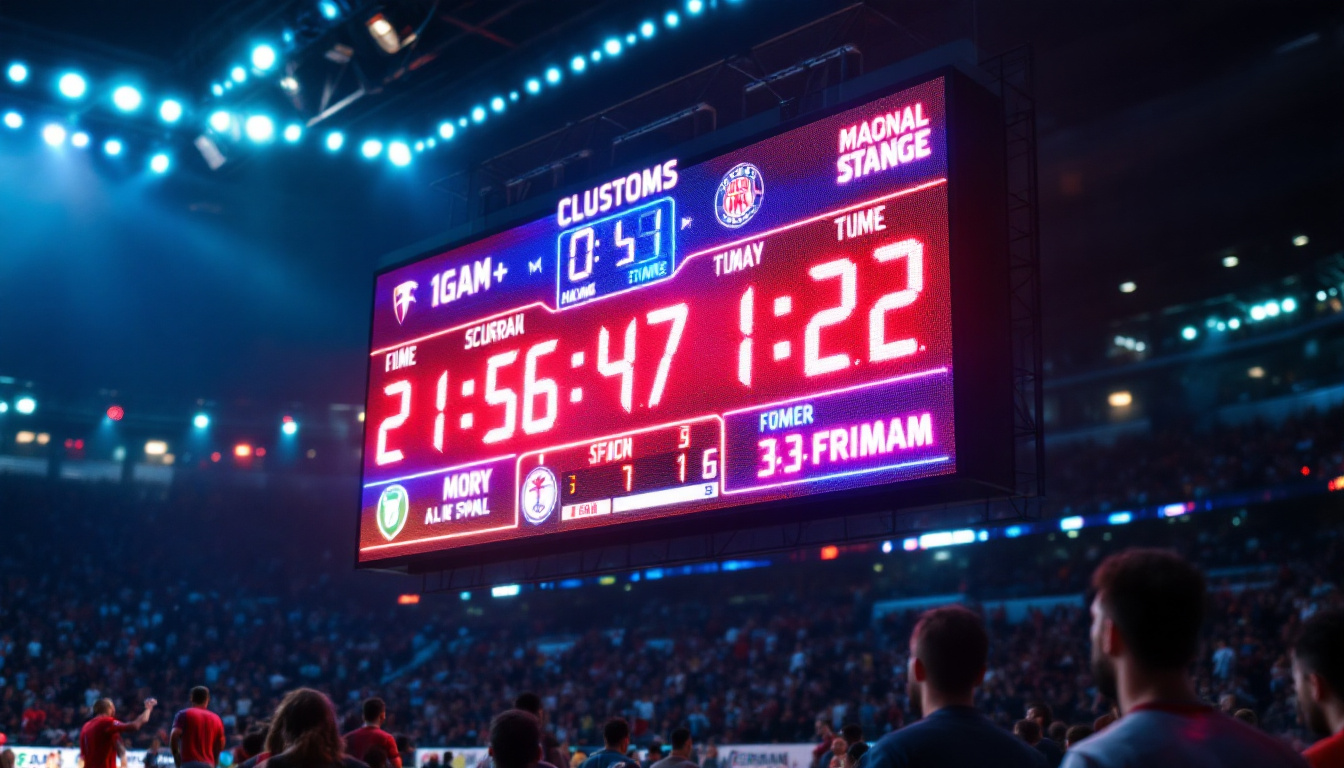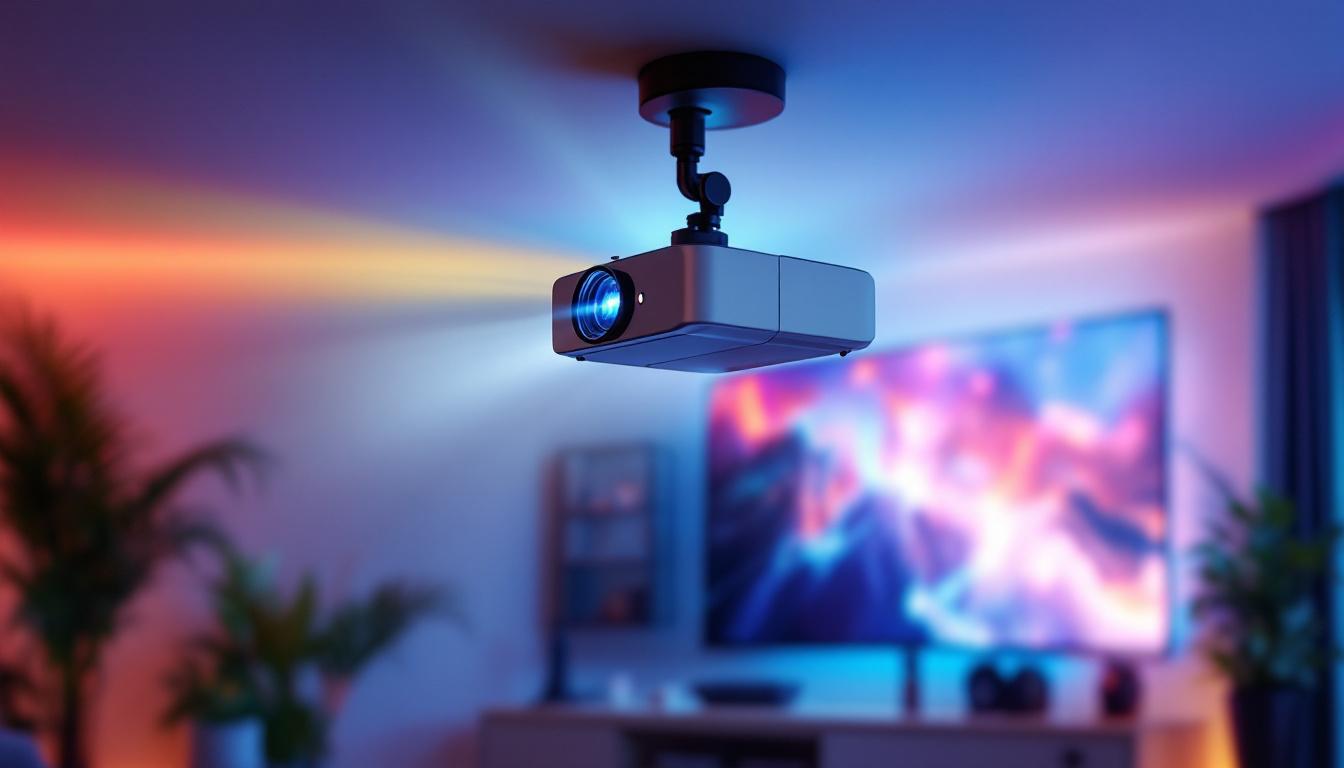
In the rapidly evolving world of audiovisual technology, the integration of motorized projector mounts with LED displays is transforming how businesses, educators, and entertainment venues present content. These innovations offer seamless, flexible, and high-quality visual experiences that cater to diverse environments and needs. This article delves into the mechanics and benefits of motorized projector mounts, explores the technology behind LED displays, and explains how combining these elements elevates modern presentation setups.
Understanding Motorized Projector Mounts
What Is a Motorized Projector Mount?
A motorized projector mount is a mechanical device designed to securely hold a projector and enable remote-controlled movement, typically allowing vertical and horizontal adjustments. Unlike fixed mounts, motorized mounts provide smooth, precise positioning of the projector, which can be controlled via remote, wall panel, or integrated control systems.
This functionality is particularly useful in multi-purpose rooms, conference centers, classrooms, and home theaters where the projector needs to be repositioned frequently or hidden when not in use. Motorized mounts can be ceiling-mounted, wall-mounted, or floor-mounted depending on the installation requirements. The versatility of these mounts makes them an essential tool for any space that utilizes projection technology, ensuring that users can adapt to various viewing needs with ease.
Key Features and Advantages
Motorized projector mounts come with several features that enhance usability and convenience:
- Remote Adjustment: Users can adjust the projector’s position without manual intervention, reducing setup time and effort.
- Space Efficiency: Motorized mounts can retract projectors into ceilings or cabinets, preserving aesthetic appeal and protecting equipment.
- Precision Alignment: Fine-tuned positioning ensures optimal image alignment and focus, improving viewer experience.
- Integration with Automation Systems: Many mounts are compatible with smart building controls, enabling synchronized operation with lighting, sound, and curtains.
Additionally, many motorized mounts come equipped with safety features such as overload protection and automatic shut-off mechanisms, which prevent damage to both the projector and the mount itself. This added layer of security is particularly important in high-traffic areas or when the equipment is used frequently, as it helps to prolong the lifespan of the projector and ensures reliable performance during critical presentations.
Applications in Various Settings
Motorized projector mounts are widely used across different sectors:
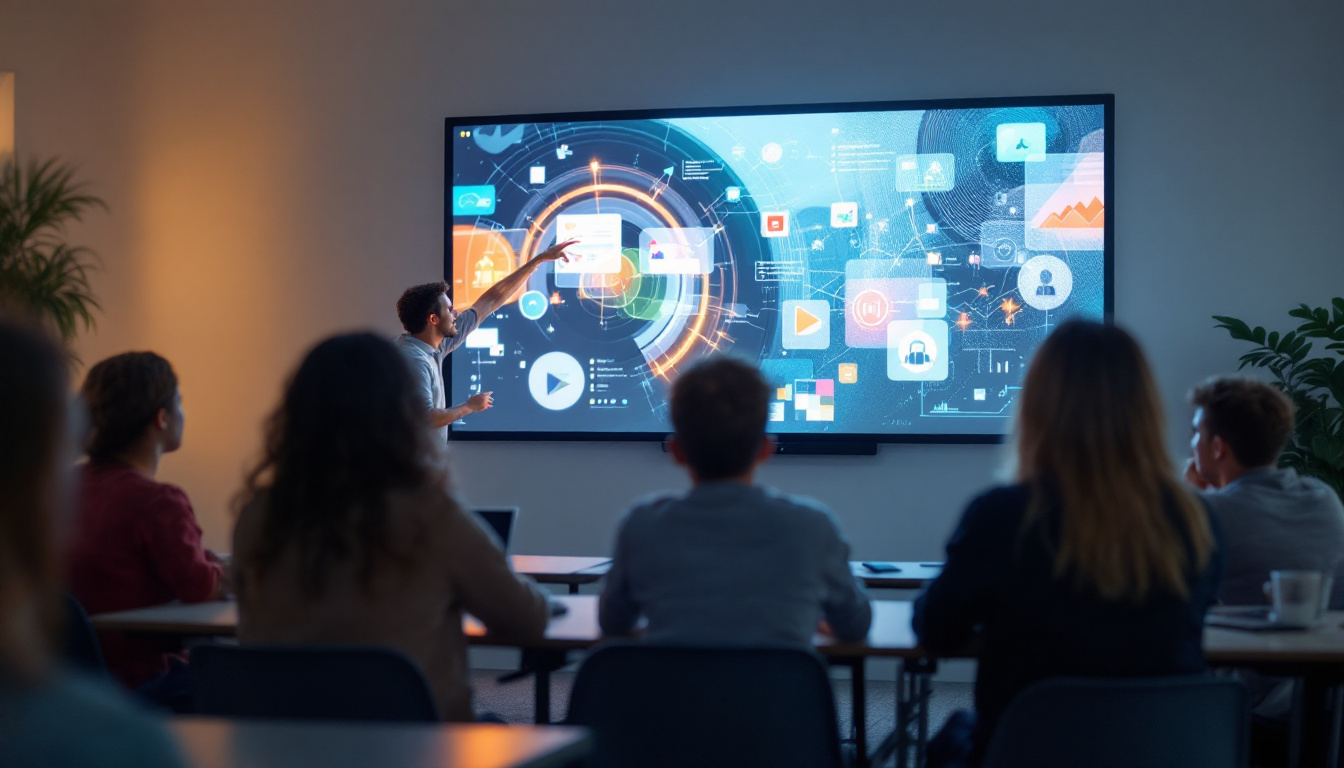
- Corporate Environments: In boardrooms and auditoriums, motorized mounts facilitate quick transitions between presentations and video conferencing setups.
- Education: Classrooms benefit from flexible projector positioning to accommodate different teaching styles and room layouts.
- Home Theaters: Enthusiasts value the ability to hide projectors when not in use, maintaining room aesthetics.
- Event Venues: Large-scale events require adaptable projection setups, which motorized mounts provide efficiently.
Moreover, the adaptability of motorized projector mounts makes them an ideal solution for temporary installations, such as trade shows or exhibitions, where quick setup and takedown are essential. Event planners can easily adjust projector angles to suit various presentations and audience sizes, ensuring that every attendee has a clear view of the projected content. This flexibility not only enhances the overall experience for viewers but also allows presenters to engage their audience more effectively, making motorized mounts a valuable asset in dynamic environments.
LED Display Technology Explained
What Is an LED Display?
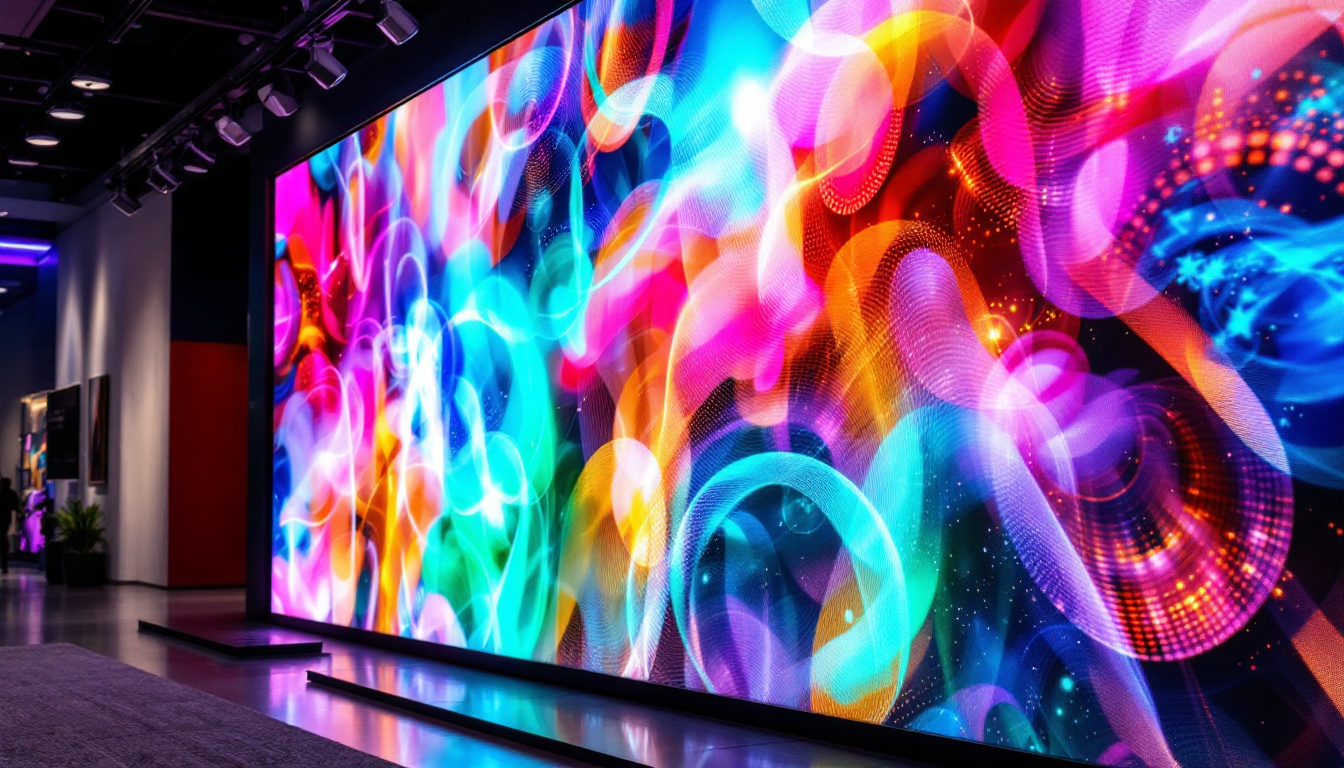
LED (Light Emitting Diode) displays are a type of flat-panel display technology that uses an array of light-emitting diodes to produce images. Unlike traditional LCD or projection systems, LED displays generate their own light, resulting in brighter images, higher contrast ratios, and better color accuracy. This self-emitting nature allows for thinner designs and more versatile applications, making LED displays a popular choice in various industries, from advertising to entertainment.
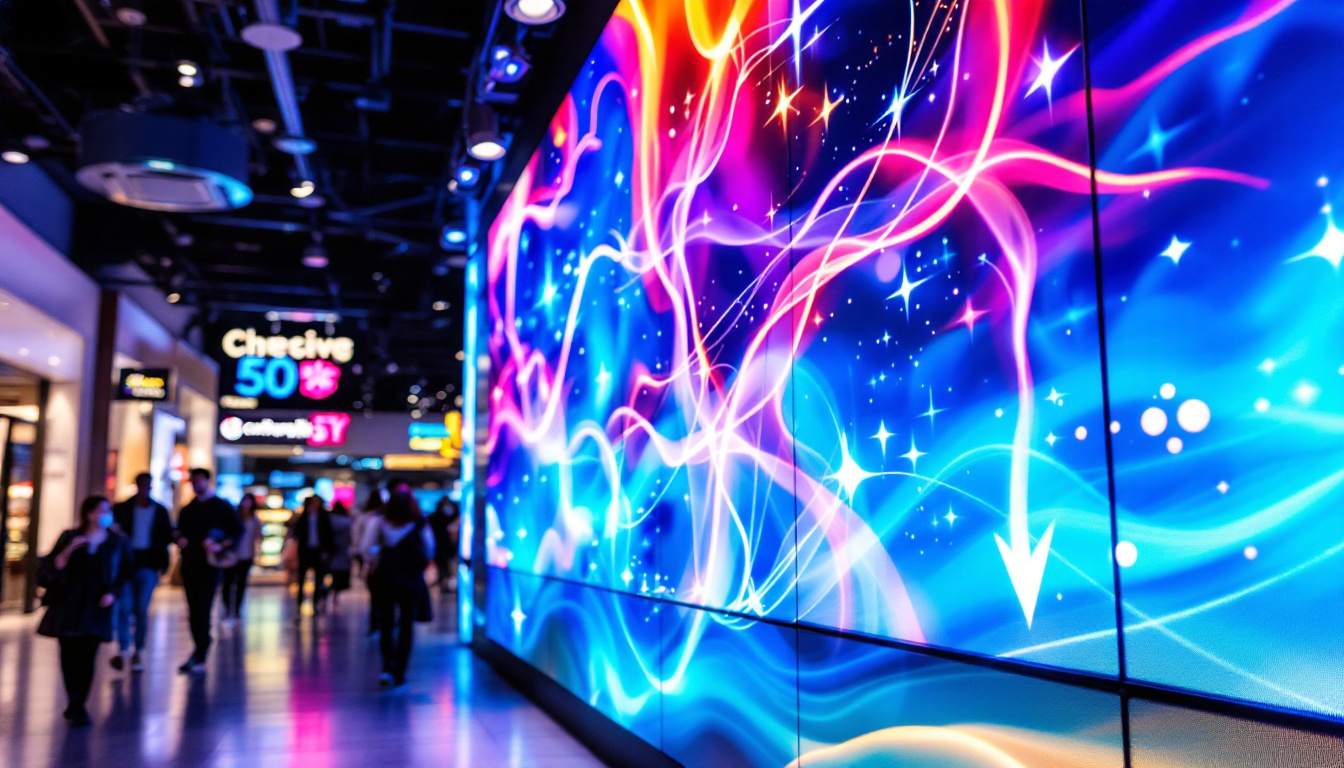
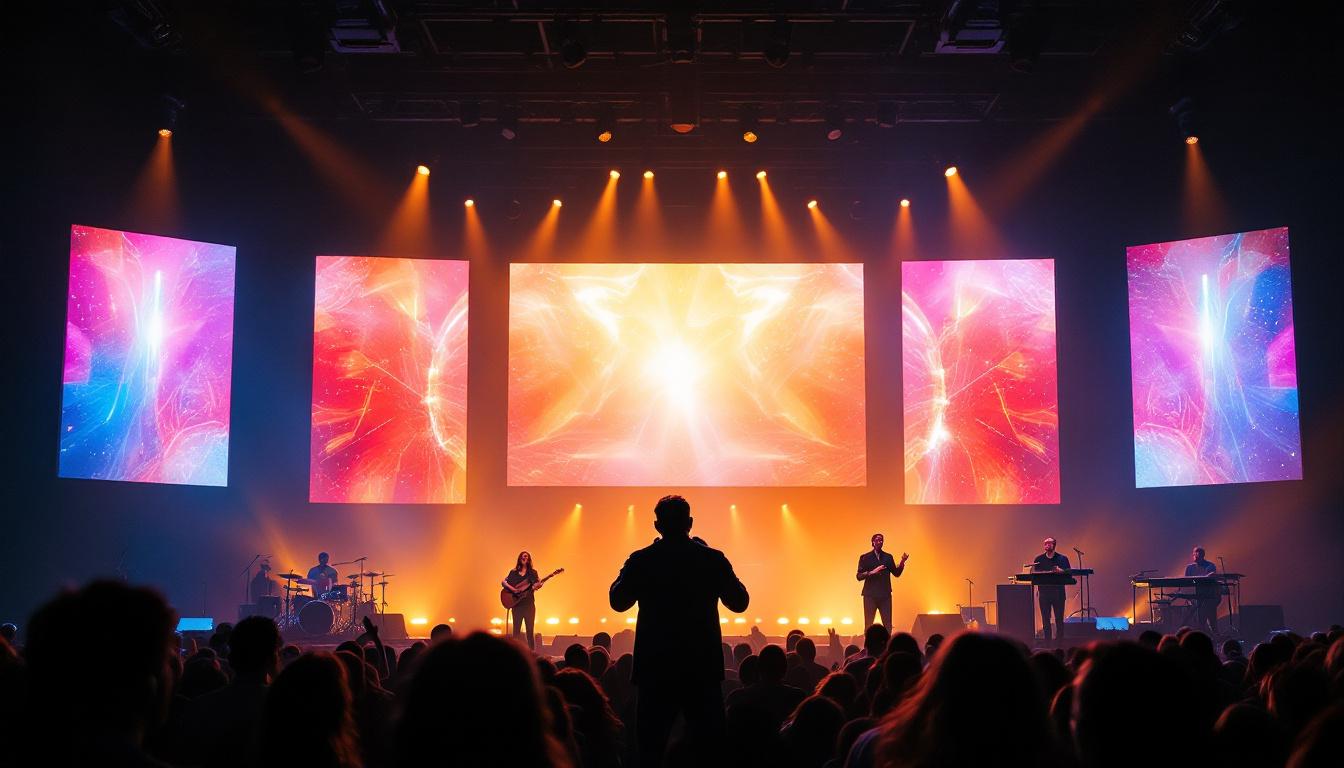
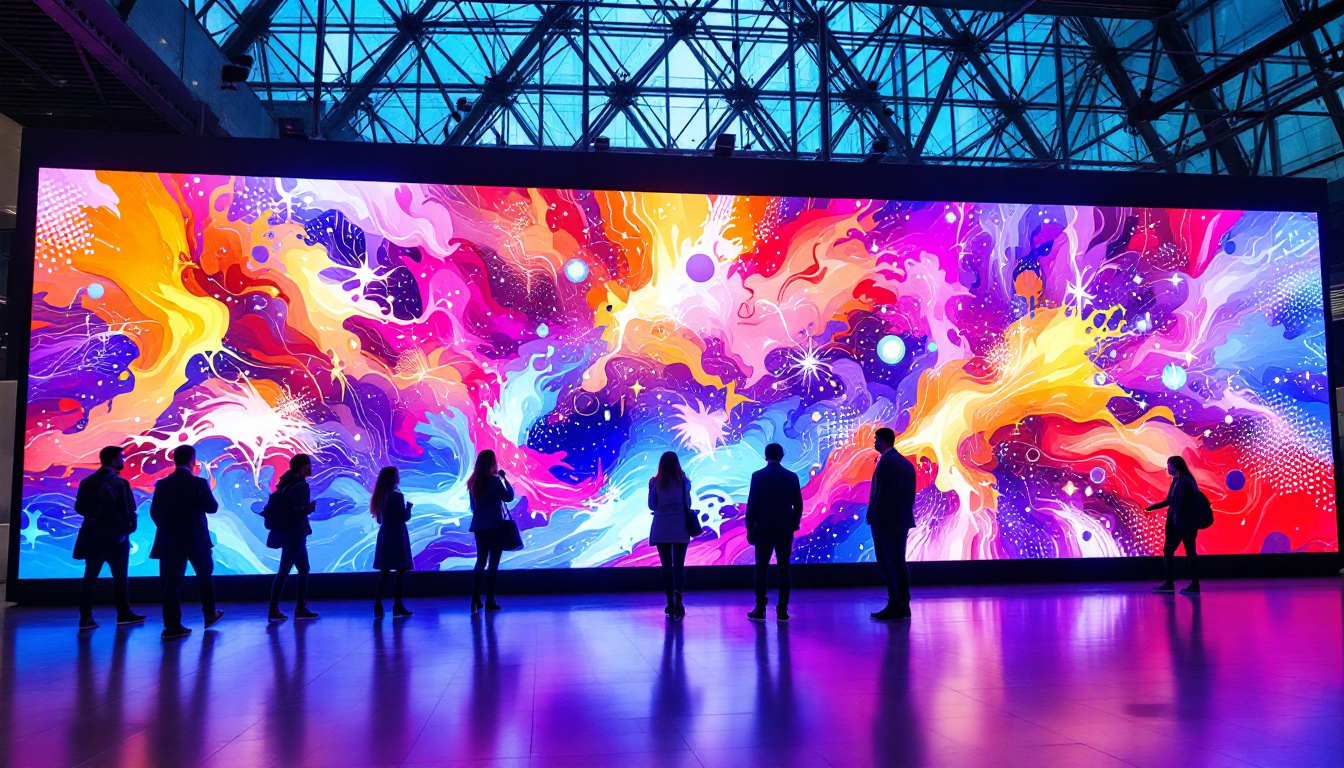
LED technology has advanced significantly, with modern displays offering ultra-high definition resolutions and flexible form factors, including curved and transparent screens. These innovations have opened up new possibilities for creative installations, such as immersive environments in museums and interactive displays in retail spaces. The ability to create seamless video walls using LED technology has transformed the way visual content is presented, allowing for captivating experiences that engage viewers on multiple levels.
Types of LED Displays
LED displays come in various configurations, each suited to specific use cases:
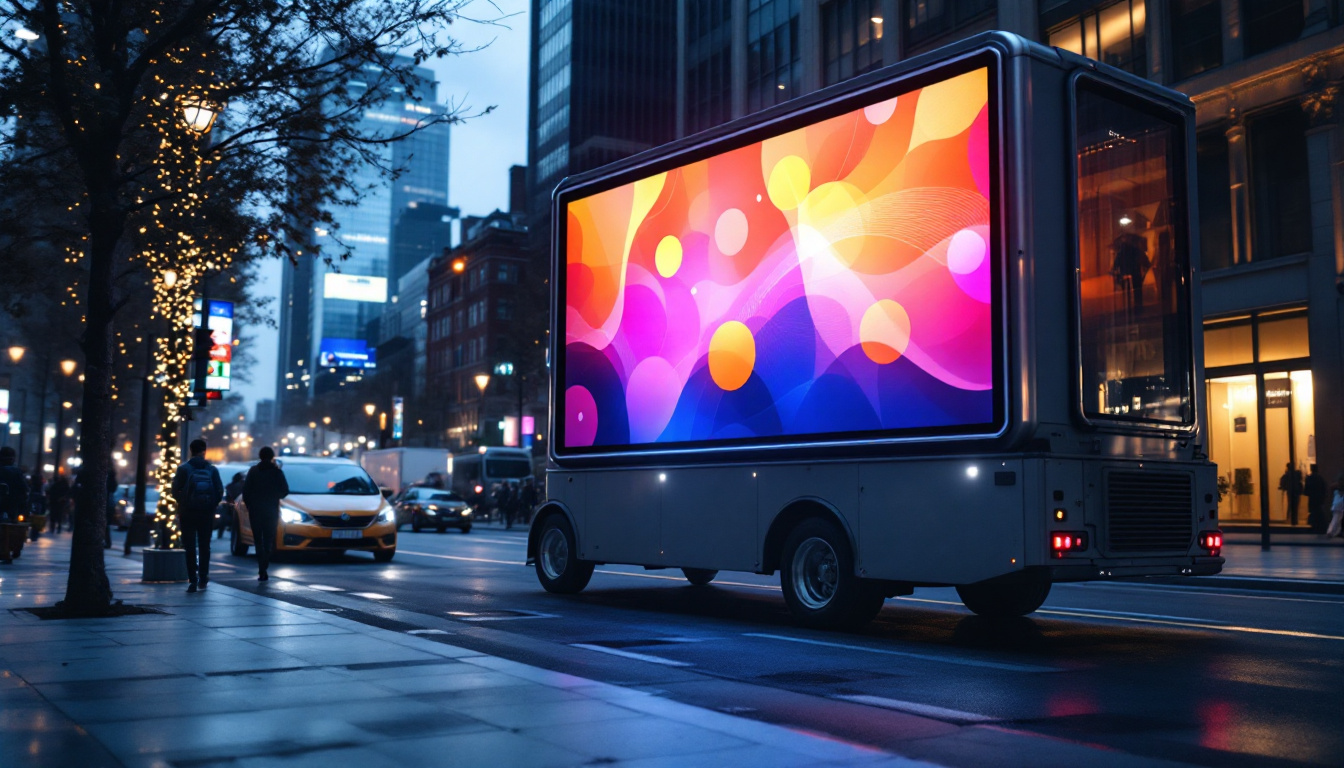
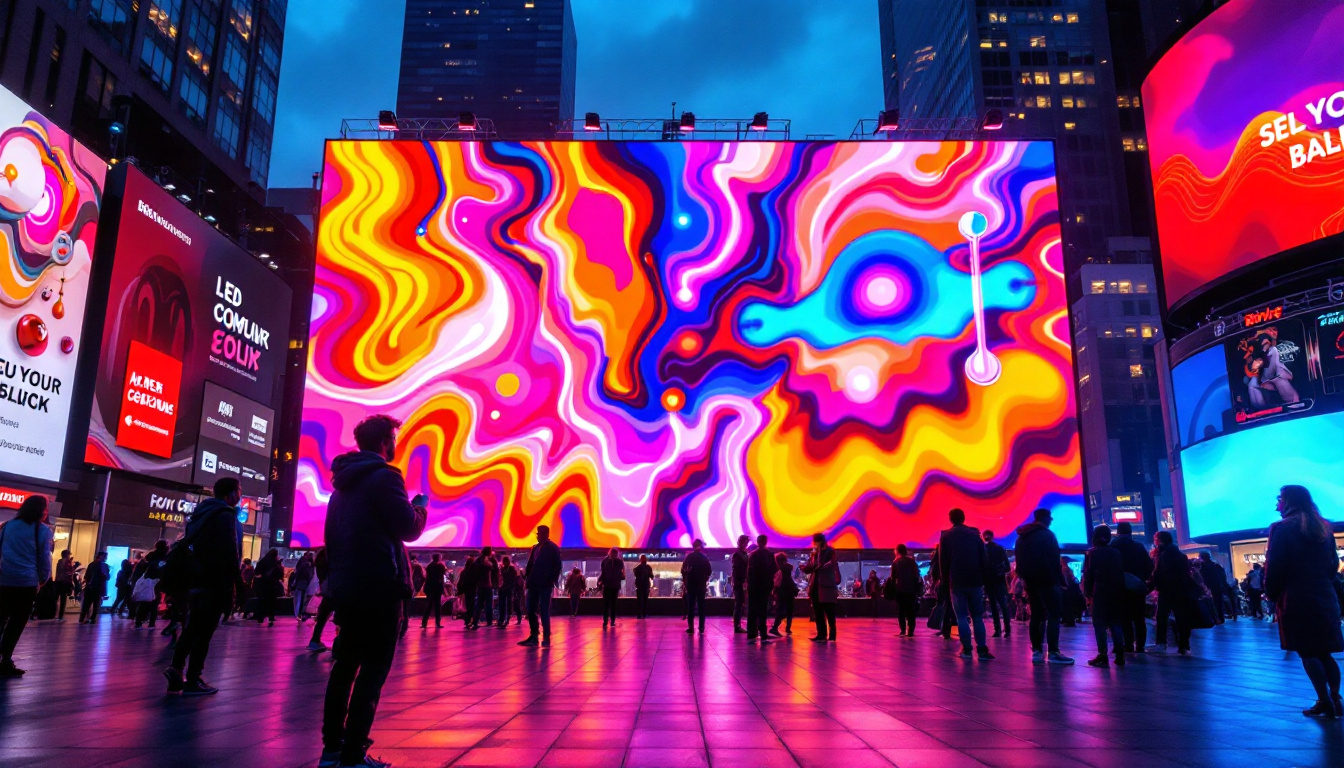
- Direct View LED (DVLED): Composed of individual LEDs that form the pixels, DVLED displays are known for their brightness and vibrant colors, making them ideal for large-scale indoor and outdoor screens. Their modular design allows for easy customization, enabling businesses to create unique shapes and sizes that fit their branding needs.
- MicroLED: A newer technology that uses microscopic LEDs to create displays with exceptional brightness, efficiency, and lifespan. MicroLED is poised to compete with OLED technology in premium applications. Its ability to achieve high pixel density while maintaining excellent color reproduction makes it a strong contender for next-generation televisions and mobile devices.
- LED-Backlit LCD: This common display type uses LEDs as a backlight source behind an LCD panel, improving brightness and energy efficiency compared to older CCFL backlights. This hybrid approach allows for thinner screens while retaining the advantages of LCD technology, making it a popular choice for consumer electronics like televisions and computer monitors.
Benefits of LED Displays
LED displays offer several advantages over traditional projection and display technologies:
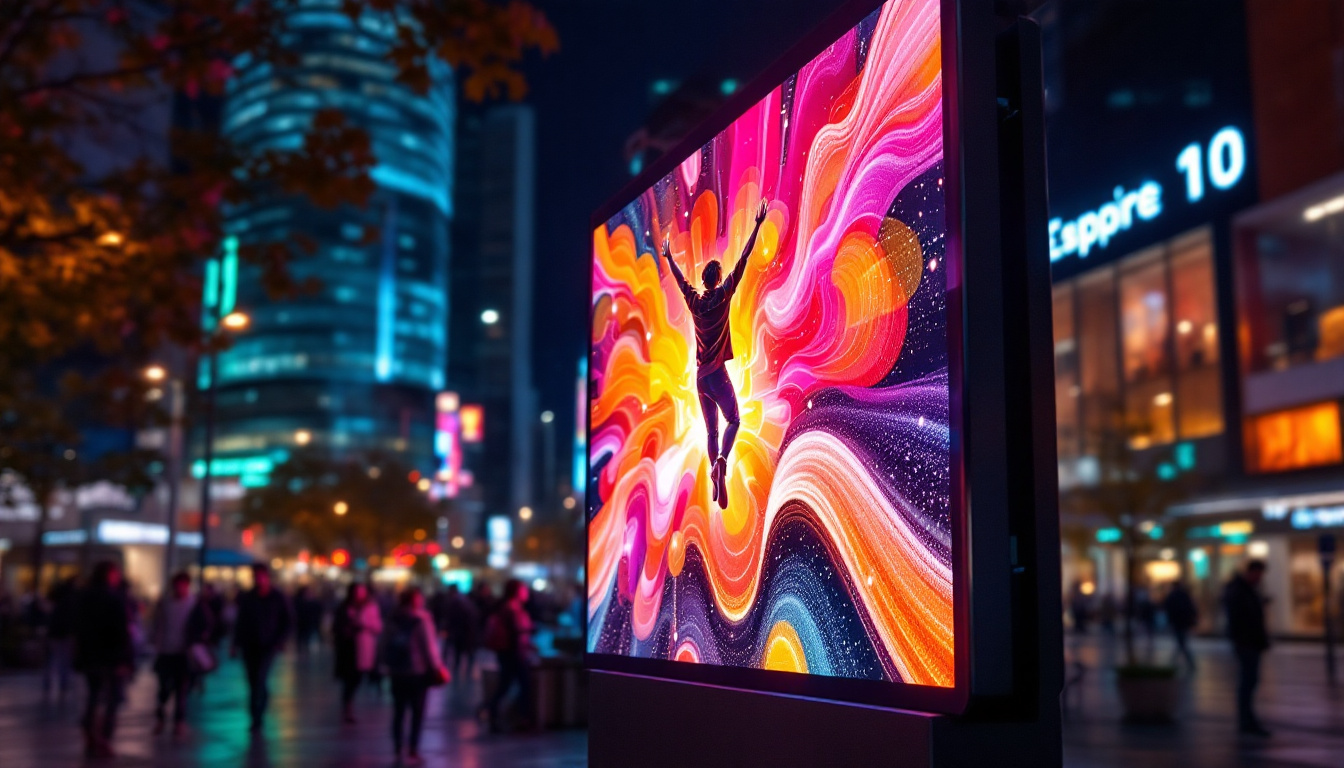
- Brightness: Capable of producing high luminance, LED displays perform well even in brightly lit environments. This characteristic makes them particularly effective for outdoor advertising, where visibility is crucial.
- Durability: LEDs have long lifespans and are resistant to shock and vibration, reducing maintenance costs. This robustness is especially beneficial in settings such as sports arenas and concert venues, where equipment is subject to heavy use and potential damage.
- Energy Efficiency: LED technology consumes less power compared to conventional lighting and projection systems. This energy efficiency not only lowers operational costs but also aligns with growing sustainability initiatives, making LED displays an environmentally friendly choice.
- Color Accuracy and Contrast: LEDs provide deep blacks and vivid colors, enhancing image quality. This capability is particularly important in applications such as digital signage, where the visual impact can significantly influence consumer behavior.
- Scalability: Modular LED panels can be combined to create displays of virtually any size and shape. This flexibility allows for creative installations that can adapt to various environments, from large public spaces to intimate venues.
In addition to these benefits, LED displays are increasingly being integrated with smart technologies, enabling features such as remote monitoring, content management, and real-time updates. This connectivity enhances the functionality of LED displays, allowing businesses to respond quickly to changing conditions and audience engagement. As the technology continues to evolve, we can expect even more innovative applications and improvements in display quality, further solidifying LED displays as a cornerstone of modern visual communication.
Integrating Motorized Projector Mounts with LED Displays
Why Combine These Technologies?
While LED displays are increasingly popular, motorized projector mounts remain relevant, especially in environments where flexibility and cost-effectiveness are priorities. Combining motorized mounts with LED displays can offer unique benefits:
- Hybrid Presentation Solutions: Some venues use LED walls for dynamic backgrounds and motorized projectors for supplementary content, such as detailed visuals or live feeds.
- Space Optimization: Motorized mounts enable projectors to be stowed away when LED displays are in use, maximizing space and reducing visual clutter.
- Enhanced Viewing Experience: The ability to switch between projection and LED display modes allows presenters to tailor content delivery based on audience size, ambient lighting, and content type.
Technical Considerations for Integration
Successfully integrating motorized projector mounts with LED displays requires attention to several factors:
- Synchronization: Control systems should coordinate projector movement and LED display operation to ensure smooth transitions.
- Calibration: Both projection and LED images need to be calibrated for color consistency and alignment when used together.
- Mounting and Space: Proper planning is essential to accommodate projector movement paths without obstructing LED panels.
- Connectivity: Integration with AV control systems facilitates seamless switching and content management.
Case Study: Corporate Boardroom Implementation
A multinational corporation recently upgraded its main boardroom with a 120-inch LED display wall complemented by a motorized ceiling projector mount. The motorized mount allows the projector to descend for specialized presentations requiring ultra-high resolution or 3D content, while the LED wall handles standard video conferencing and data visualization.
This hybrid setup improved meeting efficiency by reducing downtime during transitions and enhancing visual clarity. Additionally, the motorized mount’s remote control feature allowed presenters to adjust the projector without interrupting the flow of meetings.
Choosing the Right Motorized Projector Mount and LED Display
Factors to Consider for Motorized Projector Mounts
When selecting a motorized projector mount, consider the following:
- Weight Capacity: Ensure the mount supports the projector’s weight and dimensions.
- Range of Motion: Evaluate the vertical and horizontal adjustment capabilities to suit the room layout.
- Control Options: Look for compatibility with existing control systems or ease of integration with smart automation.
- Installation Requirements: Assess ceiling or wall structure to confirm mount compatibility and safety.
Choosing the Ideal LED Display
Key considerations for LED displays include:
- Pixel Pitch: Defines the distance between LEDs; smaller pixel pitch means higher resolution and better image quality at close viewing distances.
- Brightness Levels: Match brightness to ambient lighting conditions to ensure visibility.
- Size and Aspect Ratio: Determine based on room size and content format.
- Durability and Maintenance: Consider IP rating for outdoor use and ease of servicing.
- Budget: Balance features and costs to achieve the best value.
Future Trends in Projection and LED Display Technologies
Advancements in Motorized Mounts
Emerging trends include mounts with enhanced automation capabilities, such as AI-powered positioning that adjusts projector alignment based on real-time feedback. Integration with voice control and IoT platforms is also becoming more common, enabling seamless operation within smart building ecosystems.
Innovations in LED Displays
The LED display market is witnessing rapid innovation, including:
- MicroLED and MiniLED: Offering higher brightness and contrast with lower power consumption.
- Flexible and Transparent Displays: Expanding creative possibilities for architectural integration.
- Higher Refresh Rates and HDR Support: Enhancing video quality for dynamic content and gaming applications.
Convergence of Technologies
The future will likely see tighter integration between projection and LED technologies, with hybrid systems that automatically optimize display modes based on content and environmental conditions. This convergence will provide users with unparalleled flexibility and immersive experiences.
Conclusion
The combination of motorized projector mounts and LED displays represents a significant advancement in audiovisual presentation technology. Motorized mounts enhance flexibility, convenience, and aesthetics by enabling precise projector positioning and concealment. Meanwhile, LED displays deliver superior brightness, color accuracy, and durability, making them ideal for a wide range of applications.
Understanding the features, benefits, and integration possibilities of these technologies empowers businesses, educators, and event organizers to design cutting-edge presentation environments. As both motorized mounts and LED displays continue to evolve, their synergy will open new horizons for immersive, efficient, and visually stunning communication.
Explore Cutting-Edge LED Display Solutions with LumenMatrix
Ready to elevate your visual presentations to the next level? Discover LumenMatrix’s innovative LED display technology, designed to bring your content to life with unparalleled brightness, color accuracy, and versatility. From captivating Indoor and Outdoor LED Wall Displays to dynamic Vehicle and Sports LED Displays, LumenMatrix offers a comprehensive range of solutions tailored to your needs. Embrace the future of visual communication with our Custom, All-in-One, and Transparent LED Displays, and see how our commitment to excellence can transform your space. Check out LumenMatrix LED Display Solutions today and start creating truly immersive experiences.