In today’s digital age, the term “pixel” is ubiquitous, especially when discussing screens and displays. Whether it’s a smartphone, television, or large-scale advertising billboard, pixels are the fundamental building blocks of the images we see. However, when it comes to LED displays, understanding what a pixel truly means and how it functions is crucial for appreciating the technology behind vibrant, high-resolution visuals.
This article delves into the meaning of a pixel in the context of LED displays, exploring its role, composition, and impact on image quality. By the end, readers will gain a comprehensive understanding of how pixels contribute to the performance and clarity of LED screens, from small devices to massive digital signage.
What Is a Pixel?
The Basic Definition
A pixel, short for “picture element,” is the smallest unit of a digital image or display. Think of it as a tiny dot that, when combined with millions of others, forms the complete picture you see on a screen. Each pixel contains information about color and brightness, which collectively create the detailed images and videos on digital devices.
In any digital display, pixels are arranged in a grid pattern. The resolution of the screen—such as 1920×1080 or 4K—refers to the number of pixels horizontally and vertically. The higher the pixel count, the more detailed and sharper the image appears.
Pixels in Various Display Technologies
While pixels are a universal concept across display types, their physical composition varies. In LCD (Liquid Crystal Display) screens, pixels use liquid crystals and backlighting to control color and brightness. In OLED (Organic Light Emitting Diode) displays, each pixel emits its own light, allowing for deeper blacks and higher contrast.
LED (Light Emitting Diode) displays, the focus of this article, have a unique pixel structure that directly influences their brightness, color accuracy, and viewing angles.
Understanding Pixels in LED Displays
What Constitutes a Pixel on an LED Display?
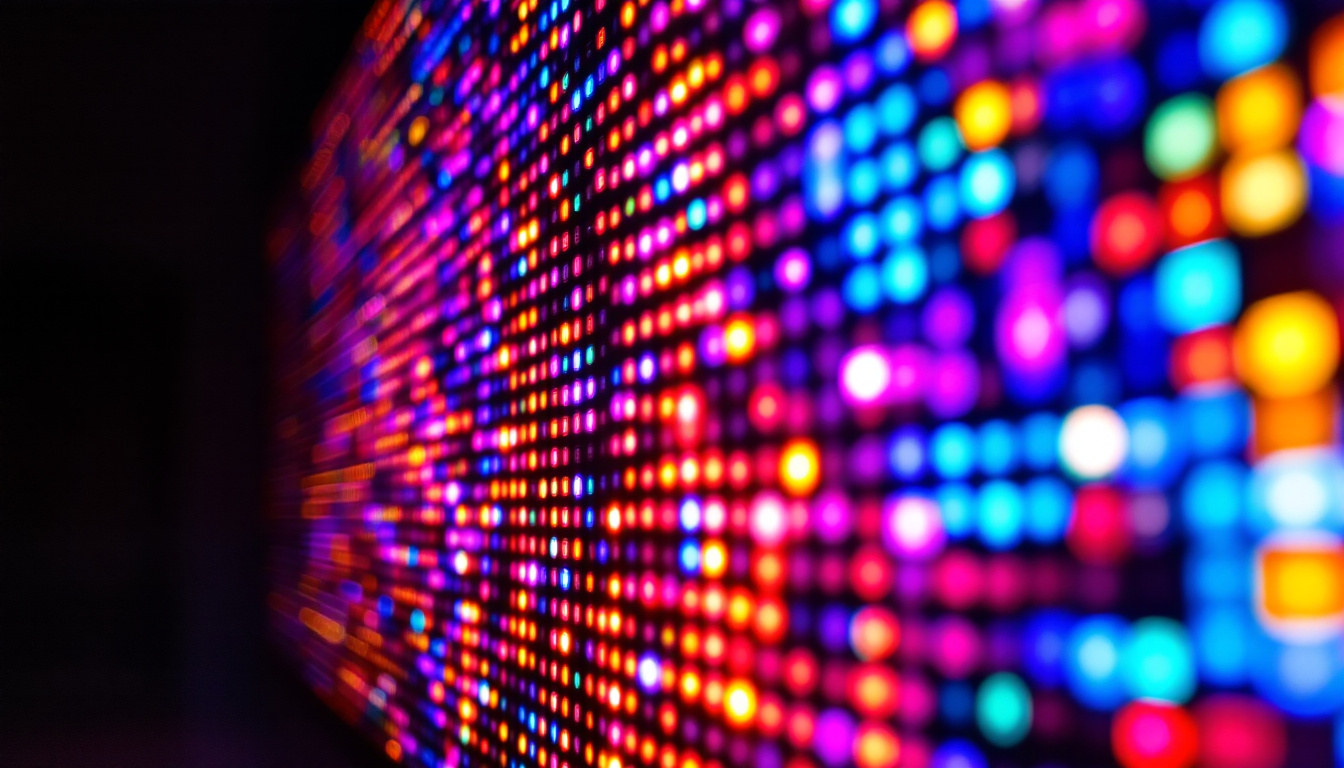
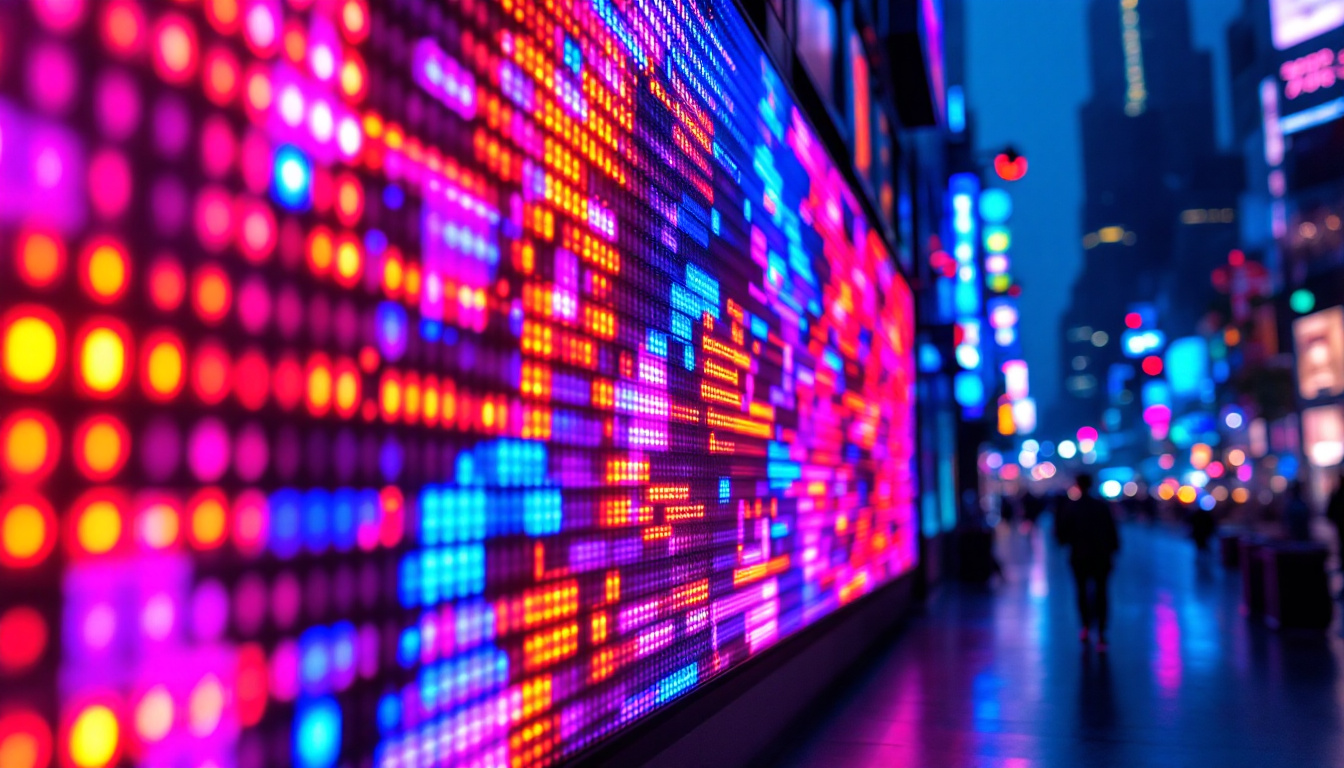
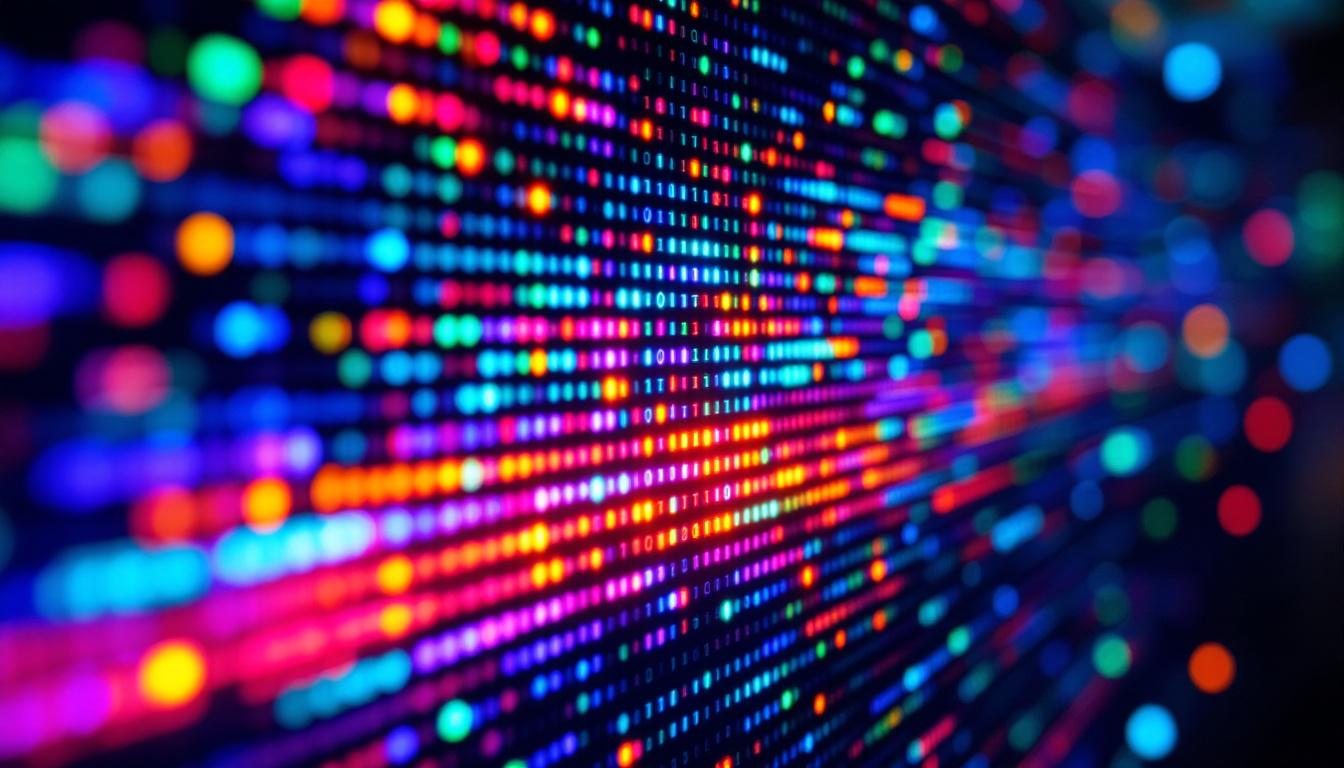
Unlike LCD or OLED screens where each pixel is a single unit emitting or controlling light, an LED display pixel is composed of multiple tiny LEDs. Typically, each pixel consists of three individual LEDs: one red, one green, and one blue. These are known as sub-pixels.
By varying the intensity of each sub-pixel, the LED pixel can produce a wide spectrum of colors through additive color mixing. This RGB (Red, Green, Blue) model is the foundation of color representation in most digital displays.
Pixel Pitch: The Key to LED Display Resolution
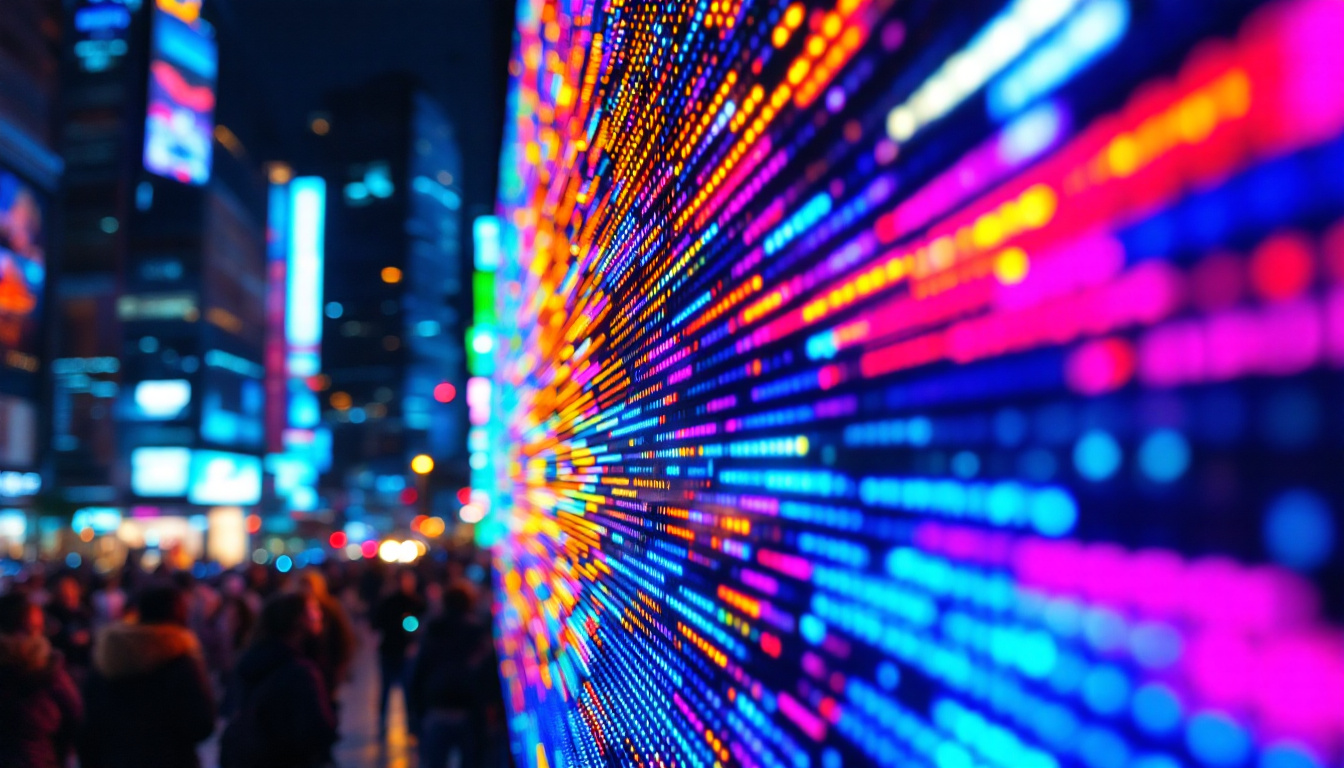
One of the most important metrics in LED displays is the pixel pitch, which refers to the distance between the centers of two adjacent pixels, usually measured in millimeters. For example, a pixel pitch of 2.5 mm means there is 2.5 millimeters between pixels.
Pixel pitch directly affects the resolution and viewing distance of an LED display. Smaller pixel pitches mean pixels are packed more tightly, resulting in higher resolution and finer image detail. Conversely, larger pixel pitches are suitable for displays viewed from greater distances, such as outdoor billboards.
To illustrate, a 1.2 mm pixel pitch LED screen is ideal for indoor use where viewers are close, such as in control rooms or retail environments. Meanwhile, a 10 mm pixel pitch screen might be used for stadium displays or highway signage where viewers are far away.
How Pixels Affect LED Display Brightness and Color
Each sub-pixel’s LED emits light directly, which is why LED displays are often brighter than LCD or OLED screens. This direct emission allows LED displays to maintain vivid colors and high brightness levels even in brightly lit environments, such as outdoor settings under sunlight.
Moreover, because each pixel is made up of three separate LEDs, the control over color accuracy and brightness is granular. Advanced LED displays use sophisticated calibration techniques to balance the intensity of each sub-pixel, ensuring consistent color reproduction across the entire screen.
Types of LED Displays and Pixel Configurations
Surface-Mounted Device (SMD) LEDs
SMD technology is the most common in modern LED displays, especially for indoor and close-viewing applications. In SMD displays, the red, green, and blue LEDs are mounted together in a single package, creating a single pixel point.
This integration allows for very small pixel pitches (as low as 0.7 mm), resulting in high-resolution displays with smooth visuals and excellent color uniformity. SMD LED displays are widely used in conference rooms, retail stores, and broadcast studios.
Discrete LED Displays
Discrete LED displays use separate LED packages for each color sub-pixel, spaced apart on the display panel. These are typically found in larger outdoor LED boards where pixel pitches are larger (usually above 4 mm).
While discrete LEDs might not offer the same resolution as SMD displays, they excel in brightness and durability, making them suitable for outdoor advertising and sports arenas.
Mini-LED and Micro-LED Innovations
Emerging technologies like Mini-LED and Micro-LED are pushing the boundaries of pixel design in LED displays. Mini-LEDs are smaller than traditional LEDs, allowing for more precise local dimming and improved contrast in LCD backlighting.
Micro-LED technology, on the other hand, uses microscopic LEDs as individual pixels, combining the benefits of OLED’s self-emission with LED’s brightness and longevity. This innovation promises ultra-high resolution, exceptional color accuracy, and energy efficiency for future displays.
Why Pixel Quality Matters in LED Displays
Impact on Image Clarity and Detail
The quality and arrangement of pixels determine how sharp and clear an image appears on an LED display. Higher pixel density means more pixels per unit area, which translates to finer details and smoother gradients.
For applications like digital signage, live event screens, and control rooms, where image clarity is paramount, investing in LED displays with smaller pixel pitches ensures that the content is visually appealing and easily readable.
Viewing Distance Considerations
Understanding the relationship between pixel pitch and optimal viewing distance is essential when selecting an LED display. A screen with a very small pixel pitch viewed from too far away may not provide noticeable benefits, while a screen with a large pixel pitch viewed too closely can appear pixelated.
As a rule of thumb, the optimal viewing distance (in meters) is approximately 1.5 to 2 times the pixel pitch (in millimeters). For example, a 4 mm pixel pitch display is best viewed from about 6 to 8 meters away.
Color Accuracy and Uniformity
Each pixel’s ability to accurately reproduce colors affects the overall image quality. High-quality LED displays undergo rigorous calibration to ensure that all pixels emit consistent colors and brightness levels. This uniformity is critical for branding, advertising, and broadcast applications where color fidelity is non-negotiable.
Applications of LED Displays and Pixel Importance
Outdoor Advertising and Billboards
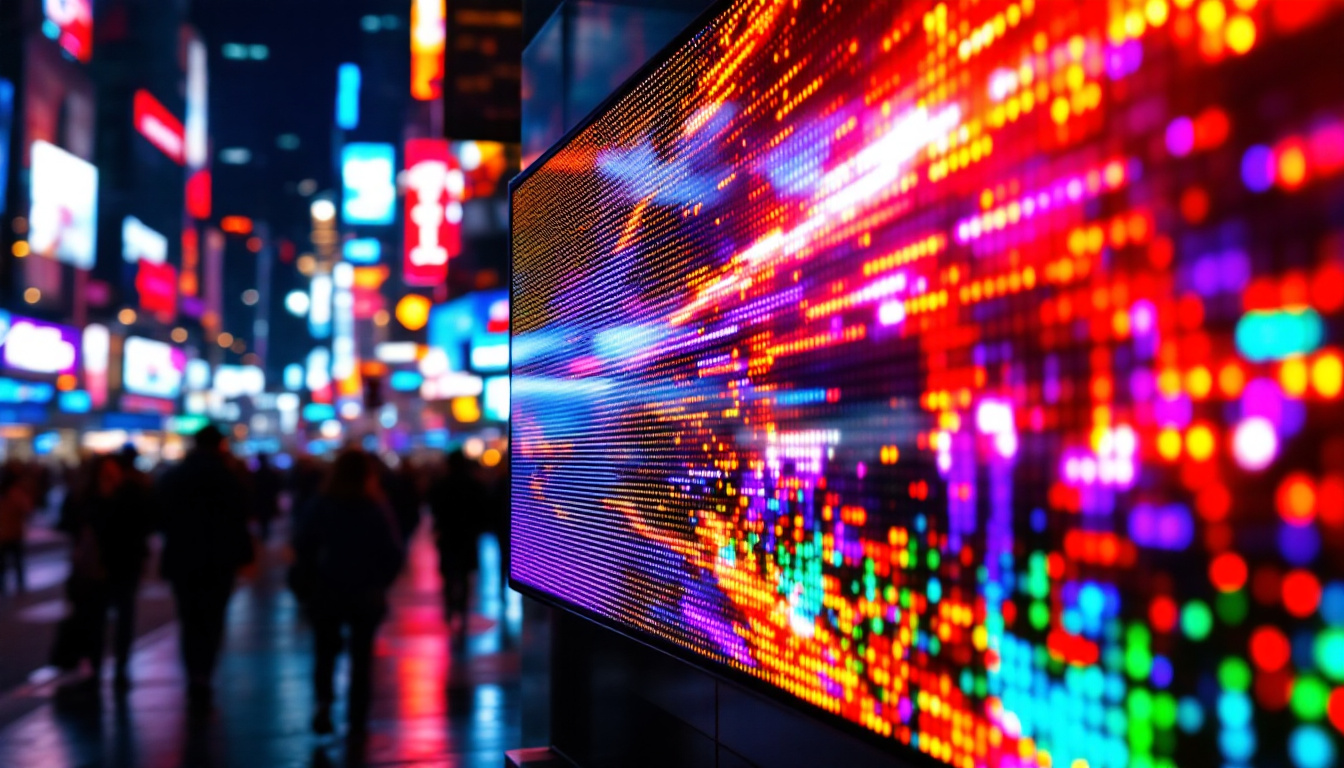
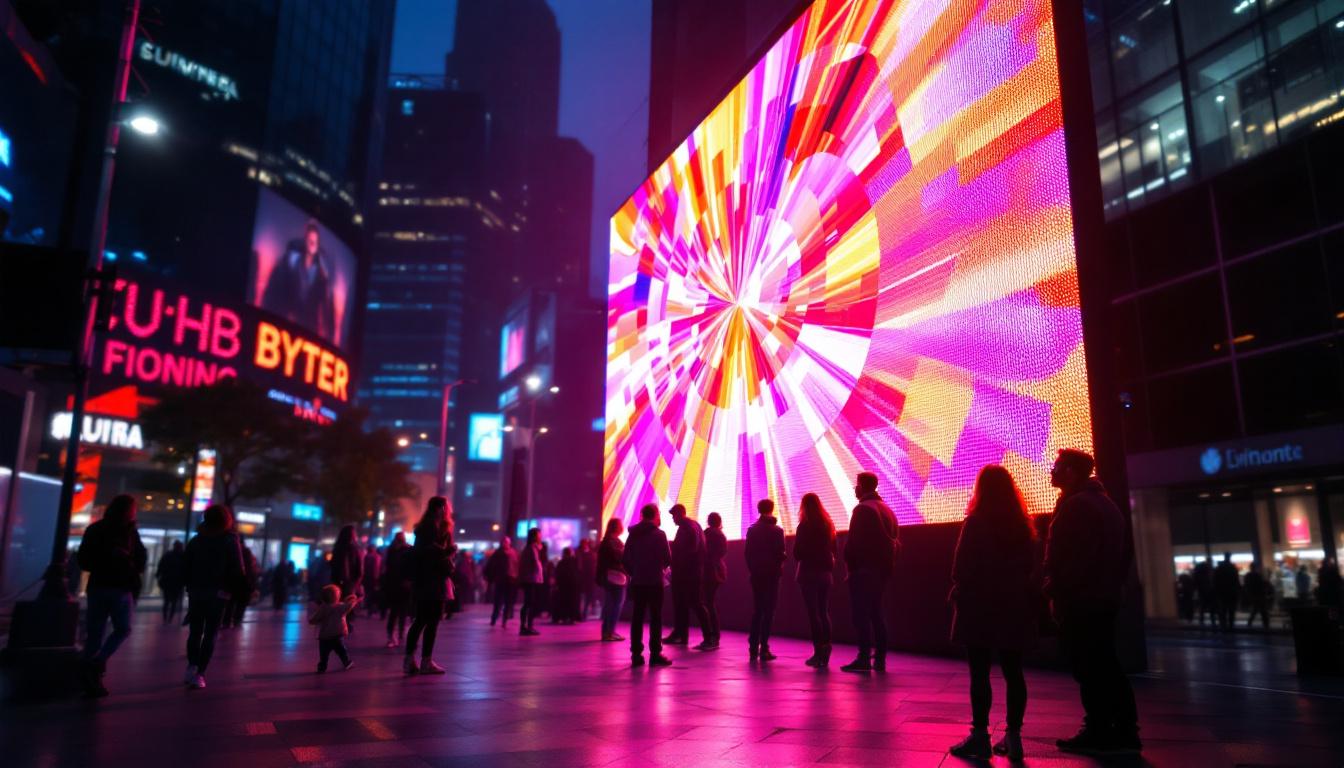
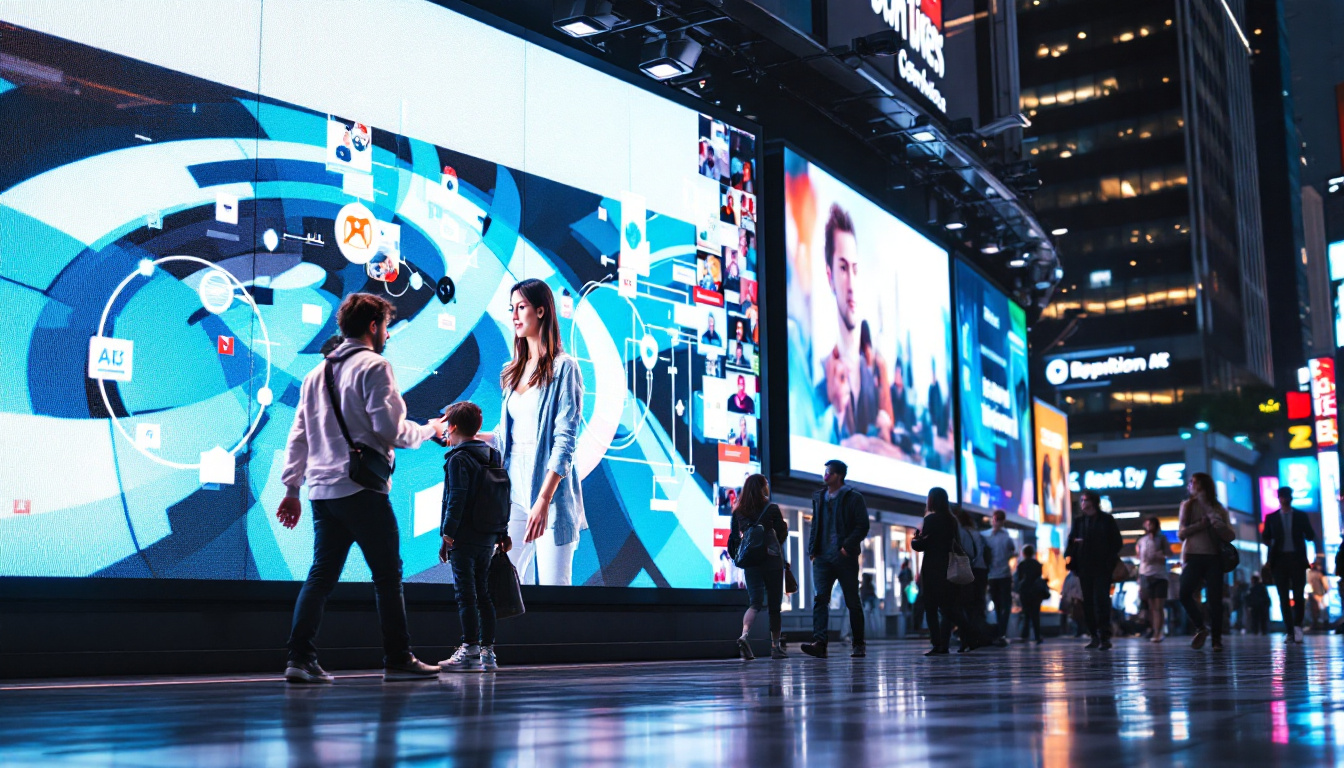
Large-scale outdoor LED billboards rely on pixels designed for high brightness and durability. While their pixel pitch is larger than indoor displays, the sheer size and brightness ensure visibility from long distances, even in direct sunlight.
For advertisers, the pixel configuration affects how crisp and eye-catching the content appears, directly influencing viewer engagement and campaign effectiveness.
Indoor Displays and Video Walls
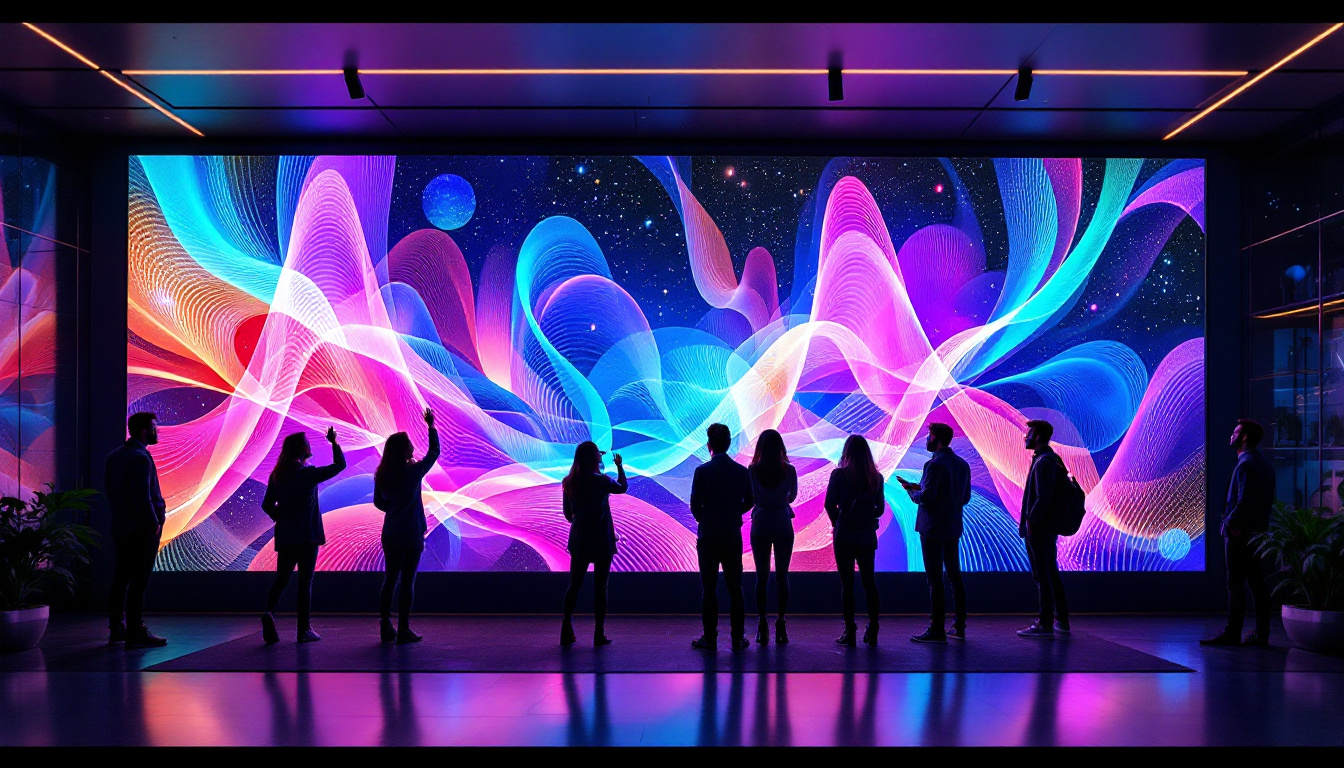
Indoor LED video walls, commonly used in retail, corporate, and entertainment settings, benefit from smaller pixel pitches for ultra-clear images. These displays often serve as focal points, requiring high resolution and excellent color performance to captivate audiences.
Pixels in these environments must blend seamlessly to avoid visible gaps or pixelation, enhancing the immersive experience.
Sports Arenas and Live Events
LED displays in stadiums and concert venues must balance pixel pitch, brightness, and durability. Pixels need to be bright enough to be seen in daylight and robust enough to withstand environmental conditions.
Additionally, the pixel arrangement impacts how well the display performs at various viewing angles, ensuring that spectators from different seats have a clear view.
Future Trends in Pixel Technology for LED Displays
Higher Pixel Densities and 8K Resolution
As consumer demand for ultra-high-definition content grows, LED display manufacturers are developing screens with increasingly smaller pixel pitches. Achieving 8K resolution on large LED panels requires pixel pitches below 1 mm, pushing the limits of current manufacturing capabilities.
This trend promises unprecedented image clarity for applications ranging from home theaters to digital art installations.
Integration of AI and Pixel-Level Control
Artificial intelligence is beginning to play a role in pixel-level calibration and image optimization. AI algorithms can dynamically adjust pixel brightness and color based on ambient lighting and content type, enhancing visual performance and energy efficiency.
Such advancements will make LED displays smarter and more adaptable to diverse environments.
Advancements in Micro-LED Manufacturing
Micro-LED technology holds the promise of revolutionizing pixel design by enabling self-emissive pixels at microscopic scales. Although still in the early stages of commercialization, Micro-LED displays could combine the best attributes of OLED and LED technologies, offering superior brightness, contrast, and lifespan.
As manufacturing techniques improve, Micro-LEDs could become the standard for high-end displays in the near future.
Conclusion
Pixels are the fundamental units that define the quality and performance of LED displays. Understanding what a pixel means in this context—from its composition of red, green, and blue LEDs to its arrangement and pitch—provides valuable insight into how LED screens deliver vibrant, high-resolution images.
Whether for indoor video walls, outdoor billboards, or cutting-edge Micro-LED innovations, the pixel remains at the heart of display technology. As advancements continue, pixels will become even smaller, smarter, and more efficient, driving the next generation of visual experiences.
For anyone involved in selecting, designing, or using LED displays, appreciating the meaning and importance of pixels is essential to making informed decisions and achieving the best possible visual outcomes.
Explore Cutting-Edge LED Display Solutions with LumenMatrix
Now that you understand the critical role pixels play in the quality and performance of LED displays, it’s time to see how LumenMatrix is pushing the boundaries of this technology. As a leader in LED display innovation, LumenMatrix offers a wide array of solutions, from Indoor and Outdoor LED Wall Displays to specialized options like Vehicle, Sports, and Floor LED Displays. Our mission is to transform visual communication, ensuring your message resonates with stunning clarity and impact. Check out LumenMatrix LED Display Solutions and experience the future of digital signage today.