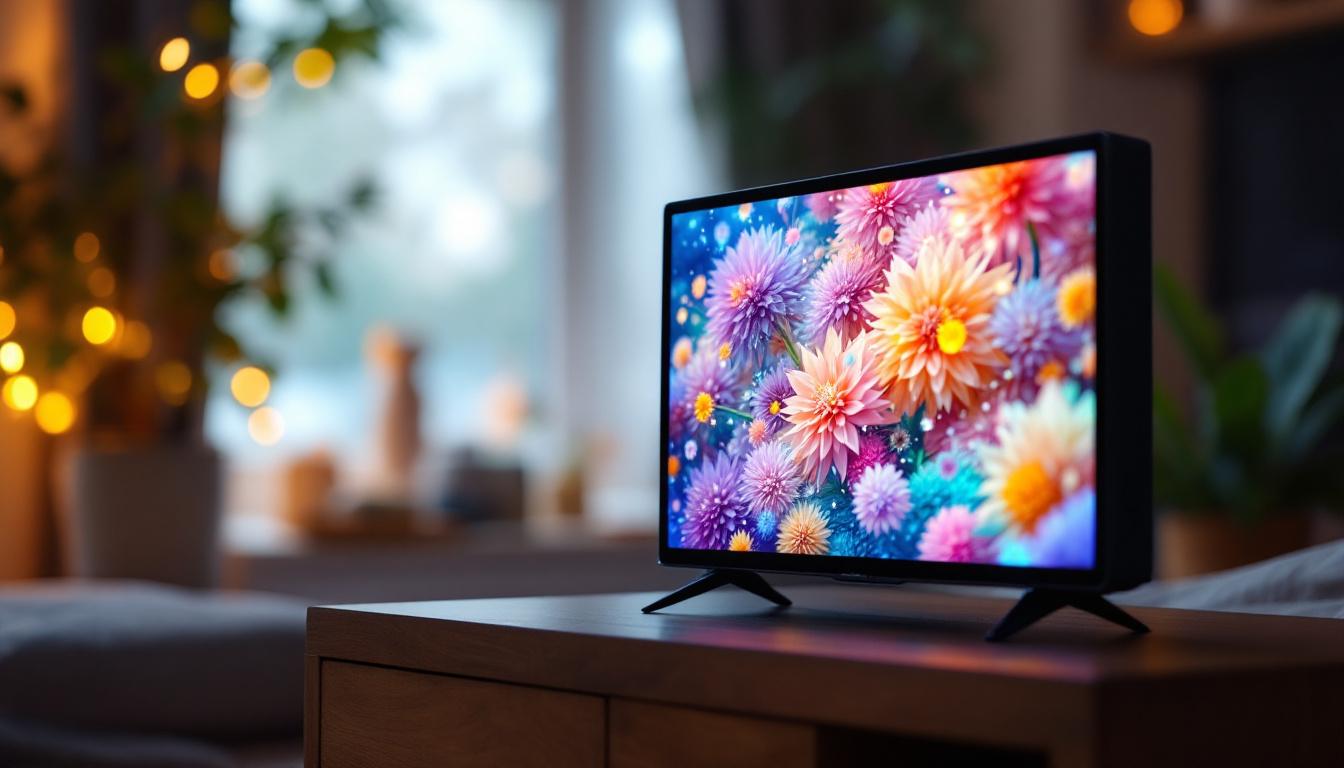
In the rapidly evolving world of consumer electronics, mini TVs have carved out a unique niche, combining portability with surprisingly advanced display technology. Among these, mini TV LCDs equipped with LED backlighting have become especially popular, offering vibrant visuals in compact form factors. This article delves into the technology behind mini TV LCDs with LED displays, explaining how they work, their advantages, and what consumers should consider when choosing one.
Understanding Mini TV LCD Technology
Mini TVs, often defined by their screen sizes ranging from 5 to 12 inches, are designed to deliver entertainment on the go. Despite their small size, these devices incorporate sophisticated display technologies to ensure clear, bright, and energy-efficient viewing experiences.
At the heart of these devices lies the LCD (Liquid Crystal Display) panel, a technology that has dominated the display market for decades. Unlike older CRT (Cathode Ray Tube) displays, LCDs are flat, lightweight, and consume less power, making them ideal for portable devices like mini TVs.
How LCD Panels Work
LCD technology relies on liquid crystals that do not emit light themselves but manipulate light passing through them. The panel consists of several layers, including polarizing filters, glass substrates, and the liquid crystal layer sandwiched in between. When an electric current is applied, the liquid crystals align to control the passage of light, creating images on the screen.
However, since LCDs cannot produce their own light, they require a backlight to illuminate the display. This is where LED (Light Emitting Diode) technology comes into play. LED backlighting enhances the brightness and contrast of the images displayed, allowing for a more vibrant viewing experience. Many mini TVs now utilize edge-lit or full-array LED backlighting, which can significantly improve color accuracy and energy efficiency, making them even more appealing for users who value quality in a compact form.
Moreover, advancements in LCD technology have led to the development of features such as higher refresh rates and improved response times. These enhancements are particularly beneficial for watching fast-paced content, such as sports or action movies, as they reduce motion blur and provide a smoother viewing experience. Additionally, many mini TVs now come equipped with smart features, allowing users to stream content from various online platforms directly on their devices, further expanding their functionality beyond traditional television viewing.
The Role of LED Backlighting in Mini TV LCDs
LED backlighting has become the standard for modern LCD displays, including mini TVs. It replaces older CCFL (Cold Cathode Fluorescent Lamp) backlights, offering numerous benefits in terms of brightness, color accuracy, and energy efficiency.
What is LED Backlighting?
LED backlighting involves placing a series of tiny light-emitting diodes behind or along the edges of the LCD panel. These LEDs provide the necessary illumination for the liquid crystals to modulate and form visible images. There are two primary types of LED backlighting used in mini TVs:
- Edge-lit LED: LEDs are positioned along the edges of the screen, and light is distributed evenly across the panel using light guides.
- Direct-lit LED: LEDs are placed directly behind the LCD panel, offering more uniform brightness and better contrast control.
In mini TVs, edge-lit LED backlighting is more common due to its slim profile, which suits the compact design requirements.
Advantages of LED Backlighting
LED backlighting brings several key advantages to mini TV LCDs:
- Energy Efficiency: LEDs consume significantly less power than CCFLs, extending battery life in portable devices.
- Improved Brightness and Contrast: LEDs can achieve higher brightness levels and better contrast ratios, enhancing picture quality.
- Longer Lifespan: LEDs are more durable and have a longer operational life, reducing the need for repairs or replacements.
- Slimmer Design: LED backlights enable thinner and lighter devices, which is crucial for mini TVs.
Display Quality Factors in Mini TV LCDs
When evaluating mini TV LCDs, several factors influence the overall display quality, many of which are directly related to the LED backlighting system and the LCD panel itself.
Resolution and Pixel Density
Resolution refers to the number of pixels displayed on the screen, typically expressed as width × height (e.g., 1280×720 pixels). Pixel density, measured in pixels per inch (PPI), determines how sharp the image appears. Higher resolution and pixel density result in crisper, more detailed images.
Mini TVs often feature HD (720p) or Full HD (1080p) resolutions, with some premium models offering even higher resolutions. Given the small screen size, even 720p can deliver a satisfying viewing experience, but higher resolutions improve clarity, especially for text and fine details.
Color Accuracy and Gamut
Color accuracy is crucial for a natural and immersive viewing experience. LED backlighting can enhance color reproduction by providing a wider color gamut and more consistent illumination across the screen.
Some mini TVs employ advanced LED technologies like quantum dots or specialized color filters to further improve color vibrancy and accuracy. These enhancements are particularly important for users who watch movies, play games, or view photos on their mini TVs.
Contrast Ratio and Black Levels
Contrast ratio measures the difference between the darkest black and the brightest white a display can produce. Higher contrast ratios contribute to more dynamic and visually appealing images.
LED backlighting, especially direct-lit or local dimming LED systems, can improve contrast by selectively dimming parts of the screen to deepen black levels. While many mini TVs use edge-lit LEDs without local dimming due to size constraints, some advanced models incorporate this feature for better picture quality.
Viewing Angles
Viewing angle refers to the maximum angle at which the screen can be viewed without significant color or brightness distortion. LCD panels can suffer from limited viewing angles compared to OLED displays.
Manufacturers use different types of LCD panels such as IPS (In-Plane Switching) to enhance viewing angles. Mini TVs with IPS panels provide more consistent image quality when viewed from the side, which is beneficial in group viewing scenarios.
Practical Applications and Use Cases for Mini TV LCDs
Mini TVs with LED-backlit LCD displays serve a variety of practical purposes, making them versatile devices in everyday life.
Portable Entertainment
One of the primary uses of mini TVs is portable entertainment. Their compact size and lightweight design allow users to enjoy TV shows, movies, and live broadcasts anywhere—from camping trips to waiting rooms.
Many mini TVs support multiple input sources such as HDMI, USB, and even built-in digital tuners, enabling users to connect streaming devices, gaming consoles, or external storage for media playback.
Secondary Screens
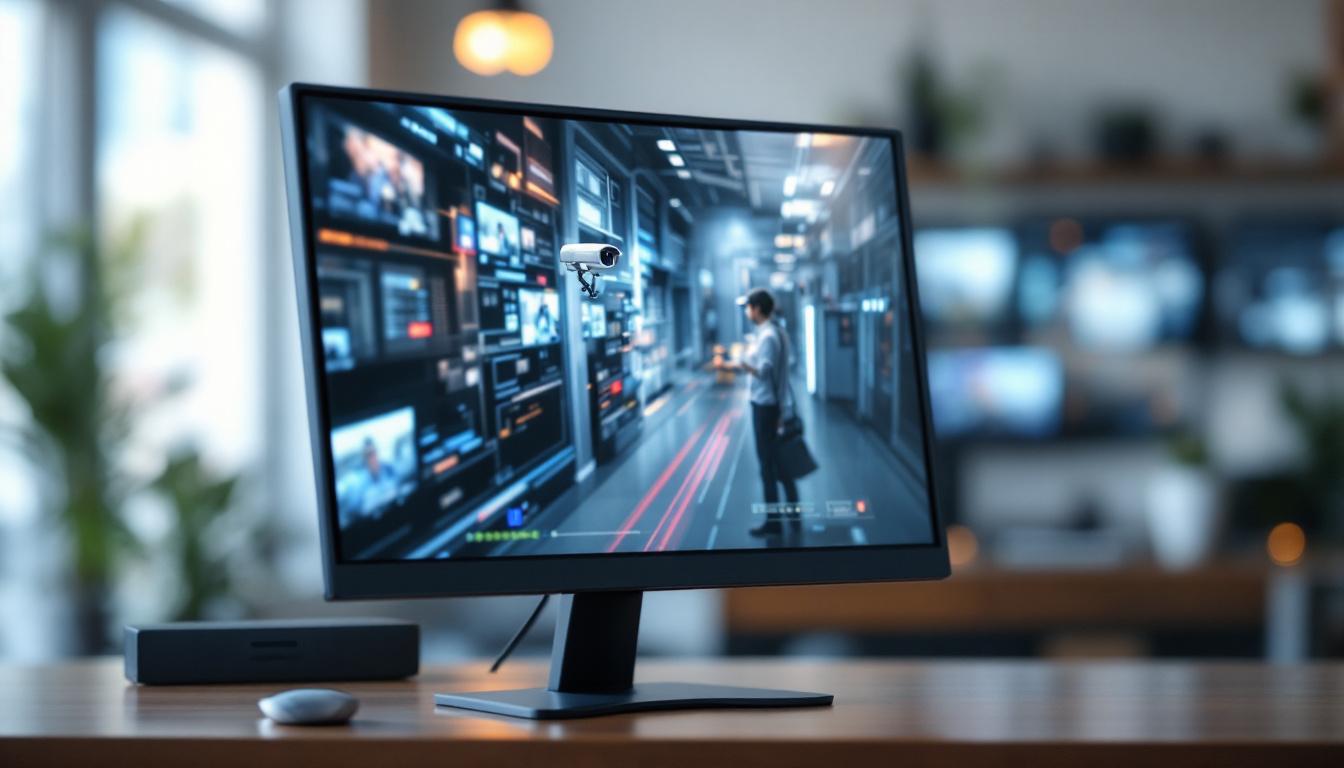
Mini TVs can function as secondary screens in homes or offices. For example, they can be used in kitchens to follow cooking shows or recipes while preparing meals or as monitoring screens in security setups.
Their small footprint and energy-efficient LED backlighting make them ideal for continuous use without significant power consumption or space requirements.
Educational and Professional Use
In educational settings, mini TVs can be used to display instructional videos or presentations in small classrooms or training rooms. Their portability allows educators to move the device between locations easily.
Professionals in fields such as healthcare or engineering may use mini TVs as portable display units for monitoring vital information or technical data on the go.
Choosing the Right Mini TV LCD with LED Display
With numerous options available in the market, selecting the right mini TV LCD with LED display requires careful consideration of several factors tailored to individual needs.
Screen Size and Portability
Determine the ideal screen size based on intended usage. Smaller screens (5-7 inches) offer maximum portability but may compromise on viewing comfort, while larger mini TVs (10-12 inches) provide better visibility but are less pocket-friendly.
Display Quality Preferences
Consider resolution, color accuracy, and contrast ratio. For casual viewing, a 720p resolution with standard LED backlighting may suffice. For more demanding users, Full HD resolution and enhanced LED technologies like local dimming or quantum dots may be worth the investment.
Connectivity Options
Ensure the mini TV supports necessary inputs such as HDMI, USB, or SD card slots. Some models also offer wireless connectivity like Wi-Fi or Bluetooth, expanding their functionality.
Power Source and Battery Life
Check whether the mini TV operates on rechargeable batteries, AC power, or both. LED backlighting contributes to longer battery life, but actual endurance depends on usage patterns and device efficiency.
Brand Reputation and Warranty
Opt for reputable manufacturers known for quality and customer support. A solid warranty and accessible service centers can provide peace of mind, especially for portable devices prone to wear and tear.
Future Trends in Mini TV LCD and LED Display Technology
The mini TV market continues to evolve, driven by advancements in display technology and user demands for better performance and convenience.
Integration of OLED and MicroLED Technologies
While LCDs with LED backlighting currently dominate, emerging technologies like OLED (Organic Light Emitting Diode) and MicroLED promise even thinner, more energy-efficient displays with superior contrast and color accuracy. These technologies may gradually enter the mini TV segment, offering premium viewing experiences.
Enhanced Smart Features
Smart mini TVs with integrated streaming apps, voice assistants, and connectivity options are becoming more common. Future models are expected to incorporate AI-driven picture optimization and adaptive brightness control to further improve viewing quality.
Improved Battery Technologies
Advances in battery technology and power management will enable longer usage times for portable mini TVs without increasing size or weight, making them even more convenient for users on the move.
Conclusion
Mini TV LCDs with LED displays represent a remarkable blend of portability and advanced visual technology. Understanding the underlying LCD and LED backlighting principles helps consumers appreciate the capabilities and limitations of these devices. By considering factors such as resolution, color accuracy, connectivity, and power options, users can select mini TVs that best suit their entertainment and professional needs.
As display technologies continue to advance, the mini TV segment is poised to offer even more impressive features, ensuring that compact, high-quality viewing remains accessible wherever life takes you.
Explore Cutting-Edge Mini TV LCDs with LumenMatrix
Ready to elevate your viewing experience with the latest in LED display technology? LumenMatrix is at the forefront of innovation, offering a wide range of LED display solutions that bring your content to life. Whether you’re seeking an Indoor LED Wall Display for your living space, an Outdoor LED Wall Display for your business, or even specialized options like Vehicle LED Displays and LED Sports Displays, LumenMatrix has you covered. Embrace the future of visual communication with our Custom LED Displays and All-in-One LED solutions designed to captivate and engage. Don’t miss out on the opportunity to transform your visual experiences—check out LumenMatrix LED Display Solutions today.