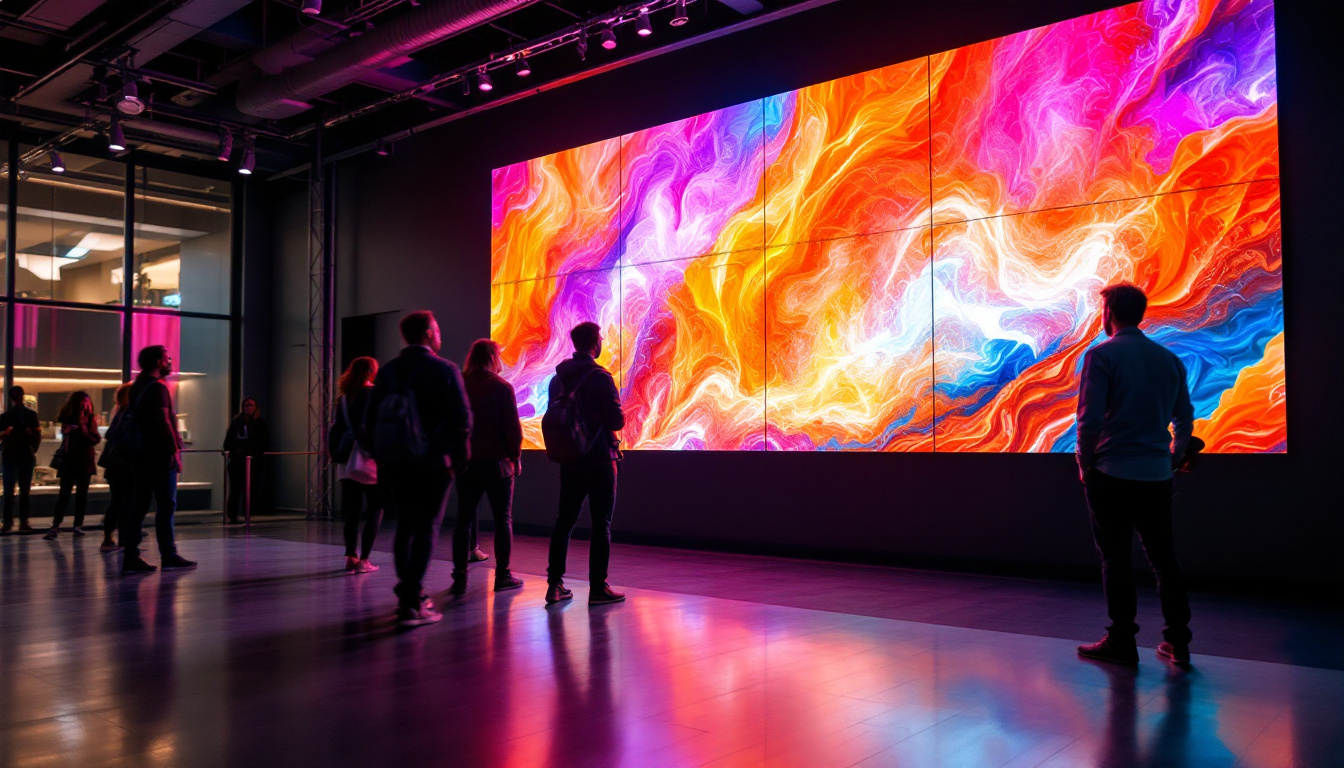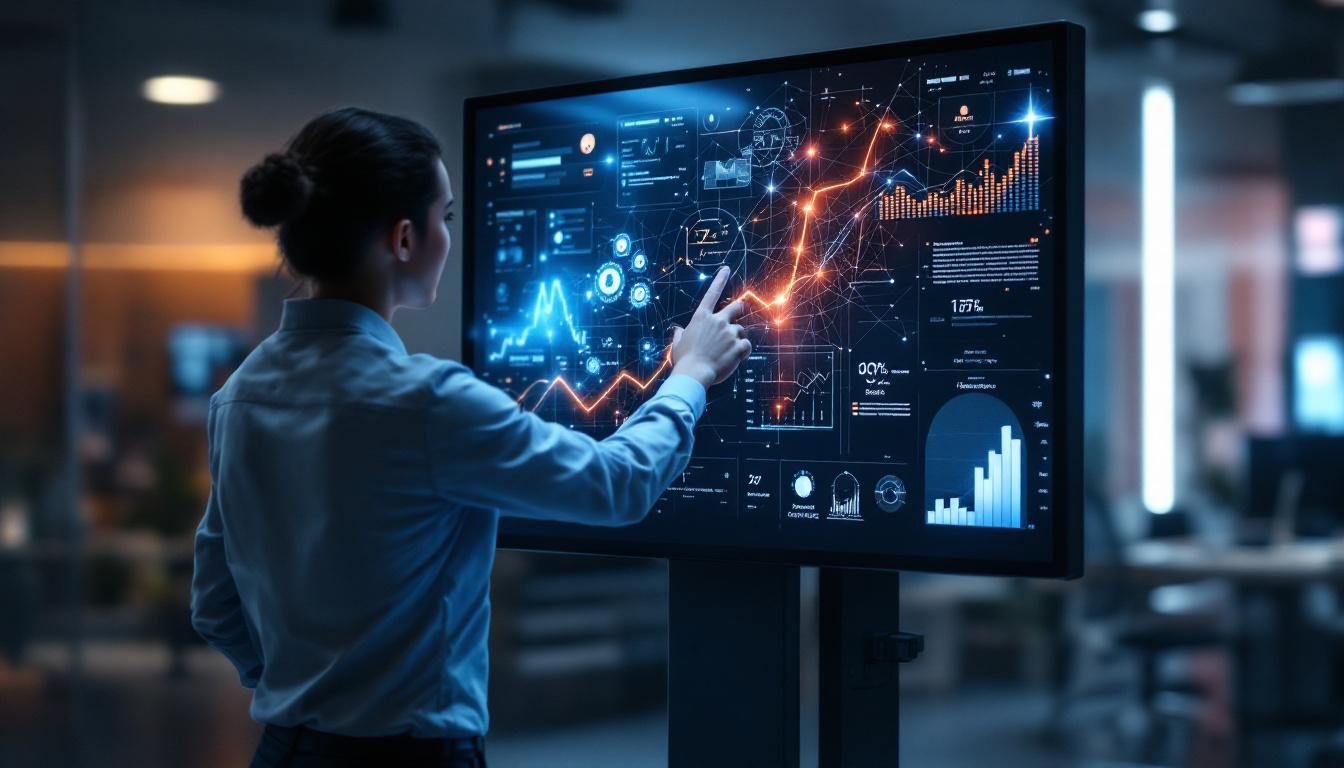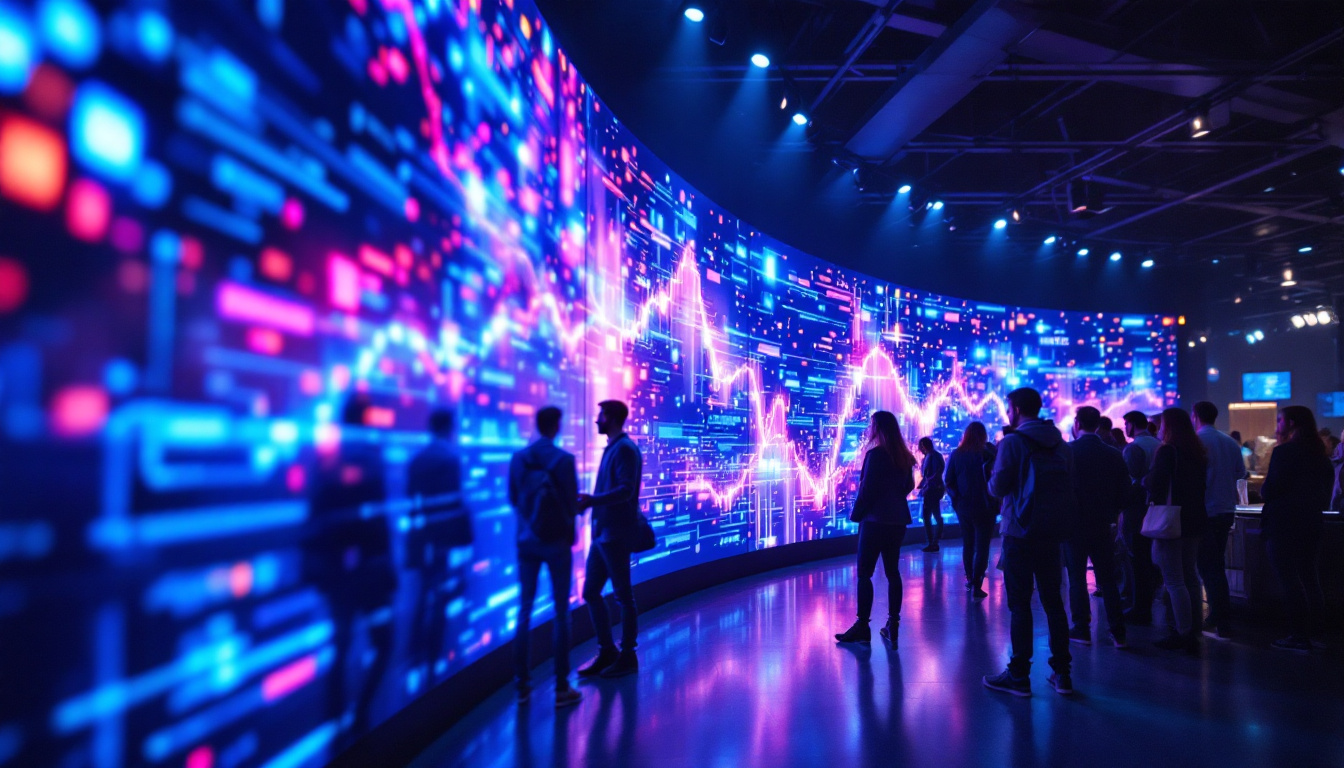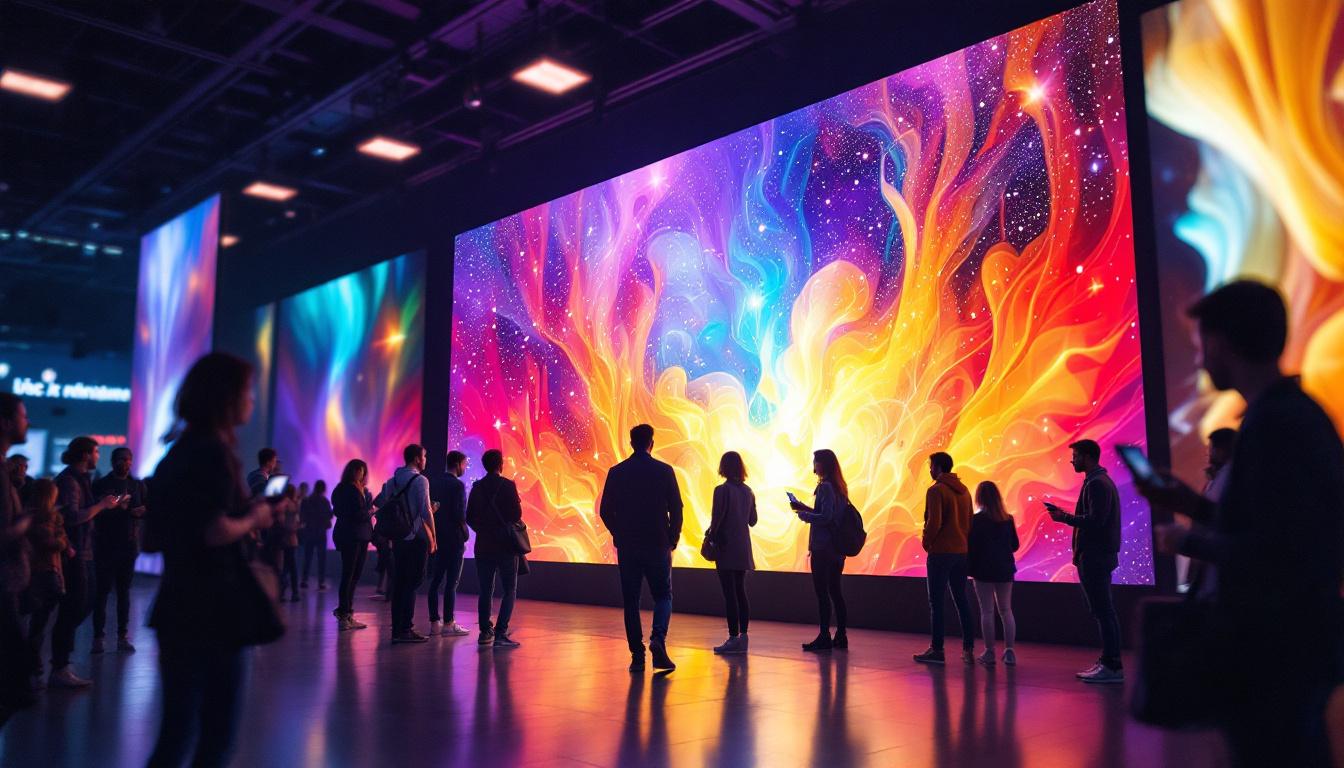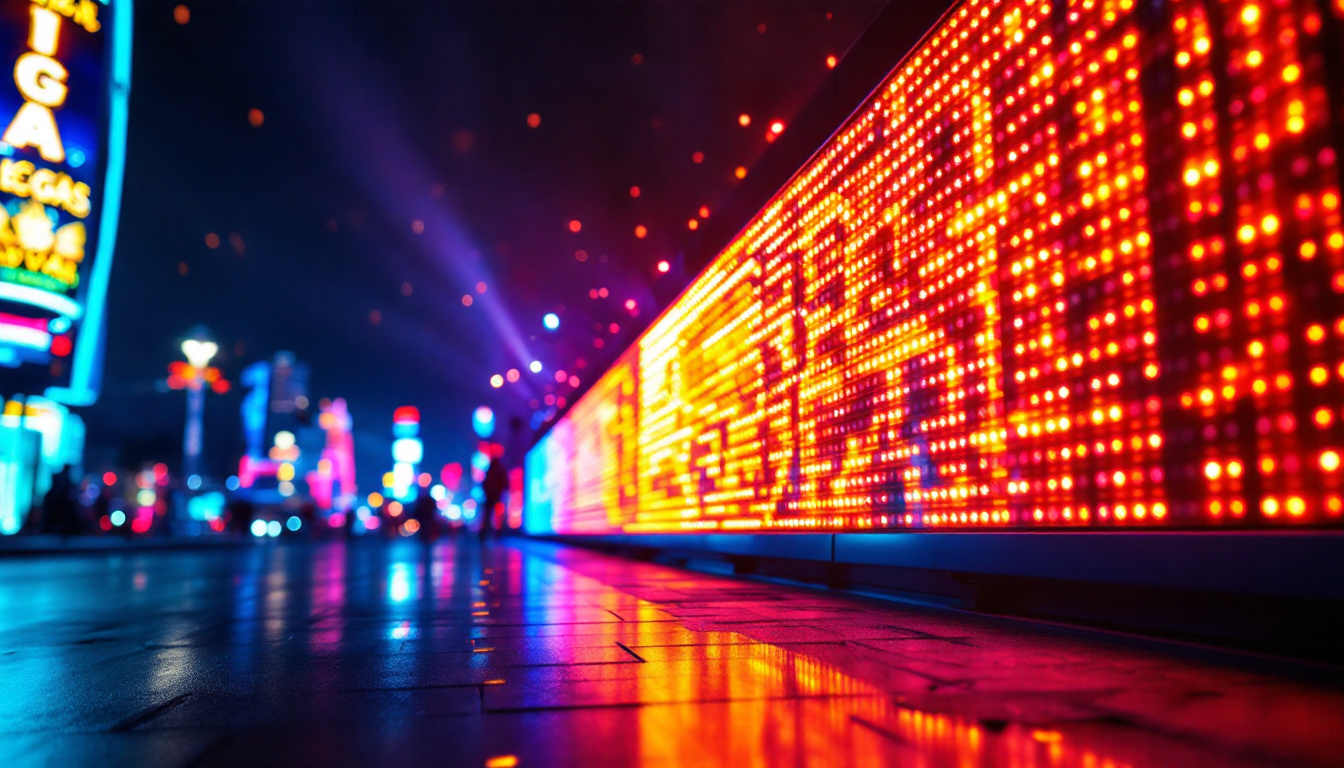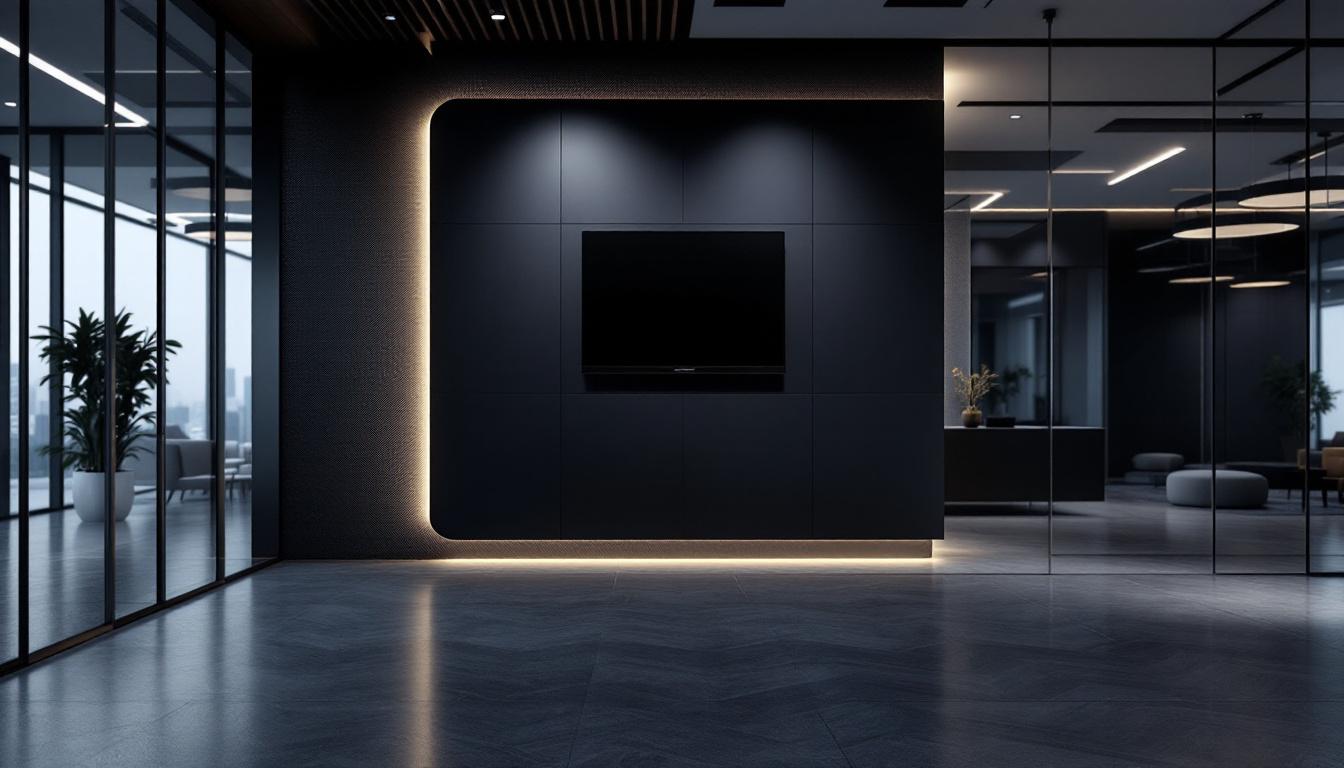
In the rapidly evolving world of interior design and architectural innovation, carbon fiber wall panels combined with LED display technology are creating new possibilities for both aesthetics and functionality. These advanced materials and technologies are transforming spaces in commercial, residential, and public environments by offering durability, style, and dynamic visual experiences. This article explores the key aspects of carbon fiber wall panels integrated with LED displays, providing a comprehensive understanding of their benefits, applications, and technical considerations.
Understanding Carbon Fiber Wall Panels
What Are Carbon Fiber Wall Panels?
Carbon fiber wall panels are composite materials made from carbon fibers embedded in a resin matrix, typically epoxy. Known for their exceptional strength-to-weight ratio, these panels are lightweight yet incredibly strong and rigid. Unlike traditional wall panels made from wood, metal, or plastic, carbon fiber panels offer superior durability and resistance to environmental factors such as moisture, temperature fluctuations, and chemical exposure.
The unique weave pattern of carbon fiber also creates a visually striking surface that appeals to modern and high-tech design aesthetics. This combination of performance and appearance makes carbon fiber panels an increasingly popular choice for architectural and interior design projects seeking a sleek, futuristic look. Additionally, the versatility of carbon fiber allows it to be molded into various shapes and sizes, providing designers with the freedom to create custom solutions tailored to specific project requirements. From curved surfaces to intricate designs, carbon fiber can adapt to diverse architectural visions, making it a favored material in innovative construction.
Key Properties and Advantages
One of the primary advantages of carbon fiber panels is their high tensile strength, which can be up to ten times stronger than steel while being significantly lighter. This property allows for thinner panels that do not compromise structural integrity, enabling innovative design possibilities. The lightweight nature of carbon fiber also simplifies installation processes, reducing labor costs and time on-site, which is particularly beneficial for large-scale projects or renovations.
Additionally, carbon fiber is highly resistant to corrosion and UV degradation, making it suitable for both indoor and outdoor applications. Its thermal stability ensures that panels maintain their shape and performance even in extreme temperatures, which is crucial for maintaining the integrity of integrated LED displays. Furthermore, the low thermal conductivity of carbon fiber panels can contribute to energy efficiency in buildings, helping to maintain consistent indoor temperatures and potentially lowering heating and cooling costs.
From a sustainability perspective, carbon fiber panels can contribute to longer-lasting installations, reducing the need for frequent replacements and repairs. While the initial cost may be higher than traditional materials, the durability and longevity often justify the investment. Moreover, advancements in recycling technologies for carbon fiber are emerging, which may further enhance its appeal as a sustainable building material. As the construction industry increasingly prioritizes eco-friendly practices, carbon fiber’s potential for reuse and recycling could position it as a leading choice for future projects, aligning with global efforts to reduce waste and promote sustainable development.
LED Displays: Revolutionizing Wall Panels
Overview of LED Display Technology
LED (Light Emitting Diode) displays have become a cornerstone of modern digital signage and interactive installations. Known for their energy efficiency, brightness, and versatility, LEDs are used in everything from smartphones to large-scale outdoor billboards. When integrated into wall panels, LED displays can transform static surfaces into dynamic canvases capable of displaying images, videos, animations, and interactive content.
Advancements in LED technology, such as micro-LEDs and flexible LED strips, have expanded the possibilities for embedding these displays into unconventional surfaces, including carbon fiber panels. These innovations enable designers to create immersive environments that engage viewers in novel ways. For instance, micro-LED technology allows for pixel-level control, resulting in stunning image quality with deeper blacks and more vibrant colors than ever before. This level of detail is particularly beneficial for applications in art galleries and museums, where the fidelity of the displayed content is crucial to the viewer’s experience.
Benefits of Integrating LED Displays into Wall Panels
Integrating LED displays into carbon fiber wall panels offers several compelling benefits:
- Dynamic Visual Appeal: LED displays can showcase changing content, from branding and advertising to ambient visuals and interactive art, enhancing the ambiance and functionality of a space.
- Customization: Content can be tailored in real-time to suit different occasions, audiences, or moods, providing unmatched flexibility compared to traditional static panels.
- Energy Efficiency: Modern LEDs consume significantly less power than older display technologies, reducing operational costs and environmental impact.
- Durability and Maintenance: When combined with carbon fiber panels, LED displays benefit from the material’s robustness, protecting delicate electronic components from damage and wear.
These advantages make carbon fiber LED wall panels ideal for high-traffic areas such as corporate lobbies, retail stores, museums, and entertainment venues where visual impact and reliability are paramount. Furthermore, the lightweight nature of carbon fiber allows for easier installation and flexibility in design, enabling architects and interior designers to push the boundaries of creativity. The combination of sleek aesthetics and advanced technology can create focal points that draw attention and enhance the overall user experience.
Additionally, the integration of LED displays into wall panels can facilitate interactive experiences, such as touch-sensitive surfaces that allow users to engage directly with the content. This interactivity can be particularly effective in educational environments or trade shows, where engaging the audience is essential. By incorporating sensors and software that respond to user input, these displays can create personalized experiences that resonate with viewers, making the technology not just a visual tool but an interactive medium that fosters connection and engagement.
Technical Considerations for Carbon Fiber LED Wall Panels
Design and Engineering Challenges
While the combination of carbon fiber and LED technology is promising, it presents several technical challenges that must be addressed during design and installation:
- Heat Dissipation: LEDs generate heat during operation, which can affect both the display’s lifespan and the carbon fiber panel’s structural integrity. Effective thermal management solutions, such as heat sinks or integrated cooling systems, are essential.
- Electrical Integration: Embedding LED circuitry within carbon fiber panels requires careful planning to ensure electrical safety, signal integrity, and ease of maintenance. Conductive properties of carbon fiber must be considered to prevent interference or short circuits.
- Weight and Mounting: Although carbon fiber is lightweight, the addition of LED components and power supplies increases the overall weight. Proper mounting hardware and structural support are necessary to ensure secure installation.
- Surface Finish and Light Diffusion: The glossy or matte finish of carbon fiber panels affects how LED light is perceived. Designers must balance aesthetics with optimal light diffusion to avoid glare or uneven brightness.
Installation and Maintenance
Installing carbon fiber LED wall panels requires specialized expertise. Panels must be carefully handled to prevent damage to the carbon fiber weave and embedded electronics. Additionally, access points for maintenance and repairs should be integrated into the design to minimize downtime.
Routine maintenance involves cleaning the surface to preserve visual clarity and checking electrical connections to ensure consistent performance. Advances in modular LED panel design facilitate easier replacement of faulty sections without dismantling the entire installation.
Applications and Use Cases
Commercial and Retail Spaces
Retail environments benefit significantly from carbon fiber LED wall panels by creating immersive shopping experiences that attract and retain customers. Dynamic displays can highlight promotions, showcase products, or provide interactive directories. The sleek appearance of carbon fiber complements luxury brands and high-tech stores, reinforcing brand identity through design.
Corporate and Office Environments
In corporate settings, these panels serve as digital signage for announcements, branding, or environmental graphics. Their modern look enhances reception areas and conference rooms, projecting innovation and professionalism. The ability to update content remotely allows companies to keep messaging fresh and relevant without physical alterations.
Entertainment and Public Venues
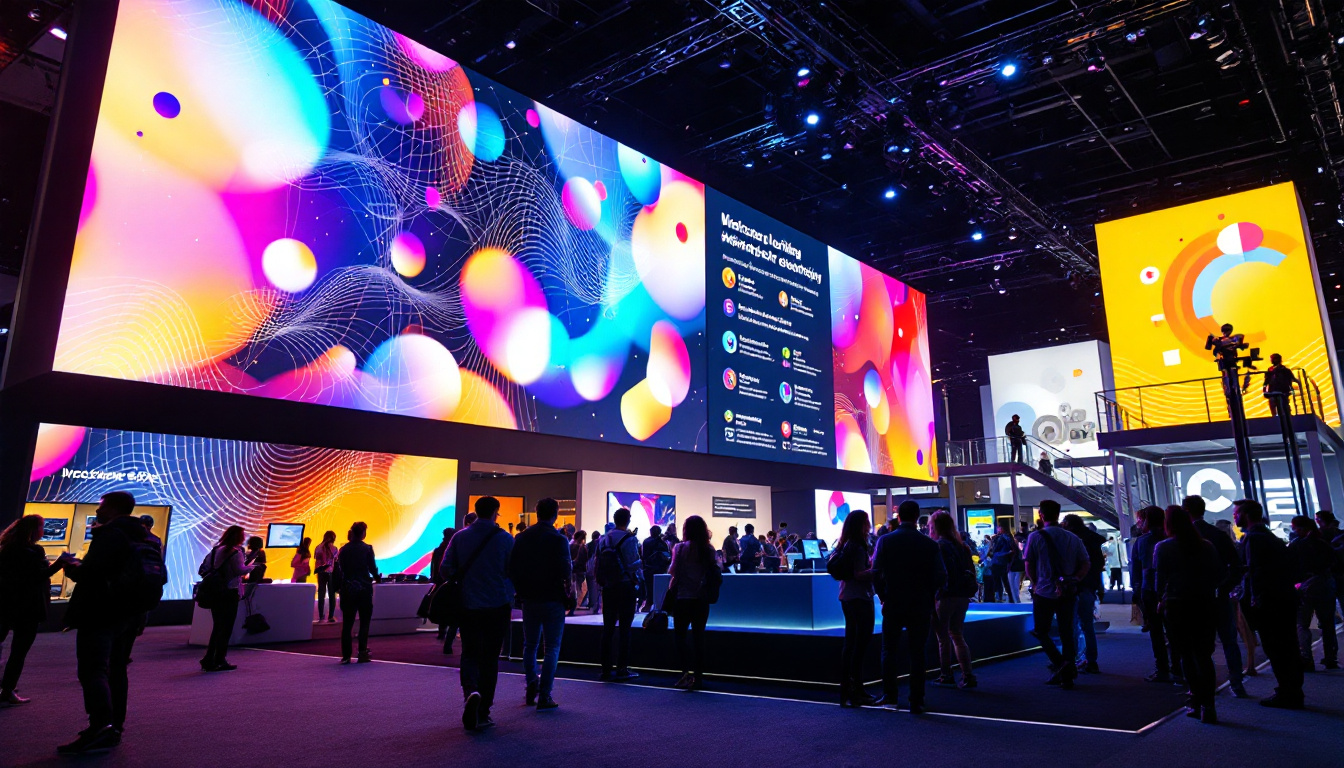
The entertainment industry leverages carbon fiber LED wall panels for stage backdrops, immersive art installations, and interactive exhibits. Their durability and visual impact make them suitable for high-traffic public spaces such as museums, galleries, and event halls, where engaging audiences is critical.
Residential Applications
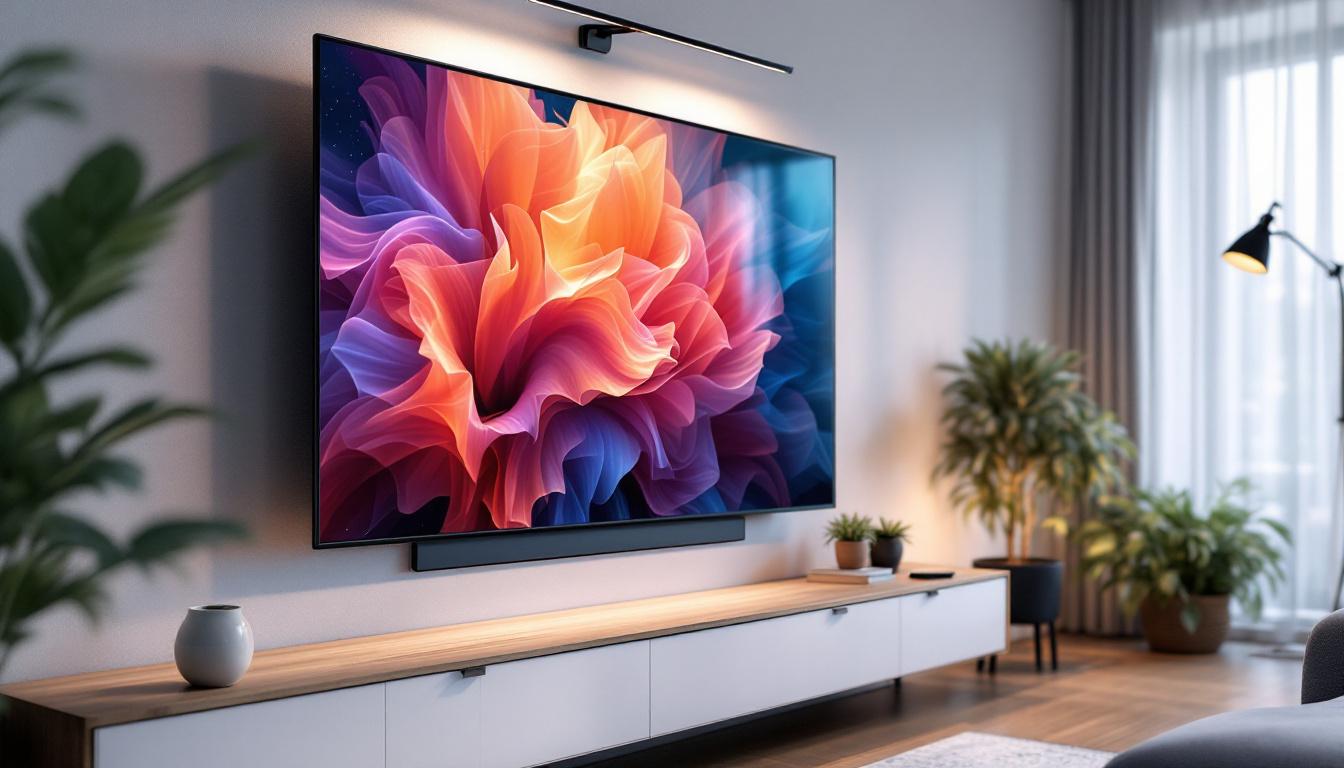
While less common, high-end residential projects are beginning to incorporate carbon fiber LED panels for feature walls, home theaters, and smart home integrations. These installations offer homeowners unique ways to personalize their living spaces with dynamic lighting and visuals.
Future Trends and Innovations
Advancements in Material Science
Ongoing research in carbon fiber composites aims to reduce costs and improve environmental sustainability. Innovations such as bio-based resins and recyclable fibers are making carbon fiber panels more accessible and eco-friendly, potentially broadening their adoption in mainstream construction and design.
Enhanced LED Technologies
The evolution of LED technology continues with developments in micro-LEDs, OLEDs, and quantum dot displays. These advancements promise higher resolution, better color accuracy, and thinner, more flexible panels that can seamlessly integrate with carbon fiber surfaces, pushing the boundaries of design possibilities.
Smart and Interactive Surfaces
Integration with sensors, IoT devices, and AI-driven content management systems is turning carbon fiber LED wall panels into smart surfaces capable of responding to environmental cues and user interactions. This convergence of materials and technology is set to redefine how spaces communicate and engage with occupants.
Conclusion
Carbon fiber wall panels combined with LED display technology represent a compelling fusion of strength, style, and digital innovation. Their unique properties offer designers and architects unprecedented opportunities to create visually stunning, durable, and interactive environments across various sectors. While technical challenges exist, ongoing advancements in materials and electronics are steadily overcoming these barriers, making carbon fiber LED panels an increasingly viable and exciting option for the future of interior and architectural design.
As the demand for dynamic, high-performance surfaces grows, understanding the capabilities and considerations of carbon fiber LED wall panels will be essential for professionals seeking to stay at the forefront of design innovation.
Discover LumenMatrix’s Innovative LED Solutions
Ready to elevate your space with the latest in LED display technology? Explore LumenMatrix’s diverse range of LED display modules, designed to bring your architectural and design visions to life. Whether you’re looking for Indoor, Outdoor, Vehicle, Poster, Sports, Floor, Custom, All-in-One, or Transparent LED Displays, LumenMatrix has the state-of-the-art solutions to create immersive and engaging visual experiences. Embrace the future of visual communication and check out LumenMatrix LED Display Solutions today to transform your environment with dynamic, high-performance surfaces.