In today’s digital age, LED displays have become a ubiquitous part of our visual environment, from vibrant billboards in city centers to dynamic information panels in airports and stadiums. The term “Tallcabinet” might be less familiar, but it represents an important concept in the world of LED technology, particularly in the design and deployment of large-scale LED display systems. This article explores what Tallcabinet LED displays are, how they work, and why they are transforming the way businesses and organizations communicate visually.
Understanding LED Displays: The Basics
LED, or Light Emitting Diode, displays are screens made up of numerous tiny light sources that emit light when an electric current passes through them. Unlike traditional LCDs, which rely on backlighting, LEDs produce their own light, resulting in brighter images, better contrast, and improved energy efficiency. This self-illuminating feature allows for deeper blacks and more vibrant colors, enhancing the overall viewing experience.
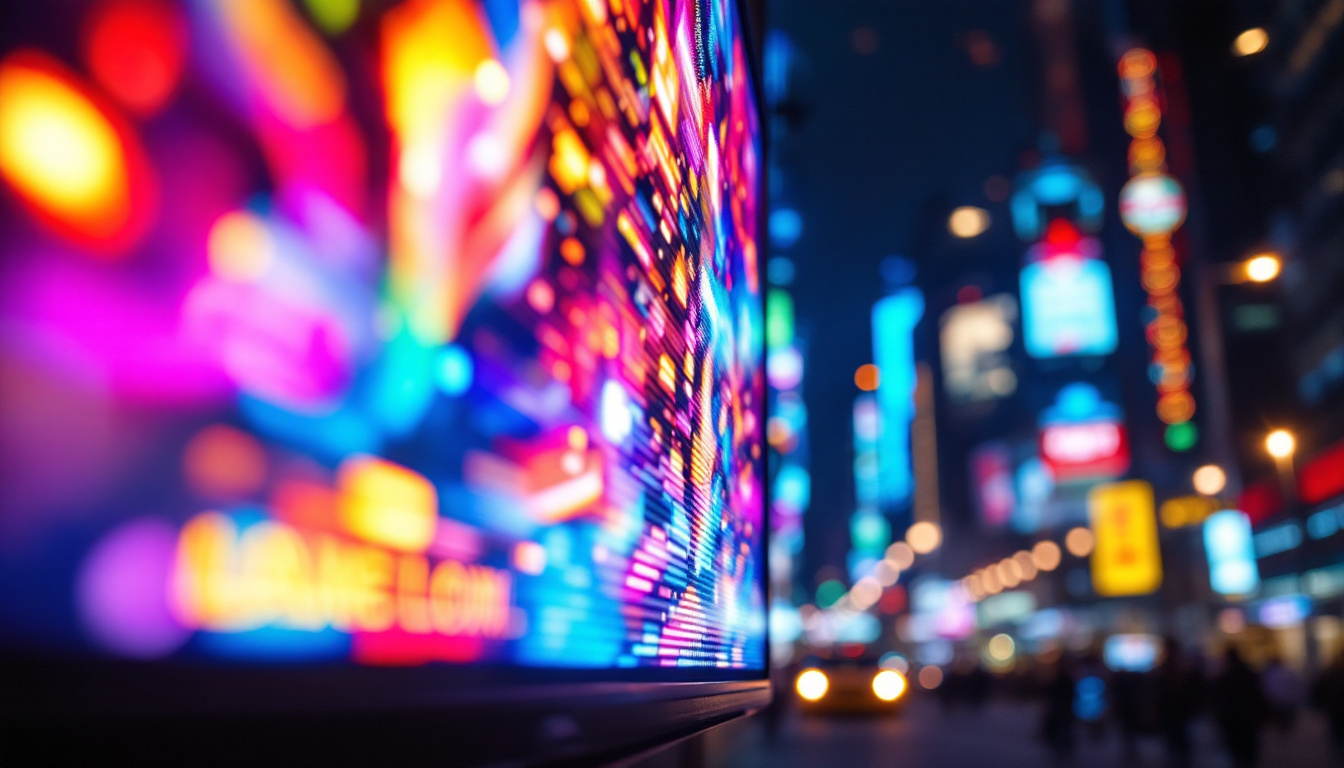
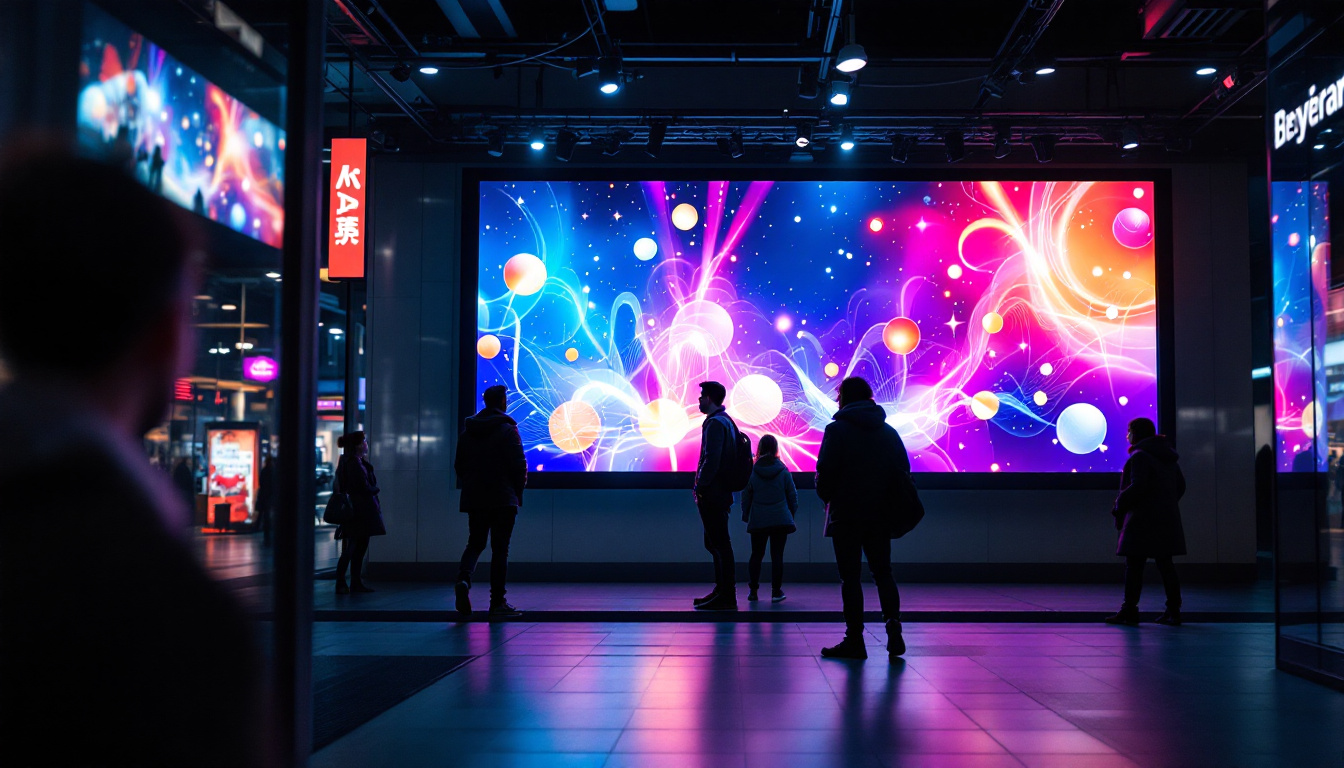
LED displays come in various forms, including indoor and outdoor screens, flexible panels, and even transparent displays. Their versatility makes them ideal for advertising, entertainment, information dissemination, and architectural applications. For instance, outdoor LED displays are often used in billboards and stadiums, where high brightness and visibility are crucial for capturing the attention of passersby, even in direct sunlight. Meanwhile, indoor LED displays are increasingly popular in retail environments, where they can showcase dynamic content and promotions to engage customers effectively.
What Sets Tallcabinet LED Displays Apart?
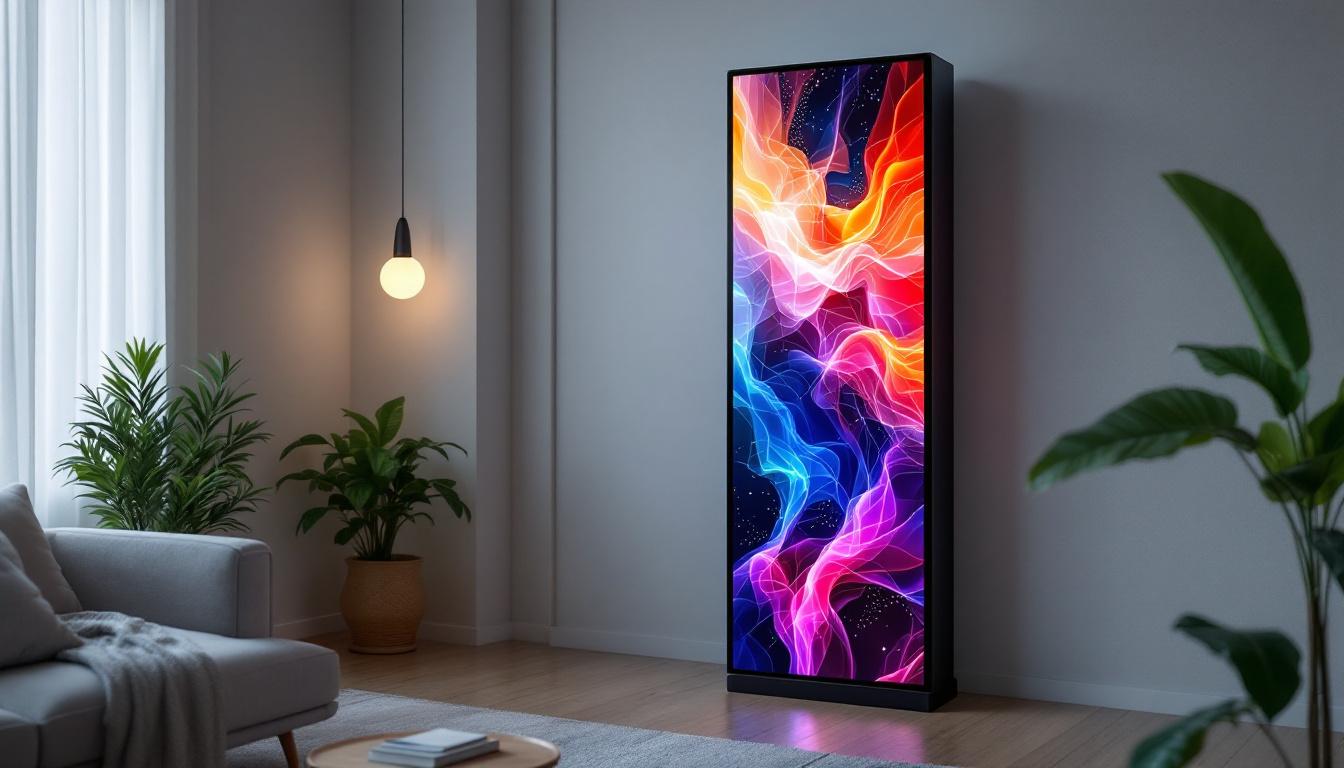
The term “Tallcabinet” refers to a specific structural design of LED display units. These are vertically oriented, cabinet-style modules that stack to create tall, narrow screens. Unlike traditional LED panels that are often wider than tall, Tallcabinet displays emphasize height, making them perfect for applications where vertical space is at a premium. This unique configuration allows for creative placement in locations that might otherwise be unsuitable for standard display formats.
This design is particularly useful in urban environments where large horizontal space is limited but vertical surfaces such as building facades, pillars, or narrow storefronts are available. Tallcabinet displays maximize visibility and impact without requiring extensive horizontal real estate. Moreover, their height can be strategically utilized to draw the eye upward, making them an excellent choice for advertising in crowded areas. As cities become denser and the competition for attention increases, Tallcabinet displays offer a compelling solution for brands looking to stand out. Additionally, the modular nature of these displays allows for easy customization and scalability, enabling businesses to adapt their advertising strategies quickly in response to changing market dynamics.
Technical Composition of Tallcabinet LED Displays
Modular Design for Scalability
Tallcabinet LED displays are composed of multiple modular cabinets, each containing an array of LEDs arranged in a grid. These modules are designed to be seamlessly connected vertically, creating a continuous, high-resolution image that can be scaled to various heights depending on the installation requirements.
The modular nature allows for easy maintenance and upgrades. If one cabinet experiences a malfunction, it can be replaced without dismantling the entire display, minimizing downtime and maintenance costs. This design not only enhances operational efficiency but also allows for customization; businesses can adapt the size and configuration of their displays to meet changing marketing needs or audience engagement strategies, ensuring that the investment remains relevant over time.
Pixel Pitch and Resolution
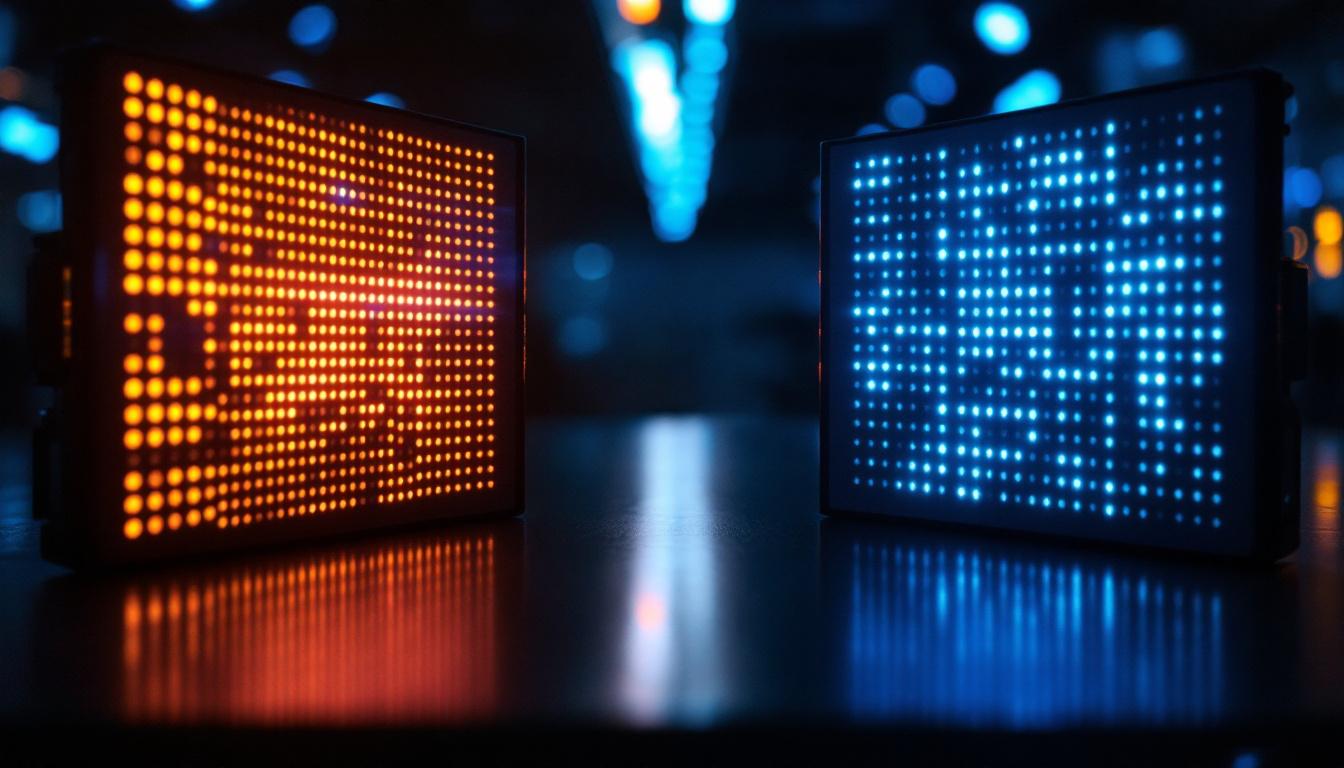
One of the most critical technical aspects of any LED display is the pixel pitch—the distance between the centers of adjacent pixels. Tallcabinet displays often use a fine pixel pitch to ensure high image clarity, especially since they are viewed from relatively close distances in urban settings.
For example, a pixel pitch of 2.5mm or less is common in indoor Tallcabinet displays, while outdoor versions might have a slightly larger pitch to accommodate viewing distances of 10 meters or more. The smaller the pixel pitch, the higher the resolution and the sharper the image. This precision in pixel arrangement allows for vibrant colors and intricate details, making these displays ideal for advertising, public information, and entertainment purposes. Furthermore, advancements in LED technology continue to push the boundaries of pixel density, enabling even more immersive visual experiences.
Brightness and Weather Resistance
Outdoor Tallcabinet LED displays are engineered to withstand harsh weather conditions, including rain, snow, and intense sunlight. They typically feature high brightness levels, often exceeding 5,000 nits, to ensure visibility even in direct sunlight.
Additionally, these displays are built with robust enclosures that provide IP65 or higher ratings for water and dust resistance. This durability is essential for maintaining performance and longevity in outdoor environments. The use of advanced thermal management systems also plays a crucial role; by dissipating heat effectively, these systems prevent overheating, which can lead to performance degradation. Moreover, many Tallcabinet displays incorporate features such as automatic brightness adjustment, which optimizes visibility based on ambient light conditions, ensuring that content remains clear and engaging at all times, regardless of the environment. This adaptability not only enhances user experience but also contributes to energy efficiency, making these displays a sustainable choice for modern advertising and information dissemination.
“`html
Applications of Tallcabinet LED Displays
Urban Advertising and Branding
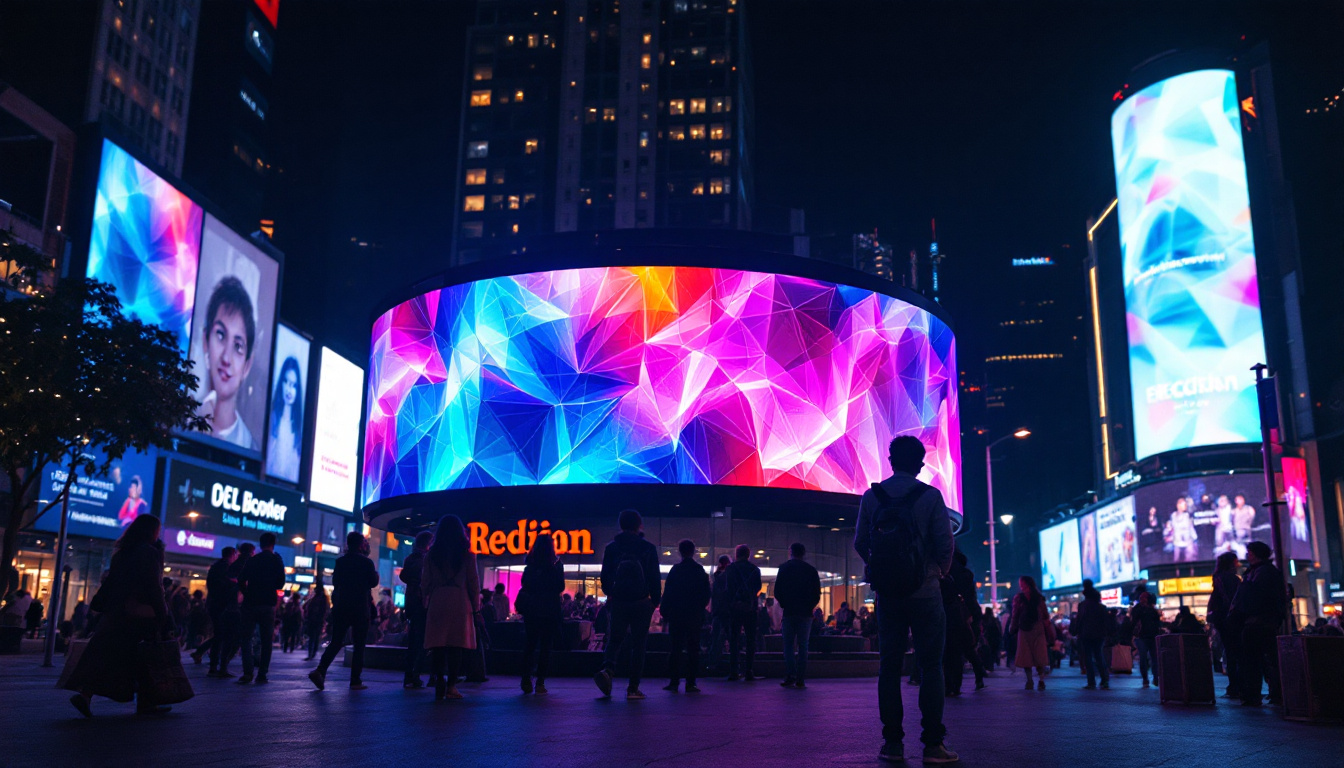
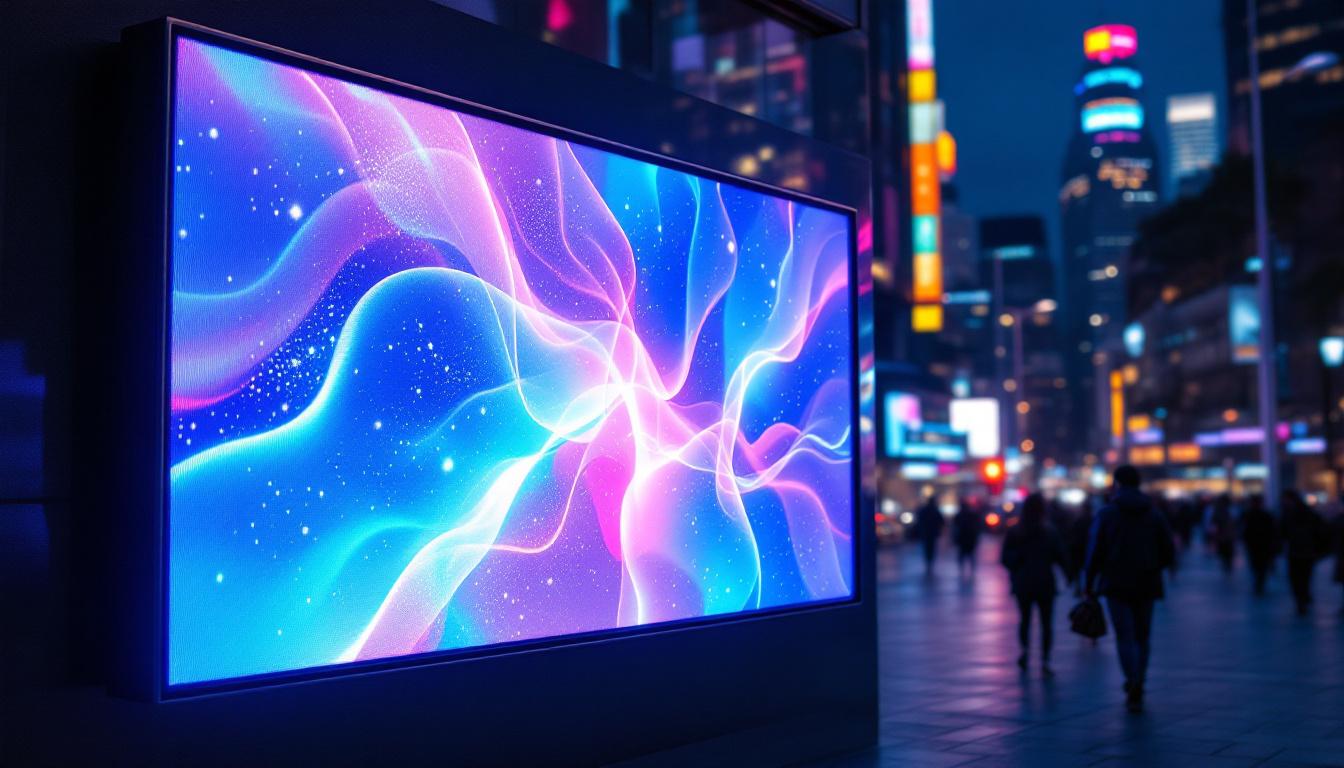
In bustling metropolitan areas, Tallcabinet LED displays offer advertisers a unique opportunity to capture attention in tight spaces. Their vertical orientation allows for eye-catching digital signage on narrow building facades, street poles, and transit stations.
Brands leverage these displays to showcase dynamic content, including animations, video ads, and real-time updates, which are far more engaging than static billboards. According to a 2023 report by the Digital Signage Federation, digital signage, including LED displays, can increase brand recall by up to 47% compared to traditional print media.
This heightened engagement is particularly beneficial for local businesses looking to attract foot traffic. For instance, a restaurant can display its daily specials or a limited-time offer through vibrant visuals, enticing passersby to step inside. Additionally, the ability to update content remotely means that businesses can respond to trends or events in real-time, ensuring their messaging remains relevant and timely. This flexibility not only maximizes advertising impact but also fosters a dynamic relationship between brands and consumers.
Public Information and Wayfinding
Transportation hubs such as airports, train stations, and bus terminals benefit from Tallcabinet LED displays by providing clear, vertically oriented information panels. These displays can show schedules, alerts, and directions in a format that is easy to read from a distance and fits within constrained spaces.
Moreover, their high brightness and contrast make them effective in varying lighting conditions, ensuring passengers receive timely and accurate information.
In addition to standard travel information, these displays can also be programmed to provide real-time updates on weather conditions, emergency alerts, or even local events, enhancing the overall travel experience. For instance, during peak travel seasons, they can help manage crowd flow by displaying wait times at security checkpoints or boarding gates, thereby reducing passenger stress and improving operational efficiency. This multifunctionality transforms Tallcabinet LED displays into essential tools for modern transportation systems.
Architectural and Artistic Installations
Beyond commercial uses, Tallcabinet LED displays are increasingly integrated into architectural designs and public art projects. Their slim, tall profile allows them to blend seamlessly into building exteriors or public spaces, adding a dynamic element to urban landscapes.
For instance, some cities have commissioned LED installations that display interactive art or community messages, enhancing cultural engagement and urban aesthetics.
These installations not only serve as visual focal points but also encourage community interaction. By incorporating features such as touch screens or motion sensors, cities can create immersive experiences that invite residents and visitors to engage with the art in meaningful ways. Additionally, these displays can be programmed to celebrate local history or highlight upcoming cultural events, fostering a sense of pride and belonging among community members. As cities continue to evolve, the integration of Tallcabinet LED displays into public art and architecture is likely to play a pivotal role in shaping vibrant, interactive urban environments.
“`
Advantages of Tallcabinet LED Displays Over Traditional Screens
Space Efficiency
The vertical cabinet design is ideal for locations where horizontal space is scarce but vertical surfaces are available. This makes Tallcabinet LED displays a smart choice for dense urban environments, retail storefronts, and narrow corridors.
Enhanced Visibility and Impact
The tall, narrow format naturally draws the eye upward, creating a sense of grandeur and prominence. This visual impact can be more effective in grabbing attention compared to wider, shorter displays, especially in crowded or cluttered environments.
Customization and Flexibility
Tallcabinet LED displays can be customized in height and resolution to suit specific needs. Whether it’s a 3-meter tall information kiosk or a 15-meter advertising column, the modular design supports a wide range of configurations.
Additionally, content can be tailored to the unique aspect ratio, enabling creative and innovative digital signage solutions.
Considerations When Choosing a Tallcabinet LED Display
Viewing Distance and Pixel Pitch
Determining the appropriate pixel pitch based on the typical viewing distance is crucial for ensuring image clarity. For example, a pixel pitch of 4mm might suffice for a display viewed from 10 meters away, whereas indoor applications with closer viewers may require pitches as fine as 1.5mm.
Installation Environment
Environmental factors such as exposure to weather, ambient light levels, and mounting surface must be considered. Outdoor Tallcabinet displays require weatherproof enclosures and high brightness, while indoor units prioritize color accuracy and refresh rates.
Content Management and Control Systems
Effective content management software is essential for scheduling, updating, and monitoring the display content. Many modern Tallcabinet LED solutions come with integrated control systems that support remote management, real-time diagnostics, and content automation.
Future Trends in Tallcabinet LED Technology
Higher Resolution and Miniaturization
Advancements in LED manufacturing are driving pixel pitches ever smaller, enabling ultra-high-definition Tallcabinet displays. This trend will open new possibilities for detailed graphics and video content even on narrow vertical screens.
Integration with Smart City Infrastructure
As cities become smarter, Tallcabinet LED displays are expected to integrate with IoT networks, providing real-time data such as traffic updates, environmental monitoring, and emergency alerts. This will enhance their role as interactive communication hubs in urban areas.
Energy Efficiency and Sustainability
New materials and technologies are improving the energy efficiency of LED displays, reducing their environmental footprint. Innovations such as adaptive brightness control and solar-powered modules are beginning to appear in Tallcabinet designs, aligning with global sustainability goals.
Conclusion
Tallcabinet LED displays represent a specialized yet increasingly vital segment of the digital signage industry. Their vertical, modular design offers unique advantages in space-constrained environments, making them ideal for urban advertising, public information, and architectural applications.
With ongoing technological advancements, Tallcabinet displays are poised to become even more versatile, high-resolution, and integrated into smart city ecosystems. For businesses and municipalities looking to maximize visual impact while optimizing space, Tallcabinet LED displays provide a compelling and future-proof solution.
“`html
Discover LumenMatrix’s Innovative LED Solutions
Ready to elevate your visual communication strategy with the vertical brilliance of Tallcabinet LED displays? LumenMatrix is at the forefront of LED display technology, offering a wide array of solutions that transform spaces and captivate audiences. From vibrant Indoor LED Walls to robust Outdoor LED Displays, and from sleek LED Posters to immersive LED Sports Displays, our products are designed to make your brand stand out. Embrace the future of digital signage with LumenMatrix and create unforgettable visual experiences. Check out LumenMatrix LED Display Solutions today and see your vision come to life.
“`