When converting measurements, clarity and precision are essential—especially when dealing with units like centimeters and feet that are commonly used worldwide. One particular measurement that often comes up in everyday contexts, from personal height to product dimensions, is 173 centimeters. But how does 173 cm translate into feet, and what does this mean in practical terms? This article not only breaks down the conversion of 173 cm to feet but also explores how LED displays can visually represent such data for enhanced understanding and usability.
Understanding the Basics: Centimeters and Feet
Before diving into the conversion and its applications, it’s important to understand the two units involved. Centimeters (cm) are part of the metric system, which is used internationally and is based on powers of ten. Feet (ft), on the other hand, belong to the imperial system, primarily used in the United States, Liberia, and Myanmar. This distinction in measurement systems can often lead to confusion, especially in fields like engineering, architecture, and even everyday scenarios like shopping for furniture or clothing where dimensions are provided in different units.
What is a Centimeter?
A centimeter is a unit of length in the metric system, defined as one hundredth of a meter. The metric system’s simplicity and decimal structure make it the preferred choice for scientific, medical, and many international applications. For example, a person who is 173 cm tall is 1.73 meters tall. Centimeters are often used in contexts where precision is key, such as in tailoring or in the medical field for measuring body dimensions. In fact, many countries have adopted centimeters as the standard for height measurements in official documents, making it easier to maintain consistency across various sectors.
What is a Foot?
The foot is a unit of length in the imperial system, equal to 12 inches. Historically, the foot was based on the length of a human foot, but today it is standardized as exactly 0.3048 meters. Feet are commonly used in the United States for everyday measurements such as height, distance, and construction. In fact, many people find it easier to visualize measurements in feet rather than meters, particularly in contexts like sports or fitness, where height and jump distances are often expressed in feet. Additionally, the use of feet in construction allows for a more intuitive understanding of space, as many tools and materials are also measured in this unit, creating a seamless workflow in building projects.
Converting 173 cm to Feet: The Exact Calculation
Converting centimeters to feet requires a simple mathematical formula. Since 1 inch equals 2.54 centimeters and 1 foot equals 12 inches, the conversion process involves these relationships.
The Conversion Formula
To convert centimeters to feet, use the following steps:
- Divide the number of centimeters by 2.54 to get inches.
- Divide the resulting inches by 12 to get feet.
Applying this to 173 cm:
173 cm ÷ 2.54 = 68.11 inches68.11 inches ÷ 12 = 5.68 feet
This means 173 cm is approximately 5 feet and 8.11 inches. More precisely, it’s 5 feet 8 inches when rounded to the nearest inch.
Why Precision Matters in Measurement Conversion
Precision is crucial in fields such as healthcare, engineering, and manufacturing. For example, a doctor measuring a patient’s height or a tailor measuring fabric needs accurate conversions to avoid errors. Even small discrepancies can lead to significant consequences, such as ill-fitting clothing or incorrect dosage calculations.
Moreover, in the realm of sports and fitness, accurate height measurements can influence training regimens and performance assessments. Coaches often rely on precise data to tailor workouts that maximize an athlete’s potential. Similarly, in architecture and construction, the correct conversion of measurements ensures that structures are built to specifications, preventing costly mistakes and ensuring safety standards are met.
Additionally, with the rise of global commerce, understanding measurement conversions has become increasingly important. International trade often involves dealing with various measurement systems, and businesses must be adept at converting units to ensure product specifications are met. This is particularly relevant in industries such as textiles, where fabric dimensions can significantly impact production processes and inventory management.
Visualizing 173 cm in Feet Using LED Displays
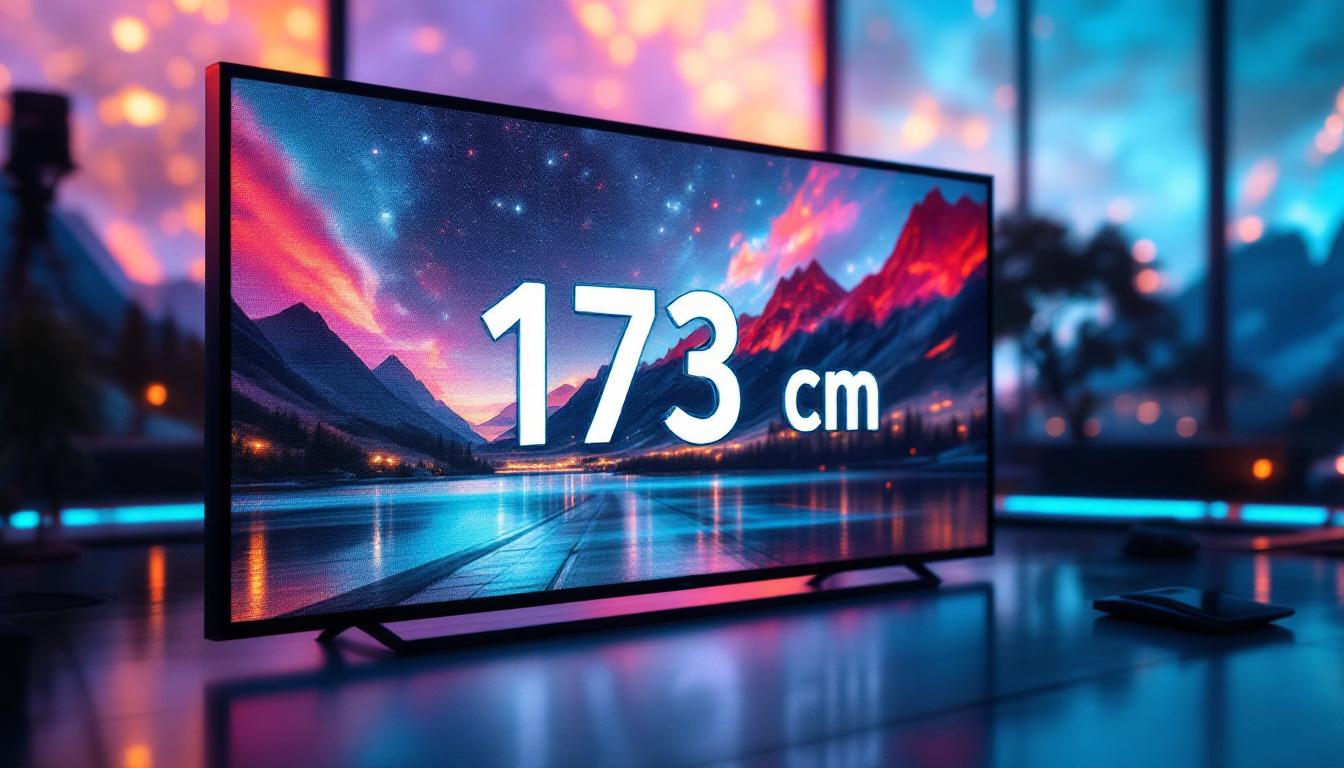
LED displays have become an effective tool for representing numerical data visually. Whether in public spaces, retail environments, or educational settings, LED screens can clearly show measurements like “173 cm” alongside their equivalent in feet, making the information accessible and easy to understand. This visual representation not only aids in comprehension but also enhances the overall user experience, allowing individuals to quickly grasp important data without the need for mental calculations.
What Are LED Displays?
LED (Light Emitting Diode) displays consist of an array of tiny light sources that emit bright, clear light. These displays are energy-efficient, durable, and capable of showing vivid colors and sharp text. They range from small digital readouts on devices to large billboards and information panels. The versatility of LED technology means it can be utilized in a variety of settings, from sports arenas displaying scores and player stats to transportation hubs providing real-time updates on arrivals and departures.
Applications of LED Displays in Measurement Conversion
In places like airports, gyms, or medical clinics, LED displays can show height measurements in both metric and imperial units. This dual-display approach helps accommodate international visitors and users who may be more familiar with one system over the other. The ability to present information in multiple formats not only caters to diverse audiences but also fosters inclusivity, ensuring that everyone can engage with the data presented.
For example, a fitness center might use an LED display to show a person’s height as “173 cm / 5 ft 8 in” during health assessments, making it easier for clients to understand their measurements without needing to perform conversions themselves. This is particularly beneficial in a globalized world where people from various countries come together, allowing for a seamless experience that promotes understanding and communication.
Advantages of Using LED Displays for Unit Conversion
- Immediate Clarity: LED displays present data in a clear, readable format, reducing confusion.
- Real-Time Updates: They can update measurements dynamically, which is useful in interactive kiosks or health monitoring stations.
- Multilingual and Multi-Unit Support: LED technology allows for easy switching between units and languages, enhancing accessibility.
Moreover, the implementation of LED displays in educational environments can significantly enhance learning experiences. For instance, classrooms equipped with LED screens can display conversions in real-time during math lessons, allowing students to visualize the relationship between different measurement systems. This interactive approach not only aids in retention but also encourages students to engage more actively with the material, fostering a deeper understanding of the concepts being taught.
In addition to educational uses, LED displays are increasingly being integrated into smart city initiatives. As urban areas evolve, these displays can serve as vital information hubs, providing citizens with instant access to various data, including height and weight conversions at public health stations. This integration of technology into everyday life exemplifies how LED displays are not just tools for information dissemination but also catalysts for improved public health awareness and community engagement.
Practical Examples: When 173 cm to Feet Conversion is Useful
Understanding the equivalence of 173 cm in feet has practical importance in many everyday and professional scenarios. Here are some examples where this conversion is particularly relevant.
Personal Height Measurement
Height is one of the most common measurements people want to convert between metric and imperial units. Someone who is 173 cm tall will often want to know their height in feet and inches, especially when traveling or interacting in countries where the imperial system is prevalent.
For instance, 173 cm corresponds roughly to 5 feet 8 inches, which is considered an average height for adults in many Western countries. This knowledge can help individuals better understand how they compare to population averages or fit into clothing sizes that use imperial measurements.
Sports and Fitness
In sports, height is a critical factor for performance and classification. Athletes and coaches often need to convert measurements for scouting reports, training programs, or competition requirements. LED displays in gyms or sports facilities can show height data in both centimeters and feet, making it easier for athletes from different regions to understand their stats.
Construction and Interior Design
Professionals in construction and interior design frequently switch between metric and imperial units depending on project location and client preferences. Knowing that 173 cm equals approximately 5 feet 8 inches helps in planning spaces, ordering materials, and communicating measurements clearly.
How Technology Enhances Measurement Conversion and Display
Advancements in technology have made unit conversion and data display more accessible and user-friendly than ever before. From smartphone apps to integrated LED systems, technology bridges the gap between metric and imperial units seamlessly.
Smart Devices and Conversion Tools
Many smartphones and smartwatches come equipped with apps that automatically convert units. These tools allow users to input measurements in centimeters and instantly see the equivalent in feet and inches. This convenience eliminates manual calculations and reduces errors.
Interactive LED Kiosks
Interactive kiosks equipped with LED displays are becoming common in public spaces such as airports, malls, and healthcare facilities. These kiosks can measure height or other dimensions and display the results in multiple units, including 173 cm converted to feet and inches, helping users from different backgrounds understand the data effortlessly.
Integration with IoT and Wearables
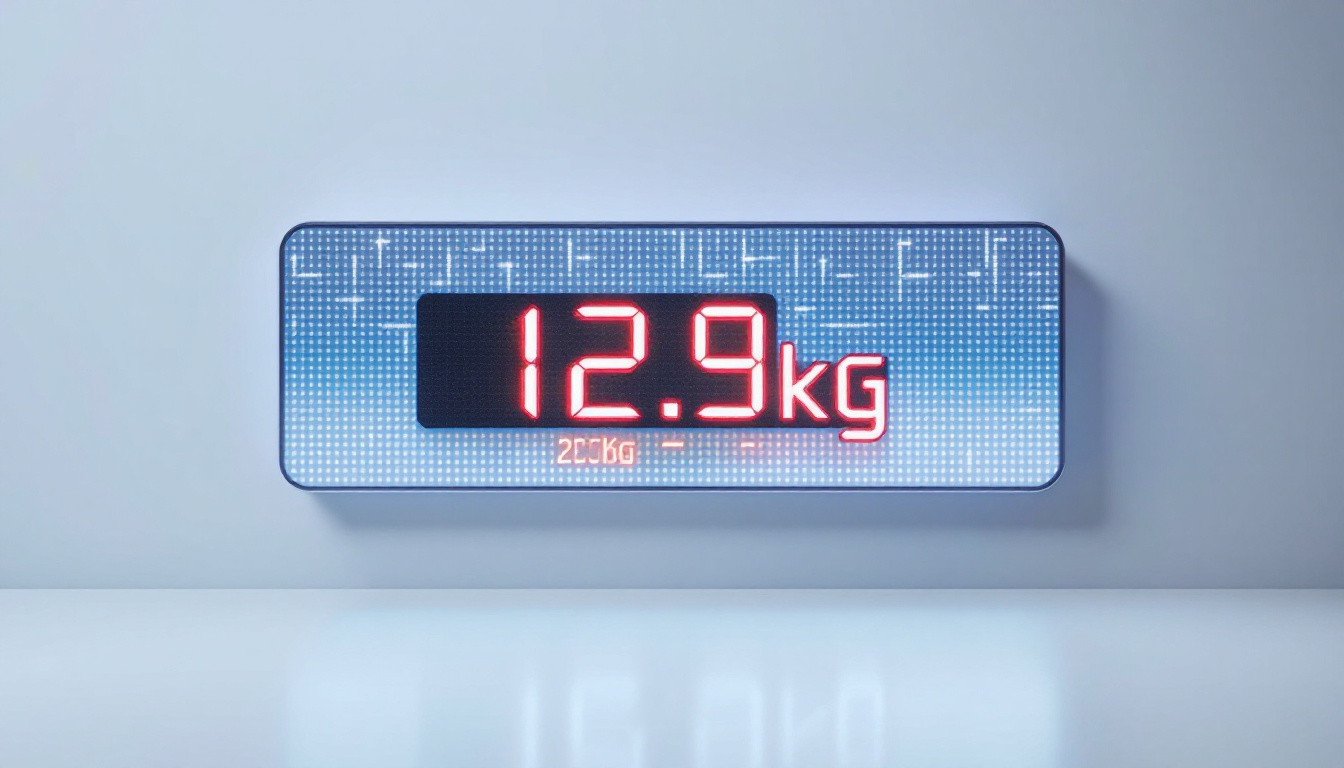
The Internet of Things (IoT) and wearable technology are also enhancing how measurements are recorded and displayed. For example, smart scales and fitness trackers can measure height and weight, then display the data on connected LED screens or mobile devices in the user’s preferred unit system.
Summary: Why Knowing 173 Cm in Feet Matters
Converting 173 cm to feet is more than just a mathematical exercise; it is a practical necessity in a globally connected world. Whether for personal use, professional applications, or technological integration, understanding this conversion helps bridge cultural and measurement system differences.
LED displays play a significant role in making these conversions visible and understandable. Their clarity, adaptability, and real-time capabilities enhance communication and reduce confusion, especially in environments where precision and accessibility are critical.
By grasping the relationship between centimeters and feet, and leveraging modern display technologies, individuals and organizations can ensure accurate, clear, and effective measurement communication across diverse contexts.
Explore Cutting-Edge LED Display Solutions with LumenMatrix
As you’ve seen, understanding the conversion of 173 cm to feet is crucial in our interconnected world, and LED displays are integral in making this information clear and accessible. LumenMatrix is at the forefront of LED display technology, offering a wide range of innovative solutions that bring your visual communication to life. From Indoor and Outdoor LED Wall Displays to specialized options like Vehicle and Sports LED Displays, our products are designed to captivate and engage your audience. Discover how LumenMatrix can transform your space and enhance your messaging. Check out LumenMatrix LED Display Solutions today and take the first step towards revolutionizing your visual displays.