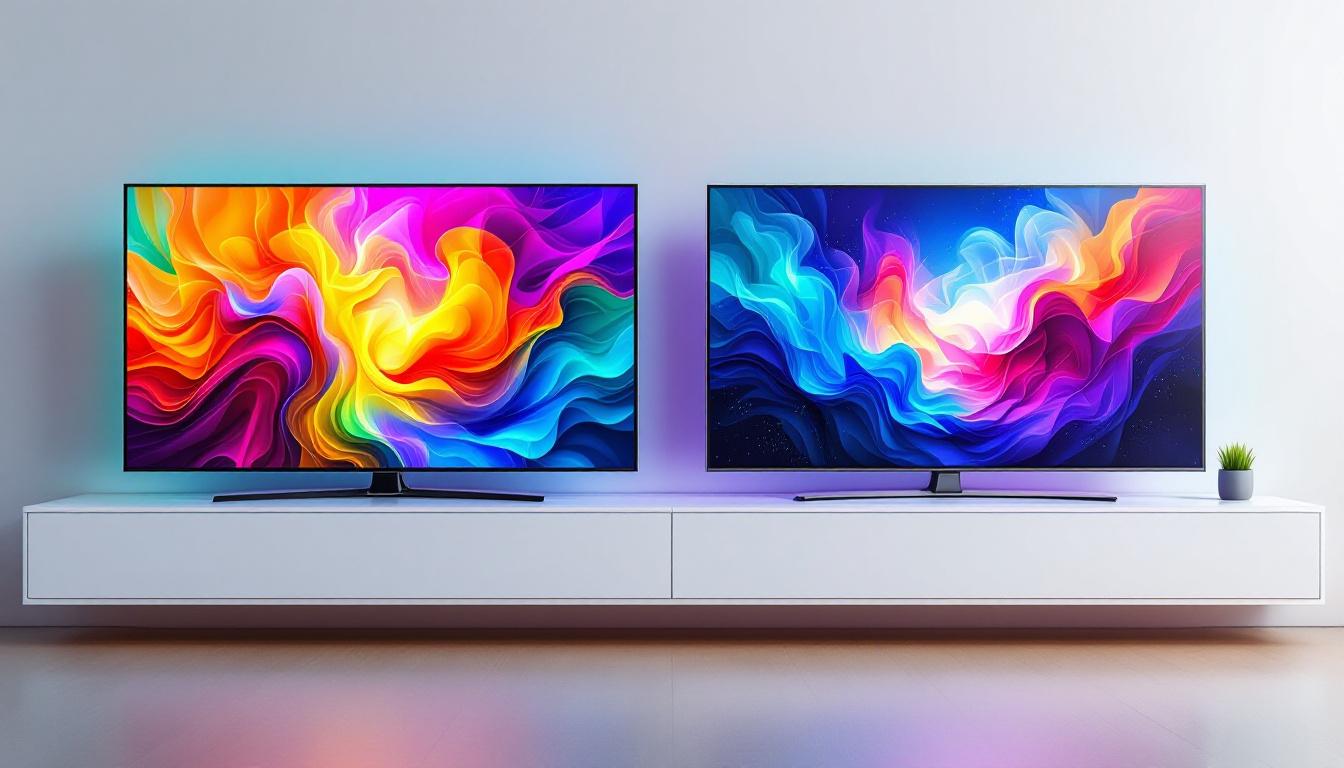
Choosing a new television can be overwhelming, especially with the variety of display technologies available on the market. Among the most common terms you’ll encounter are LED and LCD TVs. While these terms are often used interchangeably, they refer to distinct technologies with unique features, advantages, and limitations. Understanding the difference between LED and LCD TVs is crucial for making an informed purchase that suits your viewing preferences, budget, and room setup.
This article delves into the core differences between LED and LCD TVs, explains how LED displays work, and highlights the factors that should influence your buying decision.
Understanding the Basics: What is LCD TV?
LCD stands for Liquid Crystal Display. It is a technology that has been widely used in televisions, computer monitors, and mobile devices for decades. An LCD TV uses a liquid crystal solution sandwiched between two layers of polarized glass. When an electric current passes through the liquid crystals, they align to allow varying degrees of light to pass through, creating images on the screen.
However, LCD panels themselves do not emit light. They require a backlight to illuminate the screen. Traditionally, this backlight was provided by fluorescent tubes known as CCFLs (Cold Cathode Fluorescent Lamps). This is why older LCD TVs are sometimes referred to as CCFL-backlit LCDs.
How Does an LCD TV Work?
The LCD panel acts as a filter that controls the passage of light. The backlight shines through the liquid crystals, and depending on their alignment, different colors and brightness levels are produced. The polarized layers ensure that light is modulated correctly to form the images you see.
Because the light source is separate from the image-forming layer, the quality of the backlight significantly affects the overall picture quality, energy consumption, and thickness of the TV. In modern LCD TVs, LED (Light Emitting Diode) technology has largely replaced CCFLs as the backlighting method. LED backlighting offers several advantages, including better energy efficiency, improved brightness, and the ability to create slimmer designs. This transition has led to the development of various backlighting techniques, such as edge-lit and full-array local dimming, which enhance contrast ratios and color accuracy, making the viewing experience more immersive.
Furthermore, LCD technology has evolved to incorporate advanced features like high dynamic range (HDR) and wide color gamut (WCG), which allow for more vibrant colors and a greater range of brightness levels. These enhancements have made LCD TVs increasingly popular among consumers who seek high-quality visuals for gaming, streaming, and cinematic experiences. As manufacturers continue to innovate, the gap between LCD and other display technologies, such as OLED, is narrowing, making LCD TVs a compelling choice for a wide range of applications.
What is an LED TV? Clarifying the Misconception
LED TV is a term that can cause confusion. Technically, LED stands for Light Emitting Diode, which is a type of semiconductor light source. When people say “LED TV,” they are referring to an LCD TV that uses LED backlighting instead of CCFLs.
In other words, LED TVs are a subset of LCD TVs. They use the same liquid crystal technology for image creation but employ LEDs as the backlight source. This distinction is important because it means that all LED TVs are LCD TVs, but not all LCD TVs are LED TVs.
Types of LED Backlighting
LED backlighting comes in two primary configurations: Edge-lit and Full-array.
- Edge-lit LED: LEDs are placed along the edges of the screen, and light is spread across the panel using light guides. This design allows for thinner TVs but may result in uneven brightness and less precise local dimming.
- Full-array LED: LEDs are distributed evenly behind the entire screen. This setup enables better control of brightness and contrast through localized dimming zones, improving picture quality significantly.
In addition to these two configurations, there are also variations within the full-array category, such as full-array with local dimming. This advanced feature allows for even more precise control over the backlighting, as it can dim or brighten specific zones of the screen based on the content being displayed. For instance, during a dark scene in a movie, the local dimming can reduce the brightness in that area while keeping brighter sections illuminated, resulting in a more dynamic and immersive viewing experience.
Furthermore, the technology behind LED TVs continues to evolve. Innovations such as Quantum Dot technology have emerged, enhancing color accuracy and brightness levels. Quantum Dot LED TVs utilize tiny semiconductor particles that emit specific colors when illuminated by the LED backlight. This advancement not only enriches the color palette but also improves energy efficiency, making these TVs a popular choice among consumers seeking high-quality visuals without a significant increase in energy consumption.
Comparing LED and LCD TVs: Key Differences
Since LED TVs are essentially LCD TVs with a different backlight technology, the main differences lie in the backlighting method and the resulting impact on performance, design, and energy efficiency.
Picture Quality
LED backlighting offers several advantages over traditional CCFL backlighting. LEDs can be dimmed more precisely, allowing for better contrast ratios and deeper blacks, especially in full-array LED TVs with local dimming. This results in more vibrant colors and a more immersive viewing experience. Furthermore, the ability of LED technology to produce a wider color gamut enhances the overall visual experience, making it particularly appealing for watching high-definition content, such as movies and sports. The enhanced brightness levels of LED TVs also make them more suitable for viewing in well-lit rooms, where traditional LCDs might struggle to deliver clear images.
On the other hand, CCFL-backlit LCD TVs often suffer from lower contrast and less uniform brightness, which can make images appear washed out or less dynamic. These limitations can be particularly noticeable in darker scenes or when viewing content with a lot of shadow detail, where the lack of deep blacks can detract from the overall experience. Additionally, the slower response times associated with CCFL technology can lead to motion blur during fast-paced action scenes, further diminishing picture quality.
Energy Efficiency
LED backlights consume significantly less power compared to CCFLs. According to the U.S. Department of Energy, LED-backlit LCD TVs can use up to 40% less energy than their CCFL counterparts. This not only reduces electricity bills but also contributes to a smaller environmental footprint. As energy consumption becomes an increasingly important consideration for consumers, the efficiency of LED technology can be a major selling point. Many manufacturers also incorporate energy-saving features, such as automatic brightness adjustment, which further enhances the energy efficiency of LED TVs.
Design and Thickness
LED backlighting allows manufacturers to produce thinner and lighter TVs. Edge-lit LED TVs, in particular, can be extremely slim, making them suitable for wall mounting and modern interior aesthetics. This sleek design not only saves space but also adds a touch of elegance to home décor. CCFL-backlit LCD TVs tend to be bulkier due to the size of the fluorescent tubes, which can limit placement options and may not blend as seamlessly into contemporary living spaces. Additionally, the lightweight nature of LED TVs makes them easier to handle and install, appealing to consumers who value convenience.
Lifespan and Durability
LEDs generally have a longer lifespan than CCFLs and are more durable since they contain no mercury, which is present in fluorescent tubes. This makes LED TVs safer to dispose of and less prone to backlight failure over time. With an average lifespan of up to 100,000 hours, LED TVs can last significantly longer than their CCFL counterparts, which typically range from 30,000 to 60,000 hours. This longevity not only provides peace of mind for consumers but also represents a better long-term investment. Moreover, the robustness of LED technology contributes to fewer maintenance issues, allowing users to enjoy their viewing experience without the worry of frequent repairs or replacements.
Additional Technologies Impacting TV Performance
While the backlighting technology is crucial, other factors also influence the overall viewing experience. Modern LED TVs often incorporate advanced features that enhance picture quality beyond the basic LED vs. LCD distinction.
Quantum Dot Technology
Some LED TVs use quantum dots—nanoparticles that emit pure colors when illuminated by LEDs. Quantum Dot LED TVs (QLEDs) offer a wider color gamut and higher brightness levels compared to standard LED TVs, making them a popular choice for HDR (High Dynamic Range) content.
OLED vs. LED LCD TVs
Organic Light Emitting Diode (OLED) TVs are a different technology altogether. Unlike LED-backlit LCDs, OLED pixels emit their own light and can be turned off individually, resulting in perfect blacks and exceptional contrast. However, OLEDs are generally more expensive and have different durability considerations.
Which Should You Choose: LED or LCD TV?
Given that LED TVs are essentially a more advanced form of LCD TVs, the choice boils down to the type of backlighting and additional features you prioritize.
Consider Your Viewing Environment
If you watch TV in a brightly lit room, an LED TV with high brightness and good anti-reflective coatings will perform better. For darker rooms, full-array LED TVs with local dimming or OLED TVs provide superior contrast and black levels.
Budget and Value
CCFL-backlit LCD TVs are becoming rare and are generally less expensive but offer lower picture quality. Edge-lit LED TVs provide a good balance between cost and performance, while full-array LED TVs and QLEDs are more premium options.
Energy Consumption and Environmental Impact
LED TVs are more energy-efficient and environmentally friendly, making them a better long-term investment for eco-conscious consumers.
Conclusion: LED and LCD TVs in Perspective
Understanding the difference between LED and LCD TVs is essential for navigating the TV market effectively. While “LED TV” is a marketing term for LCD TVs with LED backlighting, this advancement brings notable improvements in picture quality, energy efficiency, and design.
When shopping for a TV, focus on the type of backlighting, additional technologies like quantum dots, and your specific usage needs. This approach ensures you select a television that delivers the best viewing experience for your environment and budget.
As display technology continues to evolve, staying informed about these distinctions will help consumers make smarter choices and enjoy their entertainment to the fullest.
Explore Cutting-Edge LED Displays with LumenMatrix
Ready to elevate your viewing experience with the latest in LED display technology? LumenMatrix, a leader in innovative LED solutions, offers an extensive range of products designed to bring your visual communication to life. From immersive Indoor LED Wall Displays to dynamic Outdoor LED Wall Displays, and from versatile Vehicle LED Displays to sleek LED Poster Displays, LumenMatrix has the perfect solution to meet your needs. Discover the transformative power of LED Sports Displays, interactive Floor LED Displays, and the stunning clarity of LED Transparent Displays. Each product is crafted to captivate audiences and enhance brand visibility. Don’t miss the opportunity to revolutionize your space with LumenMatrix’s advanced LED display modules. Check out LumenMatrix LED Display Solutions today and step into a world where your message shines with impact and clarity.