In the rapidly evolving world of professional audio-visual equipment, LED displays have become a cornerstone technology. Whether for large-scale events, corporate presentations, or broadcast studios, understanding how LED displays function and how to troubleshoot them is essential for technicians and users alike. This article delves into the fundamentals of LED displays, focusing on Proseries support, to provide a clear, comprehensive guide for professionals seeking to optimize their LED display setups.
Understanding LED Display Technology
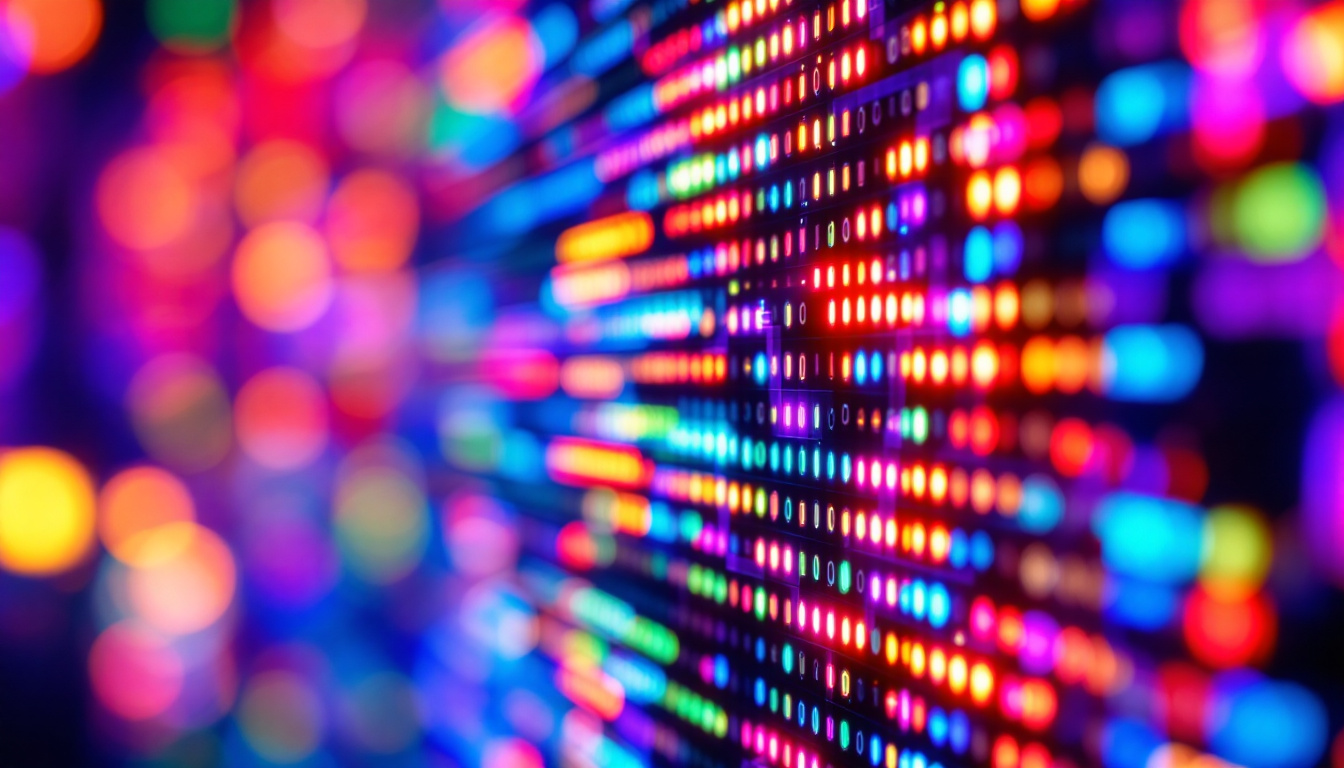
LED, or Light Emitting Diode, displays utilize an array of tiny diodes that emit light when an electric current passes through them. These diodes are arranged in a matrix to form pixels, which collectively create images and videos. The technology behind LED displays has advanced significantly over the past decade, enabling higher resolutions, improved brightness, and greater energy efficiency. With the advent of technologies such as microLED and miniLED, the potential for even more vibrant colors and deeper blacks has become a reality, making LED displays a popular choice for both commercial and residential applications.
Proseries LED displays are known for their modular design, allowing for scalable configurations that can adapt to various venue sizes and requirements. Each module contains multiple LEDs arranged in a grid pattern, and the seamless connection between modules ensures a uniform, high-quality image across the entire display surface. This modularity not only facilitates easy installation and maintenance but also allows for creative installations, such as curved or irregular shapes that can enhance the visual impact of advertising and presentations.
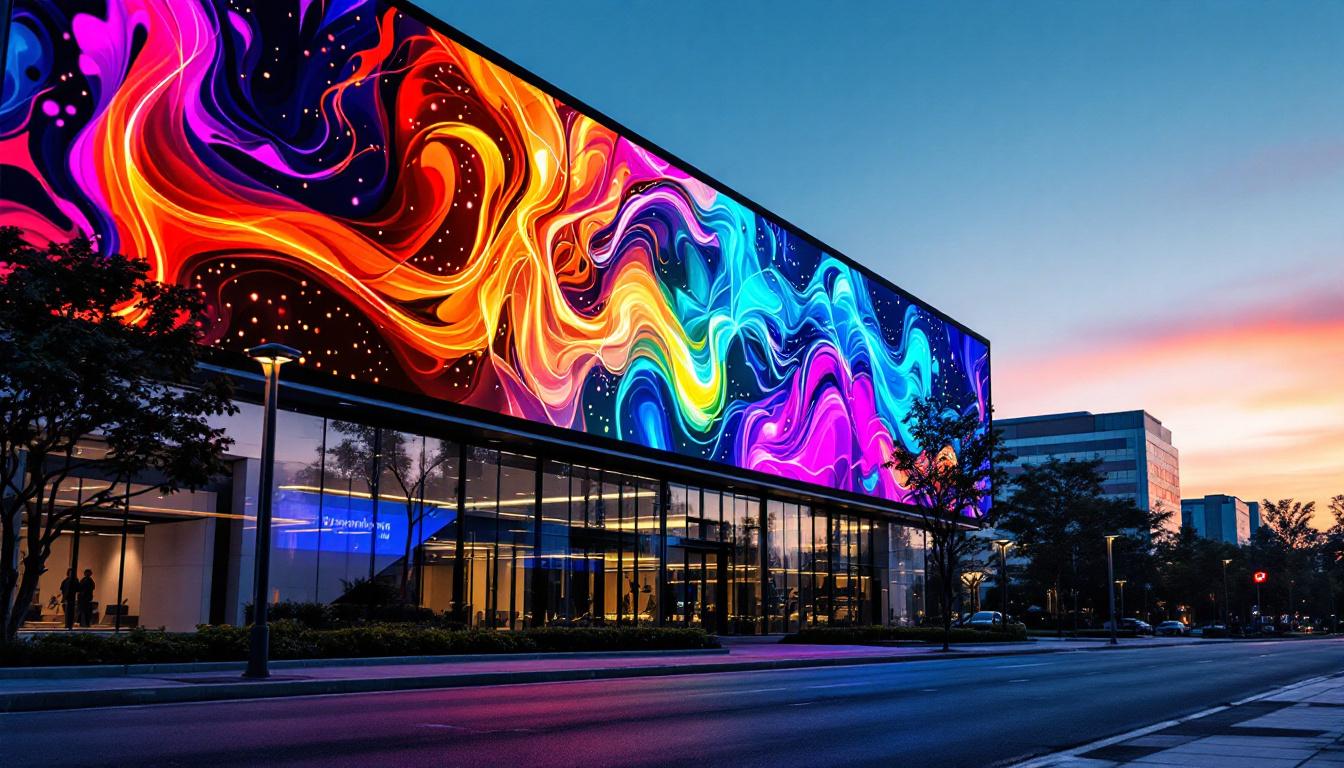
One of the key advantages of LED displays over traditional LCD or projection systems is their superior brightness and contrast ratios. This makes them ideal for environments with high ambient light, such as outdoor events or brightly lit conference rooms. Additionally, LED displays offer faster refresh rates and wider viewing angles, enhancing the overall visual experience. The durability of LED technology also means that these displays can withstand harsh weather conditions, making them a reliable option for outdoor signage and events.
Pixel Pitch and Resolution
Pixel pitch is a critical specification in LED displays, referring to the distance between the centers of two adjacent pixels. It directly affects the resolution and viewing distance of the display. For example, a smaller pixel pitch (e.g., 1.5mm) means more pixels per square meter, resulting in higher resolution and sharper images, suitable for close-up viewing. This is particularly important in environments such as control rooms or broadcast studios, where clarity and detail are paramount for effective communication.
Proseries LED displays offer a range of pixel pitches to accommodate different use cases. Large outdoor screens may use pixel pitches of 10mm or more, where viewers are typically farther away, while indoor displays designed for close proximity use finer pitches. Understanding the relationship between pixel pitch, resolution, and viewing distance is essential for selecting the right display for your application. Furthermore, advancements in pixel technology, such as the introduction of HDR (High Dynamic Range) capabilities, have allowed for even greater depth in color and contrast, ensuring that images are not only sharp but also visually stunning, regardless of the viewing conditions.
Common Issues with Proseries LED Displays and How to Troubleshoot Them
Despite their reliability, LED displays can encounter technical issues that affect performance. Proseries support teams frequently address common problems such as dead pixels, color inconsistencies, flickering, and module failures. Knowing how to identify and resolve these issues can minimize downtime and maintain display quality.
Dead or Stuck Pixels
Dead pixels occur when individual LEDs fail to light up, resulting in black spots on the display. Stuck pixels, on the other hand, remain lit in a single color, disrupting the uniformity of the image. These issues may arise due to manufacturing defects, physical damage, or electrical faults.
Proseries modules are designed to be easily replaceable, allowing technicians to swap out faulty modules without dismantling the entire display. Additionally, software tools included with Proseries systems can help detect pixel anomalies and sometimes attempt pixel refresh cycles to revive stuck LEDs. Regular maintenance checks can also help identify these issues before they become significant problems, ensuring that the display remains visually appealing and functional.
Color Calibration and Uniformity
Color inconsistency is a frequent challenge, especially in large displays composed of multiple modules. Differences in LED aging, temperature variations, and power supply fluctuations can cause color shifts that degrade image quality.
Proseries displays incorporate advanced color calibration systems that use sensors and software algorithms to maintain color uniformity across the entire screen. Regular calibration sessions, typically recommended every six months, ensure that the display maintains accurate and consistent colors over time. Moreover, utilizing ambient light sensors can further enhance color accuracy by adjusting the display’s settings based on the surrounding lighting conditions, providing an optimal viewing experience regardless of the environment.
Flickering and Signal Issues
Flickering can be caused by several factors including loose connections, incompatible refresh rates, or interference in the video signal. Proseries support emphasizes the importance of using certified cables and connectors, as well as ensuring that the video source and display settings are properly synchronized.
In some cases, firmware updates provided by Proseries can resolve flickering issues by improving signal processing and compatibility. It is advisable to keep the display’s firmware up to date and to perform routine maintenance checks to identify potential signal problems early. Additionally, implementing a robust power management system can help mitigate flickering caused by power surges or fluctuations, ensuring a stable and reliable performance throughout the display’s operational life.
Optimizing Performance and Longevity of Proseries LED Displays
Maximizing the lifespan and performance of LED displays requires a combination of proper installation, regular maintenance, and environmental considerations. Proseries support guidelines highlight best practices that help users get the most out of their investment.
Environmental Factors and Protection
LED displays are sensitive to environmental conditions such as temperature, humidity, and exposure to dust or moisture. Proseries modules are often rated with IP (Ingress Protection) standards to indicate their resistance to water and dust, which is crucial for outdoor installations.
For indoor installations, maintaining stable temperature and humidity levels helps prevent premature aging of LEDs and electronic components. Additionally, shielding the display from direct sunlight and ensuring adequate ventilation can reduce thermal stress and improve reliability. It’s also advisable to consider the location of the display; placing it away from sources of heat or cold, such as air conditioning vents or radiators, can help maintain optimal operating conditions.
Regular Maintenance and Cleaning
Routine cleaning of the LED surface is essential to prevent dust accumulation, which can reduce brightness and cause overheating. Proseries recommends using soft, non-abrasive cloths and approved cleaning agents to avoid damaging the delicate diodes.
Periodic inspection of electrical connections and power supplies also helps identify potential issues before they escalate. Scheduling maintenance checks every few months can significantly extend the operational life of the display. Furthermore, keeping a maintenance log can be beneficial; it allows technicians to track any recurring issues and adjust their maintenance strategies accordingly. This proactive approach not only enhances the display’s lifespan but also ensures that it consistently performs at its best.
Software Updates and Monitoring
Proseries LED systems come with dedicated software for configuration, monitoring, and diagnostics. Keeping this software updated ensures access to the latest features and bug fixes. Remote monitoring capabilities allow technicians to track performance metrics in real-time, enabling proactive maintenance and swift troubleshooting.
Utilizing these tools effectively can reduce downtime and improve overall user satisfaction by maintaining consistent display quality. Additionally, leveraging analytics from the monitoring software can provide insights into usage patterns and peak performance times, which can inform decisions about content scheduling and display settings. This data-driven approach not only enhances the operational efficiency of the LED displays but also maximizes their impact in engaging audiences effectively.
Future Trends in LED Display Technology
The LED display industry continues to innovate, with emerging technologies promising even greater performance and flexibility. Understanding these trends can help professionals anticipate future needs and make informed decisions when upgrading or expanding their Proseries systems.
MicroLED and MiniLED Advances
MicroLED technology, which uses even smaller LEDs than traditional displays, offers ultra-high resolution and brightness with lower power consumption. MiniLED backlighting is also gaining popularity for enhancing contrast and color accuracy in hybrid display systems.
Proseries is actively integrating these advancements into their product lines, enabling users to benefit from sharper images and more vibrant colors, especially in demanding professional environments.
Flexible and Transparent LED Displays
Flexibility in LED panels allows for curved, foldable, or irregularly shaped displays, expanding creative possibilities for event design and architectural integration. Transparent LED displays enable screens that blend seamlessly into glass surfaces, offering innovative advertising and informational applications.
These technologies are becoming more accessible and affordable, with Proseries developing solutions that cater to these new form factors while maintaining durability and ease of installation.
AI-Driven Calibration and Content Optimization
Artificial intelligence is increasingly being used to automate color calibration, brightness adjustment, and content optimization based on ambient conditions and viewer preferences. This reduces manual intervention and enhances the viewing experience dynamically.
Proseries support teams are incorporating AI tools into their software suites, providing users with smarter, more adaptive display management capabilities.
Conclusion
Proseries LED displays represent a sophisticated blend of cutting-edge technology and user-centric design. Understanding the core principles of LED technology, common troubleshooting techniques, and best practices for maintenance empowers professionals to maximize the value and performance of their displays.
As the industry evolves, staying informed about new trends such as MicroLED, flexible displays, and AI integration will ensure that users remain at the forefront of visual technology. With comprehensive Proseries support and a proactive approach to care, LED displays can deliver stunning, reliable visuals for years to come.
Explore Cutting-Edge LED Solutions with LumenMatrix
Ready to elevate your visual displays to the next level? Discover the innovative and dynamic LED display modules offered by LumenMatrix. From captivating Indoor LED Walls to versatile Outdoor LED Displays, and from mobile Vehicle LED Displays to sleek LED Poster Displays, LumenMatrix provides a comprehensive range of solutions tailored to your needs. Whether it’s for sports, flooring, or custom applications, our mission is to revolutionize your visual communication. Enhance engagement and share your message with unparalleled clarity. Check out LumenMatrix LED Display Solutions today and experience the future of visual storytelling.