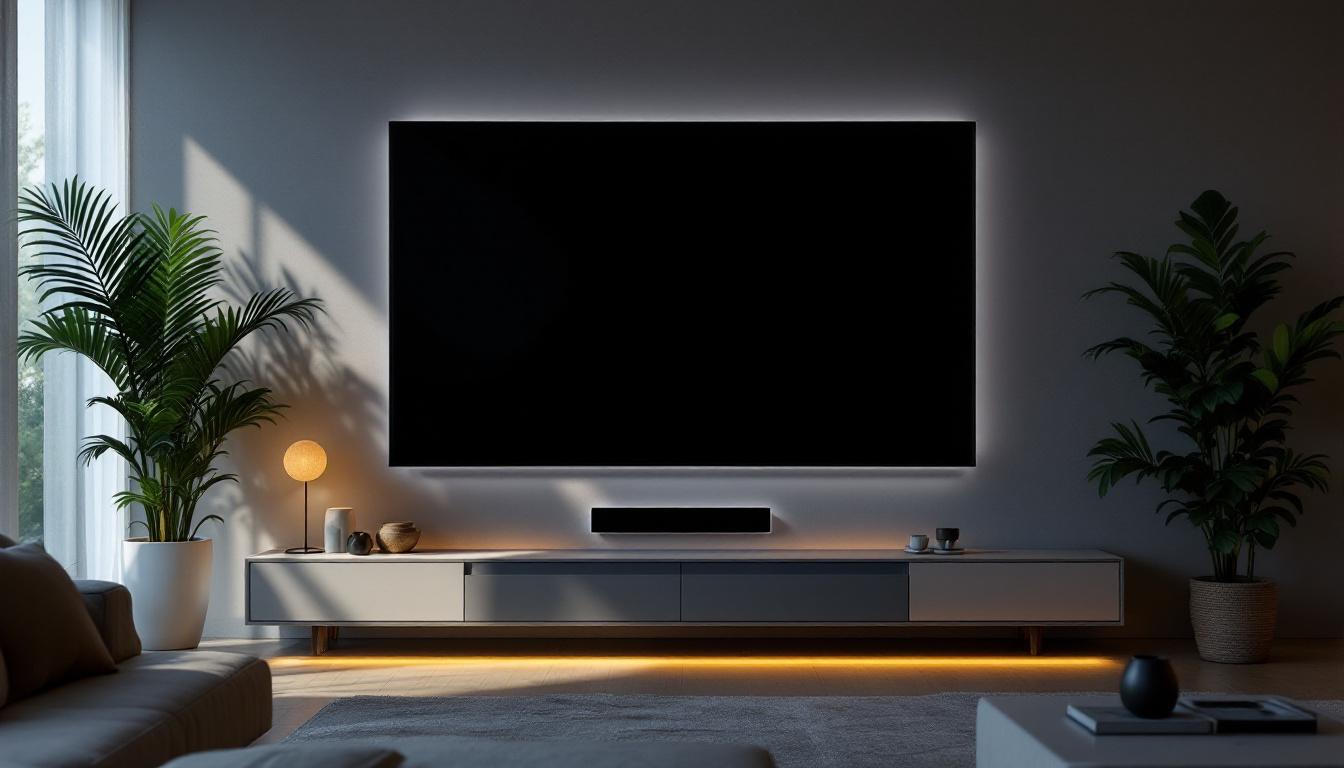
In the evolving world of visual technology, choosing the right display solution is crucial for both professional and personal environments. Projector screens and LED displays each offer unique advantages, but understanding how they work, especially when mounted on a wall, can be the key to maximizing your viewing experience. This article delves into the details of projector screen wall mounts and LED displays, explaining their features, benefits, and considerations to help you make an informed decision.
Understanding Projector Screen Wall Mounts
What is a Projector Screen Wall Mount?
A projector screen wall mount is a hardware system designed to securely attach a projector screen to a wall. These mounts come in various styles, including fixed, retractable, and motorized, each catering to different needs and room setups. The primary purpose of a wall mount is to provide a stable, flat surface for the projector screen, ensuring optimal image quality and ease of use.
Fixed mounts are typically used in dedicated home theaters or conference rooms where the screen remains in place permanently. Retractable mounts, on the other hand, allow the screen to be rolled up when not in use, preserving wall space and maintaining a clean aesthetic. Motorized mounts add convenience by enabling remote control operation, ideal for larger venues or smart home integrations.
Benefits of Wall Mounting a Projector Screen
Wall mounting a projector screen offers several advantages. First, it ensures the screen is perfectly flat and stable, which is essential for maintaining image clarity and preventing distortion. Unlike portable stands, wall mounts eliminate the risk of the screen moving or tipping over during use.
Additionally, wall-mounted screens save floor space, making them ideal for smaller rooms or multi-purpose areas. They also contribute to a cleaner, more professional look, which is particularly important in corporate or educational settings. Moreover, when combined with motorized mounts, users can enjoy effortless screen deployment and retraction, enhancing overall usability.
Installation Considerations
Proper installation is critical to ensure safety and performance. The wall chosen for mounting should be structurally sound, capable of supporting the screen’s weight. Drywall alone may not suffice unless anchors or studs are used. It’s also important to consider the screen’s height and viewing angle to optimize the audience’s experience.
For motorized screens, access to power outlets and integration with control systems should be planned in advance. Professional installation is often recommended to avoid damage to walls and to ensure the mount is securely fastened.
Exploring LED Displays as an Alternative
What is an LED Display?
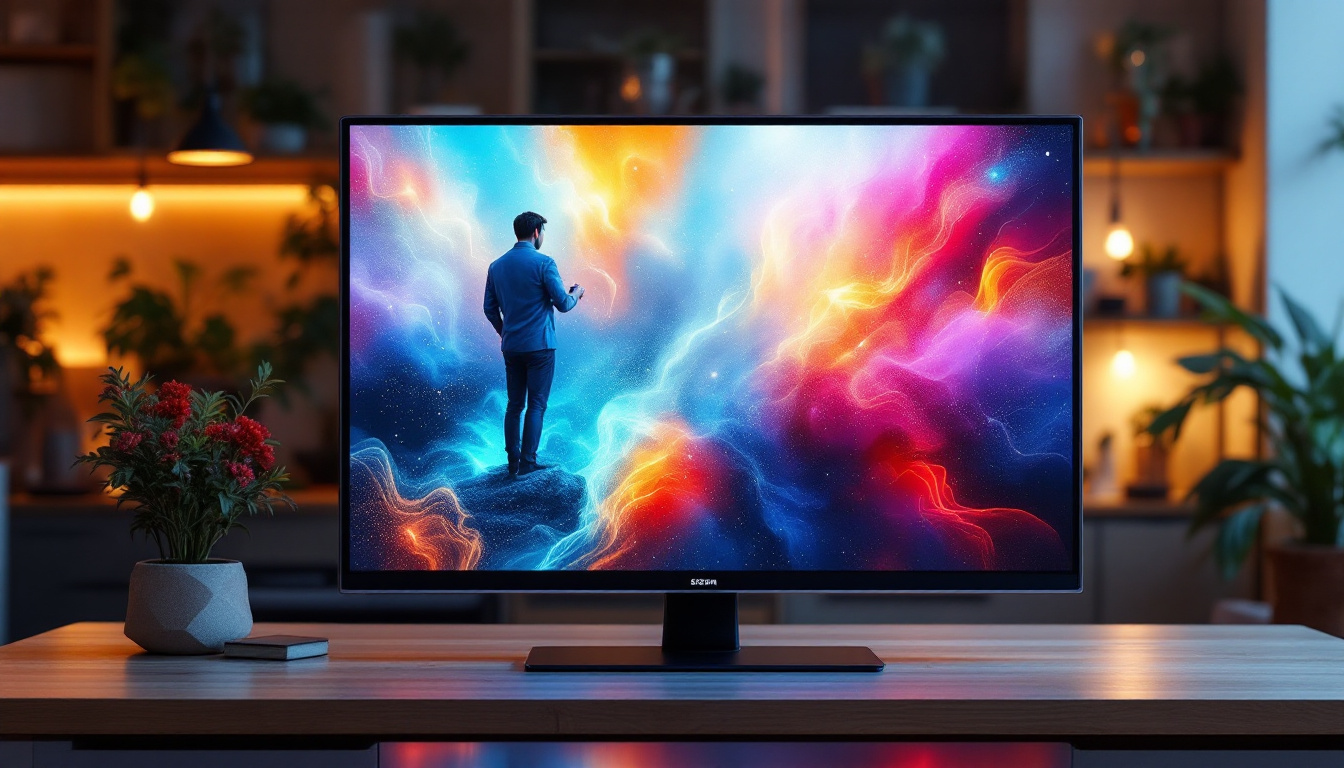
LED (Light Emitting Diode) displays are flat-panel screens composed of numerous tiny LEDs that emit light directly. Unlike projector screens, which rely on external light sources to project images, LED displays generate their own light, resulting in vibrant colors and high contrast ratios.
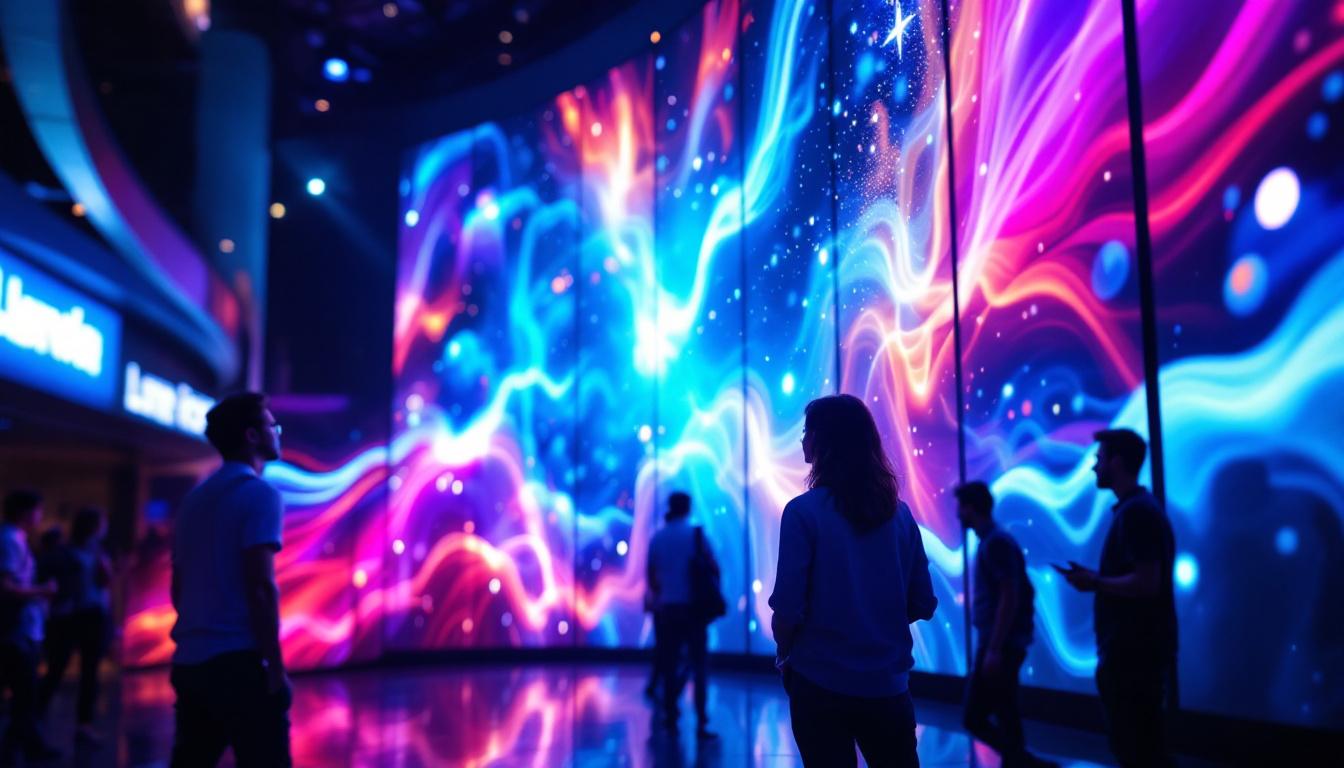
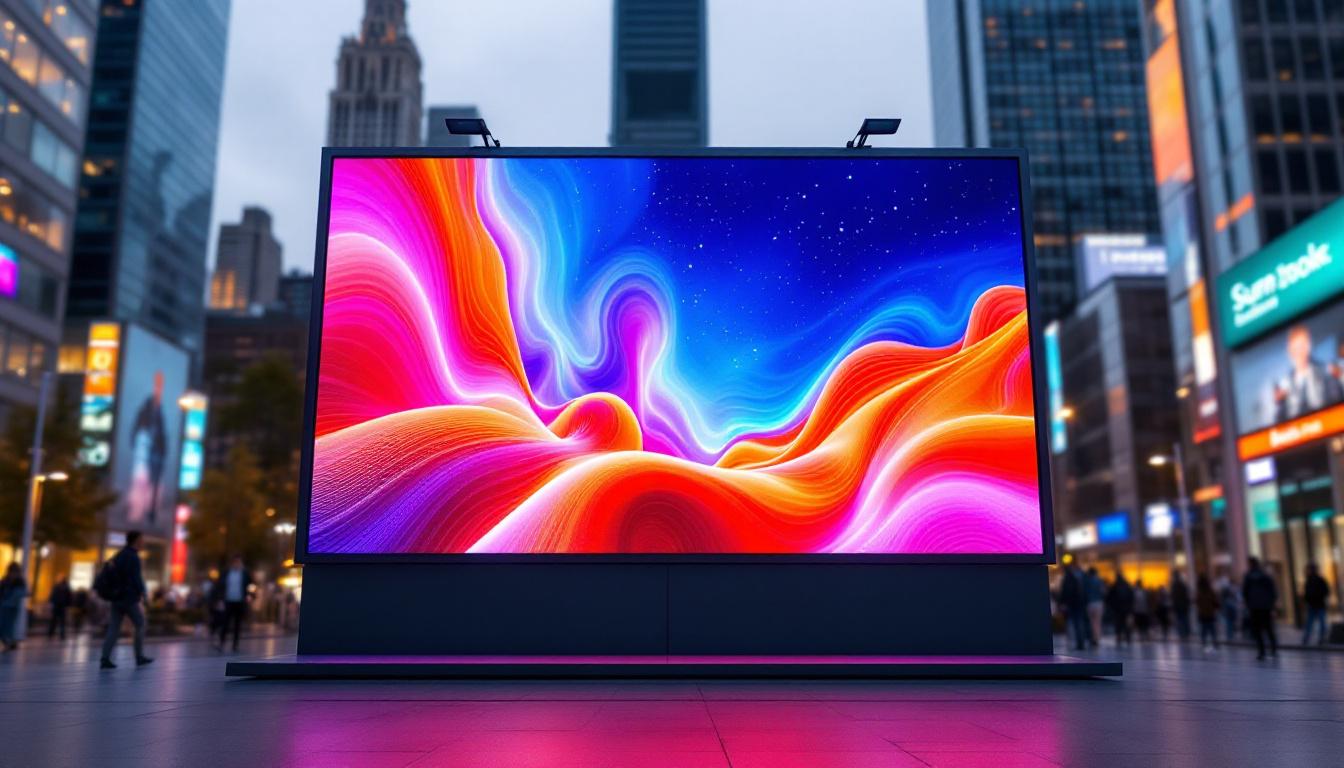
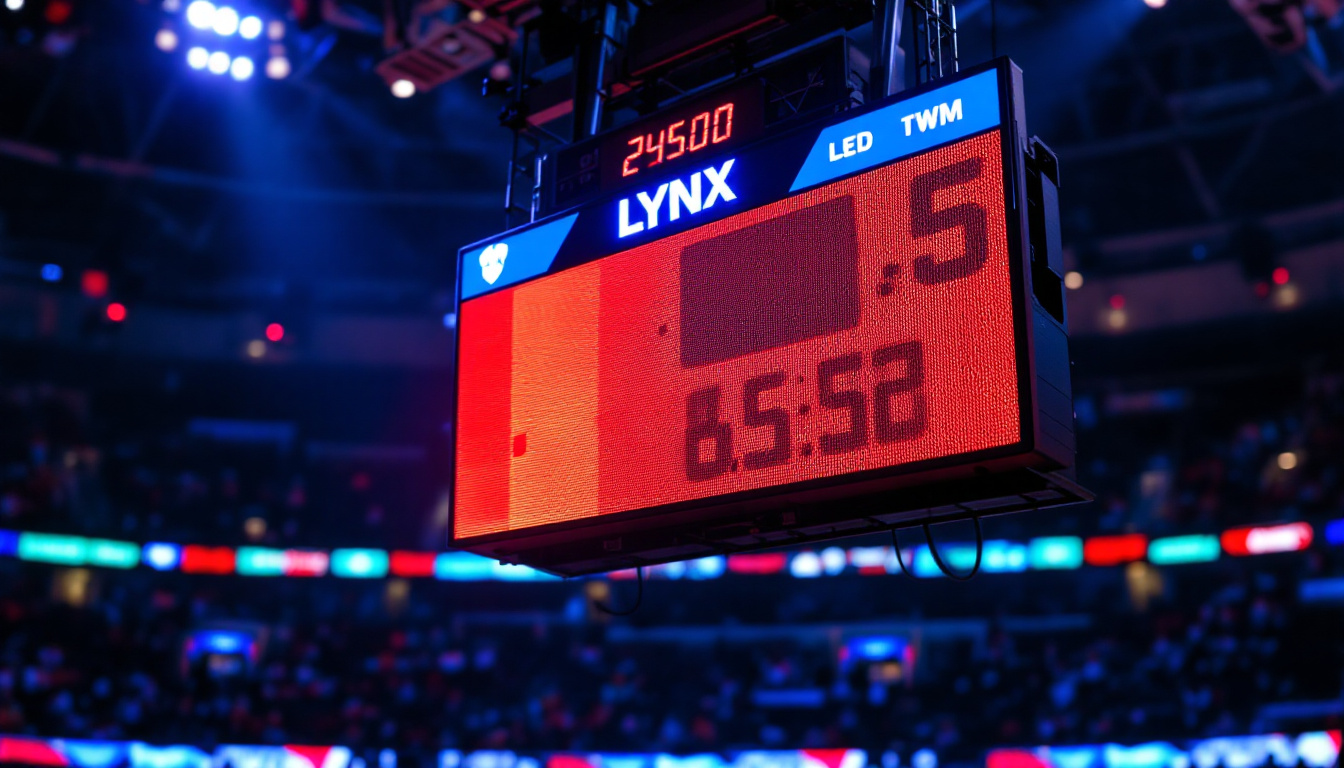
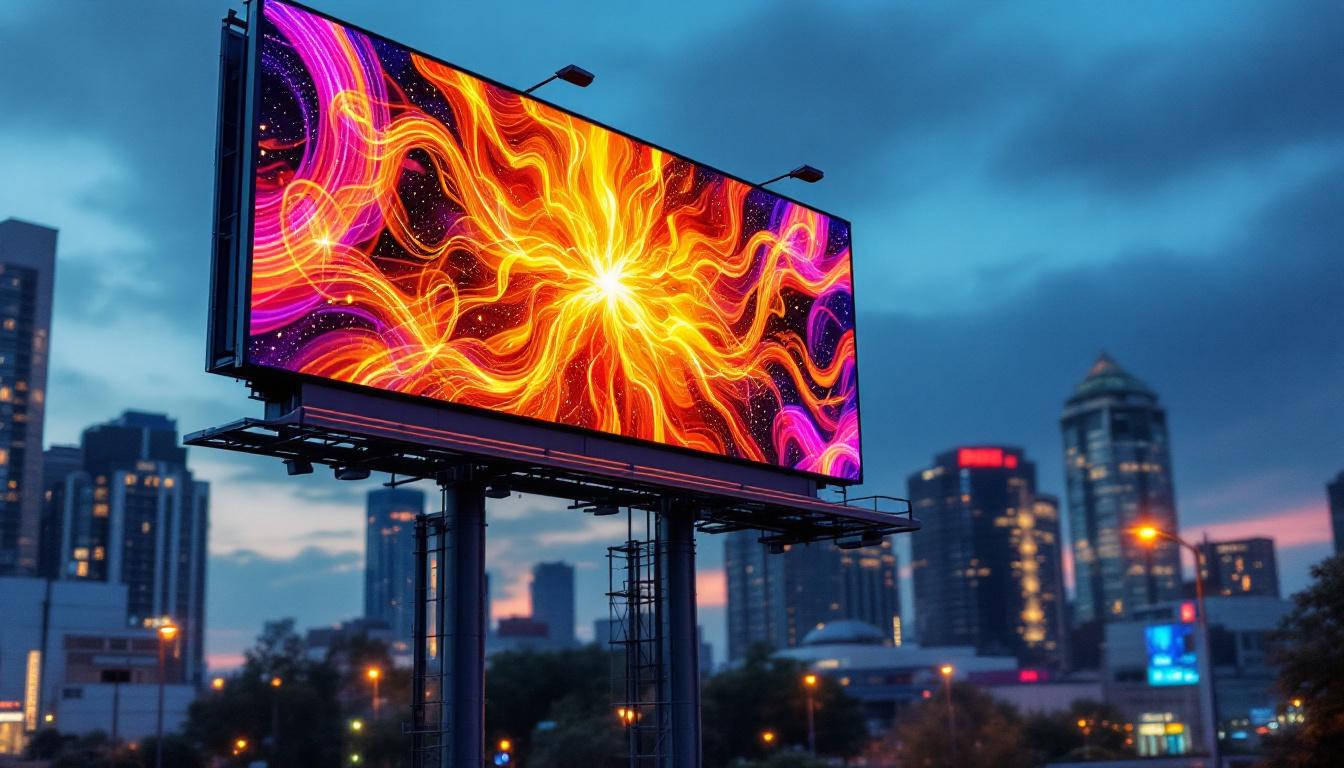
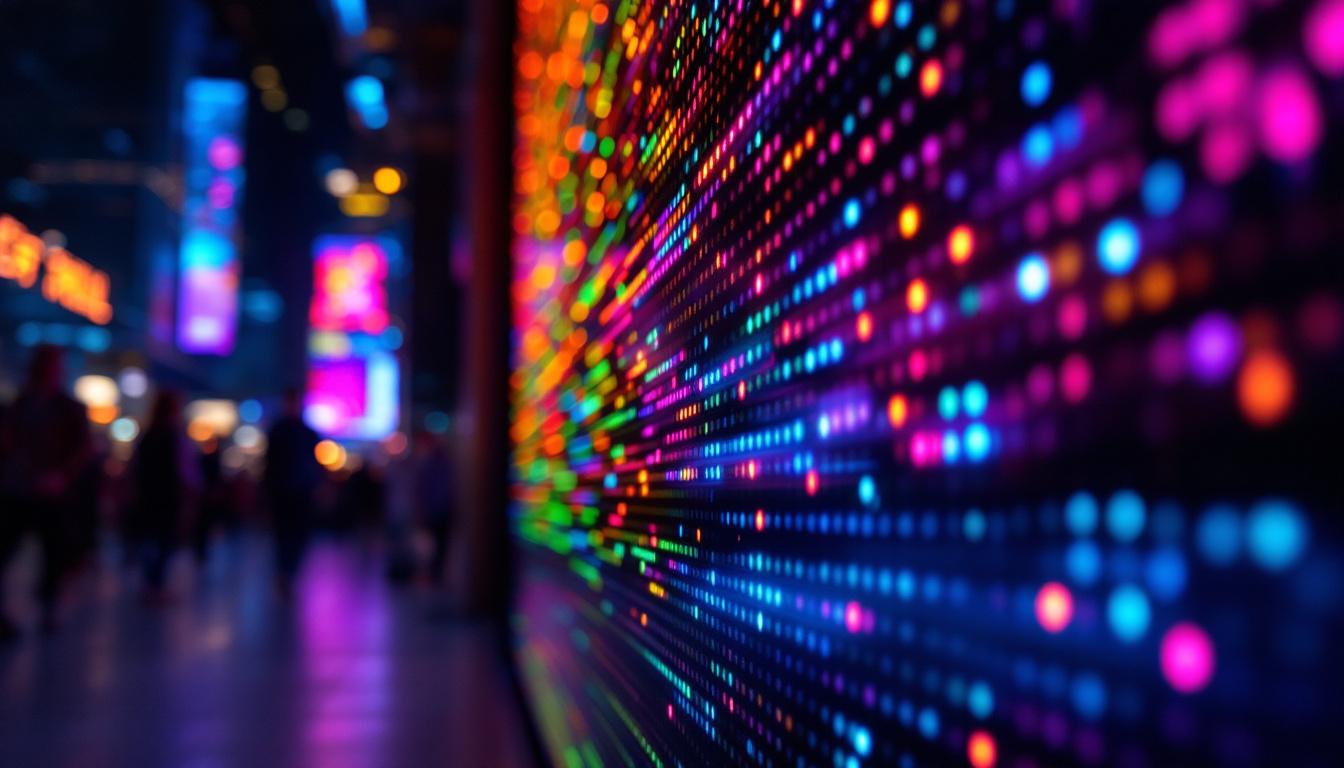
Modern LED displays range from small monitors to massive video walls used in stadiums and commercial spaces. Their modular nature allows for flexible sizing and shapes, making them adaptable to a variety of environments.
Advantages of LED Displays
One of the most significant benefits of LED displays is their brightness. They perform exceptionally well in well-lit rooms or outdoor settings where projectors might struggle due to ambient light interference. The direct light emission ensures images remain clear and vivid regardless of lighting conditions.
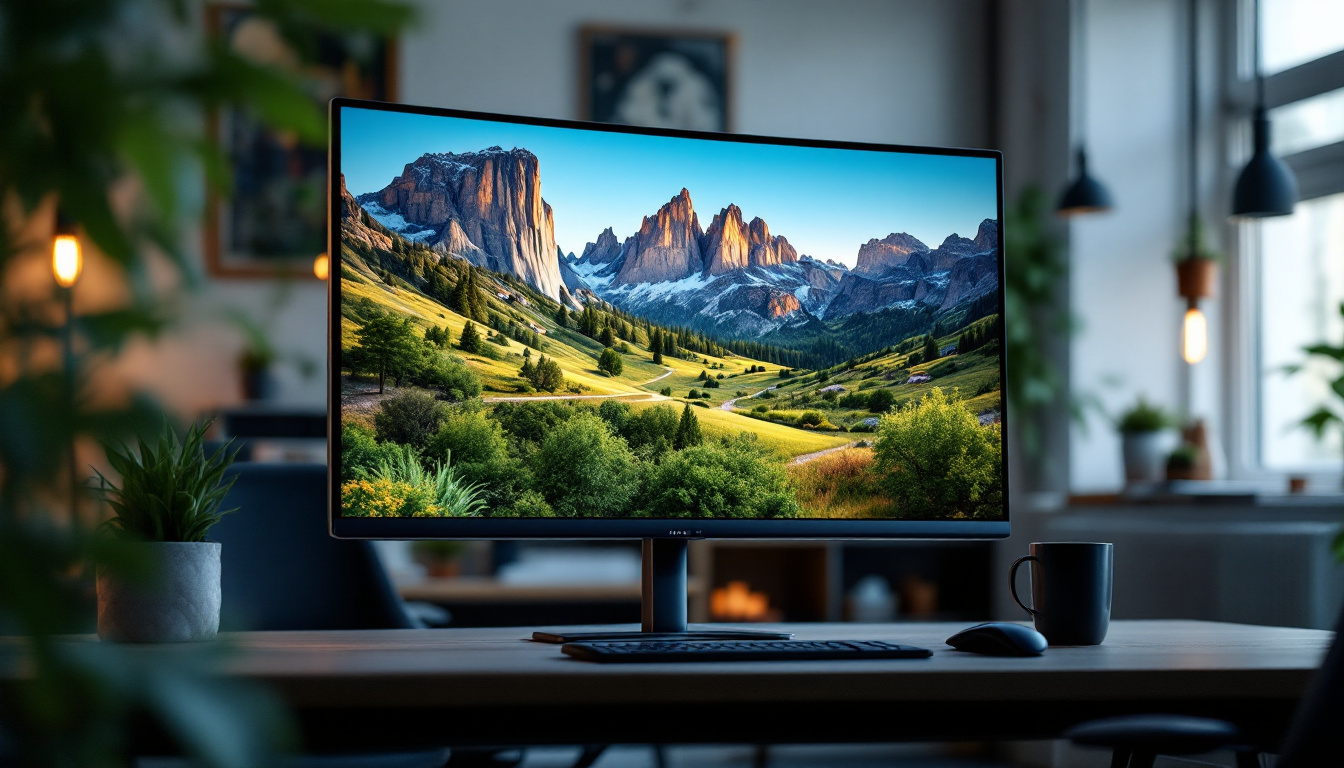
LED displays also offer superior color accuracy and faster refresh rates compared to traditional projector setups. This makes them ideal for dynamic content such as video playback, gaming, and digital signage. Additionally, LED panels require less maintenance since they don’t rely on bulbs that degrade over time.
Wall Mounting LED Displays
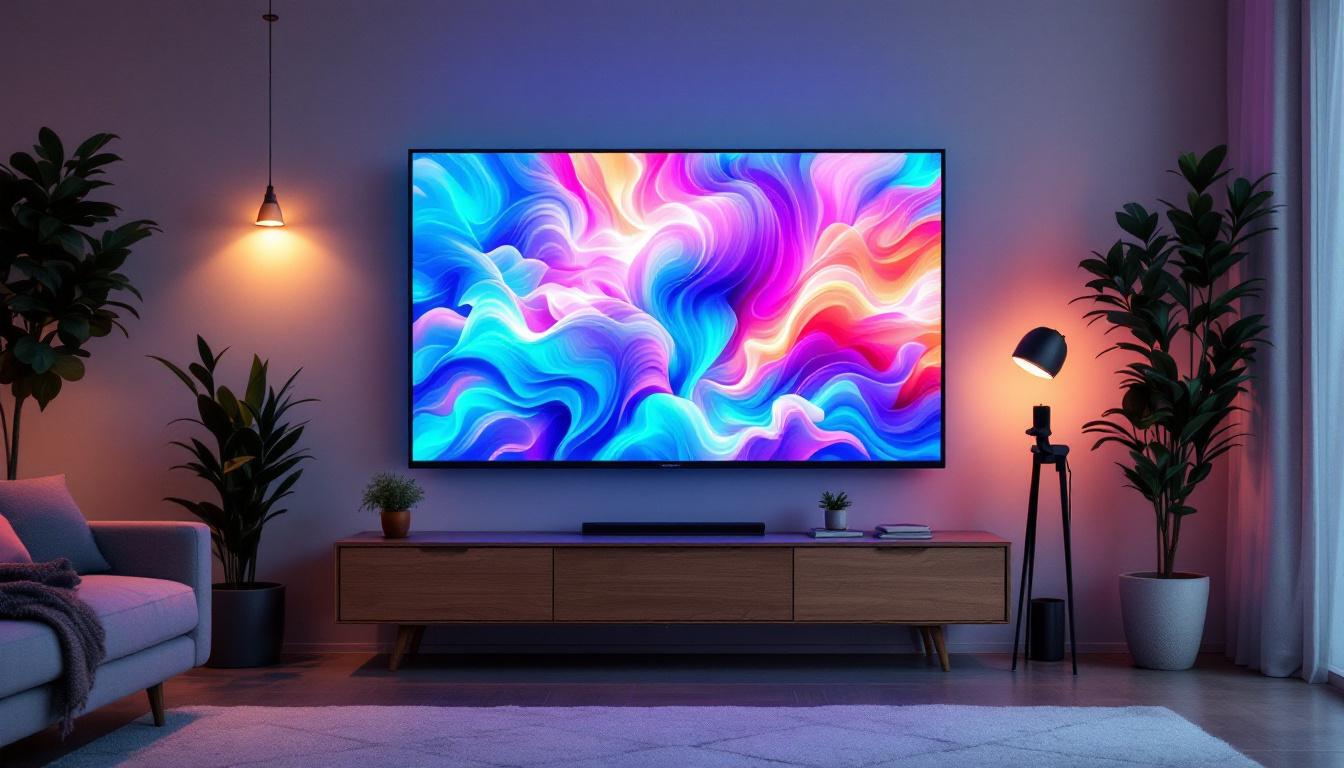
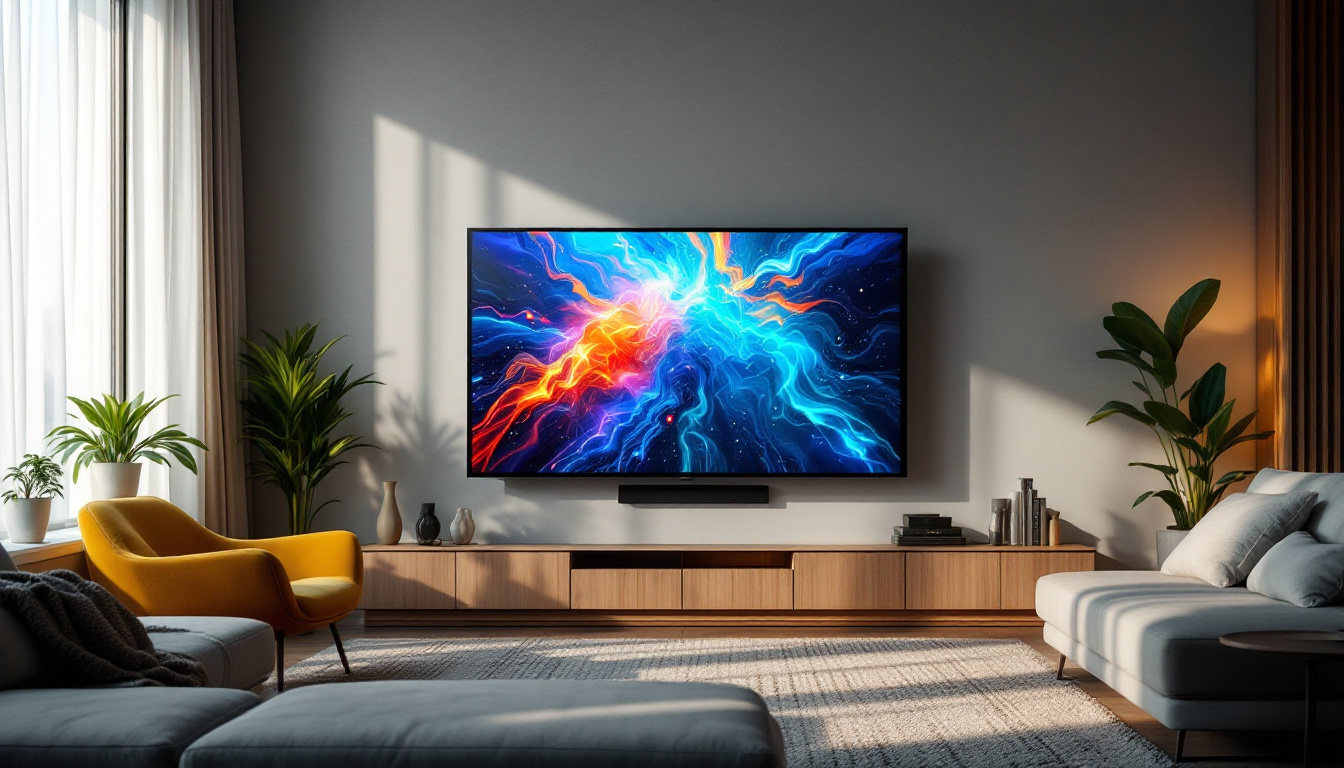
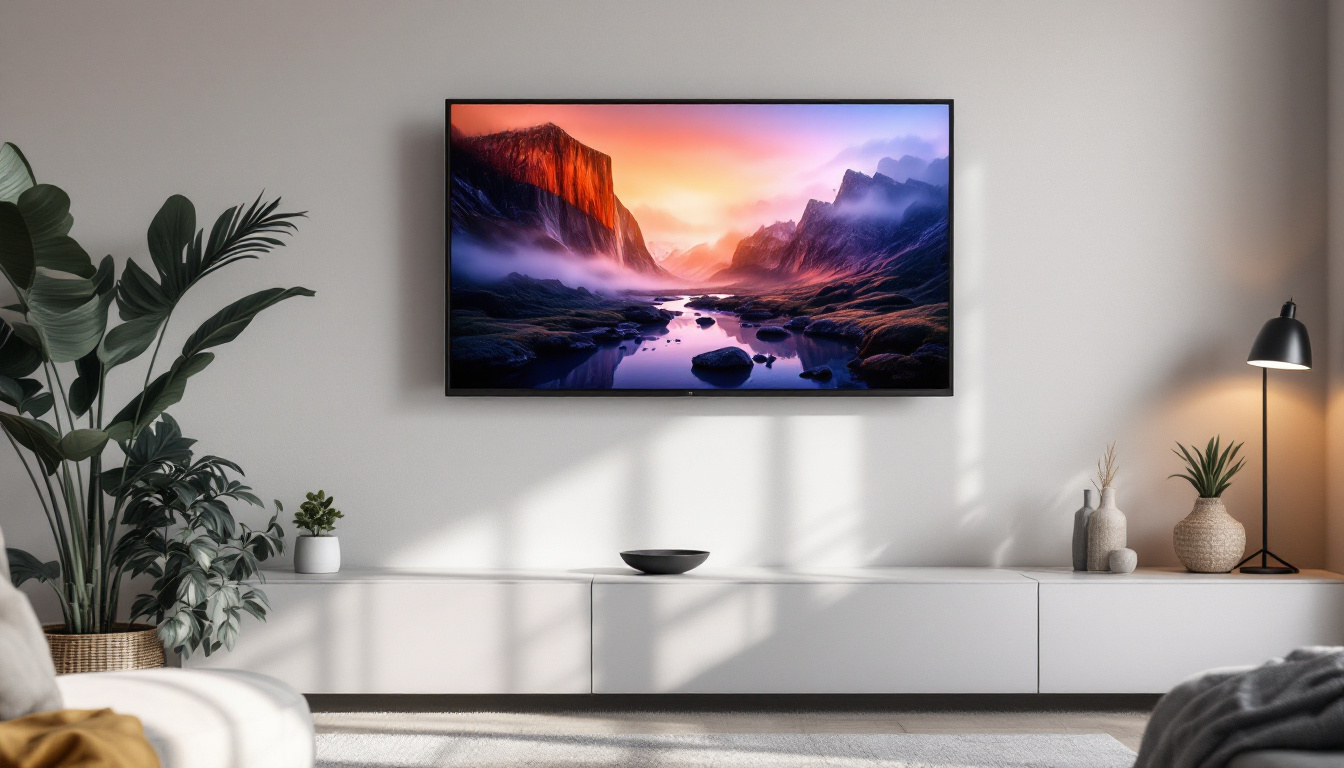
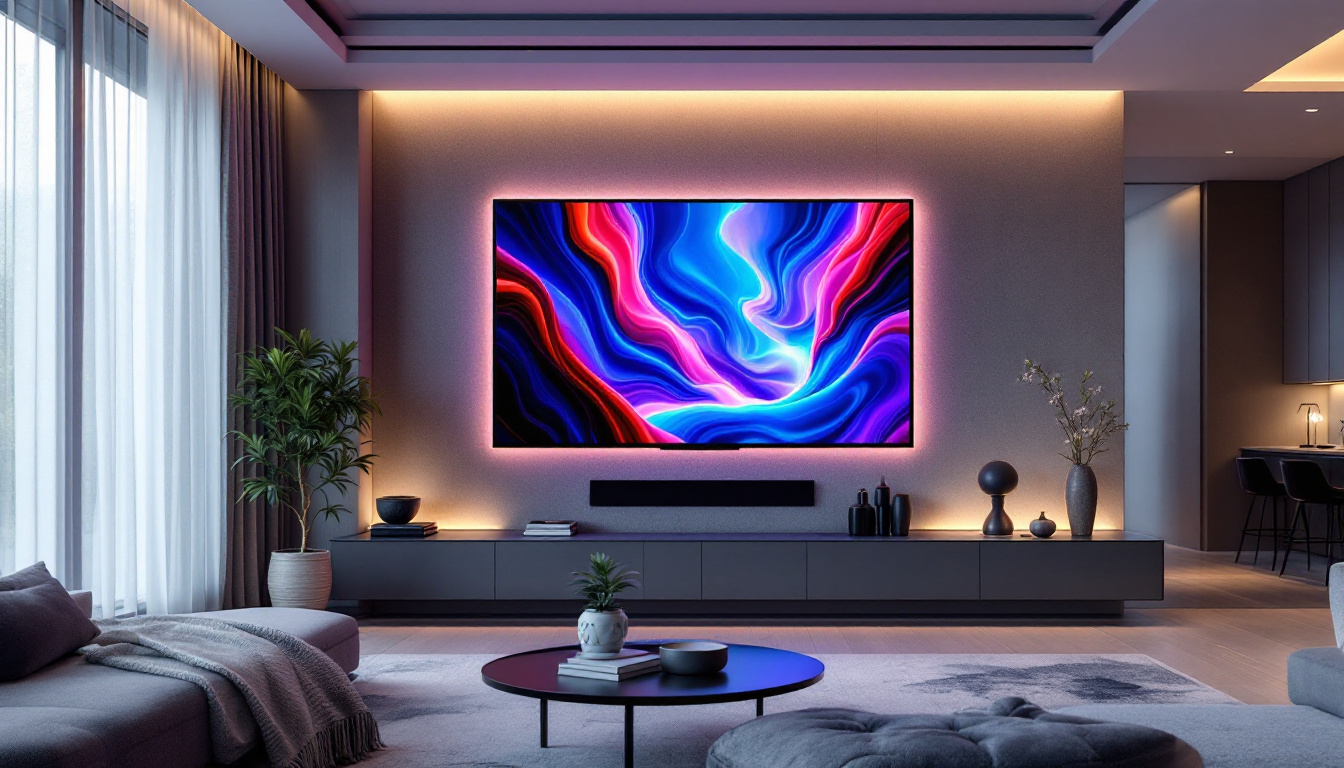
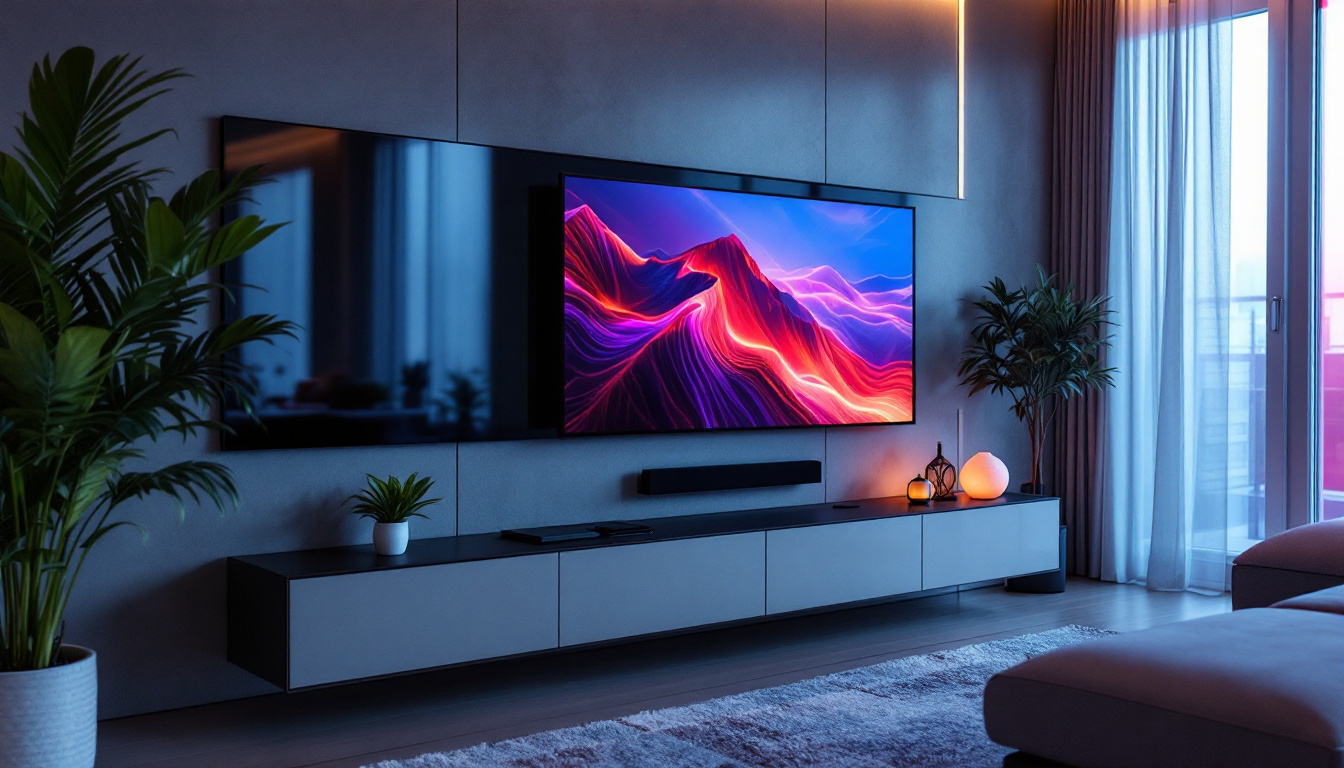
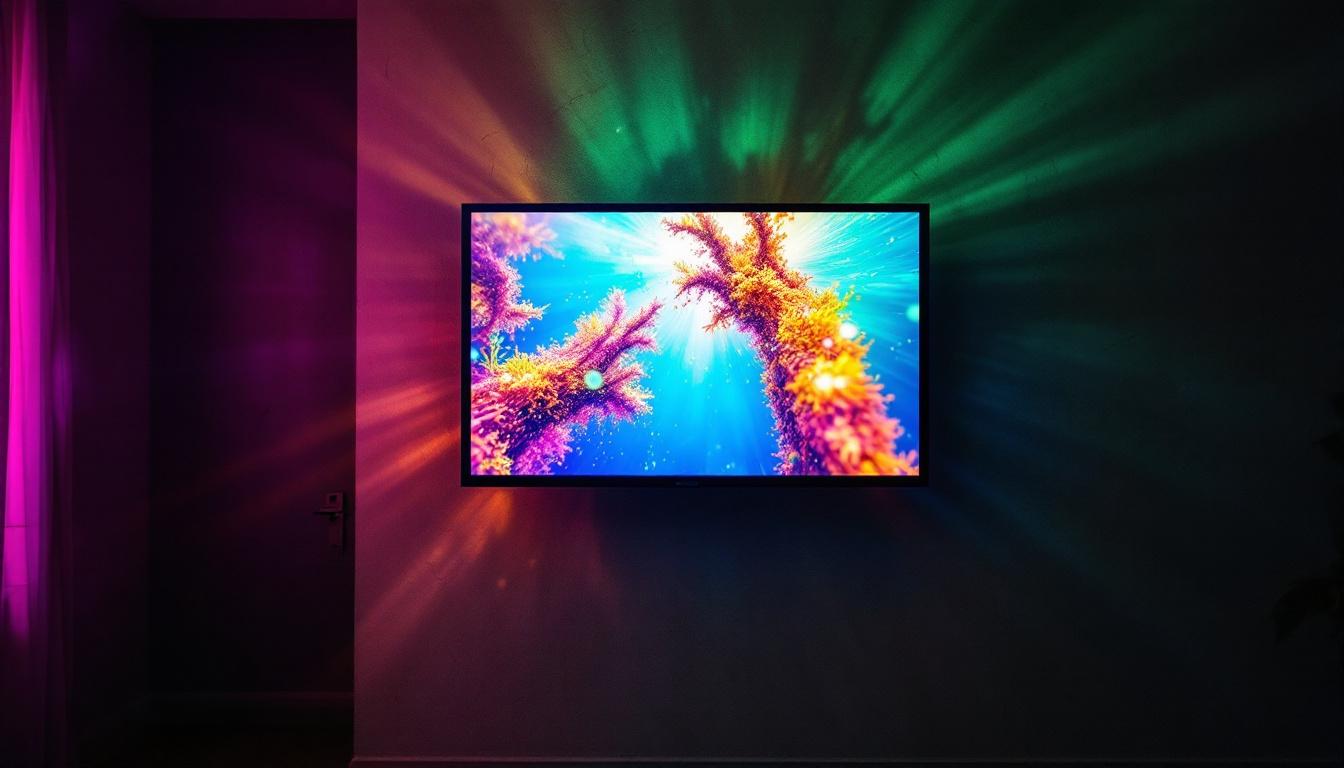
Wall mounting LED displays is a common practice, especially in commercial environments. These displays are typically installed using specialized mounting brackets that support their weight and allow for precise alignment. Because LED panels are relatively thin and lightweight compared to projector screens, they offer a sleek, modern appearance when mounted on walls.
Installation must consider ventilation and heat dissipation, as LED panels generate heat during operation. Proper spacing and airflow are essential to maintain performance and longevity. Furthermore, cabling for power and data must be managed carefully to preserve aesthetics and functionality.
Comparing Projector Screens and LED Displays
Image Quality and Viewing Experience
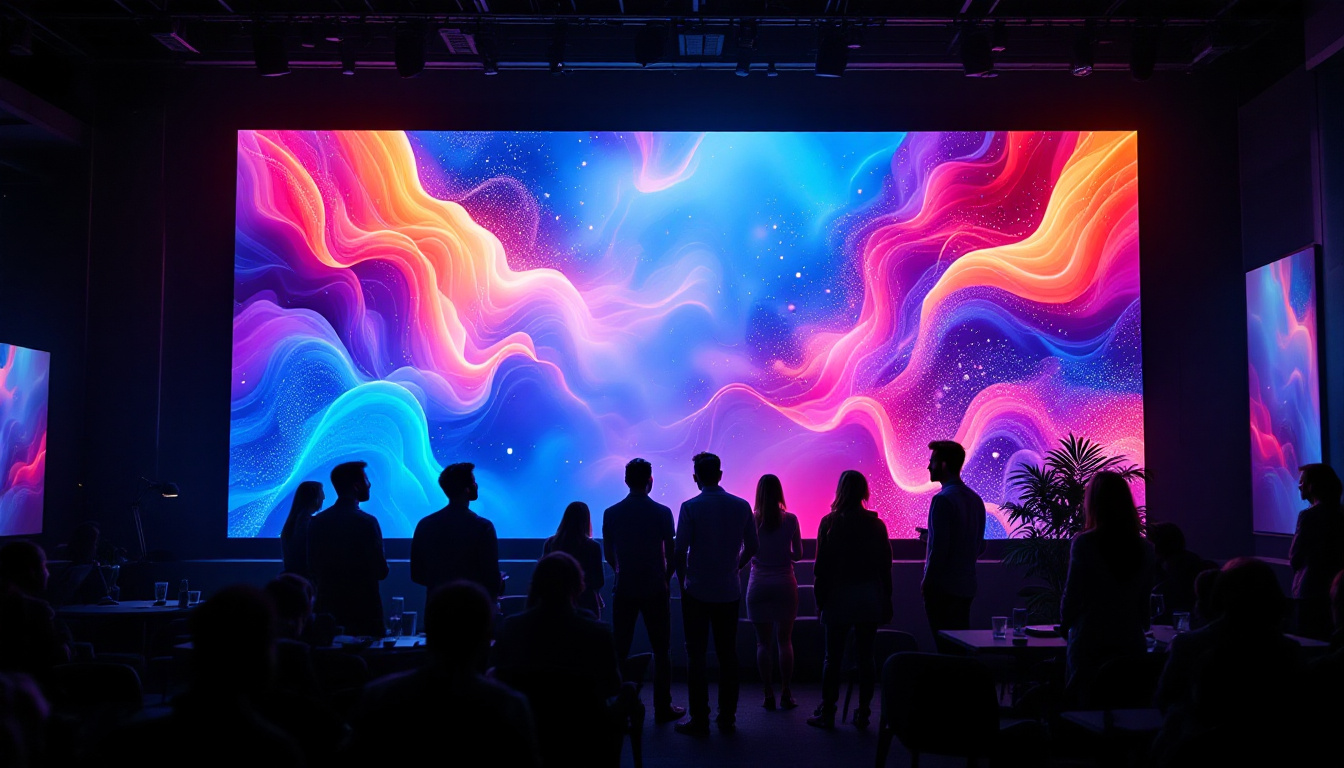
When it comes to image quality, LED displays generally outperform projector screens in brightness, contrast, and color accuracy. This is particularly noticeable in environments with high ambient light. Projector screens, however, can offer larger image sizes at a lower cost, making them suitable for expansive viewing areas like auditoriums or home theaters.
The viewing angle is another consideration. LED displays typically provide wide viewing angles with consistent color and brightness, whereas projector screens may experience color shifts and brightness loss when viewed from extreme angles.
Cost and Maintenance
Projector screen setups often have a lower initial cost, especially for larger image sizes. However, projectors require periodic maintenance such as bulb replacements and cleaning filters. Screens themselves are relatively low maintenance but can be susceptible to damage if not mounted properly.
LED displays come with a higher upfront investment but benefit from lower ongoing maintenance costs. Their longevity and durability make them cost-effective over time, particularly in commercial applications where reliability is critical.
Installation Flexibility
Projector screens offer more flexibility in terms of placement since the projector can be positioned at various distances and angles. This allows for creative room layouts and the possibility to switch between multiple screens. Wall-mounted projector screens, however, are fixed in place and require careful planning.
LED displays, while fixed once mounted, can be configured in modular arrays to create custom shapes and sizes. Their slim profile enables installation in tight spaces where projectors and screens might be impractical.
Choosing the Right Solution for Your Needs
Assessing Your Environment
Before deciding between a projector screen wall mount and an LED display, consider the environment where the display will be used. For rooms with controlled lighting and a desire for large-format images at a reasonable cost, a projector screen may be ideal. In contrast, spaces with bright lighting or outdoor settings benefit from the high brightness and durability of LED displays.
Acoustic considerations also play a role. Projectors can be noisy, which might be disruptive in quiet environments. LED displays operate silently, making them preferable for conference rooms, classrooms, and retail spaces.
Purpose and Usage Patterns
The intended use of the display influences the choice significantly. For presentations, lectures, or cinema-like experiences, projector screens provide a traditional and immersive viewing option. For dynamic content delivery, advertising, or interactive displays, LEDs offer superior performance and flexibility.
Consider also the frequency of use. If the display will be used daily or for extended periods, the durability and low maintenance of LED displays may justify the higher initial cost.
Budget and Long-Term Investment
Budget constraints often dictate the choice between these technologies. Projector screen setups are generally more affordable upfront but may incur higher maintenance costs over time. LED displays require a larger initial investment but offer longevity and reduced operational expenses.
Evaluating total cost of ownership, including installation, maintenance, and potential upgrades, is essential for making a financially sound decision.
Installation Best Practices and Tips
Ensuring Proper Wall Mounting
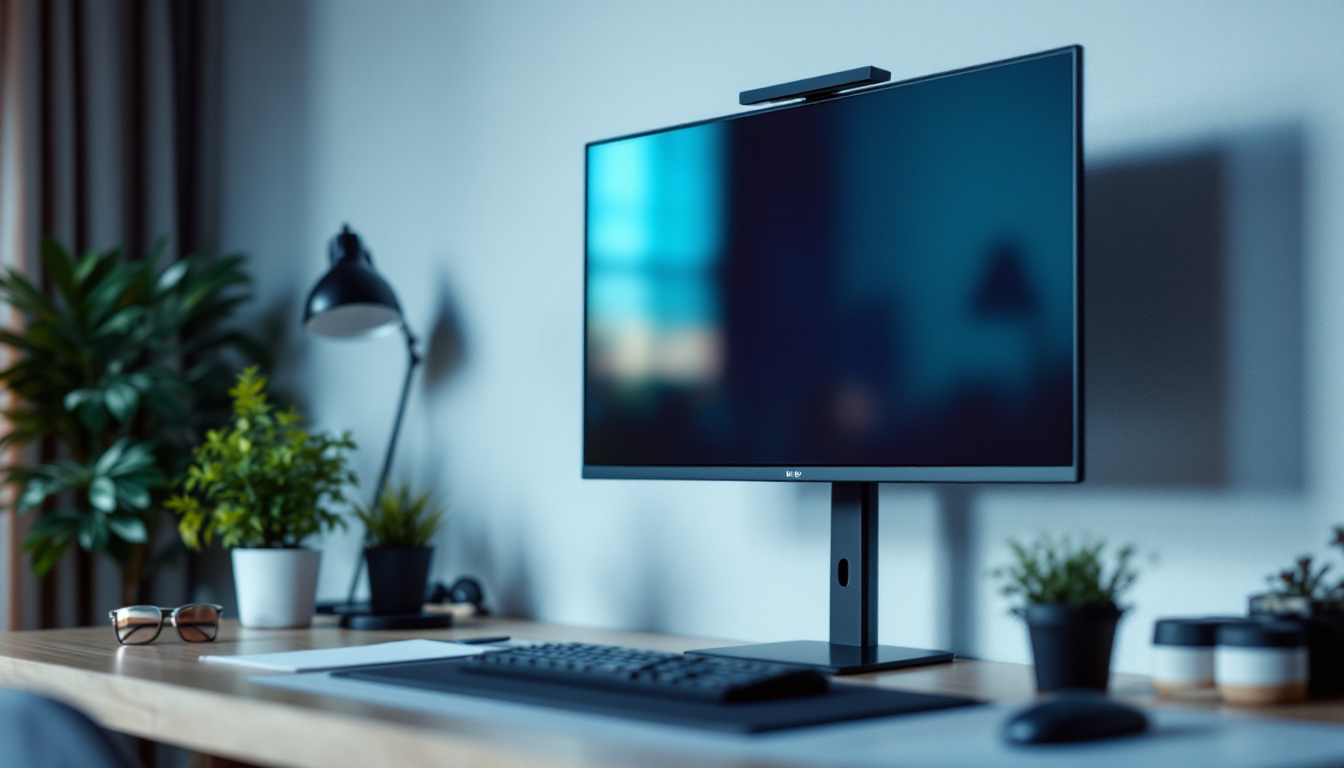
Whether installing a projector screen or an LED display, the integrity of the wall mount is paramount. Use appropriate anchors and hardware rated for the weight and size of the screen or display. Stud finders and level tools help achieve a secure and perfectly aligned installation.
For projector screens, ensure the mount allows for easy access to the screen for maintenance and adjustments. For LED displays, plan cable management carefully to avoid clutter and potential damage.
Optimizing Viewing Angles and Height
The ideal height for mounting a projector screen or LED display depends on the typical viewer’s eye level and the size of the audience. Screens should be positioned so that the center of the image is roughly at eye level for seated viewers to minimize neck strain and maximize comfort.
Consider the room’s layout and seating arrangement to ensure all viewers have an unobstructed view. For larger audiences, tiered seating or multiple displays may be necessary.
Integrating with Other AV Equipment
Modern installations often involve integrating the display with sound systems, control panels, and networked devices. Ensure that the wall mount setup accommodates cabling for HDMI, power, and control signals without compromising aesthetics or functionality.
Smart home or building automation systems can enhance the user experience by enabling centralized control of screen deployment, lighting, and audio, particularly when using motorized projector screens or networked LED displays.
Future Trends in Display Technology
Advancements in LED Technology
LED displays continue to evolve with innovations such as MicroLED and MiniLED technologies, which offer even higher resolution, brightness, and energy efficiency. These advancements are making LED displays more accessible for home theaters and smaller venues, challenging traditional projector setups.
Flexible and transparent LED panels are also emerging, allowing for creative architectural integrations and new applications in retail and advertising.
Hybrid Solutions and Smart Integration
Hybrid display systems that combine projection with LED elements are being developed to leverage the strengths of both technologies. Additionally, AI-driven content optimization and adaptive brightness controls are enhancing user experiences across all display types.
Smart mounts with IoT connectivity enable predictive maintenance and remote diagnostics, reducing downtime and improving reliability.
Conclusion
Choosing between a projector screen wall mount and an LED display depends on various factors including environment, usage, budget, and desired image quality. Projector screens offer cost-effective large-format viewing with flexible placement options, while LED displays provide superior brightness, color accuracy, and durability, especially in challenging lighting conditions.
Understanding the technical aspects and installation requirements of each option will help ensure a successful setup that meets your specific needs. As display technology advances, staying informed about emerging trends can also provide opportunities to enhance your visual experience in the future.
Whether outfitting a home theater, conference room, or commercial space, the right choice will maximize both performance and satisfaction for years to come.
Discover LumenMatrix’s Advanced LED Display Solutions
Ready to elevate your visual experience with the latest in LED display technology? LumenMatrix is at the forefront of innovation, offering a wide range of LED display solutions tailored to your unique needs. From captivating Indoor and Outdoor LED Wall Displays to dynamic Vehicle and Sports LED Displays, our products are designed to enhance brand visibility and engage your audience. Experience the future of visual communication with our Custom, All-in-One, and Transparent LED Displays. Check out LumenMatrix LED Display Solutions today and transform your space into a vibrant canvas of possibilities.