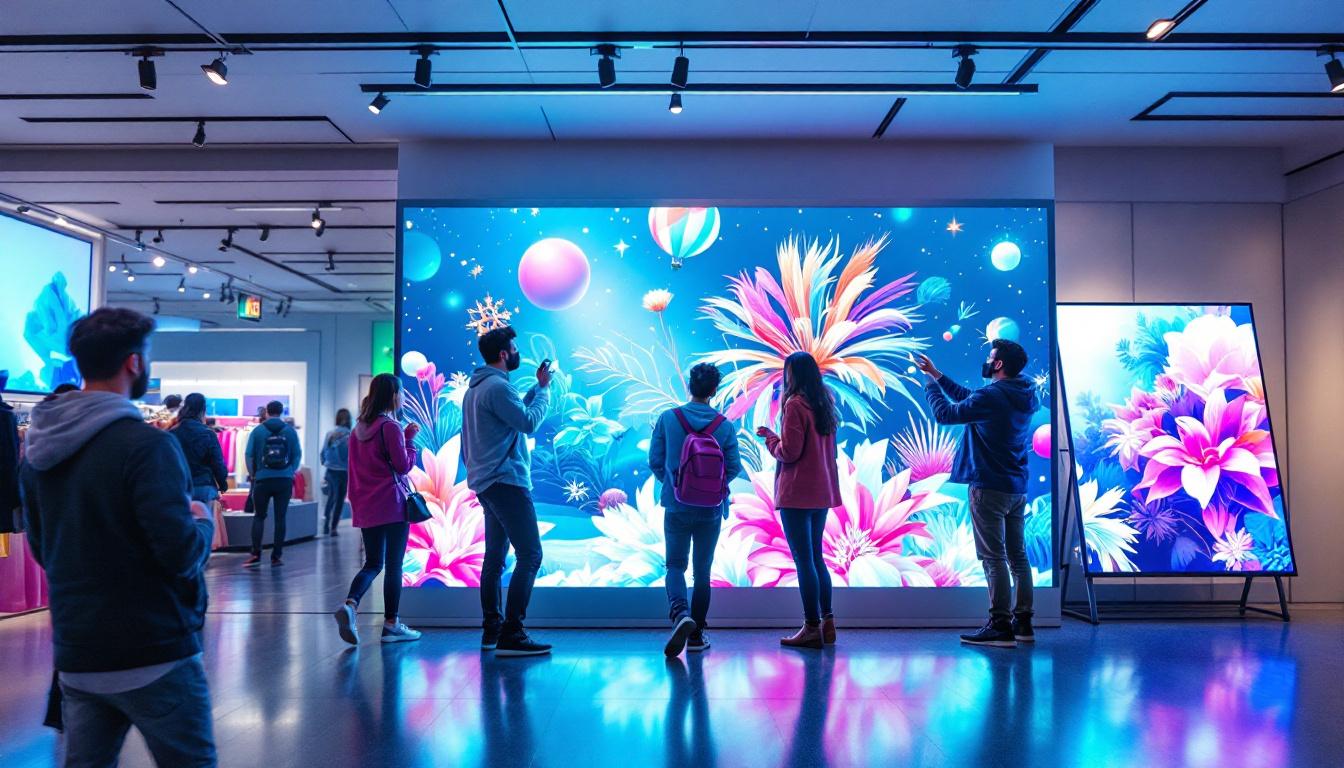
In the rapidly evolving retail landscape, digital technology has become a cornerstone of effective customer engagement. Among the various tools available, in-store digital screens using LED display technology stand out for their vibrant visuals, flexibility, and ability to captivate shoppers. This article explores the fundamentals of LED displays, their advantages in retail environments, and how businesses can leverage them to enhance the shopping experience and drive sales.
Understanding LED Display Technology
What is an LED Display?
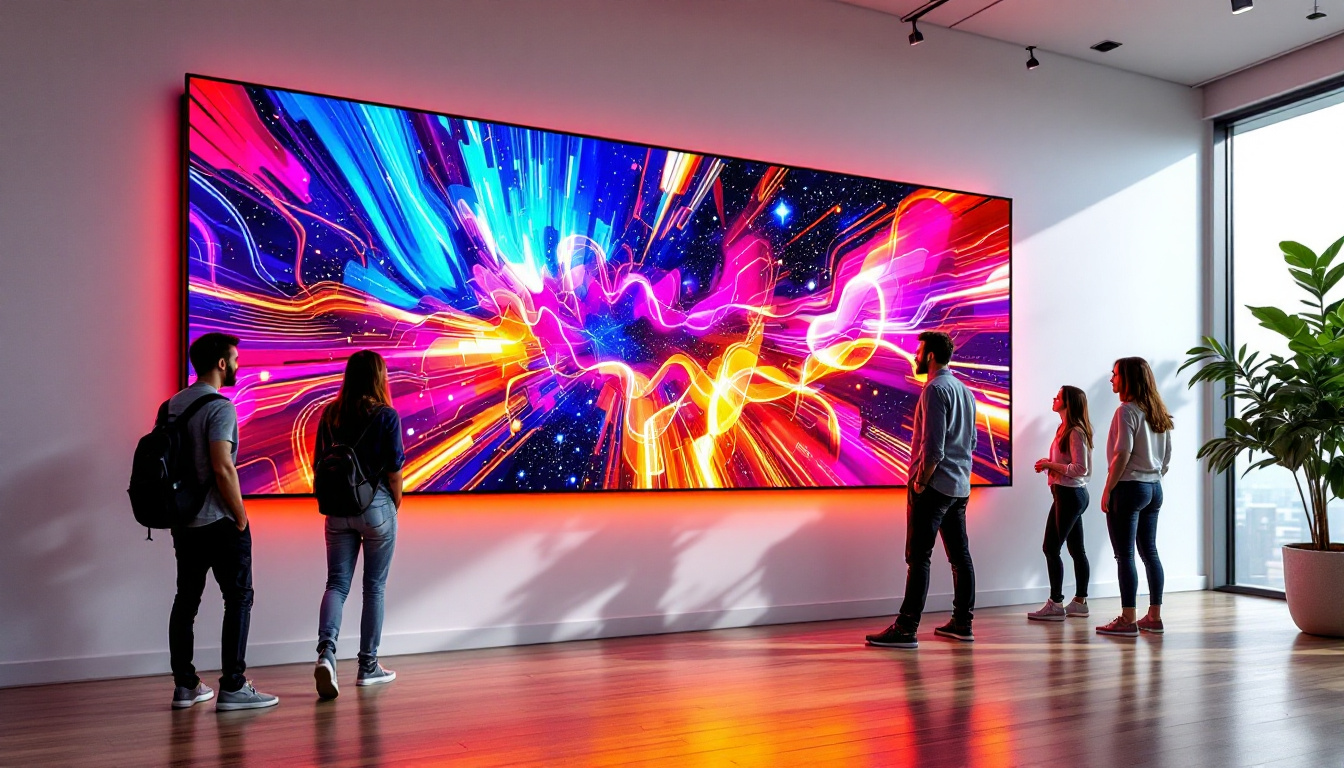
LED, or Light Emitting Diode, displays are screens that use tiny light-emitting diodes to create images and videos. Unlike traditional LCD or plasma screens, LEDs provide brighter, more vivid colors and deeper contrasts. The technology involves an array of LEDs arranged in a grid, which can be controlled individually to display dynamic content with exceptional clarity.
LED displays are available in various forms, including direct-view LED panels and LED-backlit LCDs, but in-store digital screens typically utilize direct-view LED technology for its superior brightness and viewing angles. This makes LED displays ideal for retail spaces where lighting conditions can vary significantly throughout the day. Furthermore, their energy efficiency is a significant advantage, as they consume less power compared to older display technologies, making them not only a cost-effective choice but also an environmentally friendly option for businesses looking to reduce their carbon footprint.
How Do LED Displays Work?
Each LED in the display acts as a tiny pixel, emitting red, green, or blue light. By adjusting the intensity of these colors, the screen can produce a full spectrum of colors. The LEDs are controlled by a processor that sends signals to light up specific diodes at precise brightness levels, forming images, text, or video content.
Modern LED displays often use surface-mounted device (SMD) technology, where red, green, and blue diodes are combined into a single pixel unit. This design allows for higher pixel density and better image resolution, which is crucial for close-up viewing in retail environments. Additionally, advancements in LED technology have led to the development of flexible displays that can be curved or shaped to fit unique spaces, enhancing aesthetic appeal and allowing for creative installations that capture consumer attention. As a result, businesses are increasingly leveraging these innovative displays not just for advertising, but also for immersive experiences that engage customers in new and exciting ways.
Benefits of LED Displays in Retail Stores
Enhanced Visual Impact and Engagement
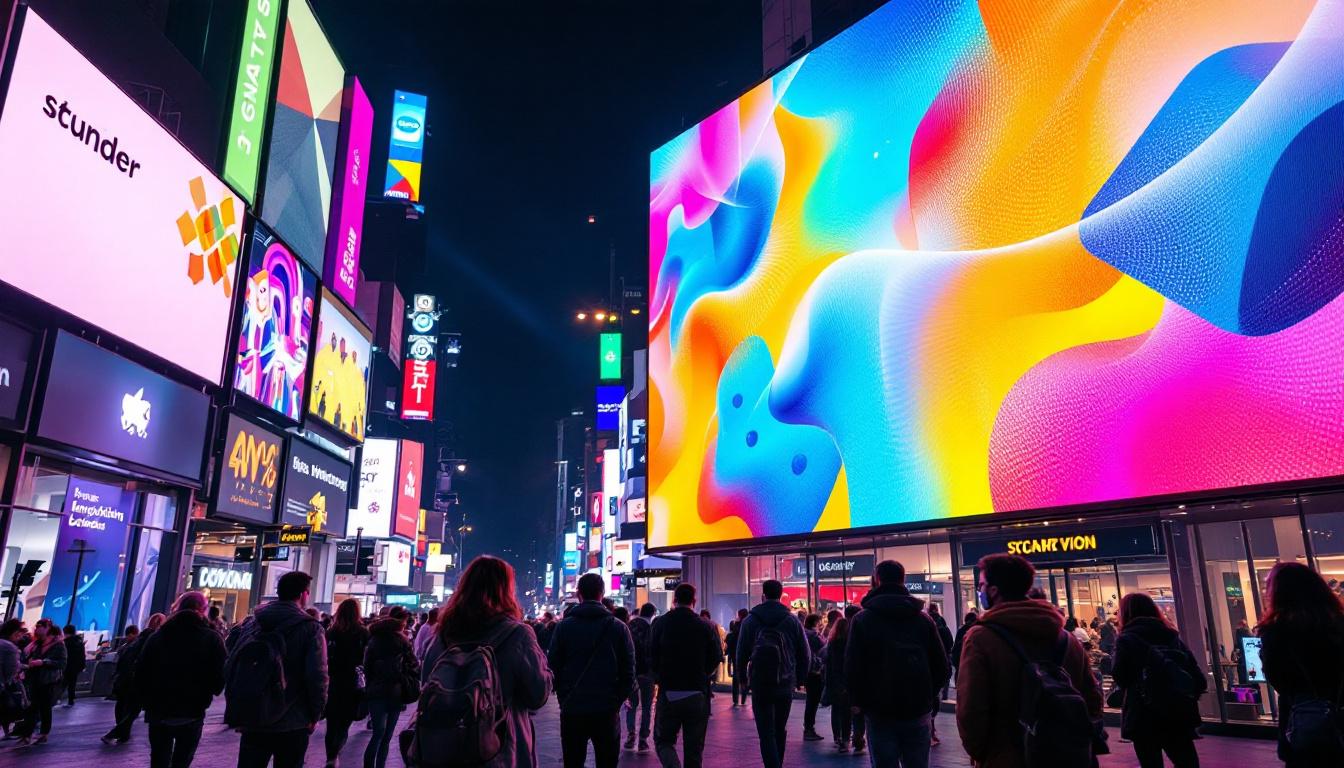
One of the most significant advantages of LED displays is their ability to attract attention. Studies show that digital signage can increase customer engagement by up to 30%, compared to static signage. The brightness and vibrant colors of LED screens ensure that promotional messages stand out, even in brightly lit or visually cluttered environments.
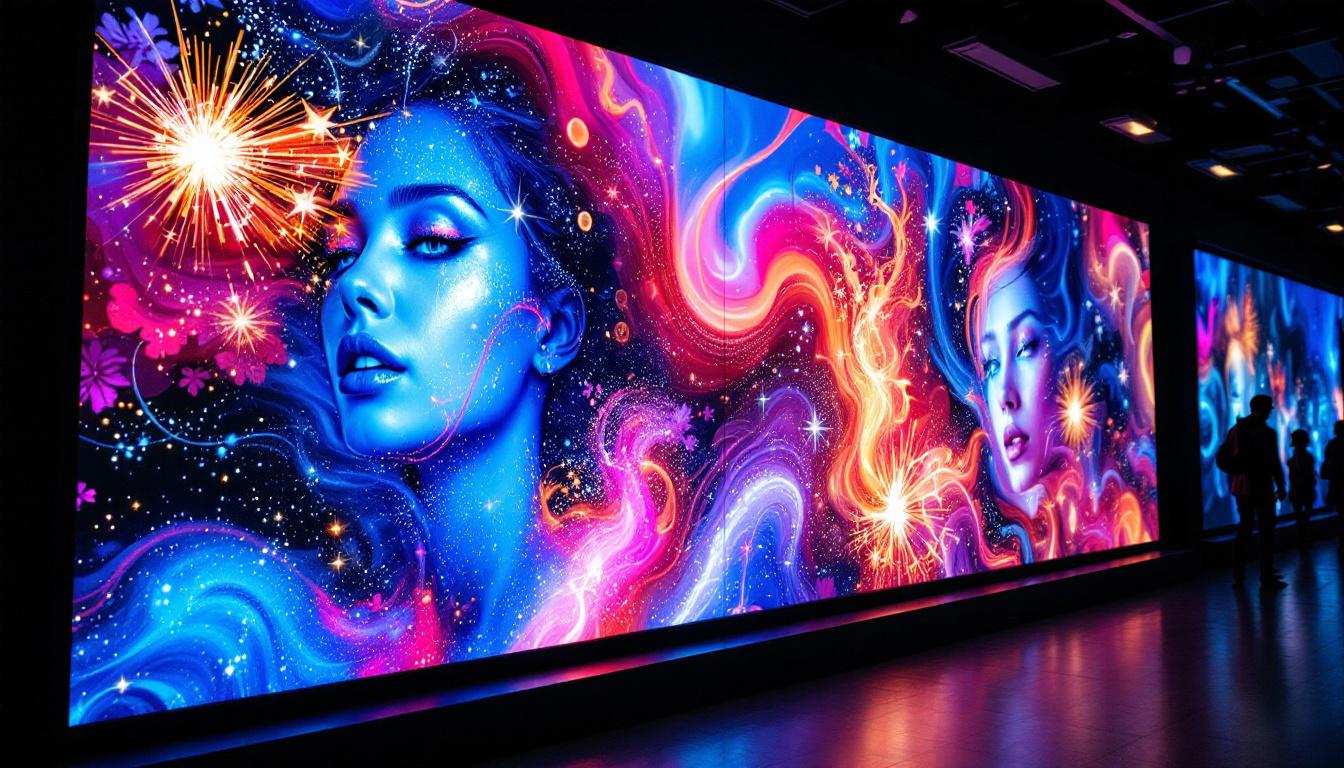
Dynamic content, such as videos, animations, and real-time updates, can be displayed seamlessly, making the shopping experience more interactive and memorable. This visual appeal helps to draw customers into the store and encourages them to explore products more thoroughly. Furthermore, the use of captivating visuals can evoke emotions and create a connection with the brand, enhancing customer loyalty. Retailers can leverage storytelling through their displays, showcasing the journey of a product or the values of the brand, which can resonate deeply with shoppers and influence their purchasing decisions.
Flexibility and Content Control
LED displays offer unparalleled flexibility in content management. Retailers can update promotions, pricing, and product information instantly across multiple screens from a centralized system. This capability is particularly valuable for chains with numerous locations, ensuring consistent messaging and rapid response to market trends or inventory changes.
Moreover, content can be scheduled to display at specific times of the day or week, allowing for targeted marketing campaigns. For example, a store can promote breakfast items in the morning and switch to dinner specials in the evening without manual intervention. This level of control also extends to seasonal promotions and events, enabling retailers to quickly adapt their messaging to align with holidays or local happenings, thereby maximizing relevance and engagement with their audience.
Energy Efficiency and Longevity
Compared to traditional lighting and display technologies, LED screens are highly energy-efficient. They consume less power while delivering superior brightness, which translates into lower operational costs for retailers. Additionally, LEDs have a long lifespan, often exceeding 50,000 hours, reducing maintenance and replacement expenses.
This durability makes LED displays a cost-effective investment for stores aiming to modernize their in-store marketing infrastructure without incurring frequent upkeep costs. Furthermore, the reduced energy consumption contributes to a smaller carbon footprint, aligning with the growing consumer preference for environmentally responsible brands. Retailers can proudly promote their use of sustainable technologies, appealing to eco-conscious shoppers and enhancing their brand image in a competitive marketplace.
Types of LED Displays Used in Retail Environments
Indoor vs. Outdoor LED Displays
Retailers must choose between indoor and outdoor LED displays based on their intended use. Indoor LED screens are designed for controlled lighting environments and typically have higher pixel density for close-up viewing. They are perfect for in-store promotions, digital price tags, and interactive kiosks.
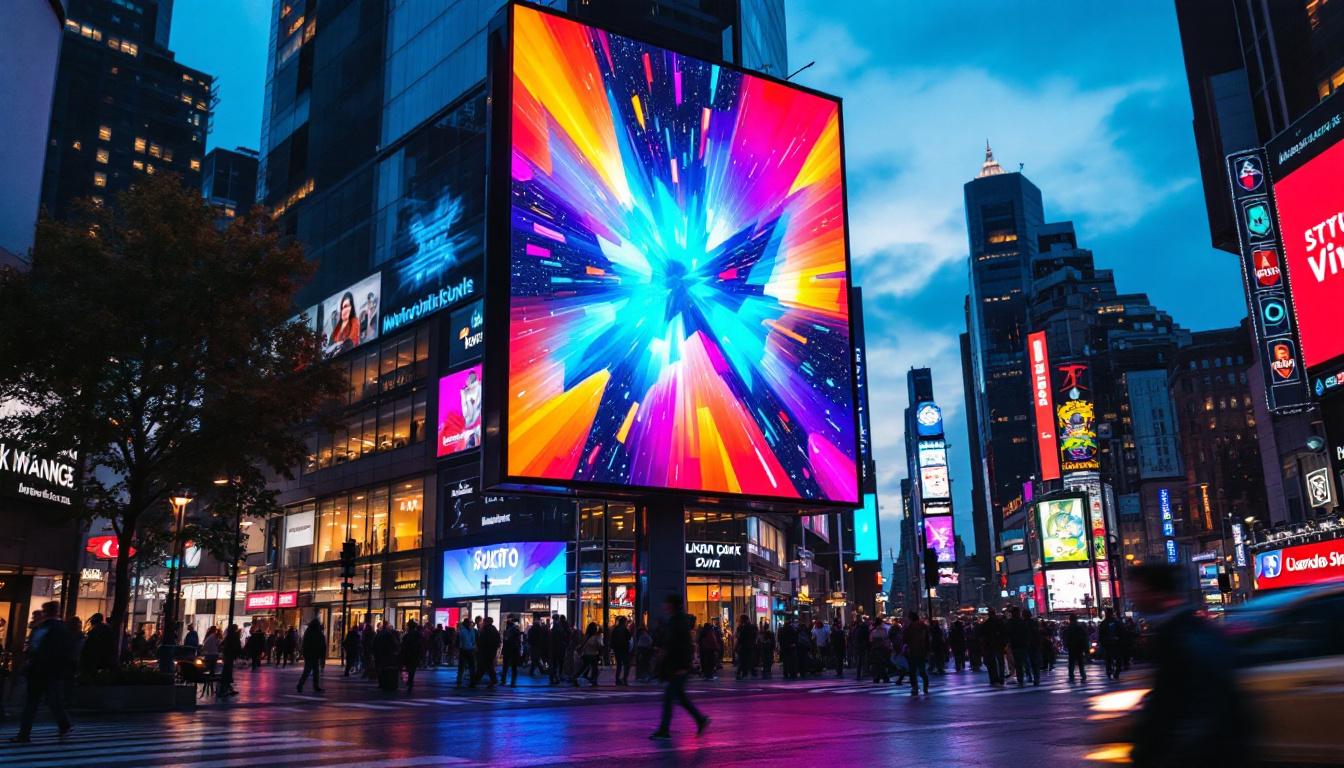
Outdoor LED displays, on the other hand, are built to withstand weather conditions and have much higher brightness levels to remain visible in direct sunlight. These are commonly used for storefront signage or digital billboards to attract foot traffic.
Fixed vs. Flexible LED Screens
Fixed LED screens are rigid panels installed in a permanent location within the store. They are ideal for large video walls or digital menu boards. Flexible LED screens, which can be curved or shaped, offer creative possibilities for unique store designs and immersive customer experiences.
For example, a cosmetics retailer might use a curved LED display to create a futuristic vanity mirror that showcases product tutorials and customer reviews, blending technology with aesthetics.
Transparent LED Displays
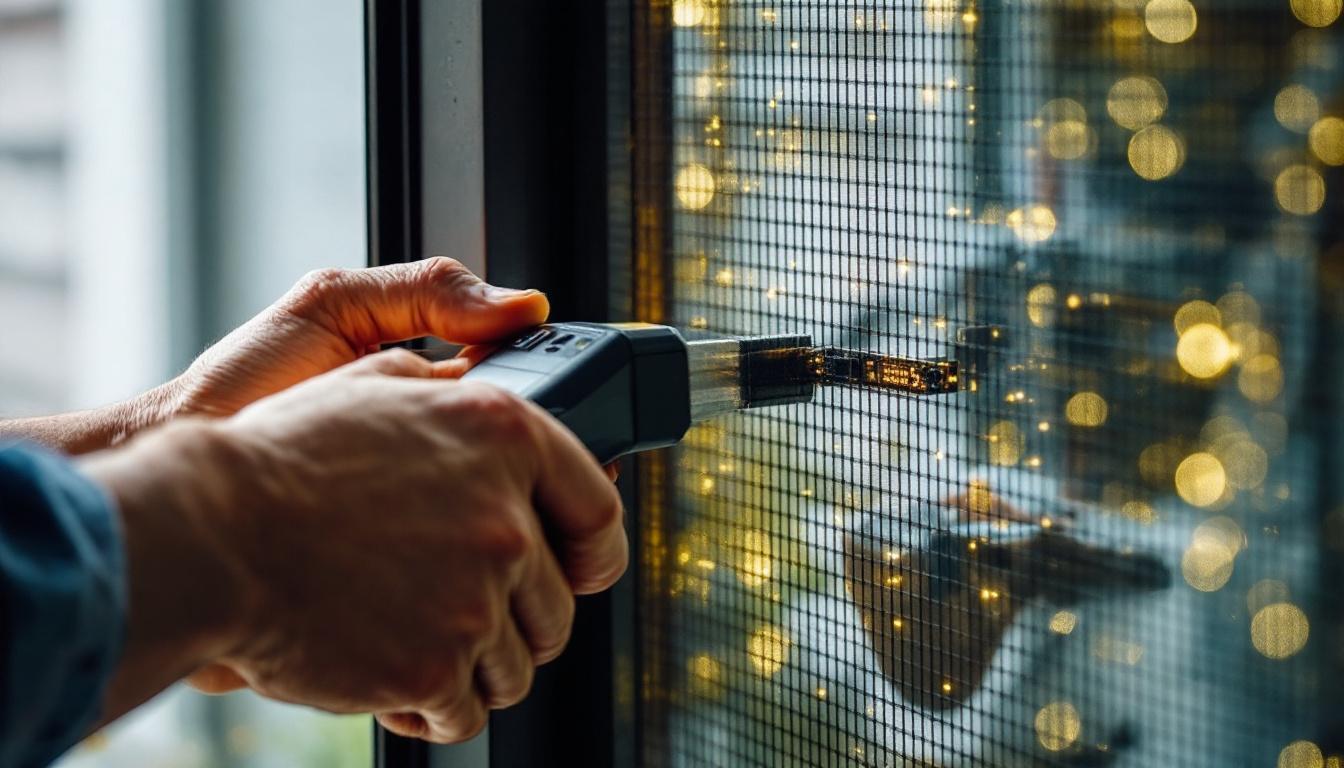
Transparent LED displays are an innovative solution that allows retailers to integrate digital content without obstructing the view through store windows or glass walls. These displays can show vibrant images and videos while maintaining transparency, making them perfect for window displays that engage passersby without blocking natural light.
This technology is gaining popularity as it combines advertising with architectural elegance, enhancing store visibility and appeal.
Implementing LED Displays: Best Practices for Retailers
Strategic Placement and Size Considerations
To maximize the impact of LED displays, retailers should carefully consider their placement within the store. High-traffic areas such as entrances, checkout counters, and product aisles are prime locations for digital signage. The size of the screen should correspond to the viewing distance; larger screens are suitable for spacious areas, while smaller, high-resolution screens work well for close-up interactions.
Additionally, positioning screens at eye level ensures better visibility and engagement. Retailers should also avoid placing screens where glare or reflections might diminish image quality.
Content Strategy and Audience Targeting
Effective content is key to leveraging LED displays successfully. Retailers should develop a content strategy that aligns with their brand identity and customer preferences. This includes using high-quality visuals, clear messaging, and calls to action that encourage purchases or inquiries.
Personalization is another powerful tactic. By integrating data analytics and customer insights, stores can tailor content to specific demographics or even individual shoppers, enhancing relevance and conversion rates.
Integration with Other Retail Technologies
LED displays can be integrated with other in-store technologies such as sensors, mobile apps, and point-of-sale systems to create a seamless shopping experience. For instance, motion sensors can trigger specific content when customers approach, or loyalty program data can be used to display personalized offers.
This interconnected approach not only improves customer engagement but also provides retailers with valuable data on shopper behavior and campaign effectiveness.
Challenges and Considerations When Using LED Displays
Initial Investment and Installation
While LED displays offer long-term benefits, the initial cost of purchasing and installing high-quality screens can be significant. Retailers need to evaluate their budget and expected return on investment carefully. Partnering with experienced vendors and installers ensures that the display is set up correctly and optimized for the store environment.
Content Management Complexity
Managing dynamic content across multiple screens requires dedicated software and sometimes specialized personnel. Retailers must ensure they have the right tools and training to maintain fresh, engaging content. Poorly managed digital signage can quickly become outdated or irrelevant, diminishing its effectiveness.
Technical Maintenance and Support
Although LED displays are durable, technical issues such as dead pixels, connectivity problems, or software glitches can occur. Establishing a maintenance plan and having access to prompt technical support minimizes downtime and keeps the displays functioning optimally.
Future Trends in In-Store LED Display Technology
Higher Resolution and Mini-LED Innovations
Advancements in LED technology continue to push the boundaries of resolution and image quality. Mini-LED and micro-LED displays offer even smaller pixel sizes, enabling ultra-high-definition visuals that enhance the shopper’s experience. These innovations will make digital signage more immersive and lifelike.
Interactive and Touch-Enabled LED Screens
Interactivity is becoming a standard feature in retail displays. Touch-enabled LED screens allow customers to browse product catalogs, customize items, or access additional information directly on the screen. This hands-on engagement fosters deeper connections between brands and consumers.
AI-Driven Content Personalization
Artificial intelligence is being integrated into digital signage systems to analyze shopper behavior and preferences in real time. AI can dynamically adjust content to maximize relevance and impact, creating a highly personalized shopping environment that drives loyalty and sales.
Conclusion
LED displays have revolutionized in-store marketing by combining striking visuals, flexibility, and technological innovation. For retailers aiming to enhance customer engagement, improve brand visibility, and increase sales, investing in LED digital screens is a strategic move. By understanding the technology, selecting the right type of display, and implementing effective content strategies, businesses can create compelling retail environments that resonate with today’s tech-savvy consumers.
As LED technology continues to advance, the opportunities for immersive and personalized retail experiences will only grow, making it essential for retailers to stay informed and adaptable in this dynamic digital age.
Discover LumenMatrix’s Innovative LED Solutions
Ready to transform your retail space with the latest in LED display technology? Look no further than LumenMatrix, a leader in creating visually stunning and technologically advanced LED display modules. From vibrant Indoor and Outdoor LED Wall Displays to dynamic Vehicle and Sports LED Displays, LumenMatrix offers a wide array of solutions tailored to your unique needs. Experience the future of visual communication with our Custom, All-in-One, and Transparent LED Displays, designed to captivate your audience and elevate your brand. Check out LumenMatrix LED Display Solutions today and step into a world where engagement and impact meet.