In today’s digital world, screens are everywhere—from smartphones and laptops to televisions and digital billboards. Among the most common display technologies are Liquid Crystal Displays (LCDs) and Light Emitting Diode (LED) displays. While these terms are often used interchangeably, understanding how they work individually and together is essential for appreciating the technology behind modern screens. This article delves into the mechanics of LCDs, the role of LED backlighting, and how these technologies combine to produce the vibrant displays we rely on daily.
“`html
Understanding Liquid Crystal Displays (LCDs)
What is a Liquid Crystal Display?
A Liquid Crystal Display, or LCD, is a flat-panel display technology that uses liquid crystals to modulate light and create images. Unlike traditional cathode ray tube (CRT) displays, LCDs are thin, lightweight, and energy-efficient, making them ideal for portable devices and large-screen TVs alike.
Liquid crystals themselves are a unique state of matter that exhibits properties between those of conventional liquids and solid crystals. They can flow like a liquid but have molecules oriented in a crystal-like structure. This orientation can be manipulated by electric fields, which is the fundamental principle behind LCD technology.
Since their inception, LCDs have revolutionized the way we view media and interact with technology. From the earliest portable calculators to modern smartphones and televisions, the evolution of LCD technology has been marked by significant advancements in color accuracy, refresh rates, and response times. This versatility has allowed LCDs to dominate the display market, providing consumers with a wide range of options for their viewing needs.
How Do Liquid Crystals Work in a Display?
At the core of an LCD panel are millions of tiny liquid crystal molecules sandwiched between two layers of polarized glass. When an electric current passes through these molecules, their orientation changes, affecting how they interact with light. This modulation controls the amount of light passing through each pixel, thereby creating images.
Each pixel in an LCD consists of three subpixels—red, green, and blue—that combine to produce a full spectrum of colors. By varying the voltage applied to the liquid crystals in each subpixel, the display can control the intensity of each color, resulting in the images and videos seen on the screen. The precision with which these subpixels can be controlled is crucial for achieving high-definition visuals, making LCDs a popular choice for everything from computer monitors to large-format displays in public spaces.
Moreover, advancements in LCD technology have led to the development of various types, such as Twisted Nematic (TN), In-Plane Switching (IPS), and Vertical Alignment (VA) panels, each offering distinct advantages in terms of color reproduction, viewing angles, and response times. This diversity allows manufacturers to tailor displays to specific applications, whether for gaming, professional graphic design, or casual viewing.
The Role of Polarizers and Filters
Polarizers are critical components in LCD technology. They are thin films that allow light waves of a specific polarization to pass through while blocking others. In an LCD, two polarizers are placed perpendicular to each other on either side of the liquid crystal layer. Without the liquid crystals, no light would pass through both polarizers, rendering the screen dark.
When the liquid crystals change orientation under an electric field, they rotate the polarization of the light passing through, allowing some or all of it to get through the second polarizer. This selective light transmission is what forms the visible image on the screen. Additionally, the quality of the polarizers used can significantly impact the display’s overall performance, influencing factors such as brightness, contrast ratio, and color fidelity. High-quality polarizers can enhance the viewing experience by reducing glare and improving visibility in various lighting conditions, making them an essential consideration in display design.
“`
The Importance of Backlighting in LCDs
Why LCDs Need Backlighting
Unlike emissive display technologies such as OLED (Organic Light Emitting Diode), LCDs do not generate their own light. Instead, they rely on external light sources to illuminate the screen. This is where backlighting comes into play. Without backlighting, the liquid crystals would simply block or allow ambient light to pass through, resulting in a dim or unreadable display.
Backlighting ensures that the images formed by the liquid crystals are visible under various lighting conditions, from bright sunlight to dim indoor environments. The effectiveness of backlighting can greatly influence the overall user experience, especially in applications like gaming or graphic design, where color accuracy and brightness are paramount. Additionally, advancements in backlighting technology have allowed for features like local dimming, which enhances contrast ratios by adjusting the brightness in specific areas of the screen, thus providing deeper blacks and more vibrant colors.
Types of Backlighting: CCFL vs. LED
Historically, Cold Cathode Fluorescent Lamps (CCFLs) were the primary backlighting source for LCDs. CCFLs provide uniform light but are bulkier, consume more power, and contain mercury, which poses environmental concerns. These limitations have led to a gradual decline in their usage, as manufacturers and consumers alike seek more sustainable and efficient alternatives.
In contrast, Light Emitting Diodes (LEDs) have become the preferred backlighting technology due to their compact size, energy efficiency, longer lifespan, and environmental friendliness. LED backlighting has revolutionized LCD displays, enabling thinner designs, better brightness, and improved color accuracy. Furthermore, the introduction of edge-lit and full-array backlighting techniques has allowed for even greater flexibility in display design. Edge-lit LEDs, positioned around the perimeter of the screen, can create ultra-slim profiles, while full-array backlighting offers more precise control over light distribution, resulting in enhanced visual performance. This evolution in backlighting technology not only improves the aesthetics of devices but also contributes to a more immersive viewing experience across various applications, from televisions to smartphones.
How LED Backlighting Works in LCD Displays
What Are LED Displays?
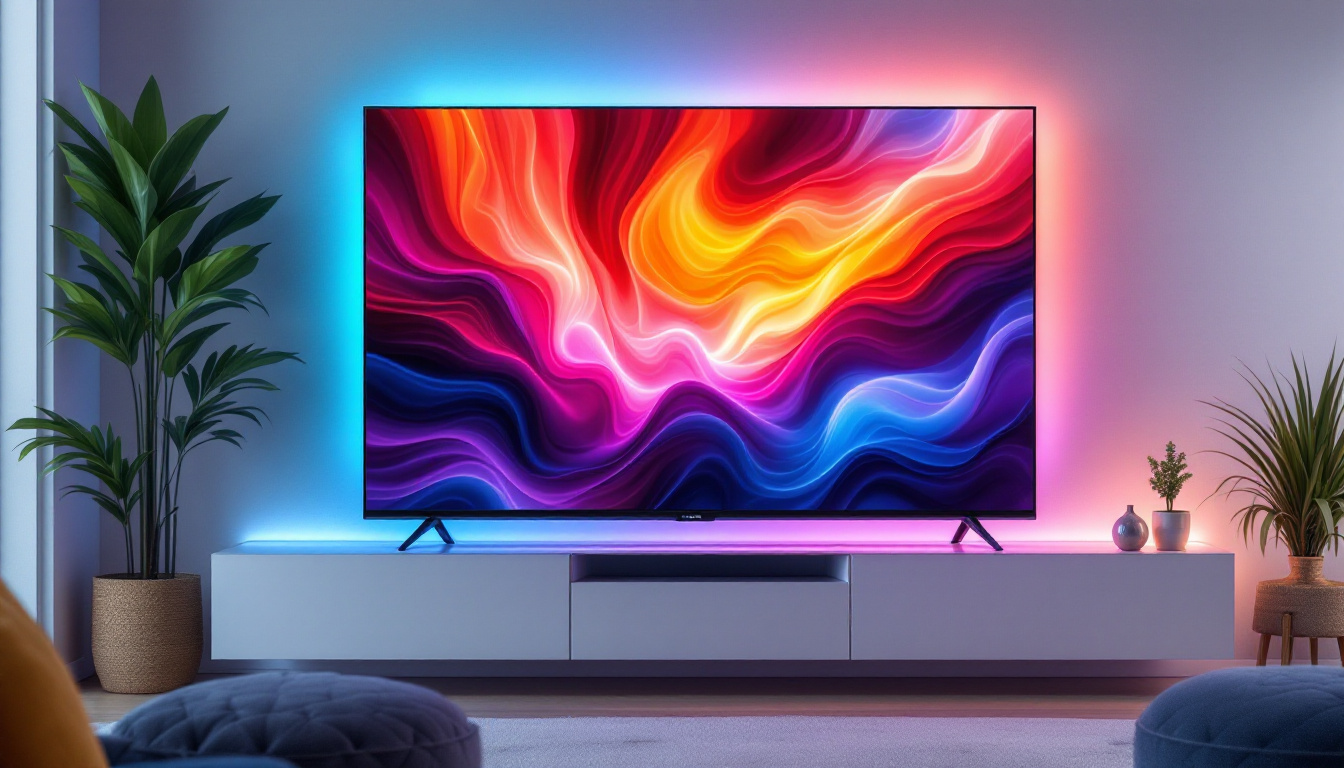
When people refer to “LED displays” in the context of TVs or monitors, they usually mean LCD screens that use LED backlighting instead of CCFLs. The liquid crystal layer still performs the image modulation, but the light source behind it is composed of LEDs.
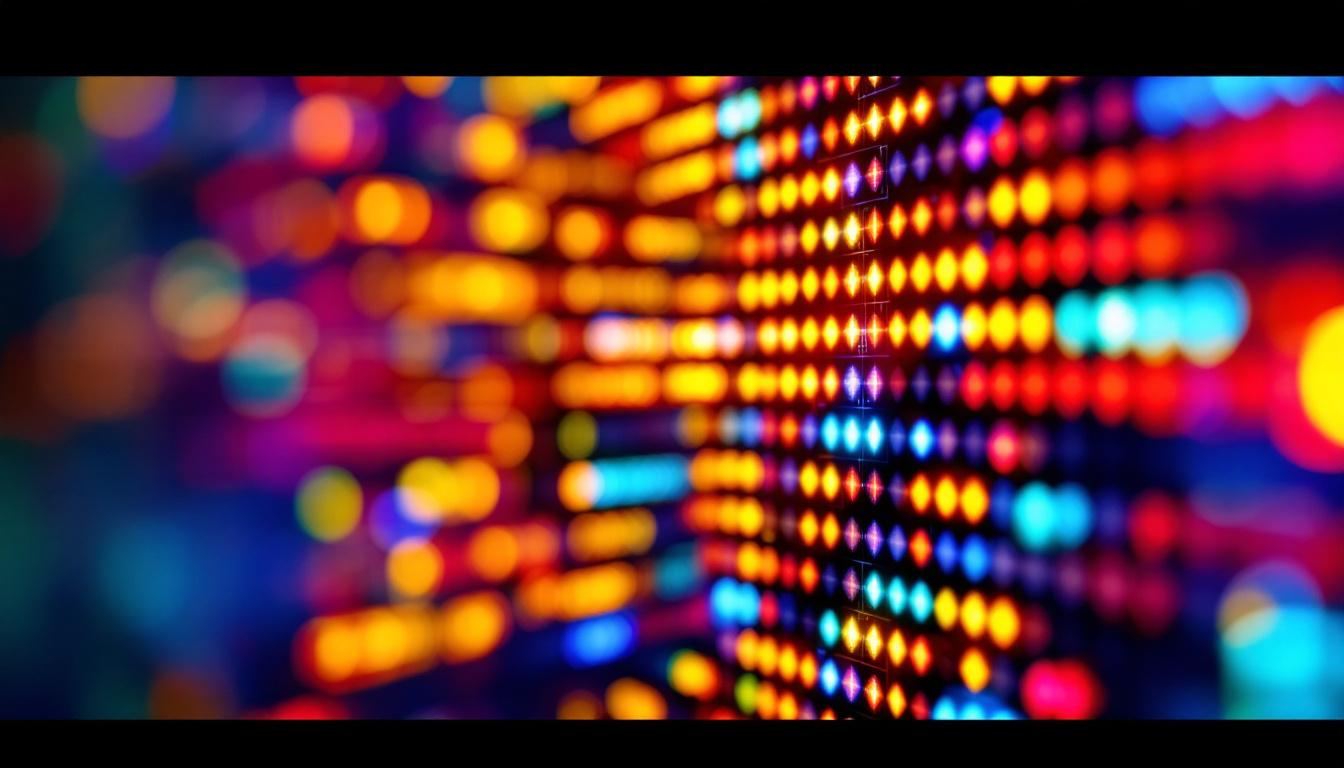
True LED displays, such as those used in large outdoor screens, are emissive and do not use liquid crystals. However, in consumer electronics, “LED display” typically denotes an LCD panel with LED backlighting.
Types of LED Backlighting Configurations
There are two primary LED backlighting configurations used in LCDs:
- Edge-lit LED: LEDs are placed along the edges of the screen, and light is distributed across the panel using light guides. This design allows for ultra-thin displays but can sometimes produce uneven brightness or “hot spots.”
- Direct-lit or Full-array LED: LEDs are placed directly behind the LCD panel in a grid. This allows for more uniform brightness and enables local dimming, where sections of the backlight can be dimmed or brightened independently to improve contrast.
Local Dimming and Picture Quality
Local dimming is a feature exclusive to full-array LED backlighting. By controlling the brightness of individual zones, the display can achieve deeper blacks and better contrast ratios. For example, in a dark scene, LEDs behind black areas can be dimmed or turned off, while LEDs behind bright areas remain illuminated.
This technology enhances the viewing experience by increasing dynamic range and reducing the “halo” effect seen in some lower-end displays. It is especially beneficial for HDR (High Dynamic Range) content, which demands greater contrast and color accuracy.
Advantages and Limitations of LCD with LED Backlighting
Advantages
LCDs with LED backlighting offer several benefits that have made them the dominant display technology for decades:
- Energy Efficiency: LED backlights consume less power than CCFLs, extending battery life in portable devices and reducing electricity costs in larger displays.
- Thin and Lightweight: LED backlighting enables ultra-thin screen designs, making devices more portable and aesthetically pleasing.
- Improved Brightness and Color: LEDs provide higher brightness levels and better color reproduction, enhancing overall image quality.
- Longer Lifespan: LEDs typically last longer than CCFLs, reducing maintenance and replacement costs.
Limitations
Despite their advantages, LCDs with LED backlighting have some inherent limitations:
- Limited Viewing Angles: The liquid crystal technology can cause color shifting and contrast loss when viewed from extreme angles.
- Black Level Performance: Even with local dimming, LCDs struggle to achieve the perfect black levels seen in OLED displays because some light leakage is inevitable.
- Response Time: LCDs generally have slower response times compared to OLEDs, which can lead to motion blur in fast-moving images.
Recent Innovations in LCD and LED Display Technology
Quantum Dot Enhancement
Quantum dot technology has been integrated into LED-backlit LCDs to improve color accuracy and brightness. Quantum dots are semiconductor nanocrystals that emit precise wavelengths of light when excited by the LED backlight. This results in displays with a wider color gamut and more vivid images, often marketed as QLED (Quantum-dot LED) displays.
Mini-LED and Micro-LED Technologies
Mini-LED backlighting uses thousands of tiny LEDs to create more precise local dimming zones, significantly improving contrast and reducing blooming effects. This technology bridges the gap between traditional LED-backlit LCDs and OLEDs, offering better picture quality without some of OLED’s drawbacks.
Micro-LED, on the other hand, is an emerging emissive technology where microscopic LEDs form each pixel. While still in early stages for consumer products, Micro-LED promises the perfect black levels, high brightness, and long lifespan, potentially revolutionizing display technology in the future.
Conclusion: The Synergy of LCD and LED Technologies
Understanding how Liquid Crystal Displays work alongside LED backlighting reveals the intricate engineering behind everyday screens. LCDs rely on the unique properties of liquid crystals to control light, while LED backlighting provides the essential illumination that brings images to life. Together, they deliver the sharp, bright, and colorful displays that have become integral to modern life.
While newer technologies like OLED and Micro-LED are gaining traction, LCDs with LED backlighting remain a cost-effective, energy-efficient, and versatile solution for a wide range of applications. Innovations such as quantum dots and mini-LEDs continue to push the boundaries of what LCD displays can achieve, ensuring their relevance in the evolving landscape of display technology.
Whether choosing a smartphone, laptop, or television, understanding the fundamentals of how these displays work can help consumers make informed decisions and appreciate the technology that powers their digital experiences.
“`html
Discover Cutting-Edge LED Display Solutions with LumenMatrix
As you consider the advancements and applications of LCD and LED technologies, LumenMatrix stands at the forefront of these innovations, offering a wide array of LED display solutions tailored to meet your needs. From captivating Indoor and Outdoor LED Wall Displays to dynamic Vehicle and Sports LED Displays, our products are designed to enhance brand visibility and create immersive visual experiences. Embrace the future of visual communication with our LED Poster Displays, Floor LED Displays, and Custom LED solutions. Experience the synergy of technology and creativity with LumenMatrix’s All-in-One and Transparent LED Displays. Check out LumenMatrix LED Display Solutions and empower your business to illuminate your message with precision and flair.
“`