Understanding measurements is crucial when working with LED displays, especially when converting between units like feet and millimeters. This knowledge is essential for designers, engineers, and event planners who need precise specifications for installation, maintenance, and customization of LED screens. This article explores the conversion of 16 feet to millimeters and delves into the fundamentals of LED displays, their applications, and why accurate measurement is vital in this context.
Converting 16 Feet to Millimeters: The Basics
Before diving into the specifics of LED displays, it’s important to understand how to convert feet to millimeters accurately. The foot is a unit of length in the imperial system, commonly used in the United States, while millimeters belong to the metric system, widely used internationally and in technical fields.
One foot is equal to 304.8 millimeters. Therefore, converting 16 feet to millimeters involves a straightforward multiplication:
16 ft × 304.8 mm/ft = 4,876.8 mm
This means that 16 feet is equivalent to 4,876.8 millimeters. This precise conversion is critical when specifying dimensions for LED displays, especially for international projects where metric units are standard.
Understanding the conversion process not only aids in accurate measurements but also enhances communication among professionals in various industries. For instance, architects, engineers, and designers often collaborate on projects that require precise specifications. When these professionals work across borders, a common understanding of measurement units becomes essential to avoid costly errors and misinterpretations.
Moreover, the importance of accurate conversions extends beyond just LED displays. In fields such as manufacturing, automotive design, and even healthcare, the difference between a millimeter and a foot can significantly impact the functionality and safety of products. Therefore, mastering these conversions is a valuable skill that can enhance precision and efficiency in a multitude of applications.
Why Measurement Matters in LED Displays
LED displays come in various sizes and resolutions, and their physical dimensions directly impact installation, viewing experience, and performance. Accurate measurements ensure that the display fits the intended space and meets the desired visual requirements. This attention to detail is crucial not only for aesthetics but also for functionality, as a poorly measured display can lead to misalignment, compromised visibility, and even safety hazards during installation.
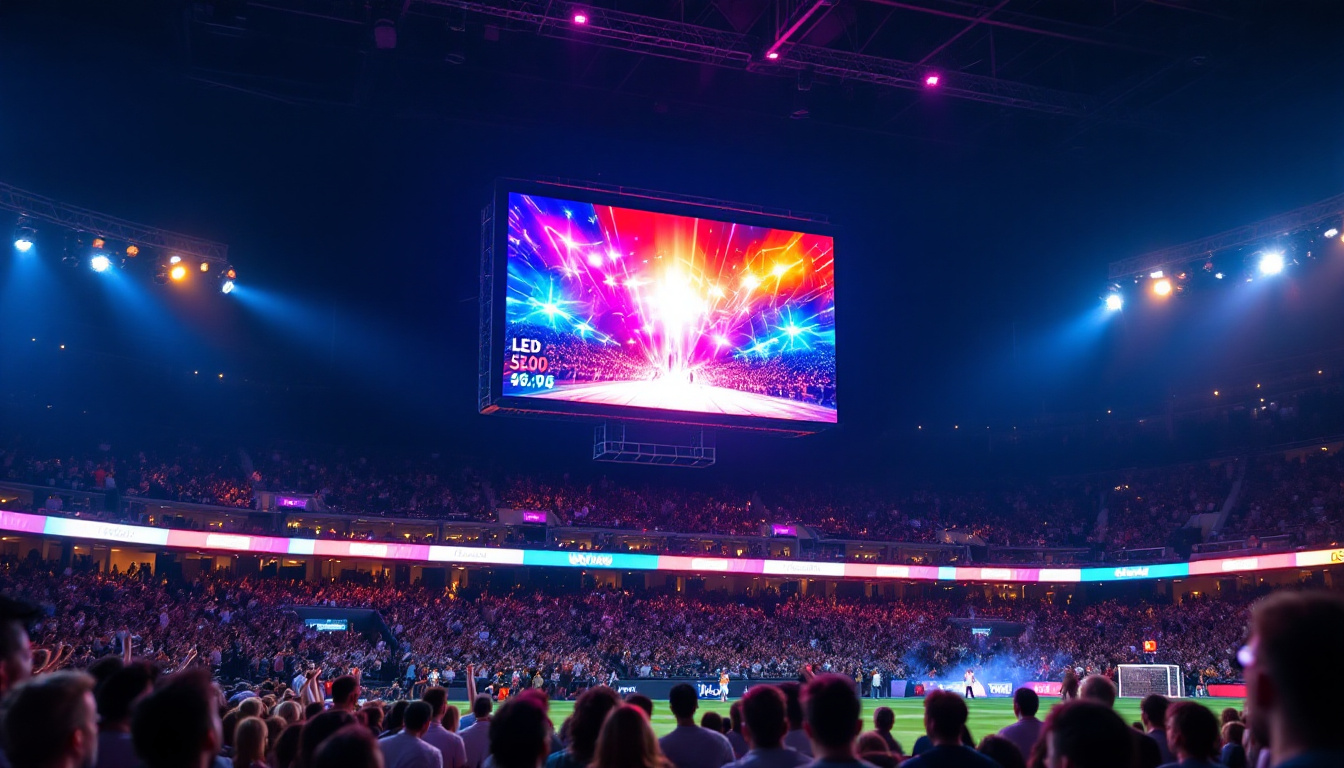
For example, an LED video wall designed for a stadium or outdoor advertising must be measured meticulously to ensure visibility from a distance and compatibility with mounting structures. Using millimeters for these measurements allows for greater precision, which is essential in manufacturing and assembly processes. Additionally, factors such as ambient light conditions, viewing angles, and the intended audience’s distance from the display must be taken into account, as these elements can significantly affect the overall effectiveness of the display in conveying information or advertising messages.
Pixel Pitch and Its Relation to Size
One of the key specifications in LED displays is the pixel pitch, which is the distance between the centers of two adjacent pixels, usually measured in millimeters. The pixel pitch affects the resolution and clarity of the display. A smaller pixel pitch means higher resolution and better image quality, especially at close viewing distances. This is particularly important in environments where viewers are likely to be close to the screen, such as in retail spaces or control rooms, where details matter greatly.
When converting a screen size from feet to millimeters, understanding the pixel pitch helps determine how many pixels will fit into the given physical space. For instance, a 16-foot-wide display with a pixel pitch of 5 mm will have approximately 975 pixels across its width (4,876.8 mm ÷ 5 mm = 975.36 pixels). Furthermore, the choice of pixel pitch can also influence the overall cost of the display; smaller pixel pitches often come with a higher price tag due to the increased number of pixels and the complexity of the technology involved. Therefore, selecting the right pixel pitch is a balancing act between budget constraints and the desired visual impact, making it a critical consideration in the planning stages of any LED display project.
Types of LED Displays and Their Applications
LED displays vary widely based on their intended use, resolution, brightness, and size. The conversion between feet and millimeters plays a role in selecting the right display for specific environments.
Indoor LED Displays
Indoor LED displays are typically used in conference rooms, retail stores, and entertainment venues. They tend to have smaller pixel pitches (1.2 mm to 4 mm) to provide high-resolution images at close viewing distances. The physical size is often measured in millimeters for precision, but understanding the size in feet helps with spatial planning.
For example, a 16-foot-wide indoor LED display would be quite large, suitable for a concert hall or a large conference stage. Knowing the exact millimeter dimensions helps manufacturers produce the display panels to fit the space without gaps or overlaps. Additionally, indoor displays often feature advanced technologies such as HDR (High Dynamic Range) and color calibration, ensuring that the visuals are not only sharp but also vibrant and true to life. This is particularly important in retail environments where product displays need to attract customers and convey brand messages effectively.
Outdoor LED Displays
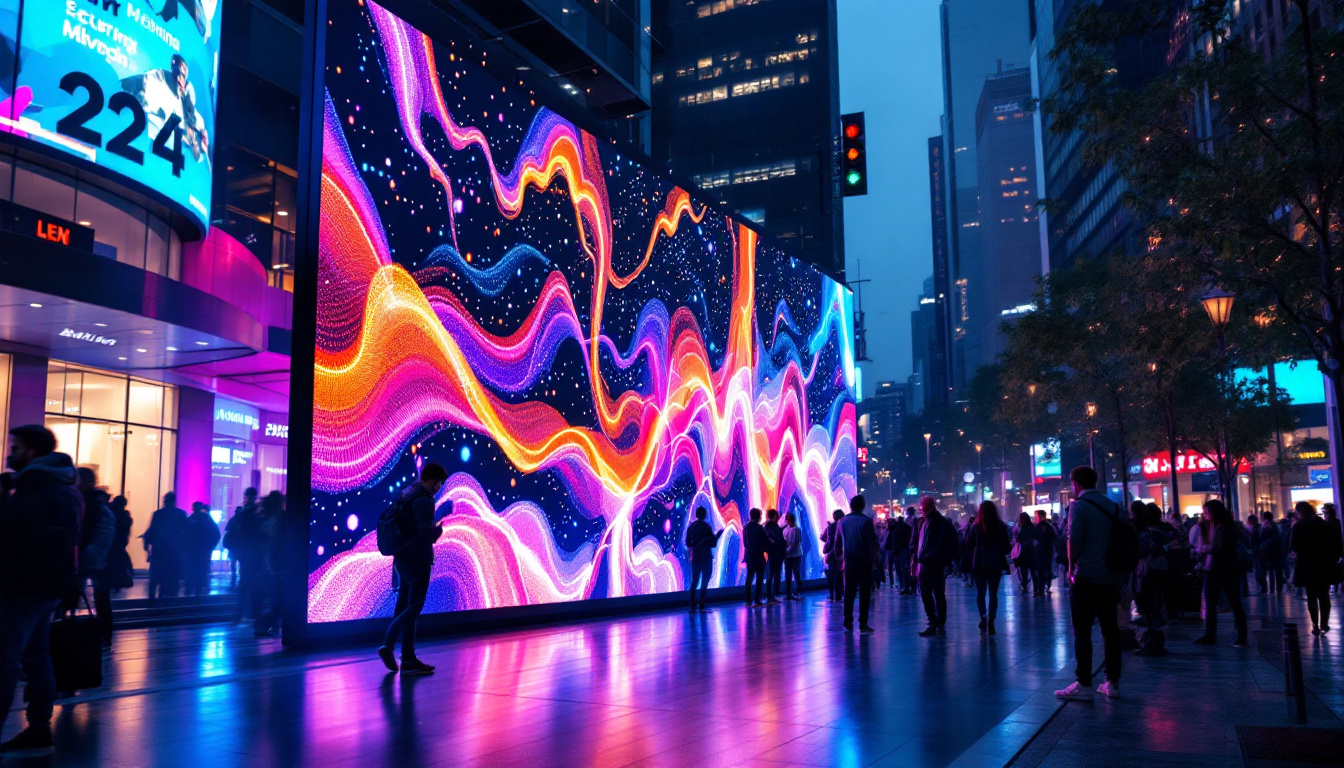
Outdoor LED screens are designed to withstand weather conditions and provide high brightness for visibility in daylight. They usually have larger pixel pitches (6 mm to 20 mm) because viewers are generally farther away. The conversion from feet to millimeters is crucial when planning the installation on building facades or billboards.
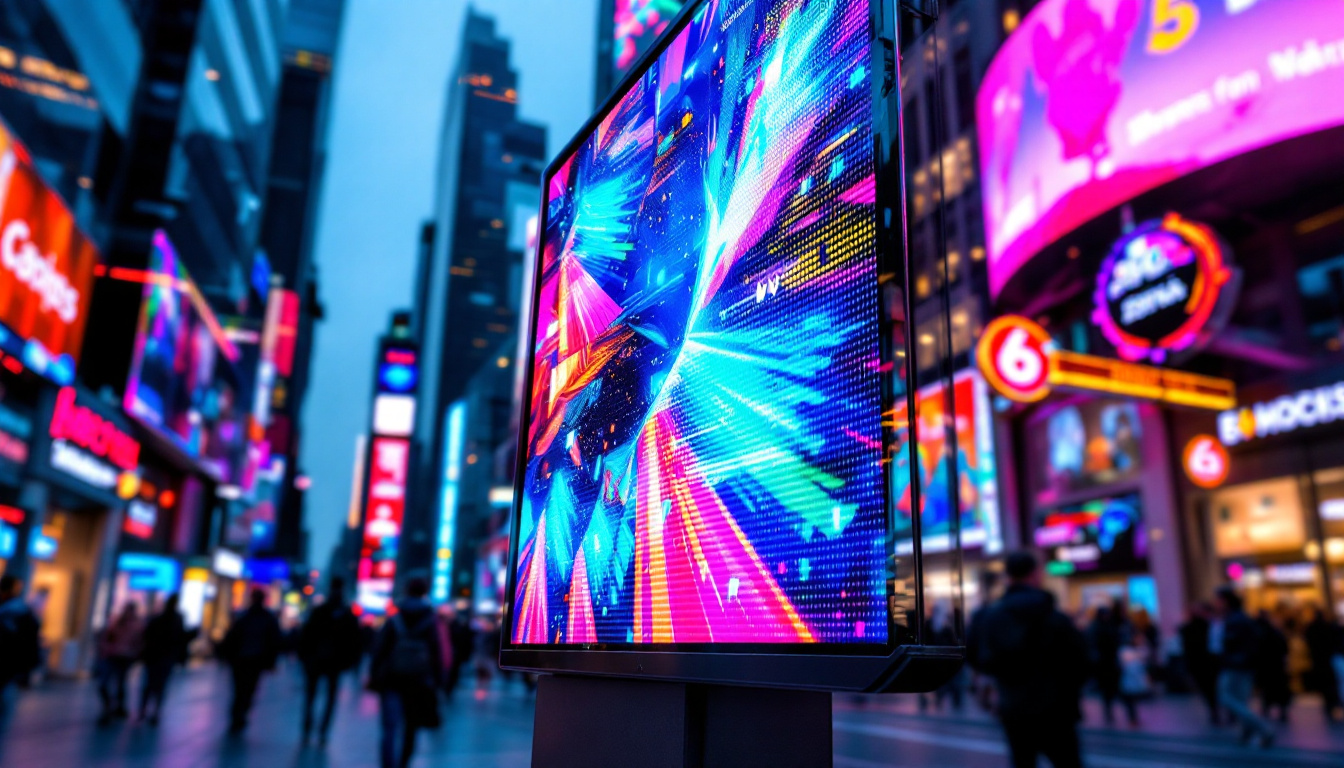
A 16-foot-wide outdoor display translates to 4,876.8 mm, which helps engineers calculate the number of LED modules needed and the overall weight and power requirements of the installation. These displays often incorporate robust protective measures such as waterproof casings and UV-resistant coatings to ensure longevity and performance in various environmental conditions. Furthermore, outdoor LED displays are increasingly used for dynamic advertising, allowing businesses to change their messages in real-time, which can significantly enhance engagement and drive foot traffic to physical locations. The ability to sync with social media feeds or live events also adds a layer of interactivity that captivates audiences, making outdoor displays a powerful tool for marketing and communication.
Technical Considerations in LED Display Design
When designing or specifying an LED display, multiple technical factors come into play beyond just size. These include resolution, brightness, refresh rate, and power consumption, all of which relate to the physical dimensions measured in millimeters.
Resolution and Aspect Ratio
The resolution of an LED display is the total number of pixels it contains, usually expressed as width × height. The aspect ratio is the proportional relationship between width and height. For a 16-foot-wide display, converting to millimeters allows precise calculation of pixel counts based on the pixel pitch, ensuring the resolution matches the intended content quality.
For example, a 16 ft by 9 ft display (a common 16:9 aspect ratio) would be 4,876.8 mm by 2,743.2 mm. With a pixel pitch of 4 mm, this would equate to approximately 1,219 pixels wide by 686 pixels high, resulting in a total resolution of around 836,434 pixels.
Brightness and Viewing Distance
Brightness is measured in nits and is affected by the size and pixel pitch of the display. Larger displays with bigger pixel pitches need higher brightness to maintain visibility, especially outdoors. Knowing the exact size in millimeters helps in calculating the total luminous output required.
Viewing distance also influences pixel pitch choice. For a 16-foot-wide display, the optimal viewing distance might range from 16 to 48 feet or more, depending on the environment and content type. Accurate size conversions ensure the display meets these criteria effectively.
Installation and Maintenance: The Role of Accurate Dimensions
Proper installation of LED displays depends heavily on accurate measurements. Whether mounting on walls, building facades, or custom frames, knowing the exact millimeter dimensions derived from feet measurements like 16 ft ensures a smooth process.
Structural Support and Weight Distribution
LED displays can be heavy, especially large ones like a 16-foot-wide screen. Engineers must calculate the load on supporting structures, which requires precise dimensions and weight per unit area. Millimeter measurements facilitate detailed engineering drawings and structural assessments.
Modular Design and Scalability
Most LED displays are modular, composed of smaller panels or tiles. Understanding the total size in millimeters helps determine how many modules are needed and how they fit together. This modular approach simplifies maintenance, as individual modules can be replaced without dismantling the entire display.
Future Trends in LED Display Technology
As LED technology advances, displays are becoming more flexible, higher resolution, and energy-efficient. These innovations rely on precise measurements and conversions between units to push the boundaries of design and application.
MicroLED and Smaller Pixel Pitches
Emerging MicroLED technology features pixel pitches below 1 mm, enabling ultra-high-resolution displays even at large sizes. For a 16-foot-wide display, this means millions of pixels, offering unprecedented image clarity. Accurate conversion to millimeters is essential for manufacturing these fine-pitched displays.
Flexible and Curved Displays
Flexible LED displays are gaining popularity for creative installations. These require precise dimensional planning to ensure the display conforms to curved surfaces without distortion. Converting feet to millimeters allows designers to map out exact bending radii and panel sizes.
Conclusion
Converting 16 feet to millimeters results in 4,876.8 mm, a fundamental step in planning and executing LED display projects. Understanding this conversion is not just about numbers; it impacts design accuracy, installation quality, and overall display performance. As LED technology evolves, the importance of precise measurements continues to grow, ensuring that displays meet the highest standards of visual excellence and reliability.
Whether working on indoor or outdoor installations, knowing how to translate dimensions between imperial and metric systems is a vital skill for professionals in the LED display industry. This knowledge supports better communication, improved manufacturing processes, and successful project outcomes.
Discover Cutting-Edge LED Display Solutions with LumenMatrix
Ready to take your visual displays to the next level? LumenMatrix is at the forefront of LED display innovation, offering a wide array of solutions tailored to your needs. From captivating Indoor LED Wall Displays to dynamic Outdoor LED Wall Displays, and from versatile Vehicle LED Displays to sleek LED Poster Displays, we have the technology to bring your vision to life. Our mission is to transform visual communication, providing you with digital signage and LED displays that not only engage and captivate your audience but also empower your brand to communicate with impact. Check out LumenMatrix LED Display Solutions today and experience the revolution in visual storytelling.