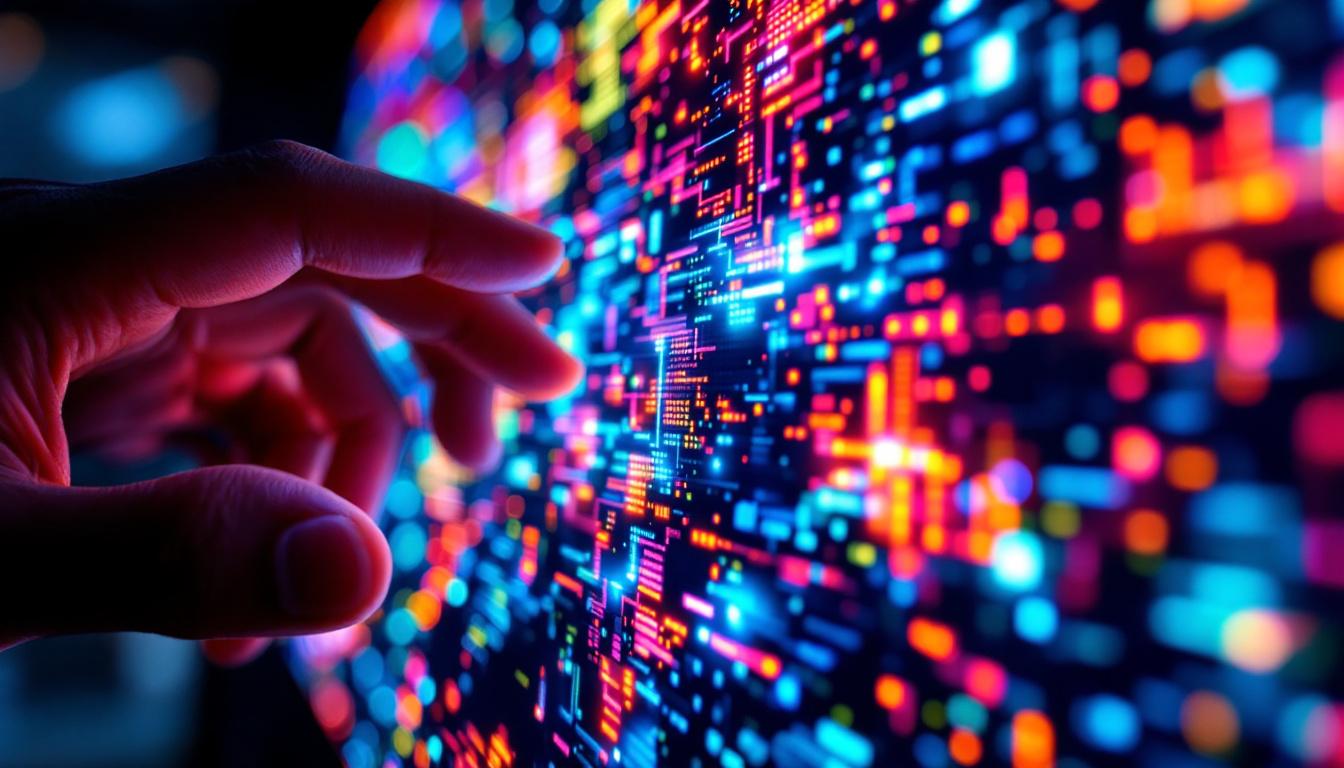
In the rapidly evolving world of display technologies, MicroLED has emerged as a promising innovation that could redefine how we experience screens across various devices. From smartphones to large-scale digital signage, MicroLED offers a blend of performance, efficiency, and durability that sets it apart from traditional LED and OLED displays. This article delves deep into the fundamentals of MicroLED technology, its advantages, challenges, and the future landscape of LED displays.
Understanding MicroLED: What Sets It Apart?
MicroLED is a display technology that uses microscopic light-emitting diodes to create images. Unlike conventional LED displays, which rely on larger LEDs as backlighting for LCD panels, MicroLEDs are self-emissive. This means each tiny LED acts as an individual pixel, emitting its own light and color without the need for a separate backlight or color filter.
The term “MicroLED” refers to the size of these LEDs, which typically measure less than 100 micrometers in diameter. This microscopic scale allows for incredibly high pixel densities, resulting in ultra-sharp images and vibrant colors. In comparison, traditional LED displays use much larger LEDs, which limits resolution and image quality.
One of the key differentiators of MicroLED technology is its ability to deliver true blacks and exceptional contrast ratios. Since each MicroLED can be turned off completely, the display can achieve perfect black levels, similar to OLED technology but without the associated drawbacks such as burn-in.
How MicroLED Works
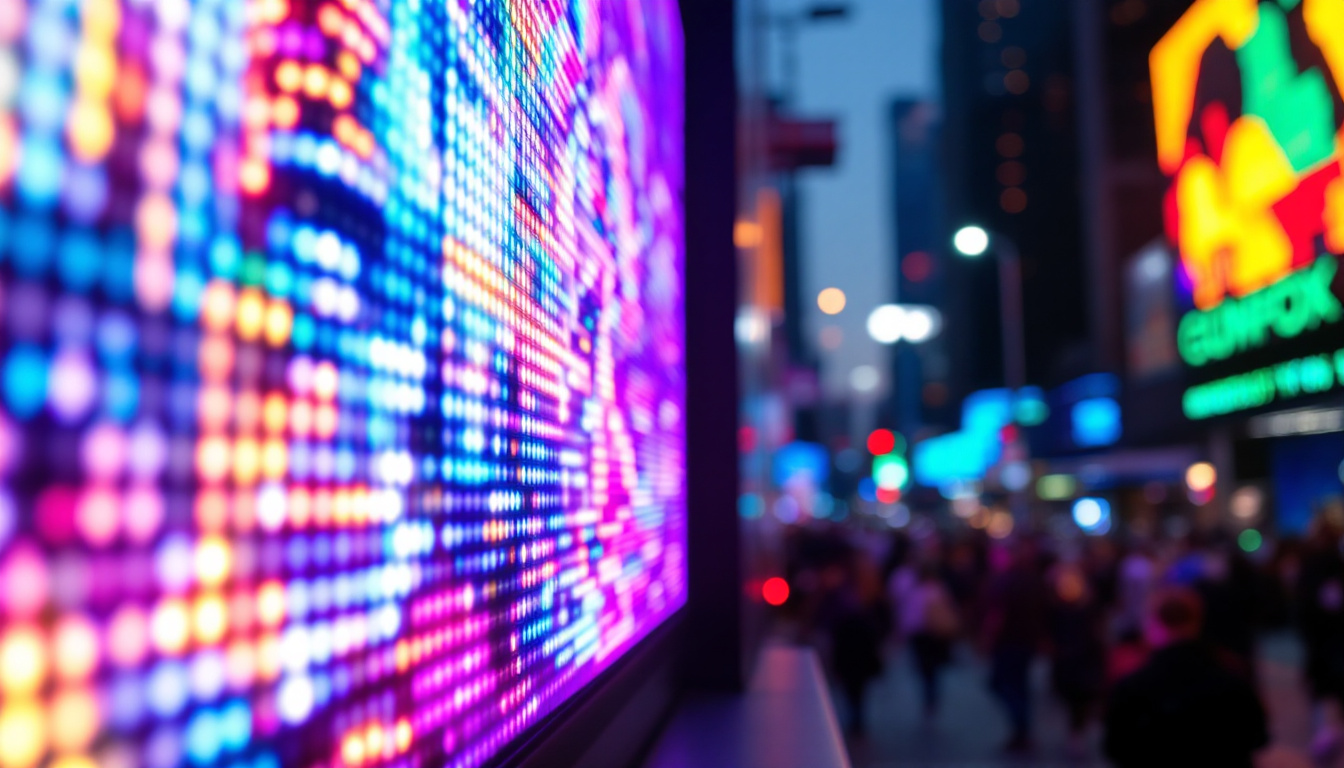
MicroLED displays are composed of millions of tiny LEDs arranged in a matrix. Each LED emits red, green, or blue light, combining to produce the full spectrum of colors. The LEDs are made from inorganic materials such as gallium nitride (GaN), which contribute to their longevity and brightness.
Because MicroLEDs are self-emissive, they do not require a backlight or liquid crystal layer, which are essential components in LCD and LED-backlit LCD displays. This structural difference allows MicroLED displays to be thinner, more energy-efficient, and capable of higher brightness levels.
Moreover, MicroLED technology boasts impressive scalability, meaning that it can be customized to fit various screen sizes and shapes without losing image quality. This adaptability opens up new possibilities for innovative display designs, such as curved screens or large video walls that maintain uniform brightness and color accuracy across the entire surface. Additionally, the modular nature of MicroLED panels allows manufacturers to easily replace individual modules if they fail, enhancing the overall longevity and sustainability of the display.
Another noteworthy aspect of MicroLED is its potential for improved energy efficiency. As these displays do not require a backlight and can turn off individual pixels, they consume significantly less power when displaying darker images compared to traditional displays. This efficiency not only reduces electricity costs but also contributes to a lower environmental impact, making MicroLED a more sustainable choice for future display technologies. As the demand for high-quality visual experiences continues to grow, MicroLED stands out as a compelling option for both consumers and professionals alike.
Advantages of MicroLED Displays
MicroLED technology offers several compelling benefits that make it attractive for a wide range of applications. These advantages address many of the limitations found in current display technologies like LCD and OLED.
Superior Brightness and Contrast
One of the standout features of MicroLED displays is their ability to achieve extremely high brightness levels—often exceeding 1,000 nits, with some prototypes reaching over 5,000 nits. This makes MicroLED ideal for use in bright environments, such as outdoor digital signage or augmented reality devices.
Moreover, because each MicroLED can be individually controlled and turned off, the displays can produce perfect blacks, resulting in an infinite contrast ratio. This capability enhances image depth and realism, providing a more immersive viewing experience.
Energy Efficiency and Longevity
MicroLED displays are more energy-efficient than traditional LCDs because they eliminate the need for a backlight and color filters. By emitting light only where needed, they consume less power, which is especially beneficial for battery-powered devices like smartphones and wearables.
Additionally, the inorganic materials used in MicroLEDs are more resistant to degradation over time compared to the organic compounds in OLEDs. This translates to longer lifespan and reduced risk of burn-in, a common issue with OLED panels where static images can leave permanent marks on the screen.
Faster Response Times and Wide Viewing Angles
MicroLED displays boast rapid response times, often in the microsecond range, which is significantly faster than LCDs and comparable to OLEDs. This rapid response reduces motion blur and makes MicroLED ideal for gaming, virtual reality, and other applications requiring smooth, high-speed visuals.
Furthermore, MicroLED screens maintain color accuracy and brightness across wide viewing angles. Unlike some LCDs that suffer from color shifting or dimming when viewed off-center, MicroLED displays offer consistent image quality regardless of the viewer’s position.
Challenges in MicroLED Manufacturing
Despite its impressive advantages, MicroLED technology faces significant manufacturing hurdles that have slowed its widespread adoption. These challenges primarily stem from the complexity of producing and assembling millions of microscopic LEDs with high precision.
Mass Transfer and Yield Issues
A critical step in MicroLED production is the mass transfer process, where millions of tiny LEDs are picked up from their growth substrate and placed onto a display backplane. This process must be extremely precise to ensure each LED is correctly positioned and electrically connected.
Current mass transfer techniques, such as pick-and-place and laser lift-off, are time-consuming and prone to yield losses. Even a small defect rate can result in dead pixels or color inconsistencies, which are unacceptable in high-end displays. Improving transfer speed and accuracy remains a key focus for manufacturers.
Cost and Scalability
The complexity of MicroLED fabrication contributes to high production costs. Unlike OLEDs, which benefit from mature manufacturing infrastructure, MicroLED production requires new equipment and processes that are still being optimized.
Scaling MicroLED technology to large, high-resolution displays—such as TVs or digital billboards—presents additional challenges. Larger displays require exponentially more LEDs and precise alignment, making the process more difficult and expensive.
Color Uniformity and Calibration
Ensuring consistent color output across millions of MicroLEDs is another technical hurdle. Variations in LED size, material quality, or electrical characteristics can cause color shifts or brightness inconsistencies.
To address this, manufacturers employ advanced calibration techniques and compensation algorithms. However, achieving perfect uniformity remains a work in progress, especially for larger displays with billions of pixels.
Applications of MicroLED Technology
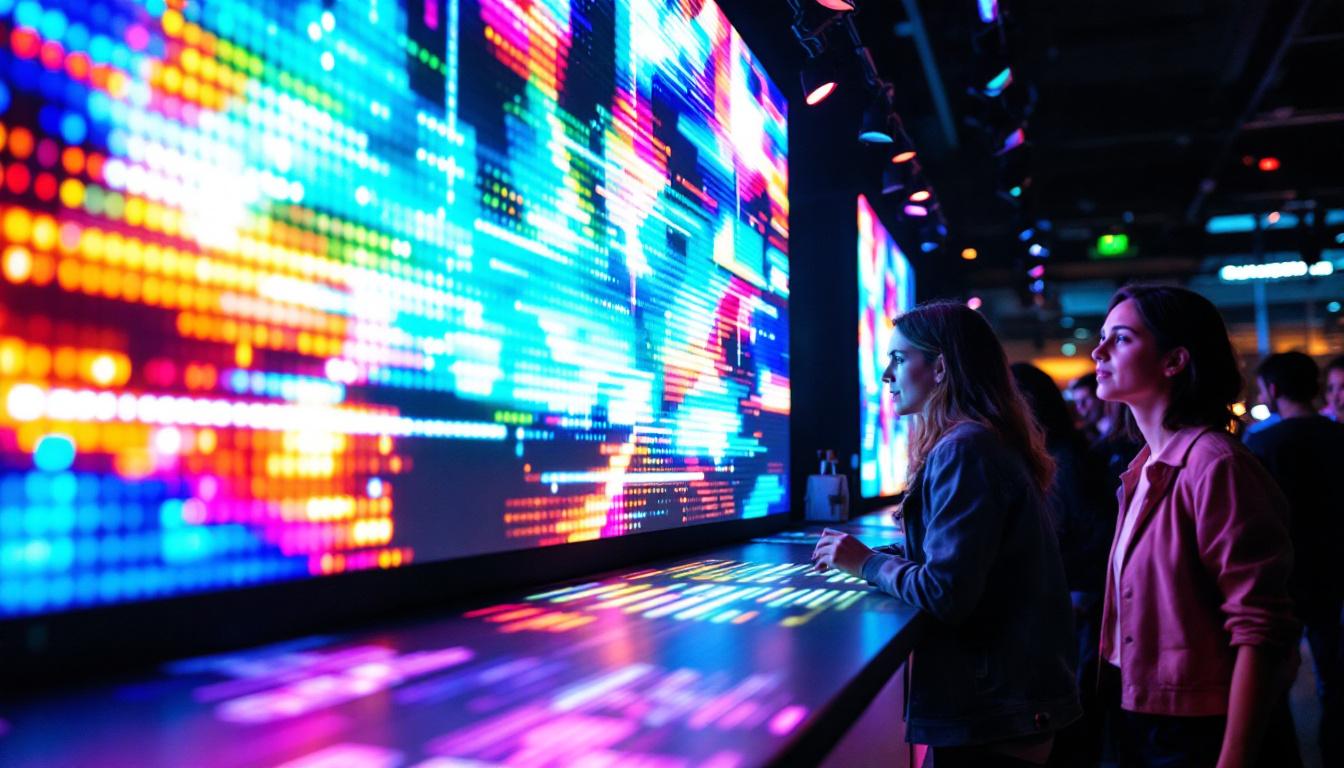
Despite the challenges, MicroLED technology is already making inroads into several markets. Its unique combination of brightness, efficiency, and durability opens up new possibilities across consumer electronics, commercial displays, and emerging fields.
Consumer Electronics
MicroLED is poised to revolutionize smartphones, smartwatches, and augmented reality (AR) devices. For instance, the high brightness and low power consumption are ideal for AR glasses, which require displays that remain visible in daylight without draining the battery quickly.
Leading tech companies have showcased MicroLED prototypes in smartphones and wearables, highlighting the potential for ultra-thin, flexible, and high-resolution screens. As production techniques improve, MicroLED could become a mainstream display choice for premium consumer devices.
Television and Home Entertainment
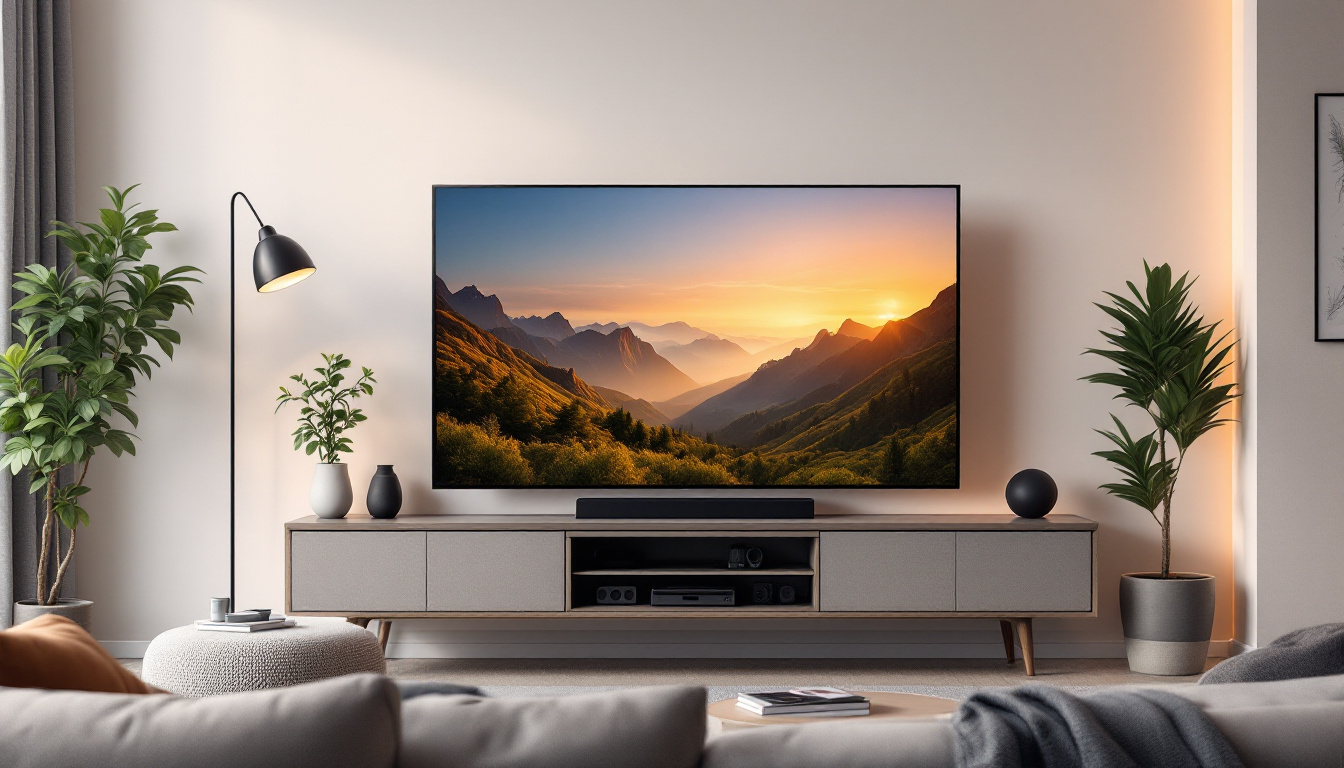
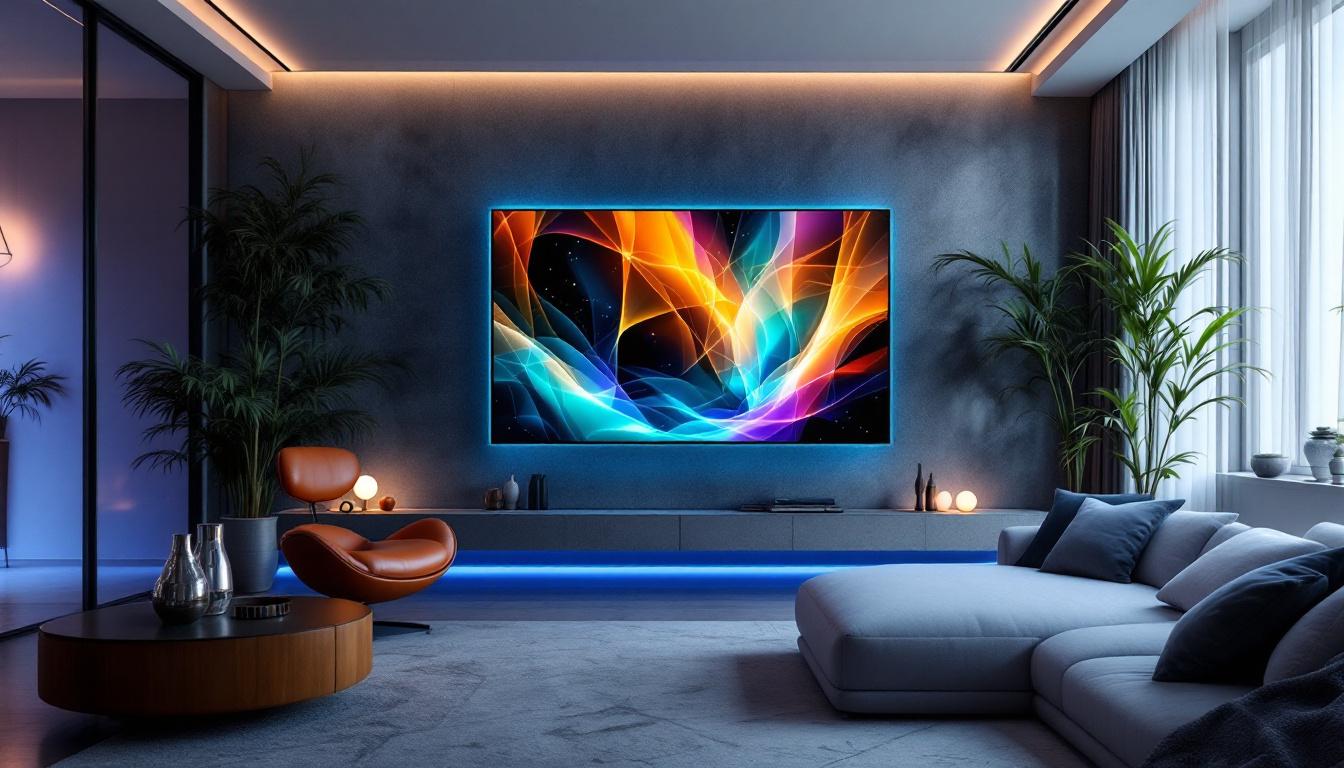
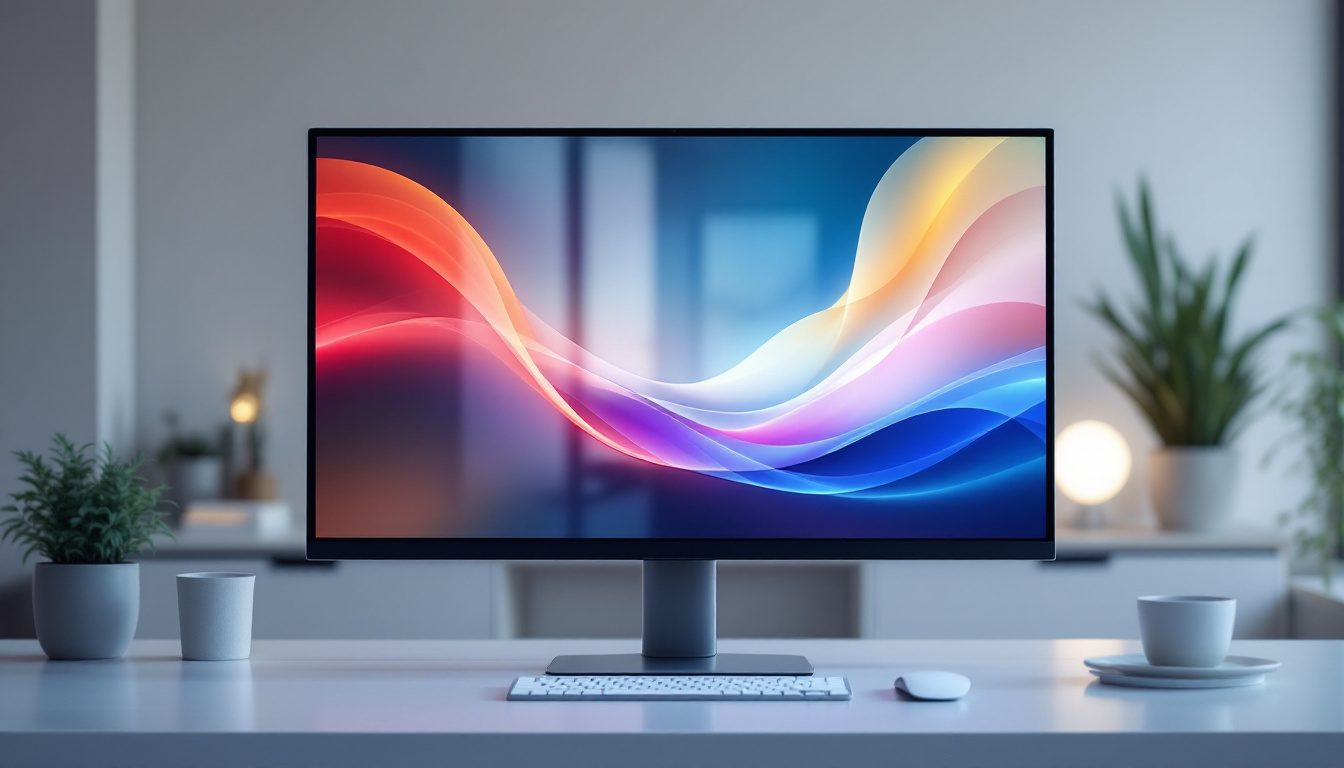
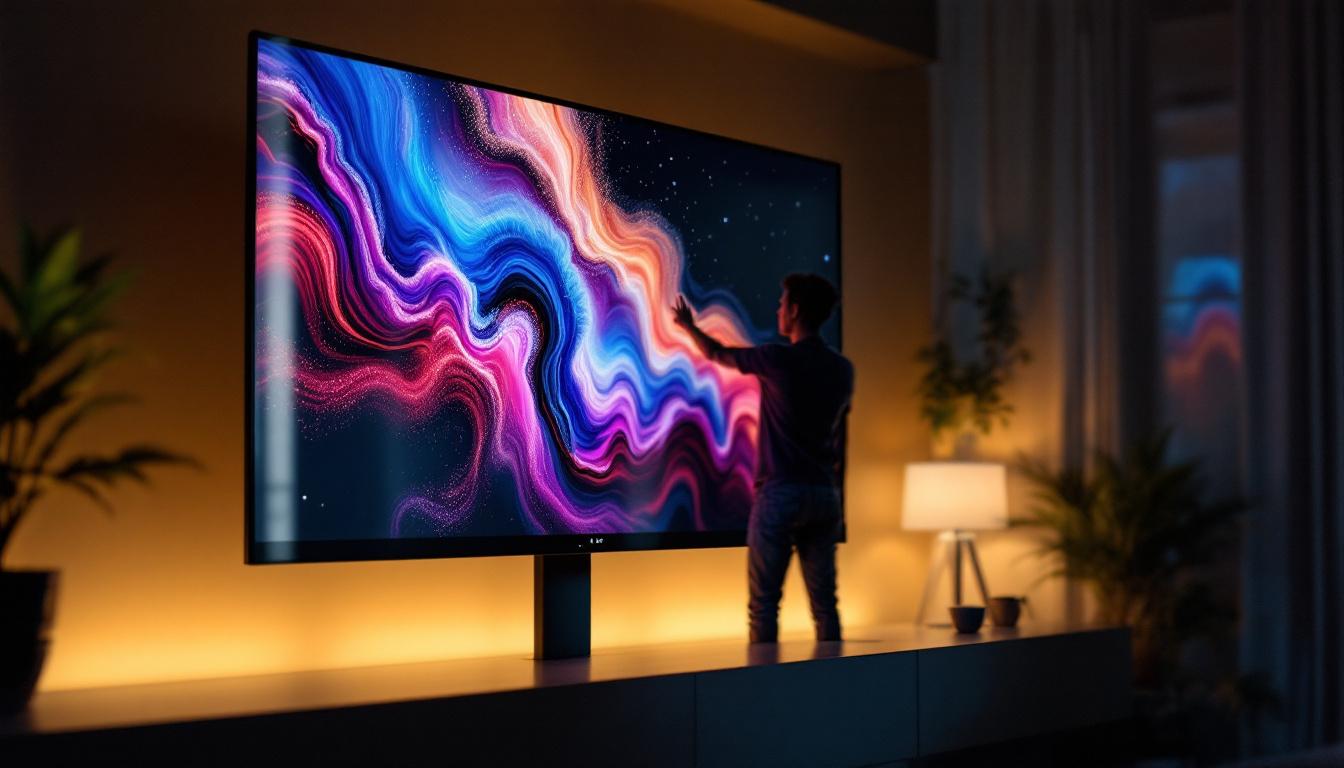
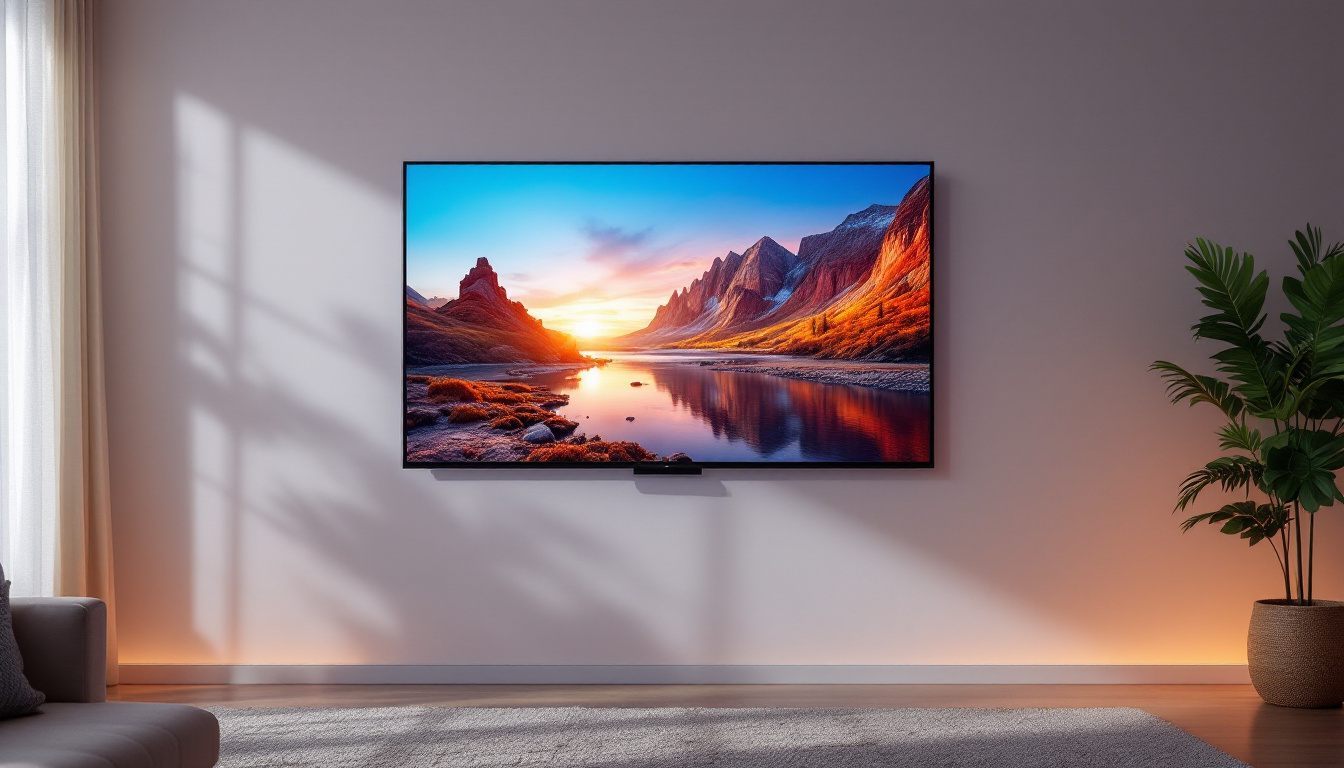
MicroLED TVs promise superior picture quality with perfect blacks, vibrant colors, and high brightness. Unlike OLED TVs, MicroLEDs are less susceptible to burn-in, making them attractive for households where static images like logos or UI elements are displayed for long periods.
Major manufacturers have introduced large-format MicroLED TVs, some exceeding 100 inches, targeting luxury markets. While these models remain expensive, ongoing advancements may bring prices down, making MicroLED TVs more accessible to mainstream consumers.
Commercial and Industrial Displays
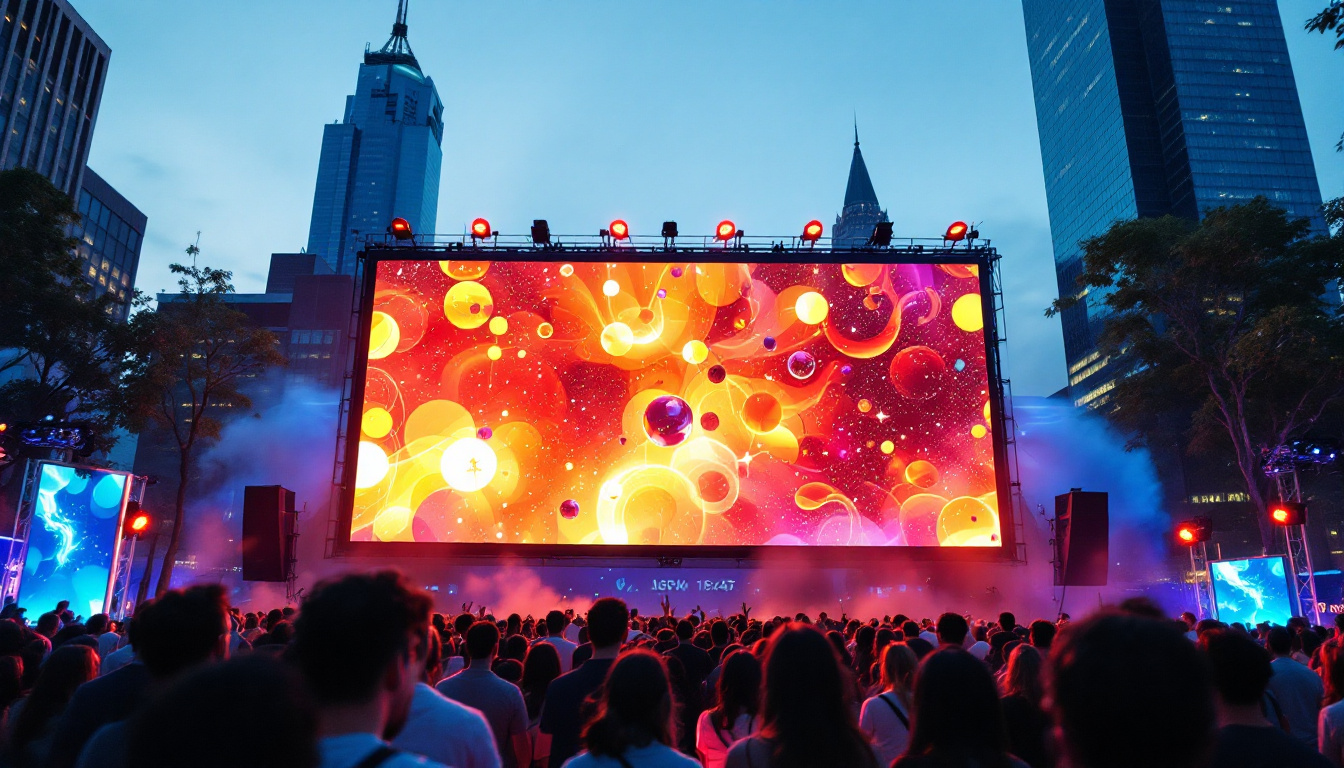
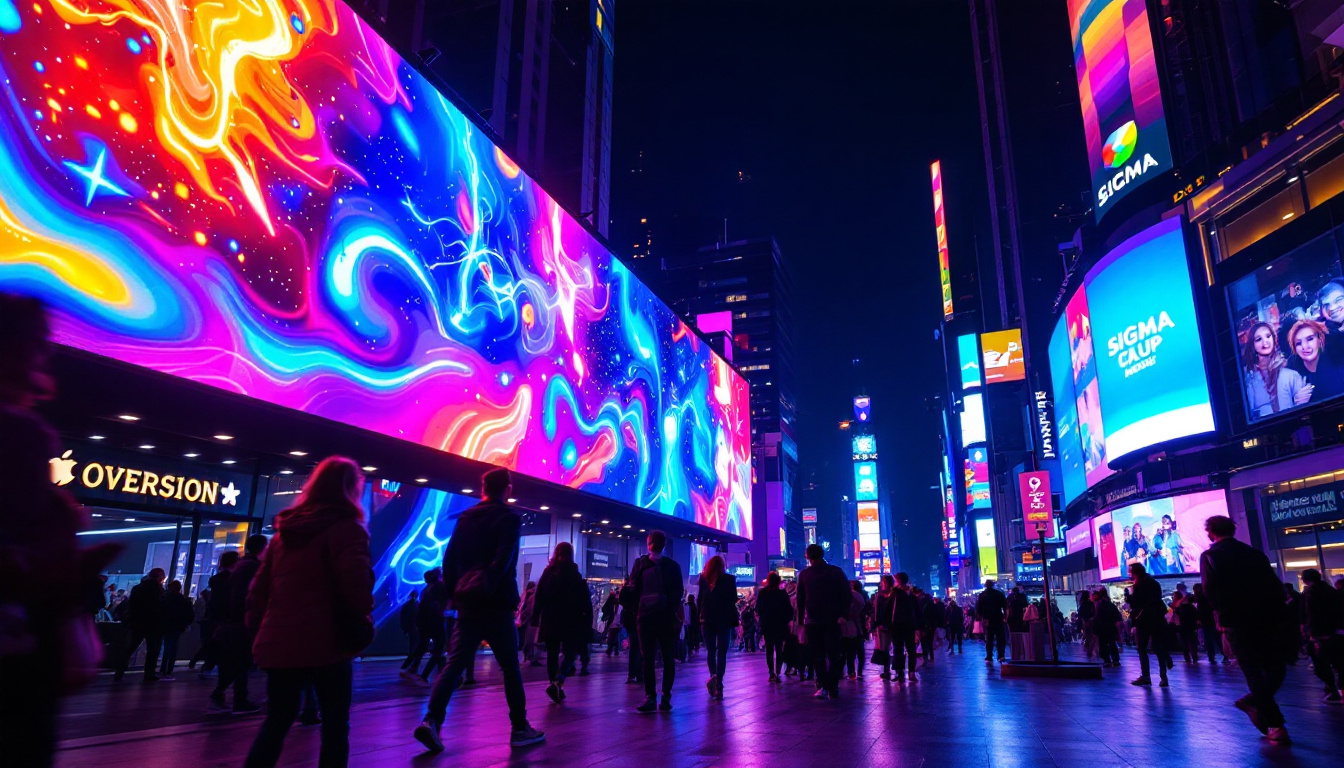
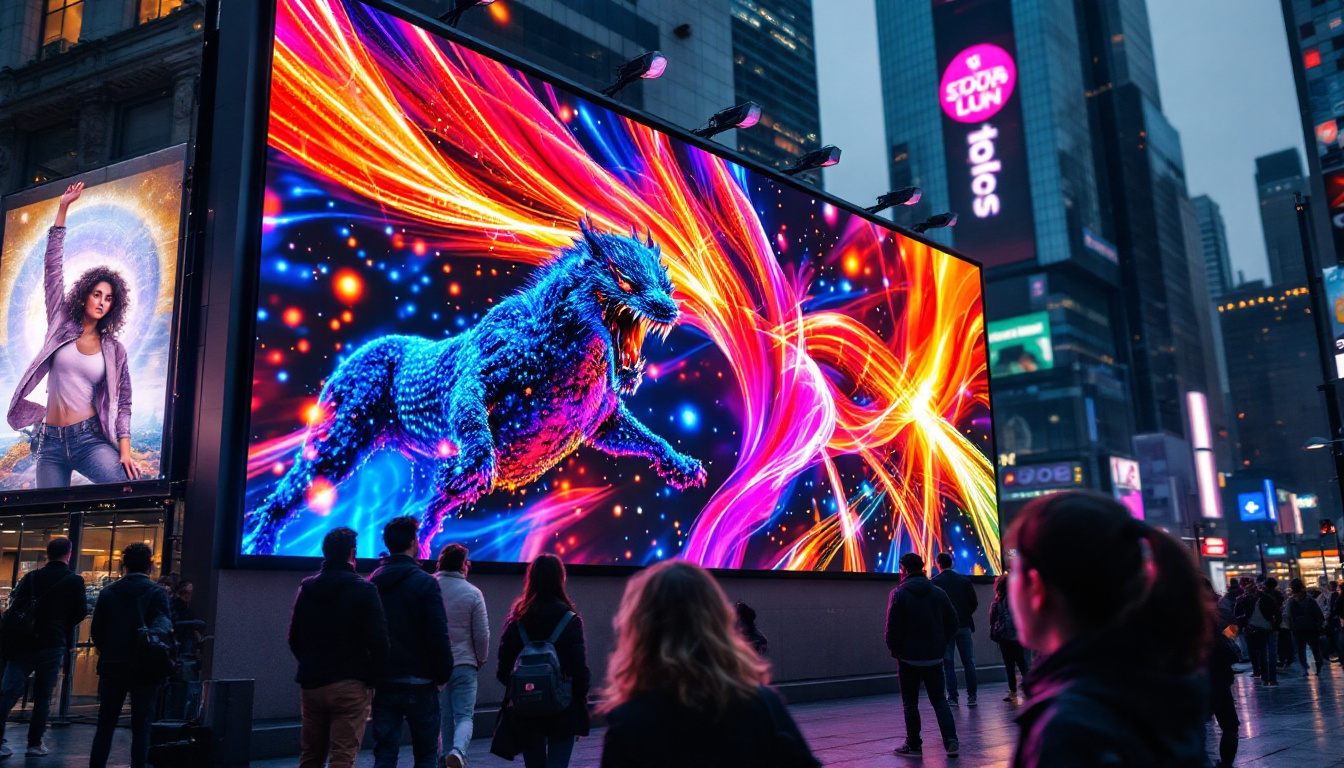
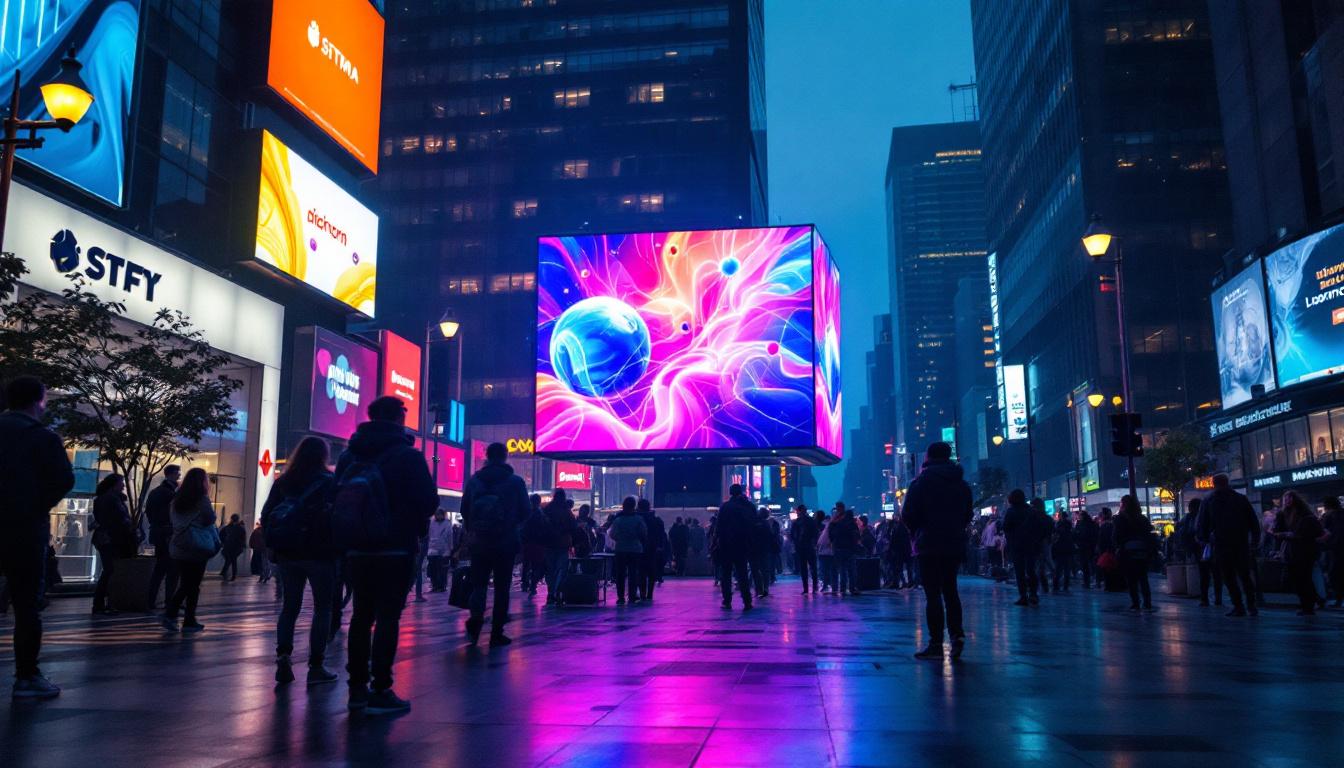
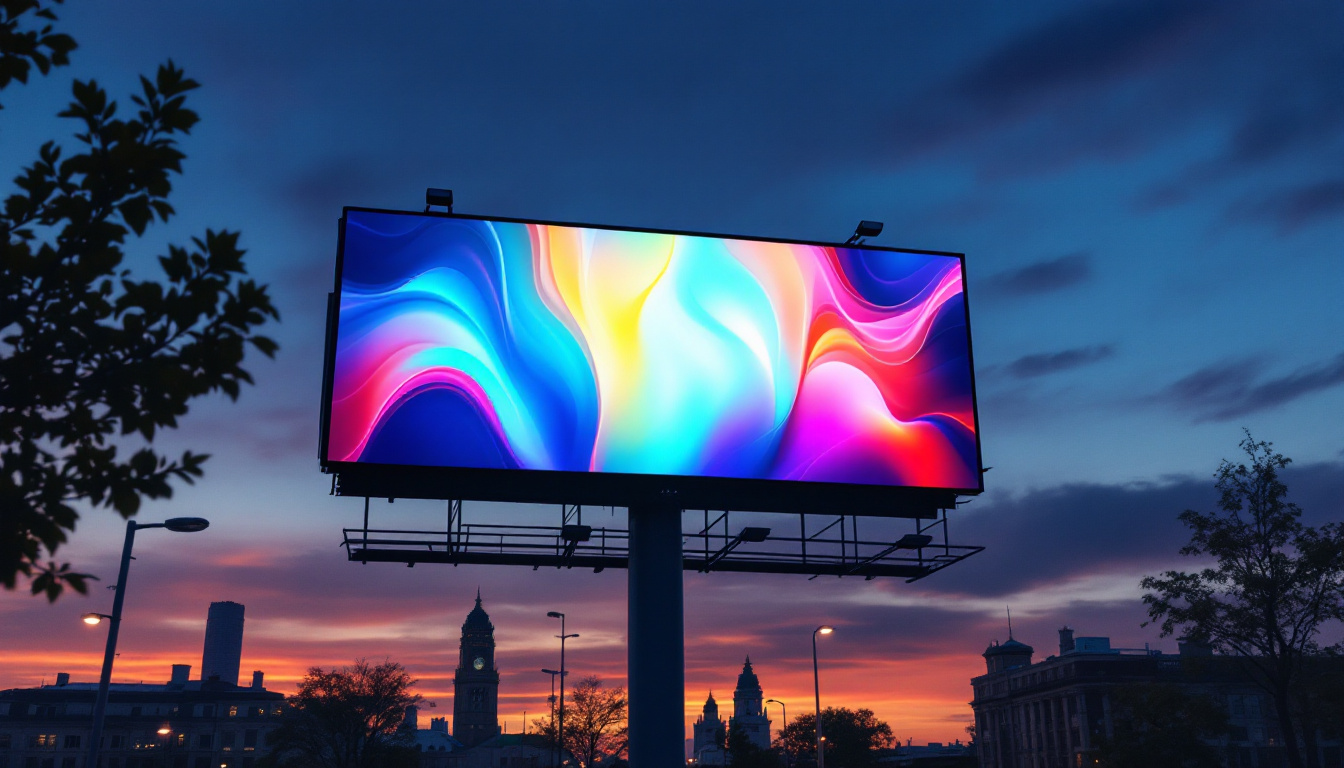
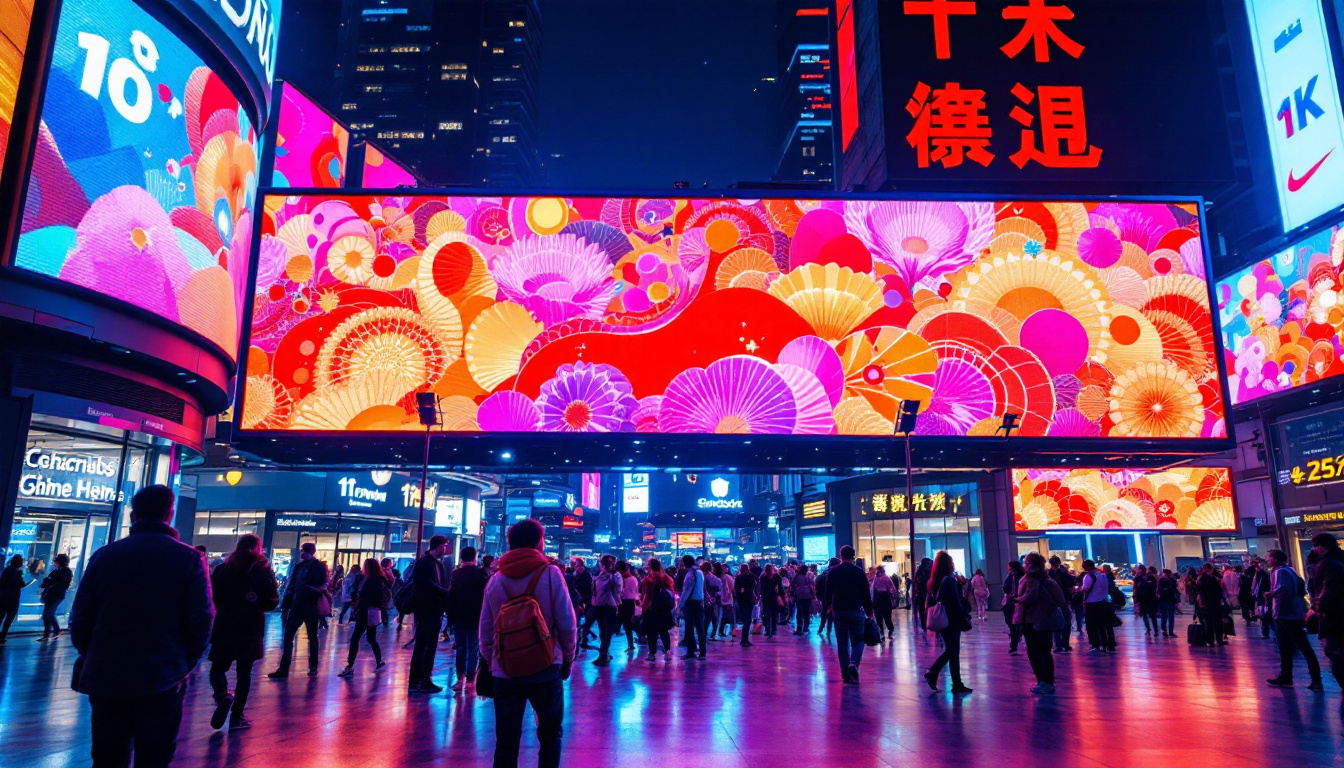
MicroLED’s durability and brightness make it well-suited for outdoor digital signage, stadium screens, and transportation displays. Its ability to maintain image quality under direct sunlight and harsh environmental conditions offers a significant advantage over LCD and OLED alternatives.
Additionally, MicroLED’s modular nature allows for scalable display sizes, enabling creative configurations for advertising, public information systems, and immersive environments.
The Future of MicroLED and LED Displays
As research and development continue, MicroLED technology is expected to overcome current manufacturing challenges and become a dominant player in the display market. Industry forecasts suggest that MicroLED displays could capture a significant share of the premium display segment by the late 2020s.
Innovations in mass transfer techniques, such as self-assembly and advanced robotic placement, are accelerating production capabilities. Furthermore, hybrid approaches combining MicroLED with other technologies may unlock new functionalities and cost efficiencies.
Beyond traditional screens, MicroLED could enable new form factors like transparent displays, curved or foldable panels, and ultra-high-resolution microdisplays for virtual and augmented reality. These developments will likely transform how users interact with digital content across personal, professional, and public spaces.
Comparing MicroLED with OLED and LCD
While OLED has dominated the premium display market for years due to its excellent contrast and color reproduction, MicroLED offers comparable or superior performance with added benefits like higher brightness and longer lifespan. LCDs, on the other hand, remain cost-effective but lag in contrast and viewing angles.
As MicroLED manufacturing matures and costs decrease, it has the potential to replace OLED and LCD in many applications, providing a unified solution that addresses the shortcomings of both technologies.
Conclusion
MicroLED display technology represents a significant leap forward in screen innovation, combining the best attributes of existing display types while mitigating their weaknesses. Its promise of unparalleled brightness, energy efficiency, durability, and image quality positions it as a transformative technology for the future of displays.
Although manufacturing challenges remain, ongoing advancements and investments indicate a bright future for MicroLED. As the technology matures, consumers and industries alike can look forward to richer visual experiences, more versatile devices, and new possibilities in digital display applications.
Discover the Future of Visual Experience with LumenMatrix
Ready to witness the transformative power of MicroLED technology in action? LumenMatrix is at the forefront of this revolution, offering a comprehensive range of LED display solutions that bring your content to life. From immersive Indoor LED Walls to dynamic Outdoor LED Displays, and from versatile Vehicle LED Displays to innovative LED Transparent Displays, LumenMatrix has the cutting-edge technology to elevate your brand’s visibility. Embrace the future of digital displays and check out LumenMatrix LED Display Solutions today to create unforgettable visual experiences that engage and captivate your audience.