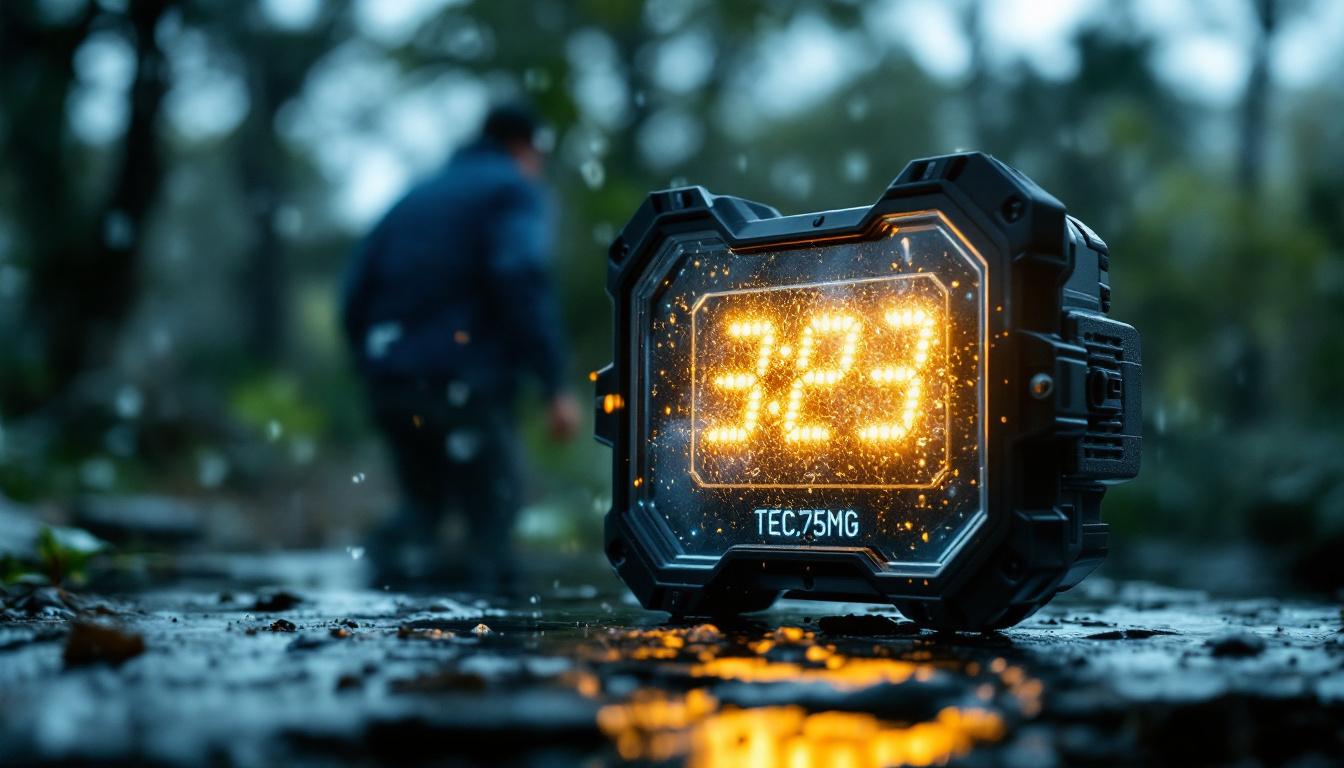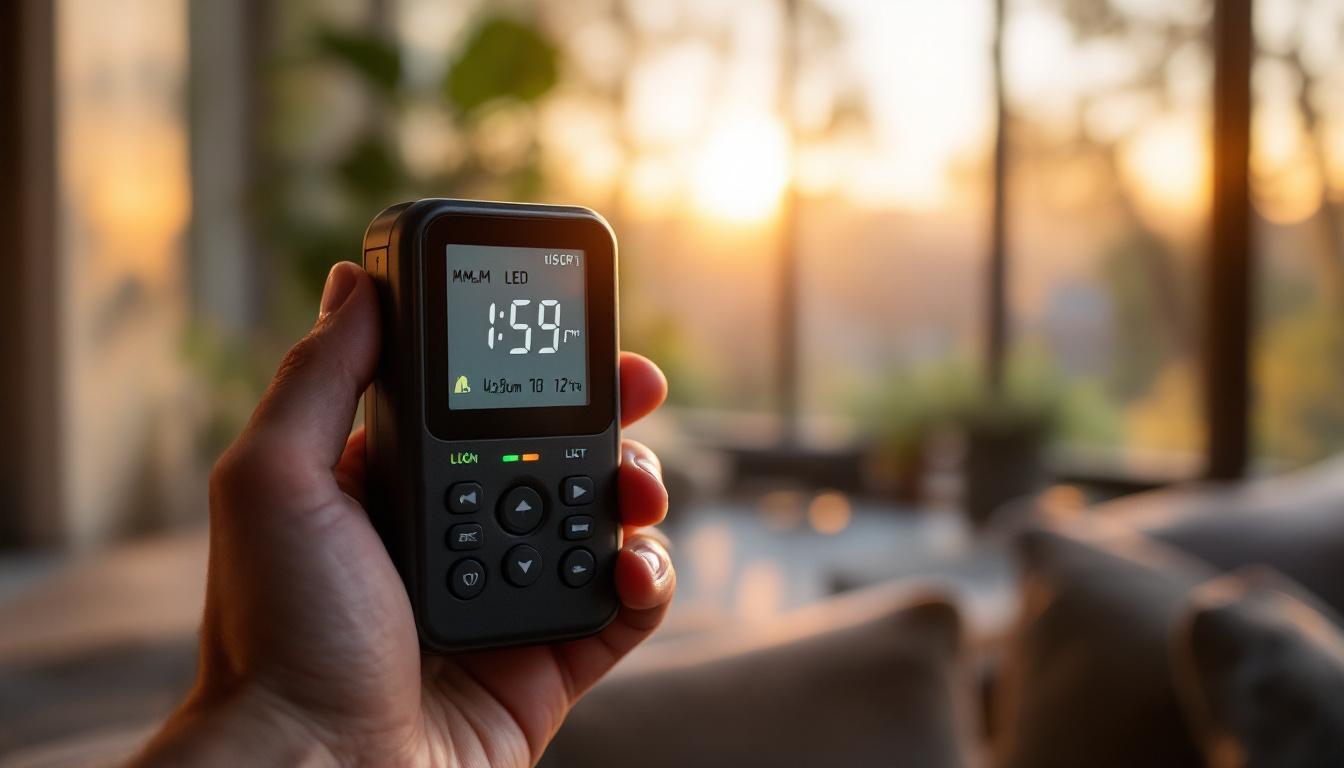
In an era where precision and efficiency are paramount, ambient light meters have become indispensable tools across various industries. From photography and cinematography to workplace safety and horticulture, understanding ambient light levels ensures optimal conditions for both human activity and technological performance. Among the many features of modern ambient light meters, the LED display stands out as a critical interface, providing users with clear, immediate, and accurate readings.
This article delves into the intricacies of ambient light meters, focusing on the LED display technology that makes these devices user-friendly and reliable. Whether you are a professional photographer seeking perfect exposure, a facility manager ensuring compliance with lighting standards, or a researcher monitoring environmental conditions, understanding how LED displays work on ambient light meters will enhance your ability to interpret and utilize light measurements effectively.
Understanding Ambient Light Meters: Purpose and Functionality
Before exploring the LED display, it is essential to grasp what an ambient light meter does and why it is important. An ambient light meter measures the intensity of light in a given environment, typically expressed in lux or foot-candles. These units quantify illuminance, which is the amount of light falling on a surface per unit area.
Ambient light meters are used to assess lighting conditions to ensure they meet specific standards or requirements. For example, in office environments, adequate lighting is crucial to prevent eye strain and maintain productivity. In photography, accurate light measurement helps achieve the correct exposure settings for a camera. In horticulture, light meters assist in optimizing plant growth by monitoring natural and artificial light levels. Moreover, in architectural design, understanding ambient light can influence decisions on window placements and the use of reflective materials to enhance natural lighting.
Modern ambient light meters incorporate sensors that detect visible light, converting it into electrical signals. These signals are then processed and displayed, often via an LED screen, to provide a readable measurement. The accuracy and clarity of this display are vital for effective decision-making. Many advanced models also feature data logging capabilities, allowing users to track light levels over time. This feature is particularly beneficial for researchers and environmental scientists who study the effects of light on ecosystems or the impact of urban development on natural light availability.
Additionally, some ambient light meters come equipped with Bluetooth or Wi-Fi connectivity, enabling users to sync their measurements with mobile applications or cloud-based platforms. This connectivity not only facilitates easier data analysis but also allows for the sharing of results with colleagues or clients in real-time. As technology continues to advance, the integration of smart features into ambient light meters is becoming increasingly common, making them indispensable tools for professionals across various fields.
The Role of LED Displays in Ambient Light Meters
Why LED Displays Are Preferred
Light Emitting Diode (LED) displays have become the standard for ambient light meters due to their numerous advantages. Unlike older analog or LCD displays, LED screens offer superior brightness, contrast, and energy efficiency. This makes them ideal for use in various lighting conditions, including bright sunlight or dim environments. The ability to maintain clarity and visibility in such varying conditions is crucial for professionals who rely on accurate light measurements, such as photographers, architects, and lighting designers.
LED displays provide instant visibility of readings without the need for backlighting, which can drain battery life. Their durability and resistance to shock and vibration also make them suitable for fieldwork, where ambient light meters are often used. Furthermore, the longevity of LED technology means that users can expect their devices to last longer, reducing the need for frequent replacements and contributing to a more sustainable approach in the industry. As a result, LED displays not only enhance the functionality of ambient light meters but also align with modern demands for eco-friendly technology.
Types of LED Displays in Ambient Light Meters
There are several types of LED displays employed in ambient light meters, each with unique characteristics:
- Seven-Segment LED Displays: Common in basic models, these displays show numerical values clearly and are easy to read at a glance. They are particularly useful for quick readings, making them a favorite among users who need to make rapid assessments in dynamic environments.
- Dot Matrix LED Displays: These offer more flexibility, allowing for alphanumeric characters and simple graphics, which can display units, mode indicators, and warnings. This versatility enables manufacturers to create more sophisticated devices that can convey a wider range of information, enhancing the user experience.
- OLED (Organic LED) Displays: Though technically a subtype of LED technology, OLEDs provide higher contrast ratios and wider viewing angles, enhancing readability in diverse lighting conditions. Their ability to render deep blacks and vibrant colors allows for a more intuitive interface, making it easier for users to interpret data quickly.
The choice of LED display type often balances cost, power consumption, and the complexity of information presented. For instance, while OLED displays may offer superior performance, their higher cost might lead manufacturers to opt for seven-segment displays in budget-friendly models. Additionally, advancements in technology continue to influence the development of new display types, such as flexible or transparent LEDs, which could further revolutionize the design and functionality of ambient light meters in the future. As these technologies evolve, we can expect even greater integration of smart features, allowing for real-time data analysis and connectivity with other devices, enhancing the overall utility of ambient light meters.
Interpreting LED Display Readings on Ambient Light Meters
Understanding Measurement Units
Most ambient light meters display readings in lux or foot-candles. The LED display usually shows a numeric value accompanied by the unit symbol:
- Lux (lx): The SI unit of illuminance, representing lumens per square meter. It is widely used internationally and preferred in scientific and industrial applications.
- Foot-candle (fc): An imperial unit representing lumens per square foot, commonly used in the United States.
Some meters allow users to switch between units, with the LED display updating accordingly. Understanding these units is critical for comparing readings against standards such as those set by the Illuminating Engineering Society (IES) or Occupational Safety and Health Administration (OSHA).
Additional Indicators and Symbols on LED Displays
Beyond numerical values, LED displays often include symbols or icons that provide contextual information:
- Battery Level Indicator: Alerts users when power is low, preventing unexpected shutdowns during critical measurements.
- Measurement Mode: Some meters offer multiple modes (e.g., ambient light, spot measurement), which are displayed to guide the user.
- Peak Hold or Max/Min Values: Certain meters can capture and display peak or minimum light levels, useful for dynamic lighting environments.
- Warning Symbols: Indicate when readings exceed the meter’s range or when sensor calibration is needed.
These features enhance the usability of the device, ensuring users can interpret the data accurately and take appropriate action.
Practical Applications and Benefits of LED Displays in Ambient Light Measurement
Photography and Cinematography
In photography, precise light measurement is essential to achieve the desired exposure. LED displays on ambient light meters provide photographers with real-time feedback on light intensity, enabling them to adjust camera settings such as aperture, shutter speed, and ISO effectively.
For cinematographers, consistent lighting is crucial for maintaining visual continuity. LED displays facilitate quick and accurate measurements on set, allowing lighting technicians to balance artificial and natural light sources seamlessly.
Workplace Lighting Compliance
Workplace safety regulations often specify minimum lighting levels to reduce accidents and improve worker comfort. Ambient light meters with LED displays help facility managers verify compliance with standards such as OSHA’s requirements for general industry lighting.
The clear and immediate feedback provided by LED displays enables swift adjustments to lighting fixtures, ensuring environments remain within safe and productive illumination levels.
Environmental Monitoring and Research
Researchers studying ecosystems or indoor plant growth rely on accurate light measurements to understand environmental conditions. LED displays on ambient light meters provide precise data that can be logged and analyzed to assess the impact of light on biological processes.
In controlled environments like greenhouses, LED displays assist horticulturists in maintaining optimal light levels for photosynthesis, directly influencing crop yield and quality.
Choosing the Right Ambient Light Meter with LED Display
Key Features to Consider
Selecting an ambient light meter with an appropriate LED display depends on the intended application. Important features to evaluate include:
- Display Size and Resolution: Larger, high-resolution LED displays improve readability, especially in field conditions.
- Brightness and Contrast: Adjustable brightness settings ensure visibility in various ambient lighting situations.
- Power Efficiency: Longer battery life is crucial for extended use, with LED displays designed to minimize energy consumption.
- Additional Functionalities: Features like data logging, wireless connectivity, and multi-mode measurement enhance versatility.
Durability and Portability
Since ambient light meters are often used outdoors or in industrial settings, the robustness of the device and its display is vital. LED displays should be protected against moisture, dust, and mechanical shocks. Compact and lightweight designs contribute to ease of transport and handling.
Future Trends in Ambient Light Meter Displays
Advancements in display technology continue to influence ambient light meters. Emerging trends include:
- Integration with Smartphones: Some meters now feature LED displays that sync with mobile apps, providing enhanced visualization and data management.
- Touchscreen LED Displays: Combining LED brightness with touchscreen functionality offers intuitive control and customization.
- Enhanced Color Displays: Full-color LED or OLED screens improve the presentation of complex data, including graphical representations of light distribution.
These innovations aim to improve user experience, accuracy, and the scope of applications for ambient light meters.
Conclusion
The LED display is a fundamental component of modern ambient light meters, transforming raw sensor data into accessible and actionable information. Its clarity, responsiveness, and durability make it indispensable across diverse fields such as photography, workplace safety, and environmental science.
Understanding how LED displays function and how to interpret their readings empowers users to make informed decisions based on accurate light measurements. As technology evolves, LED displays will continue to enhance the functionality and usability of ambient light meters, supporting precision and efficiency in light measurement tasks worldwide.
Discover Cutting-Edge LED Display Solutions with LumenMatrix
As you’ve learned about the critical role of LED displays in ambient light meters, it’s clear that the right technology can make all the difference in precision and efficiency. LumenMatrix stands at the forefront of LED display innovation, offering a wide array of solutions that go beyond ambient light measurement. From Indoor and Outdoor LED Wall Displays to specialized options like Vehicle, Sports, and Custom LED Displays, LumenMatrix is dedicated to revolutionizing visual communication. Enhance your brand’s visibility and create captivating experiences with our state-of-the-art LED display modules. Check out LumenMatrix LED Display Solutions today and empower your business with displays that deliver impact and clarity.