In recent years, the landscape of classroom environments has undergone a significant transformation. Traditional chalkboards and static posters are increasingly being replaced by dynamic, technology-driven tools that enhance learning and engagement. Among these innovations, LED displays have emerged as a powerful element of modern classroom decor. This article explores the role of LED displays in educational settings, their benefits, practical applications, and considerations for implementation.
The Evolution of Classroom Technology and Decor
Classroom decor has long been recognized as a critical factor in shaping the learning atmosphere. Historically, classrooms featured simple, functional designs with minimal visual stimulation. Over time, educators and designers have understood that the physical environment can impact student motivation, focus, and retention. The colors on the walls, the arrangement of furniture, and even the presence of plants can influence how students feel and perform in a learning space. Research has shown that bright colors can enhance creativity, while softer tones may promote calmness and concentration, demonstrating the importance of thoughtful design in educational settings.
With the advent of digital technology, classroom decor has evolved to incorporate interactive and multimedia elements. Interactive whiteboards, projectors, and tablets have become commonplace, but LED displays stand out for their versatility and visual impact. These displays provide vibrant, high-resolution visuals that can be updated in real time, making them ideal for dynamic educational content. Furthermore, the integration of augmented reality (AR) and virtual reality (VR) technologies is beginning to transform the way educators present information, allowing for immersive experiences that can transport students to different times and places, enhancing their understanding of complex subjects.
From Static to Dynamic: Why LED Displays Matter
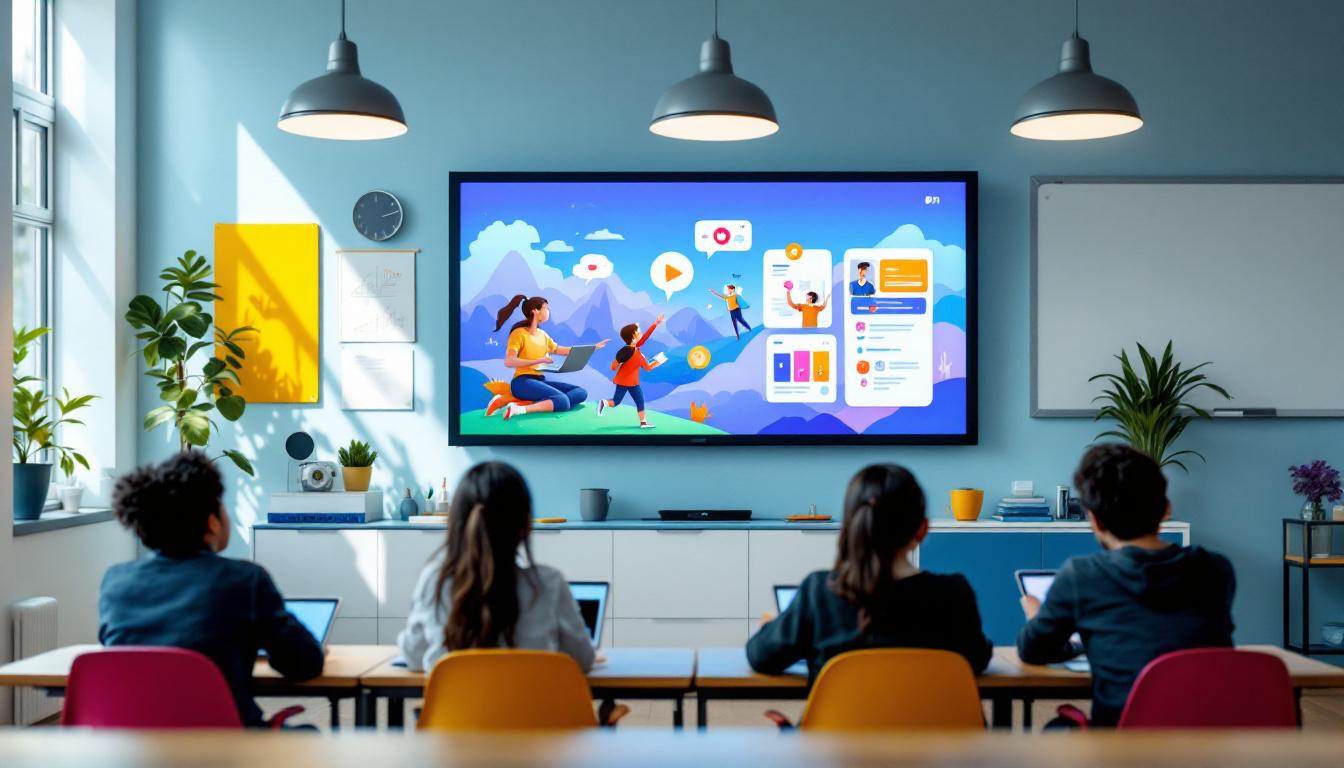
Static posters and bulletin boards, while informative, lack the flexibility to adapt to changing curricula or student needs. LED displays, on the other hand, offer a digital canvas that can showcase anything from daily announcements and schedules to interactive lessons and multimedia presentations. This adaptability supports a more engaging and responsive learning environment. Moreover, the use of LED displays can foster collaboration among students, as they can easily share their work or ideas in real time, encouraging peer feedback and discussion. This collaborative aspect not only enhances learning outcomes but also helps develop essential social skills.
In addition to their educational benefits, LED displays can also serve as a platform for celebrating student achievements and fostering school spirit. Schools can utilize these screens to highlight student artwork, showcase sports events, or promote upcoming activities, creating a vibrant and inclusive atmosphere. By integrating technology into the decor, schools not only modernize their spaces but also create a sense of community and pride among students, teachers, and parents alike. The shift from traditional to tech-savvy classrooms reflects a broader trend in education, where the focus is increasingly on creating environments that are not only functional but also inspiring and conducive to learning.
Understanding LED Displays: Technology and Types
LED stands for Light Emitting Diode, a semiconductor device that emits light when an electric current passes through it. LED displays utilize arrays of these diodes to produce bright, sharp images. Their energy efficiency and longevity make them an attractive option for educational settings. Unlike traditional display technologies, LED displays consume less power and have a longer lifespan, which can significantly reduce operational costs for schools. Additionally, their ability to maintain color accuracy and brightness over time enhances the overall learning experience, providing students with vibrant visuals that can capture their attention and facilitate better engagement with the material being presented.
Types of LED Displays Suitable for Classrooms
There are several types of LED displays that can be integrated into classrooms, each with distinct features:
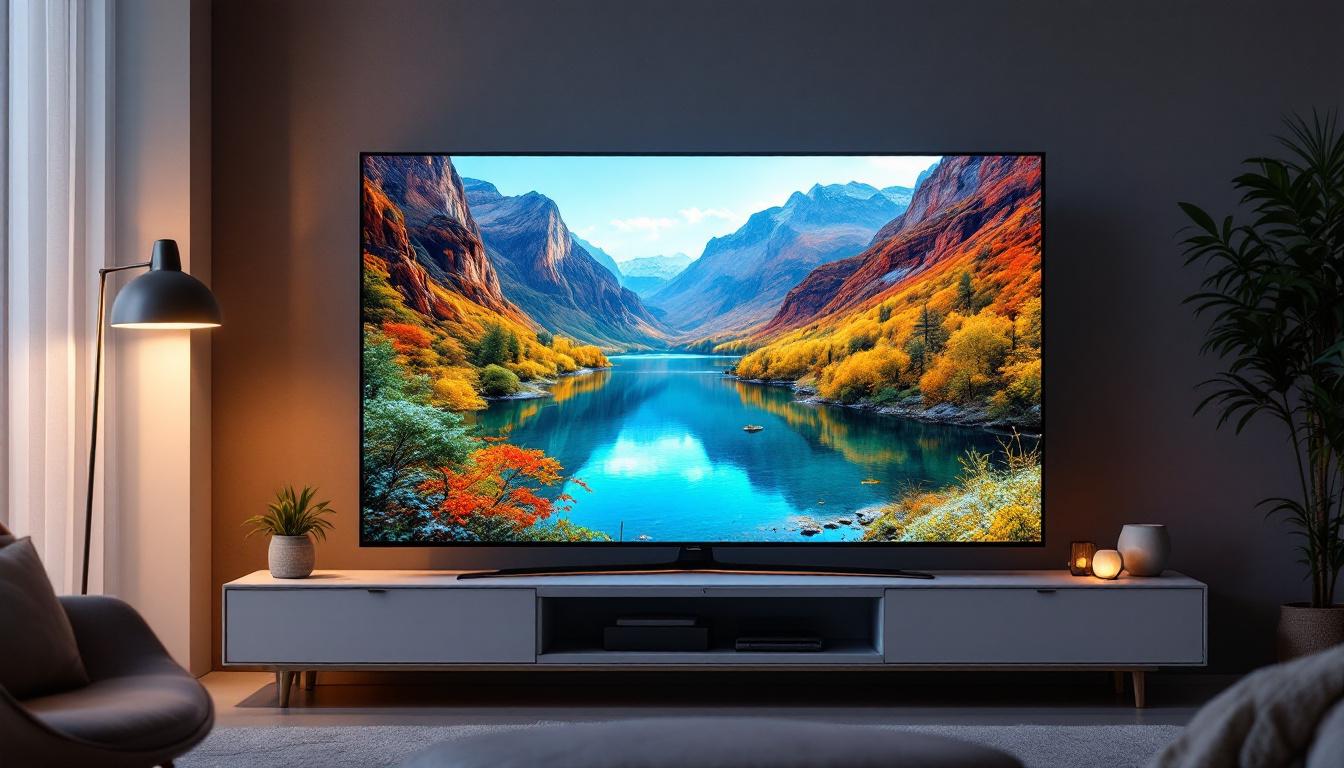
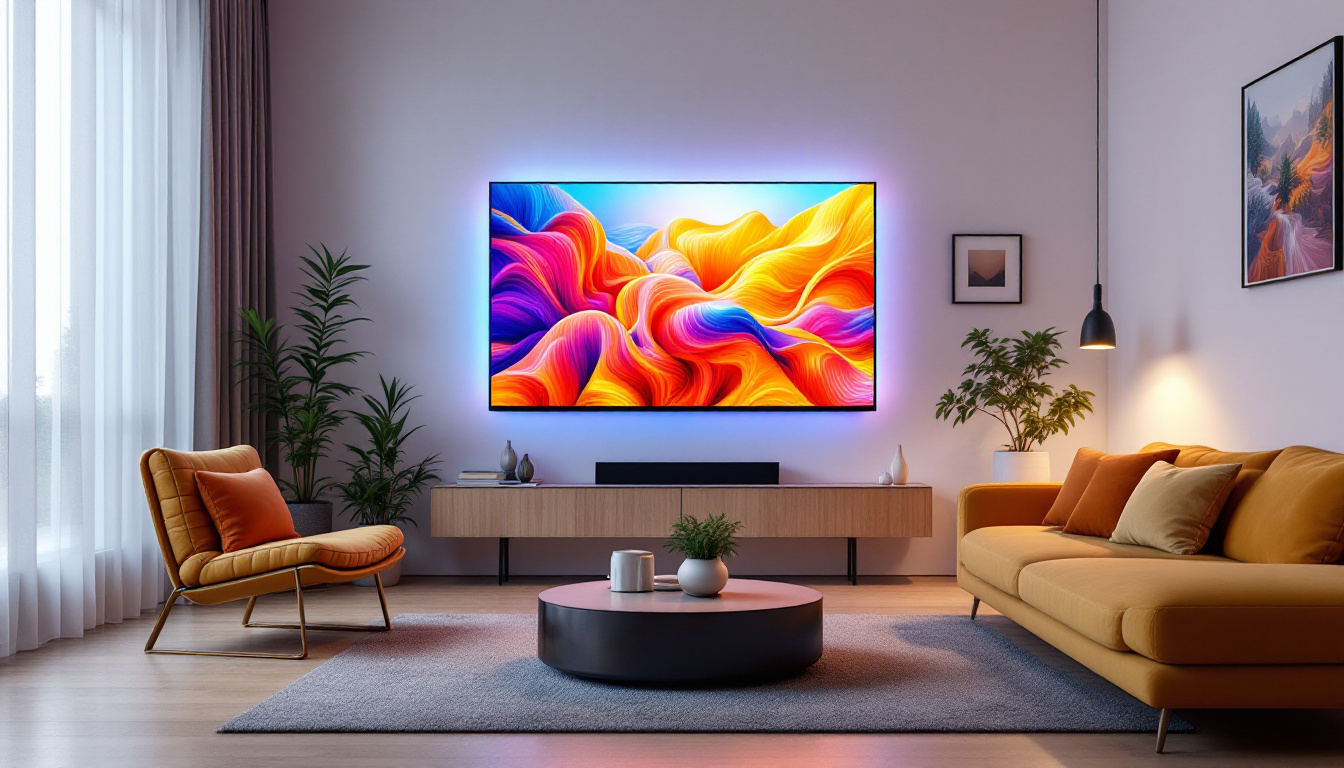
- LED Panels: Thin, flat panels that can be mounted on walls or integrated into desks and podiums. They offer high resolution and are ideal for displaying detailed content.
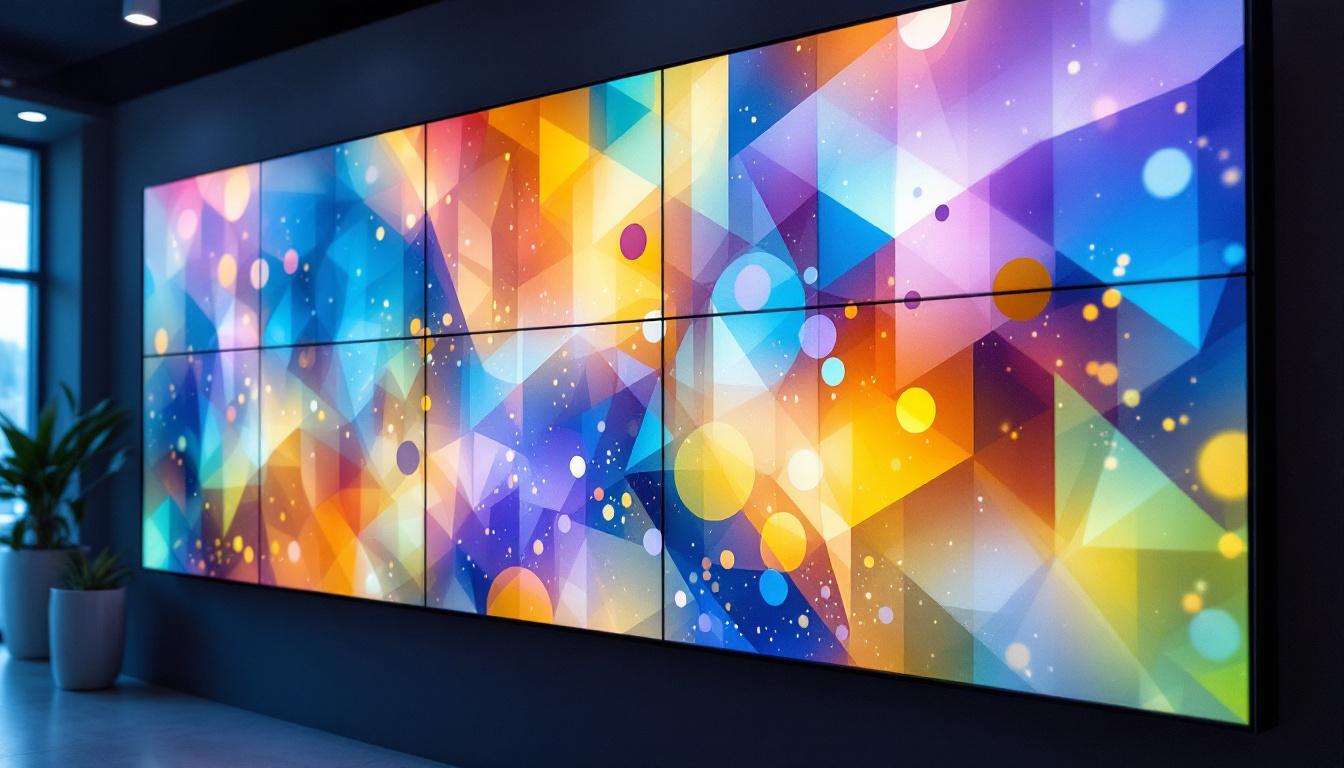
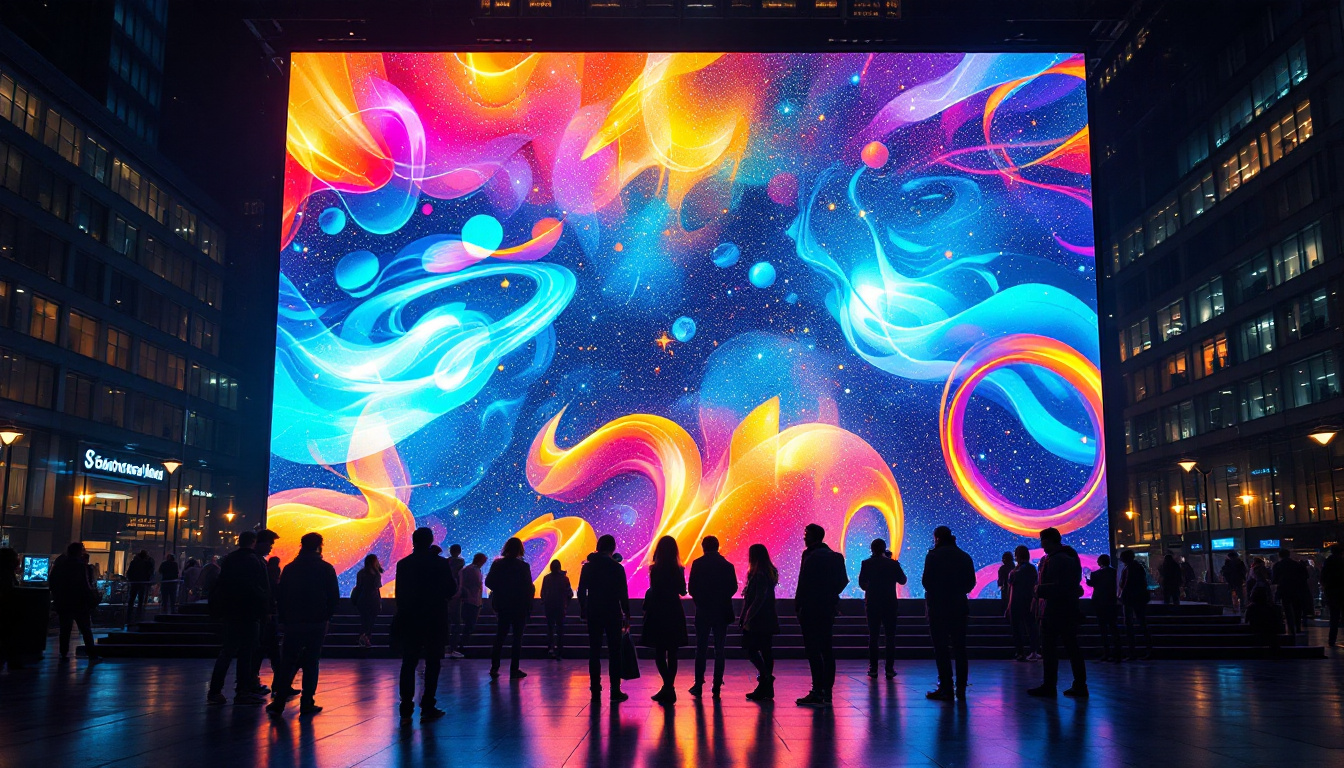
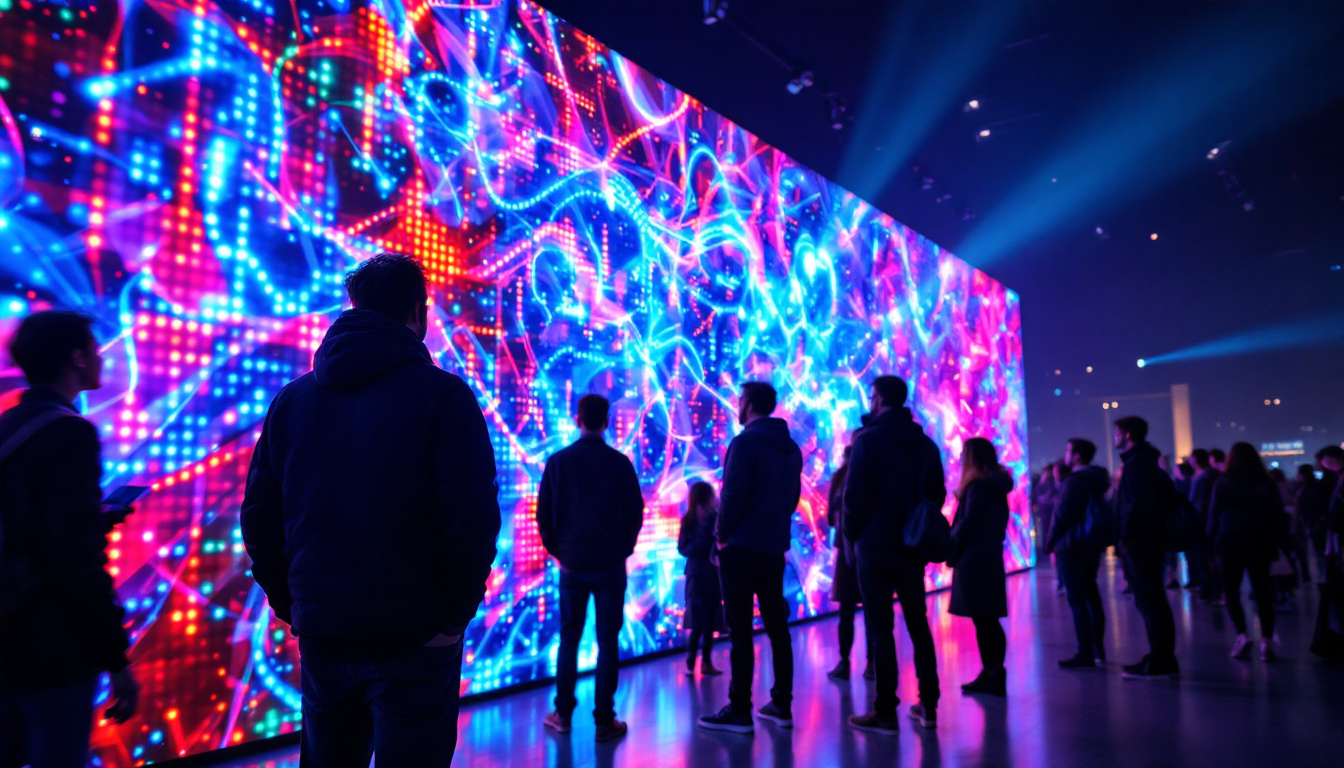
- LED Video Walls: Composed of multiple LED panels tiled together to create a large, seamless display. These are suitable for larger classrooms or auditoriums.
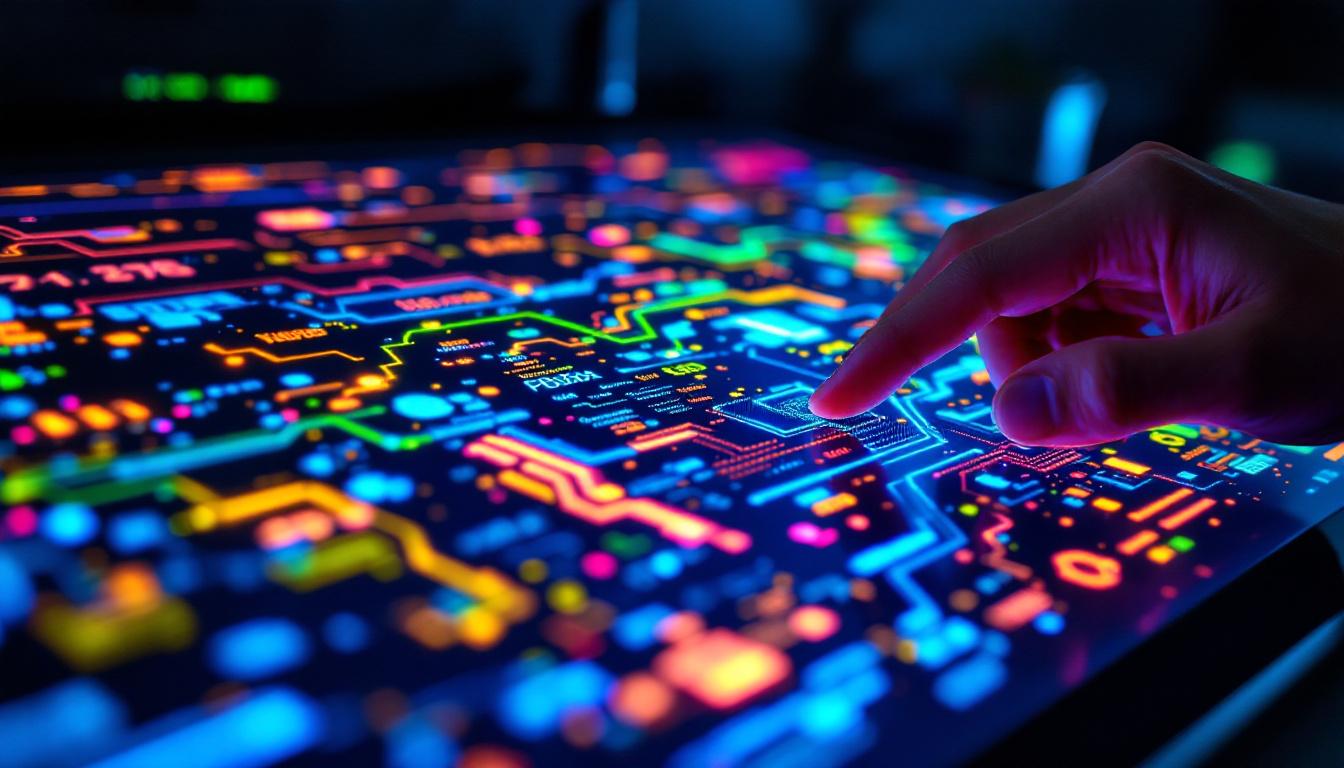
- Interactive LED Displays: Touch-enabled screens that allow students and teachers to interact directly with the content, facilitating collaborative learning.
Choosing the right type depends on classroom size, budget, and intended use. For instance, interactive LED displays not only serve as a teaching tool but also encourage student participation, making lessons more dynamic. In contrast, LED video walls can be particularly effective for presentations or events where a larger audience needs to view the same content simultaneously. Understanding the specific needs of the classroom environment is essential for making an informed decision that enhances the educational experience.
Key Features and Specifications
When selecting an LED display for classroom decor, several technical factors should be considered:
- Brightness: Measured in nits, brightness levels should be sufficient to ensure visibility even in well-lit rooms. Typical classroom displays range from 300 to 700 nits.
- Resolution: Higher resolution provides clearer images and text, essential for detailed educational content. Full HD (1920×1080) or higher is recommended.
- Size: The display size should be proportional to the classroom dimensions and viewing distance to ensure all students can see content clearly.
- Connectivity: Support for HDMI, USB, Wi-Fi, and Bluetooth enables seamless integration with various devices and content sources.
- Durability and Maintenance: LED displays designed for educational use often feature rugged construction and easy maintenance options to withstand daily use.
Furthermore, many modern LED displays come equipped with advanced features such as built-in speakers, which can enhance multimedia presentations without the need for additional audio equipment. Some models also include software that allows for screen sharing and remote collaboration, making it easier for students to participate in group projects, even from different locations. As technology continues to evolve, the integration of artificial intelligence in these displays is becoming more common, providing personalized learning experiences and adaptive content delivery tailored to individual student needs.
Benefits of LED Displays in Classroom Decor
The integration of LED displays into classroom decor offers numerous advantages that extend beyond aesthetics. These benefits contribute to improved teaching outcomes and student experiences.
Enhanced Engagement and Interaction
Visual stimuli are known to capture attention and aid memory retention. LED displays deliver vibrant colors and dynamic content that can make lessons more engaging. Interactive LED screens further encourage student participation through touch and gesture controls, fostering active learning.
Studies have shown that classrooms equipped with interactive technology can see up to a 20% increase in student engagement levels, which correlates with improved academic performance.
Flexibility and Real-Time Updates
Unlike traditional decor, LED displays allow educators to update content instantly. This flexibility supports diverse teaching methods, from displaying multimedia presentations to real-time quizzes and polls. It also enables quick dissemination of important announcements, schedules, or emergency information.
Supporting Diverse Learning Styles
LED displays can accommodate various learning preferences by integrating visual, auditory, and kinesthetic elements. Videos, animations, and interactive simulations can clarify complex concepts, benefiting students who struggle with traditional text-based instruction.
Energy Efficiency and Sustainability
Modern LED technology is highly energy-efficient, consuming significantly less power than older display technologies like LCD or plasma screens. This efficiency aligns with growing sustainability goals in educational institutions, reducing operational costs and environmental impact.
Practical Applications of LED Displays in Classrooms
LED displays can be utilized in multiple ways to enhance the educational environment and classroom decor.
Digital Bulletin Boards and Announcements
Replacing paper-based bulletin boards with digital LED displays enables schools to share timely information such as event schedules, lunch menus, and motivational messages. This dynamic approach keeps students informed and engaged without the clutter of physical posters.
Interactive Lessons and Collaborative Learning
Interactive LED displays serve as hubs for collaborative activities. Teachers can present lessons that incorporate multimedia content, live annotations, and student inputs. This interactivity encourages participation and helps develop critical thinking and teamwork skills.
Visual Timetables and Classroom Management
LED displays can showcase daily schedules, classroom rules, and behavioral reminders in a visually appealing format. This helps maintain structure and promotes a positive learning environment.
Showcasing Student Work and Achievements
Displaying student projects, artwork, or achievements on LED screens celebrates accomplishments and fosters a sense of community and pride. Rotating content ensures that all students have opportunities to be recognized.
Considerations for Implementing LED Displays in Classrooms
While LED displays offer numerous benefits, successful integration requires careful planning and consideration.
Budget and Cost-Effectiveness
Initial investment in LED technology can be significant, especially for larger or interactive displays. Schools should evaluate the long-term benefits against costs, considering factors such as energy savings, reduced maintenance, and enhanced learning outcomes.
Installation and Space Requirements
Proper installation is crucial to maximize visibility and usability. This includes selecting appropriate mounting locations, ensuring power and connectivity access, and considering glare or lighting conditions that may affect screen visibility.
Training and Technical Support
Teachers and staff need adequate training to utilize LED displays effectively. Ongoing technical support ensures that devices function smoothly and that educators can troubleshoot issues promptly.
Content Management and Accessibility
Developing engaging and relevant content is essential to leverage the full potential of LED displays. Additionally, content should be accessible to all students, including those with disabilities, adhering to inclusive education principles.
Future Trends in Classroom LED Displays
As technology continues to advance, LED displays are expected to become even more integral to classroom decor and pedagogy.
Integration with Artificial Intelligence and Augmented Reality
Emerging technologies such as AI and AR are being combined with LED displays to create immersive learning experiences. For example, AR overlays projected on LED screens can bring historical events or scientific phenomena to life, deepening understanding.
Personalized Learning Environments
Future LED display systems may adapt content dynamically based on individual student progress and preferences, supporting personalized learning paths within the classroom setting.
Increased Interactivity and Connectivity
Advancements in touch sensitivity, gesture recognition, and wireless connectivity will make LED displays more interactive and easier to integrate with other educational technologies, fostering seamless collaboration.
Conclusion
LED displays represent a significant advancement in modern classroom decor, blending technology with educational design to create vibrant, flexible, and engaging learning environments. Their ability to display dynamic content, support interactive learning, and adapt to diverse educational needs makes them a valuable asset for schools aiming to enhance student outcomes and foster a stimulating atmosphere.
As schools consider updating their classroom environments, understanding the technology, benefits, and practical considerations of LED displays is essential. With thoughtful implementation, LED displays can transform classrooms into innovative spaces that inspire and empower both educators and students.
Discover LumenMatrix LED Solutions for Your Classroom
Ready to elevate your educational environment with the latest in LED display technology? LumenMatrix is at the forefront of creating immersive and dynamic visual experiences for classrooms of the future. From Indoor LED Walls to Custom LED Displays, our solutions are designed to engage students and enhance learning. Embrace the power of vibrant, interactive displays and transform your classroom into a hub of inspiration and innovation. Check out LumenMatrix LED Display Solutions today and step into the new era of educational decor.