In today’s digital age, LED displays have become an integral part of how information is presented and consumed. From vibrant billboards in bustling city centers to the crisp screens on smartphones and televisions, LED technology powers a wide range of visual experiences. But what exactly is an LED display, how does it work, and why has it become the preferred choice across industries? This comprehensive guide explores the technology behind LED displays, their applications, advantages, and future trends shaping the visual landscape.
Understanding LED Display Technology
What Is an LED Display?
LED stands for Light Emitting Diode, a semiconductor device that emits light when an electric current passes through it. An LED display is a flat panel display that uses an array of these tiny LEDs to create images, videos, or text. Unlike traditional LCD or plasma screens, LED displays rely on these individual diodes as light sources, which can be arranged in various configurations to produce vibrant, high-contrast visuals.
The technology can be found in different forms, including direct-view LED displays, where the LEDs themselves form the pixels visible to the viewer, and LED-backlit LCDs, where LEDs provide the backlighting for an LCD panel. This article focuses primarily on direct-view LED displays, which are commonly used for large-scale signage and digital billboards.
How Do LED Displays Work?
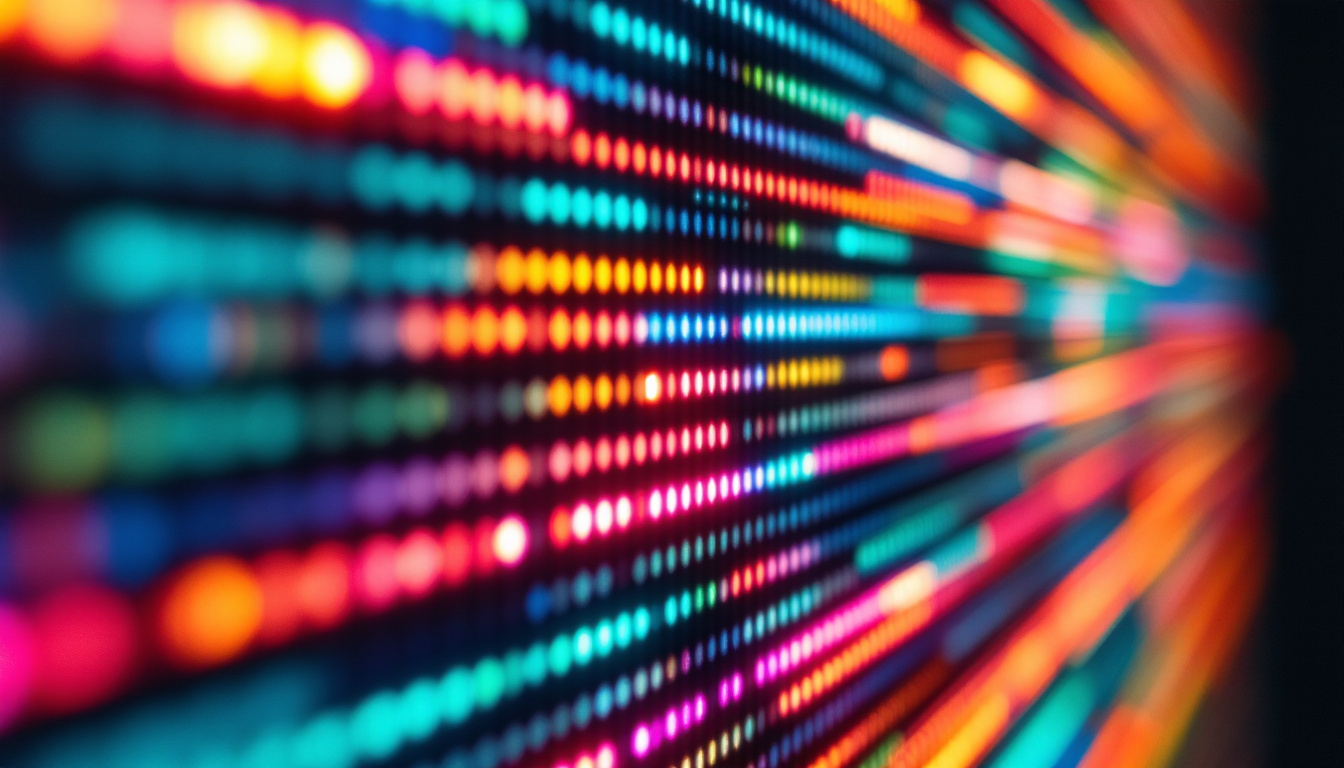
At the core of an LED display is a grid of tiny LEDs, each acting as a pixel or subpixel. These LEDs are typically red, green, and blue (RGB), and by varying the intensity of each color, the display can produce a full spectrum of colors. The combination of these RGB LEDs in close proximity allows the display to generate detailed and colorful images.
The control system behind the display manages the brightness and color of each LED based on the input signal. This signal can come from various sources such as computers, media players, or broadcast systems. Advanced processing chips interpret the incoming data and adjust the LEDs in real-time, enabling dynamic content like videos and animations.
Types of LED Displays
LED displays come in several types, each suited for different applications:
- Indoor LED Displays: Designed for close viewing distances, these displays have a higher pixel density (smaller pixel pitch) and are optimized for indoor lighting conditions.
- Outdoor LED Displays: Built to withstand harsh weather and bright sunlight, these displays feature higher brightness levels and protective coatings.
- Flexible LED Displays: Utilizing bendable substrates, these displays can curve or wrap around surfaces, opening new possibilities for creative installations.
- Transparent LED Displays: These allow light to pass through the screen, making them ideal for retail windows and architectural applications.
Applications of LED Displays Across Industries
Advertising and Digital Signage
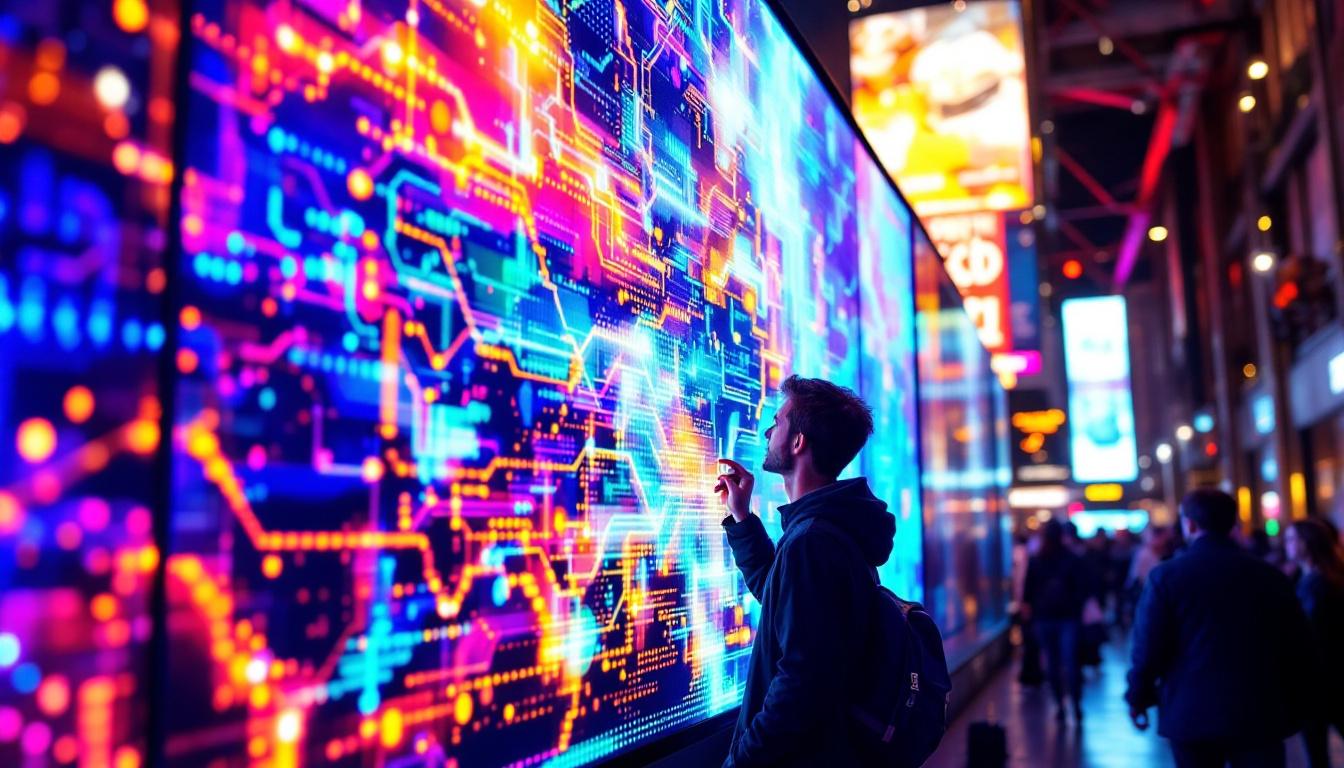
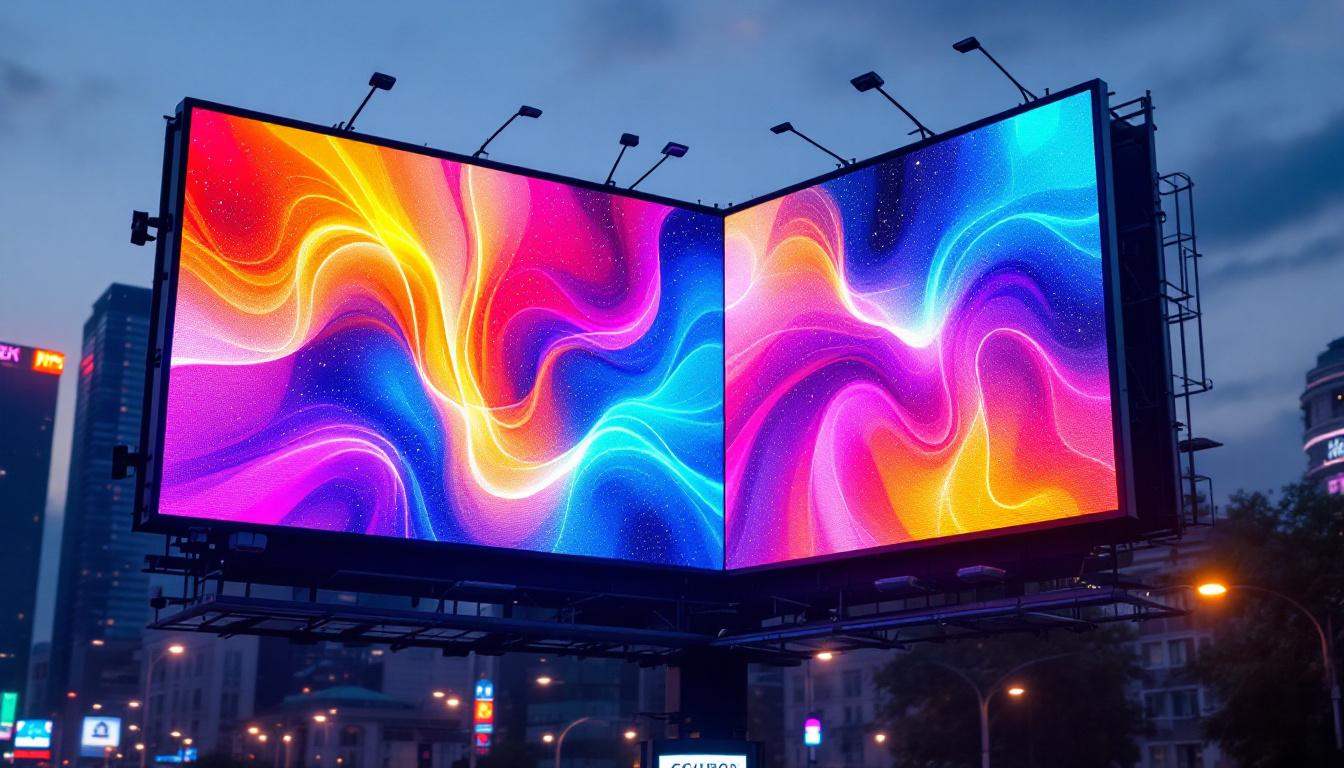
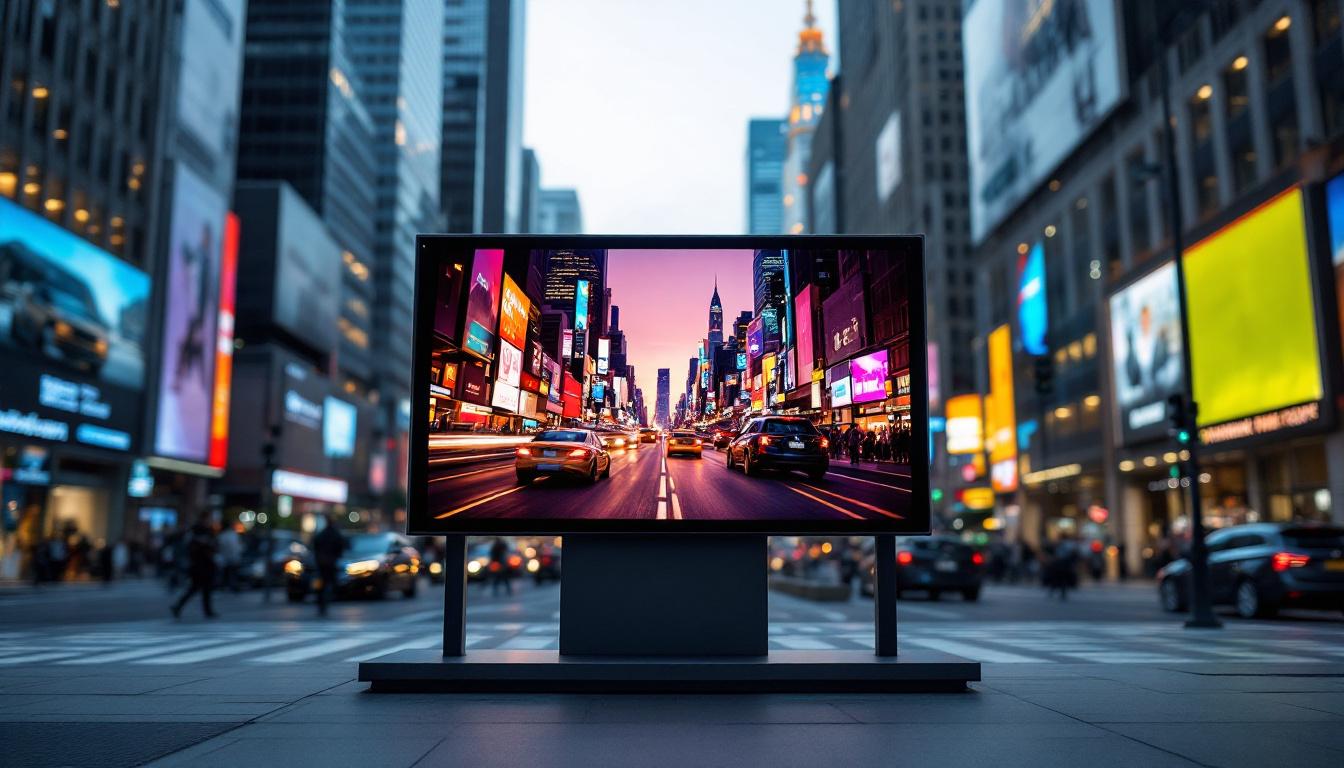
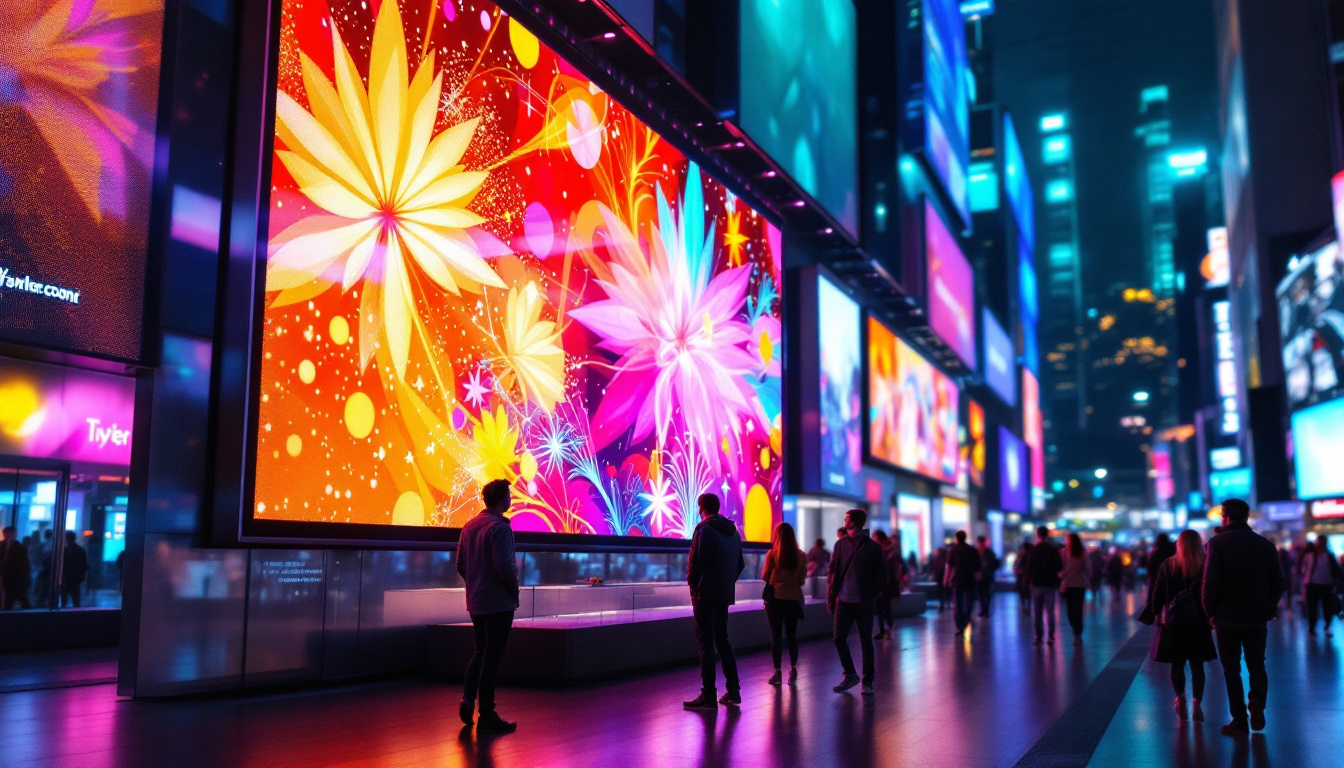
One of the most visible uses of LED displays is in advertising. Digital billboards and signage have revolutionized outdoor advertising by enabling dynamic, eye-catching content that can be updated remotely and instantly. According to a 2023 report by Grand View Research, the global digital signage market is projected to reach $32 billion by 2028, with LED displays accounting for a significant share due to their brightness and durability.
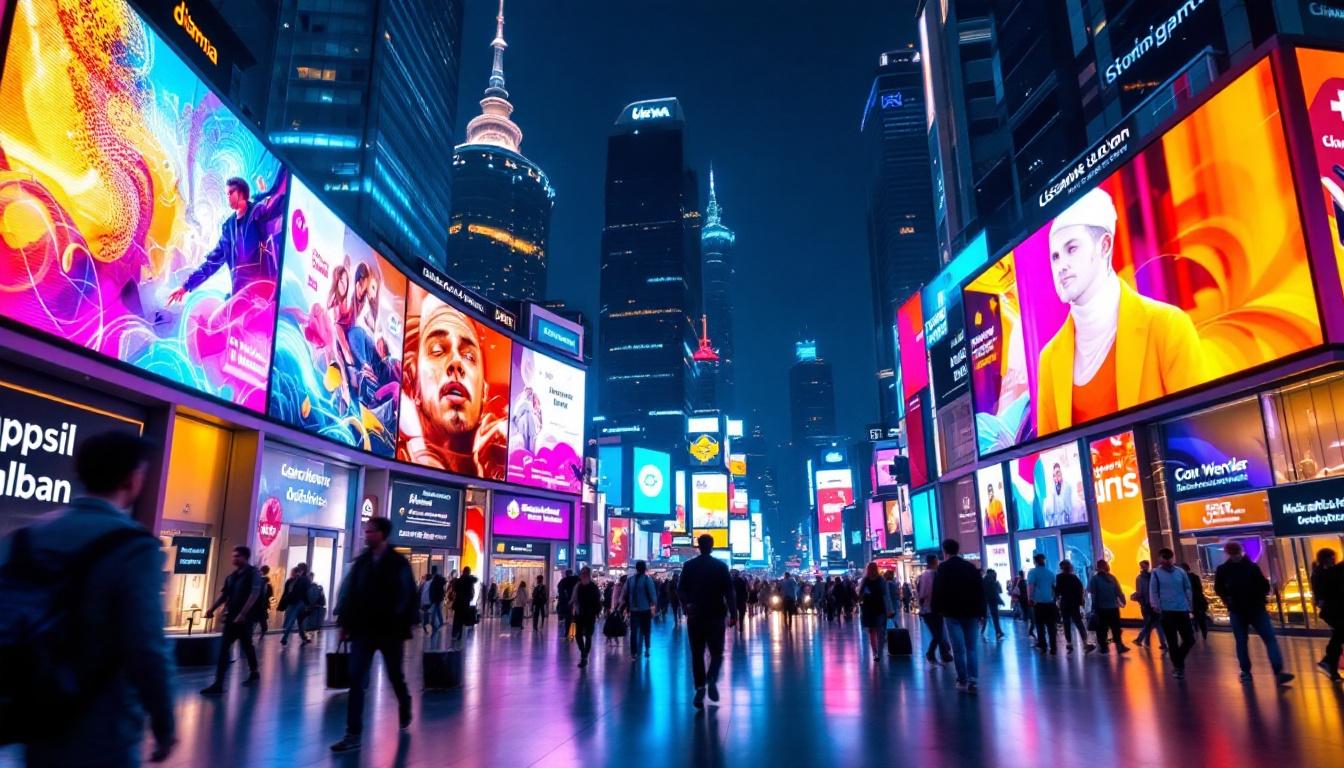
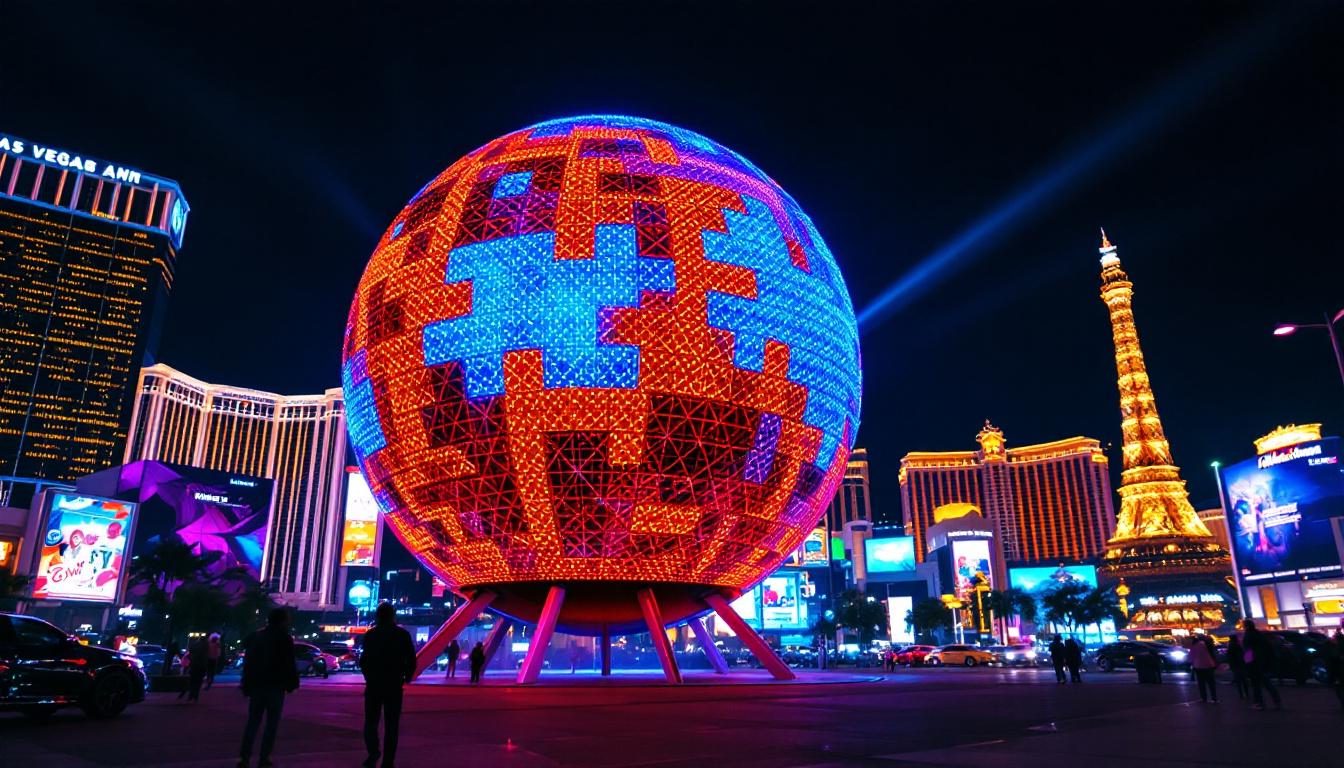
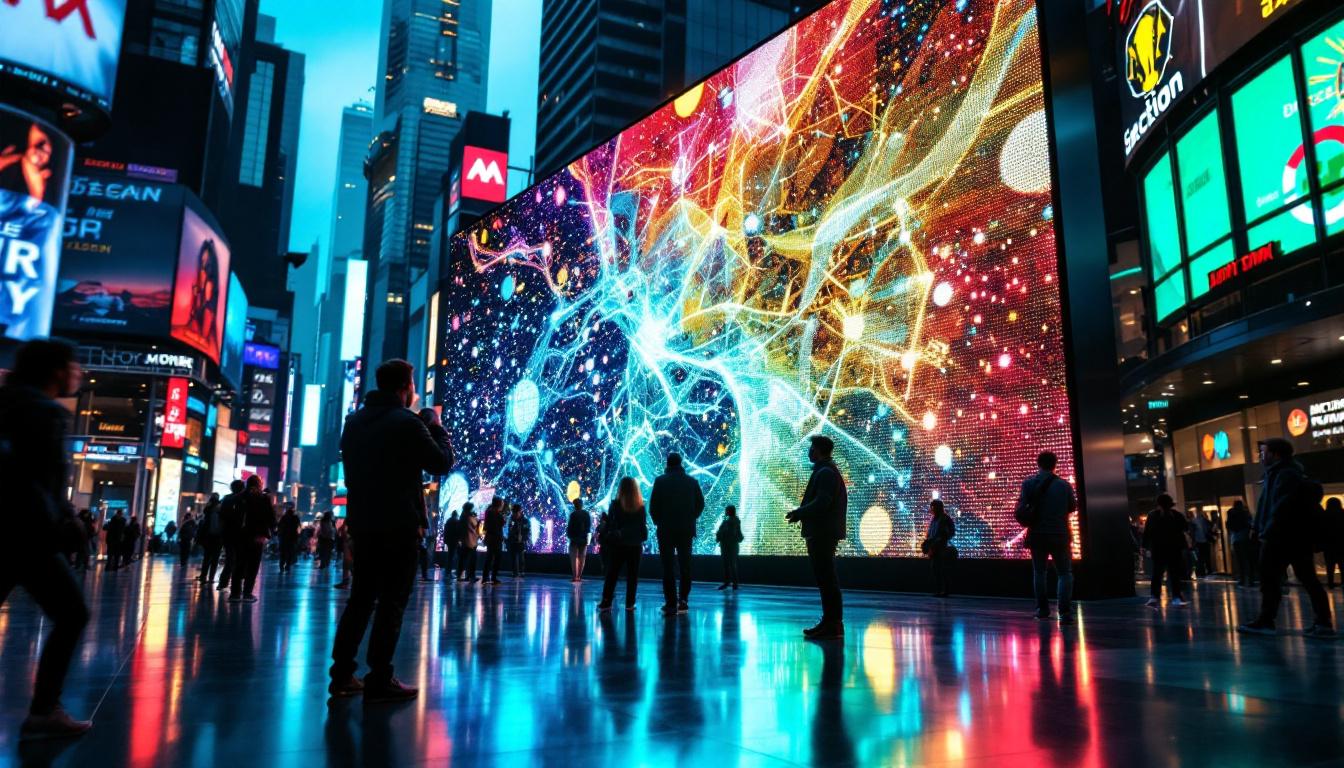
Major cities worldwide feature massive LED billboards, such as the iconic Times Square in New York City, where LED technology creates vibrant advertisements visible day and night. The ability to display video content, animations, and real-time updates makes LED signage more engaging and effective than static posters.
Entertainment and Events
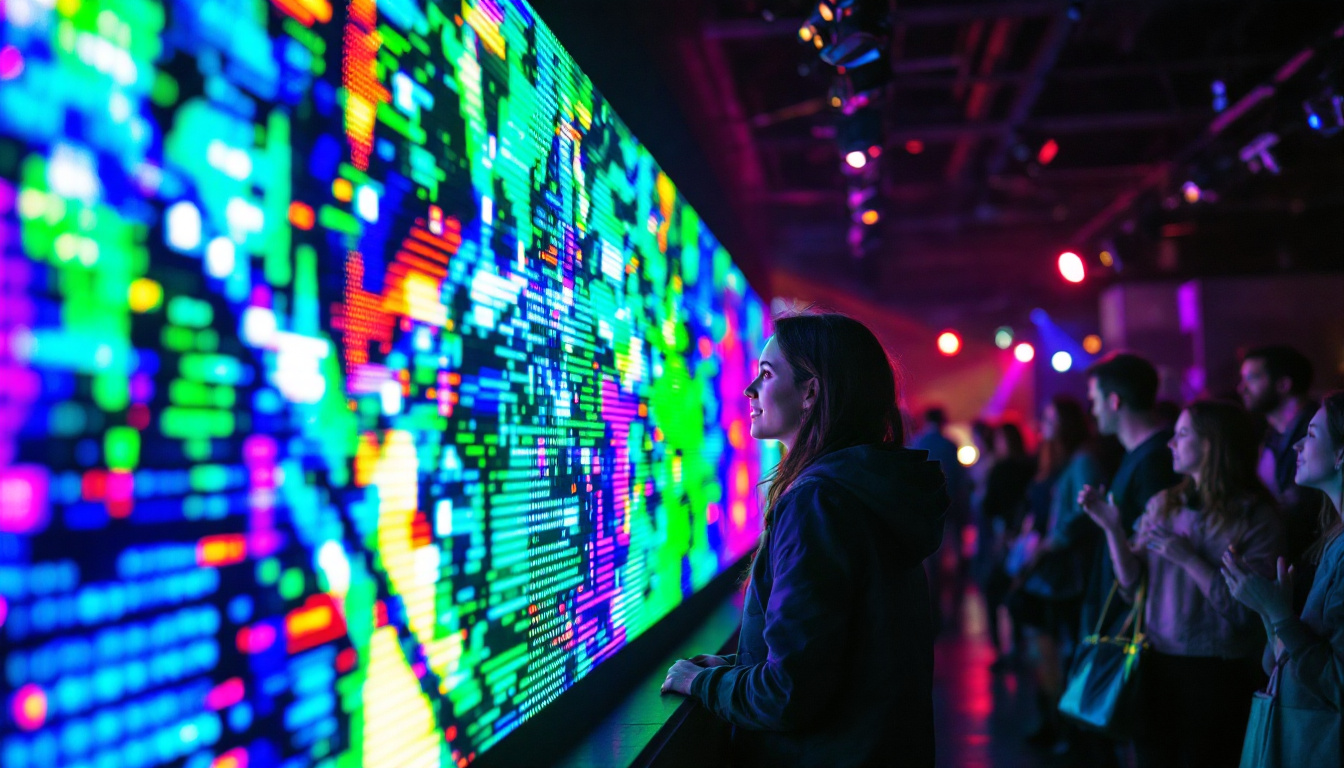
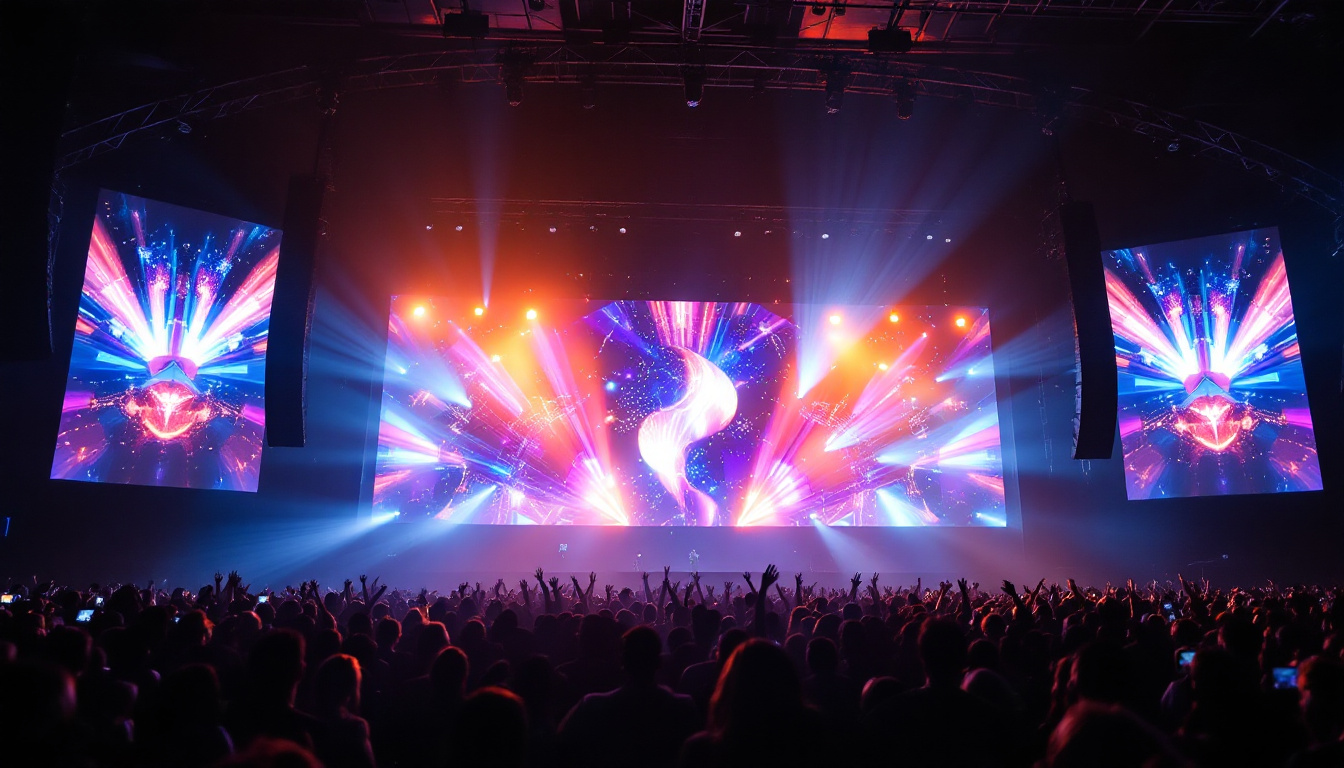
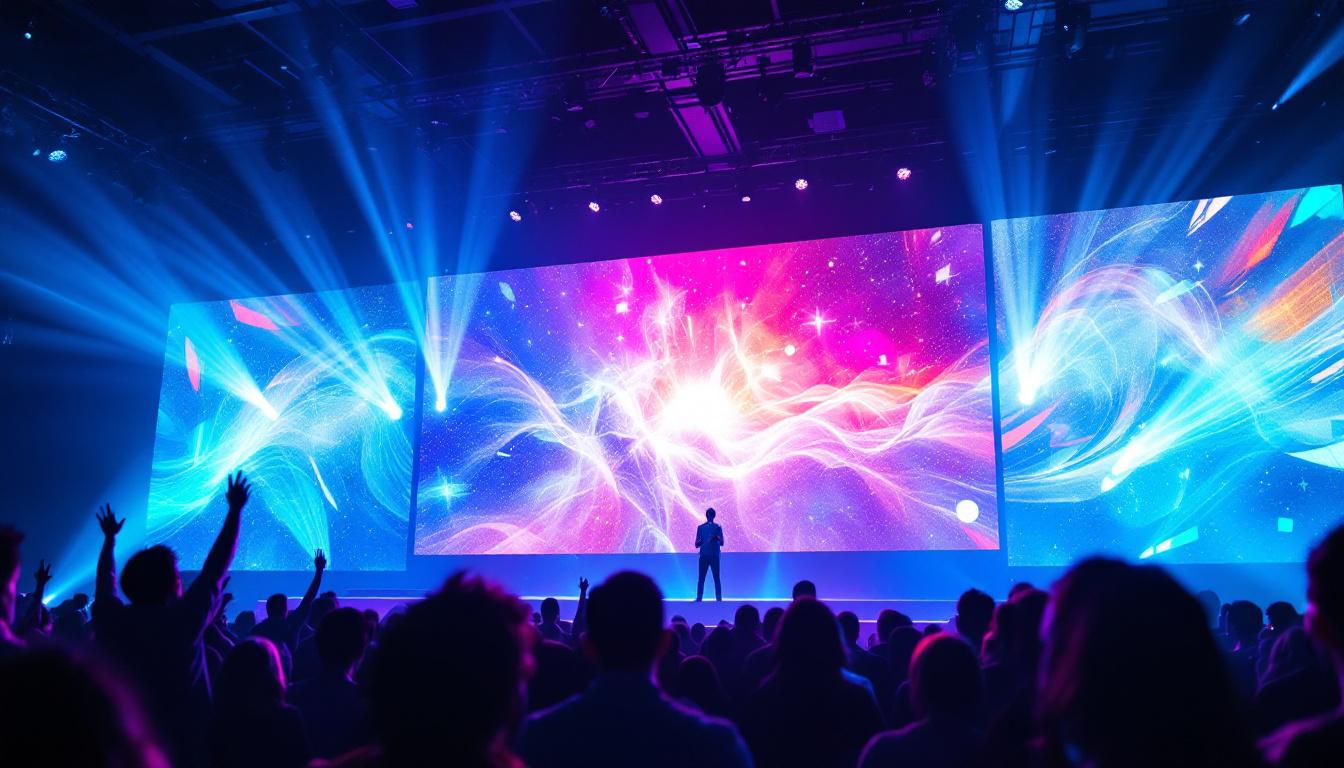
LED displays have become indispensable in concerts, sports arenas, and live events. Their scalability and high brightness ensure visibility even in large venues and outdoor settings. For example, the 2022 FIFA World Cup utilized advanced LED displays to provide immersive fan experiences, including giant screens showing live action and interactive content.
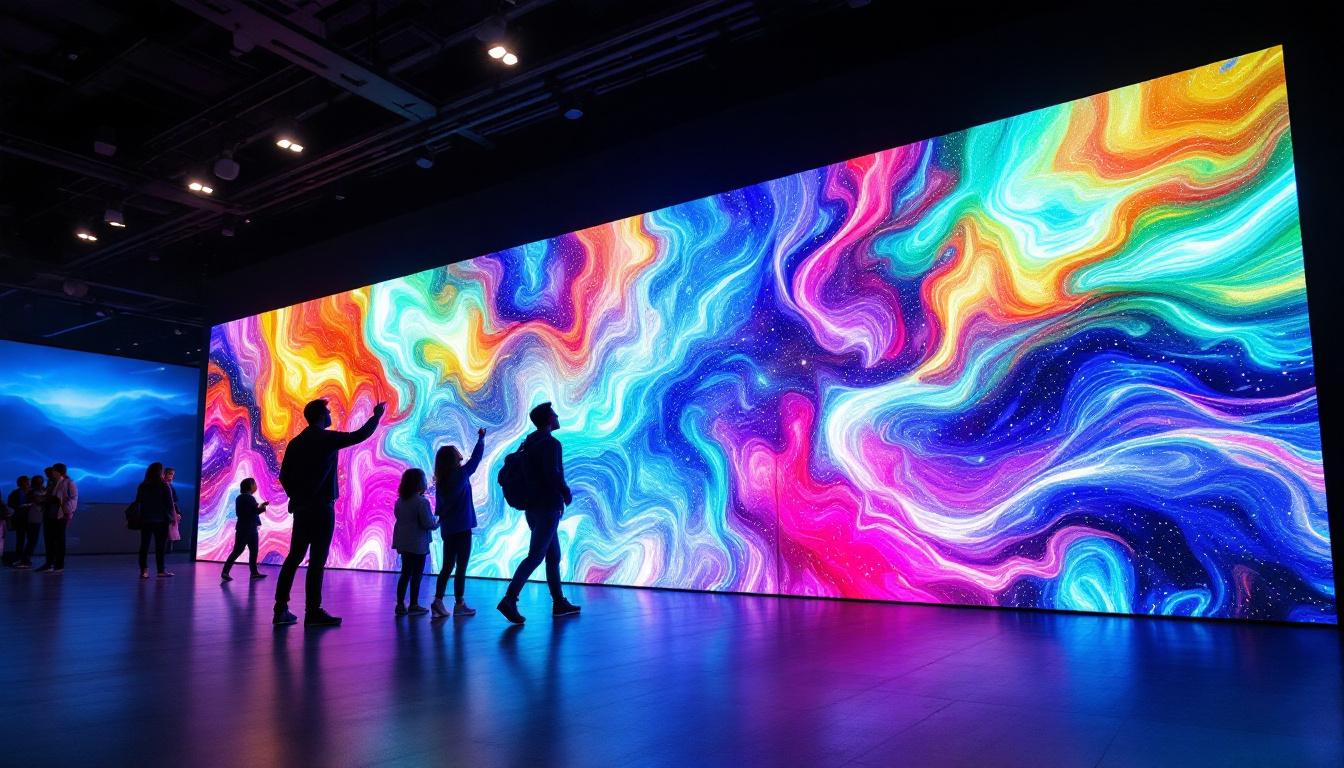
Event organizers value LED displays for their flexibility and quick setup times. Modular LED panels can be configured into various shapes and sizes, allowing creative stage designs and immersive environments. Additionally, the high refresh rates and color accuracy enhance the visual experience for audiences.
Retail and Corporate Environments
Retailers use LED displays to attract customers and enhance brand messaging. From digital price tags to interactive product showcases, LED technology offers versatile solutions that can be tailored to specific marketing goals. Transparent LED displays in storefronts allow for promotional content without blocking natural light, creating an inviting atmosphere.
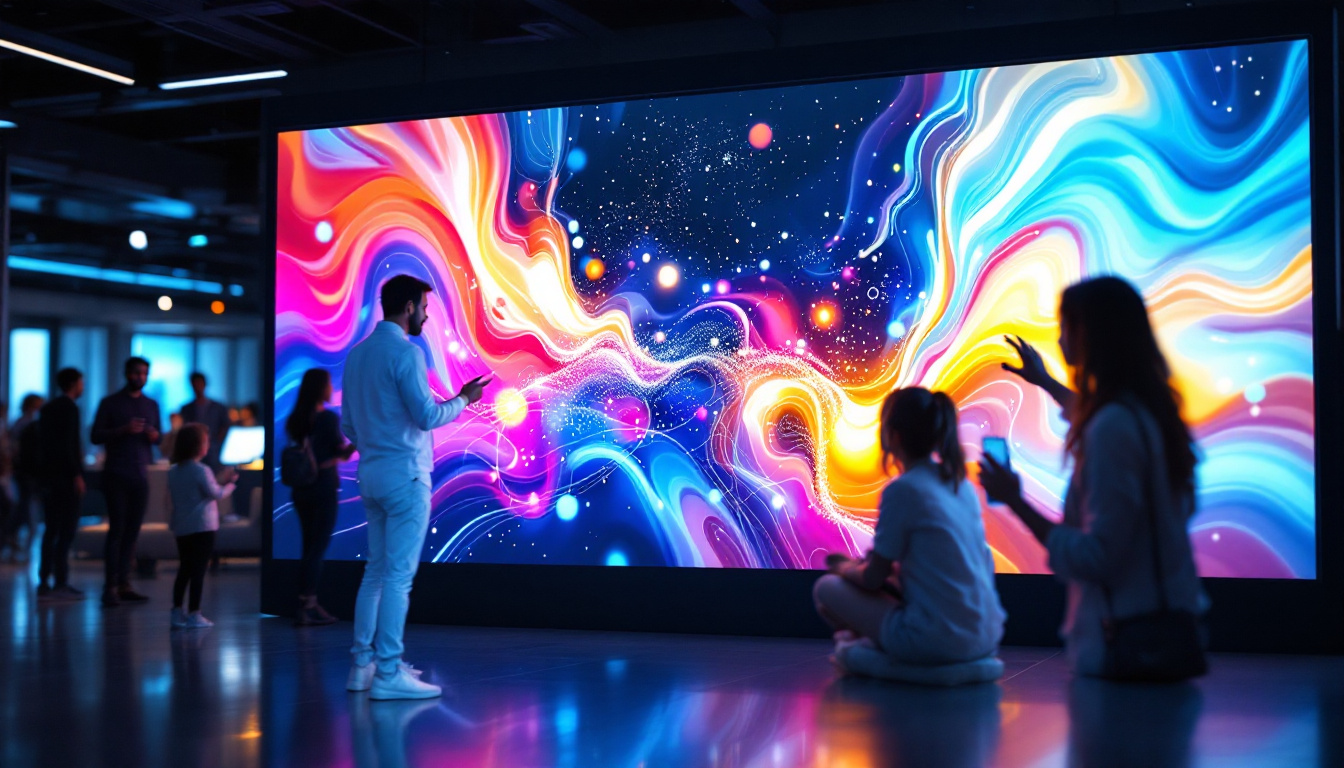
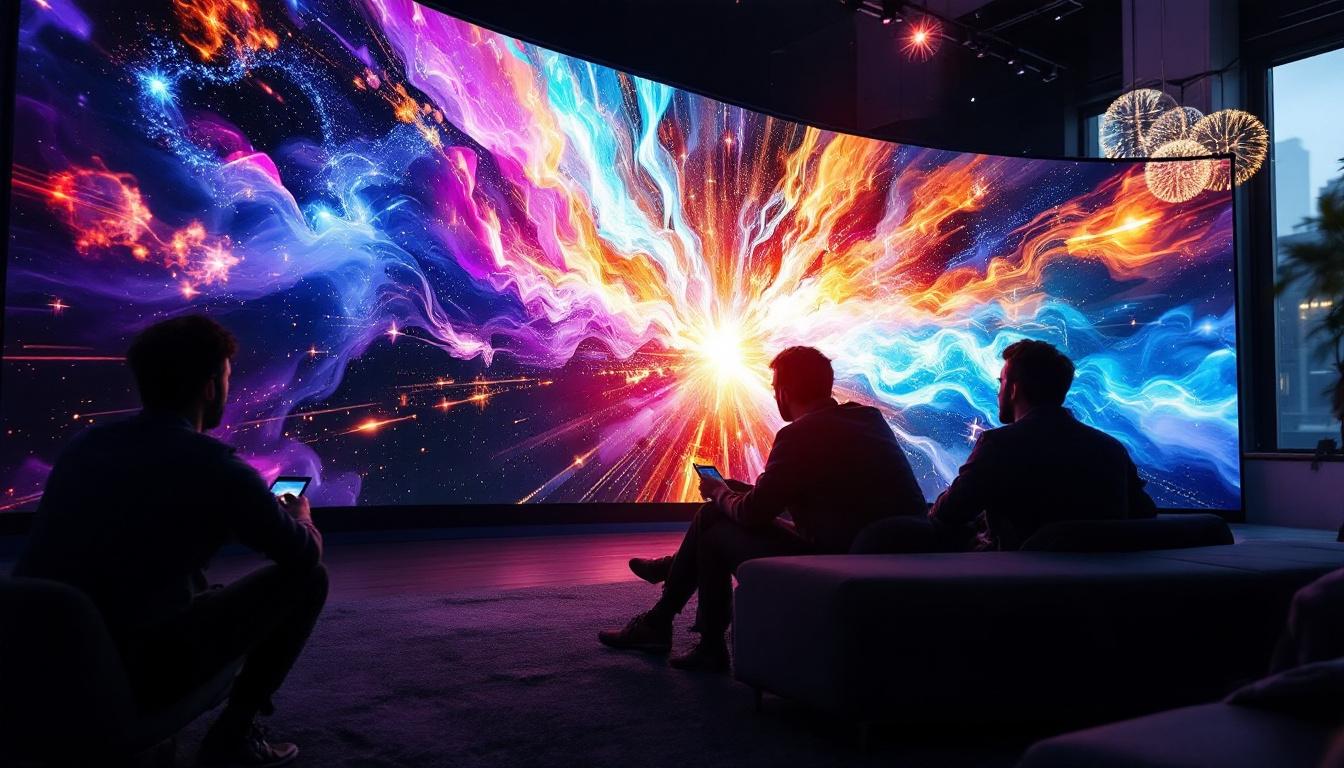
In corporate settings, LED video walls are popular for conference rooms, lobbies, and control centers. These displays facilitate presentations, data visualization, and collaboration, improving communication and decision-making processes.
Advantages of LED Displays Over Other Technologies
Superior Brightness and Visibility
LED displays are known for their exceptional brightness, often exceeding 5,000 nits in outdoor models. This high luminance ensures that content remains visible even under direct sunlight, a significant advantage over LCD and projection-based displays. The ability to maintain clarity in various lighting conditions makes LED displays ideal for outdoor advertising and public information systems.
Energy Efficiency and Longevity
Compared to older display technologies like plasma or incandescent bulbs, LEDs consume significantly less power. This energy efficiency translates into lower operating costs, especially important for large-scale installations that run continuously. Furthermore, LEDs have a long operational lifespan, typically ranging from 50,000 to 100,000 hours, reducing maintenance and replacement expenses.
Enhanced Color Accuracy and Contrast
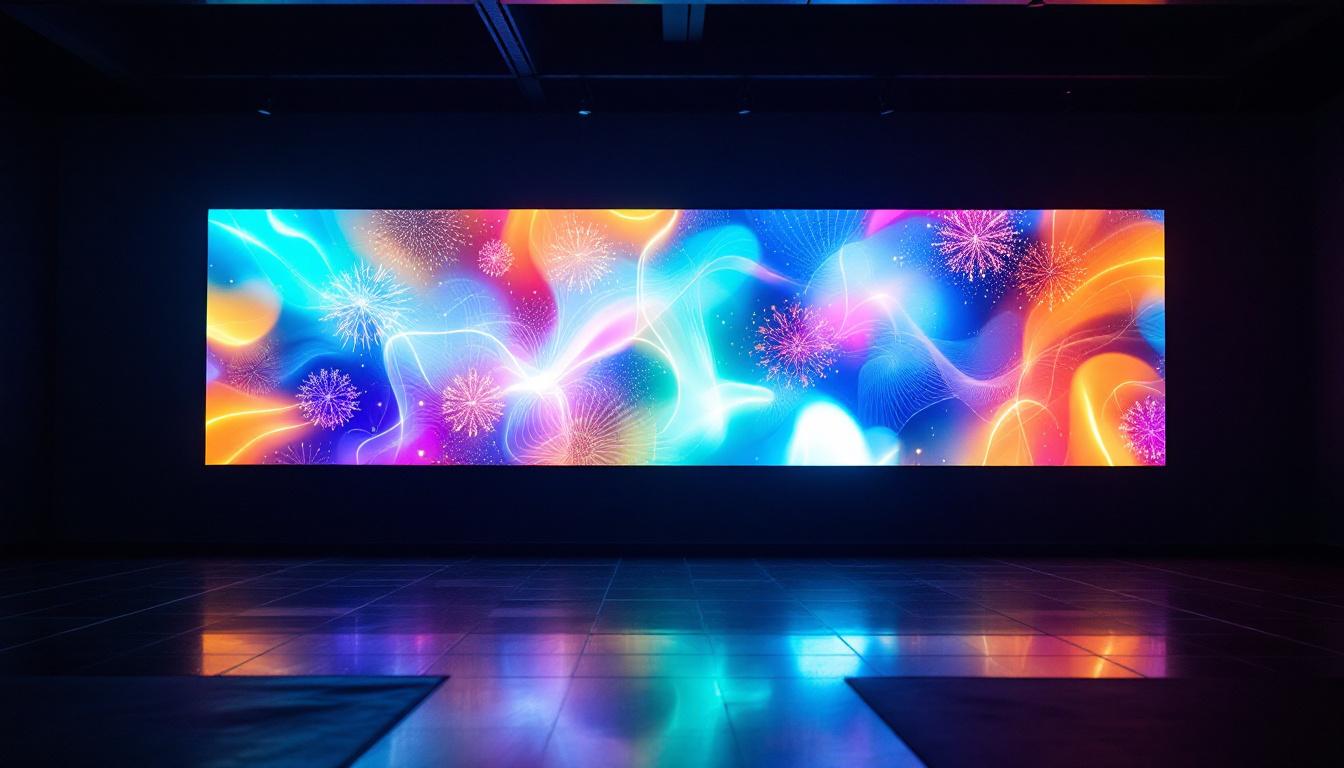
Because each LED emits light directly, LED displays can achieve deeper blacks and higher contrast ratios than LCDs, which rely on backlighting. This direct emission results in more vivid colors and sharper images, enhancing the overall viewing experience. For applications requiring precise color representation, such as digital art displays or broadcasting, LED technology is often preferred.
Scalability and Flexibility
LED displays are modular by nature, allowing for seamless expansion or customization. Panels can be combined to create screens of virtually any size or shape, from small indoor displays to massive outdoor video walls. This flexibility supports a wide range of creative and practical applications, making LED displays a versatile choice for many industries.
Technical Considerations When Choosing an LED Display
Pixel Pitch and Resolution
Pixel pitch refers to the distance between the centers of adjacent LEDs and is a critical factor in determining image clarity. A smaller pixel pitch means higher resolution and finer detail, which is essential for close viewing distances. For example, indoor LED displays often feature pixel pitches as low as 0.9 mm, while outdoor displays typically range from 4 mm to 20 mm or more.
Choosing the appropriate pixel pitch depends on the intended viewing distance and content type. For digital signage viewed from several meters away, a larger pixel pitch can be cost-effective without compromising visual quality.
Brightness and Contrast Ratios
Brightness is measured in nits and influences how well the display performs in various lighting environments. Outdoor displays require higher brightness levels to overcome sunlight glare, while indoor displays can operate at lower brightness to reduce eye strain and power consumption.
Contrast ratio, the difference between the darkest black and brightest white, affects image depth and realism. High contrast ratios contribute to more immersive visuals, particularly important for video content and detailed graphics.
Refresh Rate and Viewing Angle
The refresh rate, expressed in Hertz (Hz), indicates how many times per second the display updates its image. Higher refresh rates reduce flicker and motion blur, improving the viewing experience, especially for fast-moving content like sports or video games.
Viewing angle determines how well the display maintains color and brightness when viewed from different positions. Wide viewing angles are crucial for public displays where audiences may be spread across a large area.
Future Trends in LED Display Technology
MicroLED and MiniLED Innovations
Emerging technologies like MicroLED and MiniLED promise to push LED displays to new heights. MicroLEDs are tiny LEDs that can be individually controlled to create displays with exceptional brightness, contrast, and energy efficiency. Unlike OLEDs, MicroLEDs do not suffer from burn-in and offer longer lifespans.
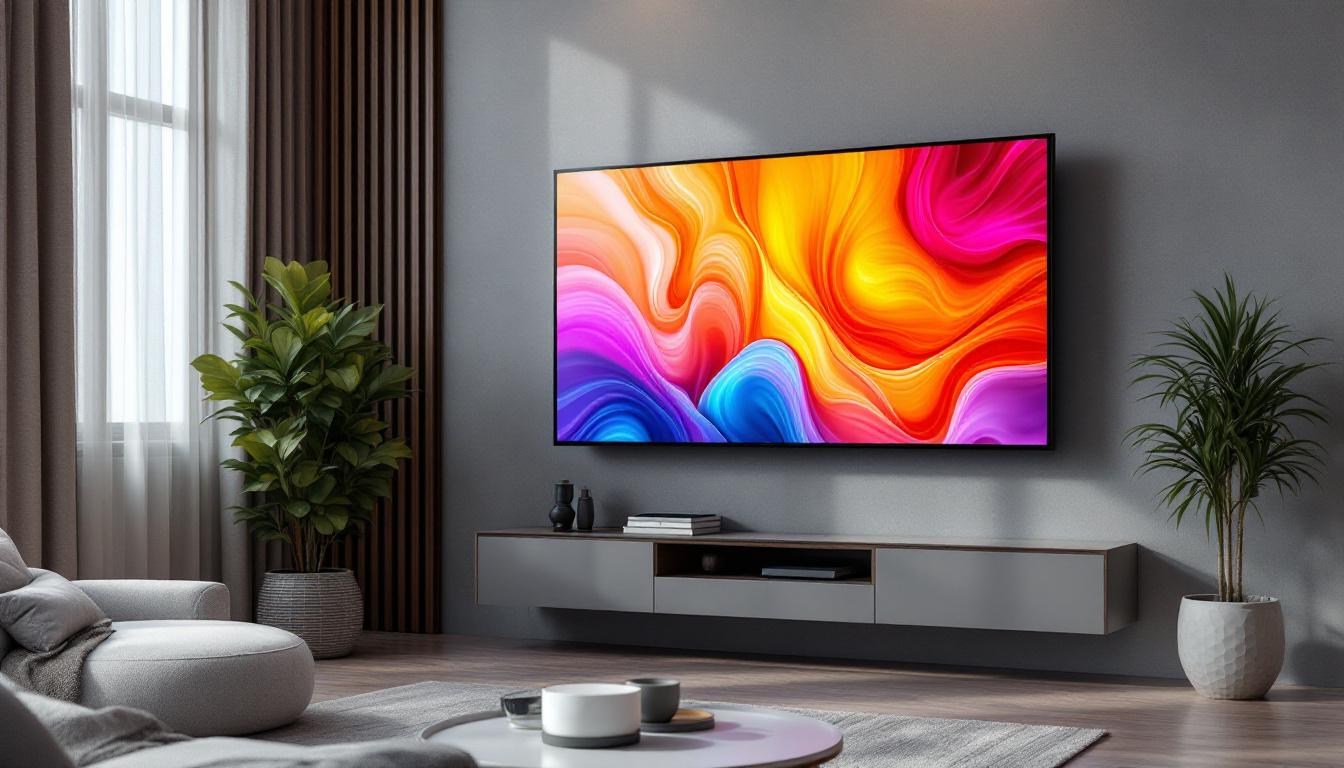
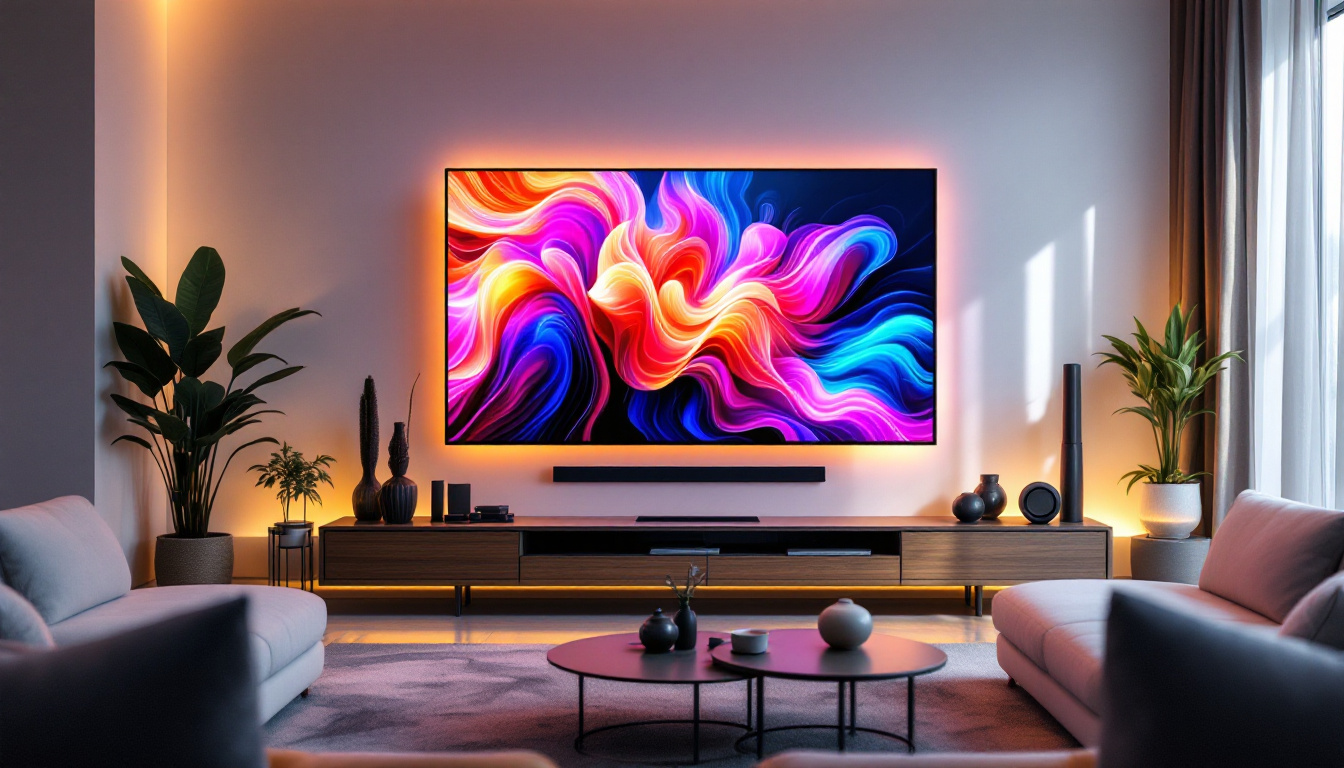
MiniLED technology uses smaller LEDs as backlighting for LCD panels, improving contrast and color accuracy without the cost of full direct-view LED displays. These innovations are expected to enhance consumer electronics, including TVs and smartphones, as well as professional displays.
Integration with Smart Technologies
LED displays are increasingly integrated with smart systems, enabling interactive features, real-time data feeds, and AI-driven content optimization. For example, digital signage can adapt advertising based on audience demographics or environmental conditions, maximizing engagement and effectiveness.
Additionally, advancements in IoT connectivity allow LED displays to become part of broader smart city infrastructures, providing dynamic information on traffic, weather, and public safety.
Sustainability and Eco-Friendly Designs
As environmental concerns grow, manufacturers are focusing on making LED displays more sustainable. This includes using recyclable materials, improving energy efficiency, and developing manufacturing processes with lower carbon footprints. The long lifespan and reduced power consumption of LED displays already contribute to sustainability goals compared to older technologies.
Conclusion
LED displays represent a transformative technology that has reshaped the way visual content is delivered across multiple industries. Their superior brightness, energy efficiency, and versatility make them an ideal solution for advertising, entertainment, retail, and corporate environments. As innovations like MicroLED and smart integration continue to evolve, LED displays will become even more immersive, interactive, and sustainable.
Understanding the technical aspects and applications of LED displays is crucial for businesses and professionals looking to leverage this technology effectively. Whether for captivating digital billboards or sophisticated video walls, LED displays offer unparalleled opportunities to engage audiences and communicate messages with clarity and impact.
Explore Cutting-Edge LED Display Solutions with LumenMatrix
Ready to elevate your visual communication? Discover LumenMatrix’s innovative LED display technology, designed to bring your brand to life with unparalleled clarity and vibrancy. From indoor and outdoor LED walls to custom and transparent displays, LumenMatrix offers a wide array of solutions tailored to your unique needs. Experience the future of digital signage and create immersive experiences that captivate your audience. Check out LumenMatrix LED Display Solutions today and transform the way you engage with the world.