Transporting long materials such as 16-foot boards can be a logistical challenge, especially when the cargo involves delicate or high-value items like LED display components. Whether you’re moving wooden boards for construction or LED display panels that require careful handling, understanding the best practices for transport is crucial to ensure safety, efficiency, and the integrity of the materials.
This article explores the detailed considerations and methods for transporting 16-foot boards, with a special focus on LED display elements. From vehicle selection to securing techniques and legal regulations, this guide aims to provide a comprehensive overview for professionals and DIY enthusiasts alike.
Understanding the Challenges of Transporting 16 Foot Boards
Transporting long boards, especially those measuring 16 feet, requires careful planning due to their size and potential fragility. The length alone poses challenges in maneuverability, securing the load, and adhering to transportation laws.
When LED display boards are involved, the stakes are even higher. LED panels are sensitive to impact, moisture, and vibration, which can cause damage or reduce their lifespan. Hence, the transportation method must prioritize protection while maintaining efficiency.
Size and Weight Considerations
Sixteen-foot boards are longer than the average pickup truck bed, which typically measures around 5 to 6.5 feet. This means that standard vehicles are often insufficient, and specialized transport solutions are necessary. Additionally, the weight of the boards, especially if made from dense wood or heavy LED modules, affects the choice of transport vehicle and securing equipment.
In many cases, transporting such long boards may require the use of flatbed trucks or trailers specifically designed for oversized loads. These vehicles often come equipped with additional features such as extended side rails and tie-down points to ensure that the boards remain secure throughout the journey. Moreover, the use of padding or protective coverings can help mitigate the risk of scratches or dents, particularly for delicate LED panels that are prone to damage from even minor impacts.
Legal and Safety Regulations
Many jurisdictions have regulations governing the transport of oversized loads. For example, in the United States, any load extending more than 4 feet beyond the rear of a vehicle must be marked with a red flag during the day and red lights at night. Additionally, permits may be required for oversized loads depending on the state or country.
Failing to comply with these regulations can result in fines, accidents, or damage to the transported items. Therefore, understanding and adhering to these rules is essential for safe and legal transport. It is also advisable to conduct a thorough route assessment prior to departure, as certain roads may have height restrictions, low bridges, or narrow lanes that could pose additional challenges. By planning the route carefully, transporters can avoid potential hazards and ensure a smoother delivery process, ultimately safeguarding both the cargo and the vehicle used for transport.
Choosing the Right Vehicle for Transporting 16 Foot Boards
Selecting an appropriate vehicle is the first critical step in transporting long boards. The vehicle must accommodate the length, weight, and fragility of the cargo while allowing for safe and legal transport.
Pickup Trucks with Extended Beds and Trailers
For many small to medium-sized loads, a pickup truck with an extended or flatbed trailer is a practical choice. Flatbed trailers can easily accommodate 16-foot boards, providing ample space and the ability to secure the load properly.
When using a pickup truck, it’s important to ensure that the boards are supported adequately to prevent sagging or bending. Using a trailer hitch and a flatbed trailer designed for long loads can improve stability and safety. Additionally, utilizing tie-down straps or ratchet straps to secure the boards will help to minimize movement during transit, reducing the risk of damage. It’s also wise to place padding between the boards and the vehicle to further protect against scratches and dents.
Box Trucks and Cargo Vans
Box trucks and cargo vans offer enclosed protection for LED display boards, shielding them from weather and road debris. However, the internal length of these vehicles must be checked carefully, as many standard box trucks have cargo spaces shorter than 16 feet.
Custom or larger box trucks with sufficient length are ideal for transporting LED boards, as they provide a controlled environment that minimizes vibration and exposure to elements. Additionally, the enclosed space can help maintain a stable temperature, which is particularly important for sensitive electronic components. When loading the boards, it’s advisable to use ramps or lifts to avoid any potential damage during the loading process, ensuring that the boards are loaded gently and securely.
Specialized Transport Vehicles
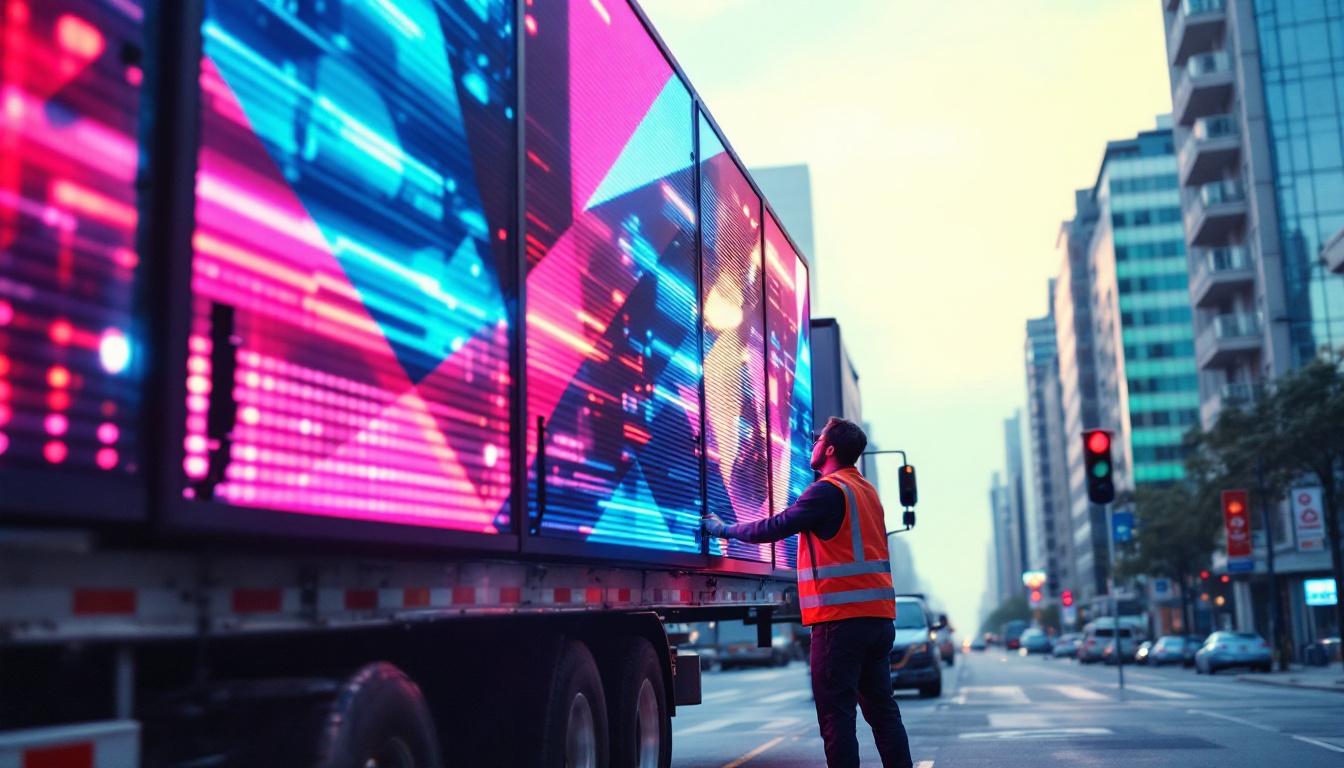
For high-value or extremely fragile LED display boards, specialized transport vehicles equipped with shock-absorbing mounts, climate control, and secure fastening systems may be necessary. These vehicles are often used by professional AV companies and event production firms to ensure the safe delivery of sensitive equipment.
These specialized vehicles not only provide enhanced protection but also often come with trained personnel who understand the intricacies of handling delicate items. They may include features such as air-ride suspension systems that further reduce vibrations during transport, ensuring that the boards arrive in pristine condition. Furthermore, for long-distance transport, it’s beneficial to choose vehicles with GPS tracking systems, allowing for real-time monitoring of the cargo’s journey and enhancing overall security.
Proper Loading and Securing Techniques
Once the right vehicle is selected, the next critical step is loading and securing the 16-foot boards properly. Improper securing can lead to shifting loads, damage, or accidents during transport.
Using Support Cradles and Padding
For long boards, especially those made from wood or LED panels, using support cradles or racks can prevent bending and reduce stress on the material. These supports distribute weight evenly and keep the boards elevated from the vehicle bed. This is particularly important for delicate materials that can warp or crack under pressure. By ensuring that the boards are well-supported, you can maintain their integrity and extend their lifespan.
Adding padding such as foam, blankets, or rubber mats between the boards and the vehicle surface protects against scratches and absorbs minor shocks during transit. Additionally, using corner protectors can help shield the edges of the boards from impact, which is crucial when navigating bumpy roads or tight turns. This extra layer of protection not only preserves the boards but also minimizes the risk of any debris causing damage during transport.
Strapping and Tie-Downs
Heavy-duty ratchet straps or cam buckle tie-downs are recommended for securing long boards. Straps should be placed at multiple points along the length of the boards to prevent movement in all directions. It’s essential to check the straps periodically during transit to ensure they remain secure, especially if the journey is lengthy. Regular checks can help catch any loosening before it becomes a problem, allowing for timely adjustments.
When transporting LED display boards, it’s important to avoid over-tightening straps, which can cause pressure damage. Instead, straps should be snug enough to hold the boards securely without deforming them. A good practice is to use a tension gauge to ensure that the straps are tightened to the recommended specifications, providing peace of mind that the boards are secure without risking damage.
Flagging and Lighting for Overhanging Loads
If the boards extend beyond the vehicle’s rear, attaching bright red flags during the day and red lights at night is mandatory in many regions. This alerts other drivers to the extended load, reducing the risk of collisions. Additionally, using a wide-angle mirror can help the driver keep an eye on the boards and ensure they remain stable throughout the journey.
Using reflective tape along the edges of the boards can further enhance visibility, especially during low-light conditions. It’s also advisable to check local regulations regarding overhanging loads, as different areas may have specific requirements for signage or additional lighting. By adhering to these guidelines, you not only comply with the law but also contribute to road safety, protecting yourself and others on the road.
Special Considerations for Transporting LED Display Boards
LED display boards are not just long; they are also delicate electronic devices that require additional care during transport.
Protecting Against Vibration and Shock
LED panels contain sensitive circuitry and diodes that can be damaged by excessive vibration or shock. Using shock-absorbing materials such as foam inserts, rubber mounts, or custom crates helps minimize these risks.
When possible, transport LED boards in their original packaging, which is often designed to provide optimal protection.
Climate Control and Moisture Protection
Exposure to moisture can damage LED displays, causing corrosion or electrical failures. Enclosed vehicles with climate control or at least weatherproof coverings are recommended to protect against rain, humidity, and temperature extremes.
Silica gel packets or desiccants placed inside packaging can also help absorb moisture during transit.
Handling and Loading Procedures
LED boards should be handled with clean gloves to prevent oils or dirt from damaging the surface. Loading and unloading should be done carefully, ideally with multiple people or lifting equipment, to avoid dropping or bending the panels.
Planning Your Route and Timing
Careful route planning can reduce the risks associated with transporting oversized loads like 16-foot boards.
Avoiding Low Clearances and Tight Turns
Long loads require ample clearance height and width. Planning a route that avoids low bridges, narrow roads, and tight turns can prevent accidents and damage to the cargo.
Many GPS systems and apps now offer options for routing oversized vehicles, which can be invaluable for first-time transporters.
Timing for Traffic and Permits
Transporting oversized loads during off-peak hours can reduce traffic-related risks and make maneuvering easier. Additionally, some jurisdictions require permits that specify allowable travel times.
Checking local regulations and obtaining necessary permits well in advance ensures compliance and smooth transport.
Conclusion: Best Practices for Safe and Efficient Transport
Transporting 16-foot boards, especially LED display panels, demands a combination of proper vehicle selection, secure loading techniques, and adherence to legal requirements. Prioritizing protection against physical damage and environmental factors is essential for preserving the integrity of the materials.
By understanding the challenges and applying the strategies outlined above, professionals and hobbyists alike can ensure their long boards and LED displays arrive safely and ready for use.
Remember, careful planning, the right equipment, and attention to detail are the keys to successful transport of oversized and delicate loads.
Explore Cutting-Edge LED Display Solutions with LumenMatrix
Now that you’re equipped with the knowledge to transport 16-foot boards safely and efficiently, it’s time to experience the pinnacle of LED display technology. LumenMatrix is at the forefront of creating immersive visual experiences with a wide range of innovative LED display solutions. From vibrant Indoor LED Walls to dynamic Vehicle LED Displays, our products are designed to captivate your audience and amplify your message. Elevate your visual communication with our LED Sports Displays, Floor LED Displays, and more. Check out LumenMatrix LED Display Solutions and transform your space into a spectacle of light and color.