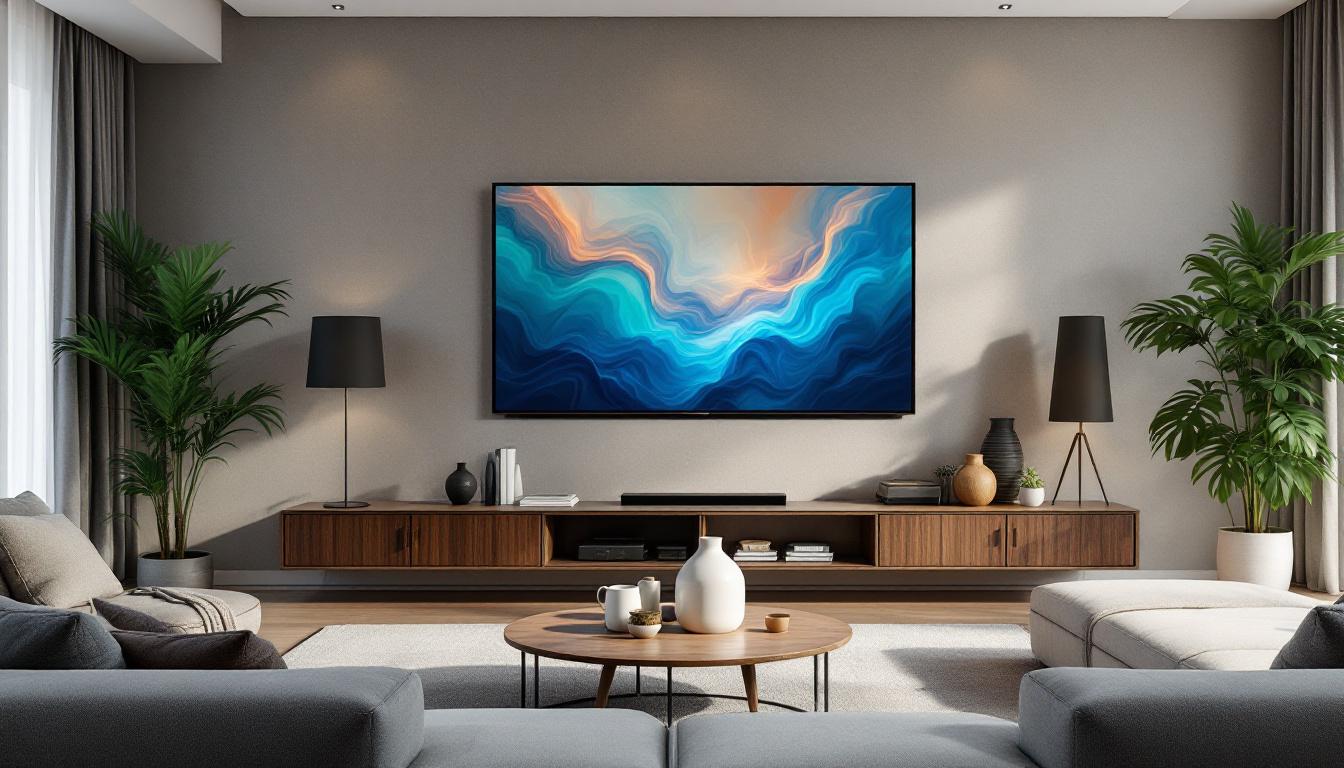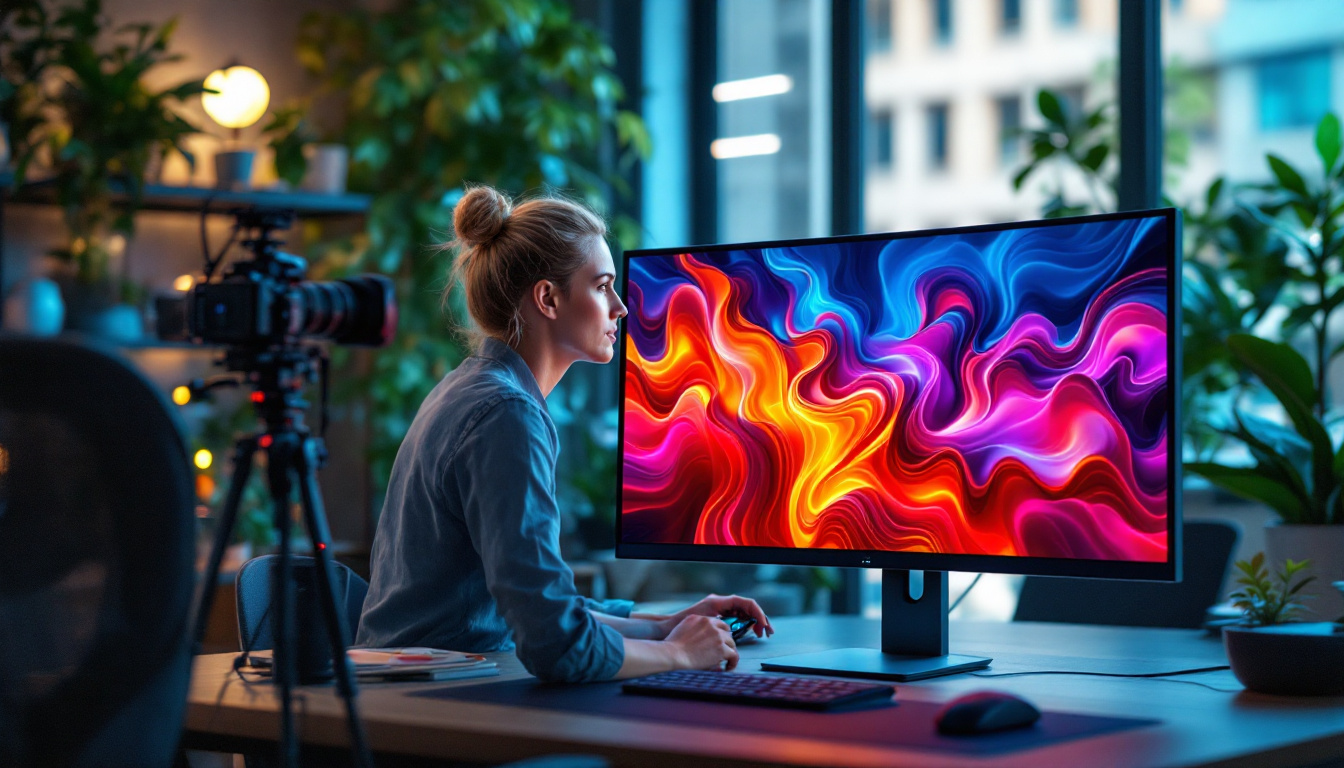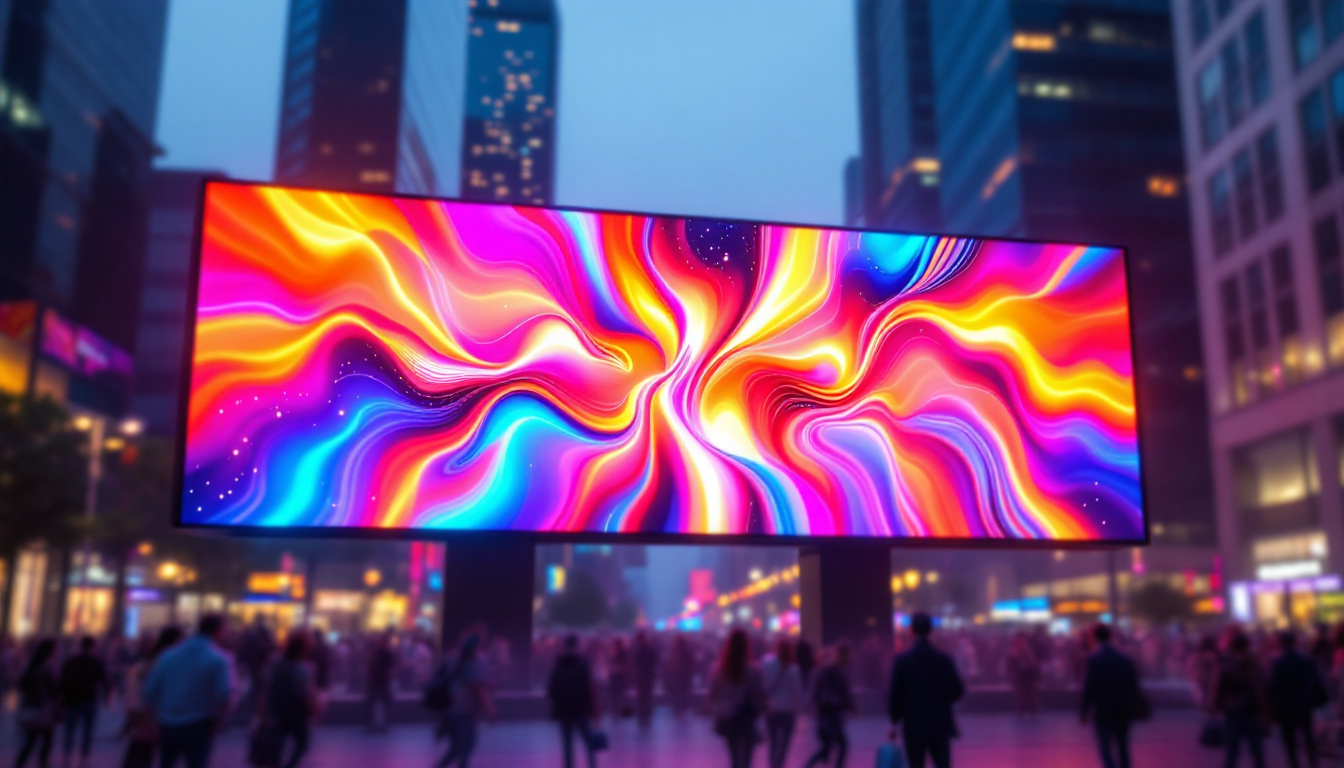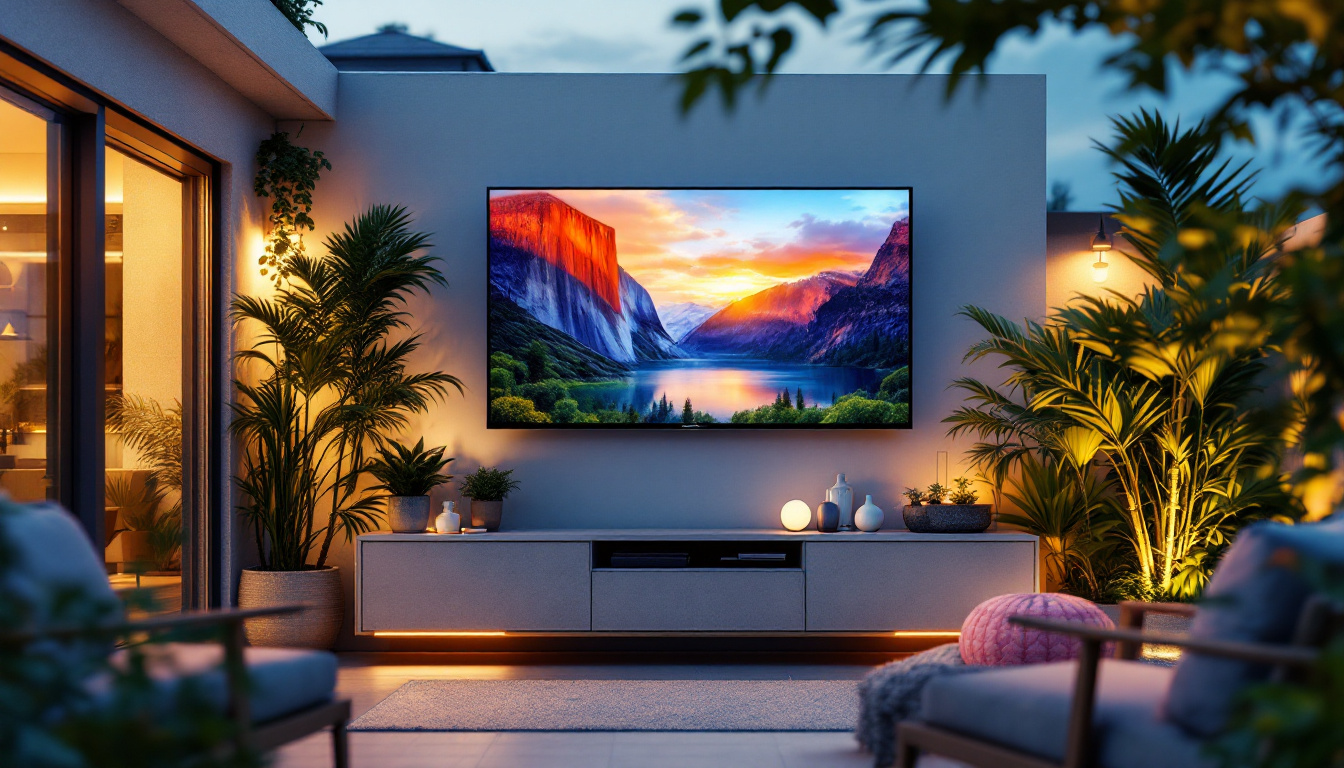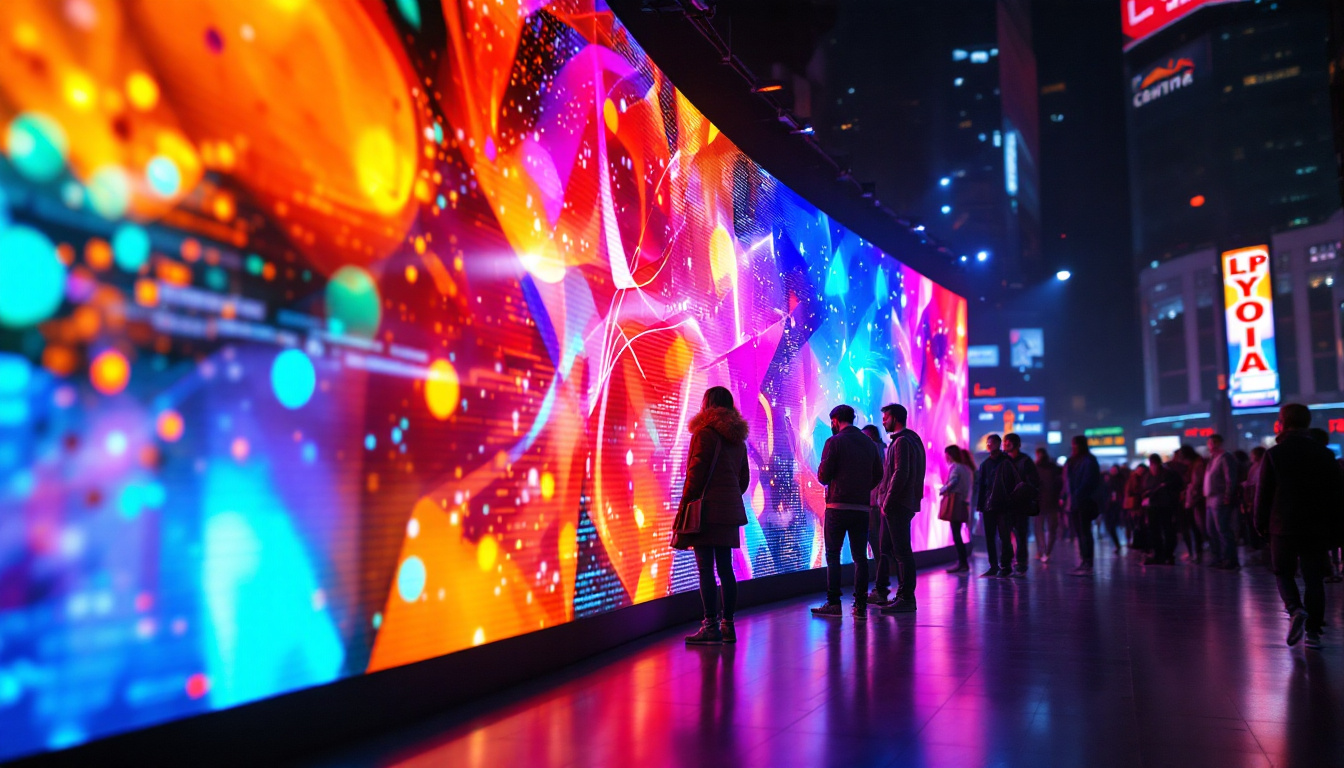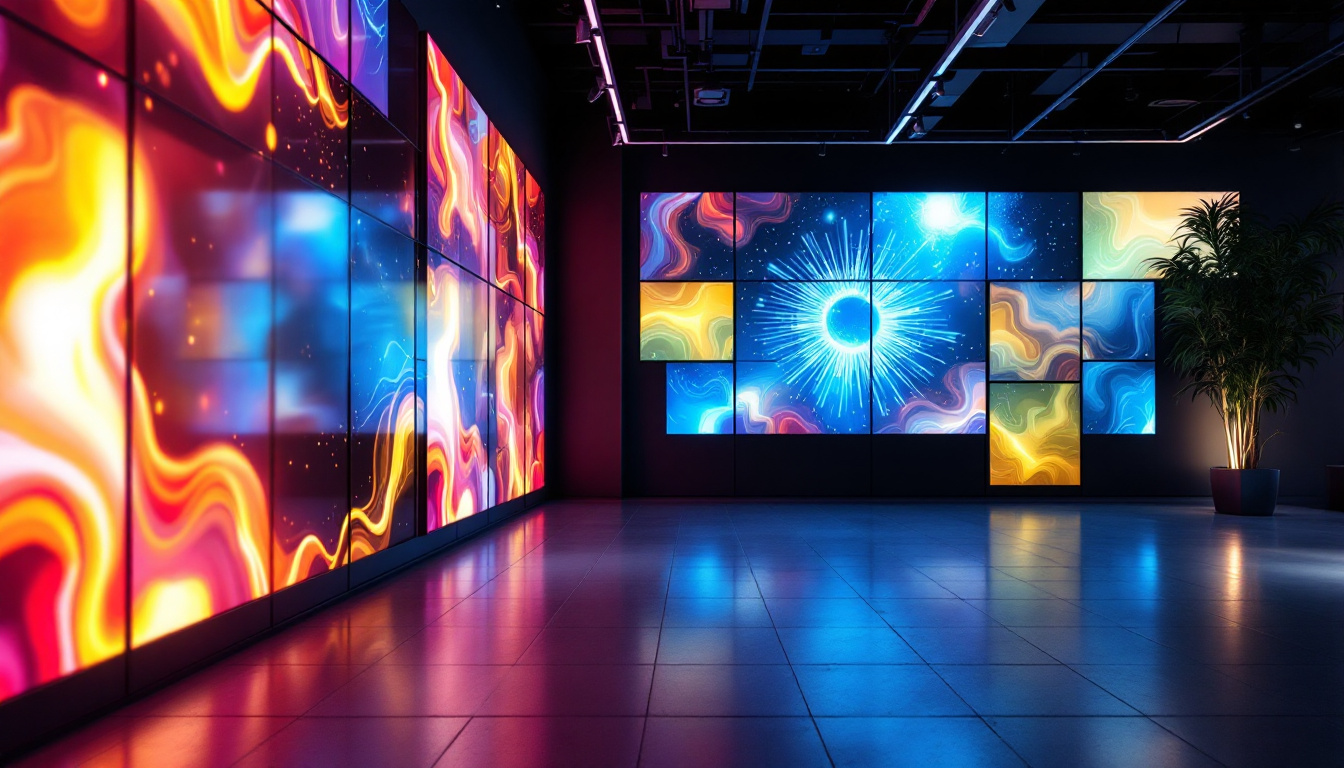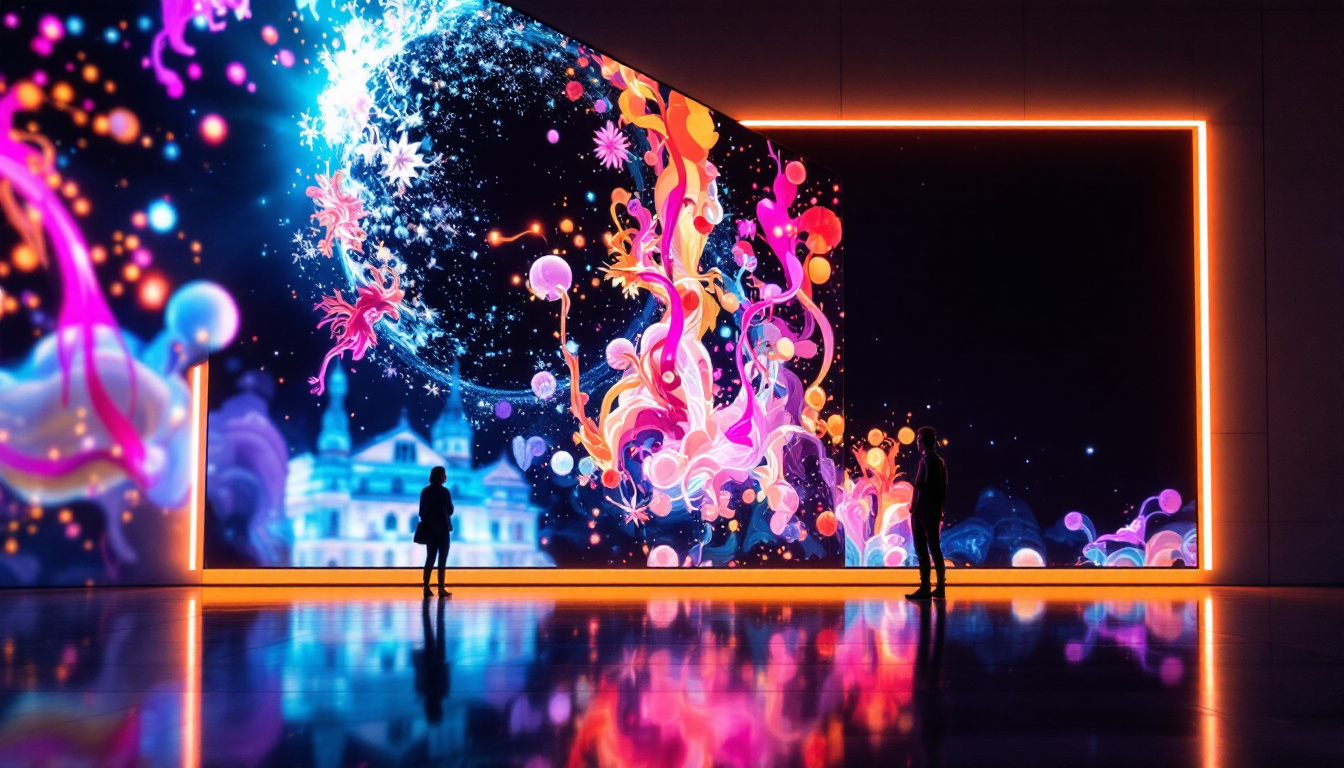
In the rapidly evolving world of digital technology, interactive wall panels equipped with LED displays have become a transformative tool across various industries. From retail environments and corporate offices to educational institutions and public spaces, these dynamic installations are redefining how information is presented and how audiences engage with content. This article delves into the technology behind LED interactive wall panels, explores their applications, benefits, and considerations, and highlights why they are becoming an indispensable part of modern visual communication.
Understanding Interactive Wall Panels and LED Displays
What Are Interactive Wall Panels?
Interactive wall panels are large-format display systems designed to engage users through touch or gesture-based interaction. Unlike traditional static displays, these panels allow viewers to navigate content, manipulate images, access information, and even collaborate in real-time. The integration of interactivity transforms a simple display into a versatile communication hub.
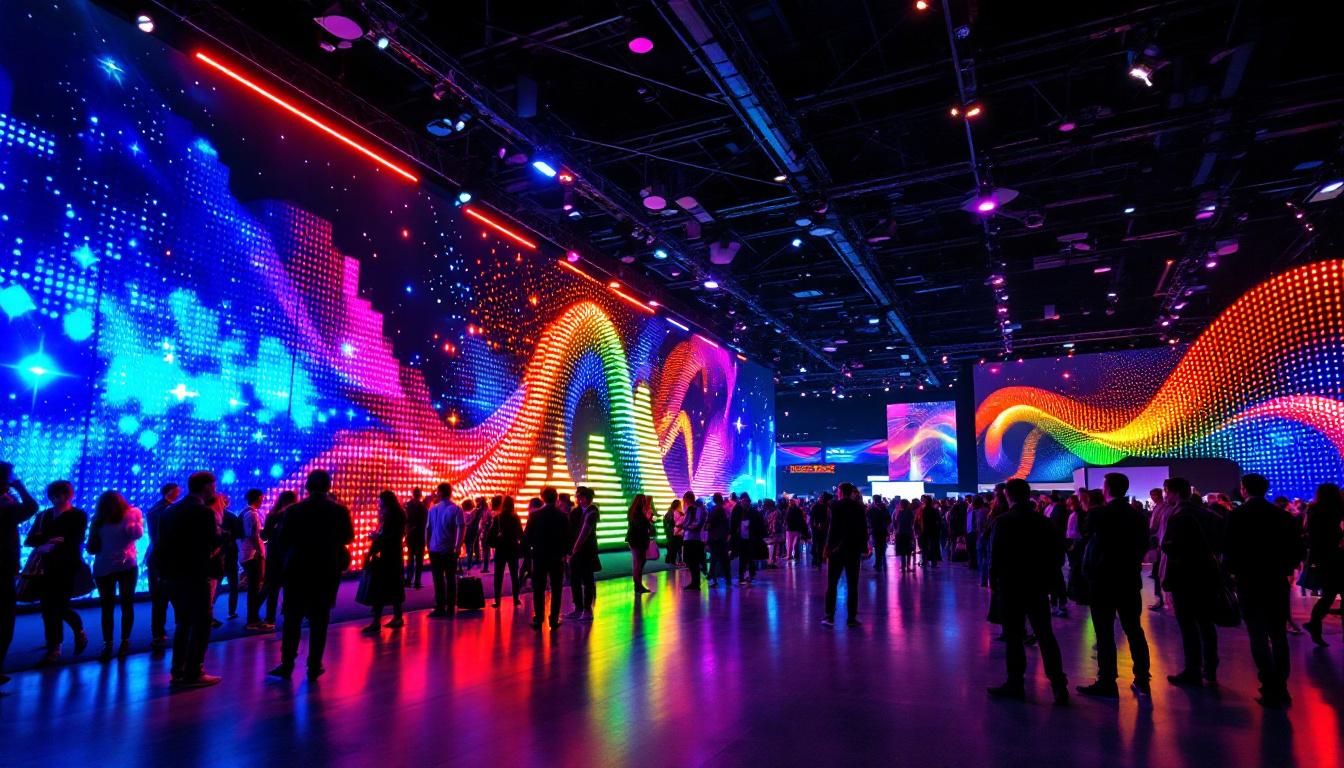
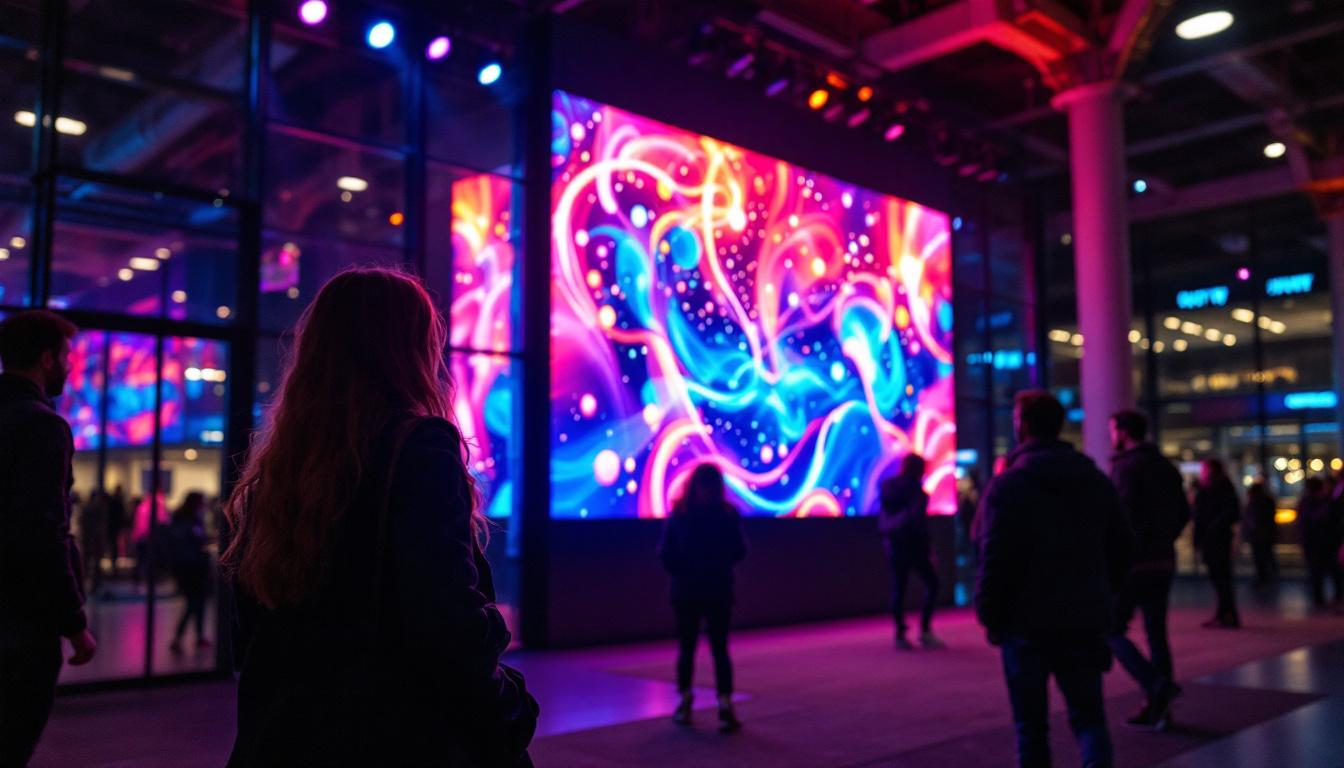
These panels are often installed in high-traffic areas such as lobbies, conference rooms, museums, and retail stores, where they serve as information kiosks, advertising platforms, or collaborative tools. The interactive element can be powered by various technologies, including capacitive touch, infrared sensors, or camera-based gesture recognition. The versatility of these panels extends beyond mere information display; they can also host interactive games, educational content, and immersive experiences that captivate audiences of all ages. For instance, in museums, interactive wall panels can provide detailed narratives or multimedia presentations about exhibits, enhancing the visitor experience and encouraging deeper engagement with the displayed artifacts.
The Role of LED Technology in Interactive Wall Panels
Light Emitting Diode (LED) technology is at the core of many modern interactive wall panels. LEDs are semiconductor devices that emit light when an electric current passes through them. Their advantages include high brightness, energy efficiency, long lifespan, and the ability to produce vibrant colors with excellent contrast.
LED displays can be categorized broadly into two types: direct-view LED and LED-backlit LCD. Direct-view LED panels consist of an array of LEDs that form the image directly, offering superior brightness and viewing angles, making them ideal for large-scale installations and outdoor use. LED-backlit LCDs use LEDs as a backlight source behind an LCD panel, providing thinner profiles and high resolution suitable for indoor environments. The choice between these technologies often depends on the specific application and environment; for instance, direct-view LEDs are favored for outdoor advertising due to their ability to maintain visibility in bright sunlight, while LED-backlit LCDs are preferred for indoor settings where space and resolution are critical.
How Interactivity Is Integrated with LED Displays
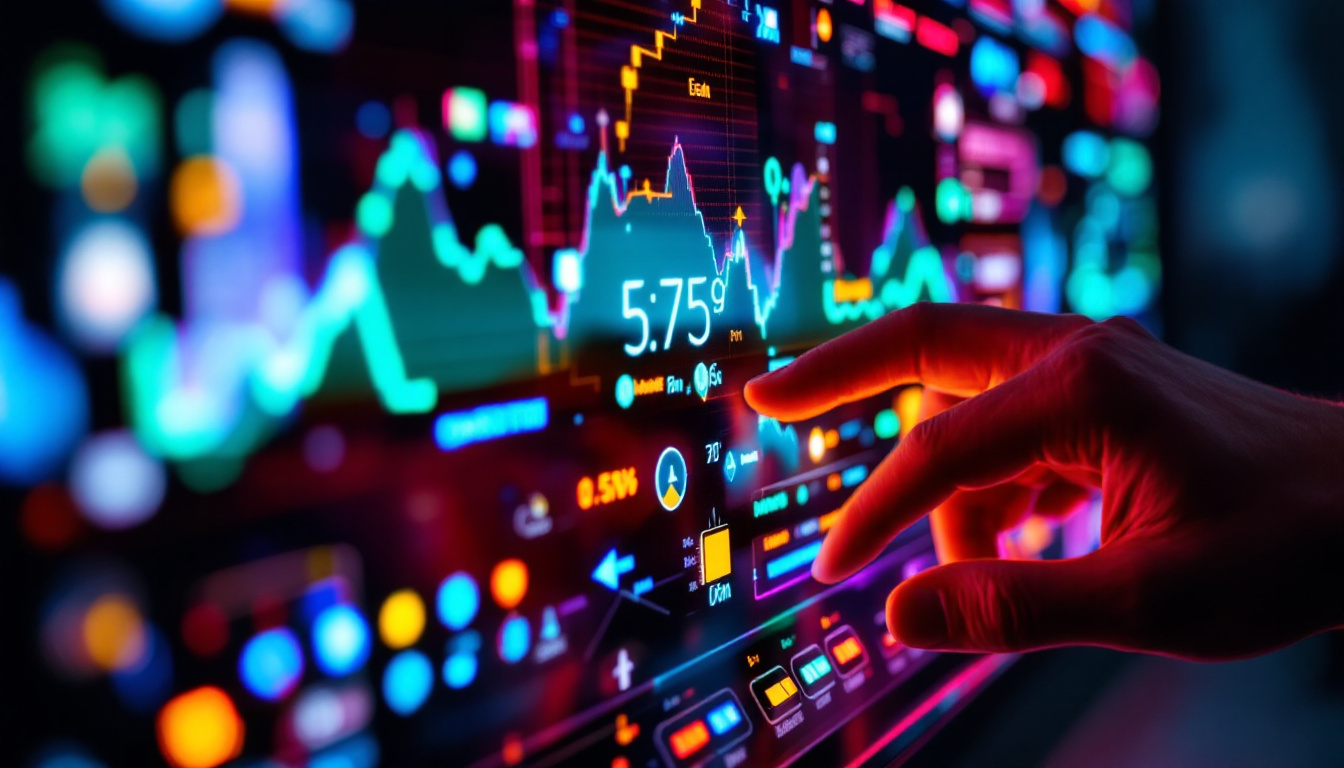
To enable interactivity, LED wall panels are often combined with touch-sensitive overlays or embedded sensors. Capacitive touch technology, similar to that used in smartphones, is the most common method, allowing multiple touch points and gestures. Infrared touch frames detect interruptions in an infrared light grid, enabling touch detection without direct screen contact.
Advanced systems may incorporate computer vision and gesture recognition, allowing users to interact without touching the screen physically. This is particularly useful in hygiene-sensitive environments or where hands-free operation is preferred. Additionally, many interactive wall panels are designed to integrate seamlessly with mobile devices, allowing users to connect their smartphones or tablets for a more personalized experience. This connectivity can enhance presentations, enabling users to share content directly to the panel or control the display from their devices, fostering a more collaborative and engaging atmosphere in settings such as classrooms and corporate meetings. Furthermore, the ability to analyze user interactions can provide valuable insights into audience behavior, enabling businesses and organizations to tailor their content and improve user engagement over time.
Applications of Interactive LED Wall Panels
Retail and Advertising
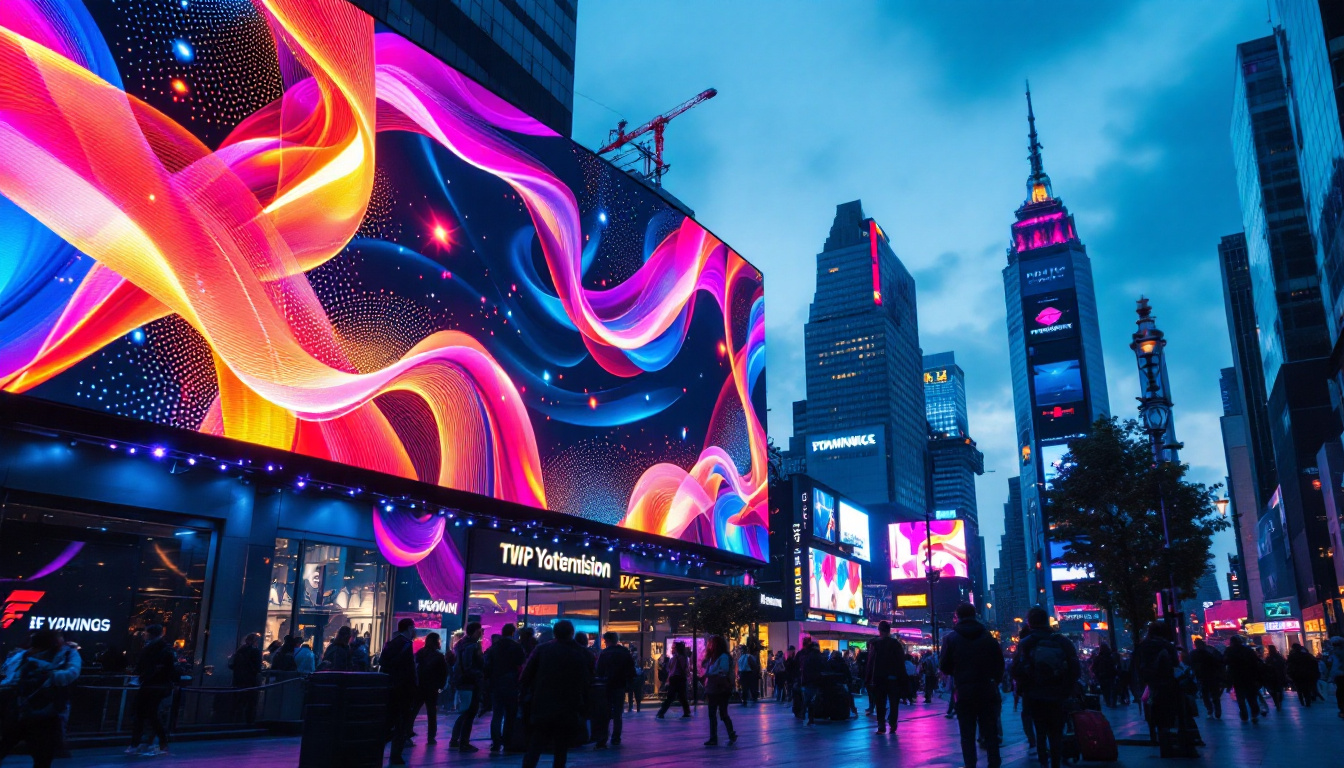
Interactive LED wall panels have revolutionized retail by creating immersive shopping experiences. Retailers use these panels for digital signage, product showcases, and interactive catalogs. Customers can browse products, check availability, and even customize items in real-time, enhancing engagement and driving sales.
For example, luxury brands have installed interactive LED walls in flagship stores that respond to customer movements, displaying personalized content or promotional offers. According to a 2023 study by the Digital Signage Federation, interactive digital signage can increase customer dwell time by up to 30%, directly correlating with higher conversion rates.
Corporate and Educational Environments
In corporate settings, interactive LED wall panels facilitate collaboration during meetings and presentations. Their large size and high resolution allow detailed visuals to be displayed clearly, while touch interactivity enables real-time annotation and manipulation of data. This fosters more dynamic and productive discussions.
Educational institutions leverage these panels to create engaging learning environments. Interactive displays support multimedia content, virtual labs, and group activities, catering to diverse learning styles. A 2022 survey by the Education Technology Association found that classrooms equipped with interactive LED panels saw a 25% improvement in student participation and comprehension.
Public Spaces and Museums
Museums and public information centers use interactive LED walls to provide visitors with rich, multimedia experiences. These installations can display historical timelines, interactive maps, or augmented reality content, making learning more accessible and enjoyable.
For instance, the Smithsonian Institution has integrated interactive LED panels in several exhibits, allowing visitors to explore artifacts in detail and access supplementary content through touch. Such technology not only enhances visitor engagement but also supports accessibility for diverse audiences.
Benefits of Interactive LED Wall Panels
Enhanced Engagement and User Experience
One of the most significant advantages of interactive LED wall panels is their ability to captivate audiences. The combination of vivid visuals and tactile interaction creates a multisensory experience that holds attention longer than traditional displays. This is crucial in environments where capturing and maintaining interest is essential, such as retail or education.
Flexibility and Customization
Interactive LED panels offer unparalleled flexibility in content delivery. Operators can easily update information, tailor content to specific audiences, and integrate multimedia elements such as video, audio, and animations. This adaptability ensures that the display remains relevant and impactful over time.
Durability and Energy Efficiency
LED technology is renowned for its durability and low power consumption. Modern LED panels can operate continuously for tens of thousands of hours with minimal maintenance. This reliability reduces operational costs and environmental impact, making LED interactive walls a sustainable choice.
Scalability and Integration
Interactive LED wall panels can be scaled to fit various spaces, from small meeting rooms to expansive public plazas. They can also be integrated with other digital systems, such as content management platforms, IoT devices, and analytics tools, enabling sophisticated control and data-driven insights.
Key Considerations When Choosing Interactive LED Wall Panels
Resolution and Pixel Pitch
The resolution of an LED panel, determined by its pixel pitch (the distance between individual LEDs), is critical to image clarity. Smaller pixel pitches deliver higher resolution and finer detail but come at a higher cost. For indoor applications where viewers are close to the screen, pixel pitches of 1.2mm to 2.5mm are common, whereas outdoor or large-format displays may use larger pitches.
Brightness and Viewing Environment
Brightness levels, measured in nits, must be matched to the ambient lighting conditions. Outdoor displays require high brightness (often exceeding 5,000 nits) to remain visible in sunlight, while indoor panels typically operate between 800 and 1,500 nits. Proper brightness ensures readability and visual impact without causing eye strain.
Touch Technology and Responsiveness
The choice of touch technology affects the user experience. Capacitive touch offers high accuracy and multi-touch support but may be sensitive to environmental factors. Infrared touch frames are robust and work with gloves or styluses but can be less precise. Evaluating the intended use case and environment helps determine the best option.
Installation and Maintenance
Installation complexity varies with panel size, weight, and mounting requirements. Professional installation ensures safety and optimal performance. Additionally, consider ease of maintenance, including access for repairs and software updates. Many manufacturers offer modular designs that simplify servicing and reduce downtime.
Cost and Return on Investment
While interactive LED wall panels represent a significant upfront investment, their long-term benefits often justify the expense. Factors influencing cost include panel size, resolution, touch technology, and integration features. Assessing potential ROI through increased engagement, sales, or operational efficiency is essential for informed decision-making.
Future Trends in Interactive LED Wall Panels
Advancements in MicroLED and MiniLED Technologies
Emerging LED technologies such as MicroLED and MiniLED promise even greater brightness, color accuracy, and energy efficiency. MicroLEDs, in particular, offer self-emissive pixels with exceptional contrast ratios and scalability, potentially revolutionizing interactive wall displays in the coming years.
Integration with Artificial Intelligence and IoT
The fusion of interactive LED panels with AI and Internet of Things (IoT) devices is enabling smarter, context-aware displays. For example, AI-driven content personalization can tailor messages based on audience demographics or behavior, while IoT sensors can adjust brightness and content dynamically according to environmental conditions.
Enhanced Gesture and Voice Control
Beyond touch, gesture recognition and voice control are gaining traction as natural interaction methods. These technologies reduce physical contact, enhance accessibility, and create more intuitive user experiences, especially in public or healthcare settings.
Conclusion
Interactive wall panels with LED displays represent a powerful convergence of visual technology and user engagement. Their ability to deliver bright, vivid imagery combined with responsive interactivity makes them invaluable across retail, corporate, educational, and public sectors. By understanding the underlying technology, applications, and key considerations, organizations can harness these tools to create impactful, memorable experiences that resonate with their audiences.
As LED technology continues to advance and integrate with emerging digital trends, the potential for interactive wall panels will only expand, offering new opportunities for innovation in communication and collaboration.
Discover LumenMatrix’s Innovative LED Display Solutions
Ready to elevate your space with the latest in LED display technology? LumenMatrix is at the forefront of creating immersive environments that engage and inspire. Whether you’re looking to enhance your retail space, corporate office, educational institution, or public area, our range of solutions, including Indoor and Outdoor LED Wall Displays, Vehicle LED Displays, and more, are designed to meet your unique needs. Experience the future of visual communication with LumenMatrix’s advanced LED display modules. Check out LumenMatrix LED Display Solutions today and transform your audience’s experience.