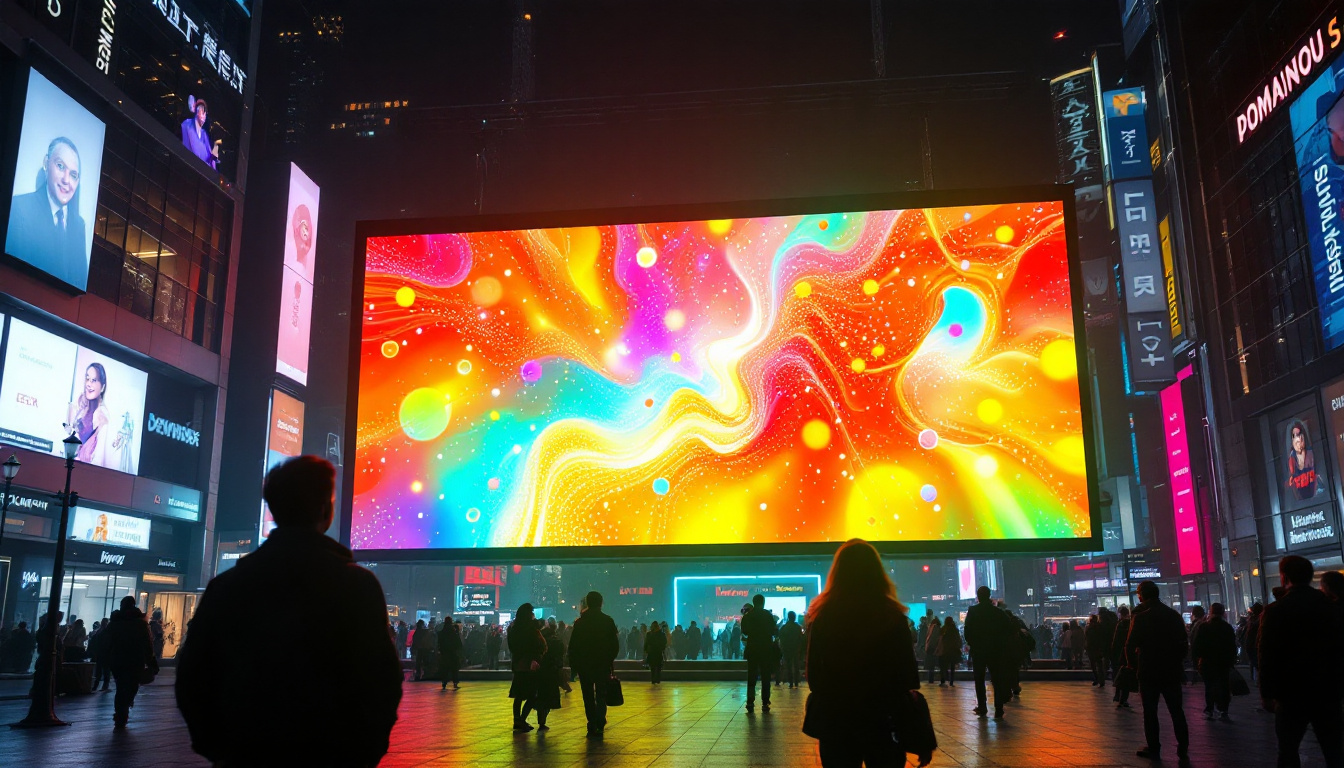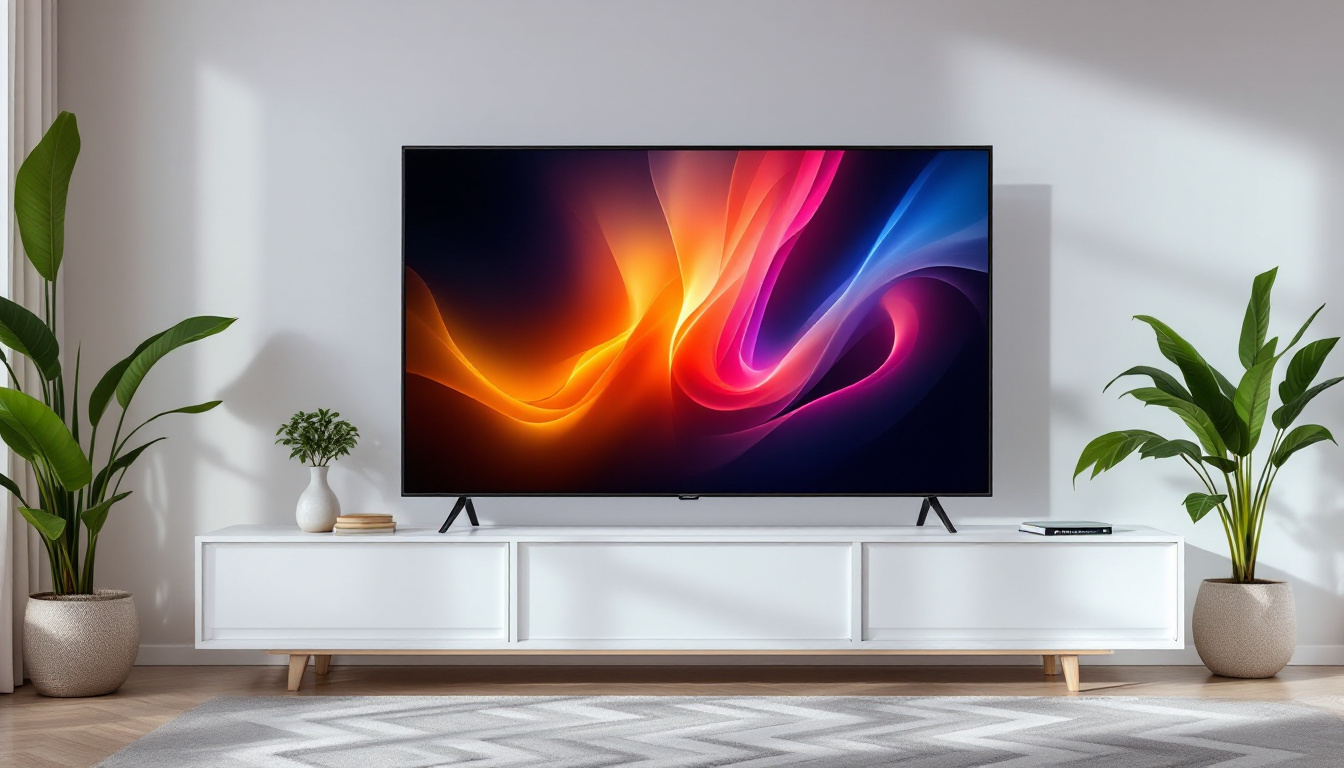
In today’s digital era, LED displays have become an integral part of how information is presented and consumed across various industries. From vibrant advertising billboards to interactive touchscreens in retail and education, LED technology continues to evolve, offering brighter, more energy-efficient, and versatile solutions. This article delves into the world of LED displays, focusing on the Pic Touch technology, exploring its components, applications, and the innovations driving its widespread adoption.
Understanding LED Display Technology
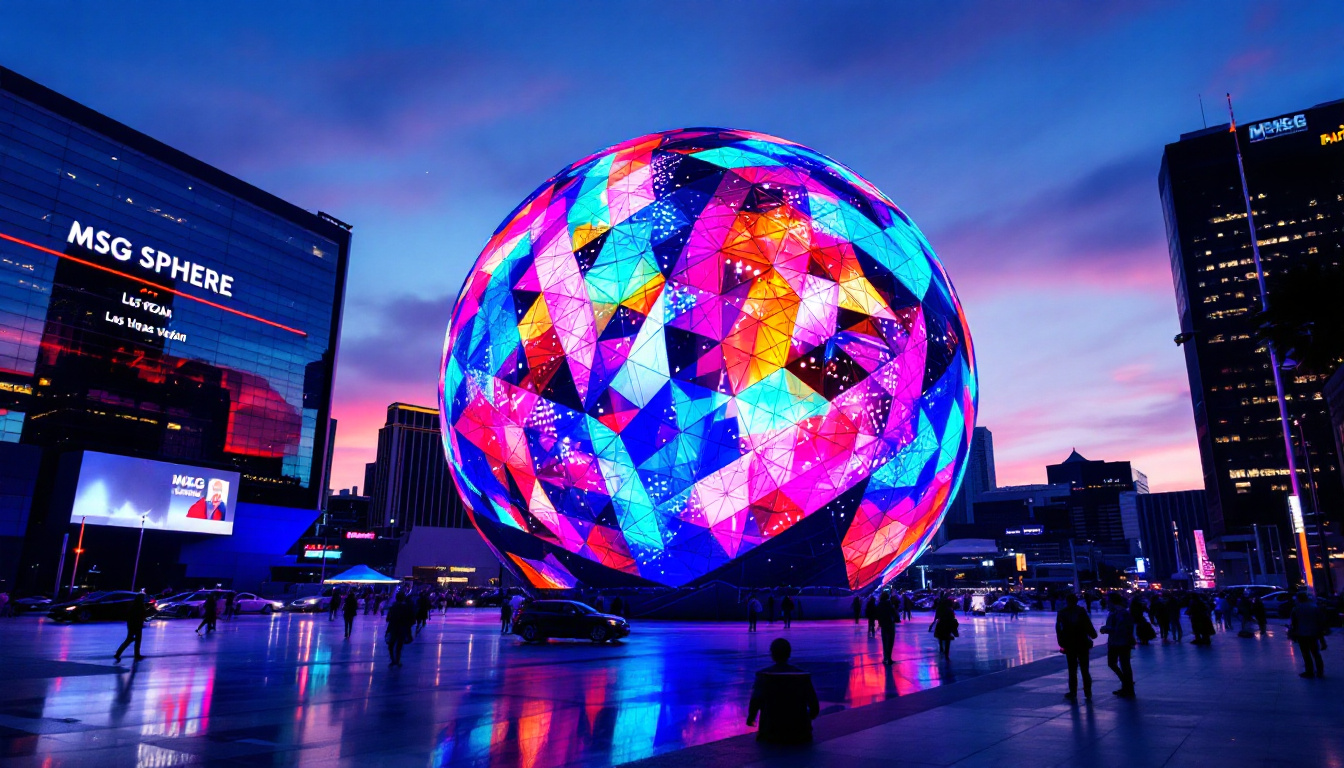
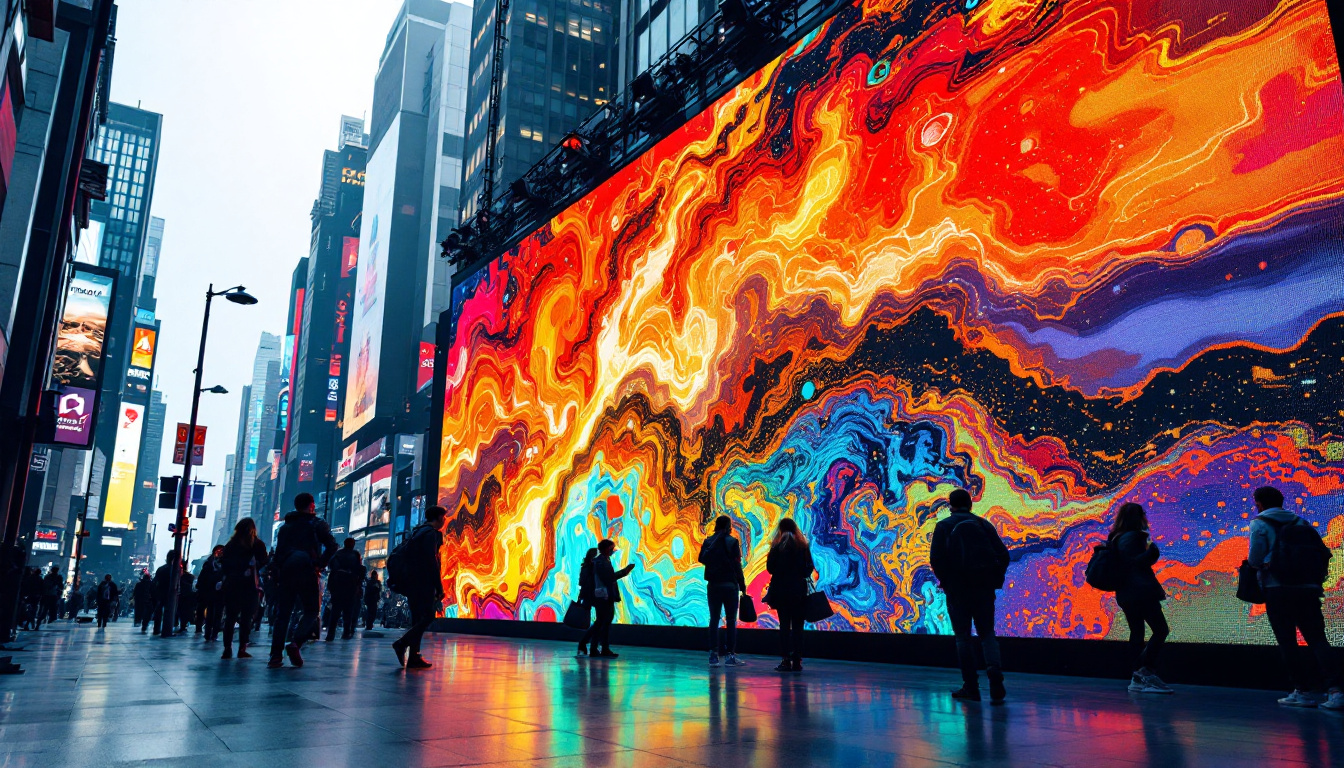
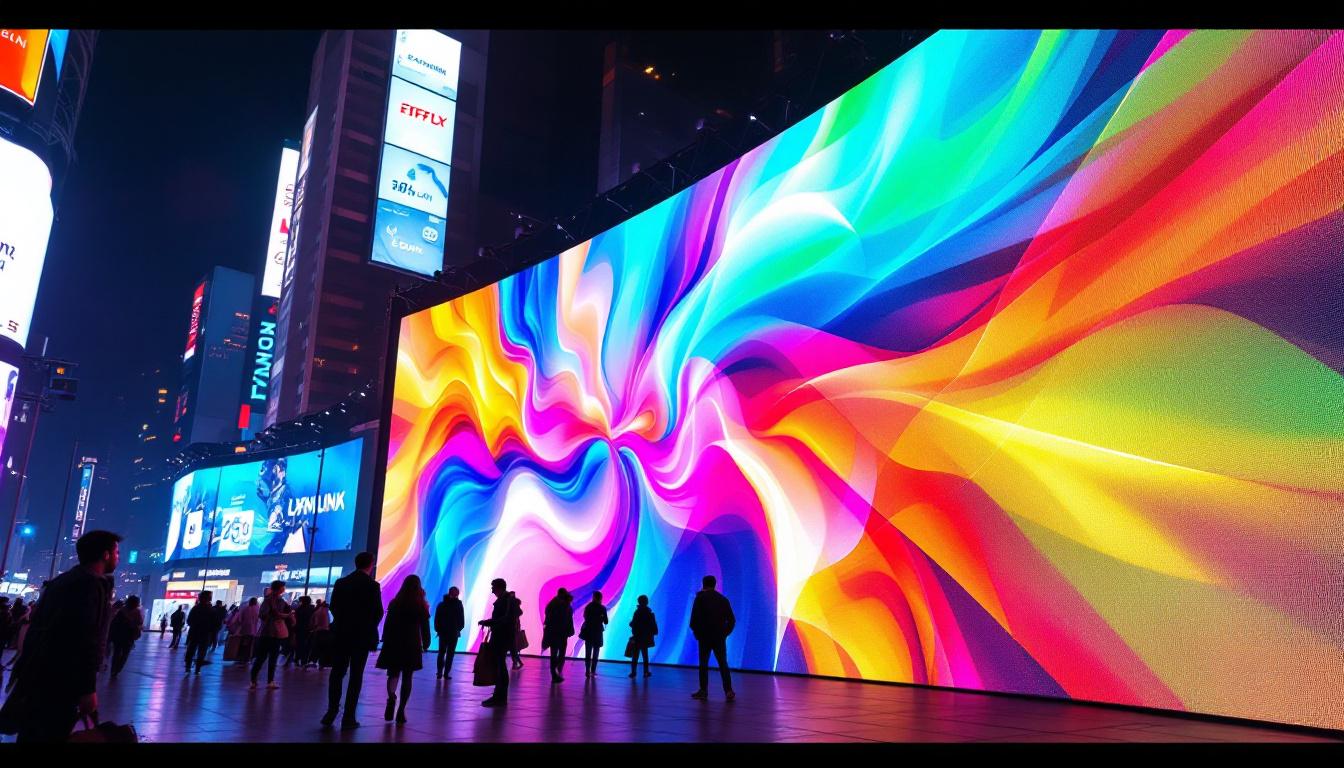
LED, or Light Emitting Diode, displays are screens that use tiny light sources to produce images. Unlike traditional LCDs that rely on backlighting, LEDs emit their own light, resulting in higher brightness levels and better contrast ratios. This makes LED displays particularly effective for outdoor and large-format applications where visibility under direct sunlight is crucial. The ability to maintain vibrant colors and sharp images in various lighting conditions has made LED technology a preferred choice for many industries, including advertising, entertainment, and information dissemination.
The core advantage of LED displays lies in their modular design. Each module consists of numerous LEDs arranged in a grid, which can be combined to create screens of virtually any size and shape. This flexibility has made LED displays a popular choice for stadiums, concerts, transportation hubs, and retail environments. Additionally, the lightweight nature of these displays allows for easier installation and relocation, making them ideal for temporary setups such as trade shows and events. The durability of LED technology also means that these displays can withstand harsh weather conditions, further extending their usability in various environments.
How LEDs Work in Displays
Each LED in a display functions as a pixel or part of a pixel, emitting red, green, or blue light. By varying the intensity of these three colors, the display can produce a full spectrum of colors. Modern LED displays use surface-mounted device (SMD) technology, where LEDs are mounted directly onto circuit boards, enabling higher pixel density and improved image resolution. This advancement has led to the development of ultra-high-definition displays that can deliver stunning visuals, making them increasingly popular for high-profile events and installations.
Pixel pitch, the distance between the centers of two adjacent pixels, is a critical factor in determining image clarity. Smaller pixel pitches result in sharper images and are preferred for close viewing distances, such as indoor displays. Conversely, larger pixel pitches are suitable for outdoor screens viewed from afar. The evolution of pixel pitch technology has allowed manufacturers to create displays that cater to specific viewing environments, enhancing the overall user experience. Furthermore, advancements in color calibration and brightness adjustment technologies ensure that LED displays maintain consistent performance across different settings, providing audiences with an immersive visual experience that captivates and engages.
Introducing Pic Touch Technology
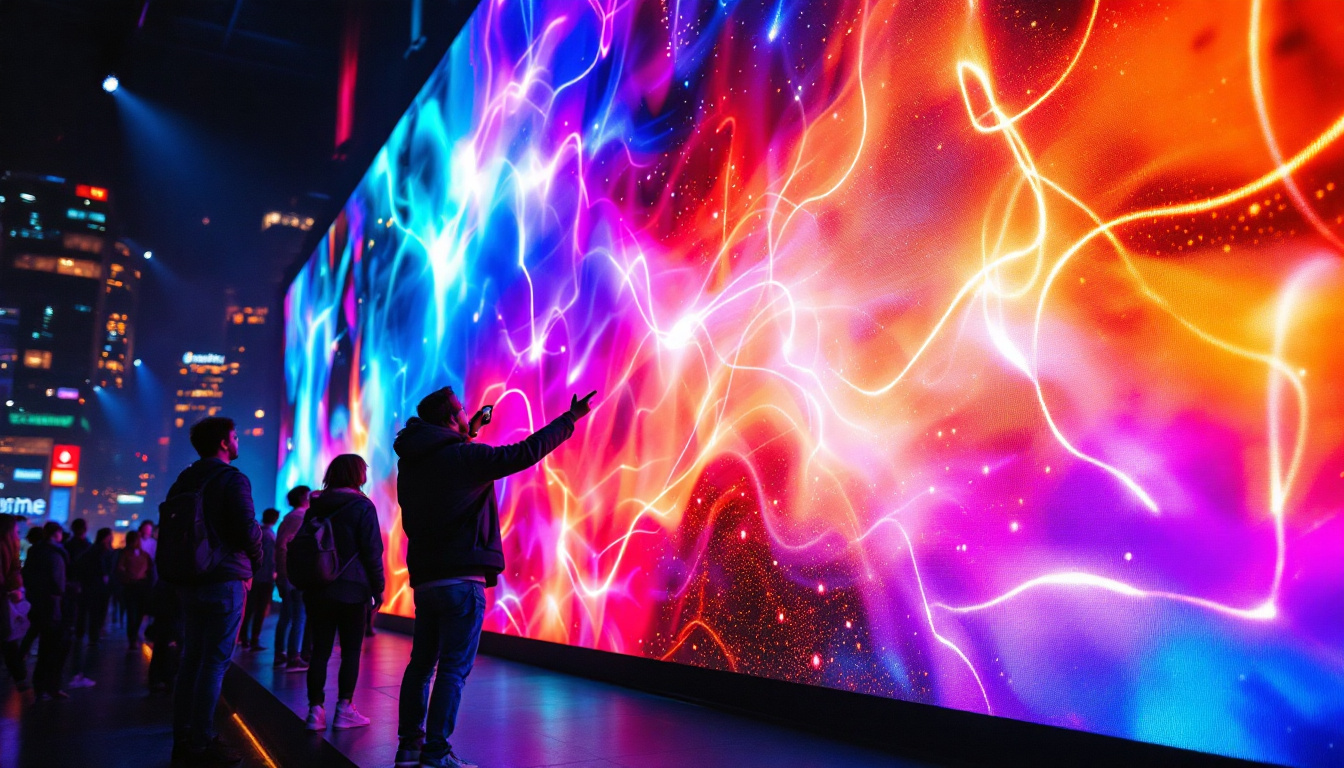
Pic Touch represents a significant advancement in LED display technology by integrating touch capabilities directly into the LED modules. This innovation allows users to interact with the display surface through taps, swipes, and gestures, transforming static screens into dynamic, interactive platforms.
Unlike traditional touchscreens that rely on additional layers such as capacitive or infrared sensors, Pic Touch embeds touch sensors within the LED matrix itself. This integration reduces the overall thickness of the display, enhances durability, and improves touch responsiveness.
Key Features of Pic Touch
One of the standout features of Pic Touch is its multi-touch support, enabling simultaneous recognition of multiple touch points. This is essential for collaborative environments like classrooms, conference rooms, and retail spaces where several users may interact with the display at once.
Another important aspect is the high precision of the touch sensors. Pic Touch technology can detect subtle finger movements, allowing for detailed interactions such as handwriting recognition and fine drawing. This precision is achieved through advanced sensor calibration and noise reduction algorithms.
Durability is also enhanced due to the elimination of additional touch layers, which are often vulnerable to scratches and damage. Pic Touch displays are designed to withstand heavy use and harsh environmental conditions, making them suitable for both indoor and outdoor applications.
In addition to its robust features, Pic Touch technology also supports a wide range of applications. From interactive advertising displays that engage customers in retail settings to educational tools that facilitate interactive learning experiences, the versatility of Pic Touch opens up new avenues for user engagement. For instance, museums can utilize this technology to create immersive exhibits where visitors can explore information through touch, enhancing their overall experience.
Moreover, the energy efficiency of Pic Touch displays is noteworthy. By integrating touch functionality directly into the LED modules, the technology not only reduces power consumption but also minimizes heat generation. This makes the displays more environmentally friendly and cost-effective, as they require less energy to operate over time. As industries increasingly prioritize sustainability, solutions like Pic Touch align perfectly with the growing demand for eco-conscious technologies.
Applications of Pic Touch LED Displays
The integration of touch functionality with LED displays opens up a wide range of applications across various sectors. The ability to combine vivid visuals with interactive features creates engaging user experiences that were previously difficult to achieve with traditional display technologies.
Retail and Advertising
In retail environments, Pic Touch LED displays serve as interactive product catalogs, wayfinding kiosks, and promotional tools. Shoppers can browse through product options, customize items, or access detailed information by simply touching the screen. This interactivity increases customer engagement and can lead to higher conversion rates.
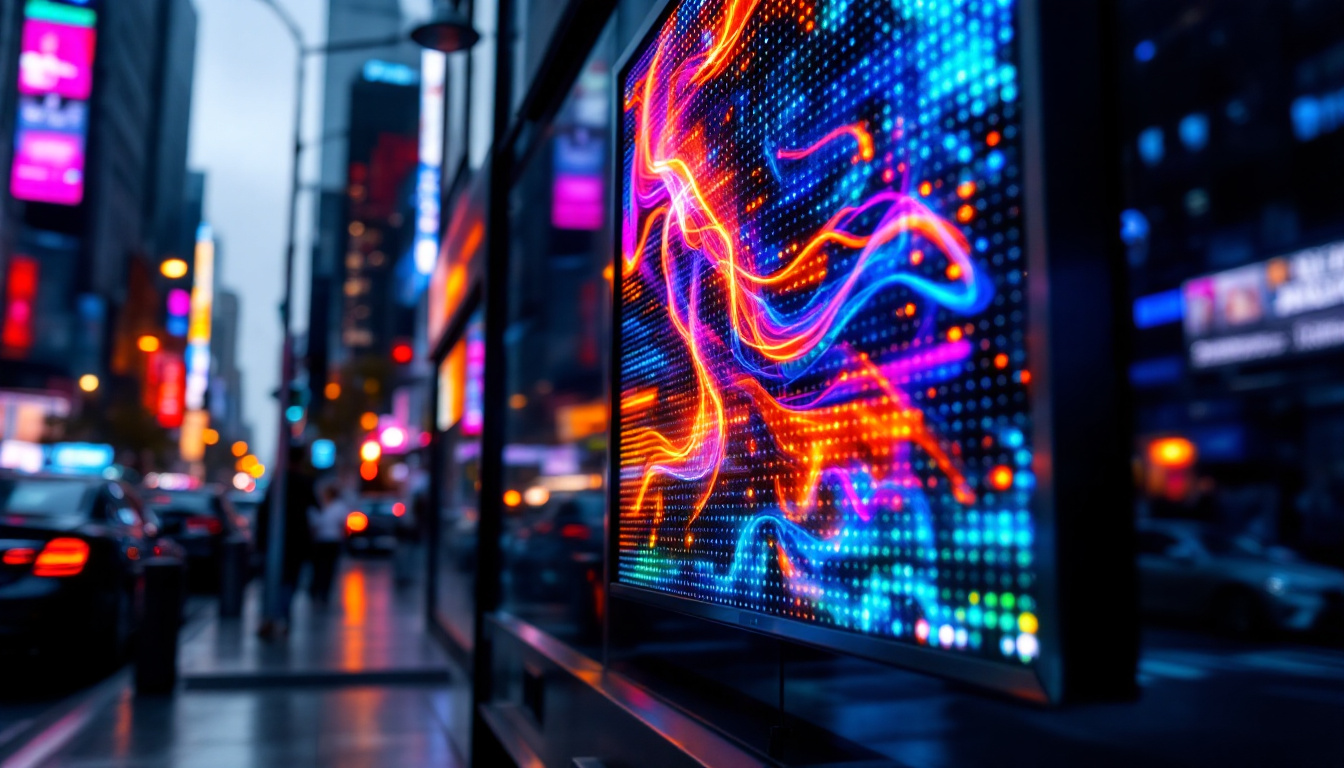
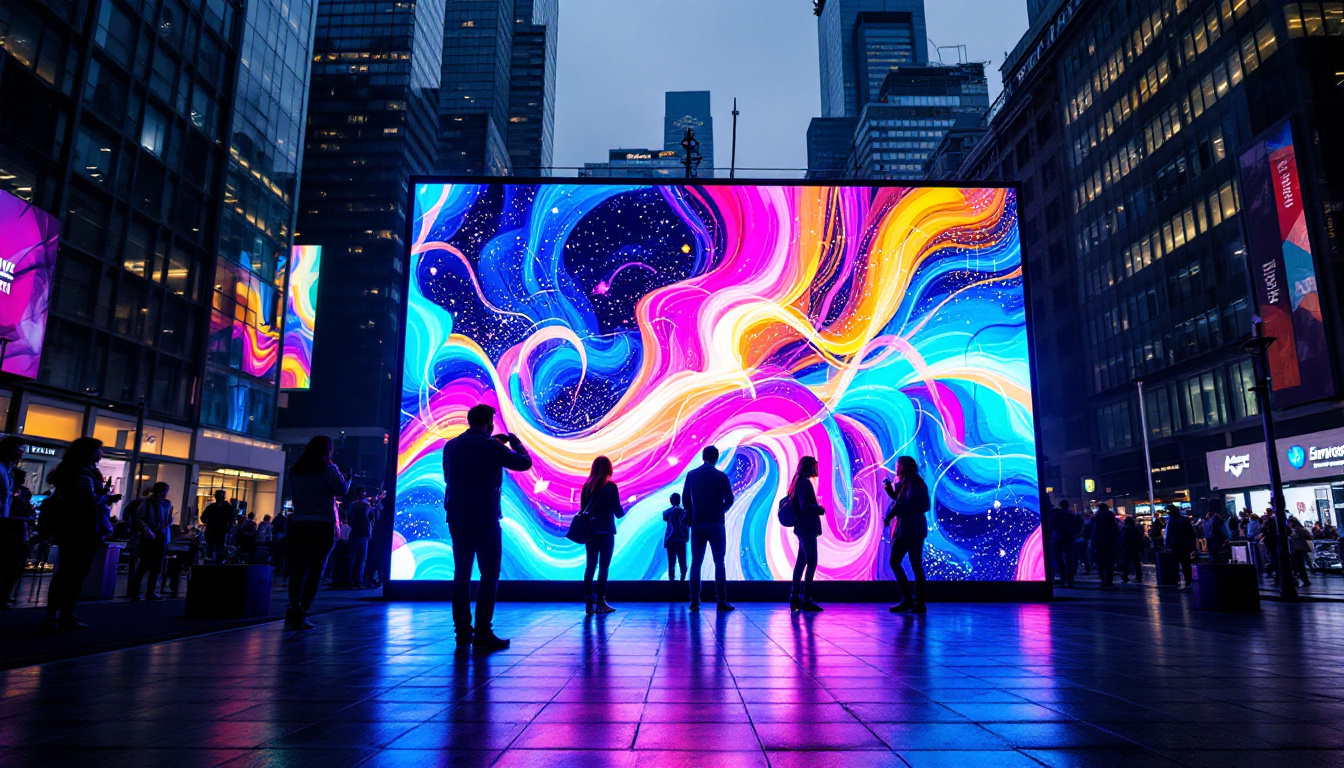
Outdoor advertising benefits from the high brightness and weather resistance of Pic Touch displays, allowing brands to deliver compelling, interactive campaigns even in challenging conditions. For example, a digital billboard might allow passersby to interact with the ad content, participate in contests, or access QR codes for exclusive offers.
Education and Corporate Use
In educational settings, Pic Touch displays facilitate collaborative learning by enabling multiple students to interact with educational content simultaneously. Teachers can use the displays for dynamic presentations, real-time annotations, and interactive quizzes, enhancing student participation and retention.
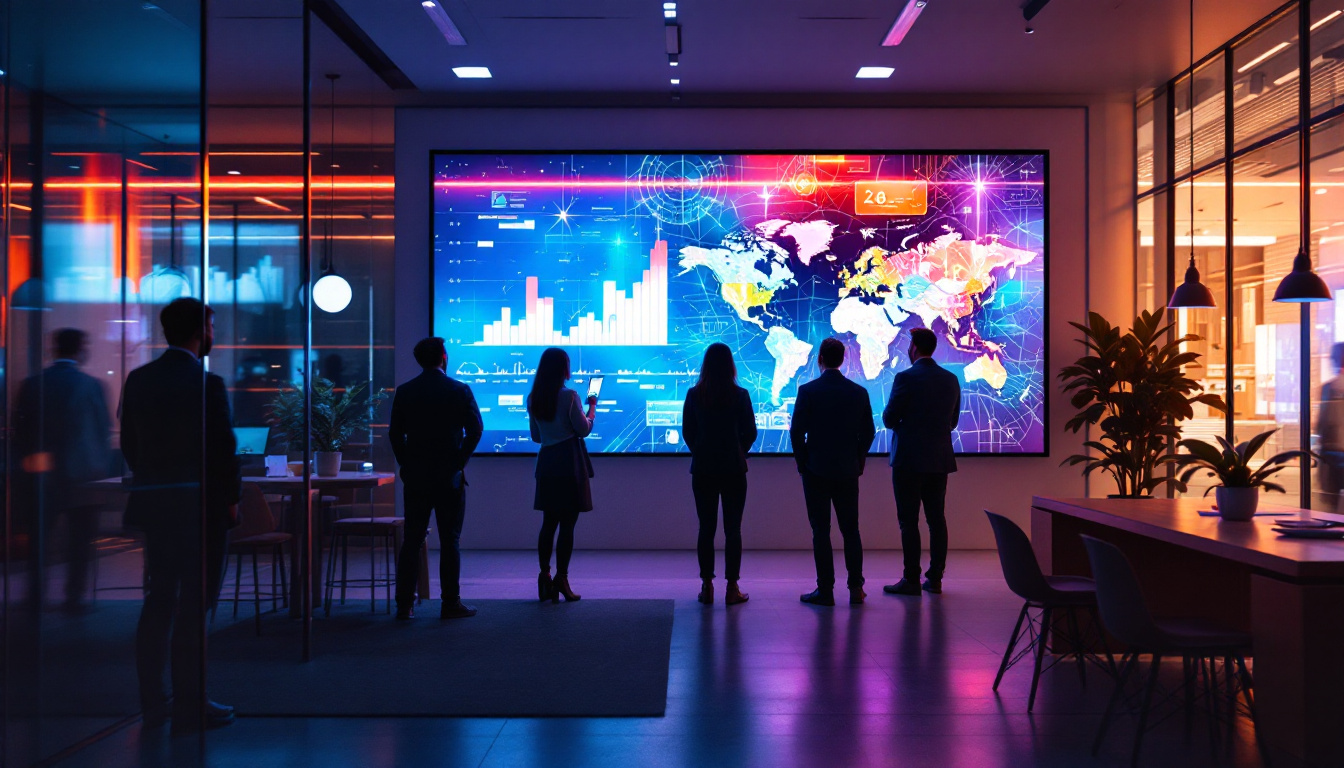
Corporate environments leverage Pic Touch LED displays for video conferencing, brainstorming sessions, and interactive presentations. The large format and touch capabilities make it easier for teams to visualize data, manipulate charts, and share ideas in real time.
Public Spaces and Transportation
Transportation hubs such as airports and train stations utilize Pic Touch displays for ticketing kiosks, wayfinding, and real-time information updates. The robust design ensures reliable operation in high-traffic areas, while the interactive interface improves user convenience and satisfaction.
Similarly, museums and public exhibitions use these displays to create immersive experiences. Visitors can explore exhibits interactively, access multimedia content, and engage with educational materials in a more personalized manner.
Technical Considerations and Installation
Implementing Pic Touch LED displays requires careful planning to maximize performance and longevity. Factors such as pixel pitch, brightness, viewing angle, and environmental conditions must be considered to select the appropriate display configuration.
Pixel Pitch and Resolution
Choosing the right pixel pitch depends on the typical viewing distance. For indoor applications where viewers are close to the screen, pixel pitches between 1.2mm and 2.5mm are common, providing crisp, detailed images. Outdoor displays often have pixel pitches ranging from 4mm to 10mm, balancing resolution with cost and brightness requirements.
Brightness and Contrast
Brightness is measured in nits, with outdoor displays often requiring 5,000 nits or more to remain visible under direct sunlight. Pic Touch displays are engineered to maintain high brightness without compromising touch sensitivity. Contrast ratios also play a vital role in image quality, ensuring deep blacks and vibrant colors.
Installation and Maintenance
Installation of Pic Touch LED displays involves mounting the modular panels securely and calibrating the touch sensors for accurate response. Many systems feature front-access designs, simplifying maintenance and repairs without dismantling the entire display.
Regular cleaning and software updates are essential to maintain optimal performance. The integrated touch sensors require less maintenance than traditional touch layers, reducing downtime and operational costs.
Future Trends in LED Display Technology
The LED display industry continues to innovate rapidly, with Pic Touch technology at the forefront of interactive display solutions. Emerging trends suggest even greater integration of touch, gesture recognition, and artificial intelligence to create smarter, more intuitive interfaces.
Advancements in MicroLED and MiniLED
MicroLED and MiniLED technologies promise higher brightness, improved color accuracy, and longer lifespan compared to conventional LEDs. These advancements will likely be incorporated into future Pic Touch displays, enhancing visual quality and energy efficiency.
Enhanced Interactivity and AI Integration
Artificial intelligence is being integrated to interpret user interactions more intelligently, adapting content dynamically based on user behavior and preferences. Gesture controls and voice recognition may complement touch inputs, offering a multimodal interaction experience.
Sustainability and Energy Efficiency
With increasing emphasis on sustainability, LED display manufacturers are focusing on reducing power consumption and using environmentally friendly materials. Pic Touch displays are expected to benefit from these efforts, providing greener solutions without sacrificing performance.
Conclusion
Pic Touch LED displays represent a powerful convergence of visual brilliance and interactive technology. By embedding touch capabilities directly into LED modules, they offer a seamless, durable, and highly responsive user experience across diverse applications. Whether enhancing retail engagement, transforming educational environments, or improving public information systems, Pic Touch technology is shaping the future of digital displays.
As LED technology continues to advance, the possibilities for interactive, high-quality displays will expand, making Pic Touch an essential consideration for businesses and institutions aiming to captivate and connect with their audiences in meaningful ways.
Discover LumenMatrix’s Interactive LED Solutions
Ready to elevate your space with the latest in LED technology? LumenMatrix is at the forefront of interactive display innovation, offering a wide range of LED display solutions tailored to your needs. From captivating Indoor and Outdoor LED Wall Displays to dynamic Vehicle and Sports LED Displays, our products are designed to enhance engagement and transform visual communication. Experience the future of digital signage with our All-in-One LED Displays, LED Transparent Displays, and more. Check out LumenMatrix LED Display Solutions today and see how we can help you create unforgettable visual experiences.