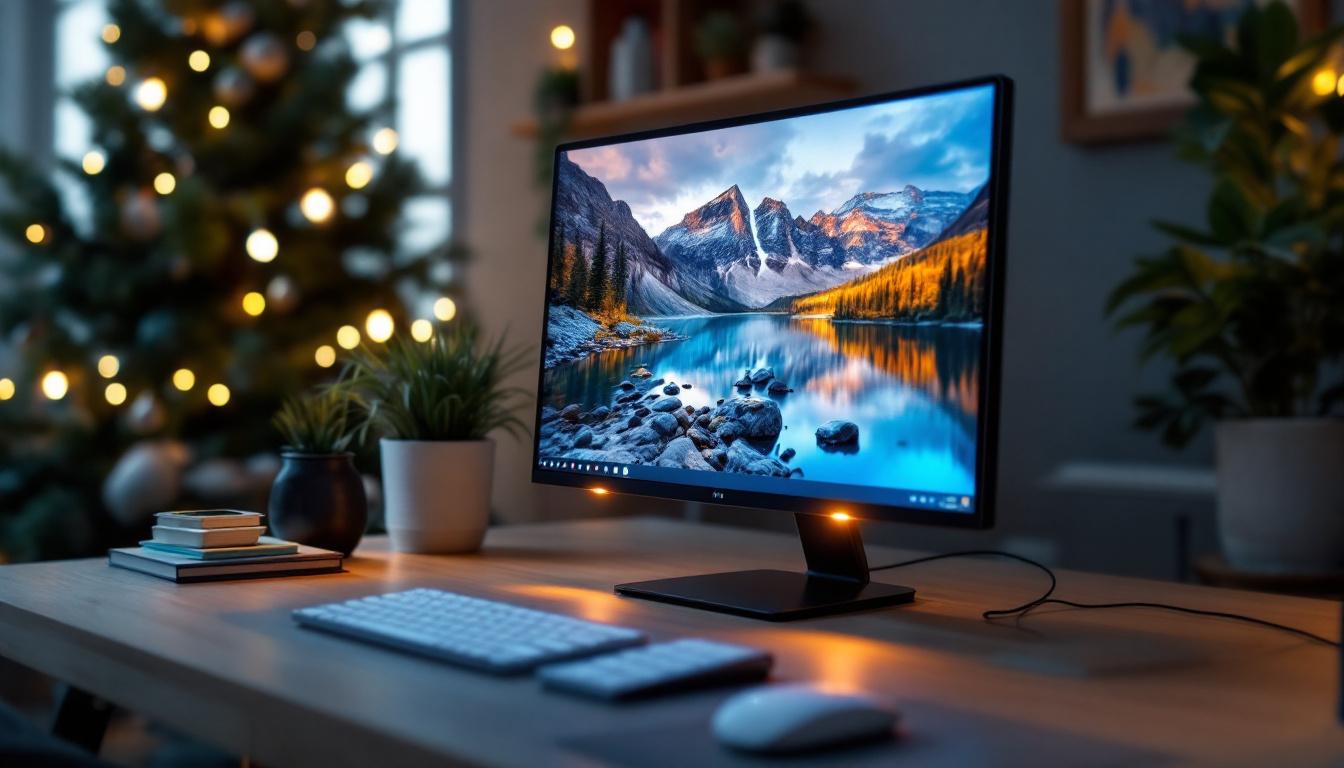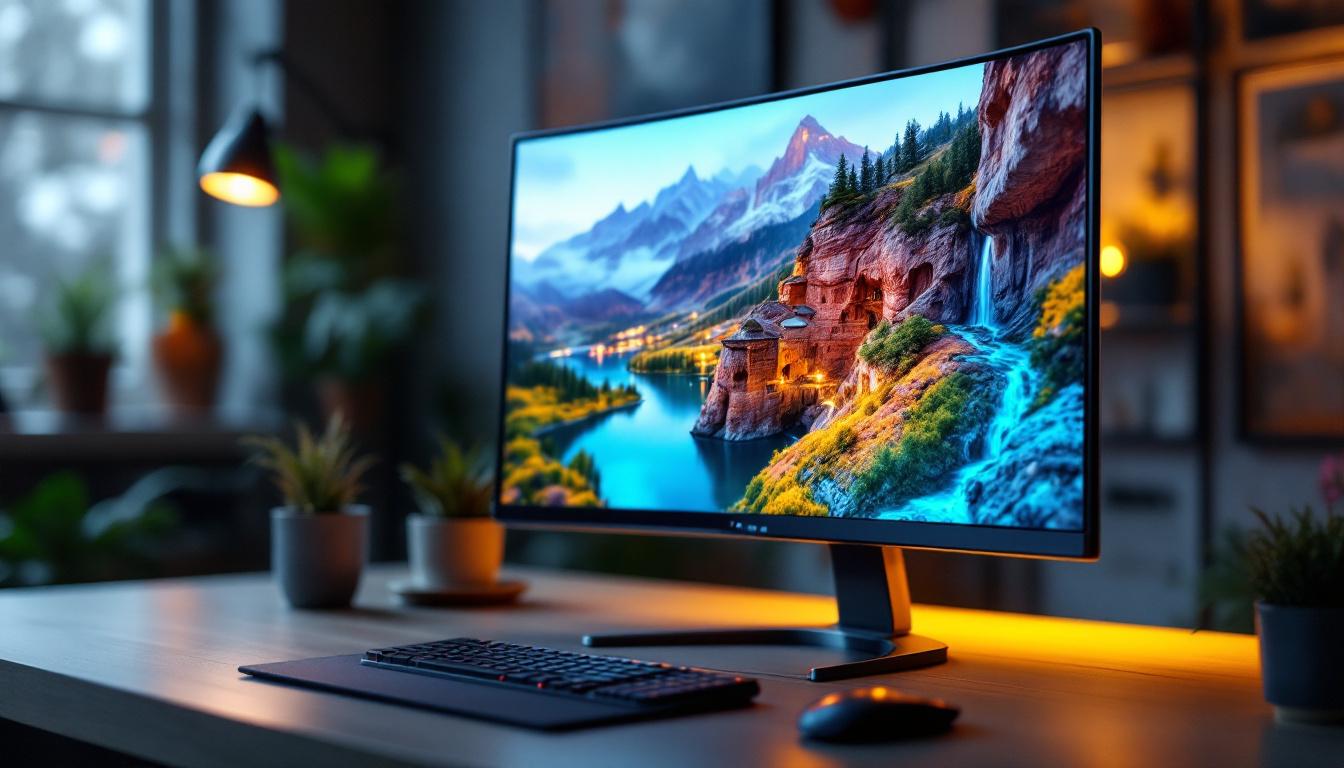
In recent years, curved monitors have surged in popularity, transforming the way users experience digital content. From immersive gaming setups to professional workstations, these displays offer unique advantages over traditional flat screens. Central to understanding curved monitors is the concept of the “R rating,” a specification that often puzzles consumers and even some tech enthusiasts. This article delves into the meaning of the curved monitor R rating, explores how LED technology integrates with curved displays, and provides insights to help you make informed decisions when selecting a curved monitor.
Understanding the Curved Monitor R Rating
The “R” in curved monitor R rating stands for “radius,” referring to the radius of the circle that the curved screen would form if it were extended into a complete circle. This measurement is expressed in millimeters (mm) and is critical in defining the curvature of the monitor’s screen.
For example, a monitor with a 1800R rating means the curve has a radius of 1800 millimeters, or 1.8 meters. If you imagine the screen as part of a circle, the curve would complete a full circle with a radius of 1.8 meters. The smaller the number, the more pronounced the curve. Conversely, a larger radius indicates a gentler curve, approaching a flat screen.
Why Does the R Rating Matter?
The curvature impacts how users perceive the screen and interact with content. A tighter curve (e.g., 1000R) wraps more around the user’s field of view, enhancing immersion, particularly in gaming or cinematic experiences. On the other hand, a gentler curve (e.g., 3000R) provides a subtle wrap that reduces distortion and glare while maintaining a natural viewing experience for productivity tasks.
Choosing the right R rating depends on factors such as screen size, viewing distance, and intended use. For instance, a 27-inch curved monitor with a 1500R rating is often considered ideal for gaming because it closely matches the typical viewing distance of about 60 centimeters, creating a more enveloping visual field. Additionally, the curvature can help reduce eye strain during extended use, as it allows for a more natural line of sight, minimizing the need to shift focus excessively.
Common R Ratings and Their Applications
Curved monitors typically range from 1000R to 4000R in curvature:
- 1000R: This is one of the most aggressive curves available and closely matches the human eye’s natural field of view. It’s favored by gamers and immersive media consumers for its enveloping effect, making it ideal for fast-paced games where peripheral vision can enhance gameplay.
- 1500R – 1800R: These mid-range curves are popular for both gaming and professional use, balancing immersion with comfort over longer periods. They provide a good compromise for users who might switch between gaming and productivity tasks, allowing for a more versatile experience.
- 3000R – 4000R: These gentle curves are often found in ultrawide monitors designed for productivity, offering reduced distortion without overwhelming curvature. They are particularly beneficial for multitasking, as the wider field of view can accommodate multiple windows side by side, enhancing efficiency.
In addition to the curvature, factors such as resolution, refresh rate, and panel technology also play significant roles in the overall performance of curved monitors. Higher resolutions, like 1440p or 4K, combined with a suitable R rating, can create stunning visuals that draw users into their content. Furthermore, advancements in display technology, such as OLED and quantum dot displays, can enhance color accuracy and contrast, making the experience even more captivating. As the market for curved monitors continues to evolve, users can expect even more options tailored to their specific needs, whether for gaming, professional work, or casual use.
LED Technology in Curved Monitors
LED displays have become the standard in modern monitors, including curved models. Understanding how LED technology integrates with curved screens helps clarify the advantages and limitations of these devices.
What is an LED Display?
LED stands for Light Emitting Diode, a technology used to illuminate the pixels on a screen. Most curved monitors use LED backlighting combined with LCD (Liquid Crystal Display) panels. The LCD layer controls the image, while the LED backlight provides brightness and color vibrancy.
There are two primary types of LED backlighting in monitors:
- Edge-Lit LED: LEDs are positioned along the edges of the screen, allowing for thinner designs but sometimes resulting in uneven brightness.
- Full-Array LED: LEDs are spread evenly behind the entire screen, offering better contrast and uniformity, often with local dimming features.
Benefits of LED Curved Monitors
Curved monitors with LED technology combine the benefits of both innovations:
- Improved Contrast and Brightness: LED backlighting can produce brighter images and deeper blacks, enhancing the immersive experience of curved screens.
- Energy Efficiency: LEDs consume less power compared to older CCFL backlights, making curved LED monitors more environmentally friendly and cost-effective over time.
- Thin and Lightweight Designs: LED technology enables slimmer panels, allowing curved monitors to maintain sleek aesthetics without bulkiness.
- Enhanced Color Accuracy: Many LED curved monitors support wide color gamuts and HDR (High Dynamic Range), crucial for creative professionals and gamers who demand vibrant visuals.
Challenges and Considerations
Despite their advantages, curved LED monitors also present certain challenges:
- Viewing Angles: While curvature helps reduce distortion, some LED panels, especially VA (Vertical Alignment) types, may exhibit color shifts at extreme angles.
- Cost: Curved LED monitors, particularly those with aggressive curves and high-end features, tend to be more expensive than flat counterparts.
- Compatibility: Some professional applications or multi-monitor setups may not benefit from curved screens, as alignment and color consistency can be more difficult to achieve.
Choosing the Right Curved Monitor Based on R Rating and LED Features
When selecting a curved monitor, understanding how the R rating and LED technology interact with your specific needs is essential. Here are key factors to consider:
Viewing Distance and Screen Size
The ideal curvature depends heavily on your typical viewing distance. For desktop use, where the user sits approximately 50 to 70 cm from the screen, a curvature between 1000R and 1800R is generally recommended. This range matches the natural field of view, reducing eye strain and enhancing immersion.
Larger monitors, such as 34-inch ultrawides or beyond, often benefit from gentler curves (3000R or higher) to avoid excessive distortion at the edges. Conversely, smaller monitors with aggressive curves can feel overwhelming and may cause discomfort over extended use.
Intended Use Case
Gaming enthusiasts often prefer tighter curves (1000R to 1500R) paired with high refresh rates and low response times to maximize immersion and responsiveness. Many curved gaming monitors also feature LED backlights with local dimming and HDR support to enhance visual fidelity.
For office productivity or creative work, a moderate curve (1800R to 3000R) can reduce glare and reflections, improving comfort during long sessions. LED panels with high color accuracy, such as IPS (In-Plane Switching) types, are preferred for tasks requiring precise color reproduction.
Resolution and Refresh Rate
Higher resolutions (1440p, 4K) combined with curved screens deliver sharper images and more screen real estate, ideal for multitasking and detailed work. LED technology supports these resolutions with consistent brightness and color.
Gamers should prioritize monitors with refresh rates of 120Hz or higher to complement the immersive curvature and LED-enhanced visuals, ensuring smooth gameplay.
Ergonomics and Eye Comfort
Curved monitors are often touted for reducing eye strain by matching the natural curvature of the human eye. Choosing an appropriate R rating aligned with your viewing distance can minimize the need for excessive eye movement and refocusing.
LED backlighting also plays a role here; monitors with flicker-free technology and blue light filters help protect eye health during prolonged use.
Industry Trends and Future Outlook
The market for curved LED monitors continues to evolve rapidly, driven by advances in display technology and changing user preferences.
Emergence of OLED and Mini-LED Curved Displays
While LED-backlit LCDs dominate the current curved monitor market, newer technologies like OLED (Organic Light Emitting Diode) and Mini-LED are beginning to make inroads. OLED panels offer superior contrast ratios and true blacks due to their self-emissive pixels, enhancing the immersive effect of curved screens.
Mini-LED technology improves upon traditional LED backlighting by using thousands of tiny LEDs for more precise local dimming, resulting in better HDR performance and reduced blooming effects.
Increasing Adoption in Professional and Gaming Sectors
Curved monitors are no longer niche products. According to a 2023 report from a leading market research firm, the global curved monitor market is expected to grow at a compound annual growth rate (CAGR) of over 10% through 2027. This growth is fueled by demand from gamers, content creators, and corporate users seeking enhanced productivity and immersive experiences.
Customization and Adaptive Technologies
Future curved monitors are likely to incorporate adaptive technologies such as variable curvature settings, allowing users to adjust the R rating dynamically based on task or preference. Additionally, integration with eye-tracking and ambient light sensors will further optimize comfort and visual performance.
Conclusion: Making an Informed Choice
Understanding the curved monitor R rating and the role of LED technology is crucial for selecting a display that meets your needs. The R rating defines the curvature radius, influencing immersion, comfort, and viewing experience. LED backlighting enhances brightness, color accuracy, and energy efficiency, complementing the curved form factor.
Whether you are a gamer seeking an enveloping battlefield view, a creative professional requiring precise colors, or a productivity user aiming to reduce eye strain, choosing the right combination of curvature and LED features can significantly impact your satisfaction and performance.
As display technologies continue to advance, staying informed about the latest developments will help you invest wisely in a curved monitor that delivers both visual excellence and ergonomic benefits.
Discover the Future of Curved LED Displays with LumenMatrix
Ready to elevate your visual experience with the latest in curved monitor technology? LumenMatrix is at the forefront of LED display innovation, offering a wide array of solutions that bring your content to life. From immersive Indoor LED Wall Displays to dynamic Outdoor LED Wall Displays and beyond, our products are designed to maximize engagement and transform how you communicate visually. Embrace the future of digital signage and explore our cutting-edge LED display solutions today. Check out LumenMatrix LED Display Solutions and see how we can enhance your brand visibility and create captivating visual experiences.