In today’s fast-paced retail and advertising environment, capturing the attention of passersby is more challenging than ever. Window facing LED displays have emerged as a powerful solution, combining vibrant visuals with strategic placement to engage audiences directly from the street. But what exactly are window facing LED displays, how do they work, and why are they becoming essential tools in modern marketing? This article dives deep into the technology, benefits, and practical considerations of window facing LED displays to provide a comprehensive understanding for business owners, marketers, and technology enthusiasts alike.
What Is a Window Facing LED Display?
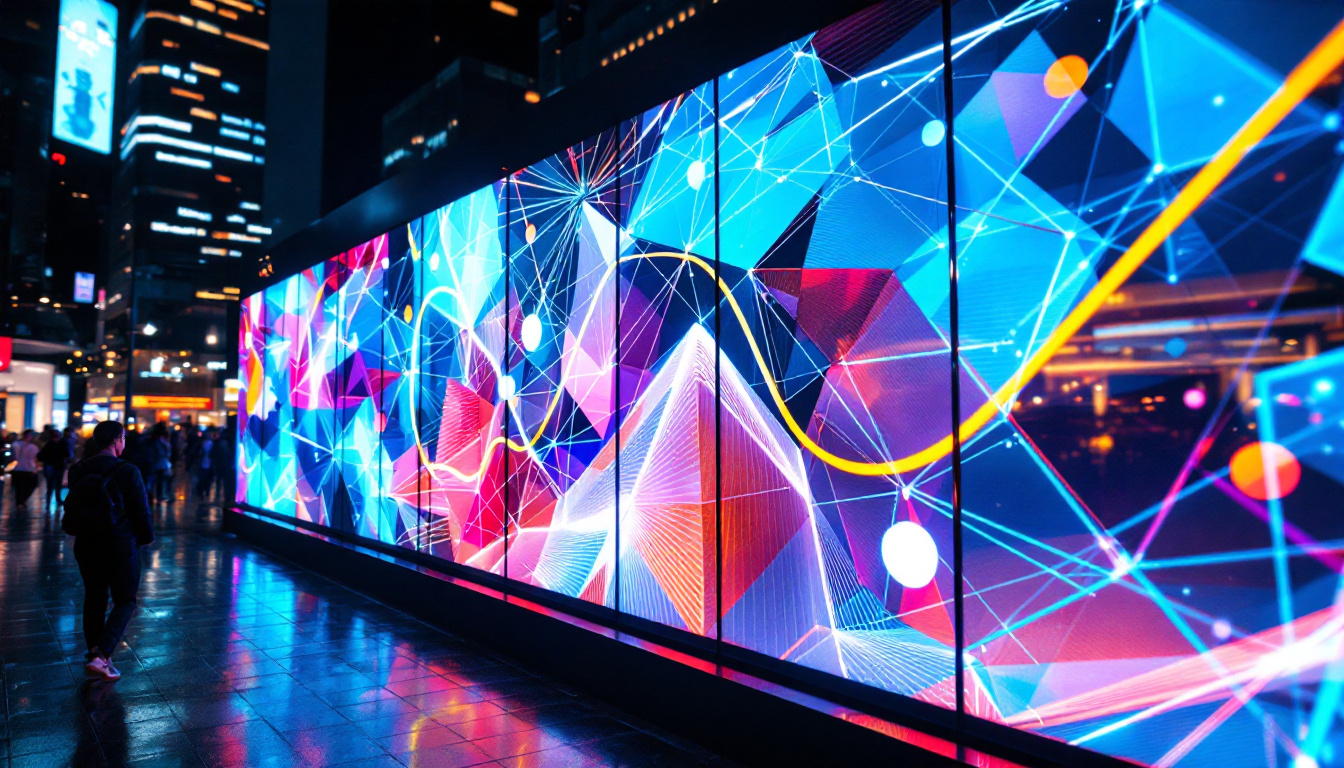
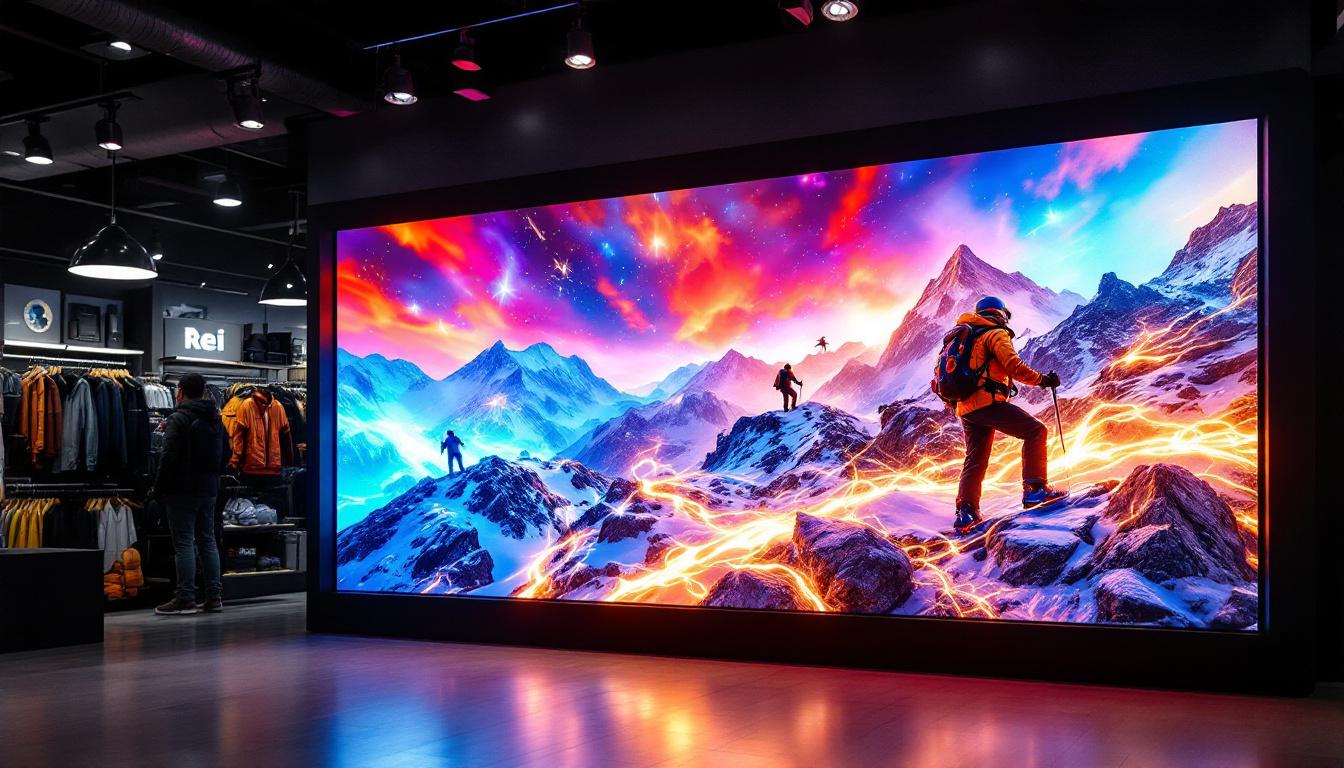
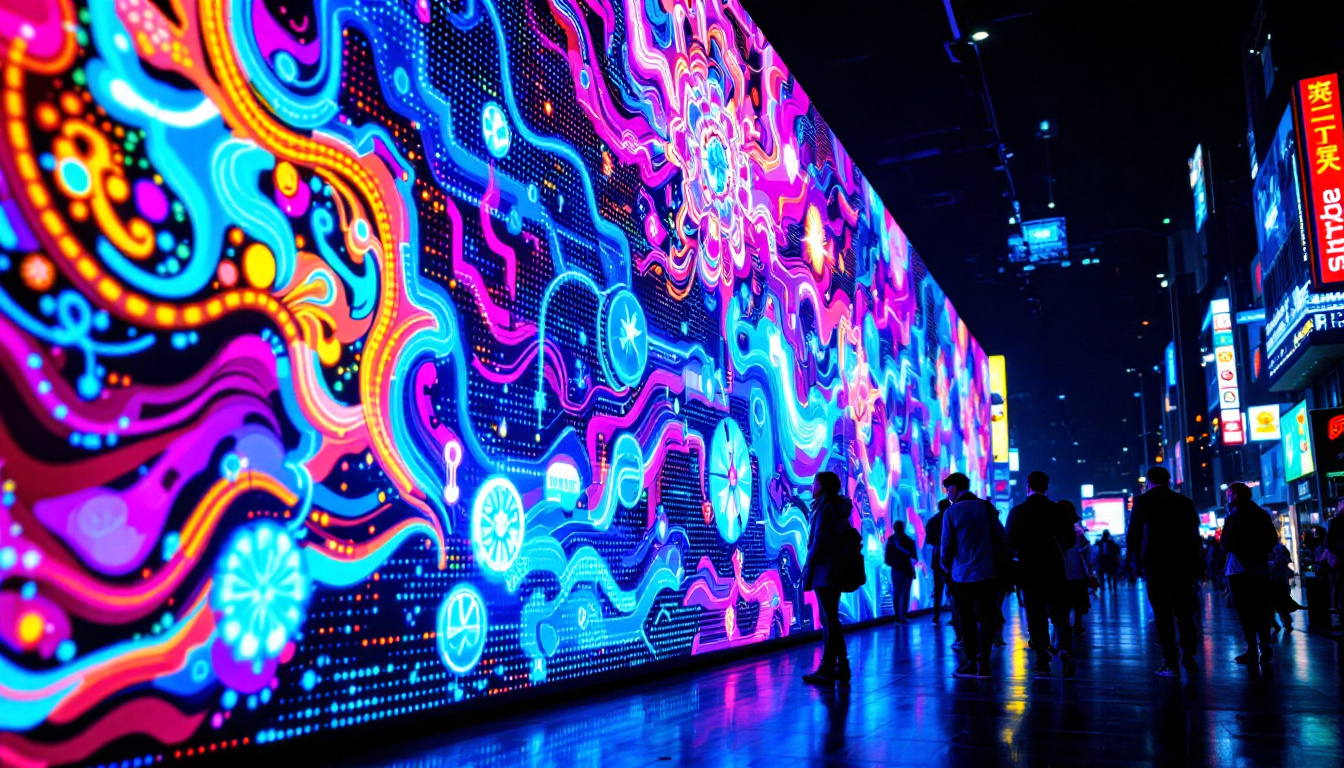
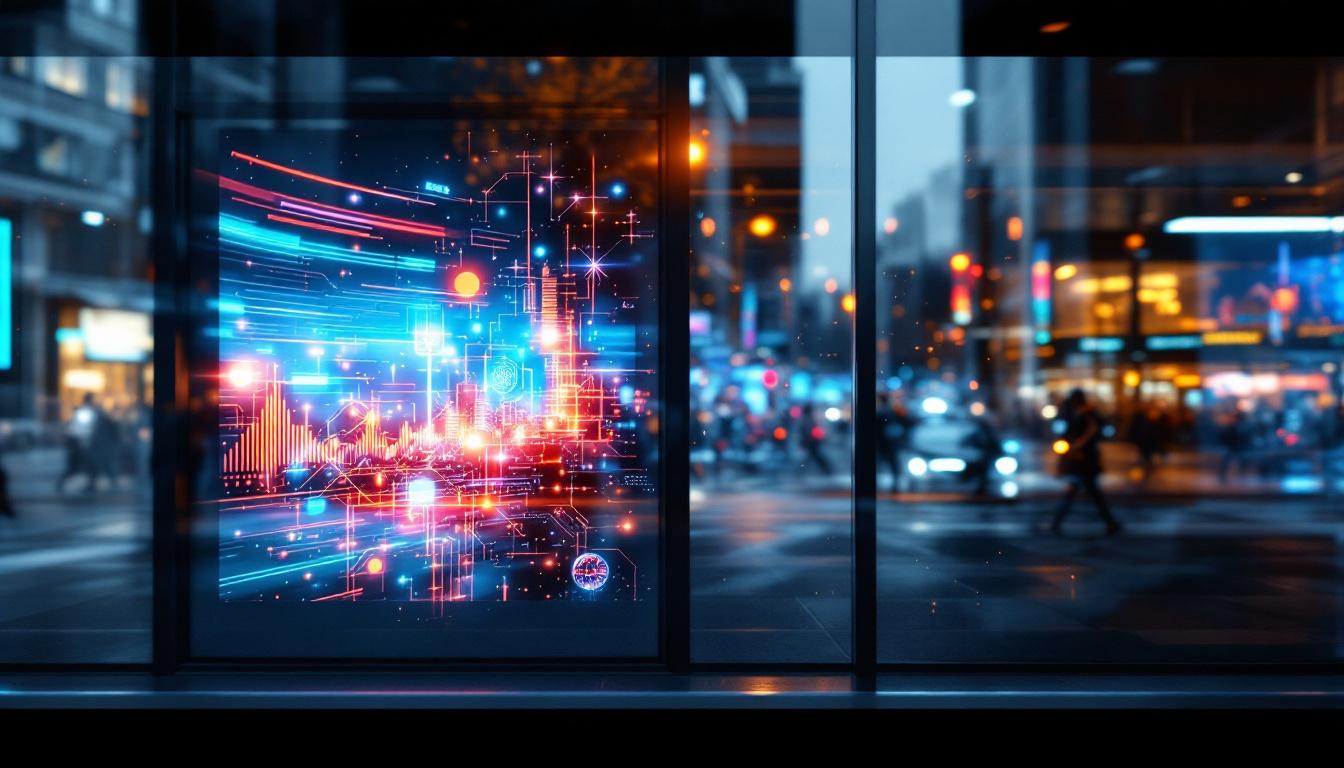
A window facing LED display is a type of digital screen designed to be installed on or behind glass windows, typically in retail storefronts or commercial buildings. Unlike traditional LED displays that face outward from a building’s exterior, these displays are optimized to be viewed from outside through a transparent or semi-transparent window. This unique placement allows businesses to showcase dynamic content—such as advertisements, promotions, or branded visuals—directly to pedestrians and drivers passing by.
These displays utilize light-emitting diodes (LEDs) arranged in a matrix to create bright, colorful images and videos. Their ability to produce high brightness levels ensures visibility even in direct sunlight, a crucial feature for window facing applications. Additionally, many window facing LED displays are designed with transparency in mind, allowing natural light to pass through and maintaining the aesthetic and openness of the storefront.
Types of Window Facing LED Displays
Window facing LED displays generally fall into two main categories:
- Transparent LED Displays: These displays use a mesh or grid of LEDs embedded in a transparent substrate, allowing up to 70-90% of light to pass through. This maintains the visibility of the window and interior space while displaying digital content.
- Non-transparent (Opaque) LED Displays: These are traditional LED panels placed behind the window, which show content clearly but block the view through the glass. They are often used when transparency is not a priority.
Choosing between these types depends on the business’s aesthetic goals, lighting conditions, and the desired impact on foot traffic.
How Window Facing LED Displays Work
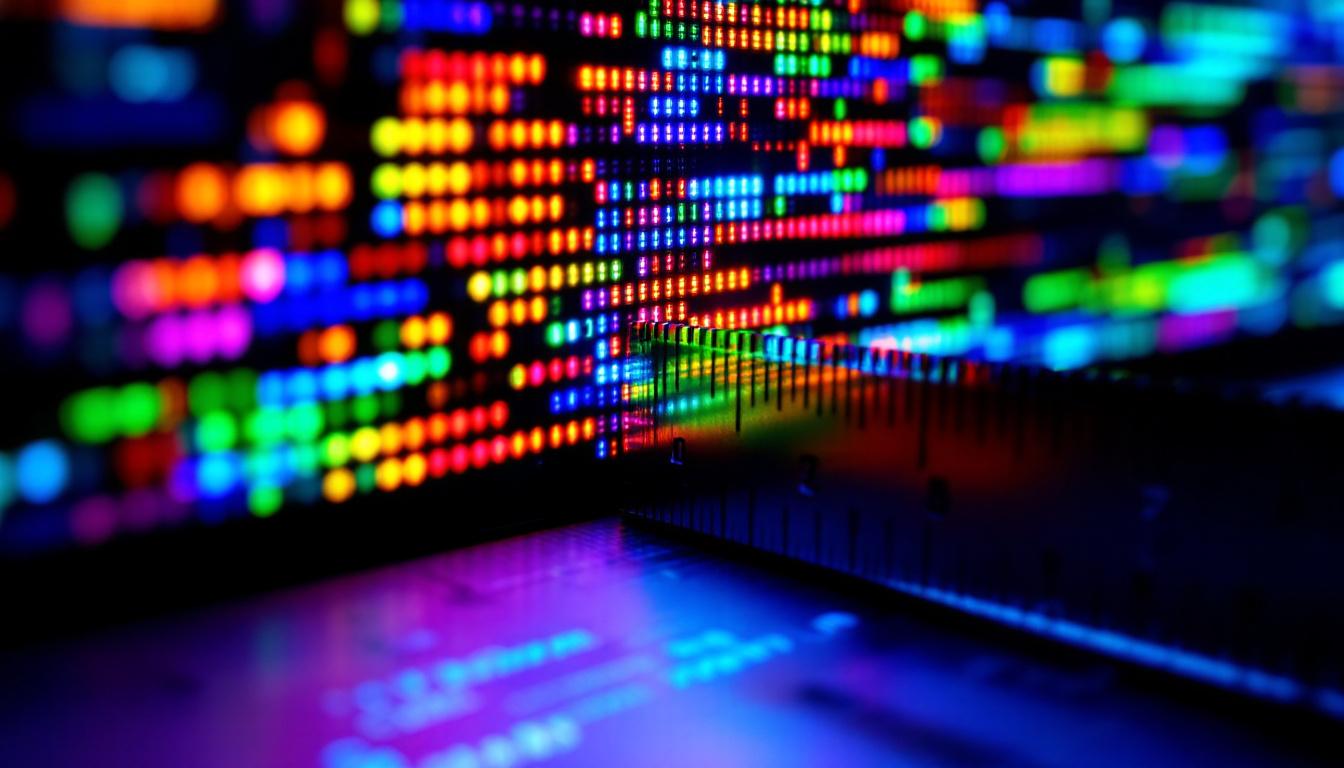
Understanding the technology behind window facing LED displays helps clarify their advantages and limitations. At the core, these displays consist of thousands of tiny LEDs arranged in a grid pattern. Each LED can emit light in various colors, typically red, green, and blue (RGB), which combine to produce a full spectrum of colors.
For window facing applications, the display must overcome challenges such as ambient light interference and reflections from the glass. To address this, manufacturers employ several techniques:
- High Brightness LEDs: These LEDs can reach brightness levels of 3,000 to 8,000 nits, significantly higher than indoor displays, ensuring visibility even in direct sunlight.
- Anti-reflective Coatings: Special coatings on the glass or display surface reduce glare and reflections, improving image clarity.
- Pixel Pitch Optimization: Pixel pitch refers to the distance between individual LEDs. For window facing displays, a smaller pixel pitch (e.g., 2-4 mm) ensures sharper images at close viewing distances.
- Transparency Engineering: In transparent LED displays, the LED modules are spaced to allow light and visibility through the gaps, balancing image quality with see-through effect.
These technological adaptations make window facing LED displays uniquely suited to their environment, delivering compelling visuals without compromising the natural look and feel of the storefront.
Installation and Integration
Installing a window facing LED display requires careful planning. The display can be mounted directly on the interior side of the window or embedded within the glass itself during construction or renovation. Power supply, data connectivity, and environmental protection (such as humidity and temperature control) are critical factors to ensure reliable operation.
Integration with content management systems (CMS) allows businesses to schedule and update content remotely, tailoring messages based on time of day, season, or promotional campaigns. Advanced systems even support interactive features, such as touch or motion sensors, enhancing customer engagement.
Benefits of Window Facing LED Displays for Businesses
Window facing LED displays offer numerous advantages that make them an attractive investment for retailers, restaurants, corporate offices, and public spaces. These benefits extend beyond mere aesthetics, impacting marketing effectiveness, customer experience, and operational efficiency.
Enhanced Visibility and Engagement
One of the most significant benefits is the ability to capture attention with bright, dynamic content that stands out against static signage. According to a 2023 study by the Digital Signage Federation, businesses using digital window displays reported a 30% increase in foot traffic compared to those relying solely on traditional signage.
Dynamic content such as animations, videos, and real-time updates can convey promotions, new arrivals, or brand stories more effectively than static posters. This increased engagement translates into higher conversion rates and improved brand recall.
Flexibility and Content Control
Unlike printed signs that require physical replacement, LED displays allow instant content changes. This flexibility is invaluable for businesses running frequent promotions or seasonal campaigns. Content can be updated remotely and scheduled in advance, reducing labor costs and minimizing downtime.
Moreover, some window facing LED displays support interactive content, enabling businesses to create personalized experiences or gather customer data through integrated sensors or QR codes.
Energy Efficiency and Longevity
Modern LED technology is energy-efficient, consuming significantly less power than traditional neon or fluorescent signage. This efficiency reduces operational costs and aligns with sustainability goals, which are increasingly important to consumers and regulatory bodies.
LED displays also boast long lifespans, often exceeding 50,000 hours of operation, which translates to years of reliable service with minimal maintenance.
Considerations When Choosing a Window Facing LED Display
While window facing LED displays offer many advantages, selecting the right solution requires careful evaluation of several factors to ensure the investment meets business needs.
Brightness and Ambient Light Conditions
Brightness is a critical specification. Displays intended for high-traffic urban streets with direct sunlight exposure need higher brightness levels (above 5,000 nits) to remain visible. Conversely, displays in shaded or indoor environments can operate effectively at lower brightness, conserving energy.
Transparency and Aesthetic Impact
Businesses must decide how much transparency is necessary. Transparent LED displays maintain natural light and visibility into the store, preserving an open feel. However, they tend to have lower pixel density and brightness compared to opaque displays.
Opaque displays offer higher image quality and brightness but block the view through the window, which may not suit all storefront designs.
Viewing Distance and Pixel Pitch
The optimal pixel pitch depends on the typical viewing distance. For close pedestrian traffic, smaller pixel pitches (2-4 mm) provide crisp images. For displays viewed from farther away, larger pixel pitches may suffice and reduce costs.
Installation Environment and Durability
Consider the environmental conditions such as temperature fluctuations, humidity, and potential vandalism. Displays designed for commercial use often come with protective enclosures and weatherproofing features to ensure durability.
Budget and Return on Investment
Costs for window facing LED displays vary widely based on size, resolution, and features. While initial investment can be substantial, the long-term benefits in increased sales, brand visibility, and reduced signage replacement costs often justify the expense.
Case Studies: Successful Window Facing LED Display Implementations
Examining real-world examples helps illustrate the impact and versatility of window facing LED displays.
Retail Fashion Store in New York City
A high-end fashion retailer in Manhattan installed a transparent LED display spanning their entire storefront window. The display showcased seasonal collections with vibrant animations and real-time social media feeds. Within six months, the store reported a 25% increase in foot traffic and a 15% boost in sales for featured items. The transparent design preserved the boutique’s elegant interior aesthetic, enhancing rather than obstructing the shopping experience.
Fast Food Chain in London
A popular fast food chain implemented opaque window facing LED displays at multiple locations across London. The displays featured dynamic menus, promotional offers, and localized content based on weather and time of day. This adaptability led to a 20% increase in lunchtime sales and improved customer satisfaction scores, as patrons appreciated the clear, up-to-date information.
Corporate Office Lobby in Tokyo
A multinational corporation installed a transparent LED display in their lobby window to promote corporate social responsibility initiatives and upcoming events. The display’s subtle yet engaging visuals attracted attention from passersby and helped reinforce the company’s brand values. The installation also contributed to the building’s modern architectural appeal.
Future Trends in Window Facing LED Displays
The technology behind window facing LED displays continues to evolve rapidly, driven by advances in materials science, software, and user interaction.
Higher Transparency and Resolution
Emerging transparent LED technologies aim to increase transparency beyond 90% while improving pixel density, enabling even sharper images without compromising natural light. This development will expand applications in retail, museums, and architectural projects.
Integration with Augmented Reality (AR)
Future window facing displays may incorporate AR elements, allowing passersby to interact with virtual objects or receive personalized content via smartphones. This fusion of physical and digital experiences promises to revolutionize customer engagement.
AI-Driven Content Personalization
Artificial intelligence will enable real-time content adaptation based on audience demographics, weather, and traffic patterns. This level of personalization can maximize marketing effectiveness and customer satisfaction.
Conclusion
Window facing LED displays represent a dynamic intersection of technology, design, and marketing strategy. Their ability to deliver bright, engaging content directly to street-level audiences makes them invaluable tools for businesses seeking to stand out in crowded urban environments. By understanding the types, technology, benefits, and considerations involved, businesses can make informed decisions that enhance visibility, drive sales, and create memorable brand experiences.
As LED technology continues to advance, window facing displays will become even more versatile and impactful, shaping the future of outdoor advertising and retail engagement.
Discover LumenMatrix’s Advanced LED Display Solutions
Ready to elevate your business’s street-level advertising and captivate your audience with unparalleled clarity and brightness? Explore LumenMatrix’s comprehensive range of LED display solutions, from transparent window displays to custom configurations tailored to your unique needs. Our innovative technology is designed to make your brand shine and engage customers like never before. Check out LumenMatrix LED Display Solutions today and transform your visual communication strategy.