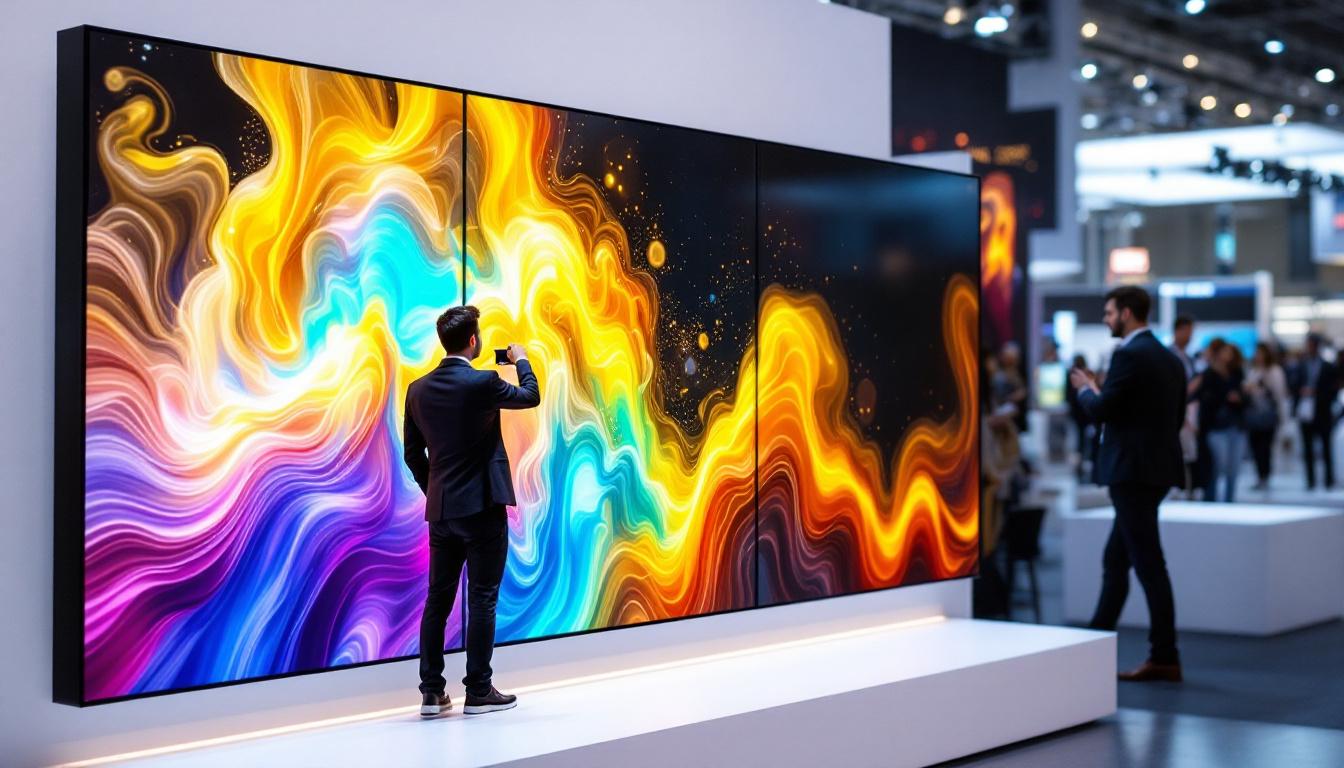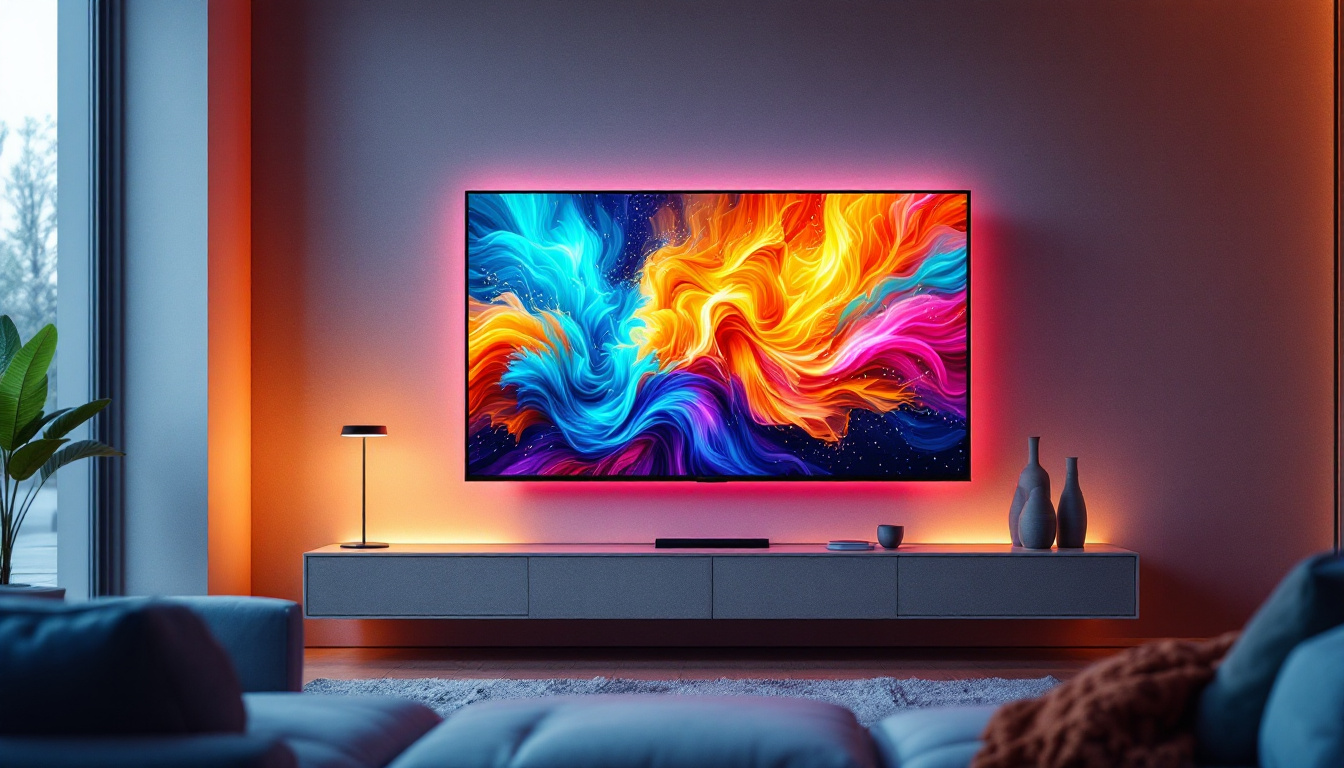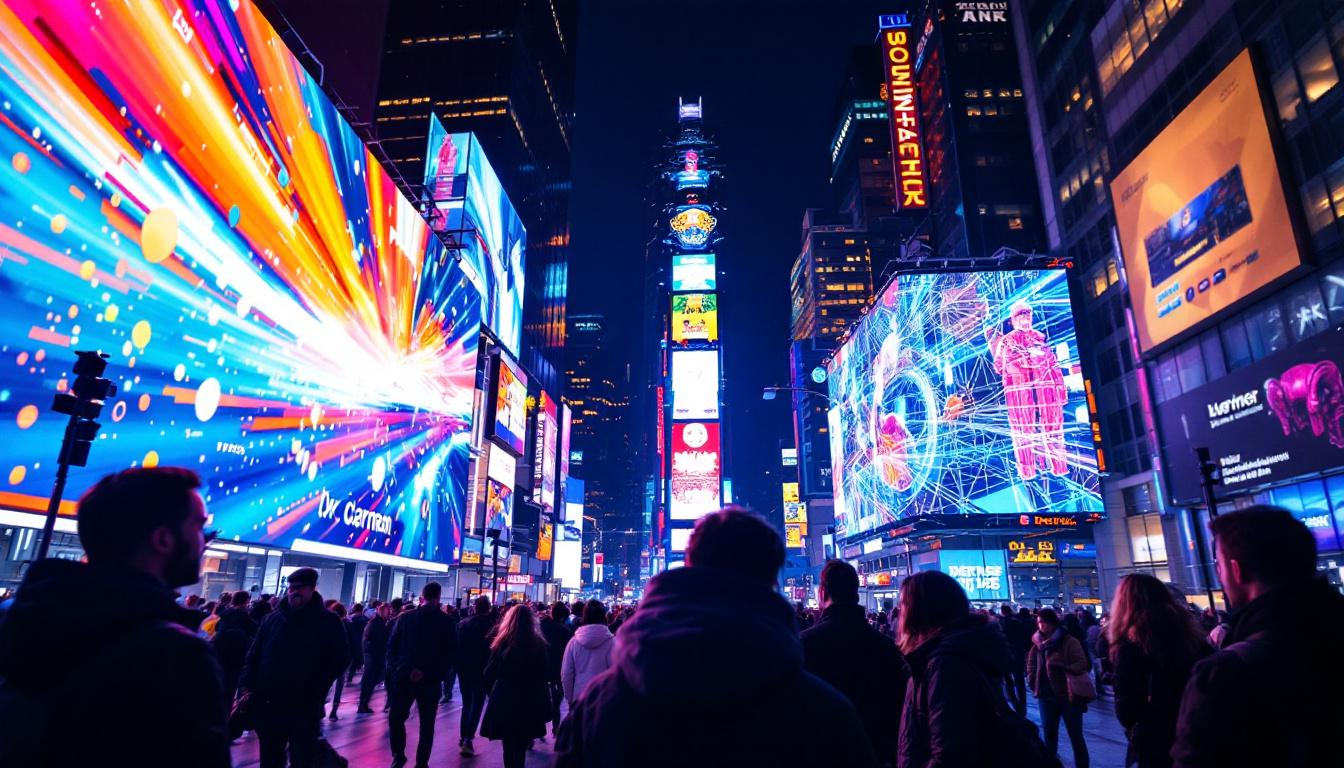
In the rapidly evolving world of digital technology, LED displays have become a cornerstone of modern visual communication. From vibrant billboards in bustling city centers to immersive 3D advertising experiences, LED technology continues to push the boundaries of what is possible in visual media. This article explores the fundamentals of LED displays, their applications, and the emerging trends that are shaping the future of 3D visual experiences.
Understanding LED Display Technology
What is an LED Display?
LED stands for Light Emitting Diode, a semiconductor device that emits light when an electric current passes through it. LED displays are screens made up of thousands or even millions of these tiny diodes arranged in a grid, capable of producing images, videos, and animations with remarkable brightness and clarity. Unlike traditional LCD or plasma screens, LED displays rely on direct emission of light, which results in higher contrast ratios, better color accuracy, and improved energy efficiency. This technology not only enhances the viewing experience but also reduces power consumption, making it an environmentally friendly choice.
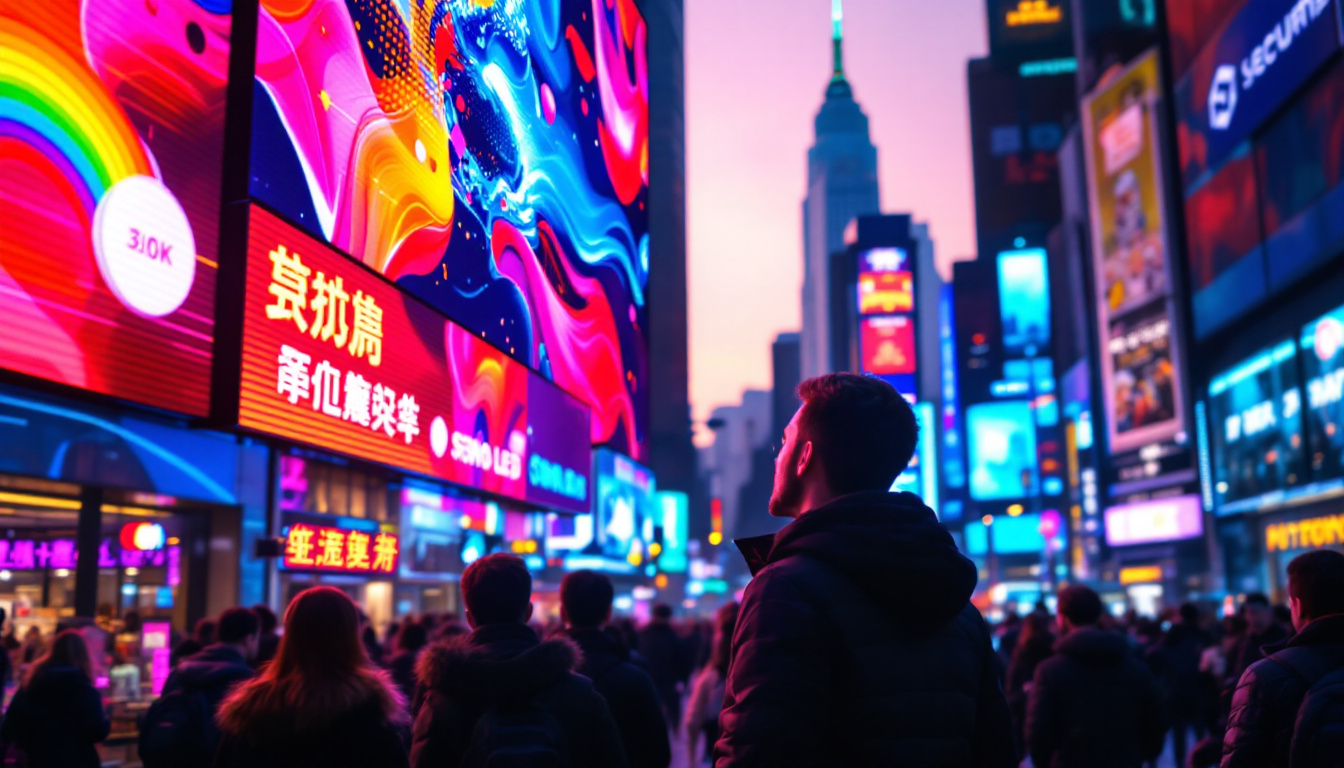
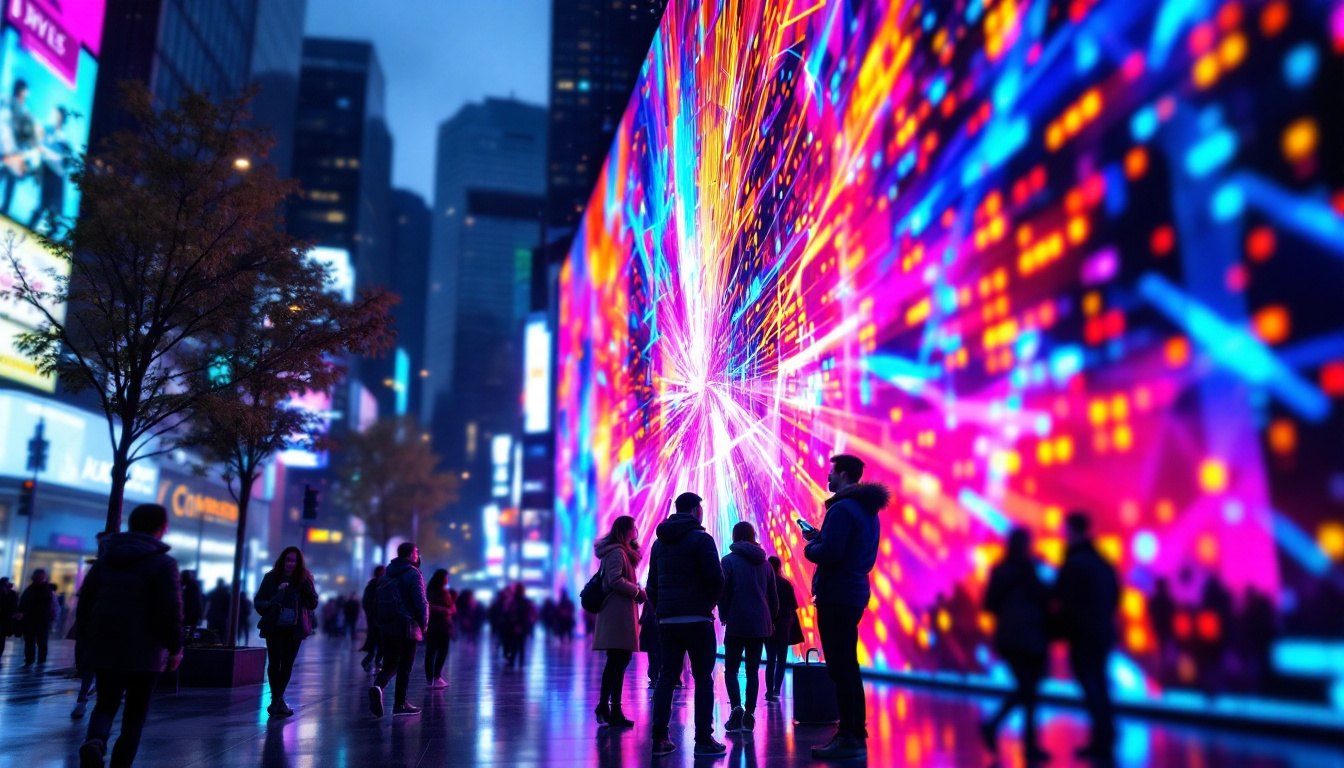
These displays come in various forms, including indoor and outdoor panels, flexible screens, and transparent LED panels. The versatility of LED technology has made it a preferred choice for a wide range of applications, from advertising and entertainment to public information systems. For instance, outdoor LED billboards can withstand harsh weather conditions while delivering vibrant advertisements, while flexible LED screens can be molded into various shapes for creative installations in art and design. This adaptability has led to innovative uses in sports arenas, concert venues, and even architectural facades, showcasing the limitless potential of LED technology.
How Do LED Displays Work?
At the core of an LED display lies the pixel, the smallest unit of the image. Each pixel consists of red, green, and blue LEDs (RGB), which combine to produce a full spectrum of colors. By adjusting the intensity of each LED within a pixel, the display can render millions of colors, creating vivid and dynamic images. This RGB configuration is crucial not only for color representation but also for achieving high levels of brightness that can be seen even in direct sunlight, a significant advantage for outdoor displays.
The control system behind an LED display processes input signals from video sources and converts them into electrical impulses that light up the corresponding LEDs. Advanced calibration techniques ensure uniform brightness and color consistency across the entire screen, which is critical for large-scale displays where even minor discrepancies can be noticeable. Additionally, modern LED displays often incorporate features like dynamic range adjustment and pixel-level brightness control, which enhance the viewing experience by adapting to different lighting conditions. As technology continues to evolve, innovations such as 3D mapping and interactive displays are pushing the boundaries of what LED technology can achieve, paving the way for even more immersive experiences in various fields.
The Rise of 3D LED Displays
What Makes a Display “3D”?
Traditional LED displays are two-dimensional, presenting flat images on a surface. However, 3D LED displays introduce depth perception, allowing viewers to experience images that appear to have volume and spatial presence. This effect can be achieved through several methods, including stereoscopic technology, holography, and volumetric displays.
Stereoscopic 3D uses two slightly different images presented separately to each eye, creating the illusion of depth. In contrast, holographic LED displays project light fields that simulate the way light interacts with objects in three-dimensional space, offering a more natural and glasses-free 3D experience. Additionally, volumetric displays create images that can be viewed from multiple angles, allowing for a more interactive experience as users can walk around and see the object from different perspectives. This technology leverages rotating screens or light fields to create a truly immersive environment that feels tangible and real.
Applications of 3D LED Displays
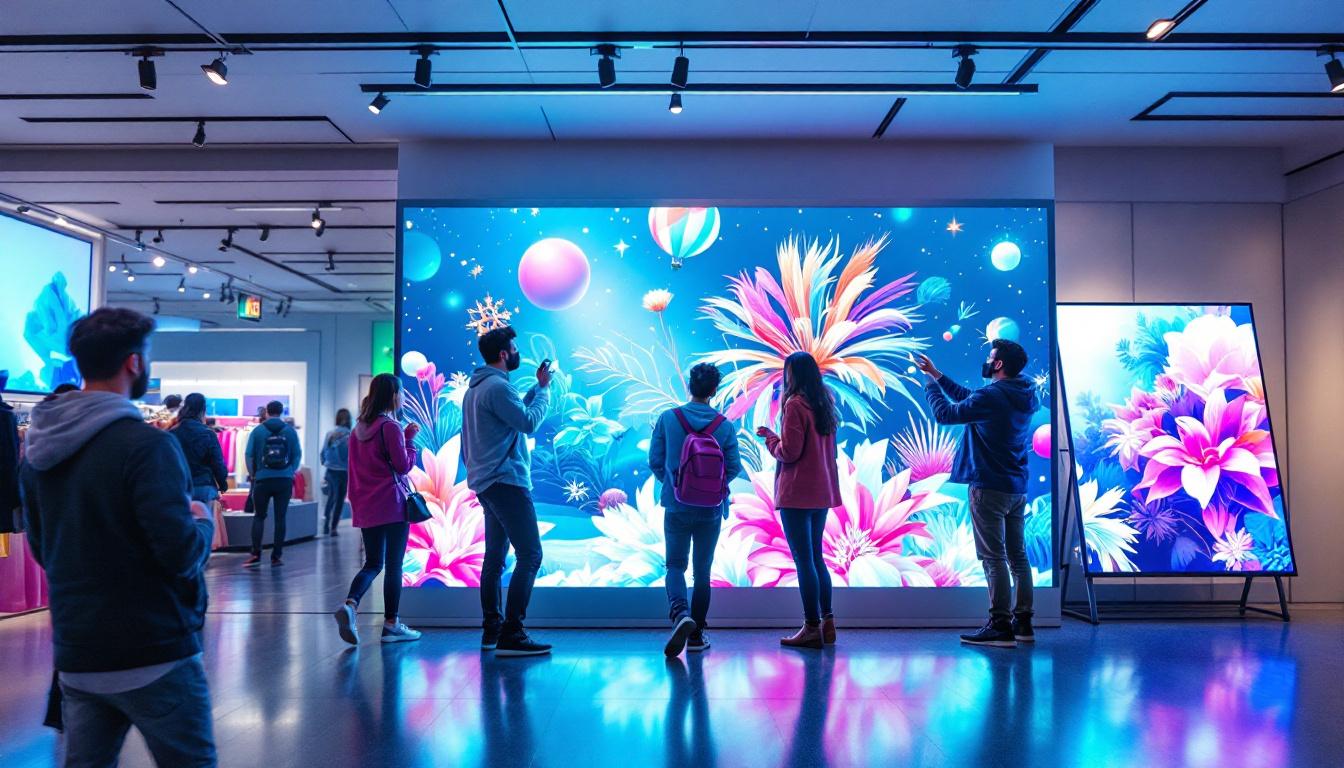
The integration of 3D technology with LED displays has unlocked new possibilities in advertising, entertainment, and education. For example, retail stores use 3D LED displays to showcase products in eye-catching ways that captivate customers and increase engagement. By presenting products in a three-dimensional format, retailers can highlight features and details that might otherwise go unnoticed in traditional displays. This not only enhances the shopping experience but can also lead to higher conversion rates as customers are drawn in by the visual appeal.
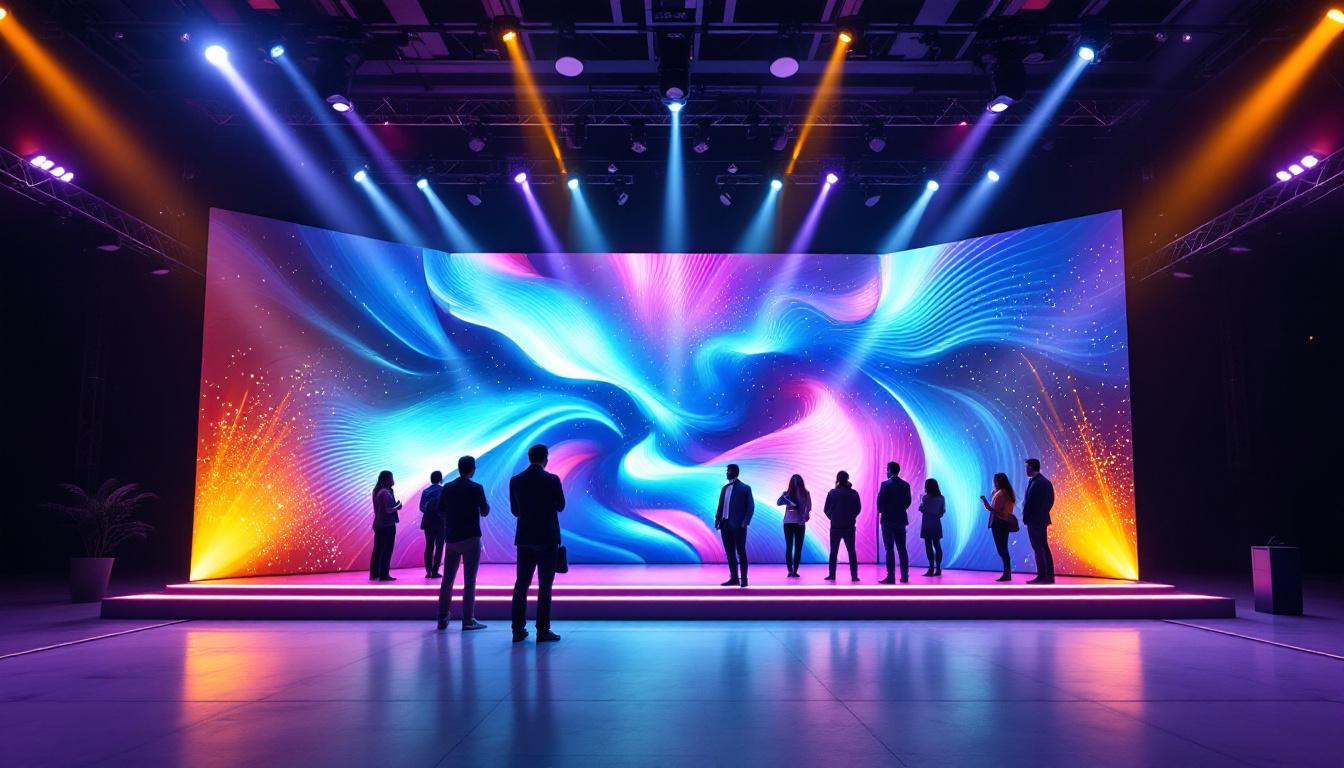
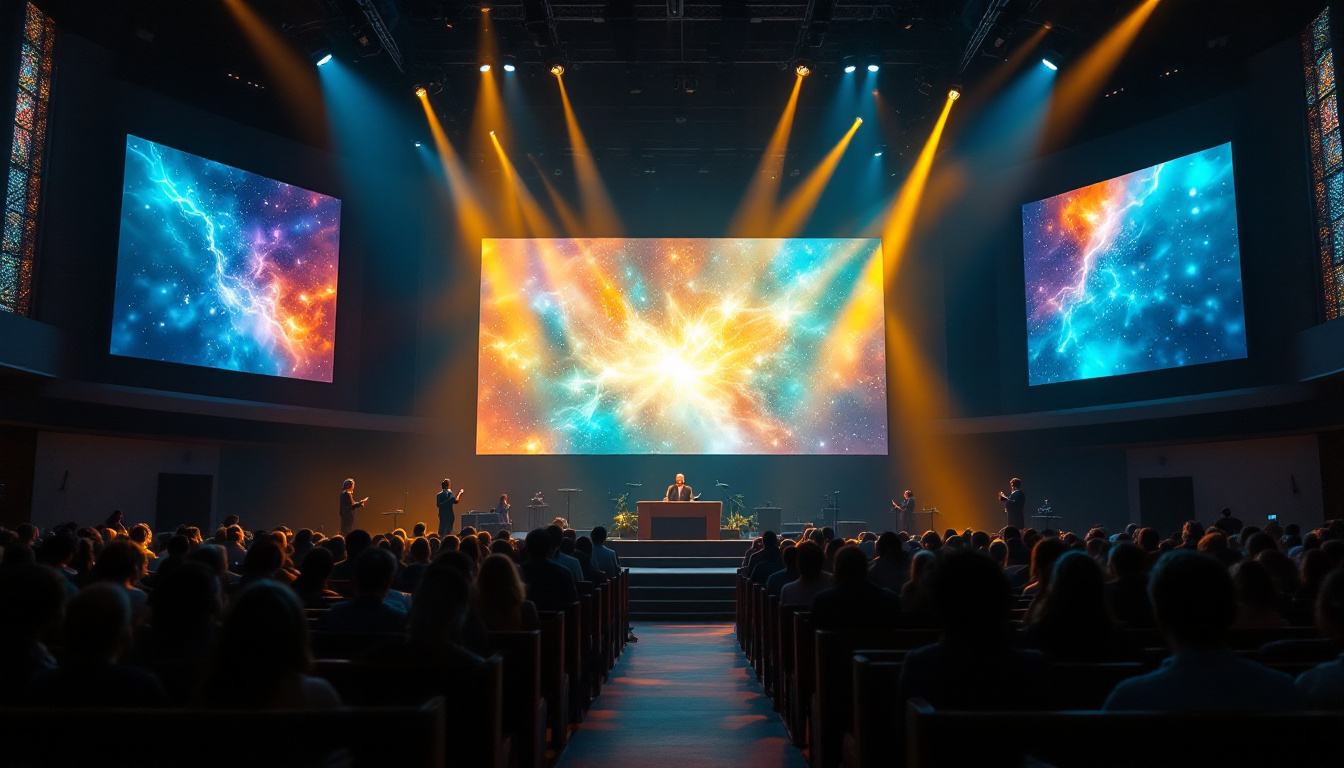
Museums and exhibitions employ these displays to create immersive educational experiences, bringing historical artifacts or scientific concepts to life. Imagine walking through a museum where ancient civilizations are not just represented by static displays but are brought to life through animated 3D projections that narrate their stories. This innovative approach not only captivates audiences but also fosters a deeper understanding of complex subjects, making learning more engaging and memorable. In the entertainment industry, 3D LED screens are used in concerts and events to provide dynamic backdrops that enhance performances. The integration of live action with 3D visuals creates a spectacle that is both visually stunning and emotionally resonant. Sports arenas also utilize large-scale 3D LED displays to deliver real-time statistics and immersive replays, enriching the spectator experience. These displays can transform the way fans interact with the game, providing them with insights and angles that were previously unavailable, making every match an unforgettable event.
Advantages of LED Displays Over Other Technologies
Brightness and Visibility
One of the most significant advantages of LED displays is their superior brightness. Outdoor LED screens can achieve brightness levels exceeding 5,000 nits, making them easily visible even under direct sunlight. This contrasts sharply with LCD and projection-based displays, which often struggle in bright environments.
High brightness ensures that advertisements and information remain clear and legible at all times, a crucial factor for outdoor digital signage and public displays.
Energy Efficiency and Longevity
LED technology is renowned for its energy efficiency. LEDs consume significantly less power than traditional lighting and display technologies, reducing operational costs and environmental impact. Additionally, LEDs have a longer lifespan, often exceeding 100,000 hours of operation, which minimizes maintenance and replacement expenses.
This combination of efficiency and durability makes LED displays a cost-effective solution for businesses and municipalities looking to invest in sustainable digital signage.
Flexibility and Customization
LED displays offer unparalleled flexibility in terms of size, shape, and resolution. Modular LED panels can be assembled into virtually any configuration, from small indoor screens to massive outdoor billboards spanning thousands of square feet. Flexible and curved LED panels enable creative architectural integrations, transforming buildings and public spaces into dynamic canvases.
Moreover, pixel pitch—the distance between individual LEDs—can be adjusted to suit viewing distances. Fine pixel pitches are ideal for close-up viewing, such as indoor retail displays, while larger pitches work well for distant outdoor audiences.
Challenges and Considerations in LED Display Deployment
Cost and Installation Complexity
Despite their many benefits, LED displays can involve significant upfront costs, particularly for high-resolution or large-format installations. The complexity of installation, including structural support, power supply, and data connectivity, requires careful planning and expertise.
However, the long-term benefits in terms of durability, energy savings, and advertising impact often justify the initial investment. Advances in manufacturing and increased competition have also contributed to gradually lowering costs over recent years.
Environmental Impact and Sustainability
While LED displays are more energy-efficient than many alternatives, their production and disposal raise environmental concerns. The manufacturing process involves rare earth elements and electronic components that require responsible sourcing and recycling.
Industry leaders are increasingly adopting sustainable practices, such as using recyclable materials and designing displays for easier disassembly. Additionally, innovations in low-power LED technology continue to reduce the environmental footprint of digital signage.
Content Creation and Management
Effective use of LED displays depends heavily on the quality and relevance of the content displayed. Creating engaging 3D visuals requires specialized skills and software, and managing content across multiple screens demands robust digital signage platforms.
Businesses and organizations must invest in content strategy and management tools to maximize the impact of their LED installations. Real-time content updates and interactive features can further enhance viewer engagement and return on investment.
The Future of LED Displays and 3D Visualization
Emerging Technologies and Innovations
The LED display industry is poised for exciting advancements driven by innovations in materials science, optics, and computing. MicroLED technology, which uses microscopic LEDs to create even higher resolution and brightness, promises to revolutionize display quality while reducing power consumption.
Additionally, the integration of artificial intelligence and augmented reality with LED displays is opening new frontiers in personalized and interactive experiences. Imagine storefronts that adapt their 3D content based on the demographics of passersby or public art installations that respond to environmental data in real time.
Expanding Applications Across Industries
Beyond advertising and entertainment, LED displays are finding applications in healthcare, transportation, and smart cities. For instance, hospitals use LED screens for patient information and wayfinding, while airports deploy large LED panels for flight updates and passenger engagement.
Smart city initiatives leverage LED displays to communicate real-time data on traffic, weather, and public safety, enhancing urban living and connectivity. As 3D LED technology matures, these applications will become more immersive and interactive, transforming how people interact with their environments.
Conclusion
LED displays have transformed the landscape of visual communication, offering unparalleled brightness, flexibility, and energy efficiency. The advent of 3D LED technology adds a new dimension to this medium, enabling immersive and engaging experiences that captivate audiences across industries.
While challenges such as cost and environmental impact remain, ongoing innovations and sustainable practices are addressing these concerns. As LED technology continues to evolve, its role in shaping the future of digital signage and 3D visualization is set to expand, offering exciting opportunities for businesses, artists, and communities worldwide.
Discover the Future of Visual Experience with LumenMatrix
Ready to elevate your visual communication to the next level? LumenMatrix is at the forefront of LED display innovation, offering a diverse range of solutions that bring your brand to life. From Indoor and Outdoor LED Wall Displays to specialized options like Vehicle, Sports, and Floor LED Displays, our technology is designed to captivate and engage. Experience the transformative power of our Custom, All-in-One, and Transparent LED Displays. Check out LumenMatrix LED Display Solutions today and join the revolution in digital signage and visual storytelling.