In the rapidly evolving world of display technology, terms like LCD, LED, OLED, and QLED often create confusion among consumers and professionals alike. Among these, the phrase “LCD 2.0” has recently emerged, frequently linked with LED displays. This article aims to demystify what LCD 2.0 means, how LED displays function, and why this evolution matters in today’s tech landscape.
Understanding the Basics: What is an LCD?
Liquid Crystal Display (LCD) technology has been a cornerstone of digital screens for decades. At its core, an LCD uses liquid crystals that do not emit light directly but manipulate light passing through them to create images. The crystals align in response to electric currents, controlling the passage of light from a backlight source behind the screen.
Traditional LCDs rely on Cold Cathode Fluorescent Lamps (CCFLs) as their backlight. These lamps illuminate the liquid crystals, allowing the display to produce images. While effective, CCFLs have limitations such as bulkiness, higher power consumption, and less precise control over brightness and contrast.
The Limitations of Early LCD Technology
Early LCD screens often suffered from lower contrast ratios, limited color accuracy, and slower refresh rates compared to newer technologies. Additionally, the backlighting was uniform and not adjustable on a per-pixel basis, which restricted the display’s ability to show deep blacks or vibrant colors. These shortcomings prompted the industry to seek improvements, leading to the integration of LED backlighting.
LED backlighting significantly transformed the landscape of LCD technology. By replacing CCFLs with Light Emitting Diodes (LEDs), manufacturers achieved not only a slimmer profile for screens but also enhanced energy efficiency. LEDs can be dimmed or brightened independently, allowing for localized dimming, which improves contrast and enables deeper blacks. This advancement has made LED-backlit LCDs a popular choice for a wide range of applications, from televisions to computer monitors, as users increasingly demand higher quality visuals and energy-efficient solutions.
Moreover, the evolution of LCD technology has also paved the way for innovations such as In-Plane Switching (IPS) panels, which offer wider viewing angles and better color reproduction compared to traditional Twisted Nematic (TN) panels. This has been particularly beneficial for professional environments where color accuracy is crucial, such as graphic design and photography. As the technology continues to evolve, we can expect even more enhancements in display quality, making LCDs a versatile option in the ever-changing landscape of digital displays.
LED Displays: The Next Step in LCD Evolution
Contrary to popular belief, LED displays are not a completely new type of screen but rather an advanced form of LCD technology. The term “LED display” typically refers to an LCD panel that uses Light Emitting Diodes (LEDs) for backlighting instead of CCFLs. This shift represents what many call “LCD 2.0.” As technology continues to evolve, the integration of LEDs has allowed manufacturers to push the boundaries of display capabilities, resulting in screens that not only look better but also consume less power, making them more environmentally friendly.
LED backlighting offers several advantages over traditional CCFLs. LEDs are smaller, more energy-efficient, and capable of delivering brighter and more evenly distributed light. This results in thinner displays with better color reproduction, higher contrast ratios, and improved power efficiency. The advancements in LED technology have also led to the development of displays that can achieve higher dynamic ranges, allowing for more vivid and lifelike images that enhance the viewing experience, whether for gaming, movies, or professional applications.
Types of LED Backlighting
LED backlighting comes in two primary forms: edge-lit and full-array. Edge-lit LED displays position LEDs along the edges of the screen, using light guides to distribute illumination across the panel. This design allows for ultra-thin displays but can sometimes lead to uneven brightness or “hot spots.” Despite these potential drawbacks, edge-lit technology is often favored in ultra-slim televisions and portable devices due to its lightweight and sleek profile, making it an attractive option for consumers looking for modern aesthetics.
Full-array LED backlighting places LEDs directly behind the entire screen area, enabling more precise control over brightness zones. This technique supports local dimming, where specific regions of the screen dim or brighten independently, significantly enhancing contrast and black levels. As a result, full-array displays are particularly popular among videophiles and gamers who demand the highest quality visuals. The ability to achieve deeper blacks and brighter highlights not only improves the overall picture quality but also enriches the viewing experience, making it more immersive and engaging. Furthermore, advancements in technology have led to the emergence of mini-LED and micro-LED displays, which promise even greater improvements in color accuracy and energy efficiency, pushing the boundaries of what is possible in display technology.
What Does “LCD 2.0” Really Mean?
The phrase “LCD 2.0” is a marketing term used to describe the enhanced generation of LCD panels that incorporate LED backlighting and other technological improvements. It signifies a leap forward in display performance, addressing many of the weaknesses of earlier LCD models.
Beyond LED backlighting, LCD 2.0 often includes advancements such as:
- Quantum Dot Technology: This innovation uses semiconductor nanocrystals to improve color accuracy and brightness. Quantum dots can produce purer colors and a wider color gamut, making images more vivid and lifelike.
- Higher Refresh Rates: Modern LCD 2.0 displays support refresh rates of 120Hz or higher, essential for smooth motion in gaming and video playback.
- Improved Response Times: Faster pixel response reduces motion blur and ghosting, enhancing the viewing experience for fast-moving content.
- Enhanced HDR Support: High Dynamic Range (HDR) capability allows for a broader range of brightness and color, delivering more realistic and immersive visuals.
Comparing LCD 2.0 to OLED and Other Technologies
While LCD 2.0 with LED backlighting has narrowed the gap with OLED (Organic Light Emitting Diode) technology, key differences remain. OLED displays emit light at the pixel level, allowing for perfect blacks and infinite contrast ratios. However, OLEDs tend to be more expensive and may suffer from burn-in issues over time.
LCD 2.0 offers a more affordable alternative with excellent brightness levels and durability, making it a popular choice for televisions, monitors, and mobile devices. The inclusion of quantum dots and local dimming has significantly boosted LCD 2.0’s image quality, making it competitive in many applications.
Applications and Benefits of LCD 2.0 LED Displays
The enhanced capabilities of LCD 2.0 LED displays have expanded their use across various industries and consumer products. Their versatility, combined with improved image quality and energy efficiency, makes them suitable for numerous applications.
Consumer Electronics
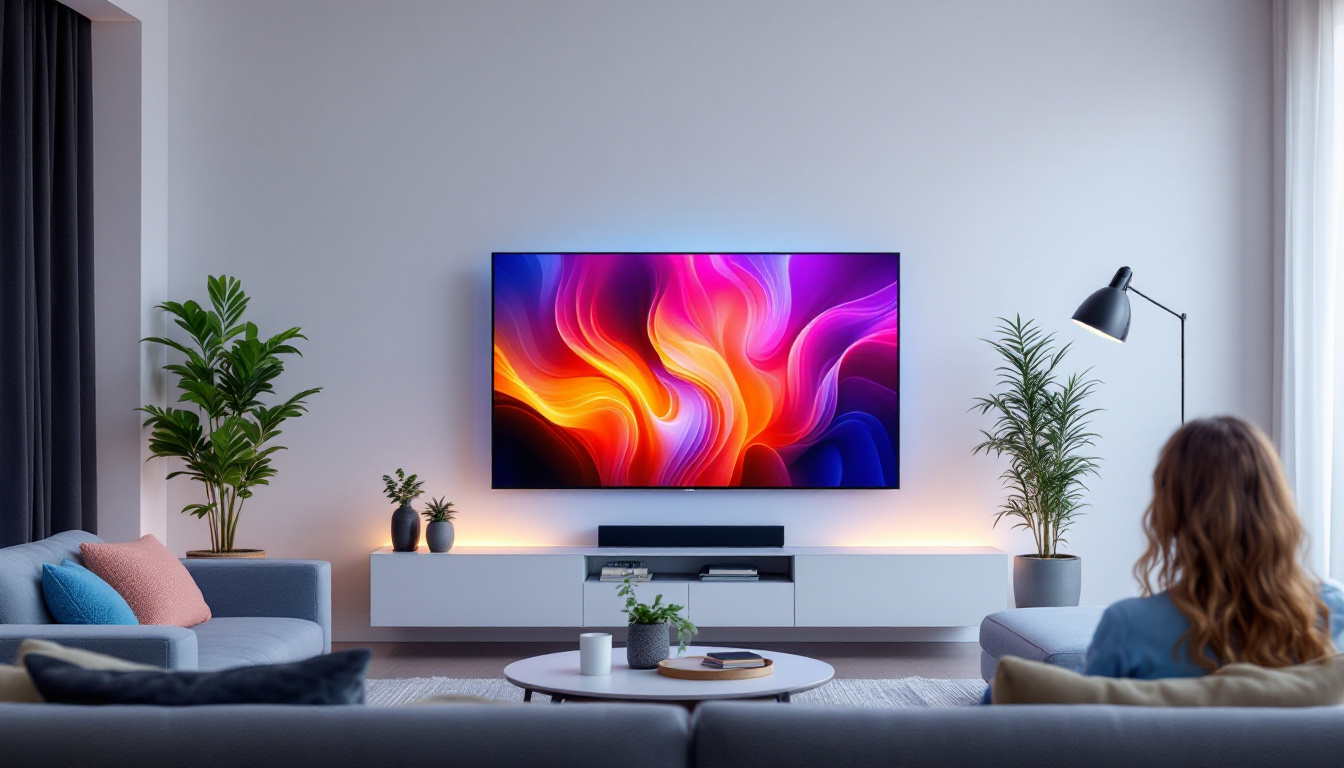
Televisions, computer monitors, and smartphones increasingly feature LCD 2.0 technology. The improved brightness and color accuracy enhance user experience, whether watching movies, gaming, or working on creative projects. For example, many 4K HDR TVs now utilize full-array local dimming LED backlights combined with quantum dot layers to deliver stunning visuals at a competitive price point.
Professional and Commercial Use
In professional environments such as graphic design, video editing, and medical imaging, accurate color representation and high resolution are critical. LCD 2.0 displays meet these demands by offering wide color gamuts, precise calibration options, and consistent brightness levels. Additionally, digital signage and advertising benefit from the durability and brightness of LED-backlit LCDs, ensuring visibility in various lighting conditions.
Energy Efficiency and Environmental Impact
LED backlighting consumes significantly less power than CCFLs, contributing to lower energy bills and reduced environmental impact. Furthermore, LEDs have a longer lifespan and contain fewer hazardous materials, making LCD 2.0 displays more sustainable choices for consumers and businesses alike.
Future Trends and Innovations in LCD 2.0 Technology
The evolution of LCD technology continues at a brisk pace, driven by consumer demand for better performance and new use cases. Several emerging trends promise to further enhance LCD 2.0 displays in the coming years.
Mini-LED and Micro-LED Backlighting
Mini-LED technology shrinks the size of individual LEDs used in backlighting, allowing for thousands of dimming zones and even finer control over brightness and contrast. This results in displays that approach OLED levels of contrast while maintaining the advantages of LCD panels.
Micro-LED, although still in early stages, represents a potential breakthrough by combining the self-emissive qualities of OLED with the durability and brightness of LEDs. Micro-LED displays consist of microscopic LEDs that act as individual pixels, offering exceptional image quality and longevity.
Integration with AI and Smart Technologies
Artificial intelligence is beginning to play a role in optimizing display performance. AI algorithms can dynamically adjust brightness, contrast, and color settings based on ambient lighting and content type, providing a more personalized and comfortable viewing experience.
Flexible and Transparent Displays
Advancements in LCD 2.0 technology are also enabling flexible and transparent displays, expanding potential applications in wearable devices, automotive heads-up displays, and augmented reality interfaces. These innovations promise to redefine how users interact with screens in everyday life.
Conclusion: Why LCD 2.0 Matters
LCD 2.0, characterized by LED backlighting and enhanced display technologies, represents a significant step forward in the evolution of screen technology. It combines improved image quality, energy efficiency, and affordability, making it a compelling choice for a wide range of applications.
Understanding the distinctions between traditional LCDs, LED-backlit LCDs, and other emerging technologies empowers consumers and professionals to make informed decisions when selecting displays. As innovations like mini-LED and AI integration continue to advance, LCD 2.0 will remain a vital and dynamic part of the display technology landscape.
Discover the Future of Visuals with LumenMatrix
As you explore the advancements of LCD 2.0 and the transformative impact of LED backlighting on display technologies, take the next step with LumenMatrix. Immerse yourself in the world of cutting-edge LED display modules that are designed to captivate and engage. Whether you’re seeking to enhance brand visibility with an Indoor LED Wall Display, create dynamic outdoor advertisements, or innovate with Custom LED Displays, LumenMatrix has the solution. Experience how our commitment to revolutionizing visual communication can empower your business. Check out LumenMatrix LED Display Solutions and see the difference for yourself.