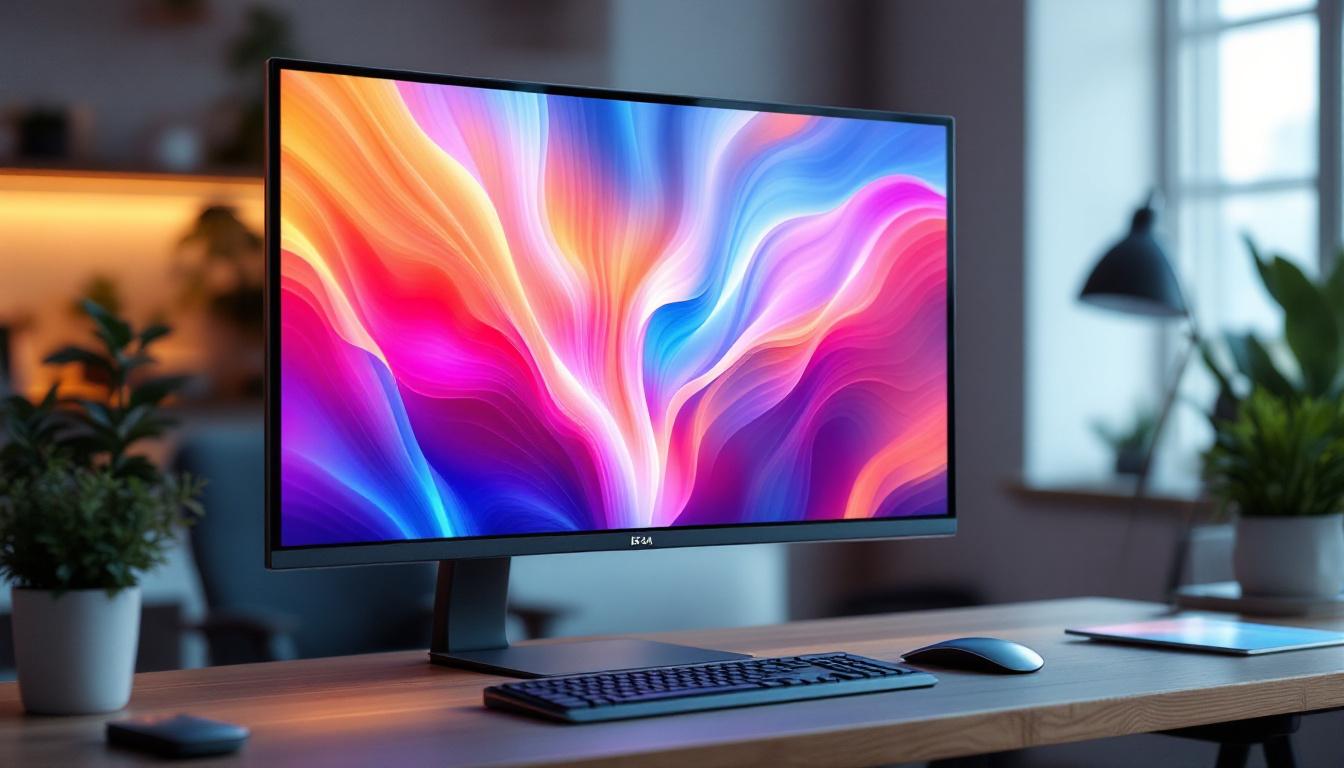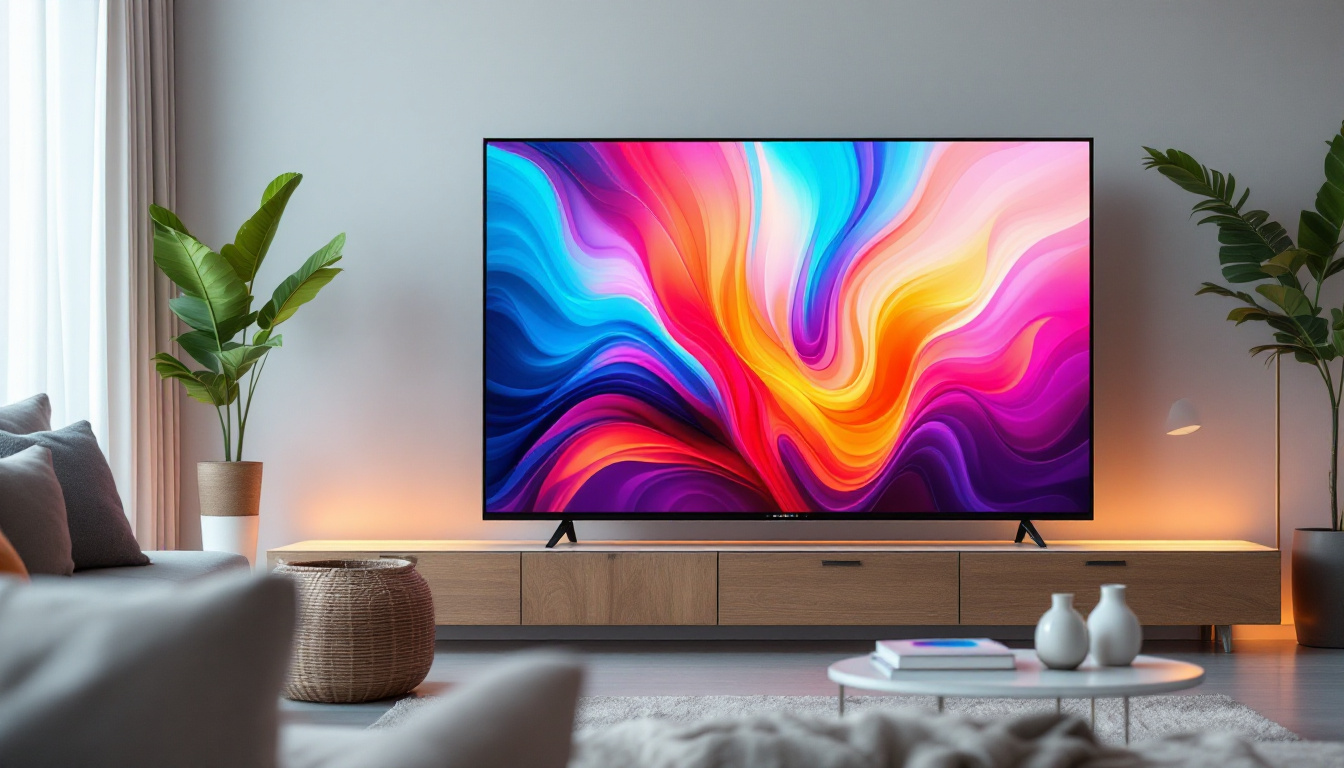
In today’s rapidly evolving world of display technology, choosing the right screen can be a daunting task. Whether upgrading a television, computer monitor, or digital signage, consumers often face the question: LED or LCD—which is better? Understanding the fundamental differences, advantages, and limitations of these technologies is essential for making an informed decision that matches your needs and budget. This article dives deep into LED and LCD displays, demystifying the terms and exploring which technology truly reigns supreme.
Understanding the Basics: What Are LCD and LED Displays?
Before comparing LED and LCD displays, it’s crucial to understand what each term means and how these technologies function. Despite common misconceptions, LED and LCD are closely related rather than entirely separate technologies.
What is an LCD Display?
LCD stands for Liquid Crystal Display. It is a flat-panel display technology that uses liquid crystals sandwiched between two layers of glass or plastic. These crystals do not emit light themselves but manipulate light passing through them to create images. To produce a visible picture, LCD panels require a backlight, traditionally provided by cold cathode fluorescent lamps (CCFLs).
LCDs have been the dominant display technology for decades, widely used in televisions, computer monitors, smartphones, and more. Their ability to produce sharp images with relatively low power consumption made them popular across many applications. Furthermore, advancements in LCD technology have led to improved color accuracy and faster response times, making them suitable for a variety of uses, from casual viewing to professional graphic design.
Moreover, LCD displays are often lauded for their slim profile and lightweight design, which allows for easy mounting and integration into various environments. This versatility has made them a staple in both residential and commercial settings, with applications ranging from digital signage in retail spaces to sleek monitors in corporate offices. As technology continues to evolve, manufacturers are also exploring new methods to enhance the viewing experience, such as incorporating touch-sensitive layers for interactive displays.
What is an LED Display?
LED stands for Light Emitting Diode. In the context of displays, LED technology refers to the type of backlighting used in LCD panels. Essentially, an LED display is an LCD screen that uses LEDs as its backlight instead of CCFLs.
There are two primary types of LED backlighting:
- Edge-lit LED: LEDs are positioned along the edges of the screen, with light spread across the display using light guides.
- Full-array LED: LEDs are placed directly behind the LCD panel in a grid pattern, allowing for more precise control of brightness and contrast.
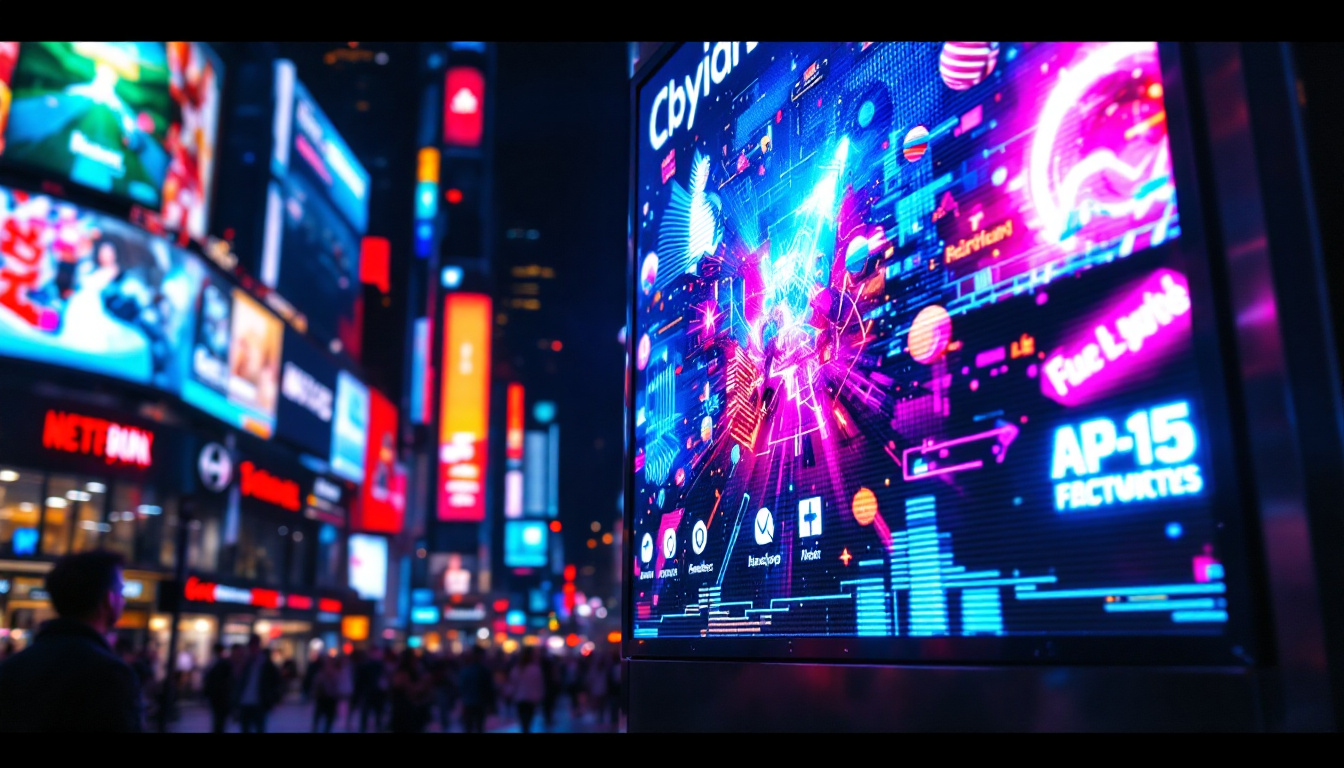
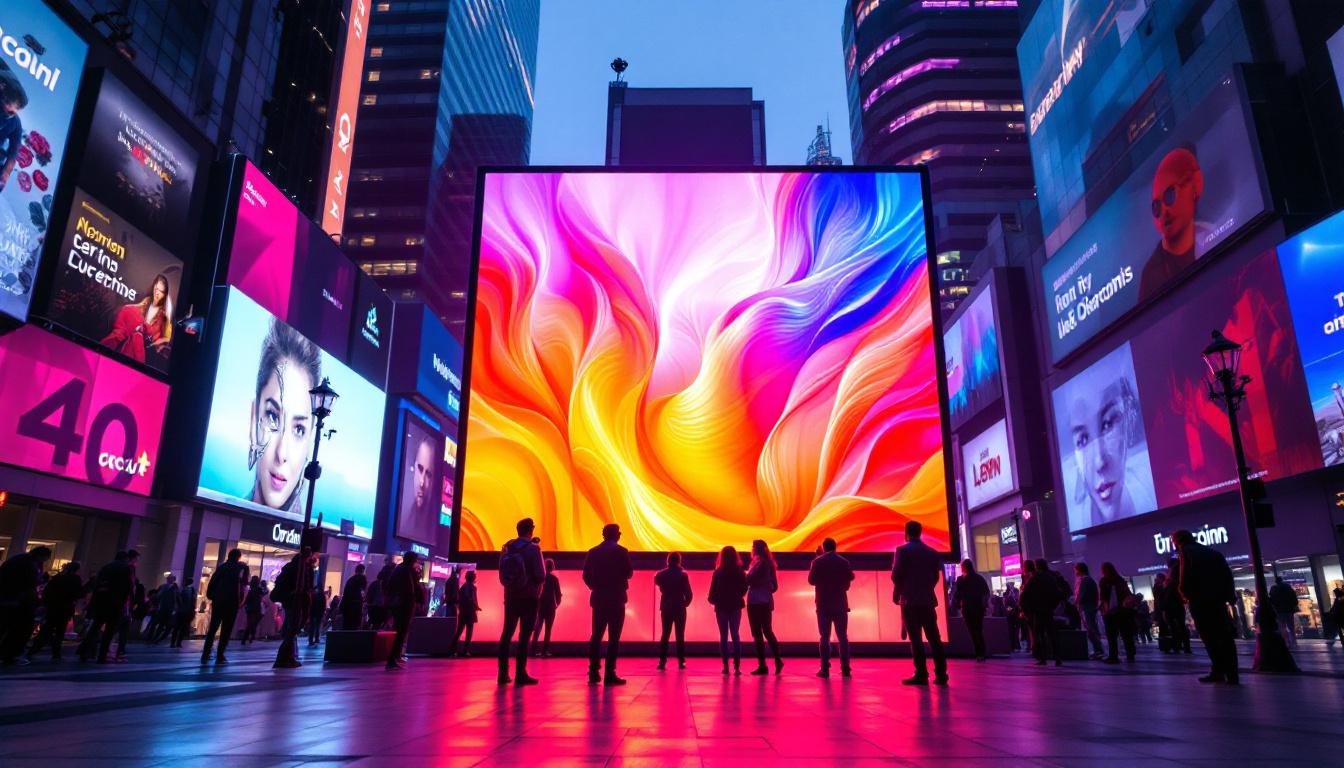
Additionally, some LED displays, often referred to as direct-view LED or microLED, use LEDs as individual pixels, eliminating the need for an LCD panel altogether. These are typically used in large-scale digital signage and high-end televisions but are distinct from LED-backlit LCDs. The direct-view LED technology offers exceptional brightness and color vibrancy, making it ideal for outdoor displays where sunlight can wash out traditional screens.
Furthermore, the shift towards LED technology has also brought about significant advancements in energy efficiency. Compared to traditional LCDs with CCFL backlighting, LED displays consume less power, which not only reduces electricity costs but also lessens environmental impact. This energy efficiency is particularly beneficial in settings where displays are used for extended periods, such as in conference rooms or public information displays. As the demand for high-quality visuals continues to rise, the integration of LED technology into various applications is expected to grow, paving the way for even more innovative display solutions.
Key Differences Between LED and LCD Displays
Understanding the distinctions between LED and LCD displays requires looking at their components, image quality, energy efficiency, and lifespan.
Backlighting Technology
The primary difference lies in the backlighting method. Traditional LCDs use CCFLs, which are fluorescent tubes that provide uniform lighting but consume more power and generate more heat. LED-backlit LCDs replace these tubes with light-emitting diodes, which are smaller, more energy-efficient, and capable of producing brighter and more vibrant images.
Image Quality and Contrast
LED-backlit LCDs generally offer improved image quality compared to CCFL-backlit LCDs. Full-array LED displays with local dimming can selectively control the brightness of different screen areas, enhancing contrast ratios and producing deeper blacks. This results in more vivid colors and a more immersive viewing experience.
In contrast, traditional CCFL LCDs tend to have lower contrast ratios and may suffer from light bleed, where backlight leaks around the edges, reducing image sharpness.
Energy Efficiency
LED backlighting is significantly more energy-efficient than CCFLs. According to a 2023 report by the U.S. Department of Energy, LED-backlit LCDs consume up to 30-40% less power than their CCFL counterparts. This efficiency translates into lower electricity bills and a smaller environmental footprint, especially important for users with multiple or large displays.
Thickness and Design Flexibility
LED backlighting allows manufacturers to produce thinner and lighter displays. Edge-lit LED designs enable ultra-slim screens that are aesthetically pleasing and easier to mount or transport. This design flexibility has contributed to the popularity of LED-backlit LCDs in modern consumer electronics.
Lifespan and Durability
LEDs generally have a longer lifespan than CCFLs, often lasting over 50,000 hours of use. They are also more durable, less prone to breakage, and do not contain mercury, making them safer and more environmentally friendly.
Types of LED Displays: Beyond LED-Backlit LCDs
While most people refer to LED displays as LCDs with LED backlighting, there are other types of LED displays worth understanding.
Direct-View LED Displays
Direct-view LED displays use individual LEDs as pixels. These are commonly seen in large outdoor billboards, stadium screens, and increasingly in premium television models known as microLED TVs. Unlike LED-backlit LCDs, direct-view LEDs emit their own light, allowing for superior contrast and color accuracy.
However, these displays tend to be more expensive and complex to manufacture, limiting their widespread adoption in consumer markets.
OLED vs. LED and LCD
Organic Light Emitting Diode (OLED) displays are another emerging technology where each pixel emits its own light, similar to direct-view LED but using organic compounds. OLEDs offer exceptional contrast ratios and color accuracy but differ fundamentally from LCD and LED technologies. While OLEDs are often compared with LED and LCD, they represent a distinct category worth separate consideration.
Which is Better: LED or LCD?
Given the overlap between LED and LCD technologies, the question often boils down to comparing LED-backlit LCDs with traditional CCFL-backlit LCDs or understanding the benefits of direct-view LED displays.
For Everyday Consumers: LED-Backlit LCD is the Clear Winner
In most consumer electronics, when people say “LED TV” or “LED monitor,” they refer to LCD screens with LED backlighting. Compared to traditional LCDs with CCFL backlights, these LED-backlit models offer:
- Better energy efficiency
- Improved contrast and brightness
- Thinner, lighter designs
- Longer lifespan
For general use—whether watching movies, gaming, or working—LED-backlit LCDs provide superior performance and value.
When Direct-View LED Displays Make Sense
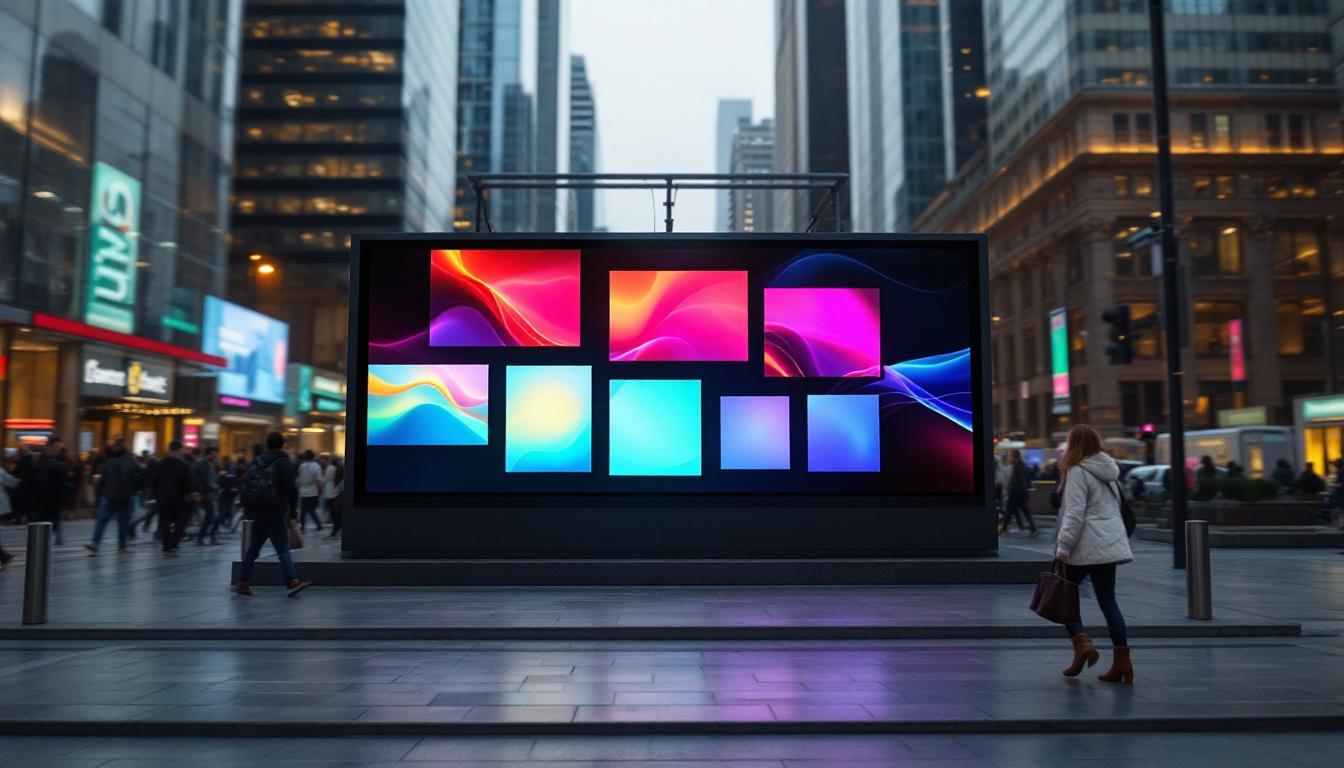
Direct-view LED displays excel in applications requiring very large screen sizes, high brightness, and outdoor visibility. They are ideal for digital signage, sports arenas, and large public displays. For home use, microLED technology is promising but currently expensive and less accessible.
Considerations for Professional Use
Professionals in graphic design, video production, and photography often require displays with precise color accuracy and uniformity. While LED-backlit LCDs with local dimming meet many of these needs, some high-end monitors use advanced backlighting or alternative technologies like OLED for superior color fidelity.
Additional Factors to Consider When Choosing a Display
Beyond the LED vs. LCD debate, several other factors influence the overall quality and suitability of a display.
Resolution and Screen Size
Higher resolution displays (4K and beyond) provide sharper images and more workspace, especially beneficial for professionals and gamers. Screen size preferences depend on viewing distance and use case.
Refresh Rate and Response Time
Gamers and video editors should prioritize displays with high refresh rates (120Hz or higher) and low response times to reduce motion blur and input lag.
Color Gamut and Calibration
Displays covering wider color gamuts (such as Adobe RGB or DCI-P3) and those that can be hardware calibrated offer better color accuracy, essential for creative work.
Price and Budget
While LED-backlit LCDs have become affordable and widespread, direct-view LED and OLED displays tend to be more expensive. Balancing features with budget constraints is key to a satisfying purchase.
Future Trends in Display Technology
The display industry continues to innovate rapidly. Emerging technologies promise to redefine the standards of image quality, efficiency, and form factor.
MicroLED: The Next Generation
MicroLED displays combine the benefits of LED’s brightness and OLED’s pixel-level light control without the drawbacks of organic materials. They offer exceptional contrast, color accuracy, and durability. Although still in early stages, microLED TVs and monitors are expected to become more mainstream within the next five years.
Advances in Quantum Dot Technology
Quantum dot enhancement films (QDEF) are being integrated into LED-backlit LCDs to boost color accuracy and brightness. Quantum dot displays offer a wider color gamut and improved energy efficiency, making them a popular choice for premium LCD TVs.
Flexible and Transparent Displays
Innovations in materials and manufacturing are enabling flexible, foldable, and even transparent displays. These advancements open new possibilities for device design and user interaction.
Conclusion: Making the Right Choice
When deciding between LED and LCD displays, understanding that most modern “LED” screens are actually LCD panels with LED backlighting is fundamental. LED-backlit LCDs provide significant improvements over traditional CCFL-backlit LCDs in terms of energy efficiency, image quality, and design.
For everyday consumers and most professional applications, LED-backlit LCD displays represent the best balance of performance, affordability, and availability. Direct-view LED displays and emerging technologies like microLED offer exciting prospects but currently cater to niche or premium markets.
Ultimately, the best display choice depends on your specific needs, budget, and intended use. By considering the factors outlined in this article, consumers can confidently navigate the complex landscape of display technology and select a screen that delivers exceptional viewing experiences for years to come.
Discover LumenMatrix’s Advanced LED Display Solutions
Ready to experience the future of display technology? LumenMatrix is at the forefront of innovation, offering a wide array of LED display solutions tailored to meet your needs. From captivating Indoor LED Walls to dynamic Outdoor LED Displays, and from versatile Vehicle LED Displays to sleek LED Posters, our products are designed to revolutionize visual communication. Whether you’re looking to enhance brand visibility, engage audiences, or create unforgettable visual experiences, LumenMatrix has the cutting-edge technology to bring your vision to life. Check out LumenMatrix LED Display Solutions today and see how we can help you share your message with impact and clarity.