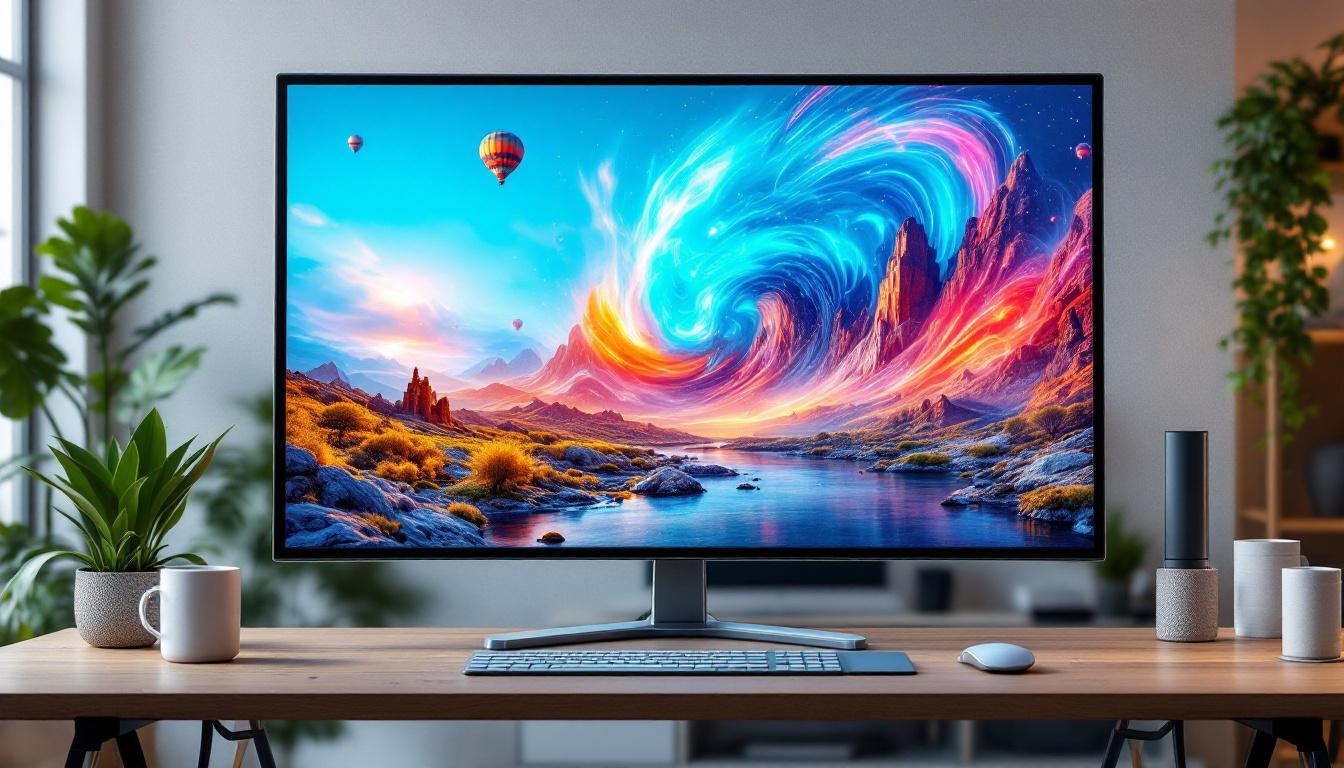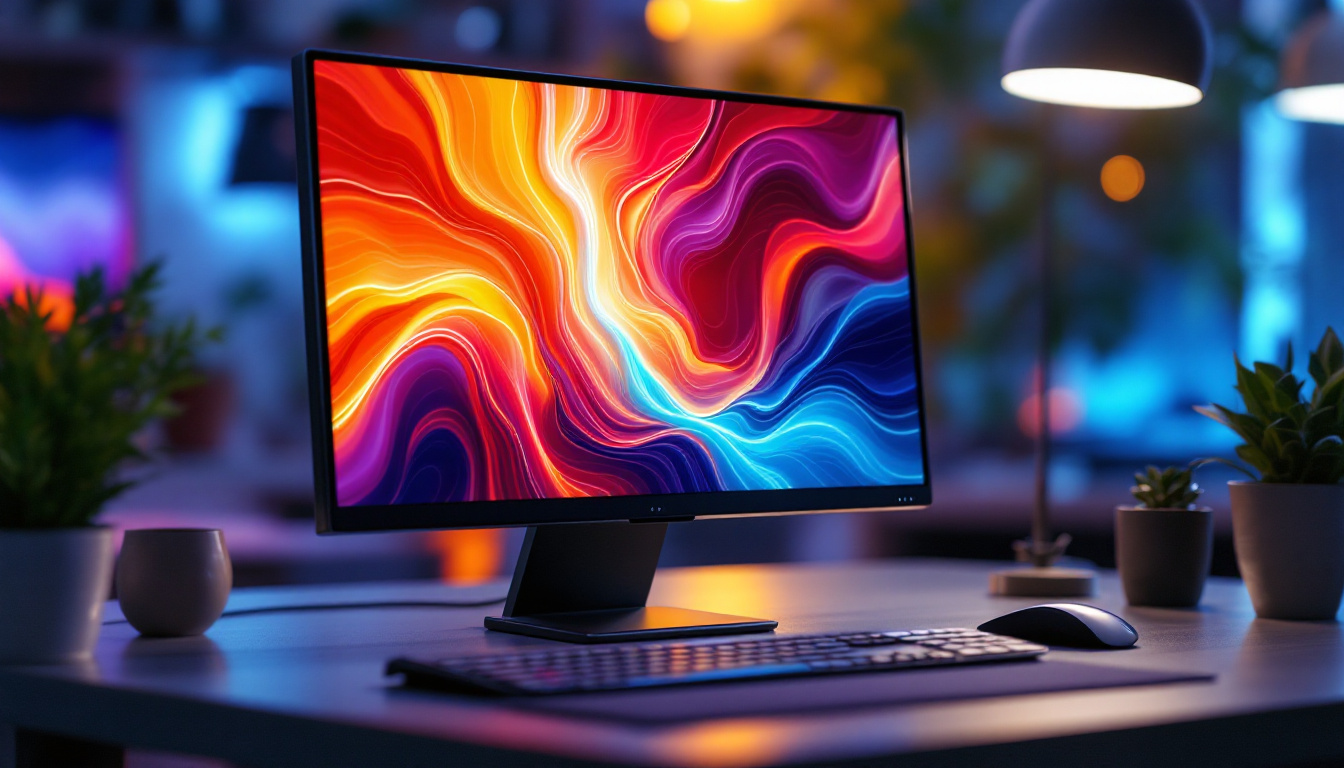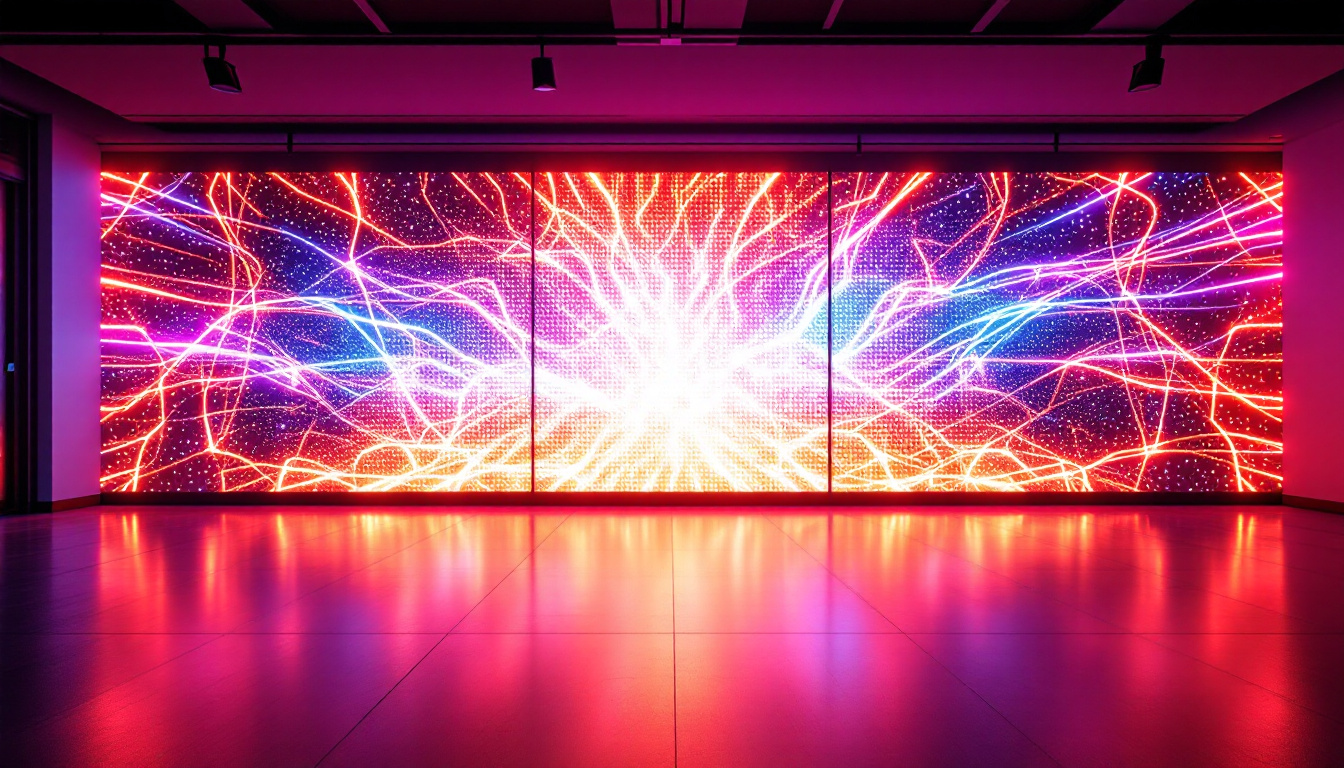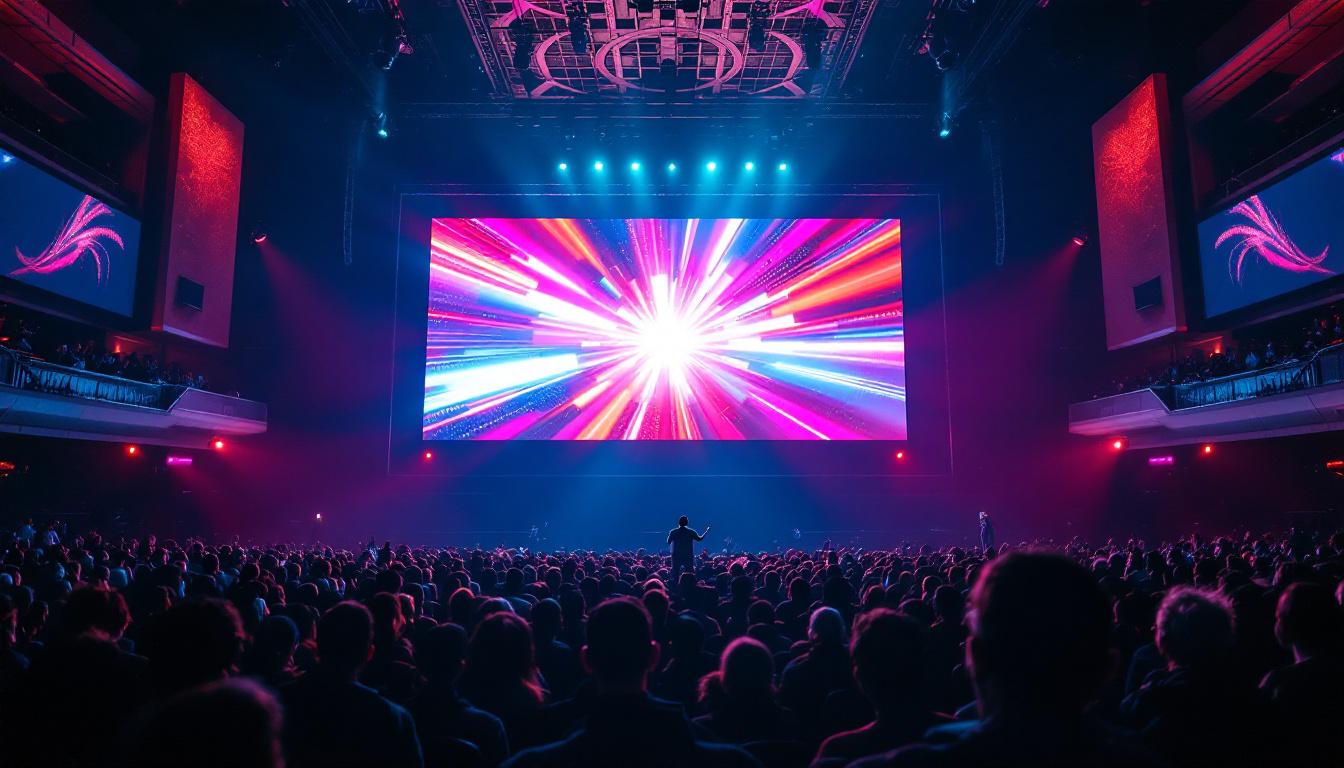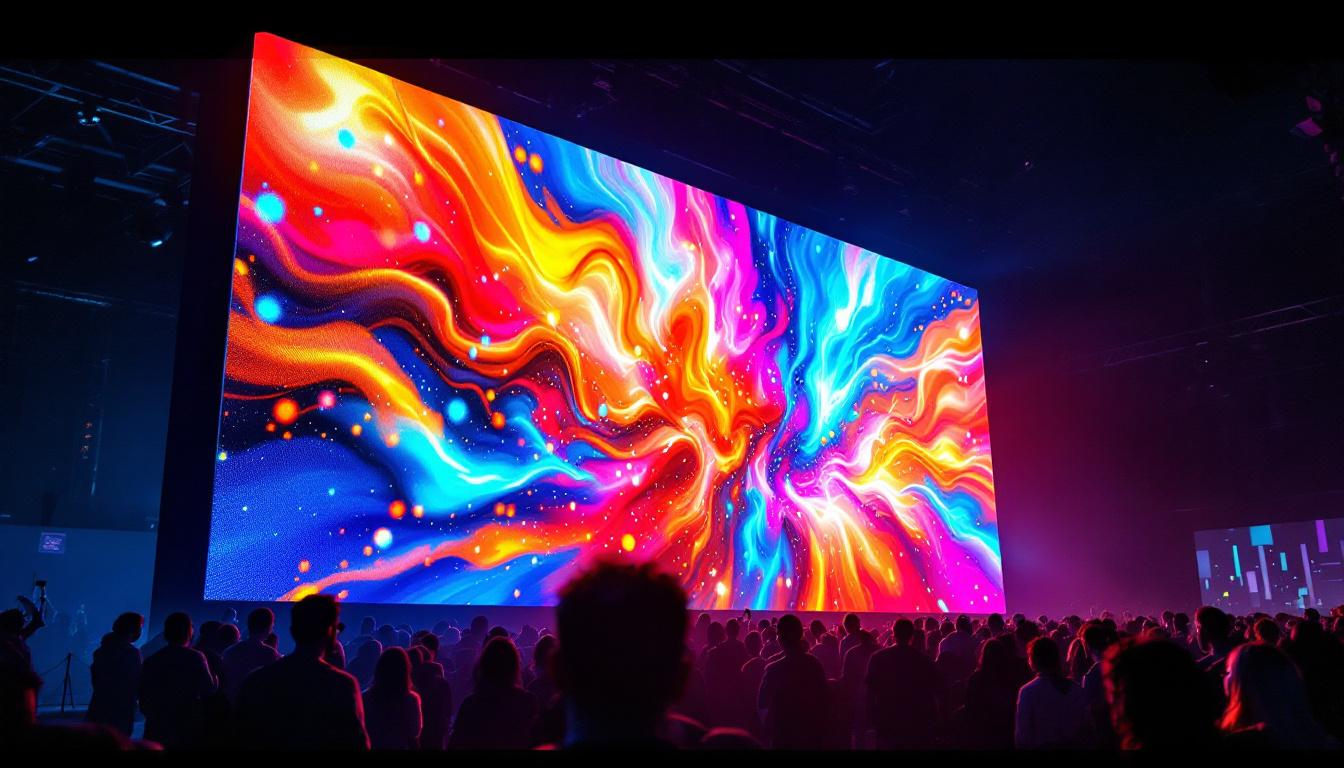
In modern workspaces and homes, the demand for sleek, space-saving technology solutions continues to grow. Among these, low profile monitor wall mounts have become increasingly popular, especially when paired with LED displays. This combination offers a perfect blend of aesthetics, functionality, and ergonomic benefits, making it a go-to choice for professionals and tech enthusiasts alike.
This article delves into the essentials of low profile monitor wall mounts, explores the advantages of LED displays, and explains why their integration is revolutionizing how we interact with screens in various environments.
Understanding Low Profile Monitor Wall Mounts
What Is a Low Profile Monitor Wall Mount?
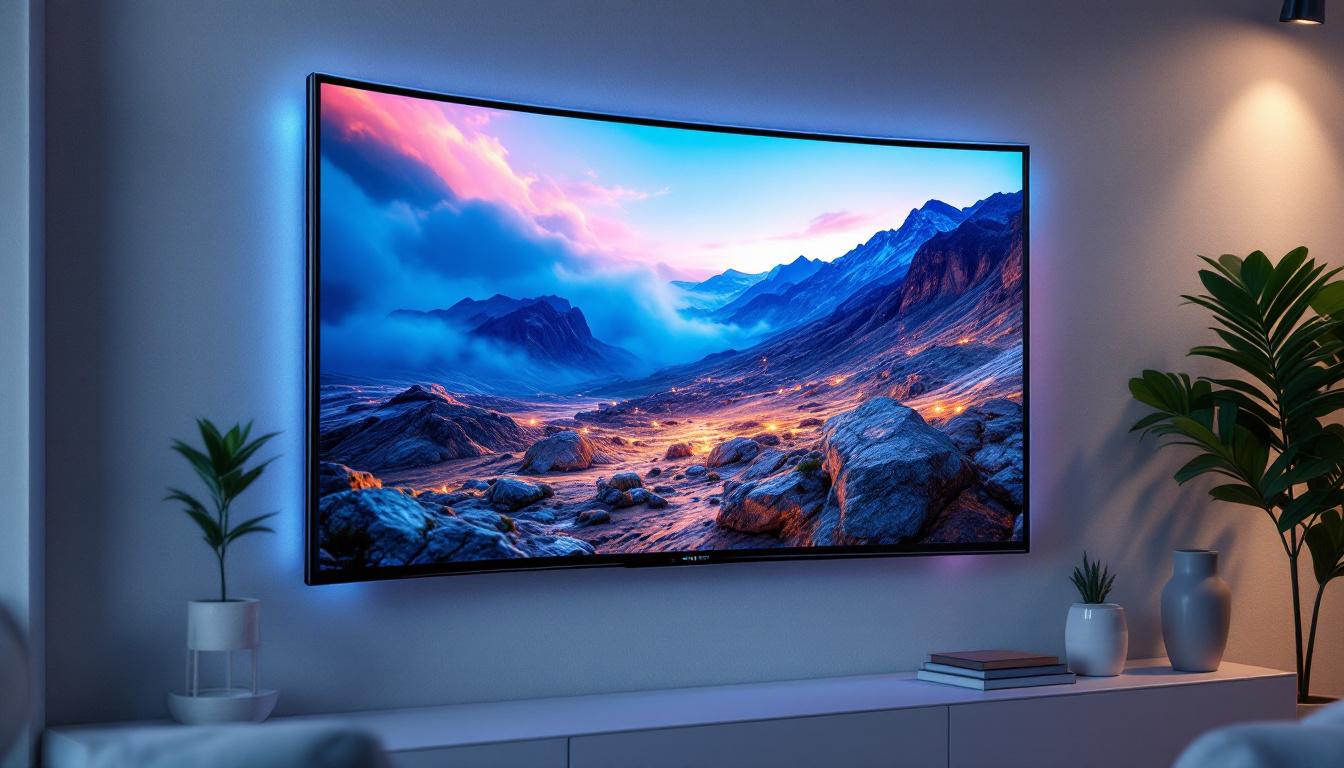
A low profile monitor wall mount is a mounting bracket designed to hold a monitor close to the wall, minimizing the gap between the screen and the surface it’s attached to. Unlike traditional mounts that may allow for extensive movement or protrude significantly, low profile mounts prioritize a slim, streamlined profile.
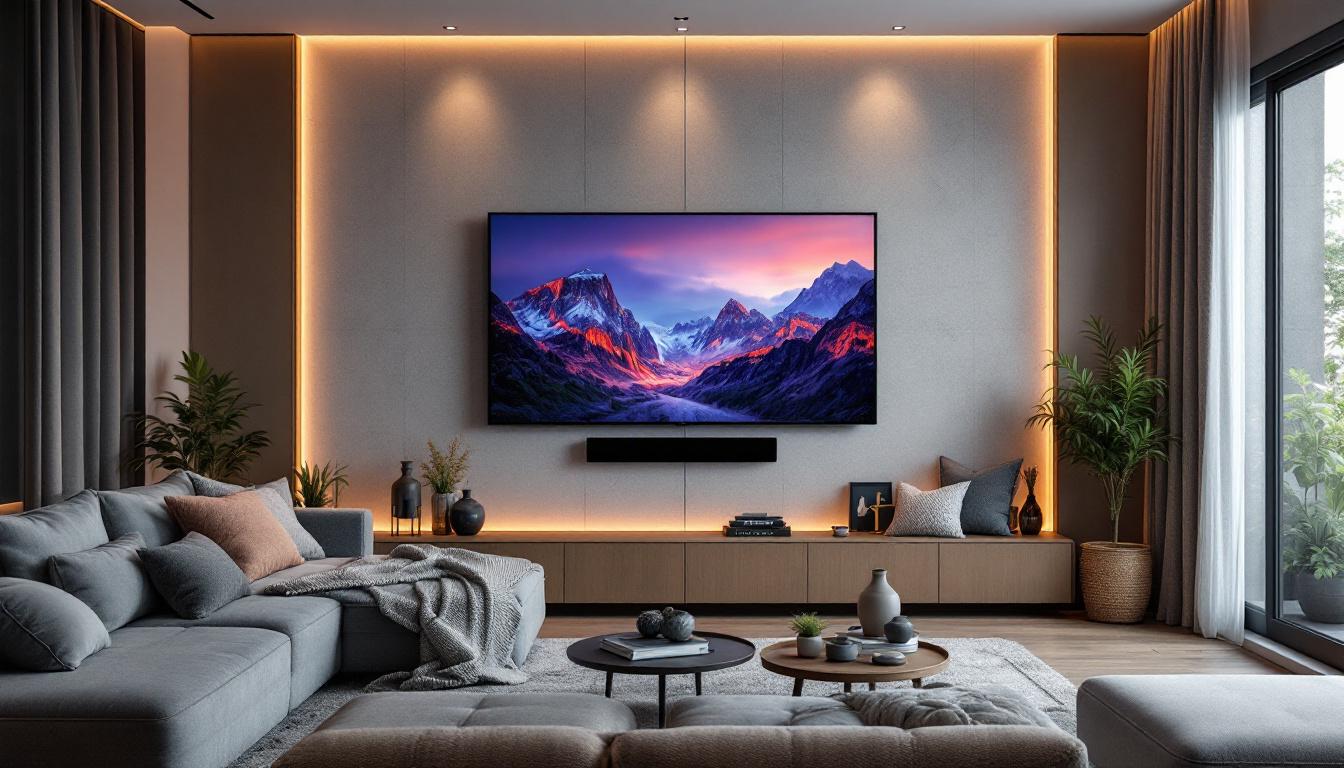
Typically, these mounts position the monitor just one to two inches away from the wall, creating a clean, minimalist look. This design is especially favored in environments where space is at a premium or where a sleek aesthetic is desired. In addition to their practical benefits, low profile mounts can also enhance the overall design of a room, allowing for a more cohesive and polished appearance. Whether in a home office, a commercial workspace, or even a retail environment, these mounts can seamlessly integrate technology into the decor.
Key Features and Specifications
Low profile mounts often feature robust construction materials such as steel or aluminum to ensure durability while maintaining a lightweight form factor. They usually support VESA mounting standards, which means they can accommodate a wide range of monitor sizes and brands.
Additional features may include:
- Tool-free installation: Simplifies the mounting process, making it accessible even for non-professionals.
- Adjustability: Some models offer tilt or swivel functions, although these are limited compared to full-motion mounts to preserve the low profile design.
- Cable management: Integrated channels or clips help keep cables organized and hidden, enhancing the clean look.
Moreover, many low profile mounts come with safety features such as locking mechanisms or anti-theft designs, which are particularly important in public spaces or shared environments. This added layer of security ensures that monitors remain securely in place, reducing the risk of accidental falls or theft. Additionally, some models are designed with ventilation in mind, allowing for better airflow around the monitor, which can be crucial for maintaining optimal performance and longevity.
Why Choose a Low Profile Mount?
The primary advantage is space efficiency. In compact offices, studios, or home setups, every inch counts. By mounting a monitor close to the wall, users free up valuable desk space and reduce clutter.
Moreover, low profile mounts improve ergonomics by allowing users to position screens at eye level without bulky stands. This can reduce neck and eye strain during prolonged use. The aesthetic appeal also cannot be overstated; a floating monitor look contributes to a modern, professional environment. In addition to these benefits, low profile mounts can also facilitate better collaboration in shared workspaces. By positioning monitors at optimal viewing angles, teams can easily share information and ideas without the hindrance of bulky furniture or equipment. This can lead to increased productivity and a more dynamic work atmosphere, making low profile mounts an excellent choice for both individual and collaborative settings.
The Role of LED Displays in Modern Monitor Setups
What Are LED Displays?
LED (Light Emitting Diode) displays are a type of flat panel display technology that uses LEDs to backlight the screen. Unlike older LCDs that relied on fluorescent backlighting, LED displays provide brighter images, better color accuracy, and greater energy efficiency.
LED technology comes in various forms, including edge-lit and full-array backlighting, each offering different levels of brightness and contrast. These displays are now the standard in computer monitors, televisions, and digital signage due to their superior performance. The evolution of LED technology has also led to innovations such as OLED (Organic Light Emitting Diode) displays, which offer even deeper blacks and wider viewing angles, further enhancing the visual experience for users.
Advantages of LED Displays for Monitors
LED displays offer several benefits that make them ideal for use with low profile mounts:
- Thin and lightweight: The slim design of LED panels complements the low profile mount’s goal of minimal protrusion from the wall.
- Energy efficiency: LEDs consume less power than traditional backlighting methods, reducing energy costs and environmental impact.
- Enhanced image quality: Higher contrast ratios and better color reproduction improve user experience, whether for professional graphic work or everyday computing.
- Longevity: LED displays generally have a longer lifespan, reducing the need for frequent replacements.
In addition to these advantages, LED displays also support a range of advanced features such as adaptive brightness control and blue light reduction, which can significantly enhance user comfort during prolonged use. These features are particularly beneficial in environments where lighting conditions change frequently, allowing users to maintain optimal visibility without straining their eyes. Furthermore, the rapid response time of LED displays makes them ideal for fast-paced applications, such as gaming and video editing, where every millisecond counts.
Common Applications of LED Monitors
LED monitors are versatile and widely used in various settings, including:
- Corporate offices: For presentations, video conferencing, and multitasking.
- Healthcare: Where clear, accurate images are critical for diagnostics.
- Retail and digital signage: Bright, eye-catching displays attract customer attention.
- Home entertainment and gaming: Providing immersive visuals with fast refresh rates.
Moreover, LED displays are increasingly being integrated into educational environments, where they serve as interactive teaching tools that enhance student engagement. Smart boards equipped with LED technology allow for dynamic presentations and collaborative learning experiences, making lessons more interactive and visually appealing. In addition, the rise of remote work has led to a surge in demand for high-quality LED monitors that facilitate seamless video calls and screen sharing, ensuring that professionals can maintain productivity from the comfort of their homes.
Integrating Low Profile Mounts with LED Displays: Benefits and Considerations
Why This Combination Works Well
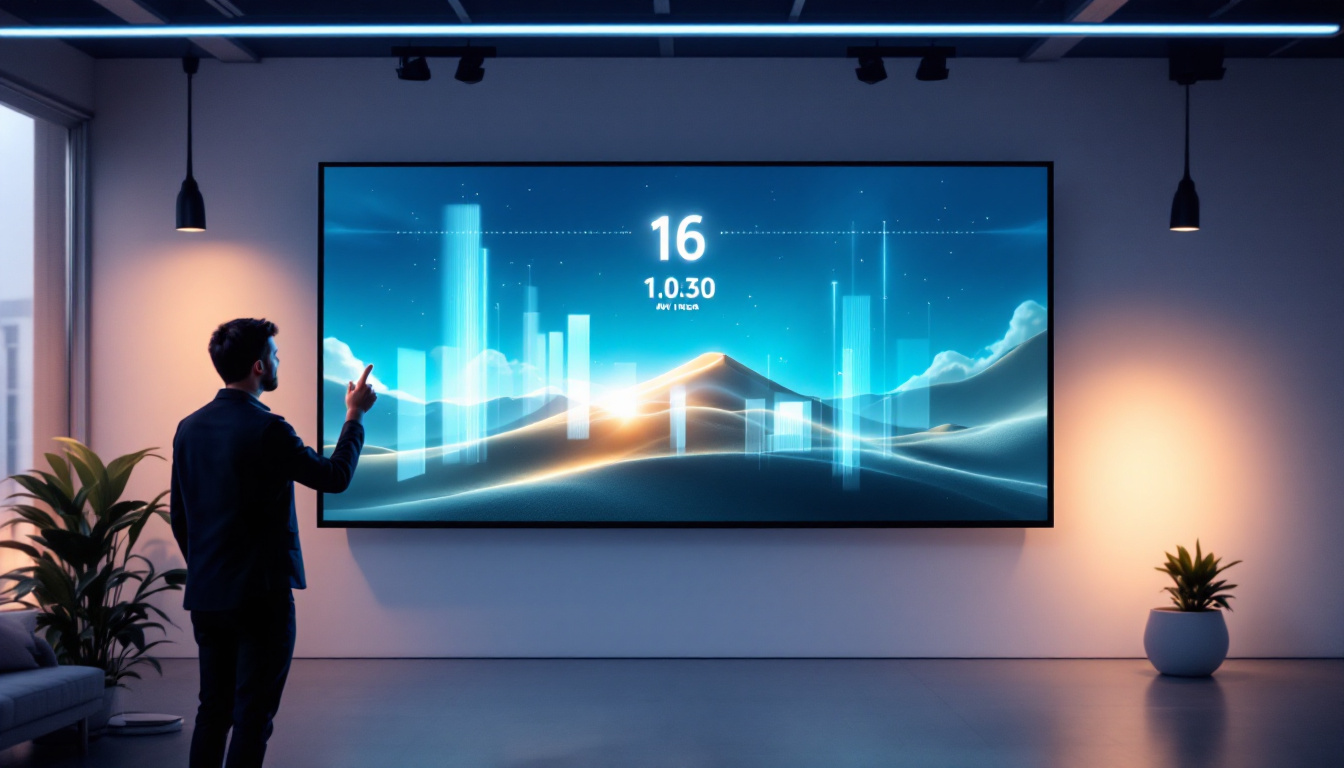
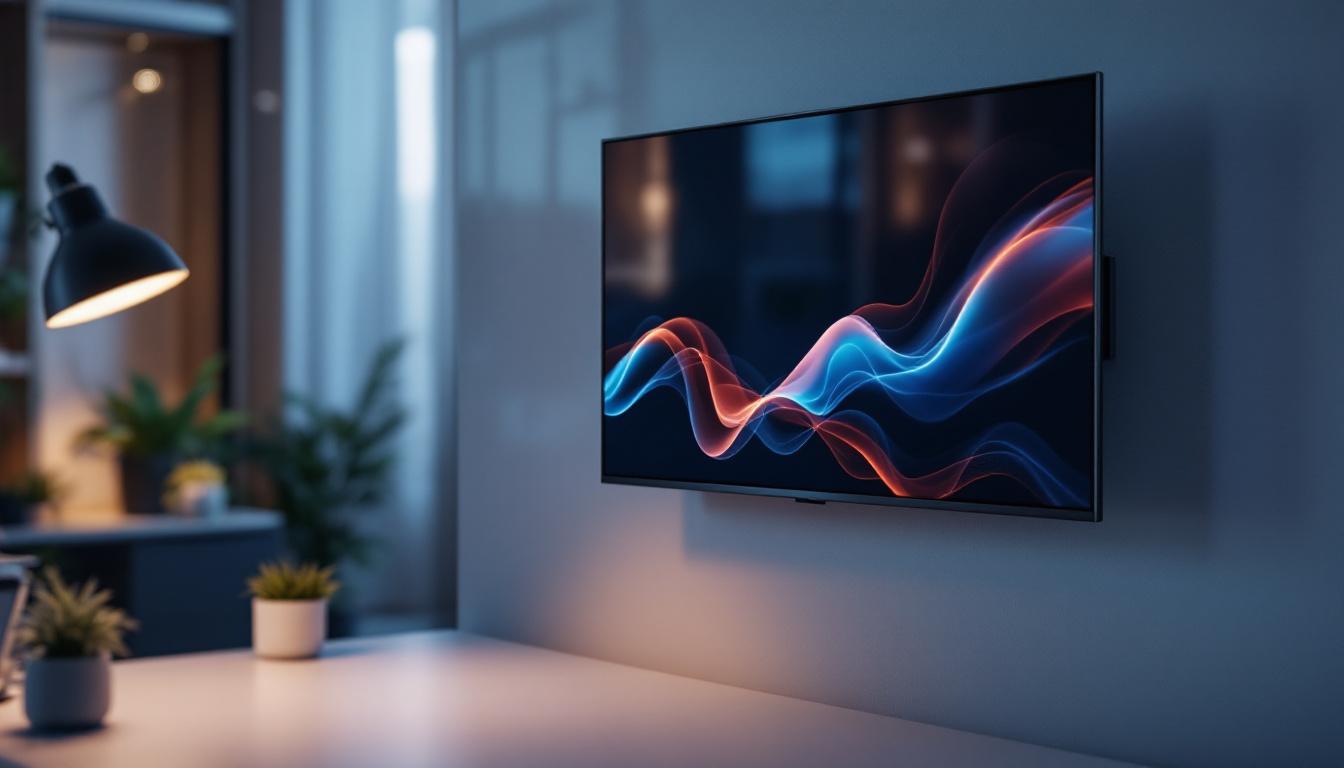
The synergy between low profile mounts and LED displays is evident in both form and function. LED monitors’ thinness allows them to sit flush against the wall when mounted, maximizing the low profile effect. This results in a neat, unobtrusive setup that is visually appealing and practical.
Additionally, the lightweight nature of LED displays reduces the strain on mounting hardware, making installation safer and more secure. This compatibility ensures that users can enjoy the benefits of both technologies without compromise.
Ergonomic and Space-Saving Advantages
Mounting an LED monitor on a low profile bracket can significantly improve workspace ergonomics. By adjusting the height and angle (within the mount’s limited range), users can maintain proper posture, reducing the risk of musculoskeletal issues.
From a space perspective, freeing up desk area allows for better organization and can even enable the use of multiple monitors without crowding the workspace. This is particularly valuable in trading desks, design studios, or control rooms where multiple displays are common.
Installation and Compatibility Tips
When selecting a low profile mount for an LED monitor, consider the following:
- VESA compatibility: Ensure the mount supports the monitor’s VESA pattern (commonly 75x75mm or 100x100mm).
- Weight capacity: Verify the mount can safely hold the monitor’s weight.
- Wall type: Different wall materials (drywall, concrete, brick) require appropriate anchors or screws for secure installation.
- Cable management: Plan cable routing to maintain the clean look and avoid strain on connectors.
Professional installation is recommended for heavier or larger displays to ensure safety and optimal positioning.
Emerging Trends and Innovations in Monitor Mounting and LED Technology
Ultra-Thin and Flexible Displays
Recent advances in LED technology have led to the development of ultra-thin and even flexible displays. These innovations open new possibilities for mounting solutions, allowing screens to conform to curved walls or unusual surfaces while maintaining a low profile.
Such displays are beginning to appear in high-end commercial and residential applications, signaling a future where wall-mounted monitors blend seamlessly with interior design.
Smart Mounts and Integrated Features
Smart mounts equipped with motorized adjustments and integrated sensors are becoming more common. These systems can automatically adjust screen position based on user preferences or ambient conditions, enhancing comfort and productivity.
Some mounts now include USB hubs or wireless charging pads, combining multiple functionalities into a single, compact unit. This trend aligns well with the minimalist ethos of low profile mounting.
Sustainability and Eco-Friendly Materials
As environmental concerns grow, manufacturers are focusing on sustainable materials and production methods for both mounts and displays. Recyclable metals, low-VOC coatings, and energy-efficient manufacturing processes are becoming standard, appealing to eco-conscious consumers and businesses.
Conclusion: Maximizing Efficiency and Style with Low Profile Monitor Wall Mounts and LED Displays
The integration of low profile monitor wall mounts with LED displays represents a significant advancement in workspace and home technology setups. This combination offers a compelling mix of space-saving design, ergonomic benefits, and superior visual performance.
Whether outfitting a corporate office, a creative studio, or a home entertainment area, choosing the right mount and display can transform the user experience. By understanding the features, benefits, and installation considerations discussed, users can make informed decisions that enhance both productivity and aesthetics.
As technology continues to evolve, the future promises even more innovative solutions that will further blur the lines between functionality and design, making low profile mounted LED displays an enduring choice for years to come.
Discover the Future of Visual Display with LumenMatrix
Ready to elevate your space with the sleek design and superior performance of low profile monitor wall mounts and LED displays? LumenMatrix is at the forefront of LED display technology, offering an array of innovative solutions that transform any environment. From captivating Indoor LED Wall Displays to dynamic Outdoor LED Wall Displays, and from versatile Vehicle LED Displays to engaging LED Sports Displays, our products are designed to make a lasting impression. Embrace the future of visual communication with LumenMatrix and create experiences that resonate. Check out LumenMatrix LED Display Solutions today and see the difference for yourself.