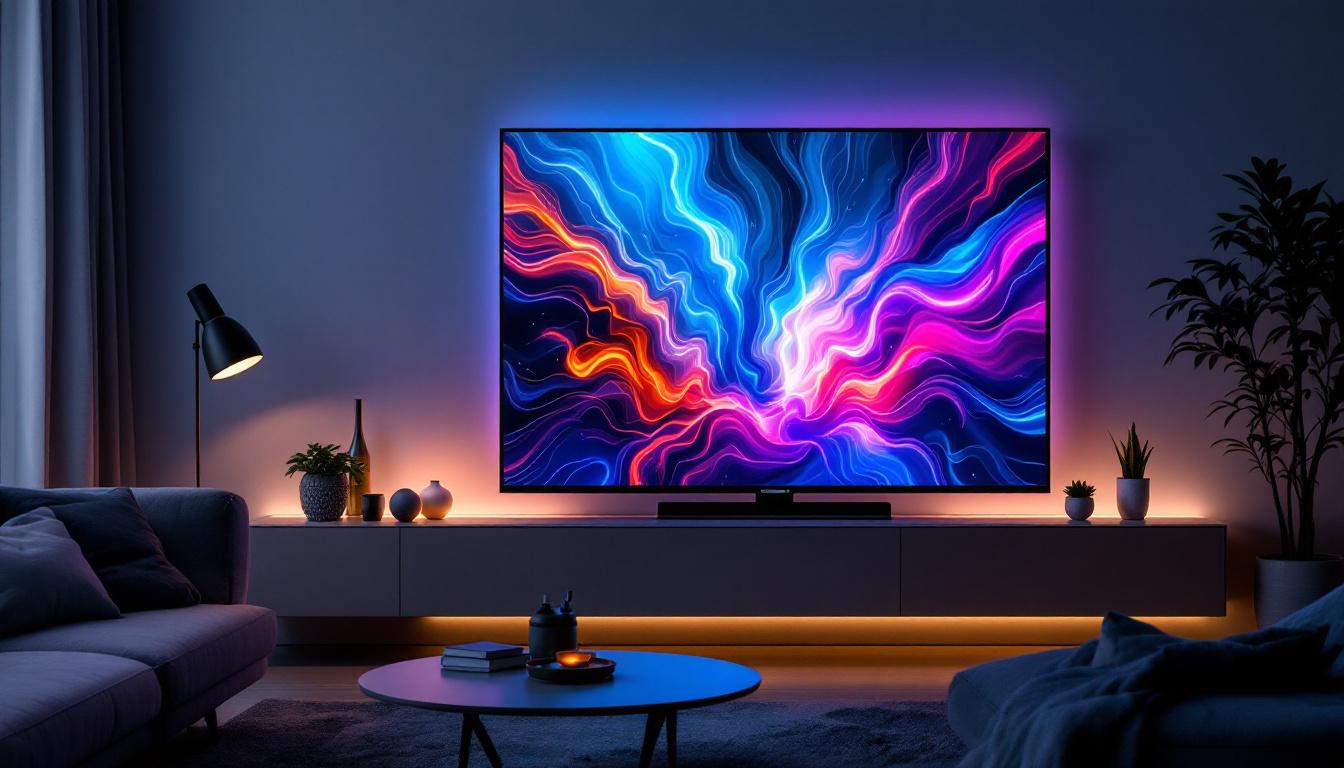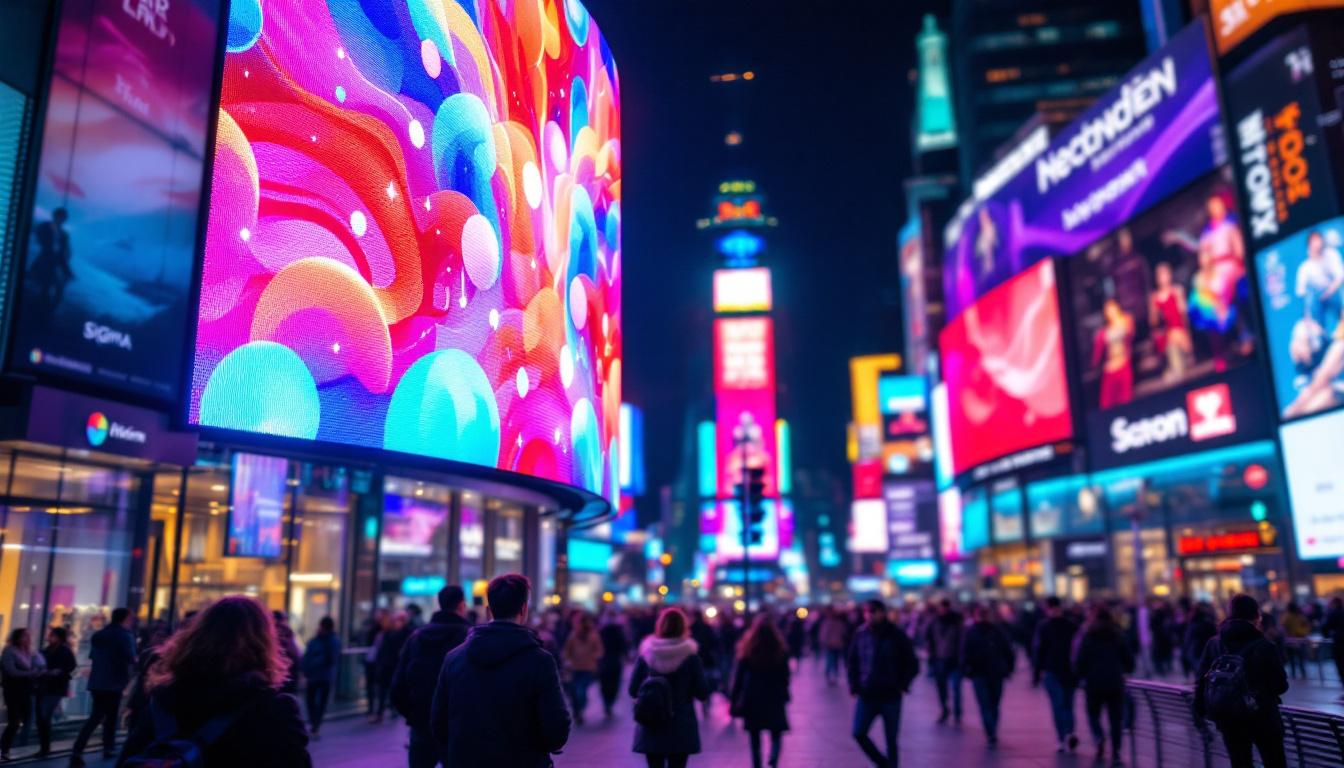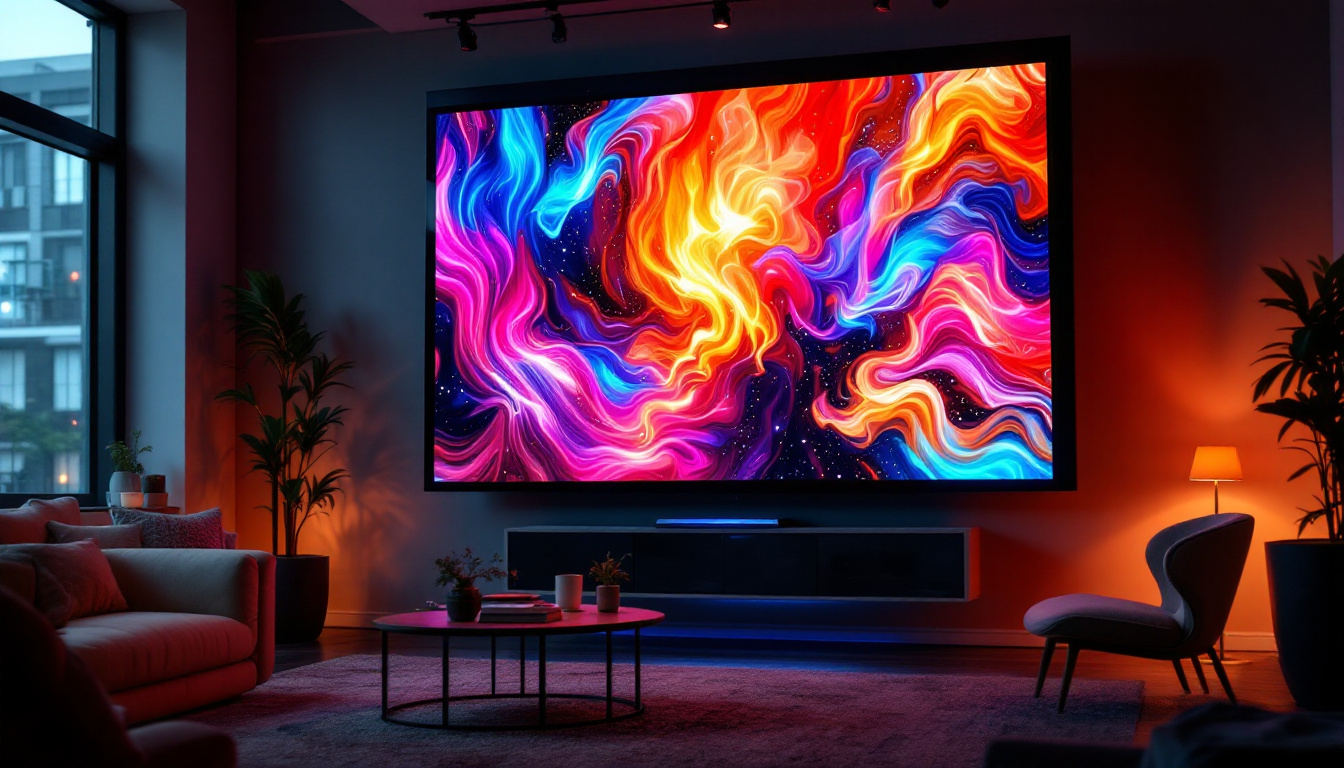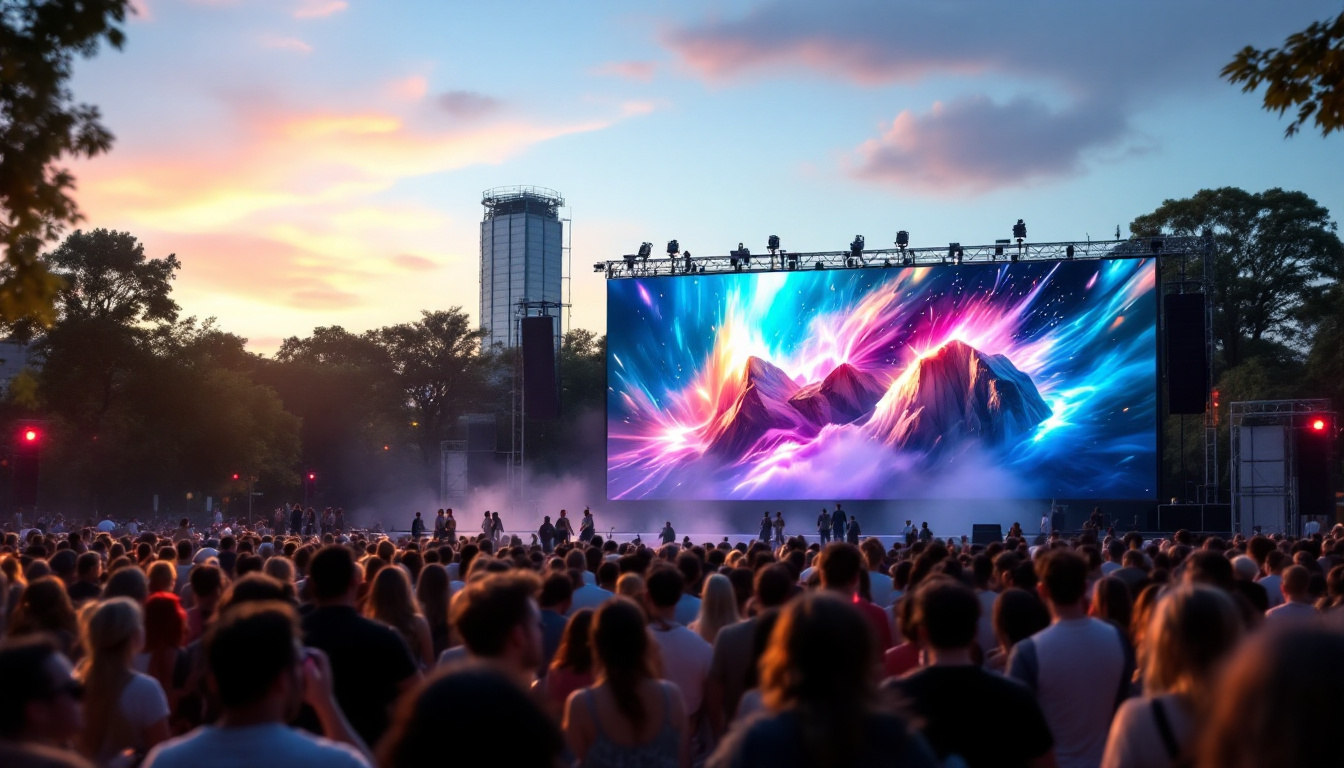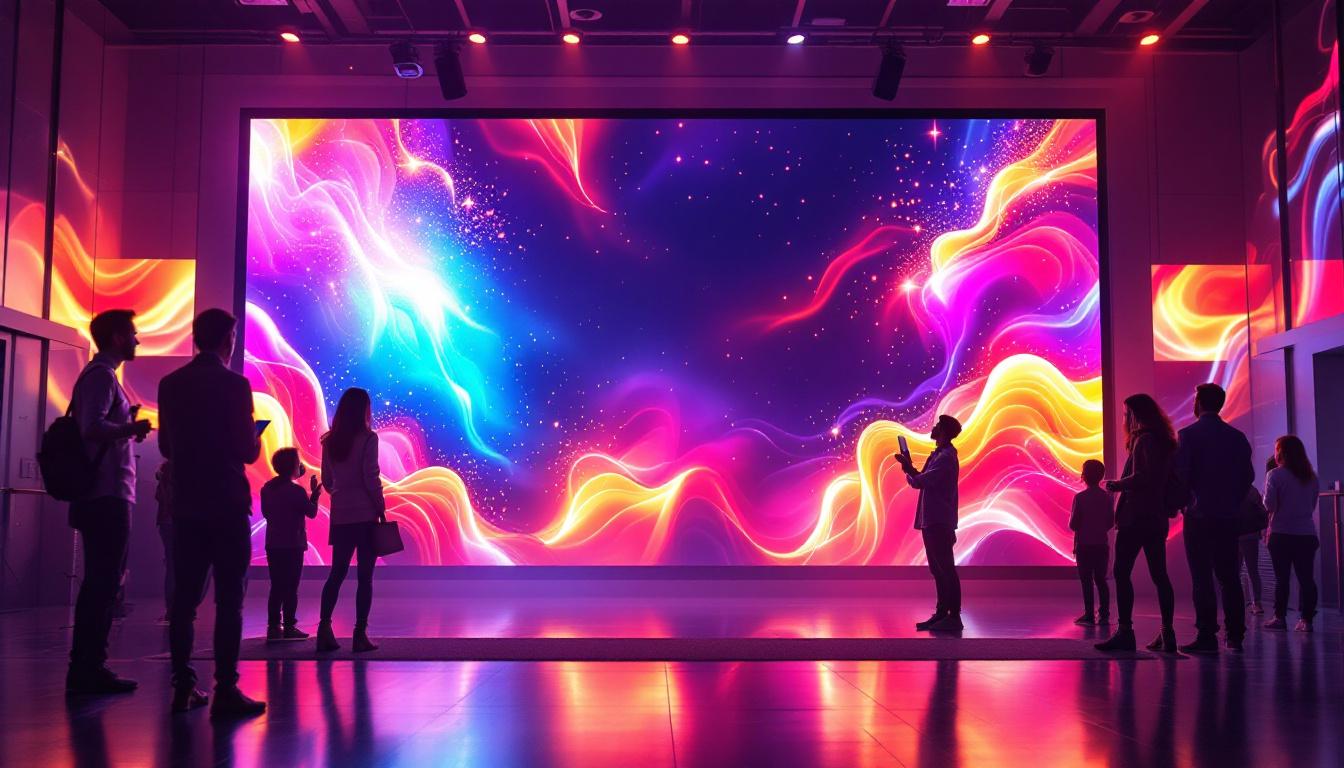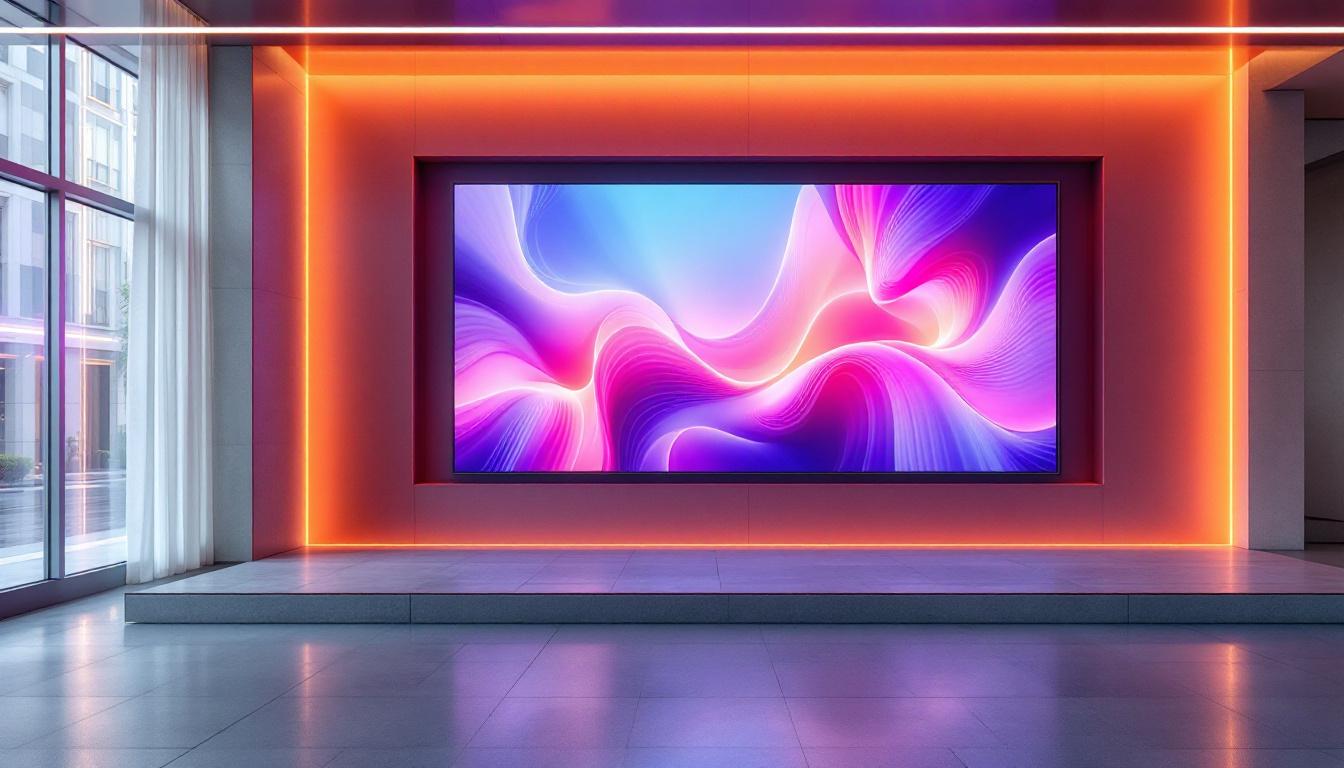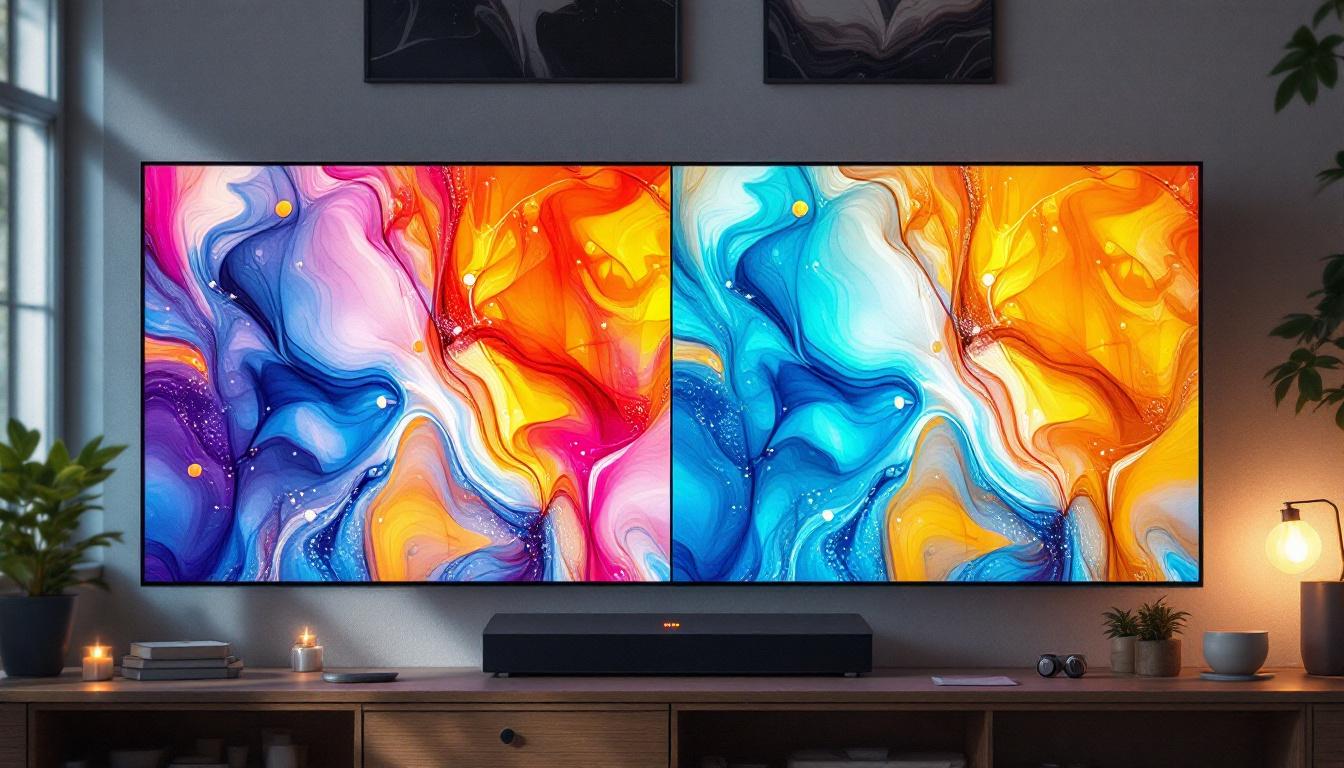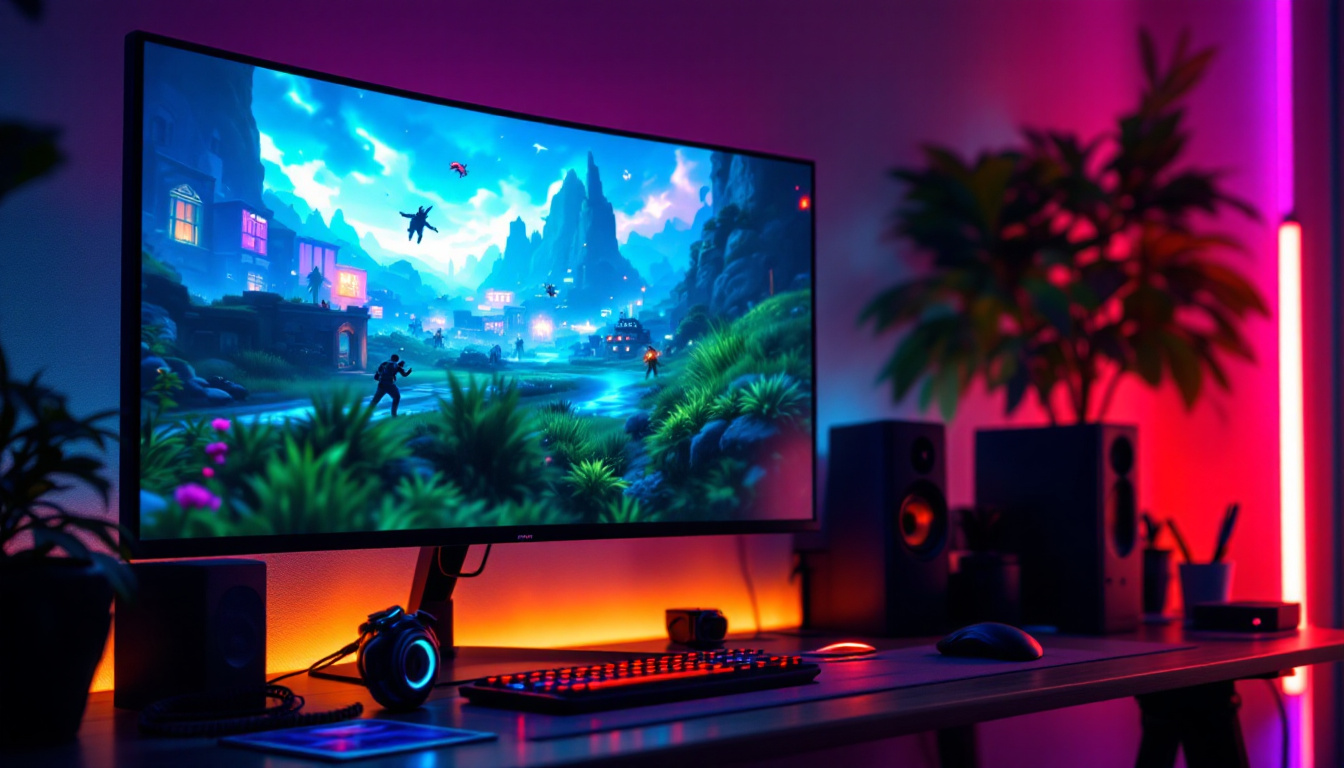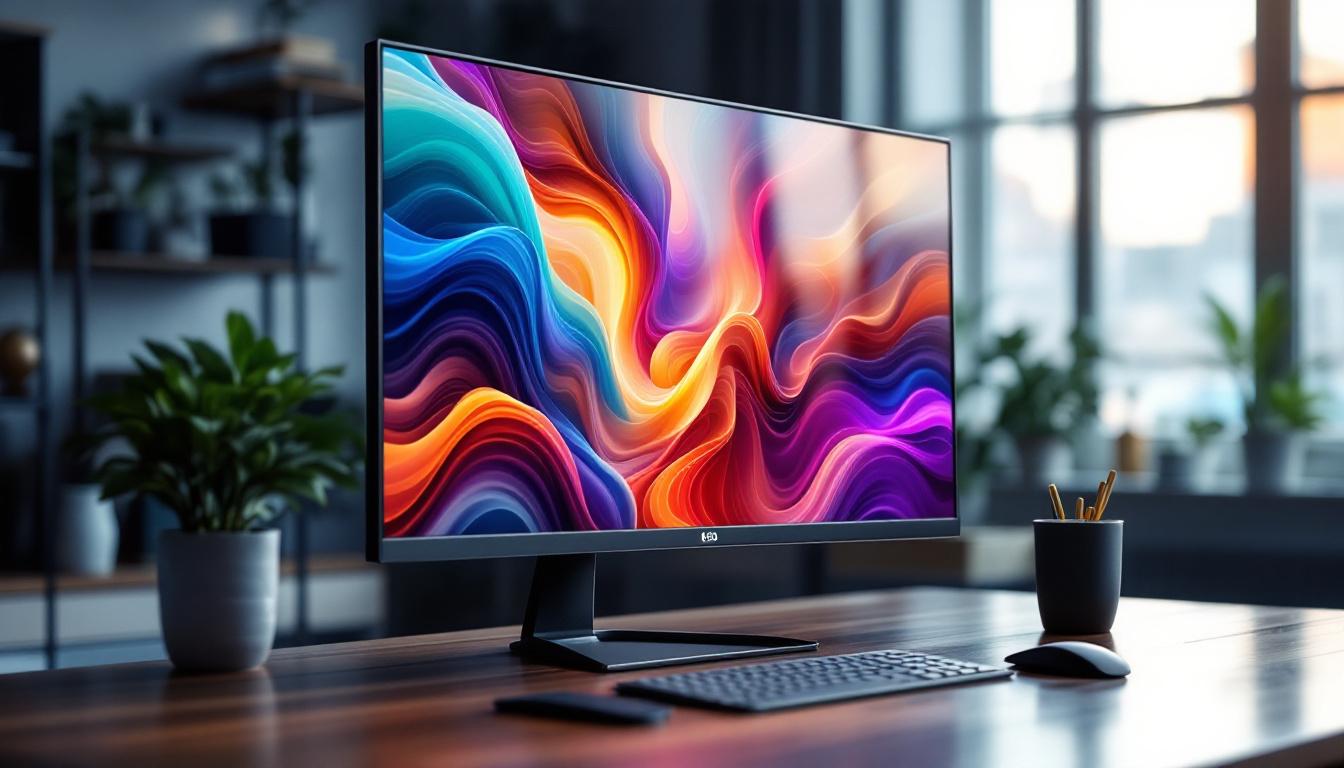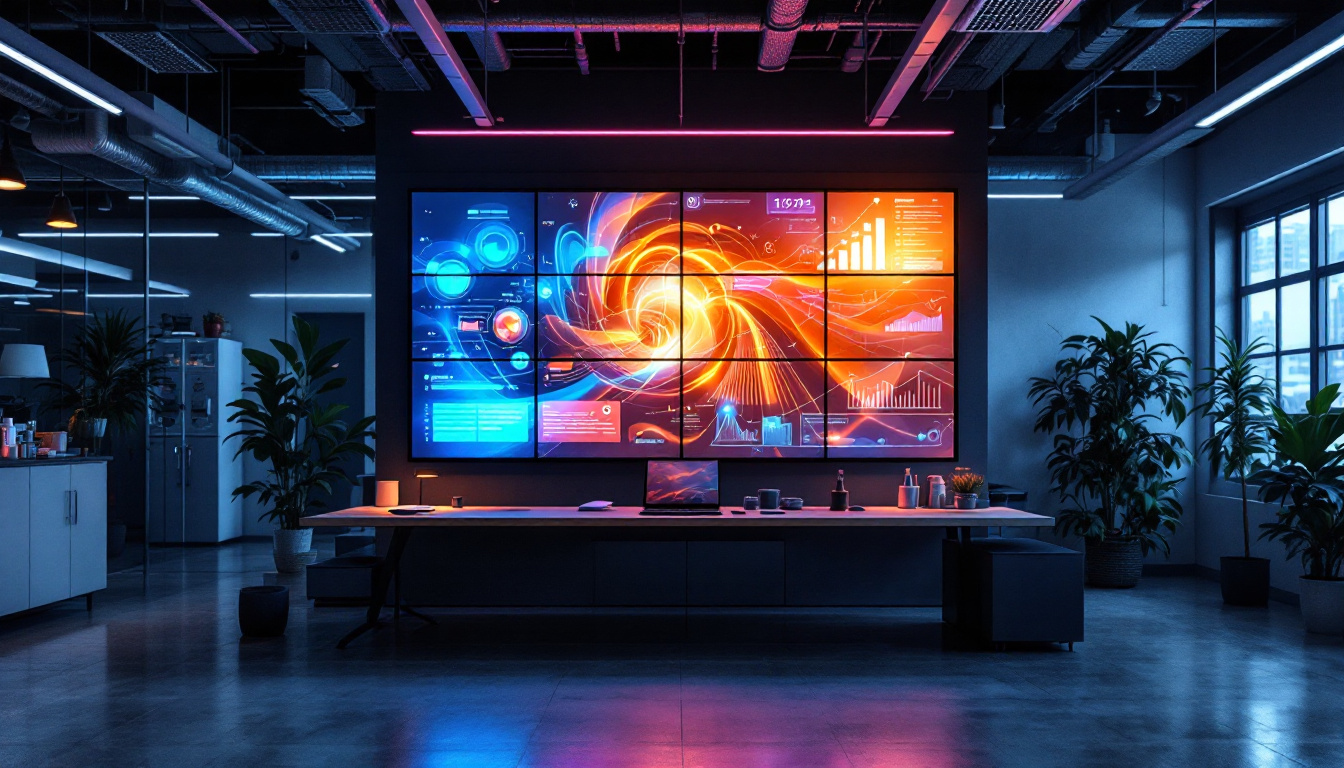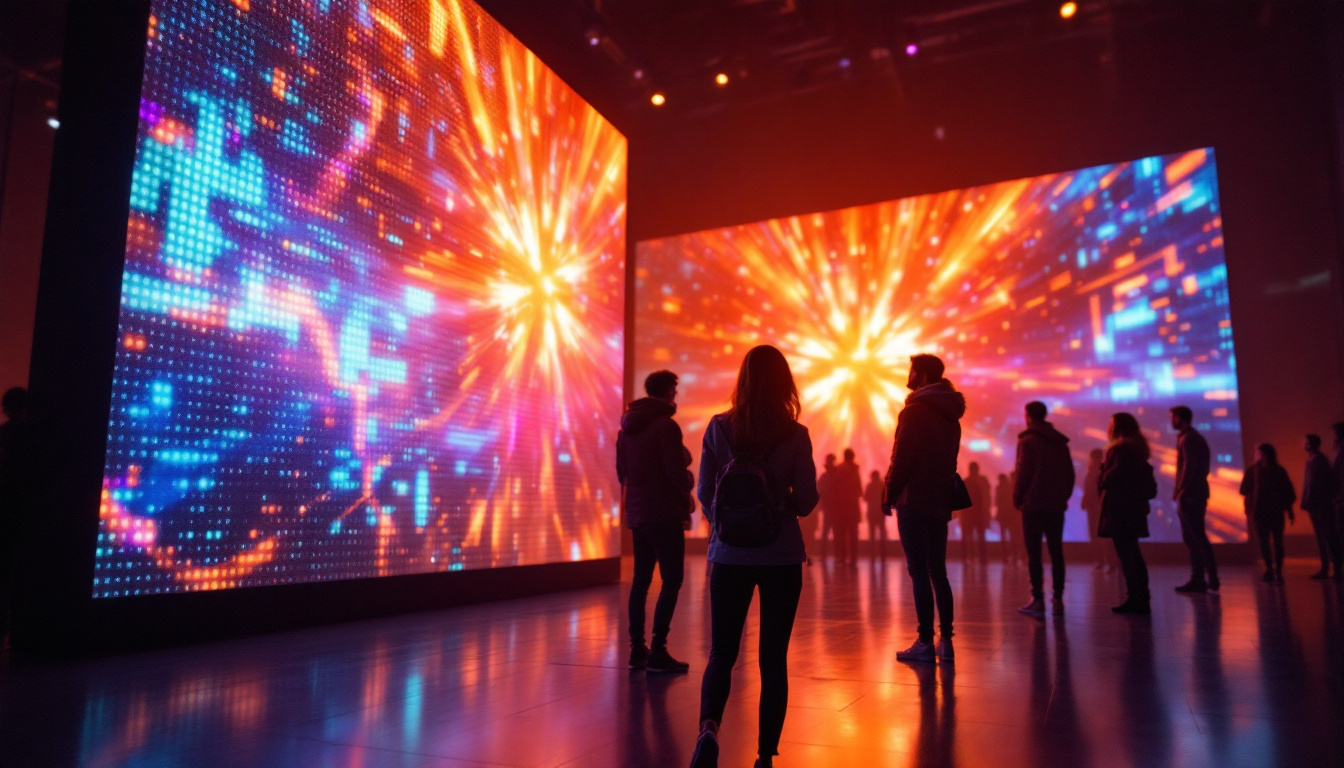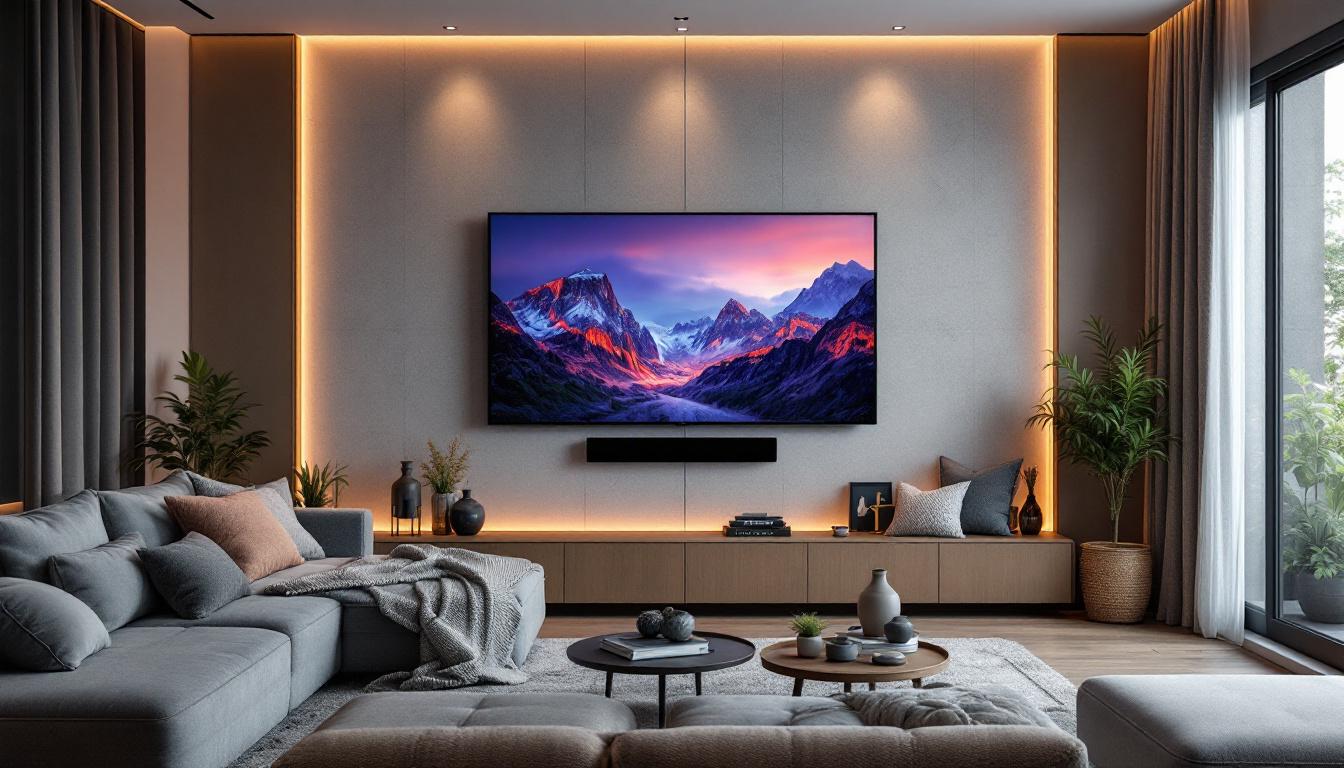
In the age of immersive home entertainment, building an entertainment wall featuring an LED display has become a popular and sophisticated way to elevate living spaces. An entertainment wall is more than just a place to mount a television; it’s a carefully designed focal point that integrates technology, aesthetics, and functionality. LED displays, known for their vibrant colors, energy efficiency, and versatility, are at the forefront of this trend.
This comprehensive guide will walk you through the essential aspects of building an entertainment wall with an LED display, from understanding LED technology to installation tips and design considerations. Whether you’re a homeowner looking to upgrade your media room or a professional installer, this article will provide valuable insights to help you create a stunning and functional entertainment wall.
Understanding LED Displays: The Heart of Your Entertainment Wall
What is an LED Display?
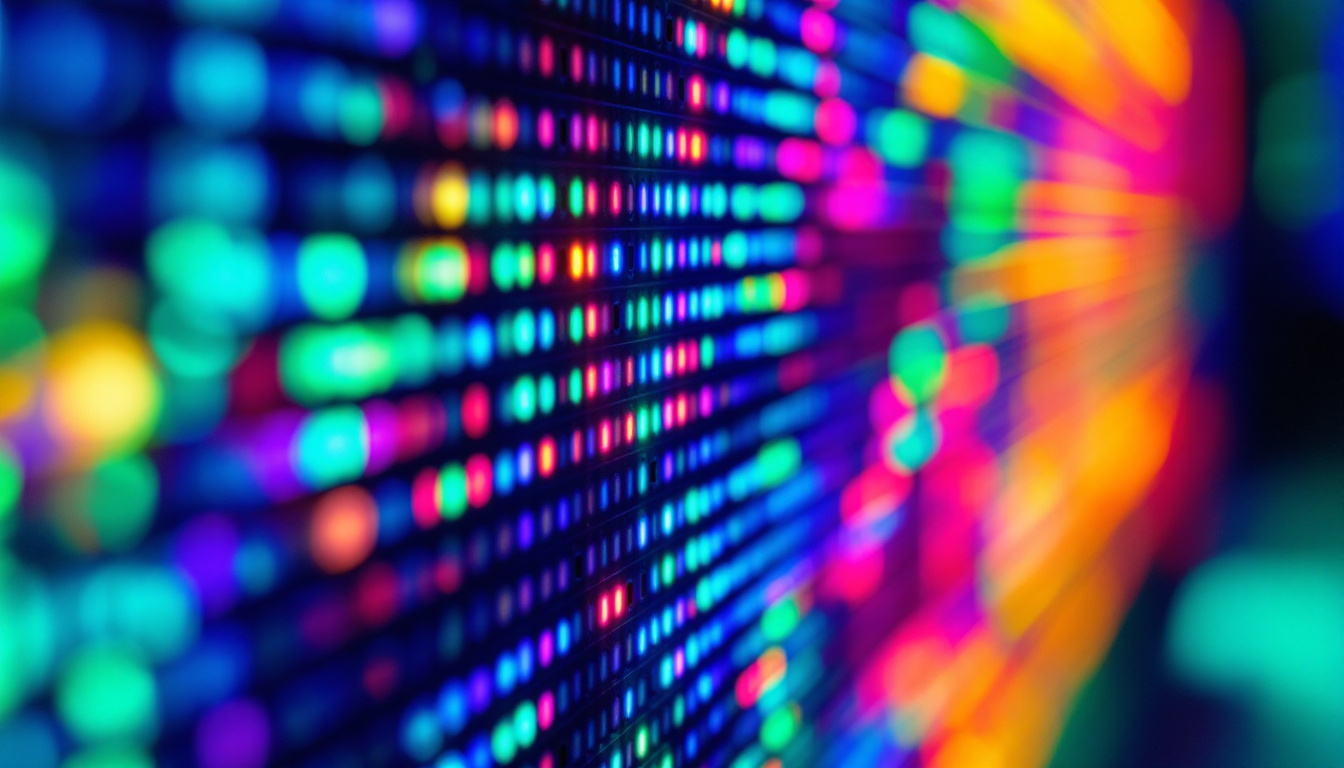
LED stands for Light Emitting Diode, a semiconductor device that emits light when an electric current passes through it. LED displays are composed of numerous small LEDs arranged in a matrix to form images or video. Unlike traditional LCD or plasma screens, LED displays offer superior brightness, contrast, and color accuracy.
There are two primary types of LED displays used in entertainment walls: direct-view LED and LED-backlit LCD. Direct-view LED displays use LEDs as individual pixels, offering unparalleled brightness and seamless image quality, making them ideal for large-scale installations. LED-backlit LCDs, on the other hand, use LEDs as a backlighting source behind an LCD panel, which is common in consumer televisions. The flexibility of these technologies allows for a wide range of applications, from home theaters to large public displays, ensuring that every viewer can enjoy a captivating visual experience.
Why Choose LED for Your Entertainment Wall?
LED displays provide several advantages over other display technologies, making them a preferred choice for entertainment walls:
- Brightness and Visibility: LEDs can achieve higher brightness levels, ensuring clear visibility even in well-lit rooms.
- Color Accuracy and Vibrancy: The ability to produce deep blacks and vivid colors enhances the viewing experience.
- Energy Efficiency: LEDs consume less power than traditional display technologies, reducing energy costs.
- Longevity and Durability: LED displays typically have longer lifespans and are less prone to screen burn-in.
- Customizability: Modular LED panels can be tailored to fit various wall sizes and shapes, enabling creative designs.
In addition to these benefits, LED displays are also known for their rapid response times, which is particularly advantageous for fast-paced content such as sports or action movies. The quick refresh rates of LED technology help eliminate motion blur, providing a crisp and fluid viewing experience that keeps viewers engaged. Furthermore, advancements in LED technology have led to the development of features such as HDR (High Dynamic Range), which enhances the contrast and color range of images, making them more lifelike and immersive.
Another significant aspect of LED displays is their ability to integrate with smart technology. Many modern LED displays come equipped with built-in smart features, allowing users to stream content directly from the internet, access apps, and even control their display through voice commands. This connectivity not only enhances user convenience but also opens up a world of entertainment possibilities, making LED displays a central hub for all your multimedia needs. As technology continues to evolve, the potential for LED displays in home and commercial environments is boundless, promising an exciting future for visual entertainment.
Planning Your Entertainment Wall: Key Considerations
Assessing the Space and Viewing Environment
Before selecting an LED display, it’s crucial to evaluate the room where the entertainment wall will be installed. Factors such as room size, lighting conditions, seating arrangement, and wall dimensions influence the choice of display size and type.
For instance, a bright living room with large windows might benefit from a higher-brightness LED display to combat ambient light, while a dedicated media room with controlled lighting can prioritize color accuracy and contrast. Additionally, consider the wall’s texture and color, as these can affect the perceived brightness and clarity of the display. A matte finish can help reduce glare, while darker walls may enhance the overall viewing experience by creating a more immersive environment.
Choosing the Right LED Display Size and Resolution
The size of your LED display should complement the room’s dimensions and viewing distance. As a general guideline, the ideal screen size can be calculated based on the distance between the seating area and the display. For example, a viewing distance of 8 feet typically pairs well with a 65-inch to 75-inch screen.
Resolution is equally important. For entertainment walls, 4K (3840 x 2160 pixels) resolution has become the standard, offering sharp, detailed images. Larger walls or custom LED panels may use modular configurations to achieve ultra-high resolutions and unique aspect ratios. Moreover, consider the content you plan to consume; if you frequently watch high-definition movies or play video games, investing in an 8K display could significantly enhance your viewing experience, providing even more detail and clarity.
Integration with Audio and Smart Home Systems
An entertainment wall is not just about visuals. Integrating high-quality audio systems and smart home controls enhances the overall experience. Consider incorporating surround sound speakers, soundbars, or in-wall audio solutions that complement the LED display.
Additionally, smart home integration allows for seamless control of lighting, audio, and display settings through voice commands or mobile apps, creating an immersive and convenient entertainment environment. Think about incorporating smart lighting that can adjust based on the content being viewed; for example, dimming the lights during a movie or brightening them for gaming. Furthermore, with the rise of streaming services and smart devices, ensuring compatibility with various platforms and services can streamline your entertainment setup, making it easier to access your favorite shows and movies without the hassle of multiple remotes or devices.
Choosing the Right LED Display Technology for Your Entertainment Wall
Direct-View LED vs. LED-Backlit LCD
Direct-view LED displays consist of individual LEDs acting as pixels, providing superior brightness and contrast. These are commonly used in commercial settings but have become increasingly accessible for residential use due to falling prices and improved manufacturing.
LED-backlit LCDs are more common in consumer televisions and are generally more affordable. They offer excellent image quality but may not match the brightness and viewing angles of direct-view LEDs.
MicroLED: The Next Generation
MicroLED technology is an emerging display type that combines the benefits of direct-view LED with even smaller pixel sizes, resulting in exceptional image quality and energy efficiency. While currently expensive, MicroLED displays are expected to become mainstream in the next few years, making them a future-proof option for entertainment walls.
Considerations for Modular LED Panels
Modular LED panels offer flexibility in design, allowing you to create custom-sized entertainment walls that can span entire walls or wrap around corners. These panels are typically used in direct-view LED setups and require professional installation but provide unmatched visual impact.
Installation and Design Tips for a Stunning Entertainment Wall
Structural Preparation and Wall Reinforcement
Before installation, ensure the wall can support the weight of the LED display and associated components. Some large LED panels can be heavy, requiring reinforcement or specialized mounting brackets.
Consult with structural engineers or professional installers to assess the wall’s integrity, especially if mounting on drywall or non-load-bearing surfaces.
Wiring and Cable Management
Concealing cables and power cords is essential for a clean, professional look. Plan the wiring routes in advance, using in-wall conduits or cable raceways to hide cables. This not only improves aesthetics but also reduces the risk of damage or interference.
Consider installing power outlets and HDMI or Ethernet ports behind the display for easy access and minimal visible wiring.
Lighting and Ambient Effects
Incorporating ambient lighting around the entertainment wall can enhance the viewing experience and reduce eye strain. LED backlighting or bias lighting behind the display adds depth and reduces contrast between the screen and the surrounding wall.
Smart lighting systems can adjust brightness and color temperature based on the content being viewed or the time of day, creating a dynamic atmosphere.
Acoustic Treatments
Sound quality is a critical component of any entertainment setup. Adding acoustic panels or sound-absorbing materials around the entertainment wall can improve audio clarity by reducing echoes and reverberation.
This is especially important in rooms with hard surfaces like tile or hardwood floors, which can cause sound reflections.
Maintaining and Upgrading Your LED Entertainment Wall
Regular Maintenance and Cleaning
LED displays require minimal maintenance but should be cleaned regularly to maintain image quality. Use a soft, lint-free cloth and manufacturer-approved cleaning solutions to avoid damaging the screen.
Inspect the display periodically for dead pixels or color inconsistencies, and address any issues promptly to extend the lifespan of the installation.
Software Updates and Calibration
Many modern LED displays come with firmware that can be updated to improve performance or add features. Keep your display’s software up to date to ensure optimal functionality.
Periodic calibration of color and brightness settings helps maintain the accuracy and vibrancy of the display, especially if environmental lighting conditions change.
Future-Proofing Your Entertainment Wall
Technology evolves rapidly, so consider future-proofing your entertainment wall by choosing modular components and ensuring easy access to wiring and mounts. This approach allows for upgrades such as higher resolution panels, improved audio systems, or smart home integrations without extensive renovations.
Conclusion
Building an entertainment wall with an LED display is a rewarding project that combines technology, design, and functionality to create an immersive media experience. By understanding the different types of LED displays, planning the installation carefully, and integrating complementary audio and lighting systems, you can transform any living space into a state-of-the-art entertainment hub.
Whether opting for a sleek LED-backlit LCD television or a custom modular direct-view LED wall, attention to detail in installation and maintenance ensures longevity and satisfaction. As LED technology continues to advance, entertainment walls will become even more versatile and visually stunning, making now the perfect time to invest in this transformative home upgrade.
Discover LumenMatrix LED Display Solutions
Ready to take the next step in creating your ultimate entertainment wall? Explore LumenMatrix’s diverse range of innovative LED display modules, designed to bring your vision to life with unparalleled vibrancy and precision. From the comfort of your home to the excitement of outdoor venues, our solutions cater to every need. Immerse yourself in the future of visual experiences with our Indoor LED Wall Display, Outdoor LED Wall Display, and more. Check out LumenMatrix LED Display Solutions today and transform your space into a captivating hub of entertainment and engagement.