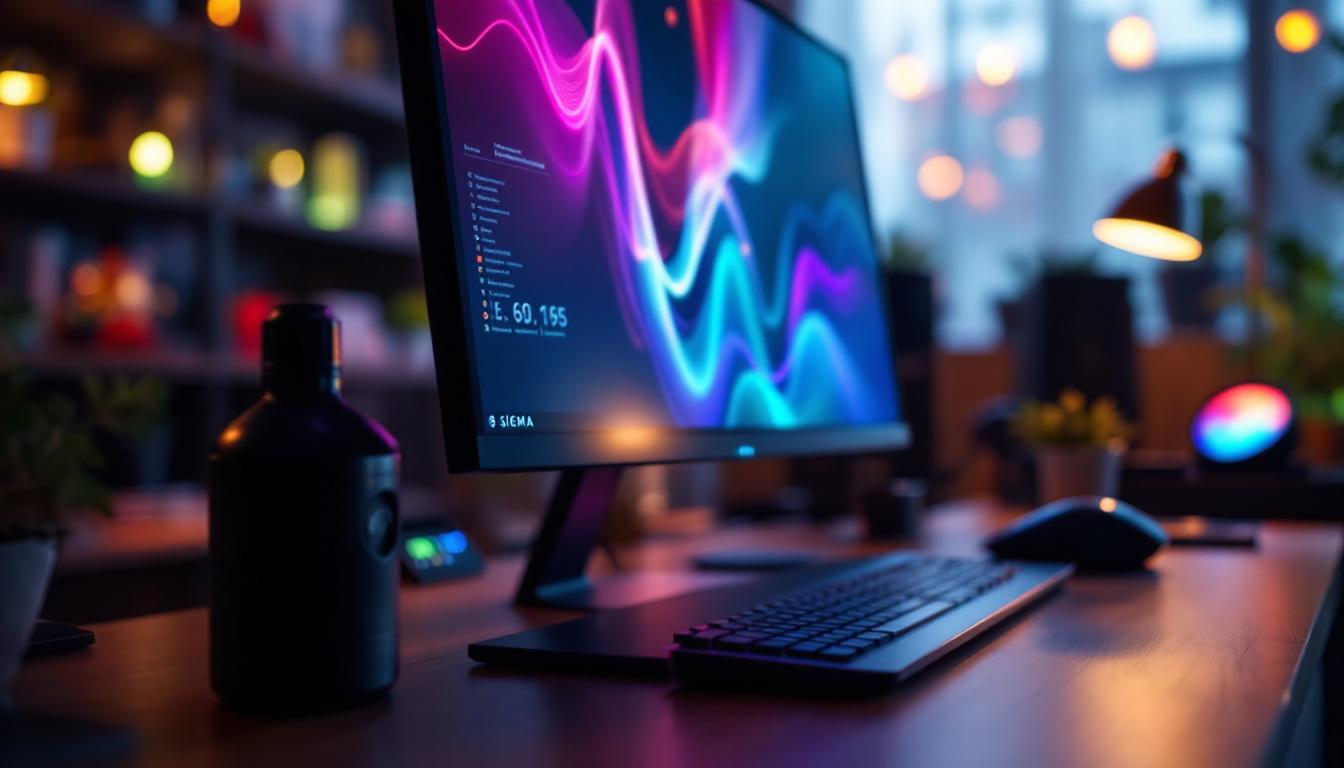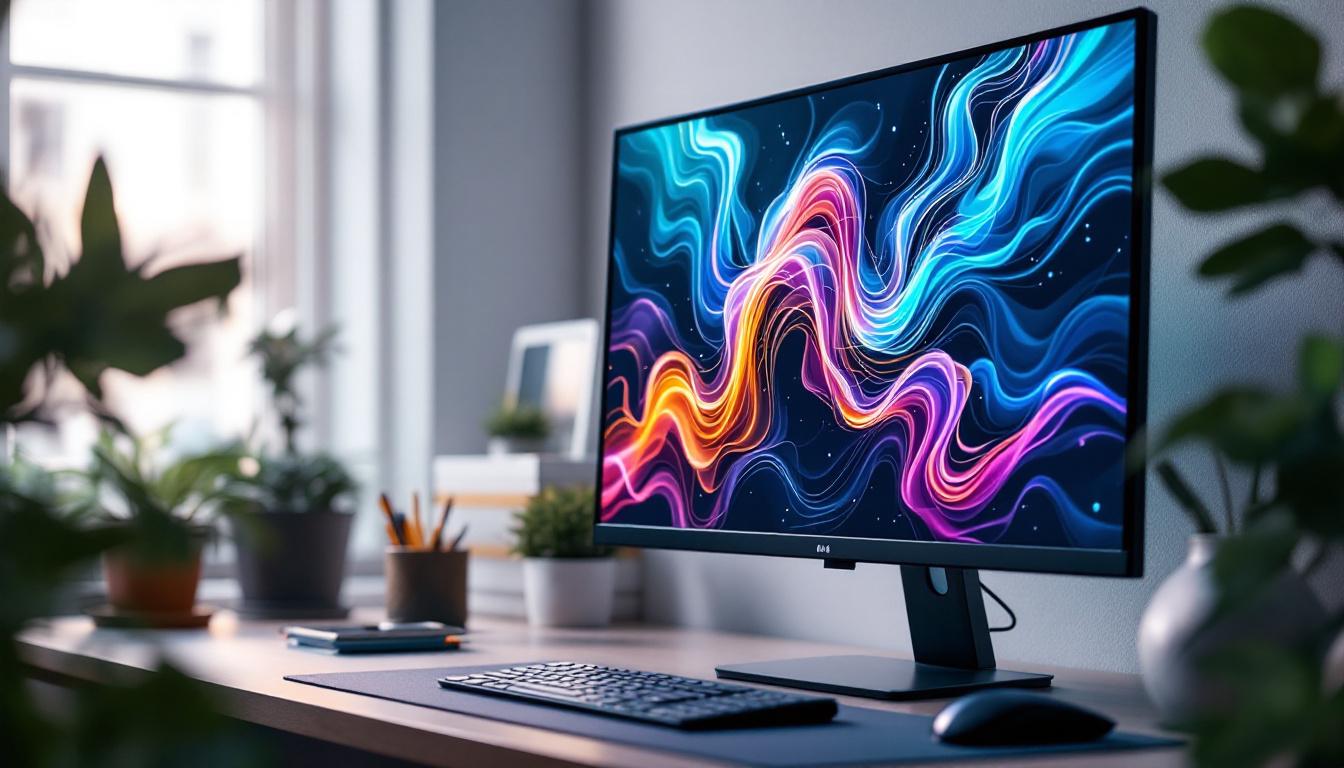
In today’s digital age, the computer monitor is more than just a screen—it’s the window to productivity, entertainment, and creativity. With the rapid evolution of display technology, big LCD computer monitors featuring LED backlighting have become the standard for users seeking vibrant visuals and immersive experiences. But what exactly makes these monitors stand out? This article dives deep into the world of big LCD computer monitors with LED displays, explaining the technology behind them, their benefits, and what to consider when choosing the perfect display for your needs.
Understanding LCD and LED: The Basics of Display Technology
What is an LCD Monitor?
LCD stands for Liquid Crystal Display. These monitors use liquid crystals sandwiched between two layers of glass or plastic. When an electric current passes through the crystals, they align to allow light to pass through or block it, creating images on the screen. Unlike older CRT monitors, LCDs are flat, lightweight, and consume less power, making them ideal for modern computing environments.
However, LCD panels themselves do not emit light. They require a backlight to illuminate the pixels, which is where LED technology comes into play. The design of LCD monitors allows for a sleek aesthetic, making them a popular choice for both home and office settings. Their ability to display high-resolution images has made them the go-to option for graphic designers, gamers, and anyone who values visual clarity. Furthermore, advancements in LCD technology have led to the development of features such as anti-glare coatings and higher refresh rates, enhancing the overall user experience.
The Role of LED Backlighting
LED stands for Light Emitting Diode. In LCD monitors, LEDs serve as the backlight source, replacing older cold cathode fluorescent lamps (CCFLs). LED backlighting provides several advantages, including better energy efficiency, improved brightness, and enhanced color accuracy. This shift to LED technology has not only improved the performance of LCD monitors but has also contributed to a reduction in the environmental impact of display technology, as LEDs consume significantly less energy than their predecessors.
There are two main types of LED backlighting used in LCD monitors:
- Edge-Lit LED: LEDs are placed along the edges of the screen, and light is distributed across the panel using light guides. This design allows for thinner monitors and reduces manufacturing costs. Edge-lit displays are particularly appealing for users who prioritize aesthetics and space-saving designs, as they can be mounted flush against walls or used in compact setups.
- Full-Array LED: LEDs are spread evenly behind the entire screen, often with local dimming zones. This setup offers superior contrast and deeper blacks but tends to be more expensive. Full-array displays are favored by professionals in fields such as video editing and photography, where color accuracy and contrast are paramount. The local dimming feature allows for better control over brightness levels, resulting in a more dynamic viewing experience.
Additionally, the integration of HDR (High Dynamic Range) technology in many modern LED-backlit LCD monitors has further elevated the visual experience. HDR allows for a wider range of colors and brightness levels, making images appear more lifelike and vibrant. This has made HDR-capable monitors increasingly popular among gamers and content creators who seek to push the boundaries of visual fidelity. As display technology continues to evolve, the combination of LCD and LED will likely play a crucial role in shaping the future of how we interact with digital content.
Why Choose a Big LCD Monitor with LED Display?
Enhanced Visual Experience
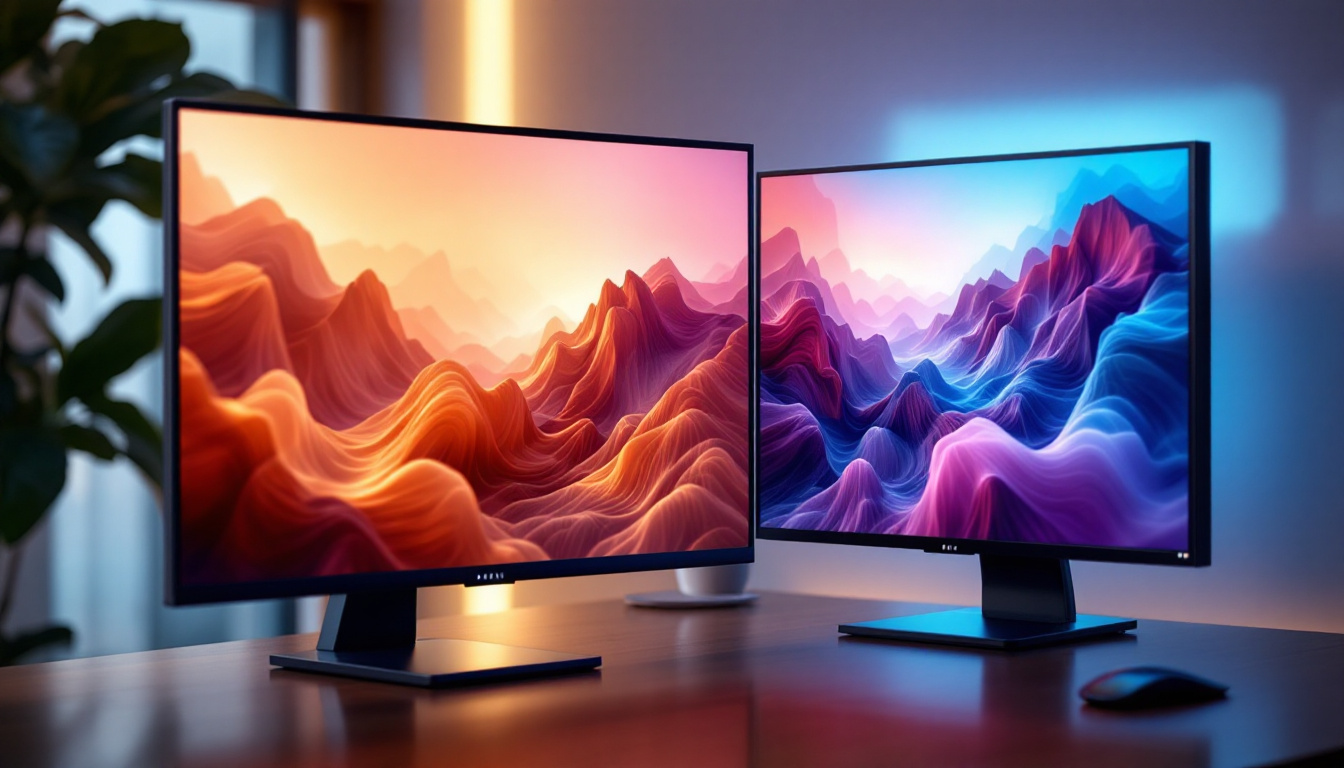
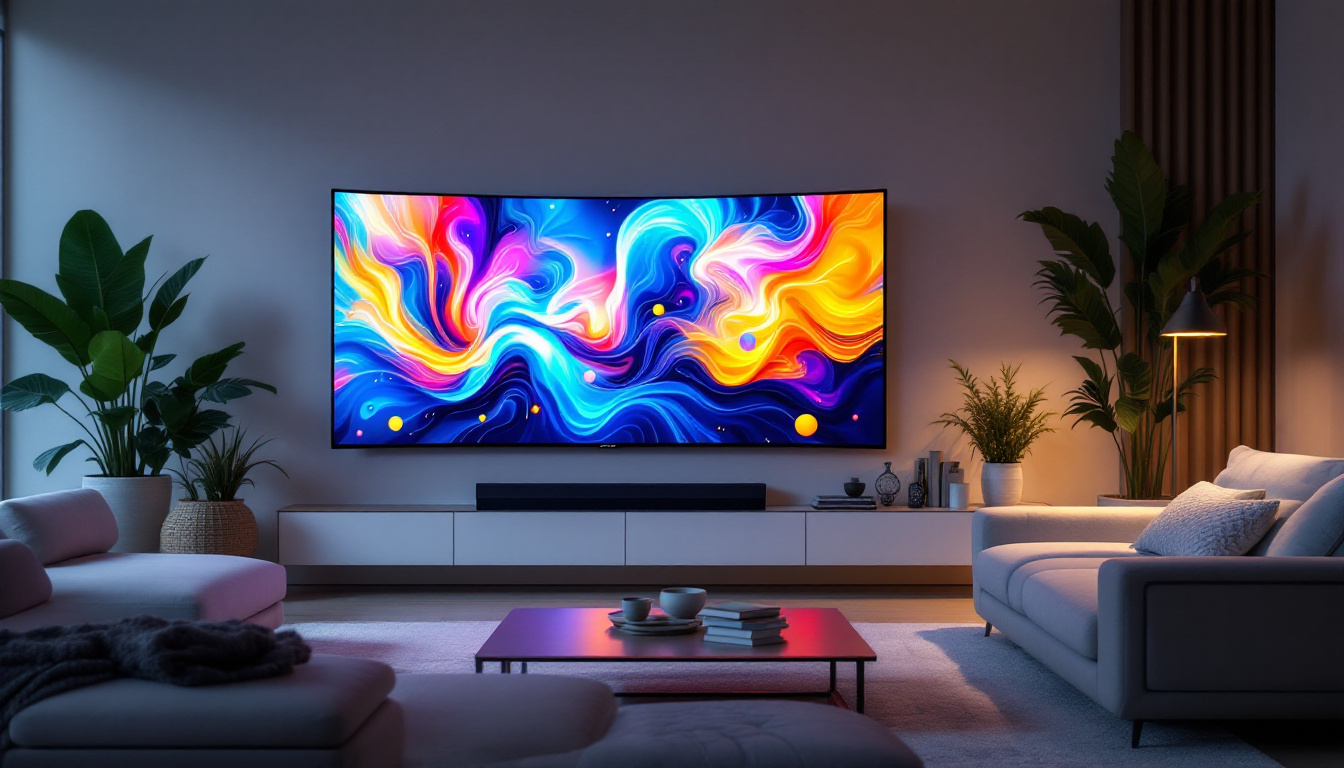
One of the most compelling reasons to opt for a big LCD monitor with LED backlighting is the superior visual quality. Larger screens provide more screen real estate, which is essential for multitasking, gaming, video editing, and design work. Combined with LED technology, these monitors deliver vibrant colors, sharp contrasts, and consistent brightness across the display.
For example, professional photo editors benefit from the improved color accuracy and uniformity that LED-backlit LCDs offer. Similarly, gamers enjoy faster response times and reduced motion blur, especially with monitors that support higher refresh rates.
Energy Efficiency and Longevity
Compared to older monitor technologies, LED-backlit LCD monitors consume significantly less power. According to the U.S. Department of Energy, LED monitors can use up to 30-50% less energy than CCFL-backlit counterparts. This reduction not only lowers electricity bills but also contributes to environmental sustainability.
Moreover, LEDs have a longer lifespan than CCFLs, often lasting upwards of 50,000 hours. This durability means fewer replacements and less electronic waste over time.
Slim Design and Space Saving
LED backlighting allows manufacturers to produce slimmer and lighter monitors. Edge-lit LED monitors, in particular, enable ultra-thin profiles that fit seamlessly into modern workspaces or home offices. This sleek design is not only aesthetically pleasing but also practical for users with limited desk space.
Key Features to Consider in Big LCD LED Monitors
Screen Size and Resolution
When selecting a big LCD monitor, screen size and resolution are paramount. Common large monitor sizes range from 27 inches to 49 inches, with ultrawide formats gaining popularity. The resolution determines the clarity of the image; popular options include:
- Full HD (1920×1080): Suitable for general use but less ideal for very large screens due to pixel density.
- QHD (2560×1440): Offers a good balance between screen size and sharpness, favored by gamers and professionals.
- 4K UHD (3840×2160): Provides exceptional detail and is ideal for creative professionals and those who demand the highest image quality.
Choosing the right combination depends on your use case. For instance, a 32-inch 4K monitor offers crisp visuals and ample workspace, whereas a 49-inch ultrawide QHD monitor is excellent for multitasking and immersive gaming.
Refresh Rate and Response Time
Refresh rate, measured in hertz (Hz), indicates how many times the screen updates per second. Higher refresh rates (e.g., 120Hz, 144Hz, or even 240Hz) result in smoother motion, which is essential for gaming and fast-paced video content.
Response time, usually measured in milliseconds (ms), reflects how quickly a pixel can change color. Lower response times reduce motion blur and ghosting effects. Gamers and video editors often seek monitors with response times under 5ms.
Color Accuracy and HDR Support
Color accuracy is critical for professionals working in photography, video production, and graphic design. Look for monitors that cover a wide color gamut such as Adobe RGB or DCI-P3 and offer factory calibration.
High Dynamic Range (HDR) support enhances the contrast and color range, making images more lifelike. Monitors with HDR10 certification or higher can display deeper blacks and brighter highlights, enriching the viewing experience.
Connectivity Options
Modern big LCD LED monitors come equipped with various connectivity ports to accommodate different devices:
- HDMI: Standard for video and audio transmission, compatible with most computers and gaming consoles.
- DisplayPort: Preferred for higher resolutions and refresh rates, especially in professional and gaming setups.
- USB-C: Increasingly popular for its ability to transmit video, data, and power through a single cable.
- USB Hubs: Convenient for connecting peripherals directly to the monitor.
Ensuring your monitor supports the right ports for your devices is crucial for a seamless experience.
Common Use Cases for Big LCD LED Monitors
Professional Workstations
Big LCD LED monitors have become indispensable in professional environments such as video editing suites, CAD design studios, and financial trading floors. The large screen size combined with high resolution allows users to view multiple windows simultaneously, enhancing productivity.
Color-critical tasks benefit greatly from LED-backlit displays with wide color gamuts and HDR capabilities, ensuring that the final output matches the intended vision.
Gaming and Entertainment
Gamers increasingly prefer big monitors with LED backlighting for their vivid colors, fast response times, and high refresh rates. Ultrawide monitors offer immersive gameplay by filling more of the user’s field of view.
Additionally, LED technology supports features like variable refresh rate (VRR) and adaptive sync, which reduce screen tearing and stuttering for a smoother gaming experience.
General Productivity and Multitasking
For office workers, programmers, and remote employees, large LCD LED monitors provide ample space to organize applications, documents, and communication tools. This reduces the need for multiple smaller screens and streamlines workflow.
Monitors with adjustable stands, blue light filters, and flicker-free technology also help reduce eye strain during long work sessions.
Tips for Maintaining Your Big LCD LED Monitor
Proper Cleaning Techniques
To preserve the display quality, clean your monitor regularly using a soft, lint-free microfiber cloth. Avoid harsh chemicals or abrasive materials that can damage the screen coating. For stubborn smudges, lightly dampen the cloth with distilled water or a specialized screen cleaner.
Optimal Placement and Usage
Position your monitor to avoid glare from windows or overhead lighting. Maintaining an appropriate viewing distance—typically about an arm’s length—helps reduce eye fatigue. Adjust brightness and contrast settings to comfortable levels, especially in low-light environments.
Software and Firmware Updates
Some modern monitors receive firmware updates that can improve performance or add features. Check the manufacturer’s website periodically for updates and follow their instructions carefully.
Conclusion: The Future of Big LCD LED Monitors
Big LCD computer monitors with LED displays have transformed how users interact with digital content. Their combination of size, image quality, energy efficiency, and sleek design makes them a versatile choice for a wide range of applications—from professional creative work to immersive gaming and everyday productivity.
As display technology continues to advance, innovations such as mini-LED and micro-LED backlighting promise even greater contrast, brightness, and color accuracy. For now, investing in a quality big LCD LED monitor remains a smart decision for those seeking a premium visual experience coupled with practical benefits.
Choosing the right monitor involves understanding your specific needs and balancing features like size, resolution, refresh rate, and connectivity. With the insights provided here, users can make informed decisions and enjoy the full potential of their big LCD LED displays.
Discover the Future of Visual Display with LumenMatrix
Ready to elevate your visual experience with the latest in LED display technology? LumenMatrix is at the forefront of innovation, offering a diverse range of LED display solutions tailored to meet your needs. Whether you’re looking to enhance your professional workspace or create an immersive entertainment setup, our Indoor and Outdoor LED Wall Displays, Vehicle LED Displays, and more, provide unparalleled clarity and engagement. Embrace the future of visual communication with LumenMatrix and transform the way you share your message. Check out LumenMatrix LED Display Solutions today and see the difference for yourself.