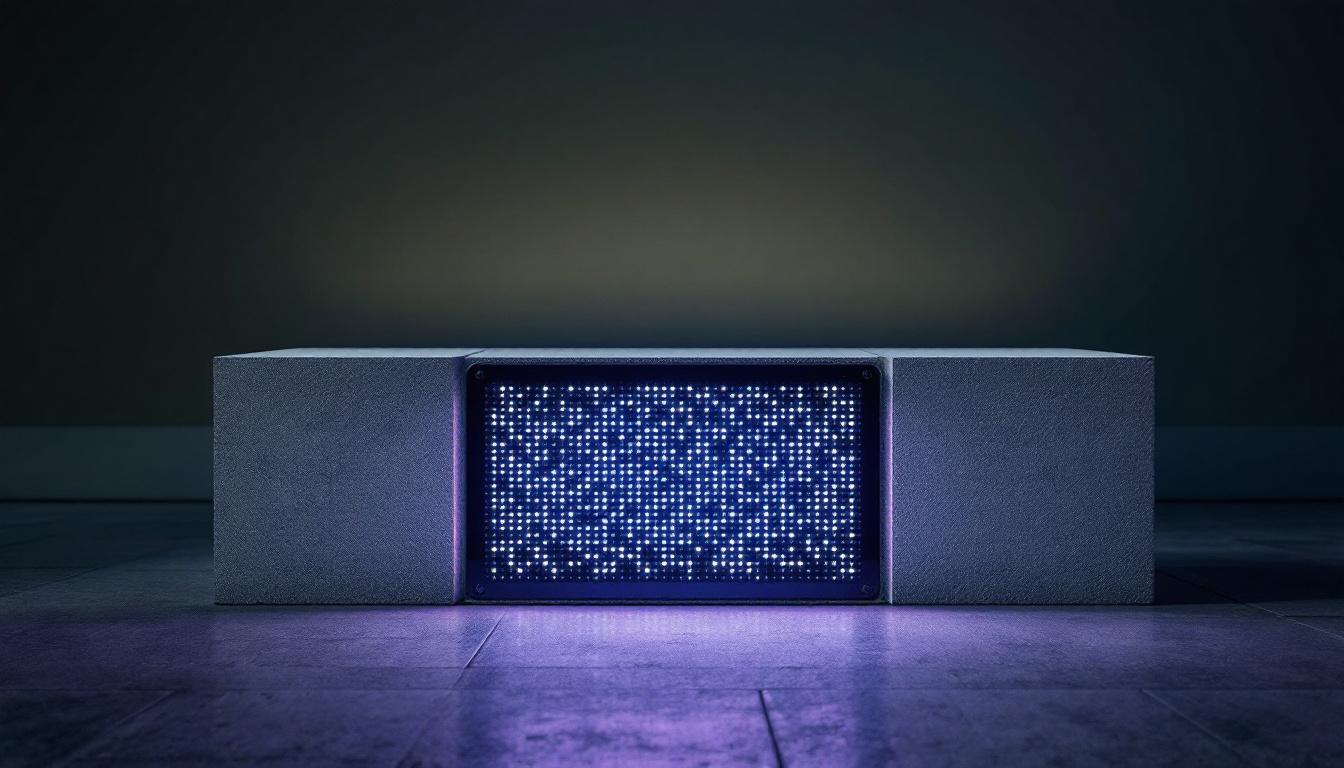
In the evolving world of digital signage and architectural design, the integration of LED displays into block wall footers has become a noteworthy trend. This fusion not only enhances aesthetic appeal but also introduces dynamic functionality to spaces ranging from commercial buildings to public venues. Understanding how block wall footers accommodate LED displays, the technology behind them, and their practical applications is essential for architects, designers, and facility managers looking to innovate their environments.
What is a Block Wall Footer?
A block wall footer is a foundational structural element typically constructed from concrete masonry units (CMUs), commonly known as concrete blocks. It serves as the base or footing for walls, distributing loads from the structure above to the ground below. These footers are essential for ensuring stability, preventing settling, and resisting lateral forces such as wind or seismic activity.
Traditionally, block wall footers are purely functional, focusing on strength and durability. However, with advances in construction techniques and materials, these footers can now be designed to incorporate additional features, such as embedded LED displays, without compromising their structural integrity.
Structural Importance of Block Wall Footers
The primary role of a block wall footer is to support the weight of the wall and any loads it carries. This involves spreading the load over a larger area to prevent excessive settlement. The footer must be designed according to soil conditions, load requirements, and local building codes, which often specify minimum dimensions and reinforcement standards.
When integrating technology like LED displays into or onto block wall footers, it is crucial that these structural requirements remain uncompromised. Proper engineering ensures that the footer maintains its strength while accommodating electrical and display components. Additionally, the use of high-quality materials and innovative construction methods can enhance the longevity and performance of the footer, making it a reliable choice for various building projects.
Furthermore, the design of block wall footers can also play a significant role in energy efficiency. By incorporating insulation materials or designing footers that minimize thermal bridging, builders can create a more energy-efficient structure. This not only contributes to lower energy costs but also promotes sustainability within the construction industry. As architects and engineers continue to explore new possibilities, block wall footers may evolve to include features that enhance both functionality and aesthetic appeal, paving the way for more dynamic and versatile building designs.
Understanding LED Displays
LED (Light Emitting Diode) displays have revolutionized visual communication by offering bright, energy-efficient, and versatile screens suitable for both indoor and outdoor use. Their modular nature allows for customization in size, resolution, and shape, making them ideal for integration into architectural elements such as block wall footers.
Types of LED Displays
There are several types of LED displays relevant to block wall footers:
- Outdoor LED Displays: Designed to withstand harsh weather conditions, these displays feature high brightness levels (often exceeding 5,000 nits) to remain visible under direct sunlight.
- Indoor LED Displays: These have lower brightness requirements but higher pixel density for sharper images, suitable for environments with controlled lighting.
- Transparent LED Displays: These allow light to pass through, enabling integration with glass or open structures, though less common in block wall applications.
For block wall footers, outdoor LED displays are typically preferred due to exposure to environmental elements.
Key Features of LED Displays
LED displays offer several advantages that make them attractive for architectural integration:
- Energy Efficiency: LEDs consume less power compared to traditional lighting and display technologies, reducing operational costs.
- Brightness and Visibility: High luminance ensures clear visibility even in bright daylight conditions.
- Durability: LED modules are resistant to shock, vibration, and temperature fluctuations, increasing lifespan.
- Customization: Modular panels can be configured to fit various sizes and shapes, including curved or irregular surfaces.
Integrating LED Displays into Block Wall Footers
The process of incorporating LED displays into block wall footers involves careful planning and coordination between structural engineers, electrical specialists, and designers. The goal is to create a seamless integration that enhances the space both functionally and aesthetically.
Design Considerations
When planning an LED display embedded in a block wall footer, several factors must be addressed:
- Structural Integrity: The footer must maintain its load-bearing capacity. This often requires reinforcing the block wall around the display area with steel or concrete to compensate for any cutouts or recesses.
- Weatherproofing: LED modules and electrical components must be protected against moisture, dust, and temperature extremes. This typically involves using sealed enclosures and weather-resistant materials.
- Access for Maintenance: Designing access panels or removable sections ensures that technicians can service the LED display without damaging the wall.
- Power and Data Supply: Electrical wiring and data cables need to be routed safely through the footer or adjacent structures, with consideration for future upgrades or expansions.
Installation Techniques
Installation of LED displays in block wall footers may follow these general steps:
- Preparation of the Footer: During the construction phase, specific blocks or sections are designed to accommodate the LED modules. This might include creating recesses or cavities.
- Mounting the LED Panels: LED modules are mounted onto frames or brackets fixed to the footer. Precision is critical to ensure alignment and flush installation.
- Electrical Connections: Power supplies, controllers, and data receivers are installed and connected, often housed in weatherproof enclosures nearby.
- Testing and Calibration: Once installed, the display is tested for brightness, color accuracy, and connectivity. Calibration ensures uniformity across the entire display surface.
Applications and Benefits of LED Displays in Block Wall Footers
The integration of LED displays into block wall footers opens up numerous possibilities across various sectors. This innovative approach enhances communication, branding, and environmental interaction while maintaining structural functionality.
Commercial and Retail Spaces
In commercial environments, block wall footers with embedded LED displays can serve as dynamic advertising platforms. Retailers use these displays to showcase promotions, product launches, or brand messages directly at building entrances or along pedestrian pathways.
For example, a shopping mall might incorporate LED footers along its perimeter walls to create an engaging visual experience that attracts visitors and encourages foot traffic. The ability to update content remotely allows for timely marketing campaigns without additional physical signage costs.
Public Infrastructure and Urban Design
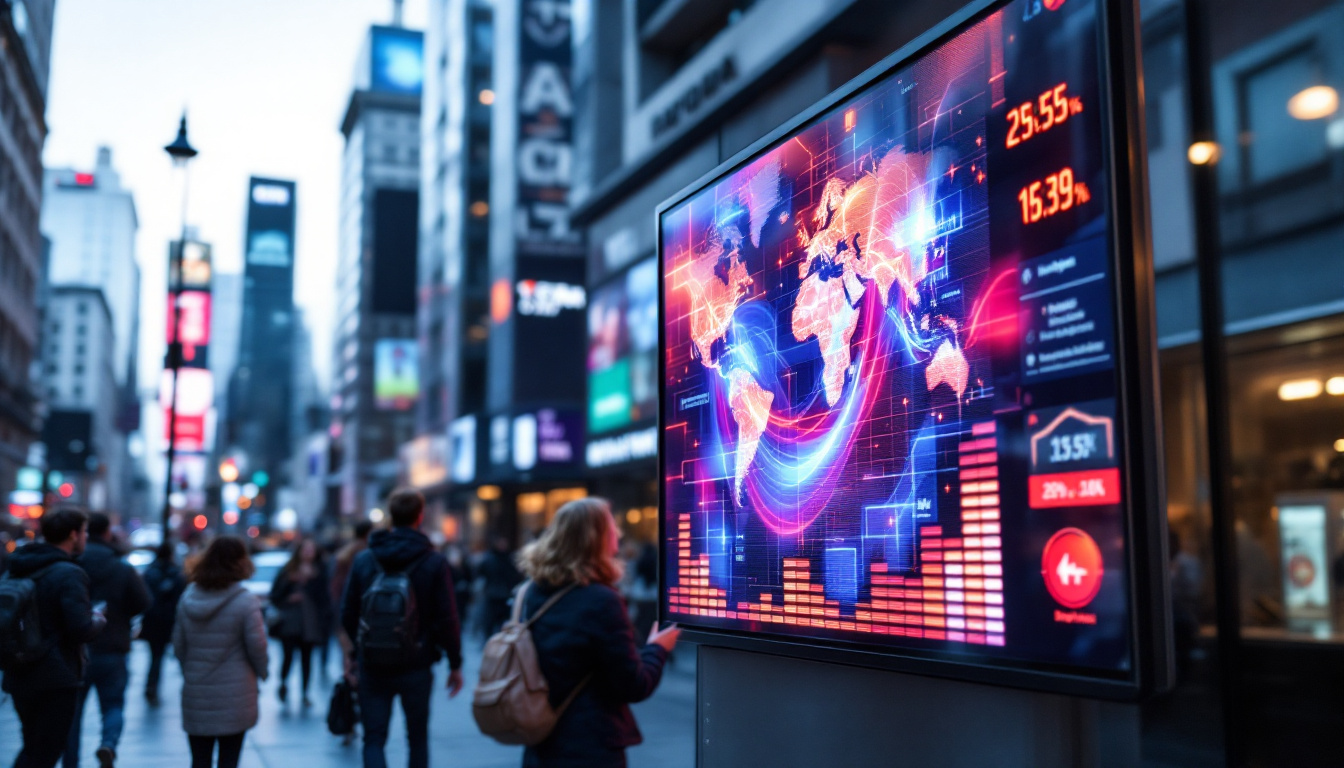
Municipalities and urban planners utilize LED displays in block wall footers to provide real-time information such as transit schedules, weather updates, or public announcements. This integration helps keep citizens informed while contributing to modern, tech-forward cityscapes.
Additionally, LED footers can be part of interactive installations in parks or plazas, offering artistic displays or wayfinding assistance. Their durability and low maintenance make them ideal for high-traffic public areas.
Corporate and Institutional Buildings
Corporate campuses and institutional facilities benefit from LED displays in block wall footers by enhancing their brand presence and providing functional communication tools. These displays can welcome visitors, display event schedules, or highlight corporate social responsibility initiatives.
Integrating LED technology into foundational elements also reflects a commitment to innovation and sustainability, appealing to stakeholders and employees alike.
Challenges and Considerations
While the benefits are significant, integrating LED displays into block wall footers also presents challenges that must be addressed to ensure successful implementation.
Cost Implications
The initial investment for LED displays embedded in structural elements can be substantial. Costs include not only the LED technology itself but also the necessary structural modifications, electrical work, and ongoing maintenance.
However, when compared to traditional signage that requires frequent replacement or manual updates, LED displays offer long-term value through durability and dynamic content capabilities.
Technical and Maintenance Challenges
Ensuring reliable operation of LED displays in outdoor environments requires robust weatherproofing and protection against vandalism. Maintenance access must be thoughtfully designed to minimize disruption and repair costs.
Moreover, the integration of technology into structural components demands close collaboration between construction and technology teams to avoid conflicts and ensure compliance with building codes and safety standards.
Environmental Impact
While LED displays are energy-efficient, their production and disposal involve environmental considerations. Selecting eco-friendly materials, recycling components, and implementing energy management strategies can mitigate these impacts.
Future Trends in Block Wall Footer LED Displays
As technology advances, the integration of LED displays into block wall footers is expected to become more sophisticated and widespread. Emerging trends include:
Smart and Interactive Displays
Future LED footers may incorporate touch-sensitive surfaces or sensors, enabling interactive experiences for users. This could transform passive signage into engaging interfaces for information, entertainment, or wayfinding.
Energy Harvesting and Sustainability
Innovations in energy harvesting, such as solar panels integrated with LED footers, could enable self-sustaining displays that reduce reliance on external power sources. Coupled with energy-efficient LEDs, this approach supports green building initiatives.
Advanced Materials and Design
New materials that combine structural strength with transparency or flexibility may allow LED displays to be more seamlessly integrated into block walls, expanding design possibilities. Additionally, advances in modular construction techniques will facilitate faster and more cost-effective installations.
Conclusion
The integration of LED displays into block wall footers represents a compelling intersection of structural engineering and digital technology. This approach enhances the utility and visual impact of foundational architectural elements, offering dynamic communication solutions across commercial, public, and institutional environments.
Successful implementation requires careful consideration of structural integrity, environmental protection, and maintenance accessibility. As LED technology continues to evolve, block wall footers embedded with LED displays will likely become a standard feature in modern architectural design, driving innovation and engagement in the built environment.
Explore LumenMatrix LED Display Solutions
Ready to elevate your architectural projects with the latest in LED display technology? Discover the innovative solutions offered by LumenMatrix, a leader in crafting visually stunning and technologically advanced LED displays. From versatile Indoor and Outdoor LED Wall Displays to specialized applications like Vehicle, Sports, and Floor LED Displays, LumenMatrix provides a range of products designed to integrate seamlessly into your block wall footers and beyond. Embrace the future of digital signage and create immersive experiences with LumenMatrix’s Custom and All-in-One LED Display options, including the cutting-edge LED Transparent Display. Check out LumenMatrix LED Display Solutions today and transform your space into a dynamic environment that communicates with clarity and impact.