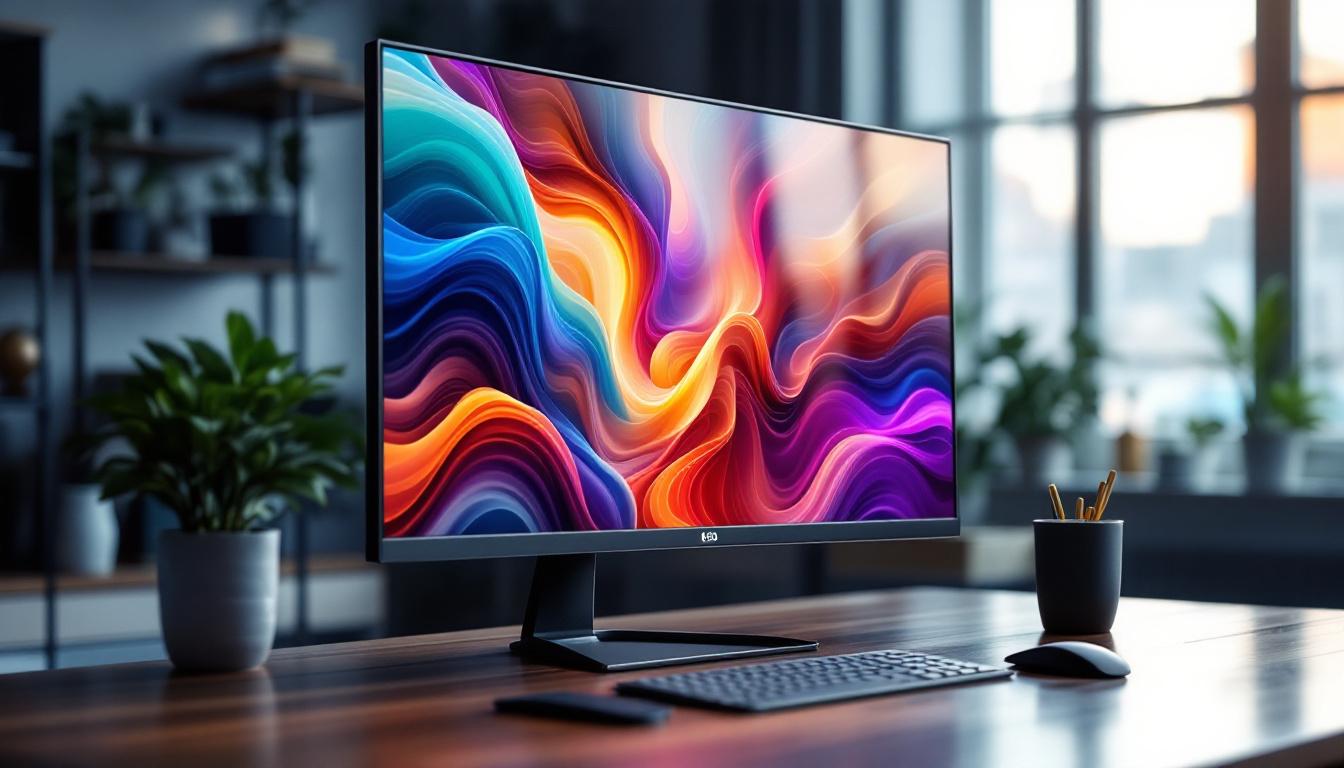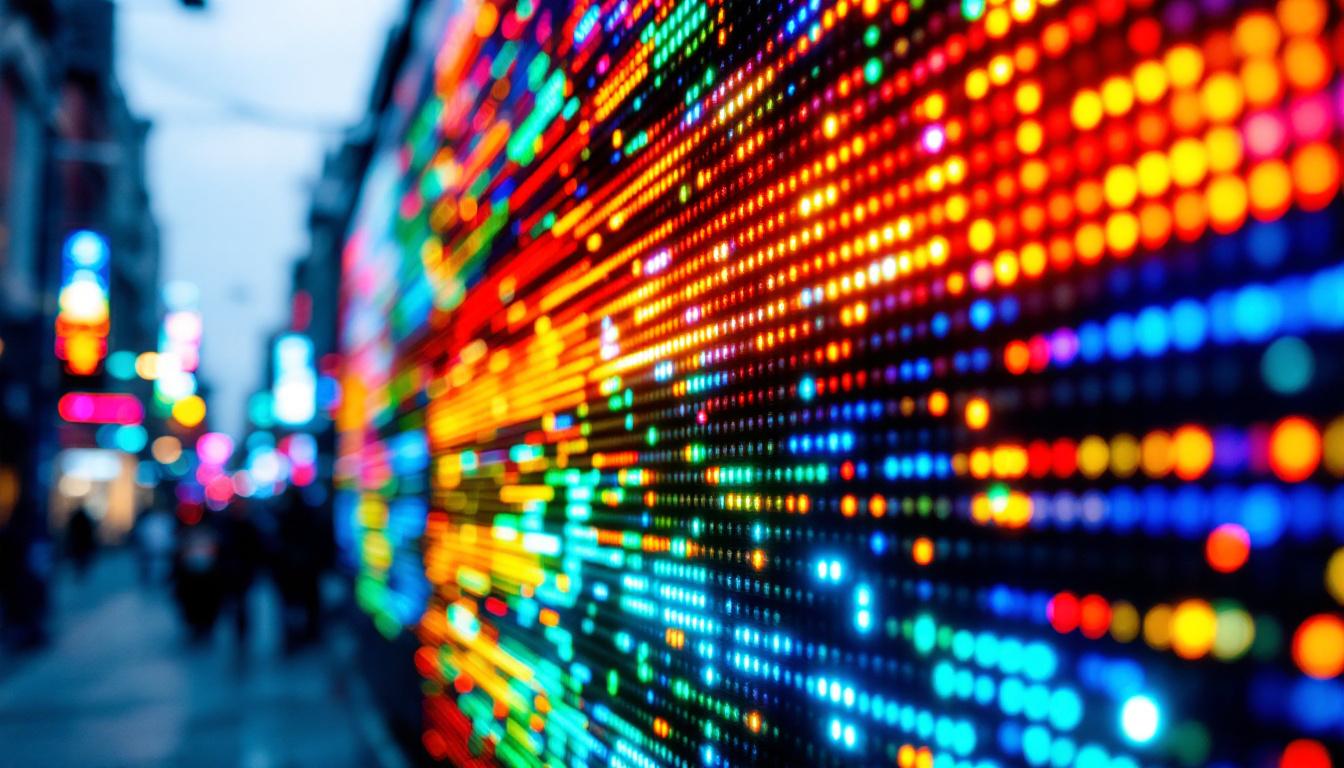
In today’s digital era, displays are everywhere—from the smartphones in our hands to massive billboards lighting up cityscapes. Among the various display technologies, LED displays have emerged as a dominant force, powering everything from home televisions to stadium screens. But what exactly is an LED display, how does it work, and why has it become so prevalent across industries? This comprehensive guide unpacks the fundamentals of LED displays, exploring their technology, applications, advantages, and future trends.
Understanding LED Display Technology
What Does LED Stand For?
LED stands for Light Emitting Diode. At its core, an LED is a semiconductor device that emits light when an electric current passes through it. Unlike traditional bulbs that rely on heating a filament, LEDs produce light through electroluminescence, making them highly efficient and durable. This efficiency translates into lower energy consumption, which is not only cost-effective but also environmentally friendly, as it reduces carbon footprints associated with energy production.
How Do LED Displays Work?
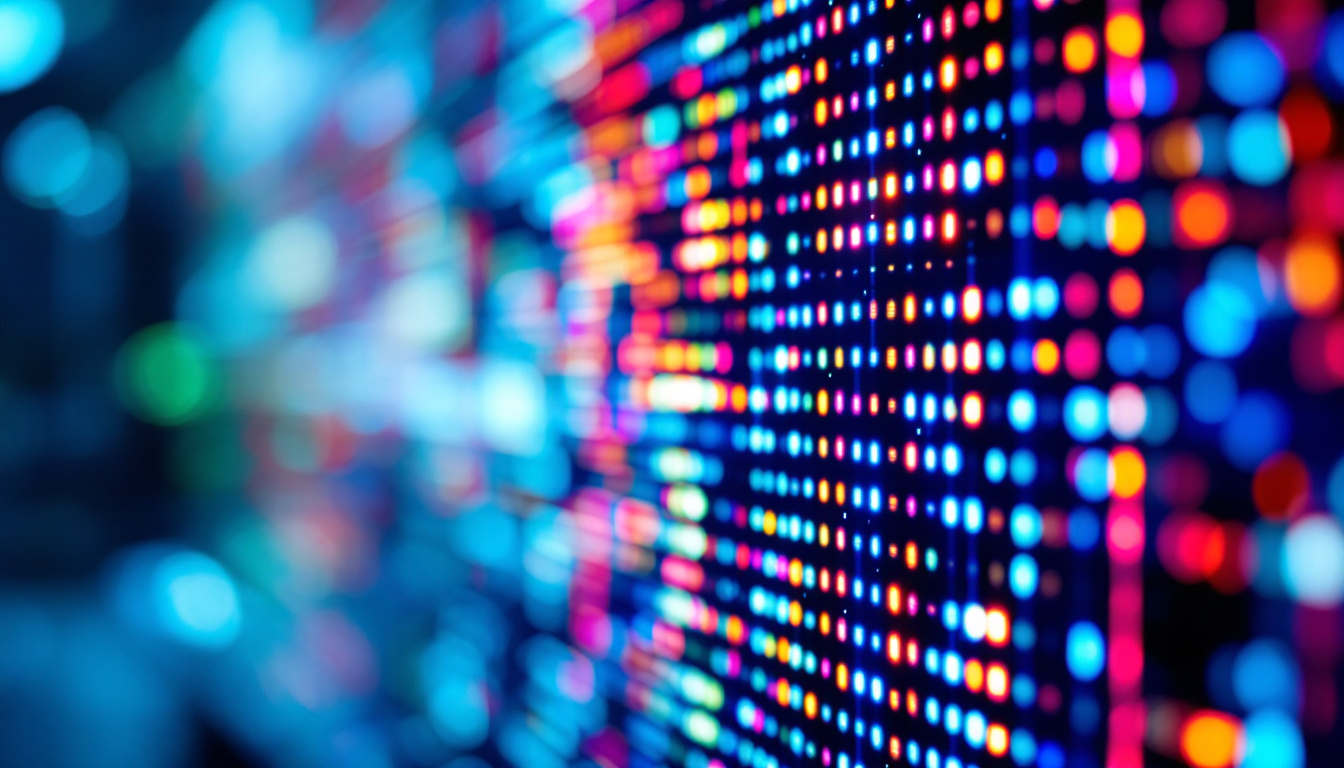
LED displays are composed of numerous tiny LEDs arranged in a grid or matrix. Each LED acts as a pixel, the smallest unit of the image displayed. By controlling the brightness and color of each pixel, the display can render complex images and videos. The technology behind LED displays allows for rapid refresh rates, which is crucial for displaying dynamic content such as sports events or fast-paced video games without blurring or ghosting. This capability has made LED displays a popular choice in various applications, from advertising billboards to high-end televisions.
There are two main types of LED displays: direct-view LED and LED-backlit LCD. Direct-view LED displays use LEDs as the light source and the image itself, where each pixel is an individual LED or cluster of LEDs. This type is commonly used in large outdoor screens and digital signage. In contrast, LED-backlit LCDs use LEDs to illuminate a liquid crystal display panel, which modulates the light to create images. This technology is prevalent in consumer TVs and monitors. Furthermore, advancements in LED technology, such as organic LEDs (OLEDs), have introduced even greater color accuracy and contrast ratios, enhancing the viewing experience significantly.
Types of LEDs Used in Displays
LED displays typically use either surface-mounted device (SMD) LEDs or through-hole LEDs. SMD LEDs are small, flat, and mounted directly onto the circuit board, allowing for high pixel density and better resolution. They are widely used in indoor and high-definition displays. Through-hole LEDs, on the other hand, are larger and protrude from the board, making them suitable for outdoor displays where brightness and durability are paramount. The choice between these types often hinges on the intended application; for instance, SMD technology is favored for indoor environments where space is limited and high resolution is desired, while through-hole LEDs are preferred for their visibility in bright outdoor settings.
Additionally, advancements in LED technology have led to the development of RGB (Red, Green, Blue) LEDs, which can produce a wide spectrum of colors by combining different intensities of these primary colors. This capability allows for vibrant displays that can captivate audiences, making them ideal for advertising and entertainment venues. Moreover, with the rise of smart technology, many LED displays now incorporate features such as touch sensitivity and connectivity to mobile devices, further enhancing user interaction and engagement.
Applications of LED Displays
Consumer Electronics
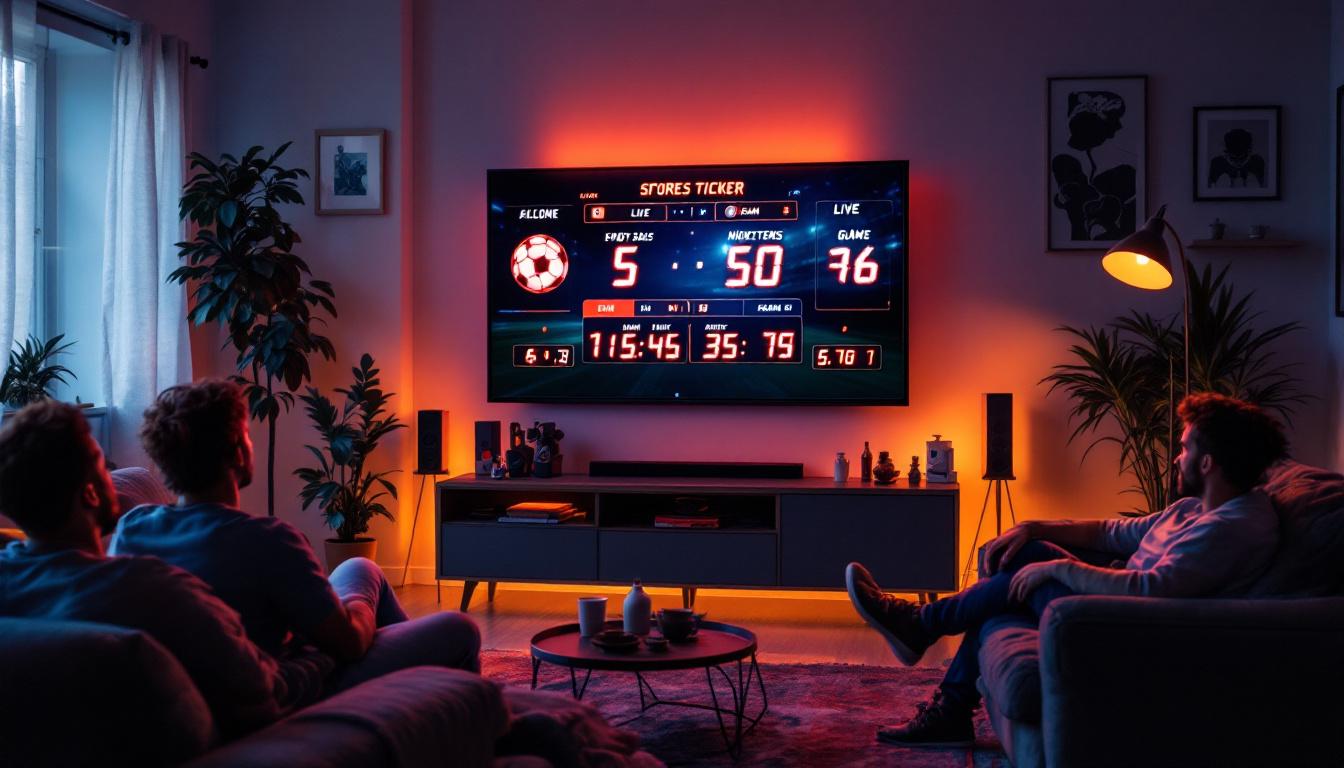
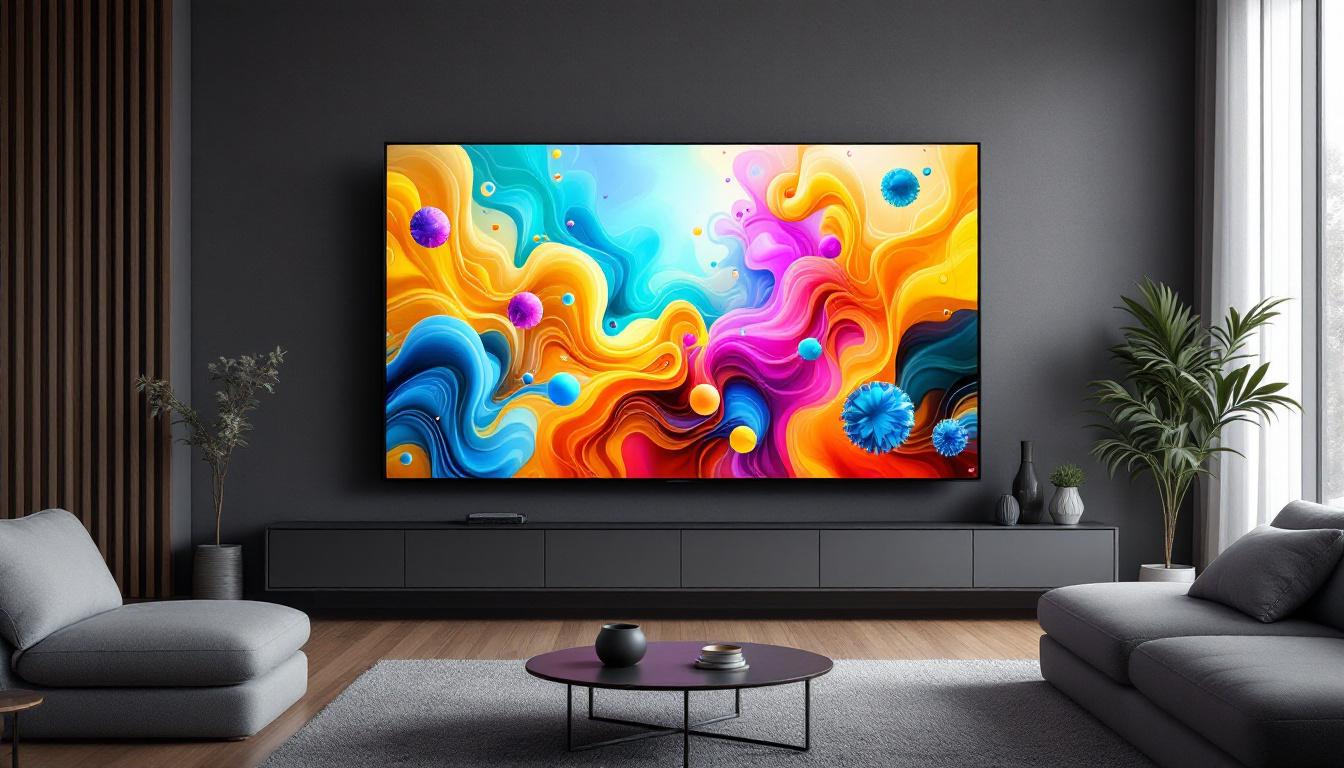
LED technology has revolutionized consumer electronics, particularly televisions and computer monitors. LED-backlit LCD TVs have largely replaced older CCFL-backlit models due to their slimmer profiles, improved energy efficiency, and better color accuracy. The market for LED TVs is massive; according to Statista, global LED TV shipments reached over 200 million units in 2023, reflecting strong consumer demand.
Smartphones and tablets also benefit from LED technology, especially OLED (organic LED) displays, which offer superior contrast and color vibrancy by using organic compounds that emit light.
Outdoor and Indoor Digital Signage
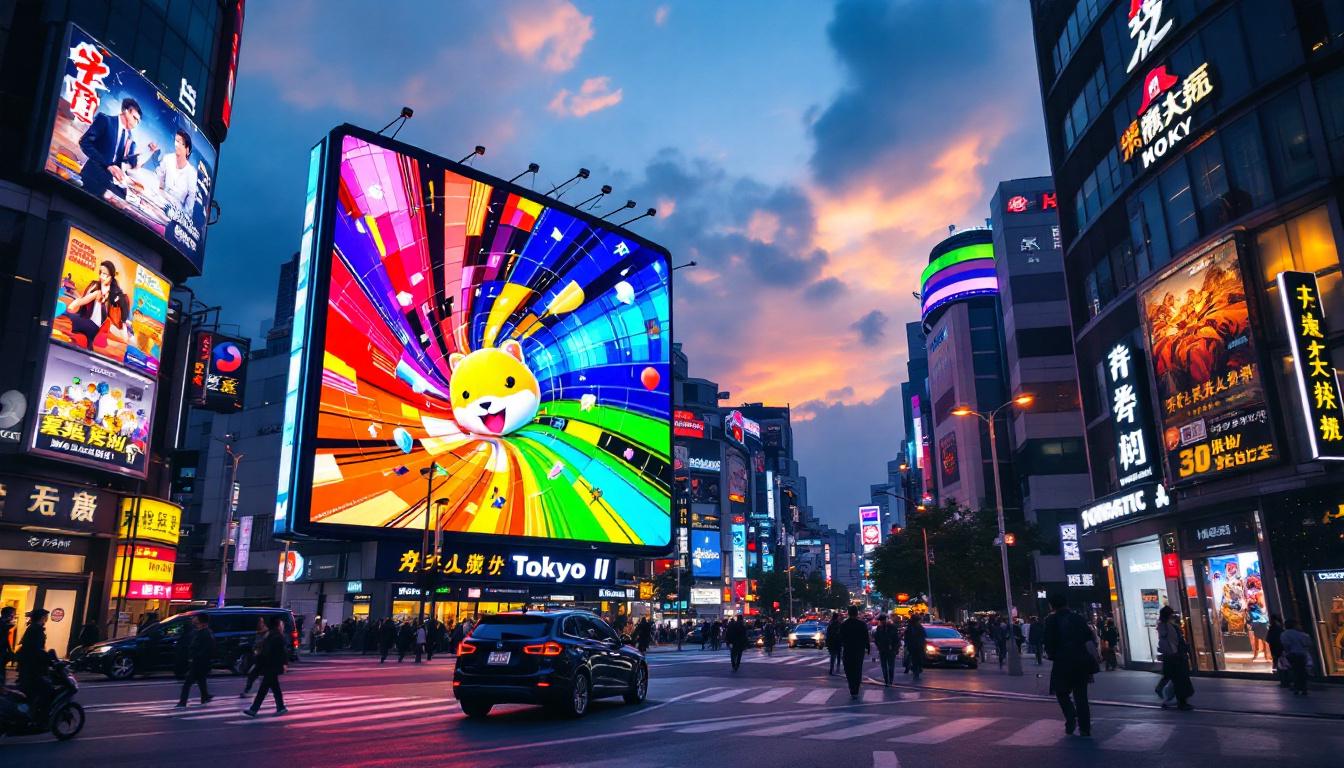
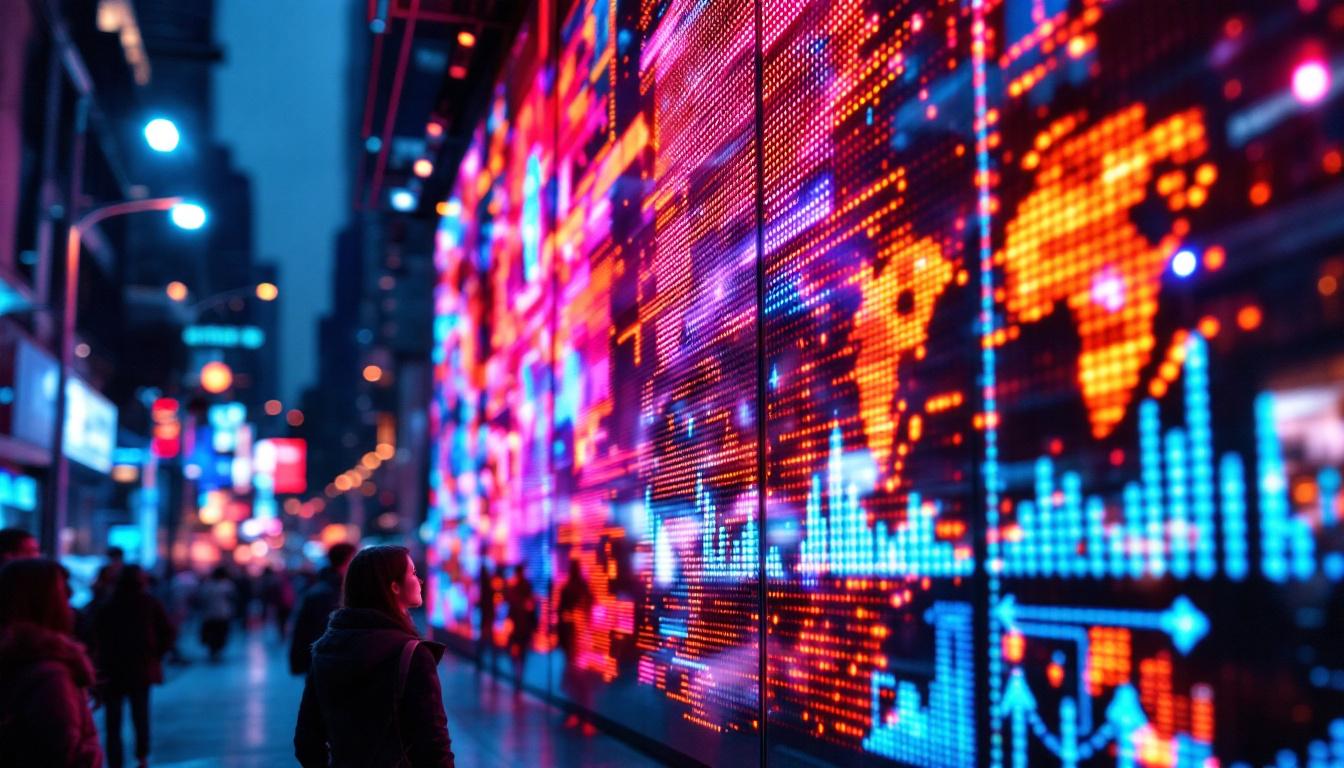
LED displays are the backbone of digital signage, both indoors and outdoors. From Times Square’s towering billboards to retail store signage, LED displays offer high brightness and visibility even in direct sunlight. Their modular design allows for large-scale screens that can be customized to virtually any size or shape.
Indoor LED displays are common in shopping malls, airports, and event venues, providing dynamic content that can be updated remotely. The ability to display vivid colors and high-resolution images makes LED signage a powerful marketing tool.
Sports and Entertainment Venues
Stadiums and arenas worldwide rely on massive LED screens to enhance the spectator experience. These displays show live action replays, advertisements, and interactive content. The high refresh rates and brightness levels ensure clear visibility from any seat, even under challenging lighting conditions.
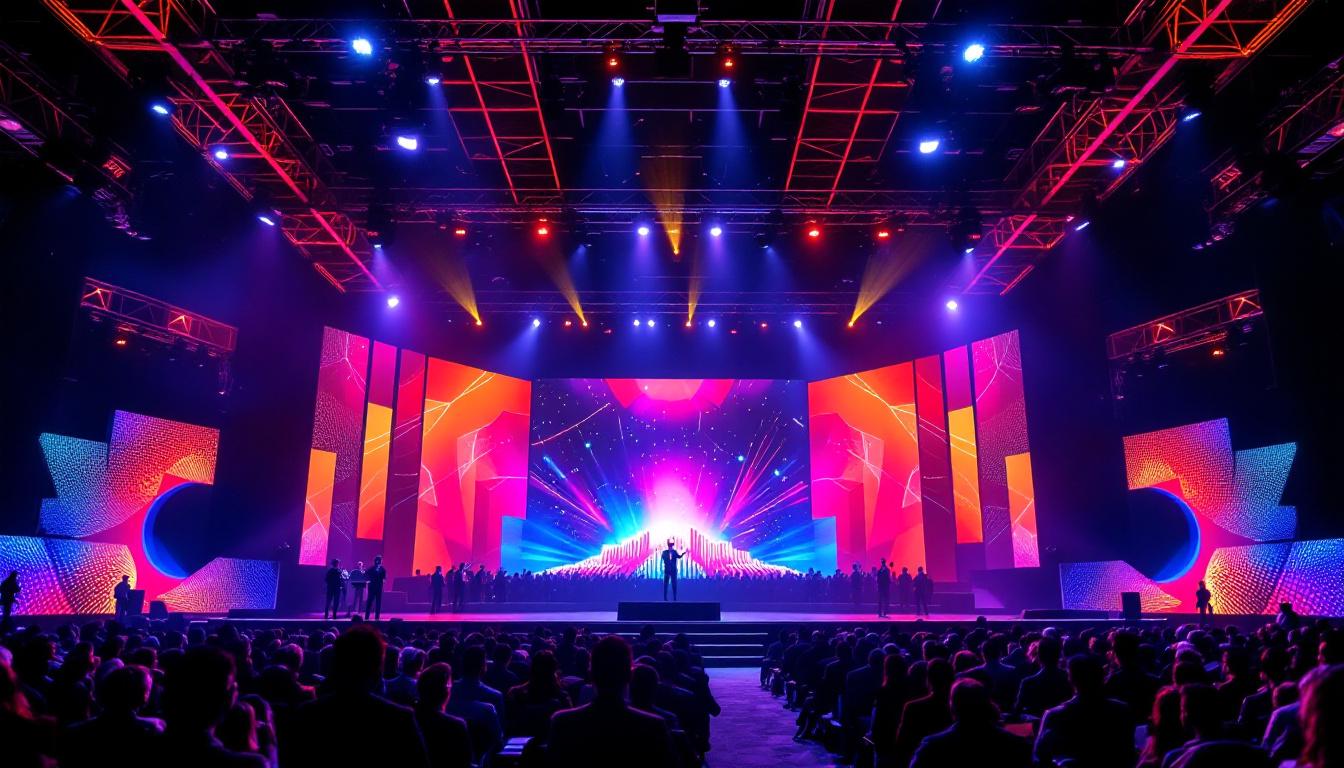
Concerts and festivals also utilize LED walls as backdrops, creating immersive visual effects that synchronize with performances.
Transportation and Public Information Systems
LED displays are integral to transportation hubs such as airports, train stations, and bus terminals. They provide real-time information on schedules, delays, and safety announcements. Their reliability and visibility in various lighting environments make them ideal for public information systems.
Advantages of LED Displays Over Other Technologies
Energy Efficiency
One of the most significant advantages of LED displays is their energy efficiency. LEDs consume far less power compared to traditional incandescent or fluorescent lighting. For example, an LED display can use up to 75% less energy than a comparable LCD display with CCFL backlighting. This efficiency translates into lower operational costs and reduced environmental impact.
Brightness and Visibility
LED displays offer superior brightness levels, often exceeding 1,000 nits for indoor displays and reaching tens of thousands of nits for outdoor screens. This high brightness ensures clear visibility even under direct sunlight or bright ambient lighting, a critical factor for outdoor advertising and public information displays.
Longevity and Durability
LEDs have a lifespan that can exceed 100,000 hours, significantly longer than other light sources. They are also more resistant to shock and vibration, making LED displays robust enough for outdoor and high-traffic environments. This durability reduces maintenance costs and downtime.
Color Accuracy and Contrast
LED displays provide excellent color reproduction and contrast ratios. Direct-view LED displays can achieve true blacks by turning off individual LEDs, unlike LCDs that rely on backlighting and struggle with black levels. This capability enhances image quality, making LED displays ideal for video content and detailed graphics.
Flexibility and Scalability
LED modules can be combined to create displays of virtually any size and shape. This modularity allows for highly customized installations, from curved screens to massive video walls. The scalability of LED technology makes it suitable for diverse applications, from handheld devices to giant stadium screens.
Key Considerations When Choosing an LED Display
Resolution and Pixel Pitch
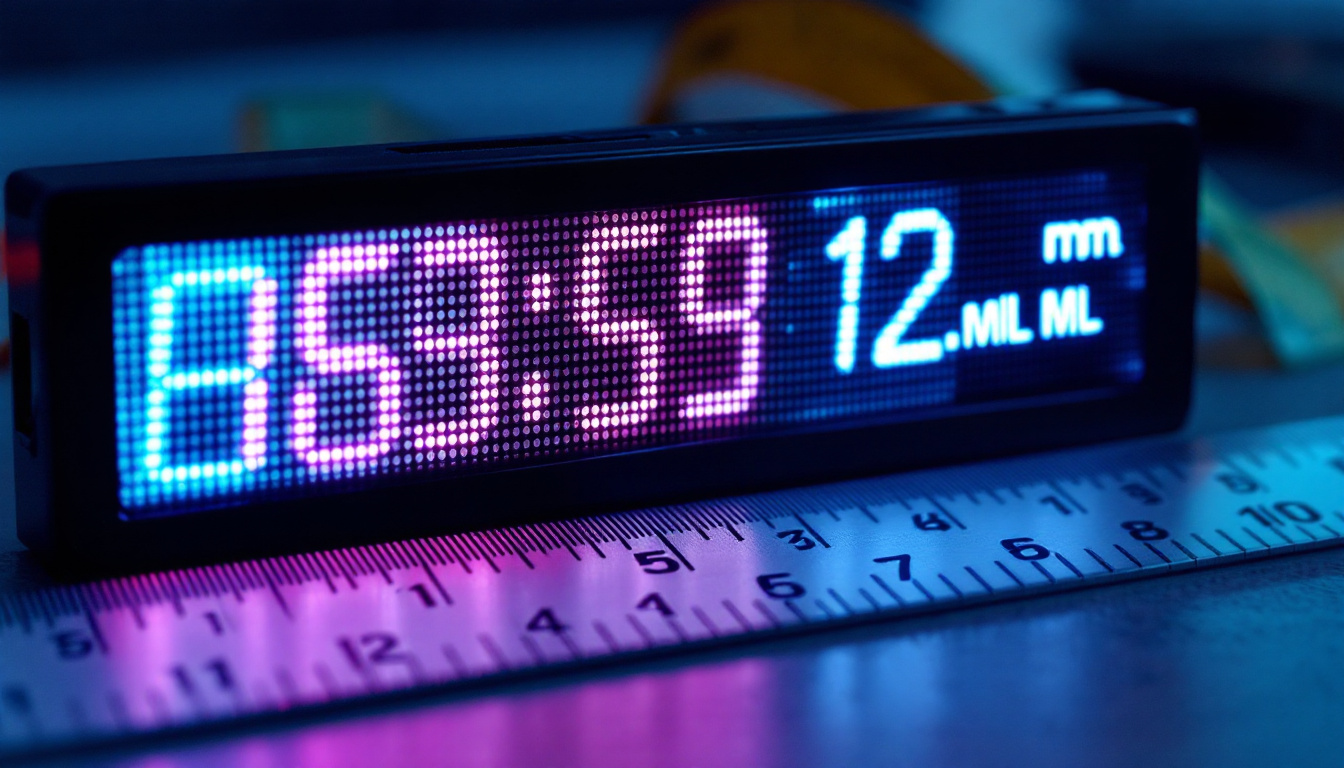
Resolution refers to the number of pixels in a display, while pixel pitch is the distance between the centers of two adjacent pixels, usually measured in millimeters. A smaller pixel pitch means higher pixel density and sharper images, which is crucial for close-viewing environments like indoor displays.
For outdoor displays viewed from a distance, a larger pixel pitch is acceptable and more cost-effective. Selecting the right resolution and pixel pitch depends on the intended viewing distance and application.
Brightness and Environmental Conditions
Brightness requirements vary based on where the display will be used. Outdoor displays need higher brightness to combat sunlight glare, often ranging from 5,000 to 10,000 nits or more. Indoor displays typically require lower brightness levels, around 500 to 1,000 nits, to avoid eye strain.
Environmental factors such as temperature, humidity, and exposure to elements also influence the choice of LED display. Outdoor models must be weatherproof and capable of operating in extreme conditions.
Refresh Rate and Viewing Angle
Refresh rate, measured in Hertz (Hz), indicates how many times per second the display updates its image. Higher refresh rates reduce flickering and improve the viewing experience, especially for video content and fast-moving images. A refresh rate of at least 60 Hz is standard, but some LED displays offer 120 Hz or higher.
Viewing angle is the maximum angle from which the display can be viewed without significant loss of image quality. Wide viewing angles are important for public displays to ensure visibility from multiple perspectives.
Installation and Maintenance
LED displays vary in installation complexity. Modular designs simplify assembly and repairs, while fixed installations may require professional setup. Maintenance considerations include ease of access to replace faulty modules and the availability of technical support.
Future Trends in LED Display Technology
MicroLED and MiniLED Innovations
MicroLED and MiniLED technologies represent the next evolution in LED displays. MicroLEDs are microscopic LEDs that offer even higher resolution, better contrast, and improved energy efficiency compared to traditional LEDs. They are poised to revolutionize consumer electronics with brighter, thinner, and more durable screens.
MiniLEDs, slightly larger than MicroLEDs, are already enhancing LCD backlighting by providing more localized dimming zones, improving contrast and color accuracy.
Flexible and Transparent LED Displays
Advancements in flexible LED technology allow screens to bend and curve, opening new possibilities for wearable devices, automotive displays, and architectural installations. Transparent LED displays enable screens that can be seen through, ideal for retail windows and augmented reality applications.
Integration with IoT and Smart Technologies
LED displays are increasingly integrated with Internet of Things (IoT) platforms, enabling dynamic content updates, remote management, and interactive features. Smart LED displays can adapt content based on audience demographics, time of day, or environmental conditions, enhancing engagement and efficiency.
Conclusion
LED displays have transformed the way information and entertainment are delivered across multiple sectors. Their combination of energy efficiency, brightness, durability, and flexibility makes them a versatile choice for everything from personal devices to massive public installations. As technology continues to advance, innovations like MicroLED and flexible displays promise to further enhance visual experiences.
Understanding the fundamentals of LED display technology helps businesses and consumers make informed decisions when selecting displays that best suit their needs. Whether for advertising, entertainment, or communication, LED displays remain at the forefront of visual technology, illuminating the future of digital content.
Illuminate Your Space with LumenMatrix
Ready to bring the future of digital content into your space? LumenMatrix is at the cutting edge of LED display technology, offering a wide array of solutions that cater to your unique needs. From vibrant Indoor LED Walls to dynamic Outdoor LED Displays, and from sleek LED Posters to immersive LED Sports Displays, our products are designed to captivate and engage. Discover how LumenMatrix can transform your visual communication and create unforgettable experiences. Check out LumenMatrix LED Display Solutions today and light up your world with clarity and impact.