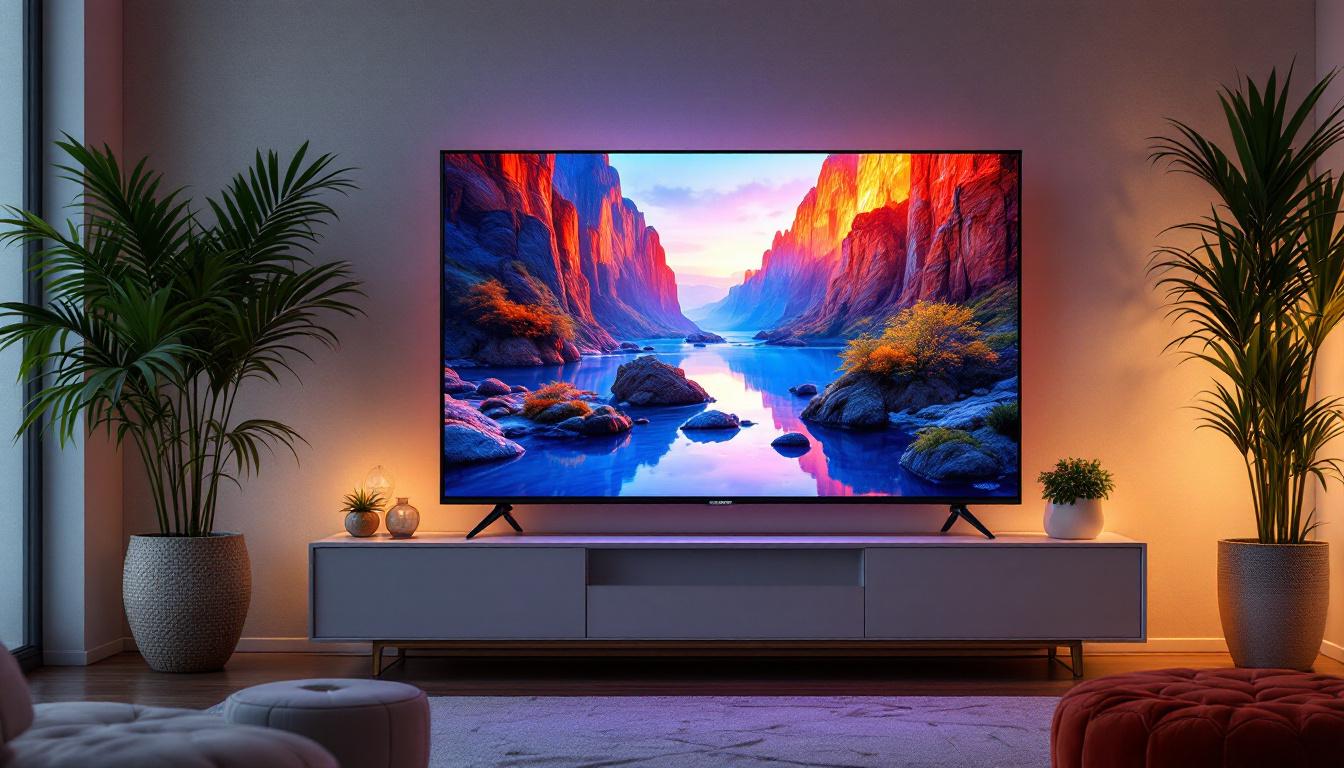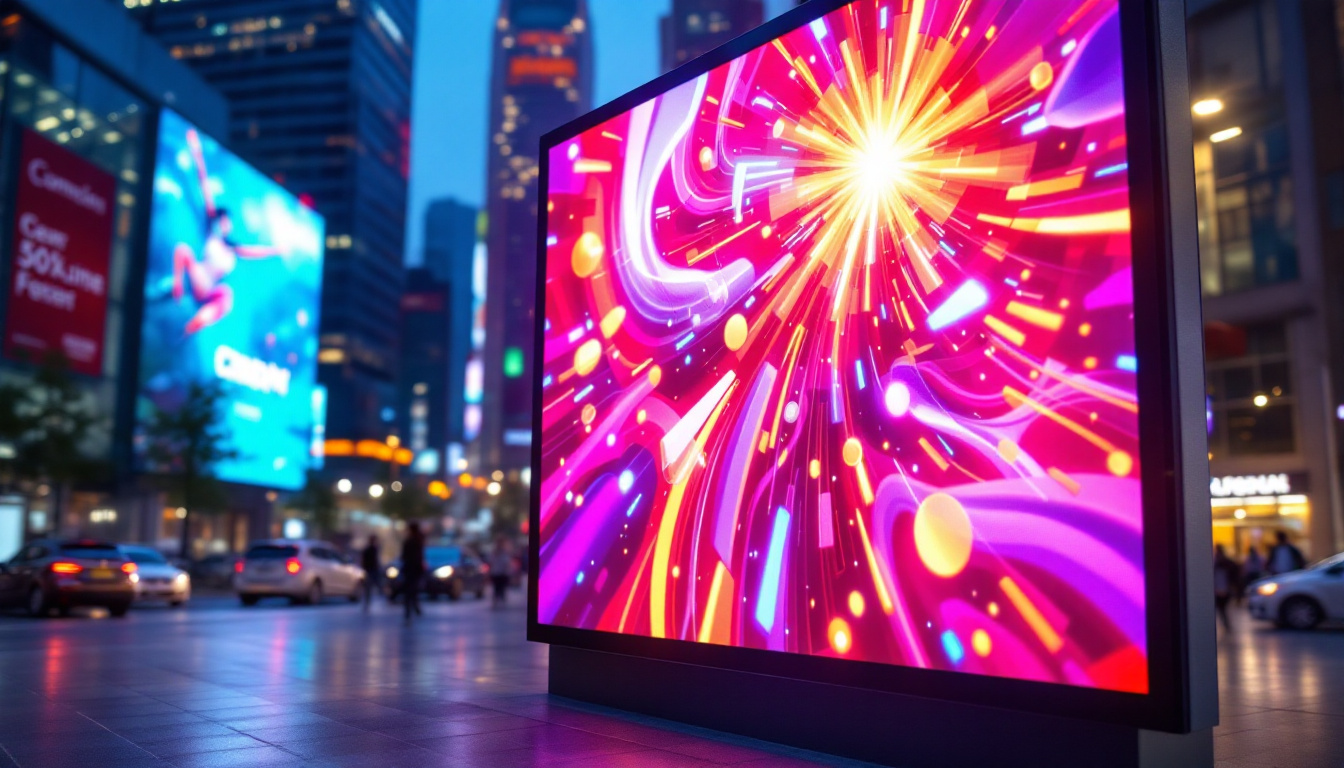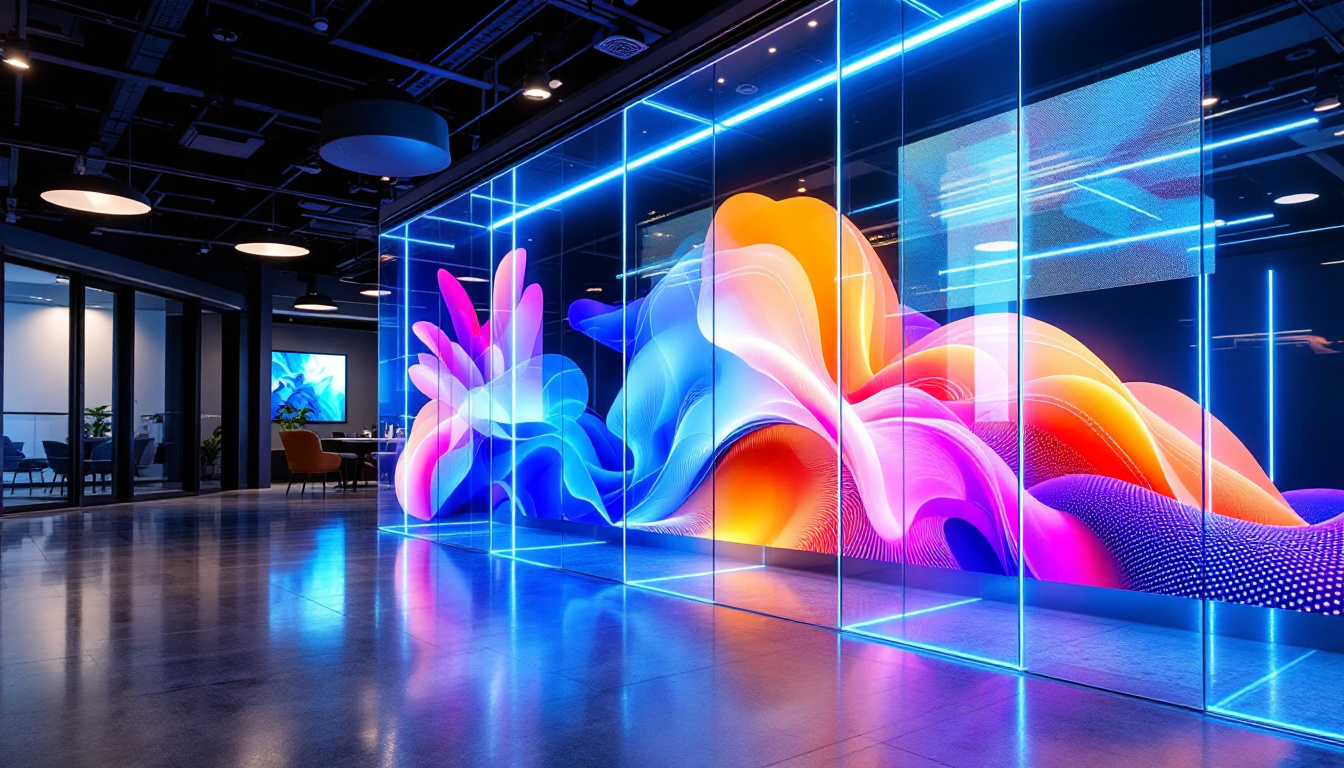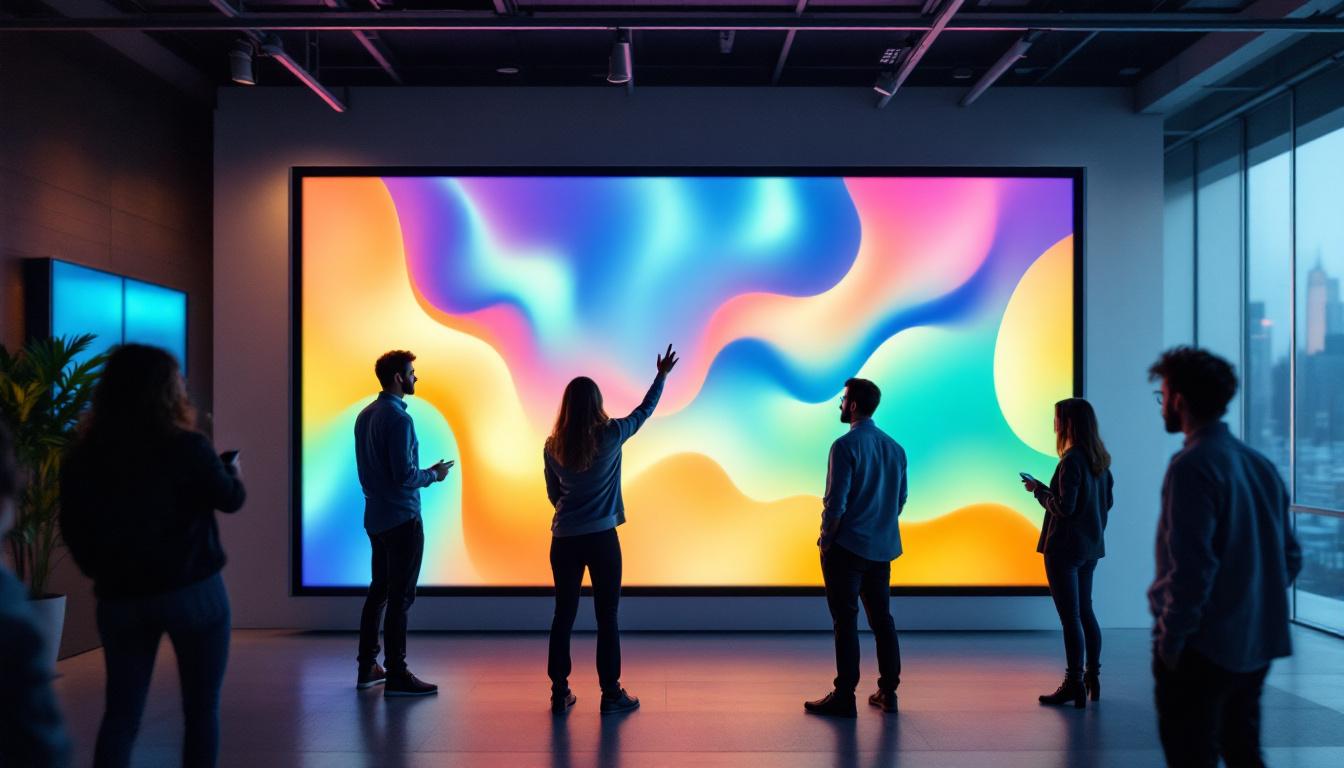
In today’s fast-paced retail environment, capturing customer attention is more challenging than ever. Traditional static signs no longer suffice in engaging shoppers who are bombarded with countless visual stimuli daily. Enter digital signage—particularly LED displays—which have revolutionized how retailers communicate, promote, and enhance the shopping experience. This article explores the role of LED digital signage in retail stores, explaining its technology, benefits, and best practices for implementation.
Understanding LED Digital Signage Technology
What Is LED Digital Signage?
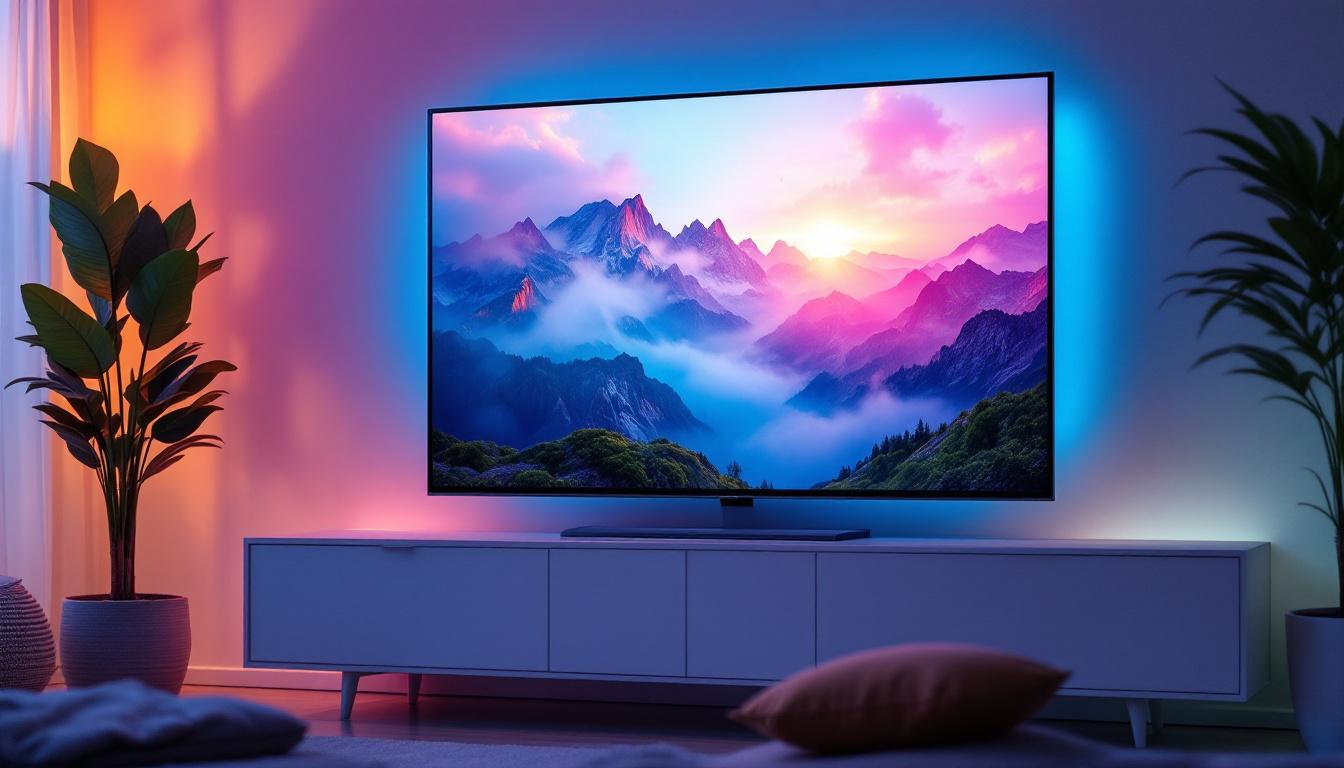
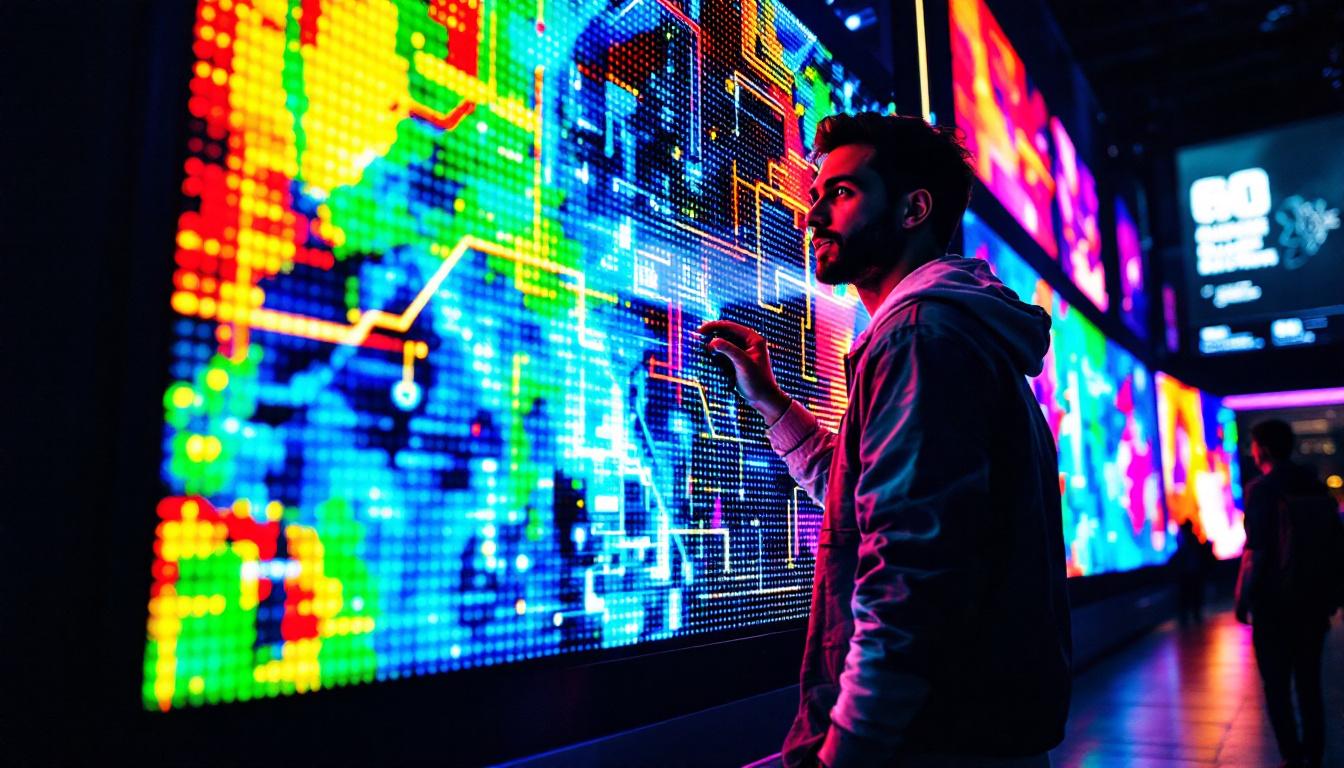
LED (Light Emitting Diode) digital signage refers to display screens that use LEDs as their light source to present dynamic content such as images, videos, and animations. Unlike LCD or OLED screens, LED displays consist of numerous tiny LEDs arranged in a matrix, which emit light directly, resulting in vibrant colors and high brightness levels.
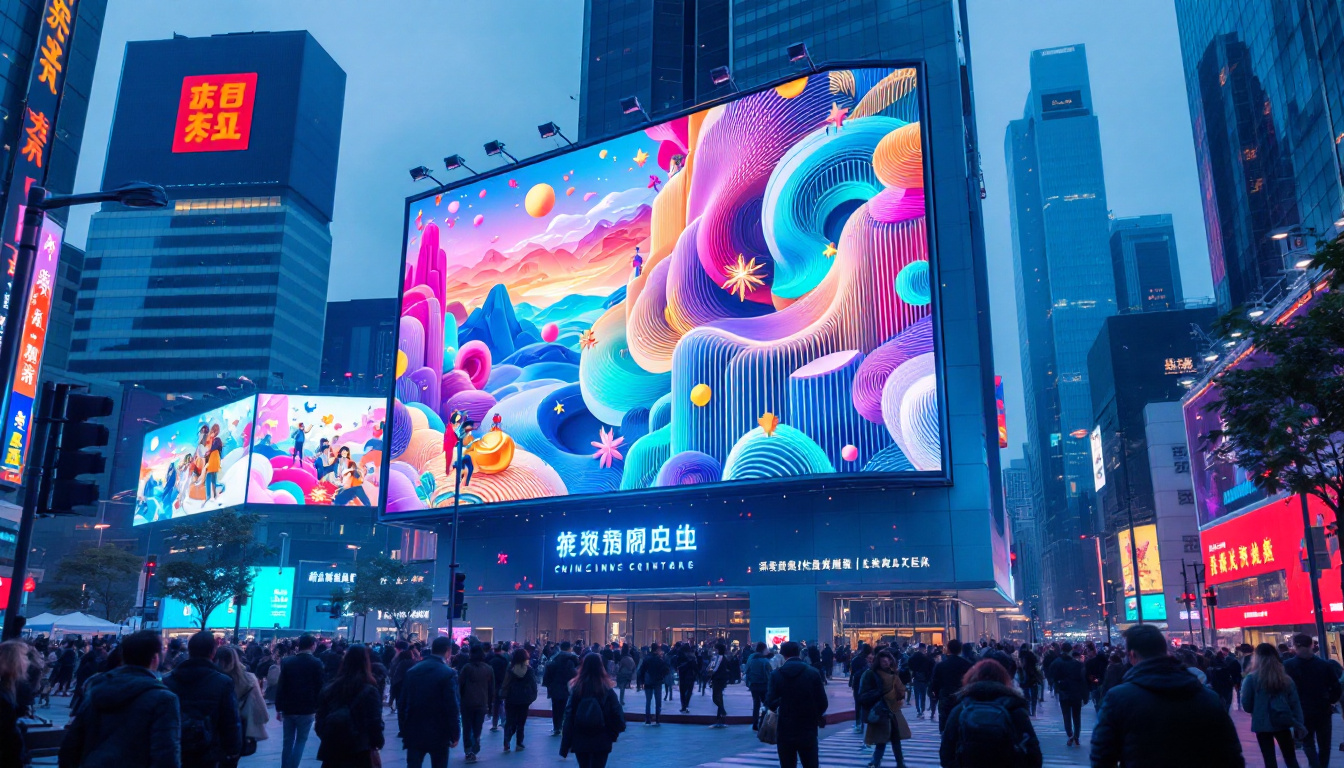
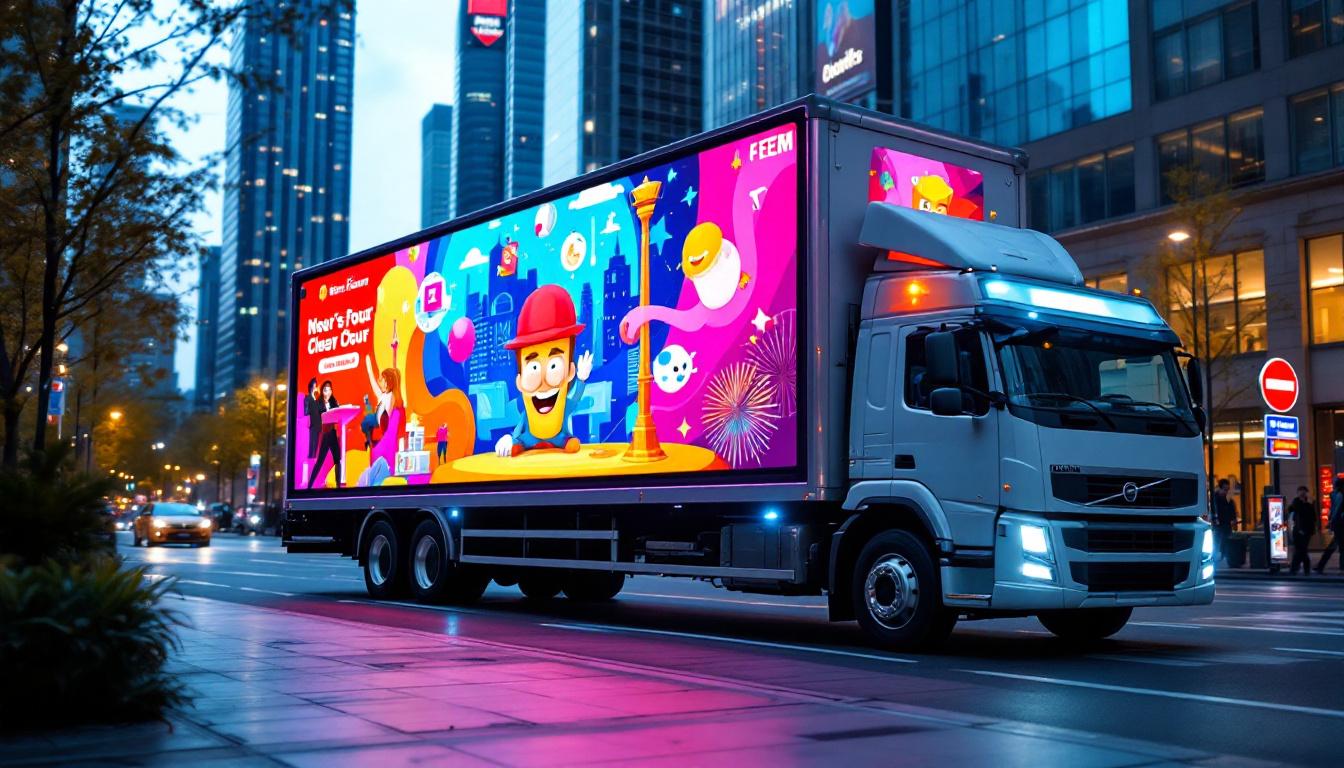
These displays can range from small indoor screens to massive outdoor billboards, making them versatile for various retail environments. The modular nature of LED panels allows retailers to customize screen sizes and shapes, adapting to unique store layouts and branding needs. This flexibility not only enhances aesthetic appeal but also improves customer engagement by allowing businesses to showcase promotions, new products, or interactive content tailored to their audience.
Moreover, LED digital signage is increasingly being integrated with smart technologies, such as sensors and analytics tools, enabling real-time data collection and audience targeting. This means that retailers can adjust their content based on factors like foot traffic, time of day, or even weather conditions, ensuring that the messaging is always relevant and impactful.
How LED Displays Work
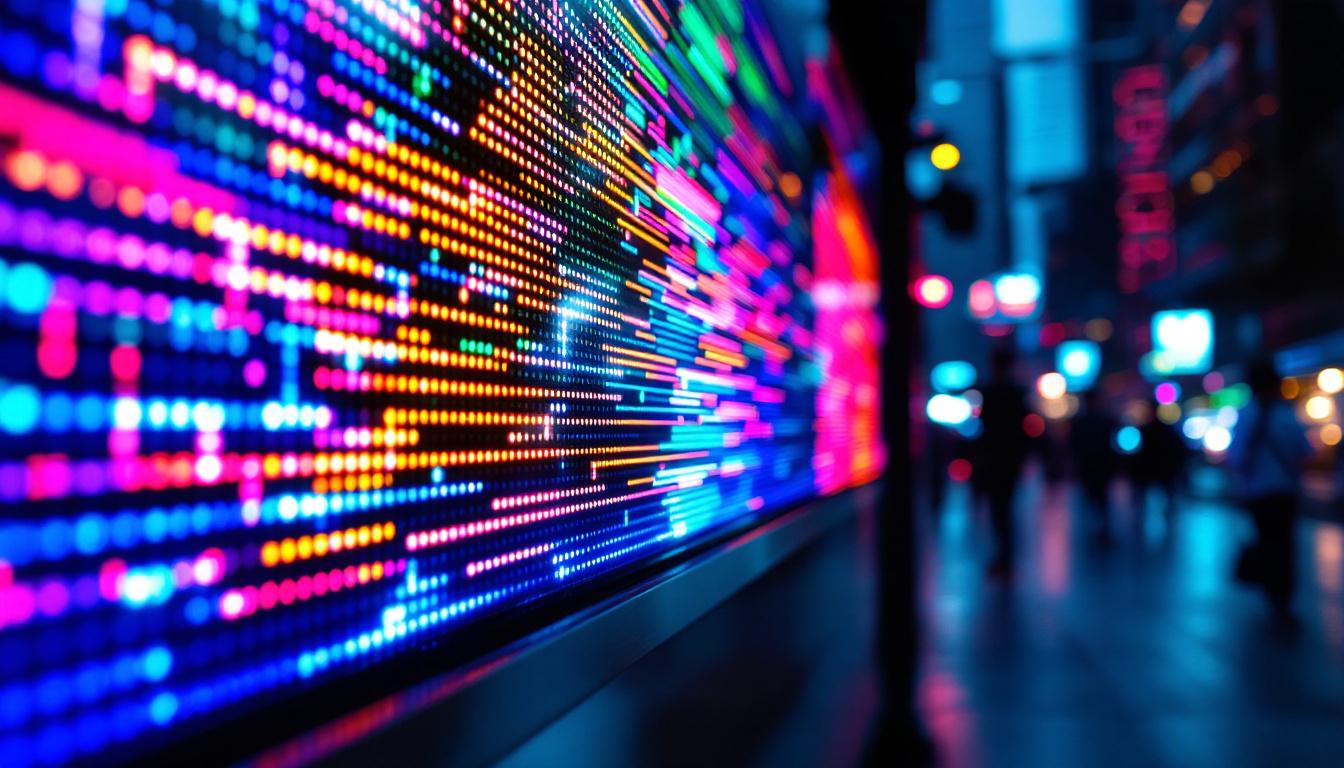
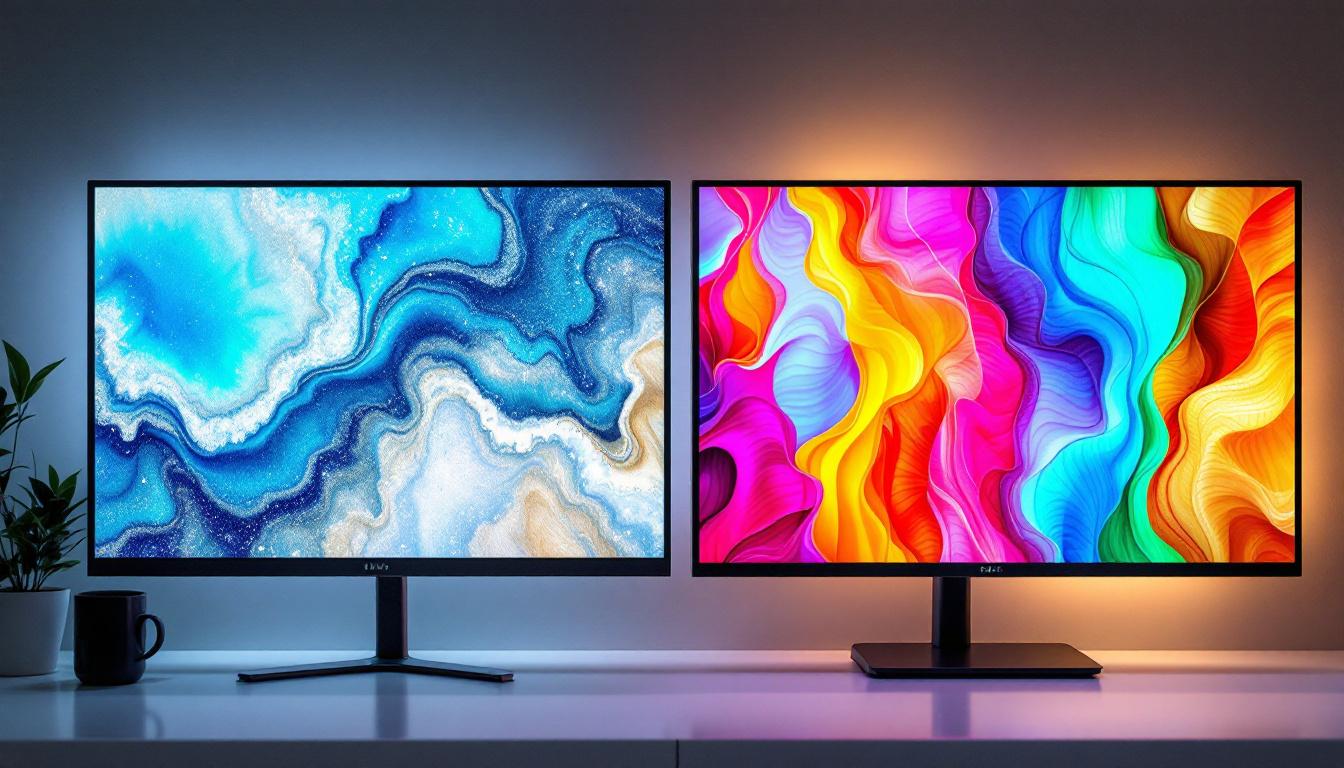
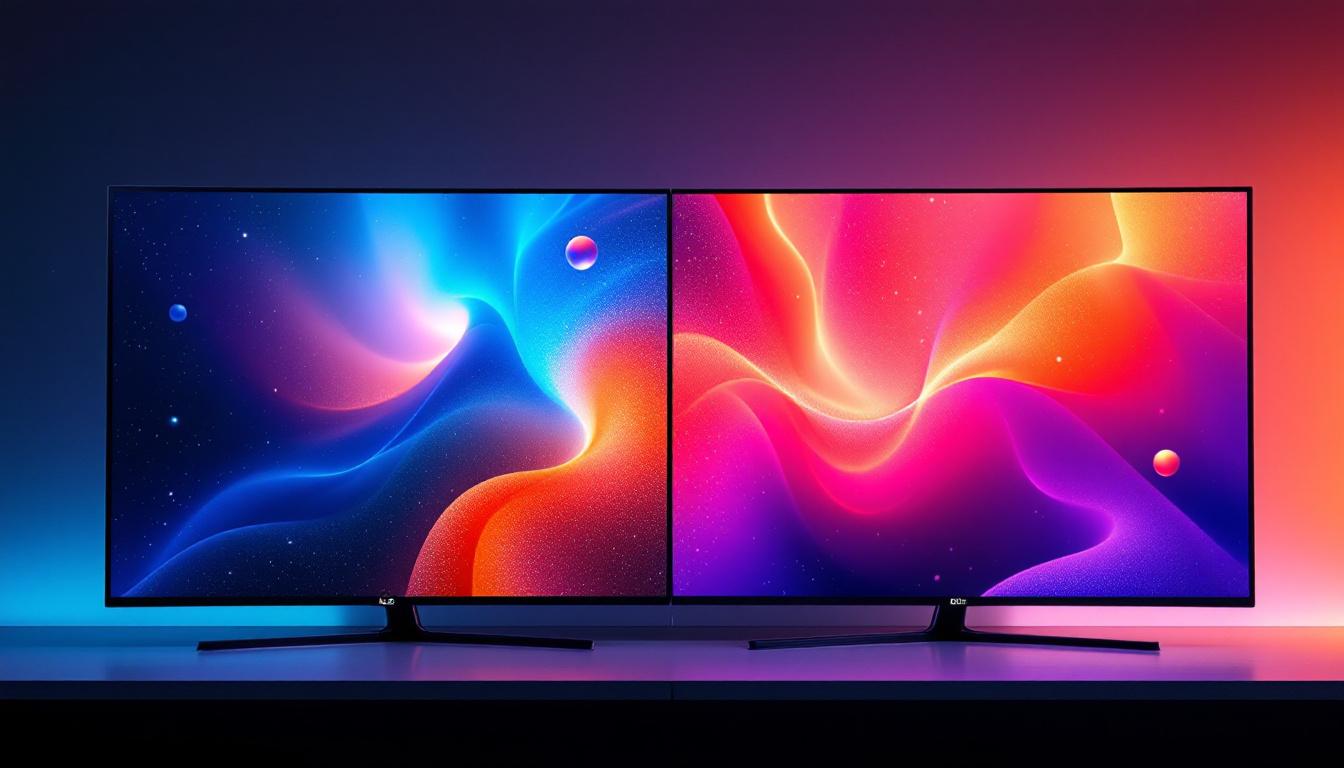
Each LED in the display acts as a pixel, emitting red, green, or blue light. By adjusting the intensity of these LEDs, the screen produces a wide spectrum of colors. The direct emission of light from LEDs results in superior brightness and contrast compared to backlit LCD screens.
LED displays are typically categorized into two types: Direct View LED (DVLED) and LED-backlit LCD. DVLED screens are composed entirely of LEDs and are commonly used in large-format displays, while LED-backlit LCDs use LEDs only as a backlight source behind an LCD panel. For retail digital signage, DVLED is preferred for its brightness and scalability.
In addition to their impressive visual capabilities, LED displays are also known for their energy efficiency and longevity. Unlike traditional lighting methods, LEDs consume significantly less power, which translates to lower operational costs for businesses. Furthermore, the lifespan of an LED display can exceed 100,000 hours, making them a cost-effective investment in the long run. This durability is particularly advantageous for outdoor applications, where displays are exposed to harsh weather conditions and require minimal maintenance.
Another factor contributing to the popularity of LED digital signage is its ability to support high refresh rates and fast response times. This means that moving images and videos appear smooth and fluid, enhancing the viewer’s experience. As a result, businesses can create captivating advertisements that capture attention and drive engagement, ultimately leading to increased sales and brand loyalty.
Why LED Digital Signage Is Ideal for Retail Stores
High Visibility and Brightness
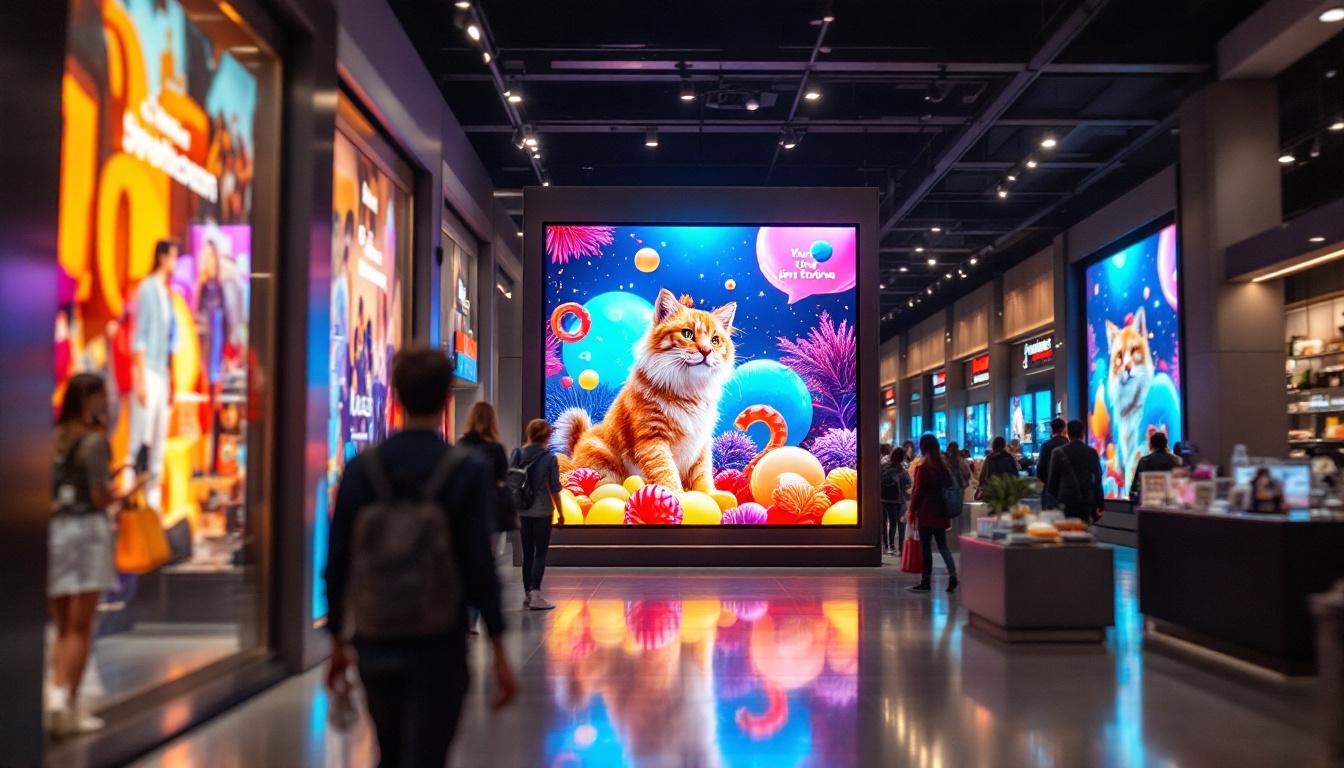
Retail stores often contend with varying lighting conditions, from bright daylight streaming through windows to dimly lit interiors. LED displays offer exceptional brightness levels—often exceeding 1,000 nits for indoor screens and going much higher for outdoor installations—ensuring content remains clear and eye-catching regardless of ambient light.
This high visibility is crucial for attracting passersby and drawing attention to promotions or new products. Studies have shown that digital signage can increase customer engagement by up to 30%, making LED displays a powerful tool for retailers looking to boost foot traffic.
Dynamic Content and Real-Time Updates
One of the most significant advantages of LED digital signage is its ability to display dynamic, multimedia content. Retailers can showcase promotional videos, product demonstrations, social media feeds, and even interactive content that responds to customer behavior.
Moreover, content can be updated in real-time, allowing stores to adapt messaging based on inventory levels, time of day, or special events. For example, a clothing retailer might highlight rain gear during a sudden weather change or promote flash sales during slow hours.
Energy Efficiency and Longevity
LED technology is inherently energy-efficient compared to other display types. LEDs consume less power and generate less heat, resulting in lower operating costs for retailers. Additionally, LED displays boast long lifespans, often exceeding 50,000 hours of use, which translates to years of reliable performance without frequent replacements.
For retailers mindful of sustainability and cost-effectiveness, investing in LED digital signage offers both environmental and financial benefits.
Key Benefits of LED Digital Signage in Retail
Enhanced Customer Engagement and Experience
Digital signage powered by LED displays transforms the in-store experience from passive browsing to active engagement. High-resolution visuals and captivating animations can guide customers through product features, usage tips, and promotions, making shopping more informative and enjoyable.
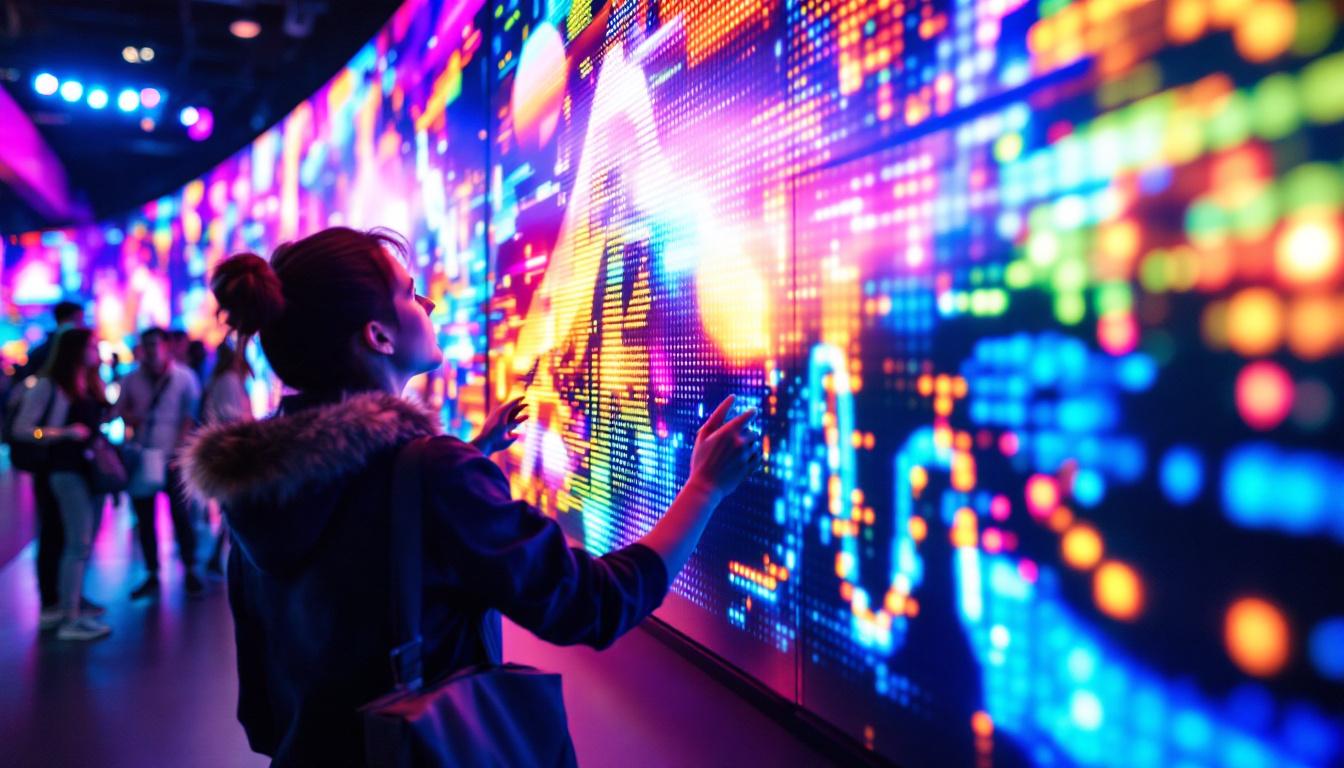
Interactive LED screens can further elevate engagement by enabling touch-based navigation or integrating with mobile apps. This interactivity fosters a personalized shopping journey, increasing the likelihood of purchase.
Increased Sales and Conversion Rates
Numerous studies confirm that digital signage positively impacts sales. According to a report by the Digital Signage Federation, 68% of consumers say digital signage influenced their decision to enter a store, and 47% made an unplanned purchase after seeing digital signage content.
By strategically placing LED displays near product aisles or checkout counters, retailers can upsell complementary items or highlight limited-time offers, effectively driving higher average transaction values.
Brand Differentiation and Modernization
In a competitive retail landscape, standing out is essential. LED digital signage conveys a modern, tech-savvy brand image that resonates with today’s consumers. The ability to showcase high-quality visuals and tailor content to specific demographics helps retailers create a memorable brand presence.
Furthermore, LED signage can be integrated with overall marketing strategies, reinforcing brand messaging consistently across physical and digital channels.
Implementing LED Digital Signage in Retail Stores
Assessing Store Needs and Objectives
Before investing in LED digital signage, retailers should clearly define their goals. Are they aiming to increase foot traffic, promote specific products, improve customer experience, or all of the above? Understanding these objectives will guide decisions on screen size, placement, and content strategy.
Additionally, evaluating the store layout, lighting conditions, and customer flow patterns helps determine the optimal locations for LED displays to maximize impact.
Choosing the Right LED Display
Several factors influence the selection of LED digital signage:
- Resolution and Pixel Pitch: Pixel pitch—the distance between individual LEDs—affects image clarity. Smaller pixel pitches (e.g., 1.5mm to 3mm) are ideal for close viewing distances inside stores, while larger pitches suit bigger, distant displays.
- Size and Aspect Ratio: Screen dimensions should complement the space without overwhelming it. Common aspect ratios like 16:9 work well for video content.
- Brightness and Contrast: Ensure the display can handle ambient lighting conditions effectively.
- Durability and Maintenance: Consider the environment—whether the display will be indoors or outdoors—and choose models with appropriate protection against dust, moisture, and impact.
Content Creation and Management
Compelling content is the heart of effective digital signage. Retailers should invest in professional design that aligns with brand identity and marketing goals. Content should be visually appealing, easy to understand, and concise to capture attention quickly.
Content management systems (CMS) allow retailers to schedule, update, and tailor messaging remotely. Advanced CMS platforms enable data-driven content adjustments based on sales trends, weather, or customer demographics, enhancing relevance and effectiveness.
Integration with Other Retail Technologies
LED digital signage can be integrated with other in-store technologies such as inventory management, point-of-sale systems, and customer analytics tools. This integration allows real-time synchronization of promotions with stock availability and personalized messaging based on shopper profiles.
For example, a retailer could display targeted ads for loyalty program members or use sensors to trigger content when customers approach specific displays.
Challenges and Considerations
Initial Investment and ROI
While LED digital signage offers numerous benefits, the upfront costs can be substantial, especially for large or high-resolution displays. Retailers must carefully evaluate the expected return on investment (ROI) by considering increased sales, improved customer engagement, and operational efficiencies.
Leasing options and modular installations can help mitigate initial expenses, allowing gradual scaling of digital signage capabilities.
Content Overload and Visual Fatigue
Excessive or poorly designed content can overwhelm customers, leading to visual fatigue or message dilution. Maintaining a balance between eye-catching visuals and clear, focused messaging is critical.
Regularly refreshing content and using analytics to monitor engagement can help optimize the effectiveness of LED signage.
Technical Maintenance and Support
LED displays require ongoing maintenance to ensure optimal performance. Retailers should plan for routine cleaning, software updates, and prompt troubleshooting of technical issues.
Partnering with experienced vendors who offer comprehensive support services can minimize downtime and extend the lifespan of LED signage investments.
Future Trends in Retail LED Digital Signage
Interactive and Immersive Experiences
Emerging technologies such as augmented reality (AR) and gesture recognition are being integrated with LED digital signage to create immersive shopping experiences. Interactive displays can engage customers in novel ways, from virtual try-ons to gamified promotions.
AI-Driven Personalization
Artificial intelligence (AI) is enabling hyper-personalized content delivery based on real-time data analytics. Retailers can tailor messaging dynamically to individual shoppers, enhancing relevance and boosting conversion rates.
Eco-Friendly Innovations
With growing emphasis on sustainability, LED manufacturers are developing more energy-efficient and recyclable components. Retailers adopting green technologies can appeal to environmentally conscious consumers while reducing operational costs.
Conclusion
LED digital signage represents a transformative tool for retail stores seeking to enhance customer engagement, increase sales, and modernize their brand presence. Its superior brightness, dynamic content capabilities, and energy efficiency make it ideally suited for the diverse challenges of retail environments.
Successful implementation requires careful planning—from selecting the right technology and designing compelling content to integrating with broader retail systems and maintaining the displays effectively. As technology evolves, LED digital signage will continue to offer innovative opportunities for retailers to connect with customers in meaningful and memorable ways.
Discover the Future of Retail with LumenMatrix LED Displays
Ready to elevate your retail space with the vibrant, energy-efficient, and dynamic capabilities of LED digital signage? LumenMatrix is at the forefront of LED display innovation, offering a diverse range of solutions tailored to your unique branding needs. From Indoor and Outdoor LED Wall Displays to specialized options like Vehicle, Sports, and Floor LED Displays, our technology is designed to captivate and engage your customers like never before. Experience the transformative power of our Custom, All-in-One, and Transparent LED Displays and see how LumenMatrix is redefining visual communication in the retail industry. Check out LumenMatrix LED Display Solutions today and join the revolution in retail digital signage.