In recent years, LED technology has revolutionized the way we experience visual media, from smartphones to massive outdoor screens. Among its many applications, LED displays have become a cornerstone in television technology, offering vibrant colors, higher contrast, and energy efficiency. One of the most innovative developments in this field is the concept of LED TV tiles, which are transforming the design and functionality of modern LED displays. This article explores what LED TV tiles are, how they work, their advantages, and their impact on the future of television technology.
Understanding LED Display Technology
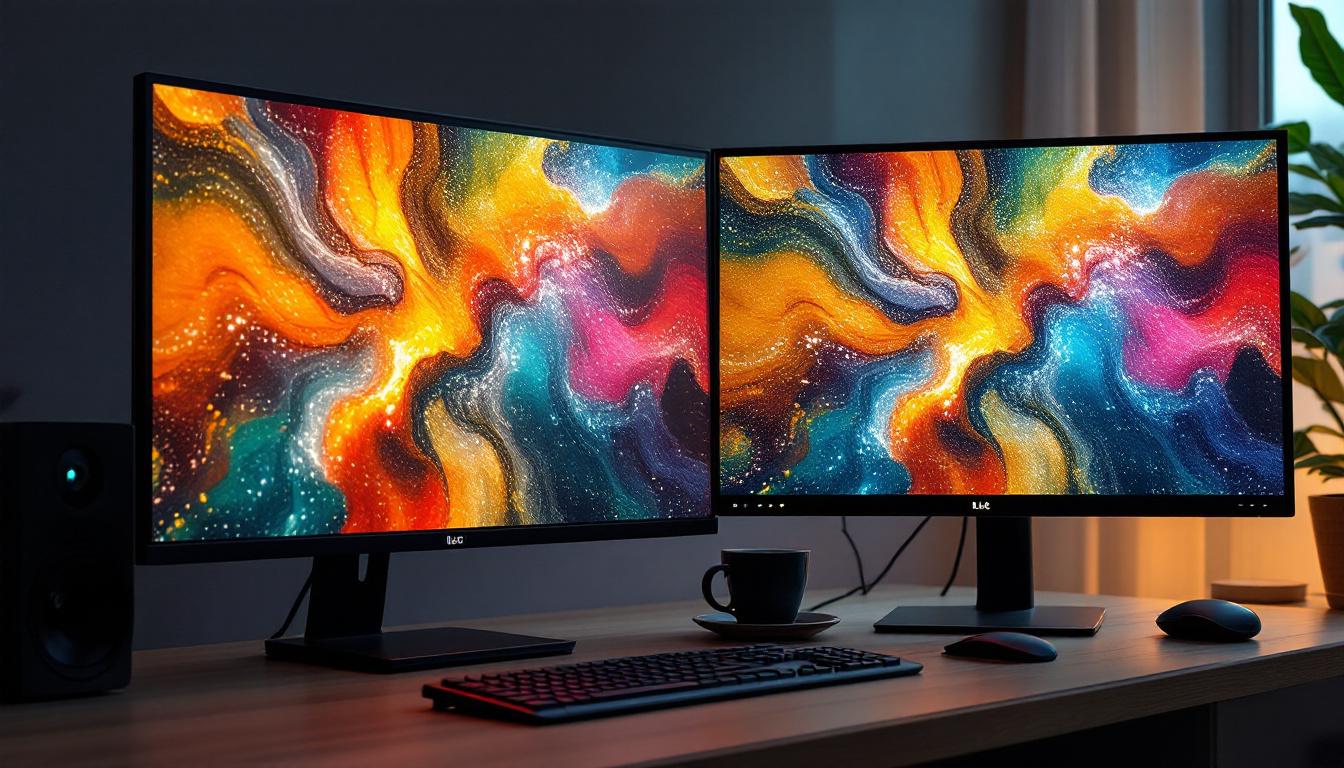
Before diving into LED TV tiles, it’s important to understand the basics of LED display technology. LED stands for Light Emitting Diode, a semiconductor device that emits light when an electric current passes through it. Unlike traditional LCD TVs, which rely on backlighting, LED displays use these tiny diodes to produce light directly, resulting in brighter images and better color accuracy. This direct emission of light not only enhances the visual experience but also contributes to energy efficiency, making LED displays a more sustainable choice for consumers and businesses alike.
LED displays come in two main types: edge-lit and direct-lit. Edge-lit LED TVs place LEDs along the edges of the screen, using light guides to distribute brightness evenly. Direct-lit LED TVs, on the other hand, position LEDs directly behind the display panel, allowing for more precise control of lighting and contrast. Both types have their advantages, but the evolution towards modular LED tiles is pushing the boundaries even further. The advancements in LED technology have also led to improvements in refresh rates and response times, making them ideal for fast-paced content such as sports and action movies.
What Are LED TV Tiles?
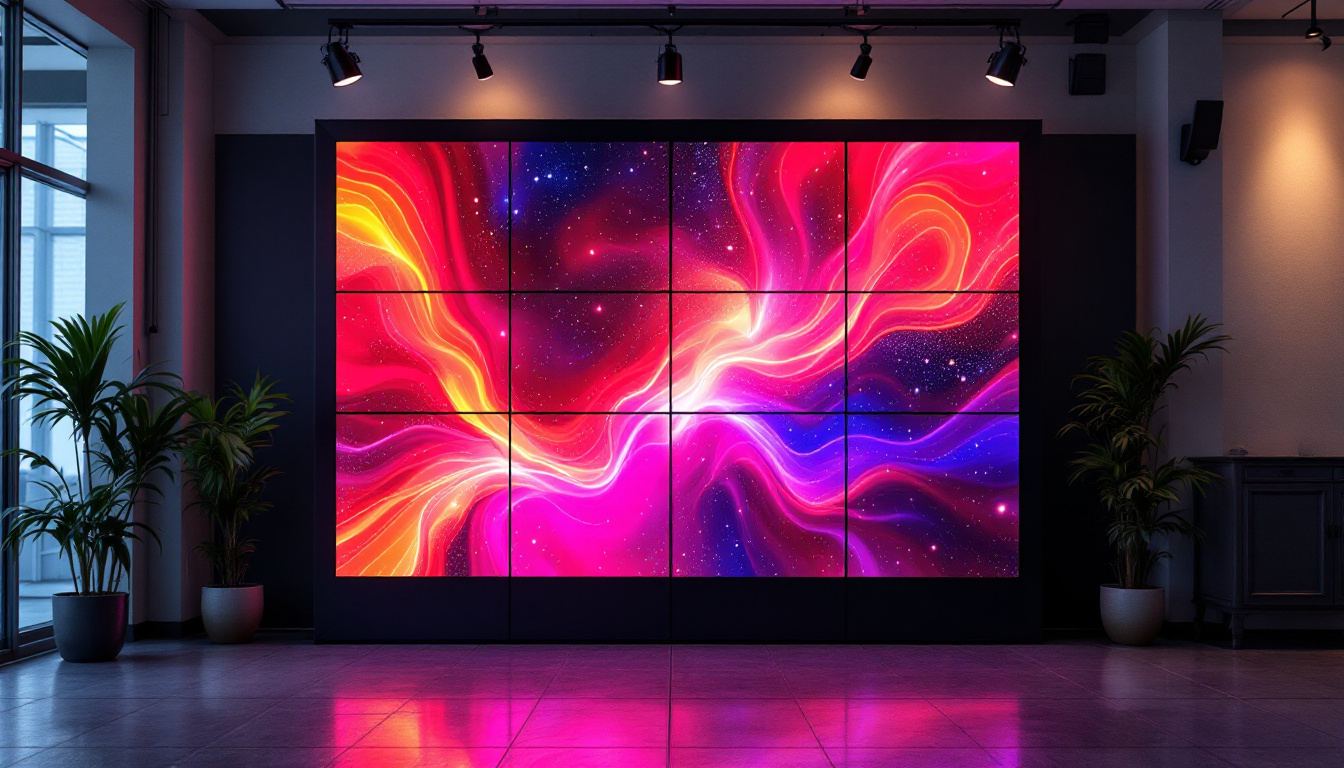
LED TV tiles are modular components that make up an LED display. Instead of manufacturing a single large screen, the display is constructed from multiple smaller LED tiles or panels that fit together seamlessly. Each tile contains a grid of LEDs, which can be individually controlled to produce images and videos. This modular approach enables manufacturers to create screens of varying sizes and resolutions by simply adding or removing tiles. This flexibility is particularly beneficial for businesses that require customized solutions for their advertising or informational displays.
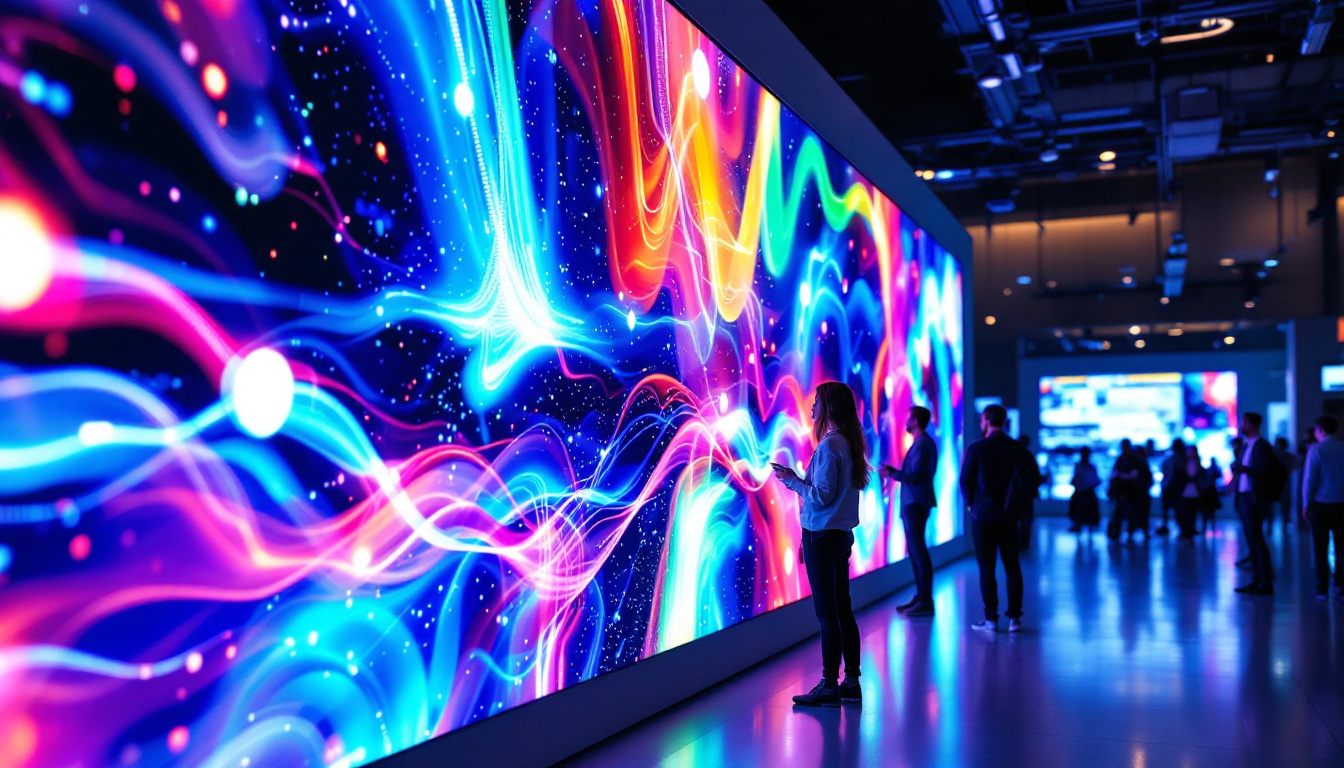
The concept is similar to building blocks, where each tile acts as a pixel cluster within the larger display. This modular design offers unparalleled flexibility in terms of screen size, shape, and resolution, making LED tiles particularly popular for large-scale applications such as video walls, stadium screens, and digital billboards. Additionally, the ability to easily replace individual tiles in the event of damage or malfunction reduces maintenance costs and downtime, further enhancing the appeal of this technology. As a result, LED TV tiles are becoming increasingly common in venues such as concert halls, trade shows, and retail environments, where dynamic visual content can significantly enhance the audience’s experience.
How LED TV Tiles Work
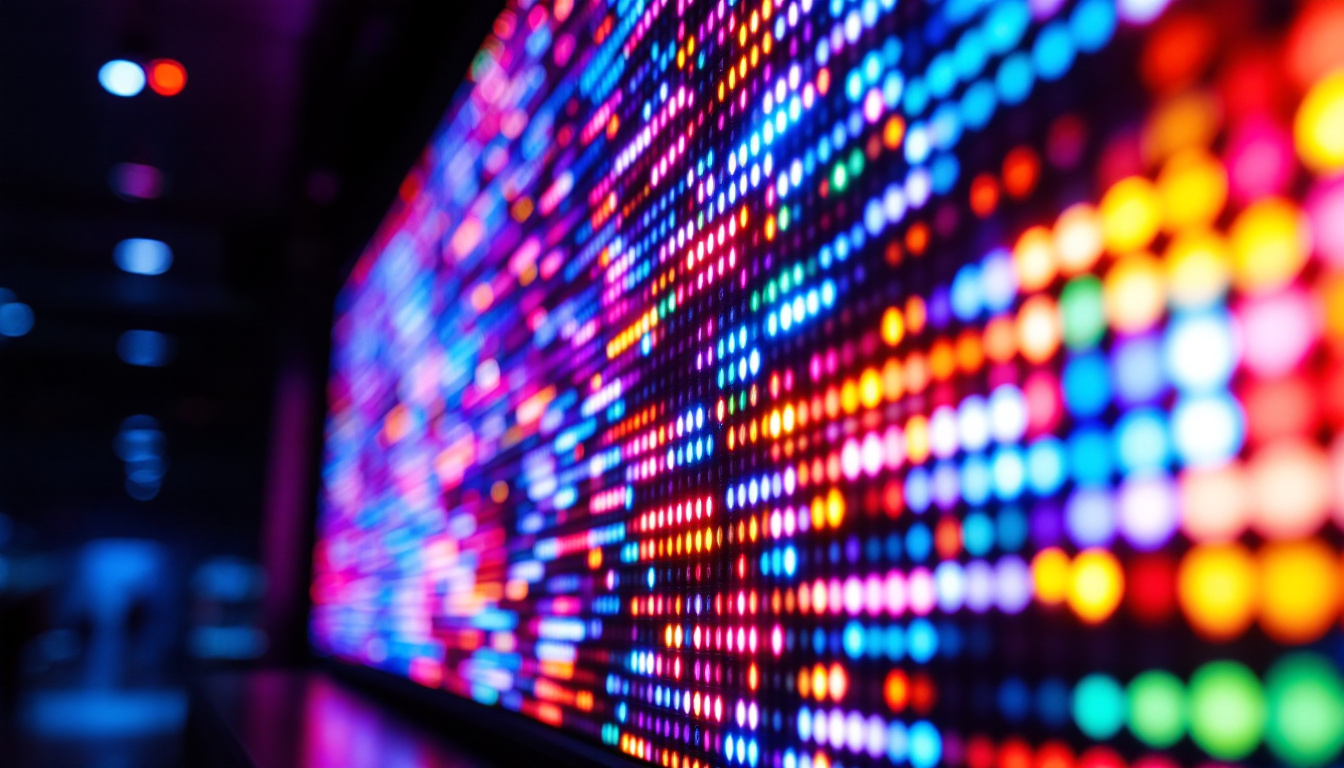
LED TV tiles function by combining hardware and software to deliver seamless images across multiple panels. Each tile contains an array of LEDs arranged in a matrix, which can emit different colors by mixing red, green, and blue light. The tiles are connected through a control system that synchronizes the image data, ensuring that the entire display operates as a single cohesive unit.
Pixel Pitch and Resolution
A critical factor in LED tile performance is the pixel pitch, which refers to the distance between the centers of two adjacent pixels. A smaller pixel pitch means more pixels per square inch, resulting in higher resolution and sharper images. For example, a tile with a 1.5mm pixel pitch will have much finer detail than one with a 5mm pitch.
In LED TV tiles, manufacturers strive to minimize the pixel pitch to achieve displays that rival or surpass traditional LCD and OLED TVs in clarity. Advances in LED miniaturization and manufacturing precision have made it possible to produce tiles with pixel pitches as low as 0.7mm, ideal for close viewing distances such as home theaters and professional monitors.
Seamless Integration and Calibration
One of the challenges with modular LED tiles is ensuring that the seams between tiles are invisible to the viewer. Manufacturers use precise alignment mechanisms and advanced calibration software to match brightness, color temperature, and contrast across all tiles. This process is essential to avoid visible lines or color discrepancies that could detract from the viewing experience.
Calibration often involves automated systems that measure and adjust each tile’s output in real-time, compensating for any variations caused by manufacturing tolerances or environmental factors like temperature changes. The result is a uniform, immersive display that looks like a single continuous screen.
Advantages of LED TV Tiles Over Traditional Displays
LED TV tiles offer several distinct advantages compared to conventional display technologies, making them increasingly popular for both consumer and commercial applications.
Scalability and Customization
Perhaps the most significant benefit of LED tiles is their scalability. Because the display is modular, it can be customized to fit any size or shape, from small desktop monitors to massive video walls spanning hundreds of square feet. This flexibility allows businesses and consumers to tailor their displays to specific environments and needs without being constrained by standard screen sizes.
For example, luxury home theaters can feature custom-shaped LED walls that wrap around the room, while retail stores can install curved or irregularly shaped signage that captures customer attention more effectively than traditional flat screens.
Superior Brightness and Contrast
LED tiles inherently provide higher brightness levels than LCD panels, making them ideal for environments with high ambient light, such as outdoor venues or brightly lit rooms. Additionally, because LEDs can be turned off individually, LED tile displays achieve true blacks and exceptional contrast ratios, enhancing picture quality and color vibrancy.
Energy Efficiency and Longevity
Compared to traditional backlit LCD TVs, LED tiles consume less power due to their direct emission of light and ability to dim or switch off individual LEDs. This energy efficiency translates into lower operating costs and a reduced environmental footprint. Furthermore, high-quality LED tiles have longer lifespans, often exceeding 100,000 hours of use, which is significantly longer than typical LCD or plasma panels.
Applications of LED TV Tiles
The versatility and performance of LED TV tiles have led to their adoption across a wide range of industries and use cases.
Home Entertainment
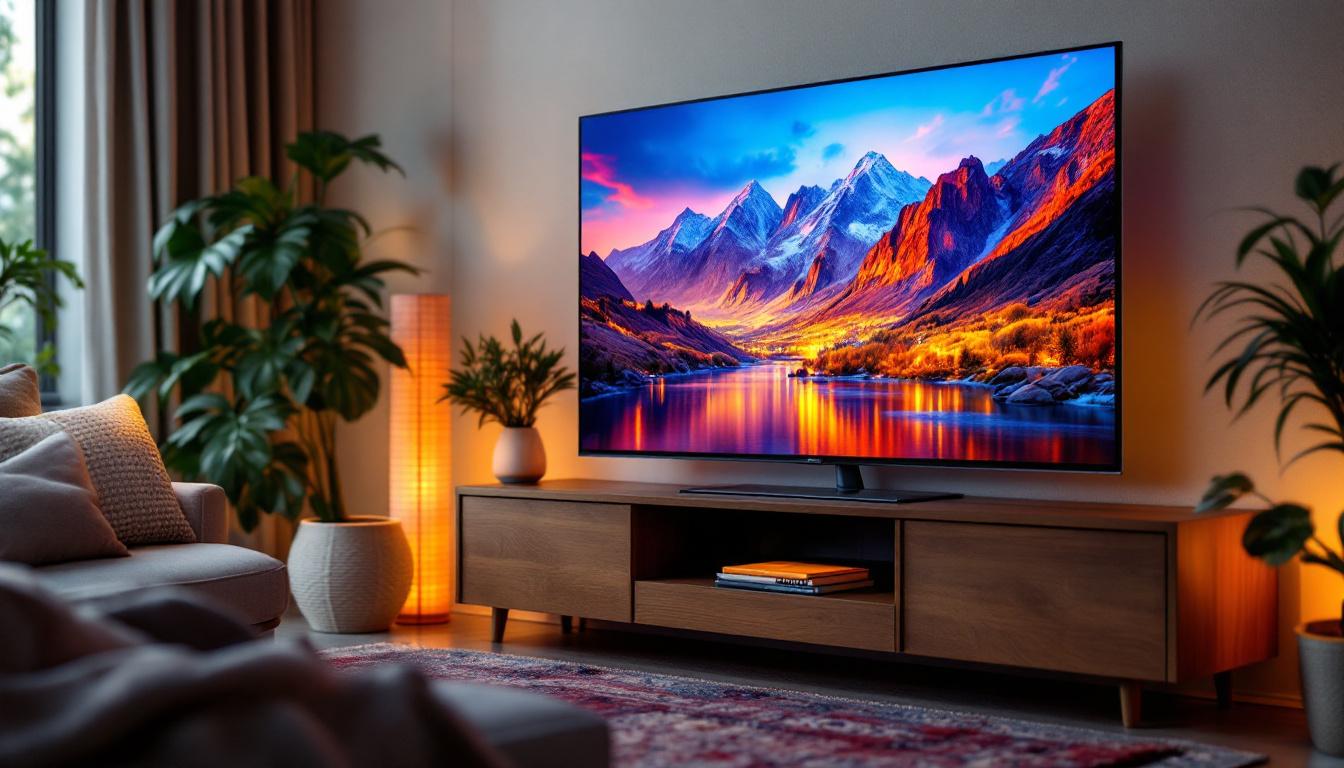
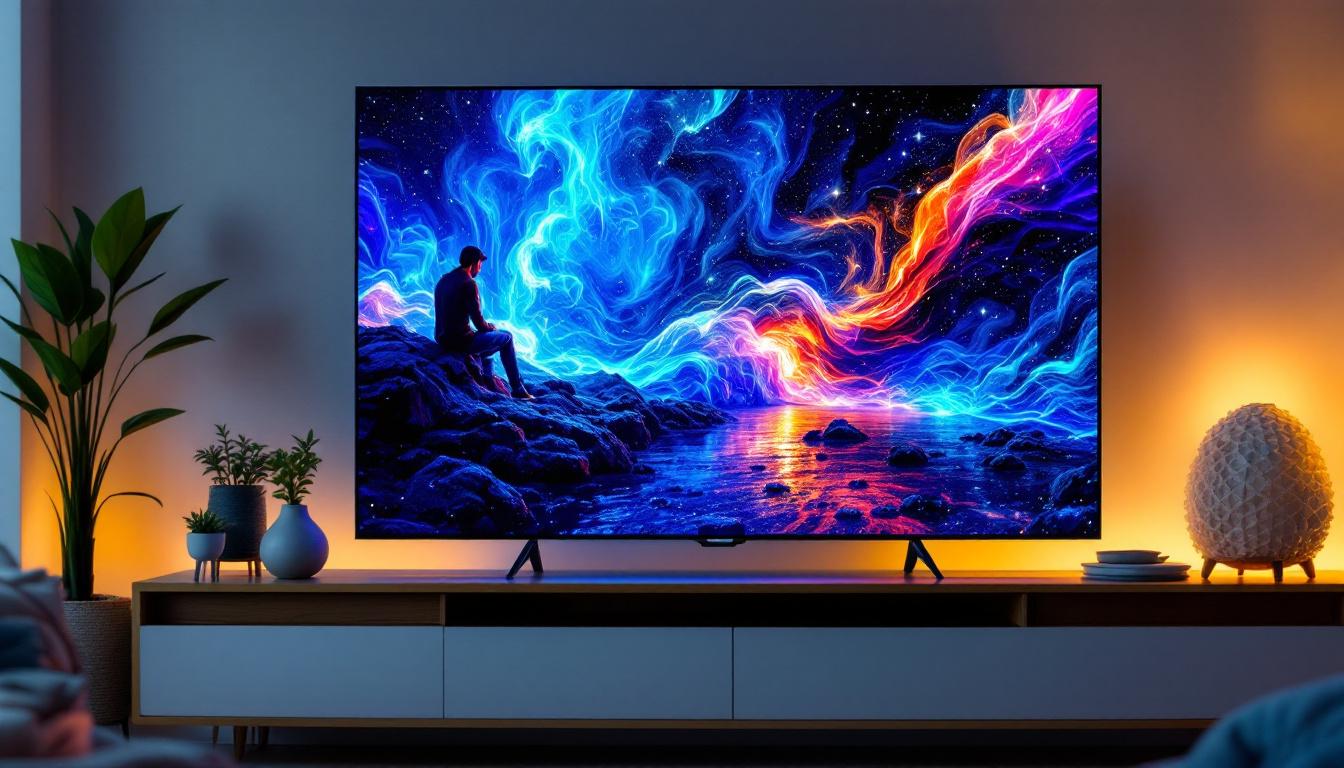
While still emerging in the consumer market, LED tile technology is beginning to make inroads into home entertainment. High-end home theaters benefit from the ability to create large, seamless displays with exceptional picture quality. The modular nature also allows for future upgrades, such as increasing resolution or expanding screen size, without replacing the entire display.
Commercial and Public Displays
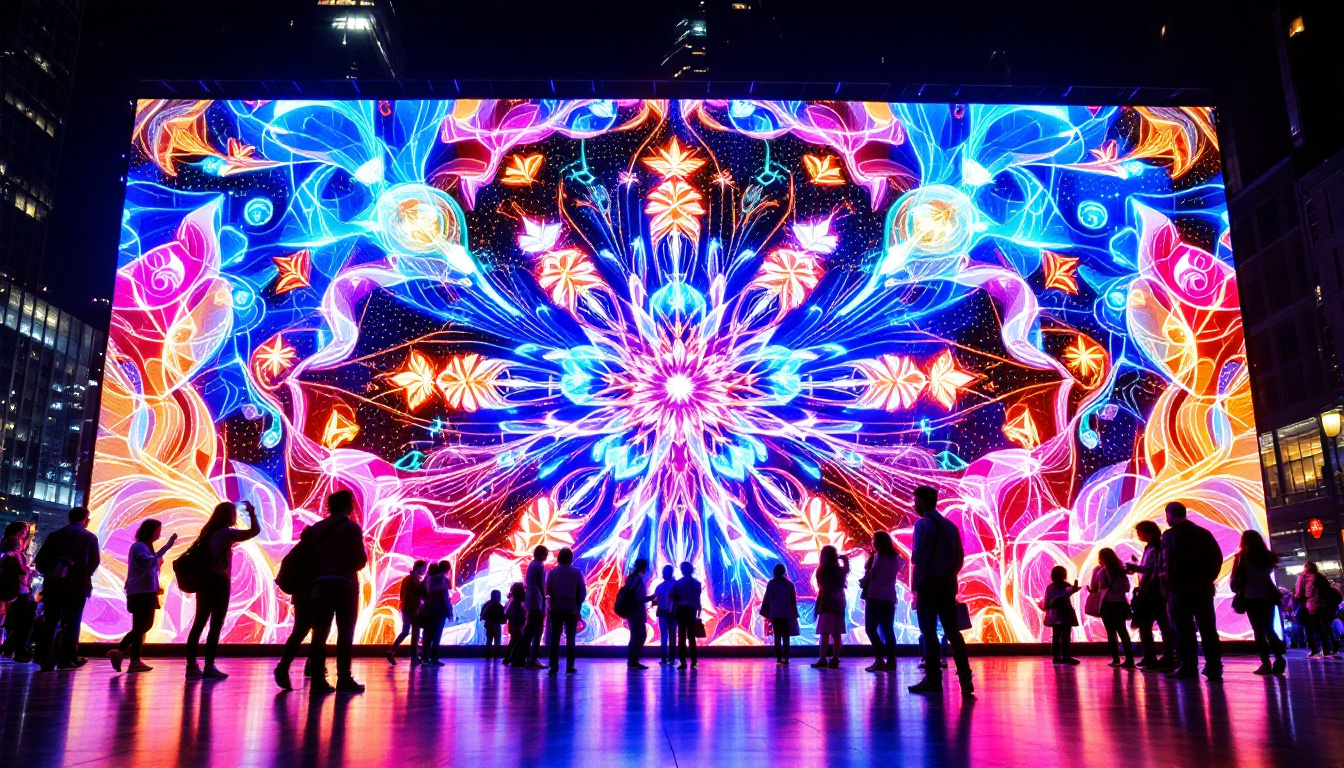
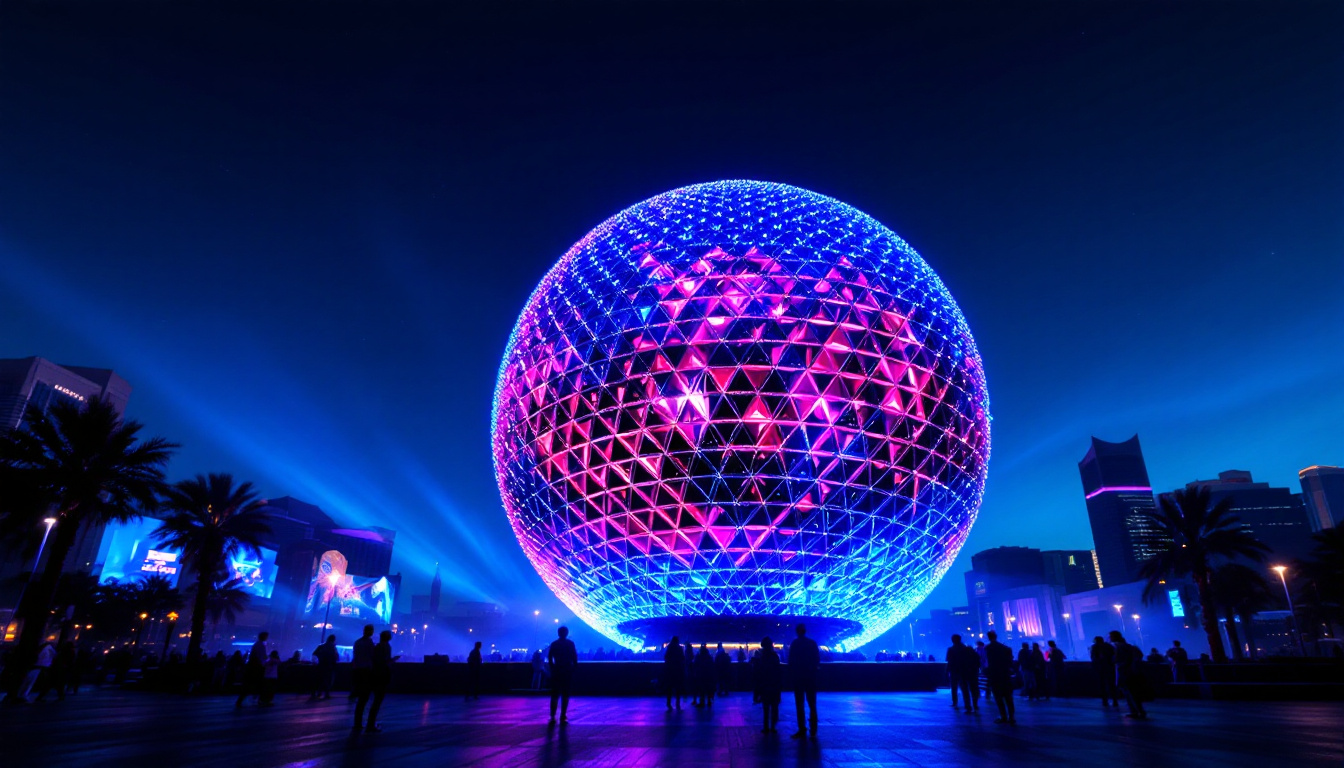
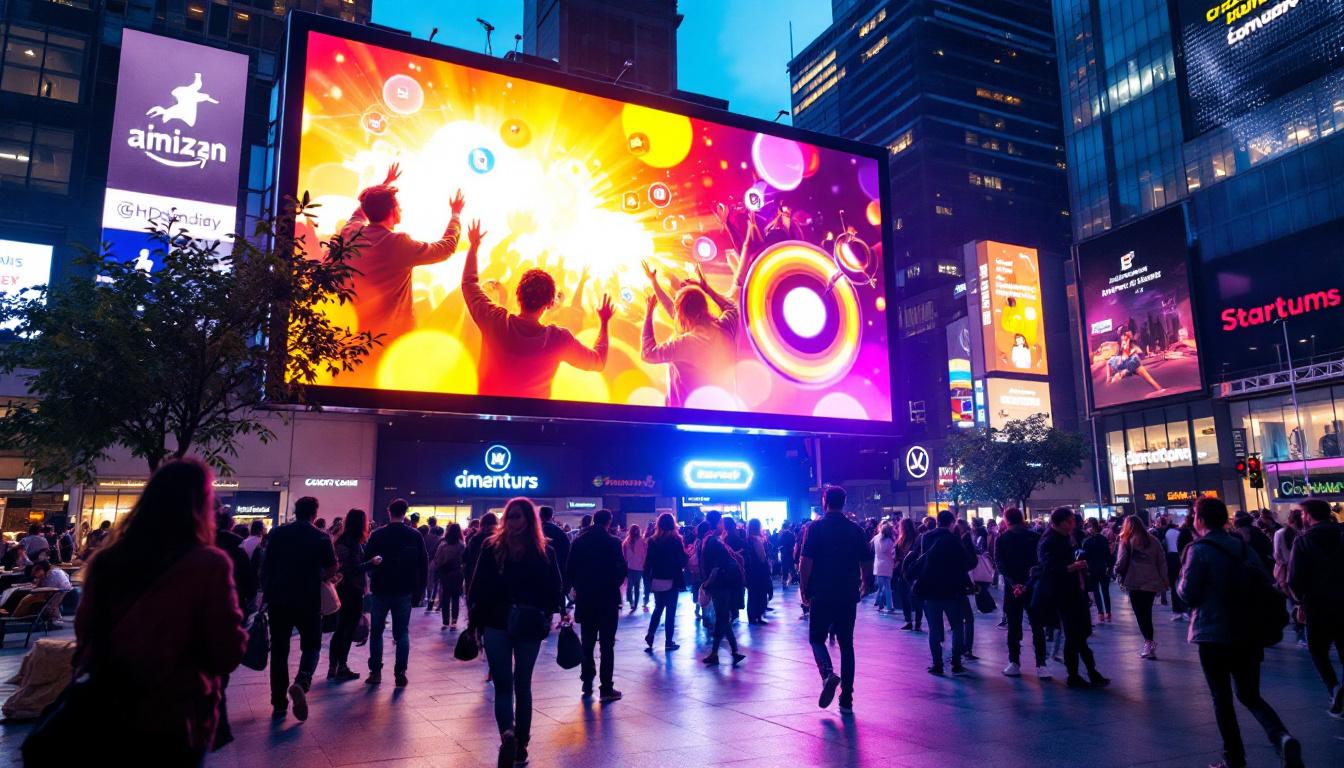
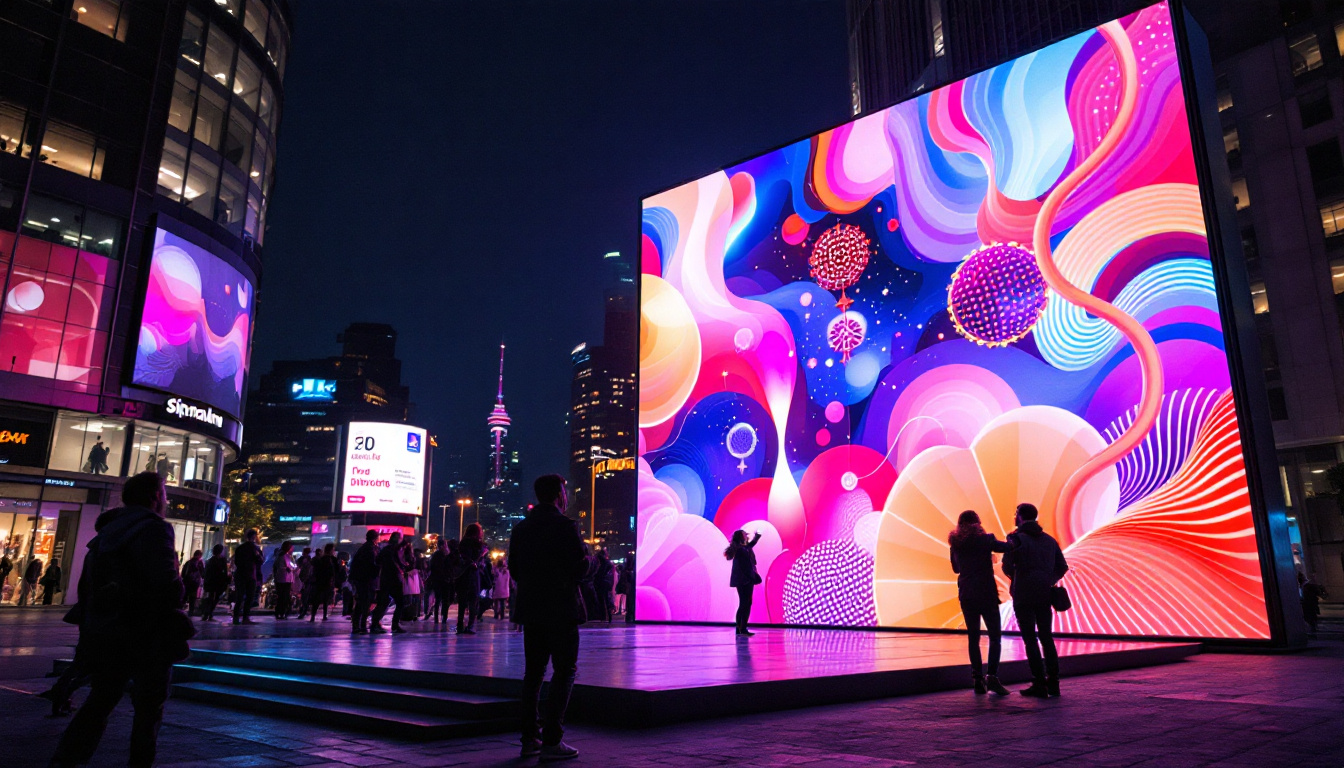
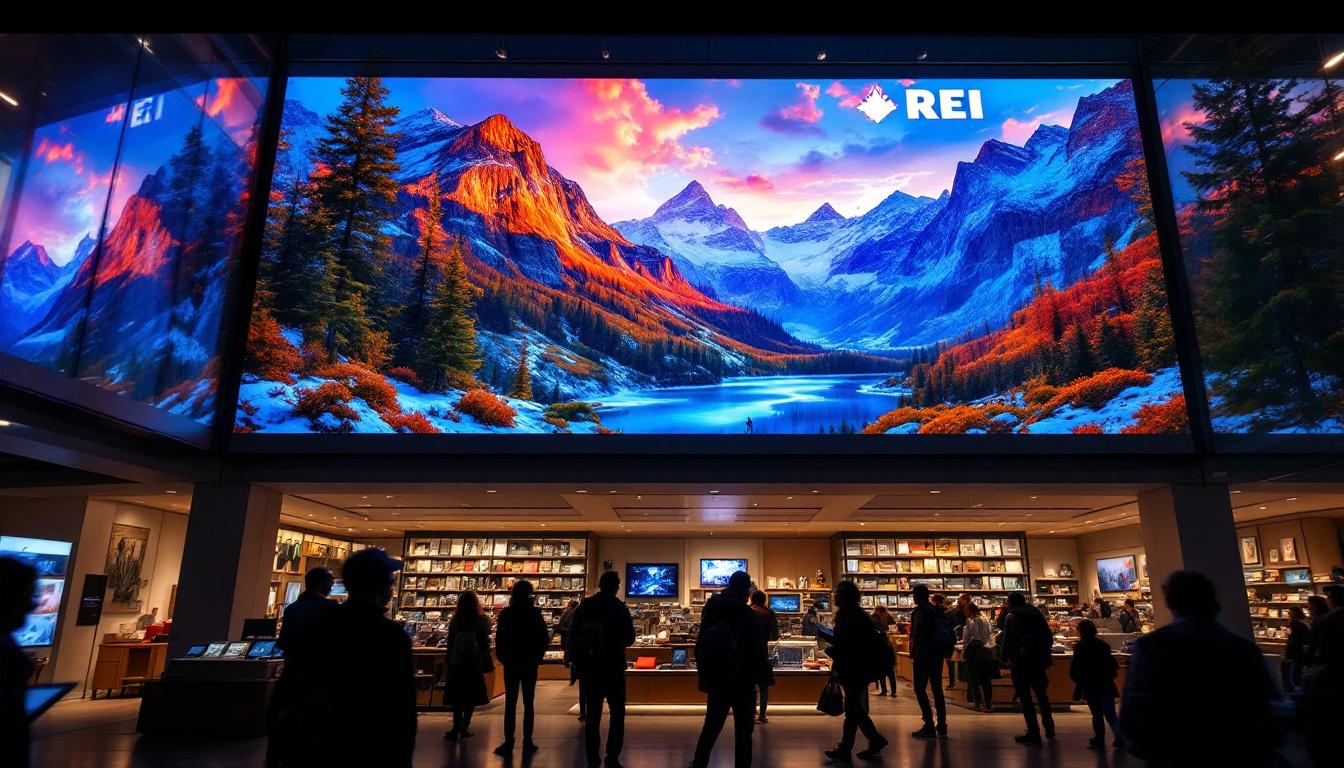
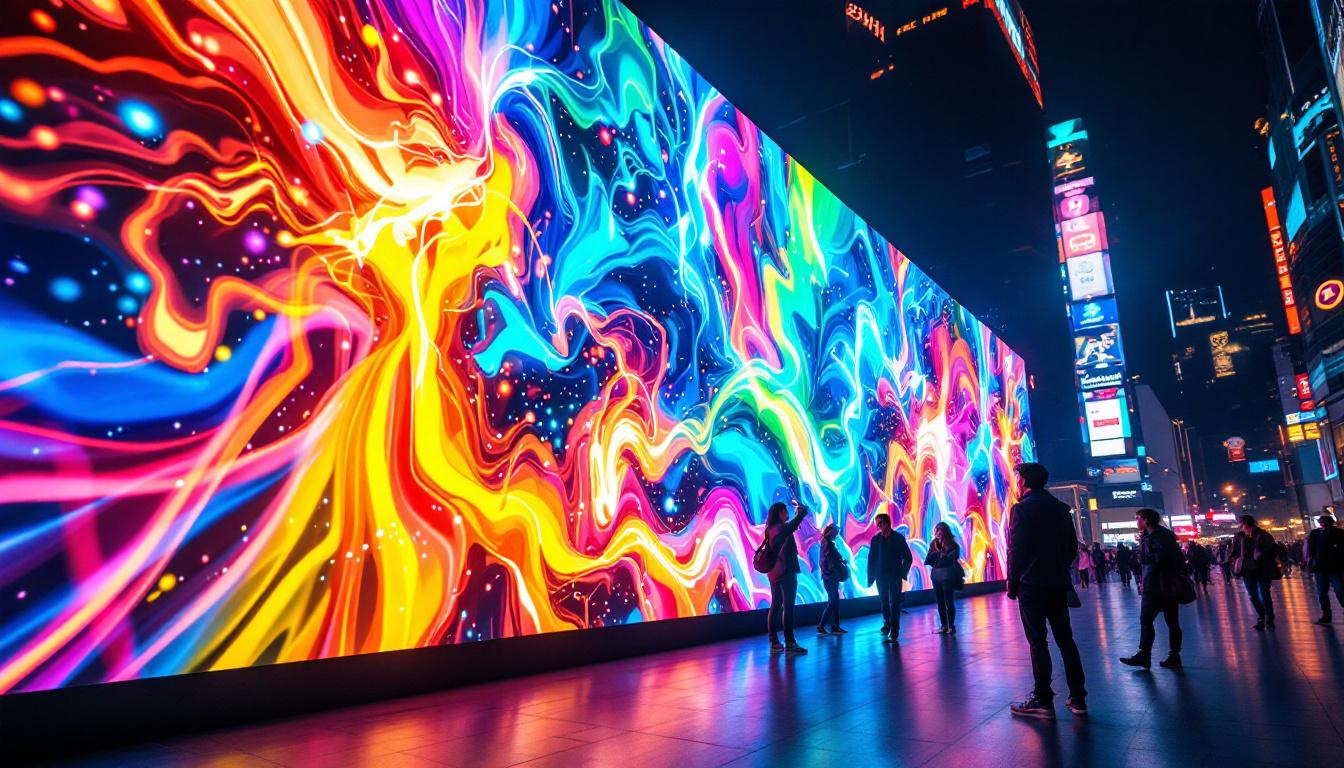
LED tiles dominate commercial applications like digital signage, advertising billboards, and event displays. Their scalability and brightness make them perfect for outdoor use, where sunlight can wash out traditional screens. For instance, Times Square in New York City features enormous LED tile-based billboards that deliver vibrant advertisements visible from great distances.
Sports Arenas and Concerts
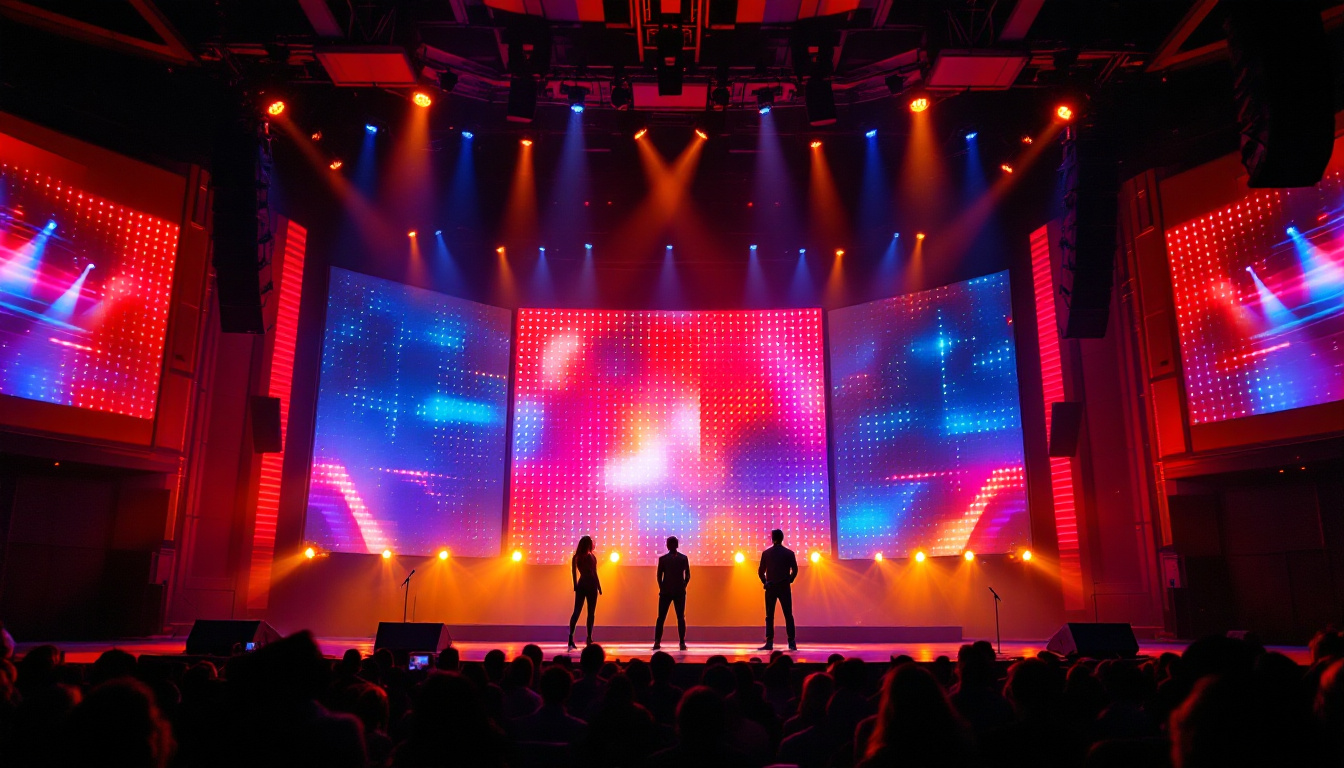
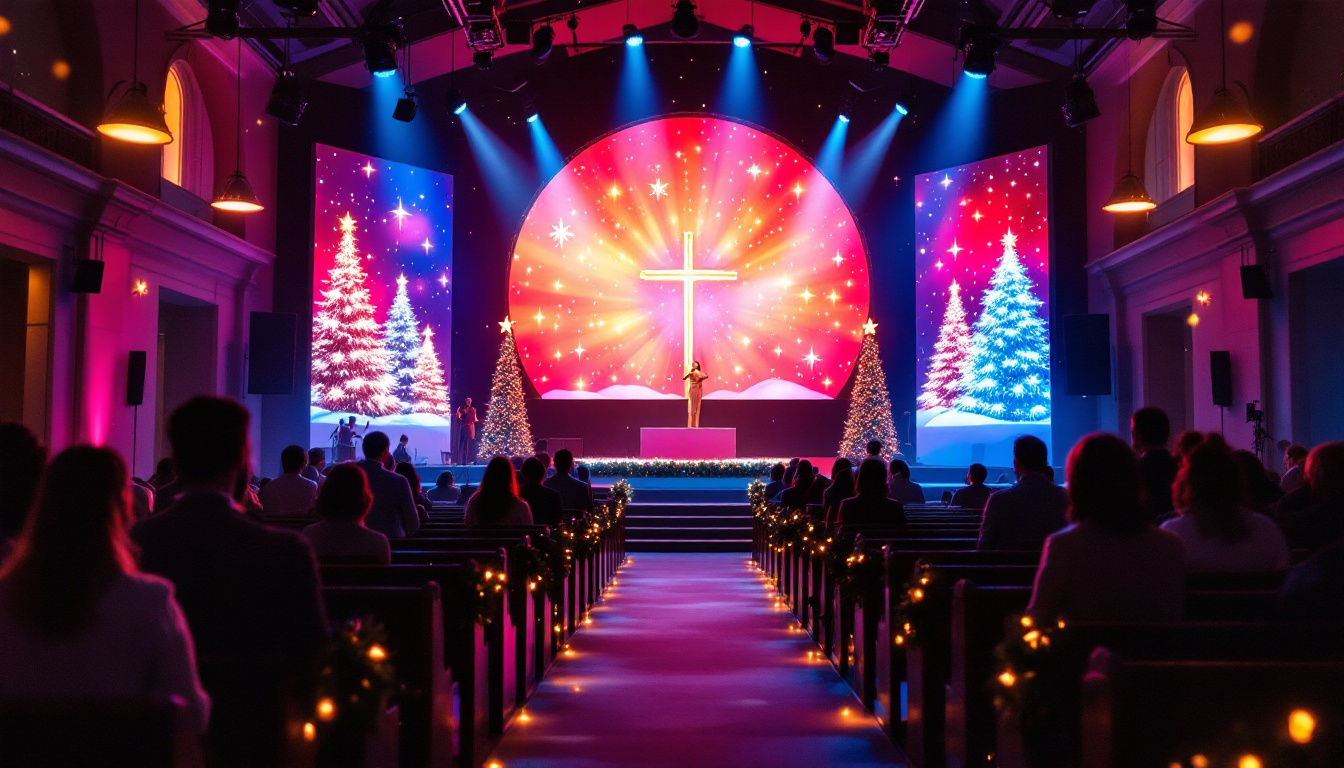
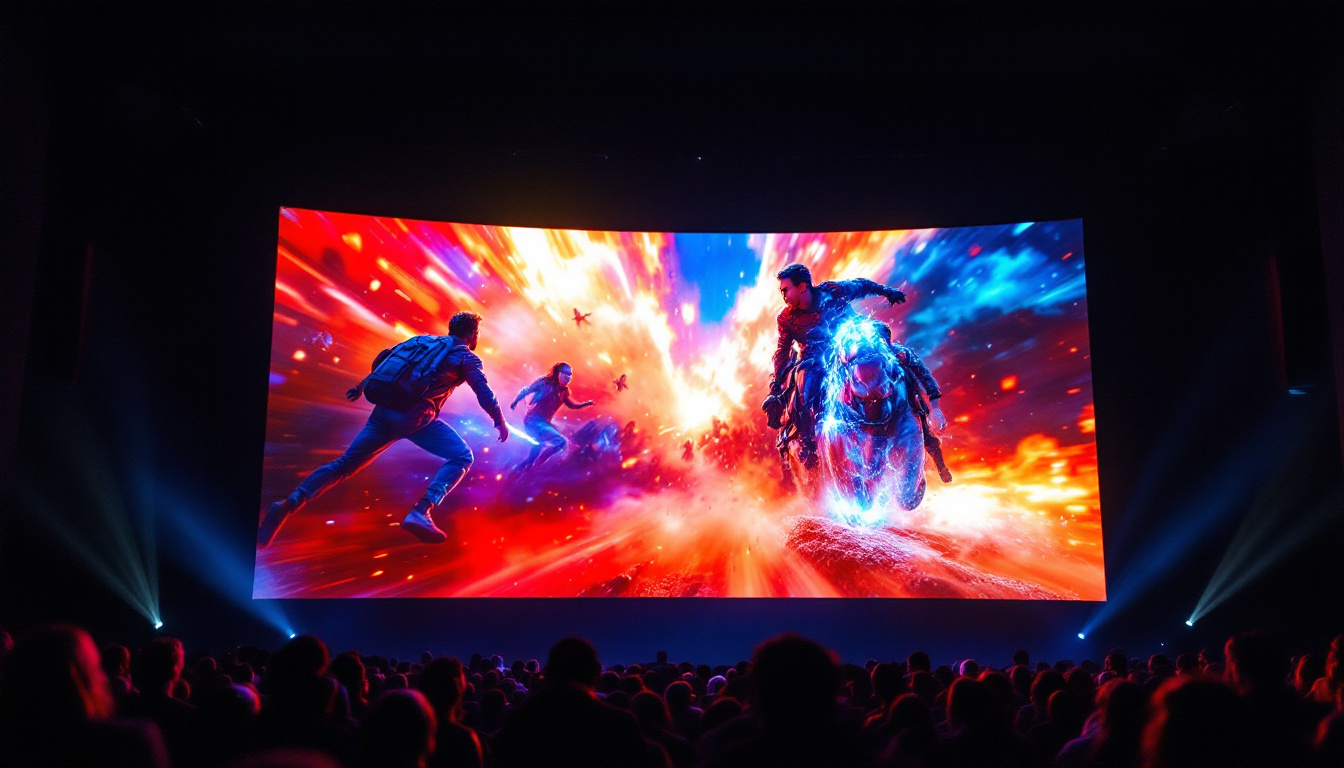
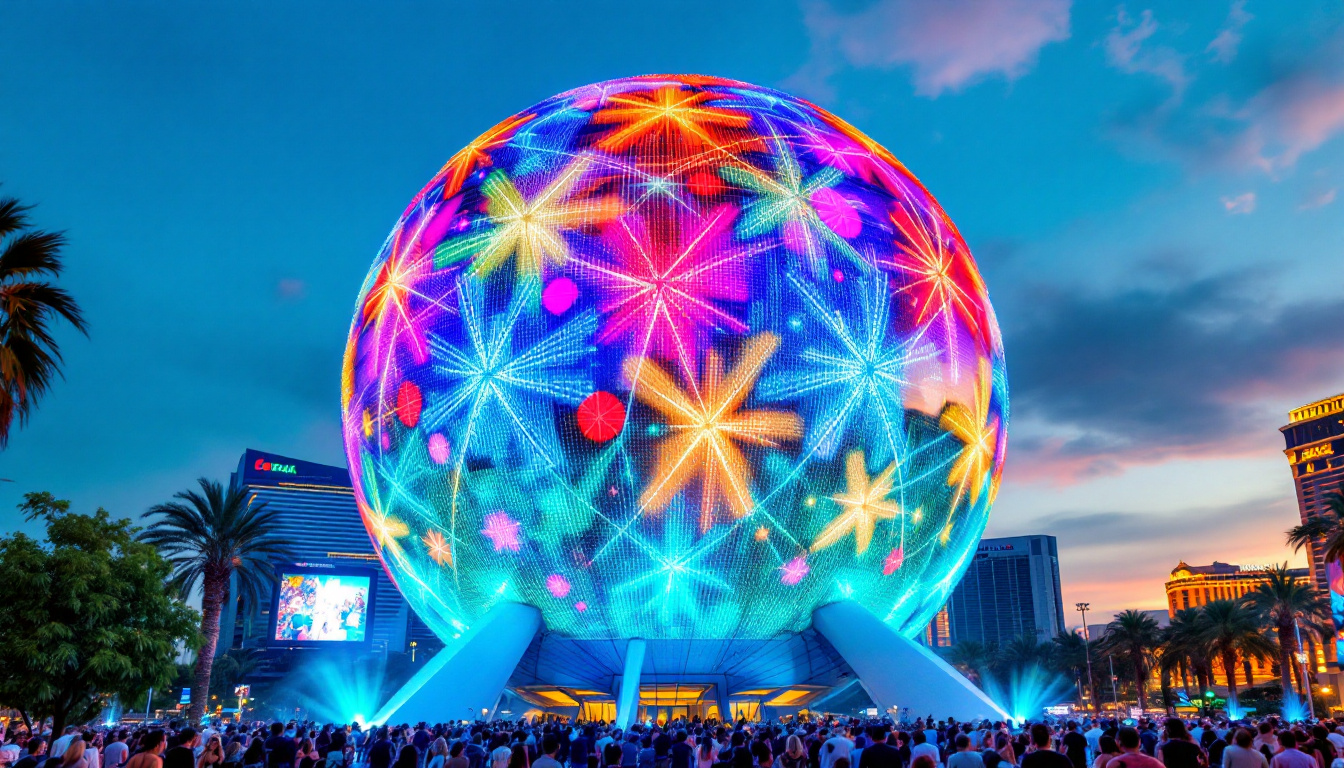
In large venues, LED tile video walls provide dynamic content that enhances the spectator experience. These walls can display live video feeds, replays, and interactive graphics, all with stunning clarity. The ability to create curved or irregularly shaped displays also allows for innovative designs that integrate seamlessly into architectural features.
The Future of LED TV Tiles
As LED technology continues to advance, the future of LED TV tiles looks promising. Innovations in microLED and miniLED technologies are pushing pixel pitches even lower while improving energy efficiency and color accuracy. These developments will further blur the lines between LED tiles and traditional display technologies.
Moreover, the integration of smart technologies and AI-driven calibration systems will make LED tile displays easier to install, maintain, and optimize. This will open new possibilities for personalized viewing experiences and interactive content delivery.
MicroLED and MiniLED: Next-Generation Tiles
MicroLED technology involves even smaller LEDs than those used in current LED tiles, enabling ultra-high resolution displays with exceptional brightness and contrast. MiniLED, while slightly larger, offers improved backlighting for LCDs and can be integrated into tile-based designs for enhanced performance.
These technologies promise to deliver the best of both worlds: the modularity and scalability of LED tiles combined with the picture quality and efficiency of cutting-edge display tech.
Challenges and Considerations
Despite their advantages, LED TV tiles face challenges such as higher initial costs and the complexity of seamless integration. Manufacturing precision and quality control are critical to avoid issues like color mismatches or visible seams. Additionally, consumers may need to adapt to new installation and maintenance practices compared to traditional TVs.
However, as production scales and technology matures, prices are expected to decrease, making LED tile displays more accessible to a broader audience.
Conclusion
LED TV tiles represent a significant evolution in display technology, offering unmatched flexibility, brightness, and image quality. Their modular design allows for customizable screen sizes and shapes, making them ideal for a wide range of applications from home theaters to massive commercial displays. With ongoing advancements in microLED and miniLED technologies, the future of LED TV tiles is bright, promising even more immersive and energy-efficient viewing experiences.
As consumers and businesses seek higher quality and more adaptable display solutions, LED TV tiles are poised to become a dominant force in the television and digital signage markets. Understanding how these tiles work and their benefits is essential for anyone interested in the future of visual media technology.
Discover the Future of LED Displays with LumenMatrix
Ready to elevate your visual experience with the latest in LED display technology? Look no further than LumenMatrix, a pioneer in crafting cutting-edge LED solutions that bring your content to life. From vibrant Indoor and Outdoor LED Wall Displays to innovative Custom and All-in-One LED solutions, LumenMatrix is at the forefront of transforming visual communication. Whether you’re looking to captivate your audience, enhance brand visibility, or create an unforgettable event, our LED displays are designed to deliver impact and clarity. Check out LumenMatrix LED Display Solutions today and join the revolution in digital signage excellence.