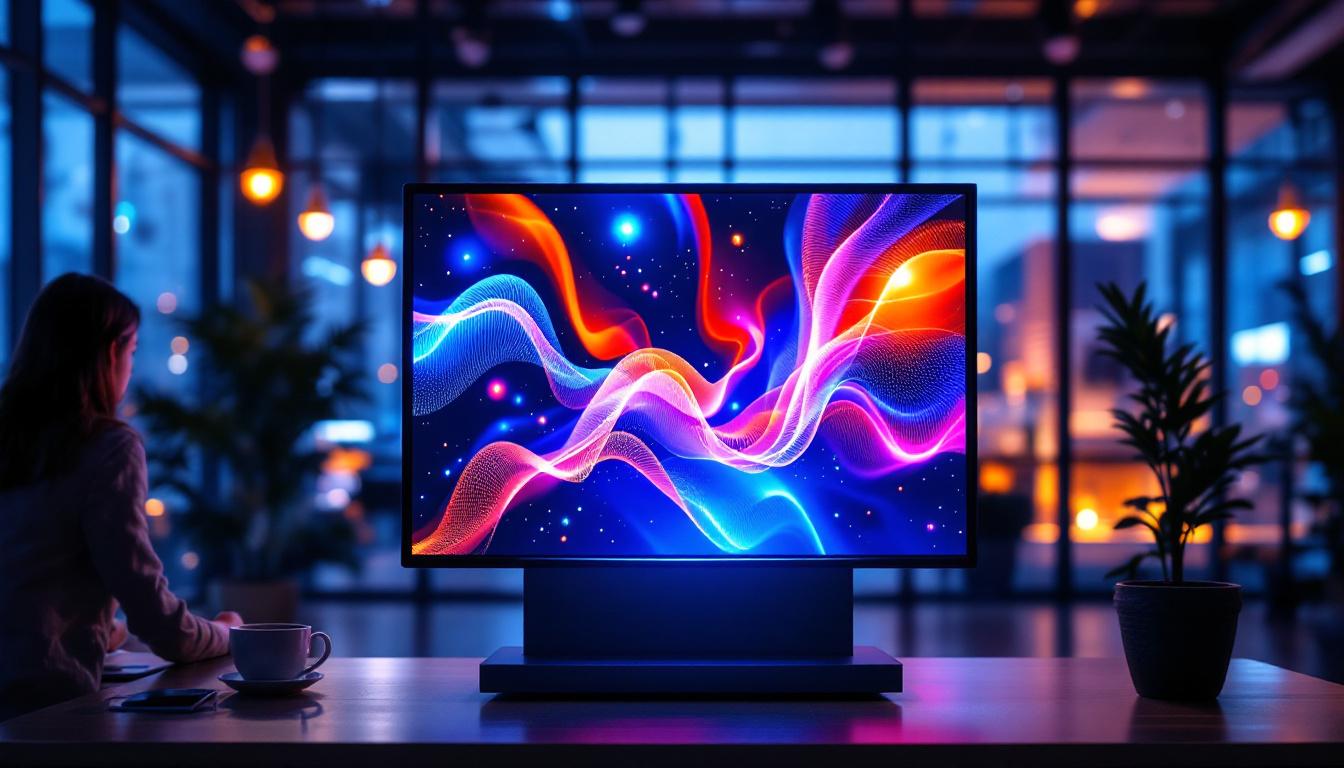
In today’s digital era, LED displays have become an essential component across various industries, from home entertainment to professional workspaces. Among the many options available, the 24-inch LED panel stands out as a popular choice due to its balance of size, performance, and affordability. This article delves into what a 24-inch LED panel is, how it works, its advantages, and why it might be the ideal display solution for your needs.
Understanding the Basics of LED Displays
What is an LED Display?
LED stands for Light Emitting Diode, a semiconductor device that emits light when an electric current passes through it. An LED display uses these tiny diodes arranged in a matrix to produce images, videos, and text. Unlike traditional LCDs that rely on fluorescent backlighting, LED displays utilize LEDs either as backlighting or as the pixels themselves, resulting in enhanced brightness, contrast, and energy efficiency. This technology has revolutionized the way we view content, offering vibrant colors and deeper blacks, which significantly improve the overall viewing experience.
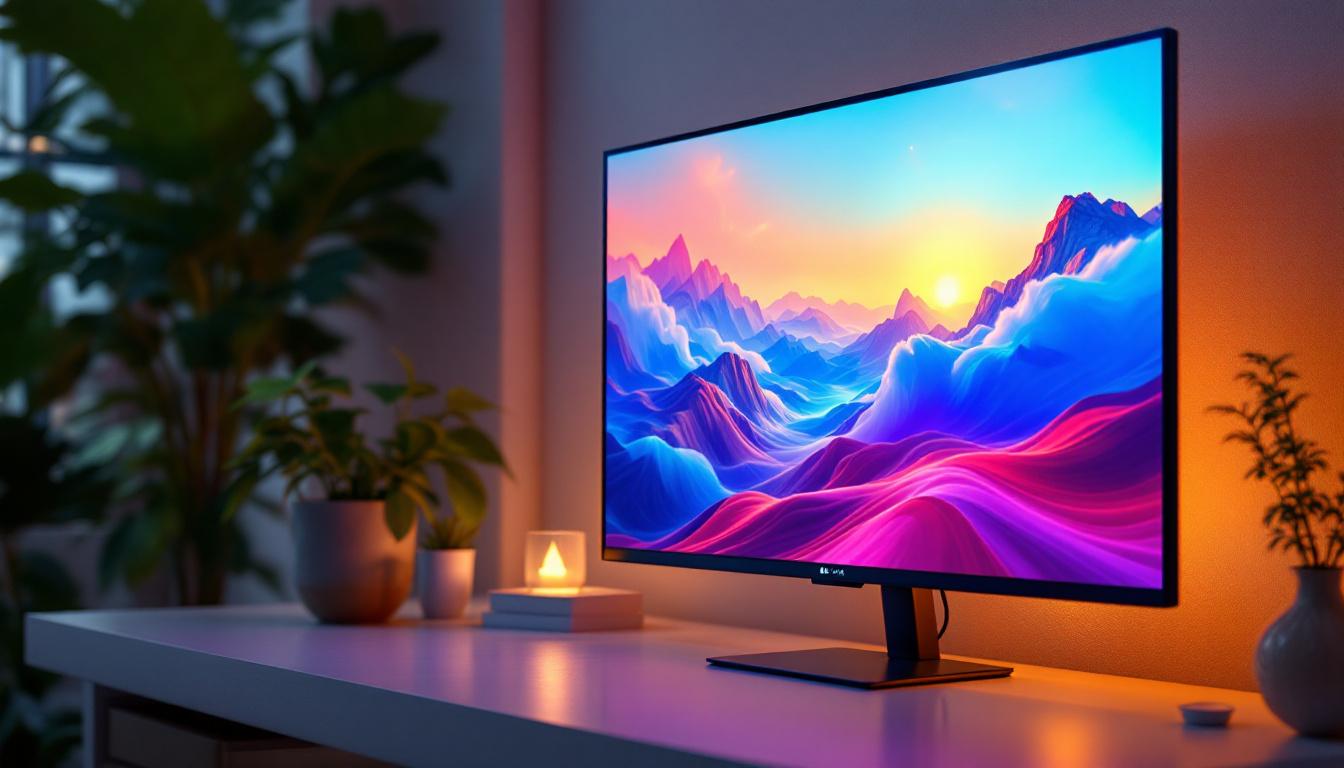
In the context of a 24-inch panel, the term refers to the diagonal screen size of the display. This size is widely favored for computer monitors, small television screens, and digital signage due to its ergonomic balance between viewing comfort and desk space optimization. The 24-inch size is particularly popular among gamers and graphic designers, as it provides ample screen real estate for multitasking without overwhelming the workspace. Additionally, many 24-inch LED displays come equipped with features like high refresh rates and low response times, making them ideal for fast-paced gaming and professional applications.
Types of LED Panels: Edge-Lit vs. Direct-Lit
When exploring 24-inch LED panels, it’s important to understand the two primary backlighting technologies: edge-lit and direct-lit LEDs. Edge-lit panels place LEDs along the edges of the screen, using light guides to distribute illumination evenly. This design allows for slimmer displays and is common in consumer-grade monitors and TVs. However, edge-lit displays may sometimes suffer from uneven brightness, particularly in darker scenes, which can detract from the viewing experience.
Direct-lit LED panels, on the other hand, position LEDs directly behind the screen. This method provides more uniform brightness and better contrast but often results in a thicker panel. Some high-end displays utilize full-array local dimming, a form of direct-lit LED technology, to enhance black levels and overall image quality. This technology allows specific zones of the backlight to dim or brighten independently, resulting in deeper blacks and improved detail in shadows. As a result, direct-lit displays are often preferred for home theaters and professional environments where image quality is paramount. Furthermore, advancements in LED technology continue to push the boundaries, with innovations such as mini-LED and micro-LED promising even greater performance in terms of brightness, color accuracy, and energy efficiency, making the future of LED displays even more exciting.
Why Choose a 24-Inch LED Panel?
Optimal Screen Size for Productivity and Entertainment
The 24-inch screen size has become a sweet spot for many users. It offers enough screen real estate for multitasking, gaming, and media consumption without overwhelming the user or requiring excessive desk space. For office environments, this size supports efficient workflow by allowing multiple windows to be open simultaneously while maintaining comfortable viewing distances.
From a consumer perspective, 24-inch LED panels are ideal for casual gaming and streaming. The size is large enough to appreciate high-definition content but compact enough to fit in smaller living spaces.
Energy Efficiency and Cost-Effectiveness
LED technology is renowned for its energy efficiency compared to older display technologies like CCFL-backlit LCDs or plasma screens. A 24-inch LED panel typically consumes between 15 to 30 watts, depending on brightness settings and panel type. This low power consumption translates into reduced electricity bills and a smaller environmental footprint.
Moreover, 24-inch LED panels are generally more affordable than larger displays, making them accessible to a broad range of consumers and businesses. The combination of cost-effectiveness and performance makes this size a practical choice for both personal and professional use.
Technical Features and Specifications to Consider
Resolution and Pixel Density
Resolution is a critical factor in display quality. Most 24-inch LED panels come with Full HD (1920×1080 pixels) resolution, which provides sharp images and clear text for everyday use. However, higher resolutions like 2560×1440 (QHD) are becoming increasingly common in this size category, offering enhanced detail and workspace for professional applications such as graphic design and video editing.
Pixel density, measured in pixels per inch (PPI), influences how crisp the display appears. A 24-inch panel with Full HD resolution typically has around 92 PPI, which is sufficient for most users. Higher resolutions increase PPI, resulting in finer image details but may require more powerful graphics hardware to drive the display effectively.
Refresh Rate and Response Time
For gamers and video editors, refresh rate and response time are essential specifications. The refresh rate, measured in Hertz (Hz), indicates how many times the screen updates per second. Standard 24-inch LED panels offer 60Hz, which is adequate for general use. However, gaming-oriented models often feature 75Hz, 120Hz, or even 144Hz refresh rates, providing smoother motion and reduced blur.
Response time, usually measured in milliseconds (ms), refers to how quickly a pixel can change from one color to another. Lower response times (1-5 ms) are preferred for fast-paced gaming to minimize ghosting and motion artifacts.
Color Accuracy and Viewing Angles
Color reproduction is another important consideration, especially for creative professionals. Many 24-inch LED panels support 8-bit color depth, capable of displaying over 16 million colors. Some models offer wider color gamuts such as sRGB, Adobe RGB, or DCI-P3, which enhance color accuracy and vibrancy.
Viewing angles determine how well the display maintains color and contrast when viewed from different positions. IPS (In-Plane Switching) panels are popular for their wide viewing angles and consistent color reproduction, making them a preferred choice for collaborative workspaces and multimedia consumption.
Applications of 24-Inch LED Panels
Office and Productivity Use
In professional settings, 24-inch LED panels are widely used for desktop monitors due to their ergonomic size and clarity. They provide ample screen space for spreadsheets, documents, and web browsing without causing eye strain. Many businesses equip their workstations with these displays to optimize employee comfort and productivity.
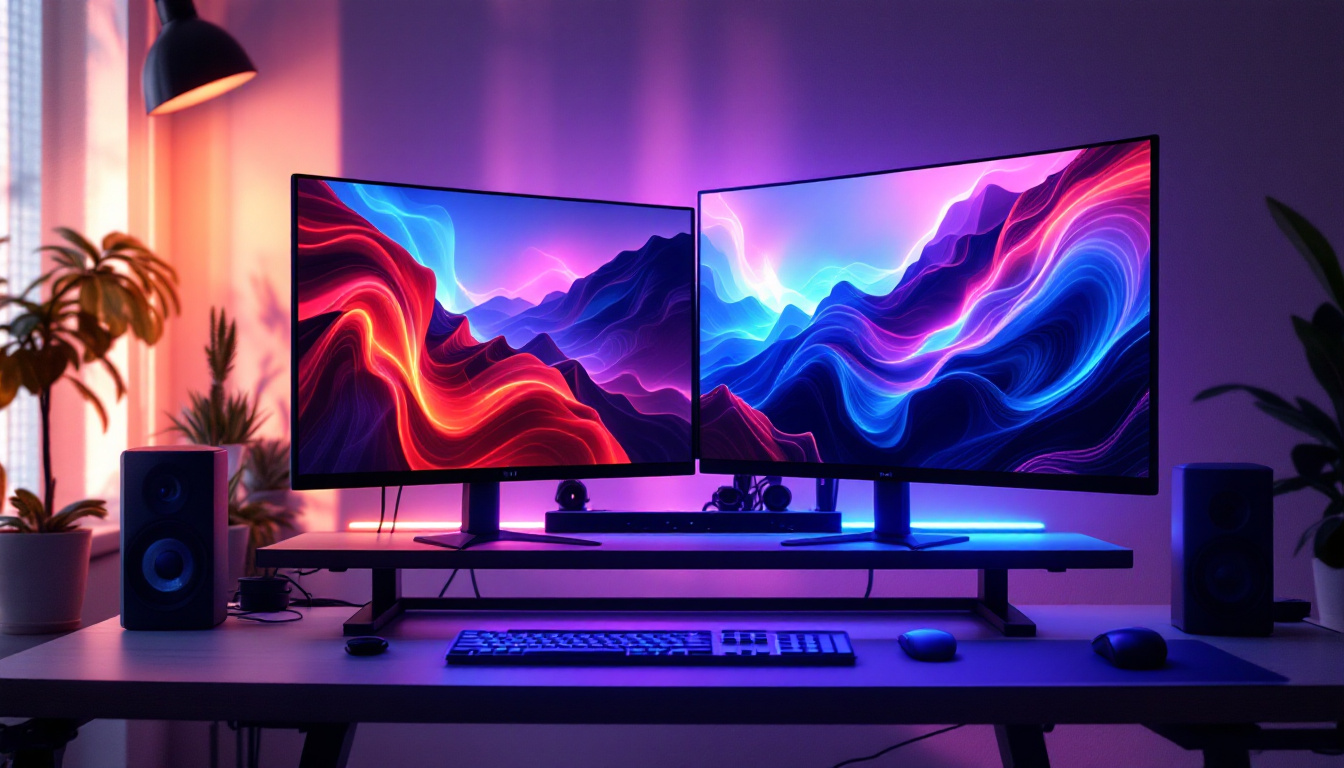
Additionally, dual or triple monitor setups with 24-inch panels are common in industries such as finance, software development, and customer support, where multitasking and data visualization are critical.
Home Entertainment and Gaming
For home users, 24-inch LED panels serve as versatile screens for watching movies, streaming shows, and casual gaming. Their compact size fits well in bedrooms, dorm rooms, and small living areas. Many gaming monitors in this size range offer features like adaptive sync technologies (e.g., FreeSync or G-Sync) to reduce screen tearing and enhance gameplay experience.
Furthermore, the availability of models with built-in speakers, multiple input ports, and adjustable stands adds to their convenience for home entertainment setups.
Digital Signage and Commercial Displays
Beyond personal use, 24-inch LED panels are frequently employed in digital signage applications. Retail stores, restaurants, and public venues use these displays for advertising, information dissemination, and interactive kiosks. Their bright, vibrant screens attract attention and can operate continuously with minimal maintenance.
The relatively small size allows for flexible placement in tight spaces, while the LED technology ensures visibility even in well-lit environments.
Choosing the Right 24-Inch LED Panel for Your Needs
Assessing Your Primary Use Case
Selecting the ideal 24-inch LED panel starts with identifying the primary purpose. For office productivity, prioritize displays with ergonomic features such as adjustable height, tilt, and blue light filters to reduce eye fatigue. For creative work, focus on color accuracy, higher resolution, and wide viewing angles.
Gamers should look for higher refresh rates, low response times, and adaptive sync support. Meanwhile, for digital signage, durability, brightness, and connectivity options are paramount.
Connectivity and Additional Features
Modern 24-inch LED panels come with various input options including HDMI, DisplayPort, VGA, and USB-C. Choosing a display with multiple connectivity ports ensures compatibility with different devices such as laptops, desktops, gaming consoles, and media players.
Additional features like built-in speakers, USB hubs, and VESA mount compatibility enhance versatility and convenience. Some models also offer flicker-free technology and anti-glare coatings to improve viewing comfort during extended use.
Budget Considerations
Prices for 24-inch LED panels vary widely based on specifications and brand reputation. Entry-level models can cost as little as $100, while premium panels with advanced features may exceed $300. It’s important to balance budget constraints with required features to ensure the best value.
Investing in a quality display can improve productivity, reduce eye strain, and enhance overall user experience, making it a worthwhile expenditure.
Future Trends in LED Display Technology
Mini-LED and Micro-LED Innovations
Emerging technologies such as Mini-LED and Micro-LED promise to revolutionize LED displays by offering superior brightness, contrast, and energy efficiency. Mini-LED panels use thousands of tiny LEDs for backlighting, enabling more precise local dimming zones and deeper blacks. Micro-LED technology goes further by using microscopic LEDs as individual pixels, potentially eliminating the need for backlighting altogether.
While these technologies are currently more prevalent in larger displays and premium devices, their adoption in smaller panels like 24-inch monitors is anticipated in the coming years.
Integration with Smart Technologies
Smart LED displays with integrated voice assistants, IoT connectivity, and adaptive brightness controls are becoming increasingly common. These features enhance user interaction and energy management, making LED panels more intuitive and environmentally friendly.
As smart home and office ecosystems expand, 24-inch LED panels equipped with such technologies will offer seamless integration and improved user experiences.
Conclusion
The 24-inch LED panel represents a versatile and efficient display solution suitable for a wide range of applications, from professional workstations to home entertainment and digital signage. Understanding the underlying technology, key specifications, and intended use cases can help users make informed decisions when selecting the right panel.
With ongoing advancements in LED technology and increasing demand for high-quality displays, the 24-inch LED panel remains a relevant and practical choice for many consumers and businesses alike.
Discover LumenMatrix’s Advanced LED Display Solutions
Ready to elevate your visual experience with a 24-inch LED panel that embodies innovation and quality? Look no further than LumenMatrix, a pioneer in LED display technology. Our extensive range of products, including Indoor and Outdoor LED Wall Displays, Vehicle LED Displays, and more, are designed to bring your content to life with unparalleled brightness and clarity. Whether for professional workstations, home entertainment, or dynamic digital signage, LumenMatrix has the perfect LED solution to meet your needs. Check out LumenMatrix LED Display Solutions today and transform your space with a display that defines excellence.