In the world of digital signage and large-scale visual displays, understanding dimensions and technical specifications is crucial for both designers and consumers. One common measurement that often arises is “2.07M in ft,” especially when referring to LED displays. This article delves into what this measurement means, how it relates to LED display technology, and why it matters for various applications.
Understanding the Conversion: 2.07M in Feet
Before diving into LED displays, it’s important to clarify the basic conversion between meters and feet. The metric system (meters) and the imperial system (feet) are two of the most widely used units for measuring length worldwide.
One meter equals approximately 3.28084 feet. Therefore, when you see a measurement of 2.07 meters, converting it to feet involves multiplying 2.07 by 3.28084, which results in roughly 6.79 feet.
This conversion is essential when planning or purchasing LED displays because manufacturers and clients may use different measurement systems depending on their region or industry standards. For example, a 2.07-meter-wide LED display would be about 6 feet 9.5 inches wide, a critical detail for installation and spatial planning.
Understanding these conversions not only aids in precise measurements but also enhances communication between international teams. For instance, a project manager in the United States may specify dimensions in feet, while a supplier in Europe may provide the same specifications in meters. This discrepancy can lead to confusion and miscalculations if not addressed. By having a clear grasp of how to convert these measurements, teams can ensure that everyone is on the same page, facilitating smoother collaboration and more efficient project execution.
Moreover, the importance of accurate conversions extends beyond just LED displays. In fields such as architecture, engineering, and construction, precise measurements are paramount. A minor error in conversion could lead to significant issues, such as misalignment in structural components or inadequate space for installations. Therefore, having a reliable method for converting between meters and feet is a valuable skill that can help professionals avoid costly mistakes and ensure the success of their projects.
What Is an LED Display?
LED stands for Light Emitting Diode, a semiconductor device that emits light when an electric current passes through it. LED displays are screens made up of thousands to millions of these tiny diodes, which collectively produce images, videos, and text with vibrant colors and high brightness. The technology behind LED displays has evolved significantly over the years, leading to advancements that enhance both visual quality and functionality. As a result, LED displays have become a staple in modern visual communication, captivating audiences with their striking visuals and dynamic content.
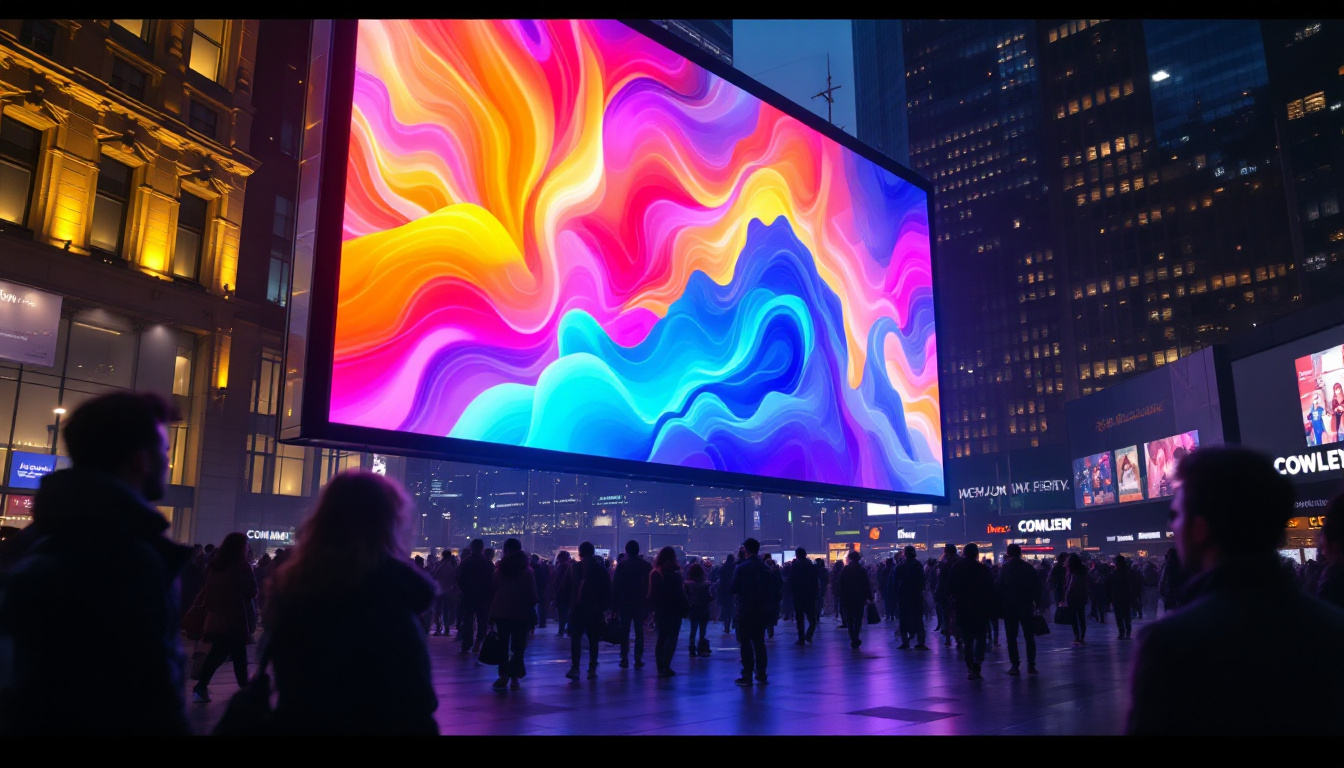
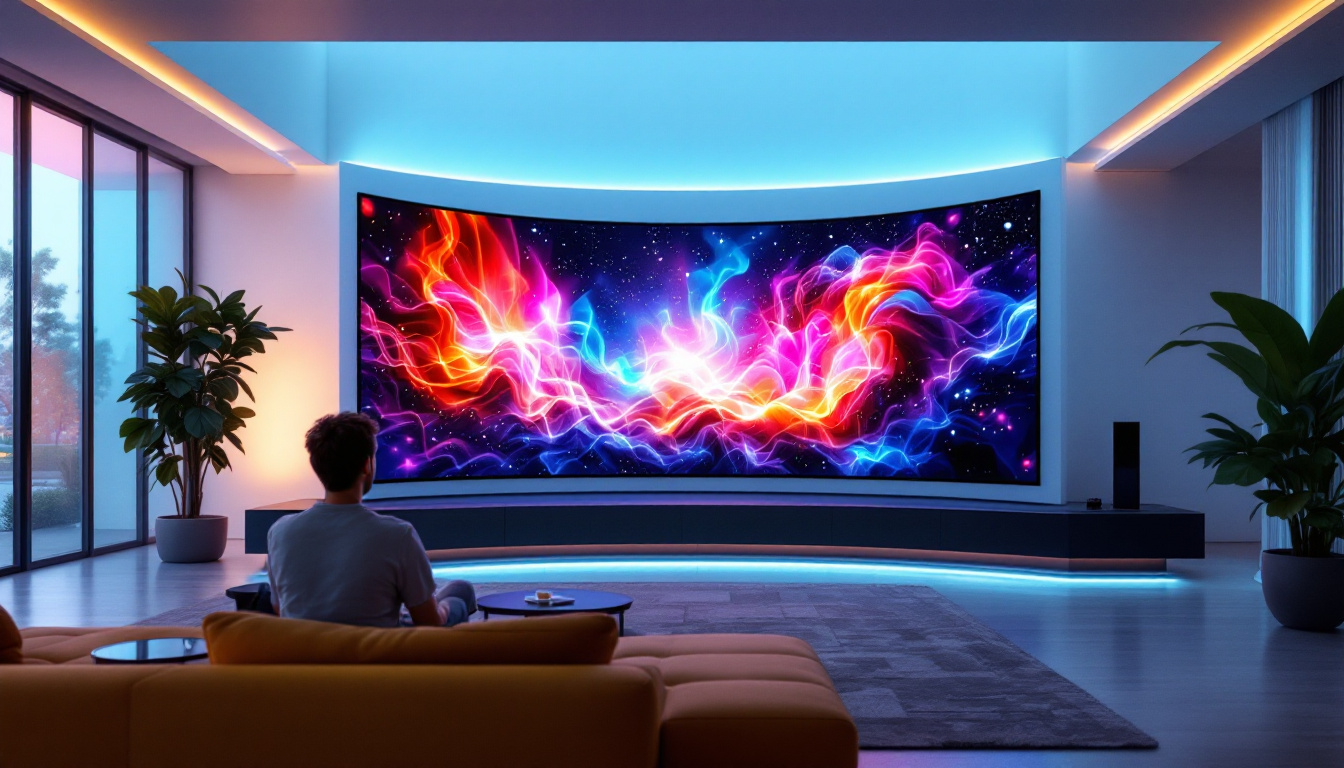
Unlike traditional LCD or plasma screens, LED displays are known for their superior brightness, energy efficiency, and longevity. These characteristics make them ideal for both indoor and outdoor applications, ranging from advertising billboards and stadium screens to indoor event backdrops and retail signage. The ability to operate efficiently with lower power consumption not only reduces operational costs but also minimizes environmental impact, making LED displays a more sustainable choice for businesses and organizations looking to make a statement.
Types of LED Displays
LED displays come in various forms, primarily categorized by their pixel pitch, size, and intended use. Pixel pitch refers to the distance between the centers of two adjacent pixels and directly impacts the resolution and viewing distance of the display. A smaller pixel pitch results in a higher resolution, allowing for clearer images when viewed up close, while a larger pixel pitch is more suited for distant viewing, such as in large public venues.
- Indoor LED Displays: These typically have a smaller pixel pitch (e.g., 1.2mm to 4mm) for close-up viewing, offering high resolution and clarity. They are often used in settings such as conference rooms, retail environments, and control rooms, where detailed visuals are crucial for effective communication.
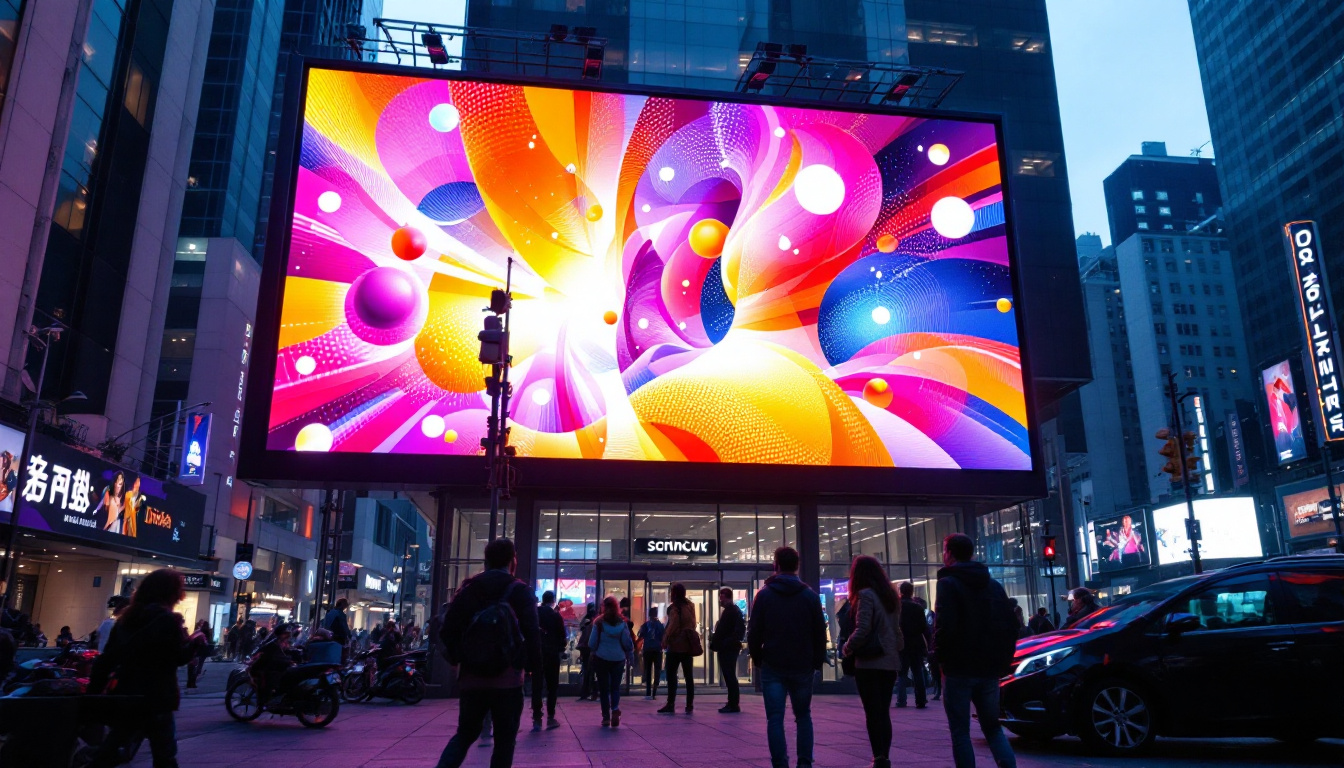
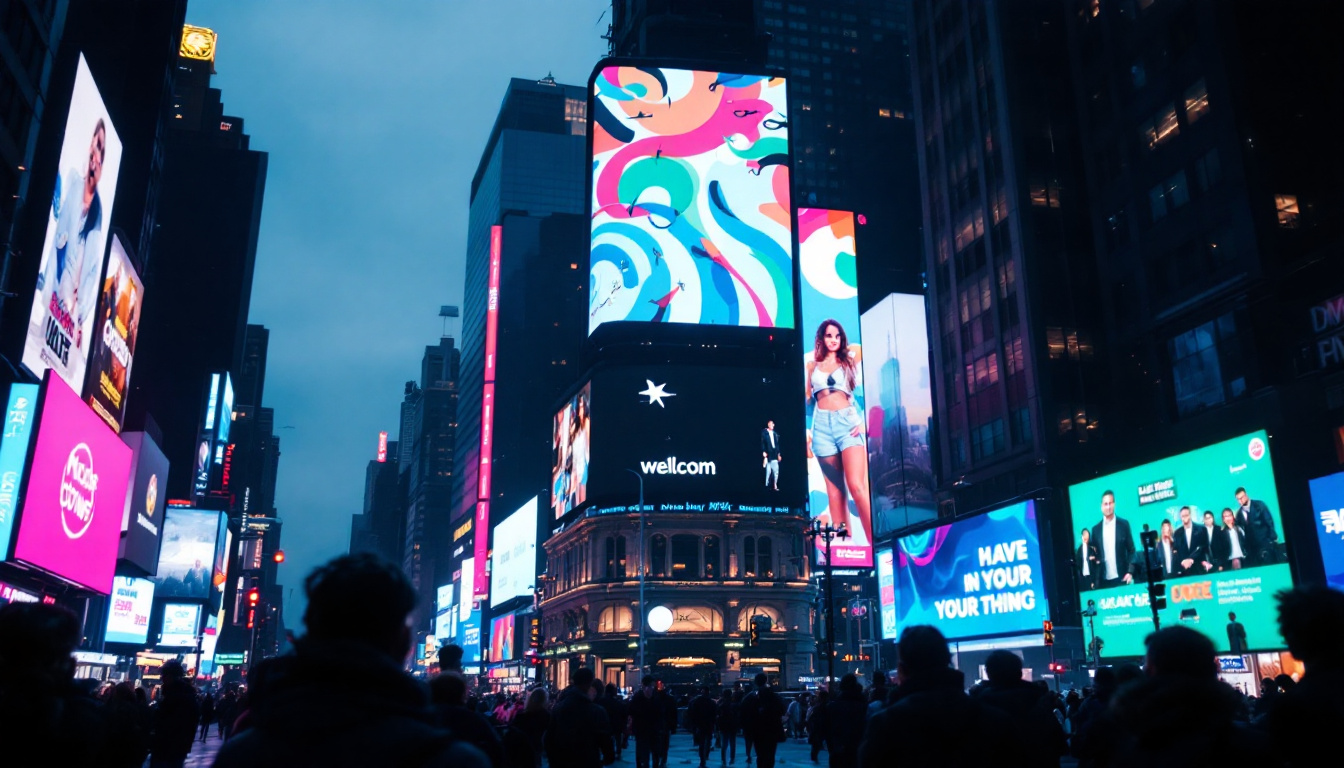
- Outdoor LED Displays: Designed for visibility in sunlight, these have larger pixel pitches (e.g., 6mm to 20mm) and are built to withstand weather conditions. With advancements in technology, many outdoor displays now incorporate protective coatings and weather-resistant enclosures, ensuring durability and performance even in harsh environments.
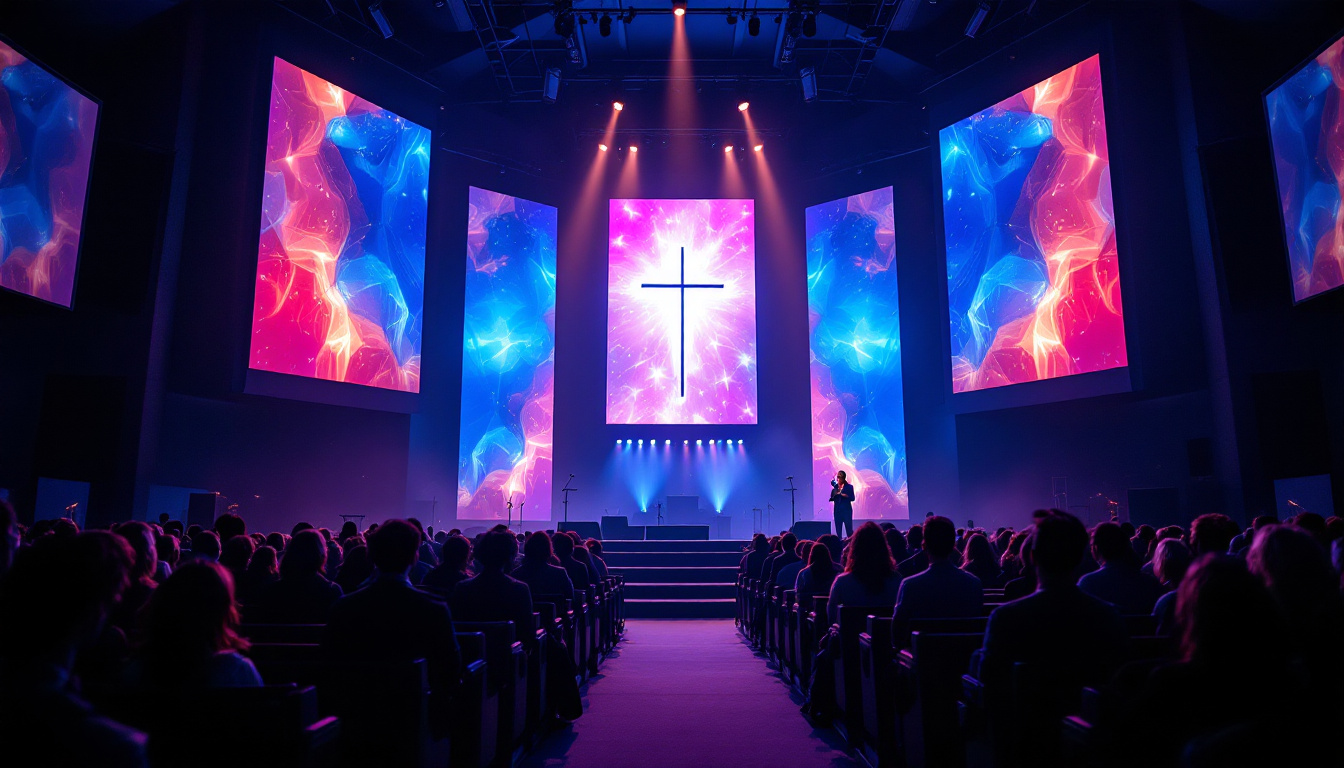
- Flexible and Transparent LED Displays: Emerging technologies allow for curved or see-through displays, expanding creative possibilities. These innovative designs enable unique applications, such as integrating displays into architectural elements or creating immersive environments that blend seamlessly with their surroundings.
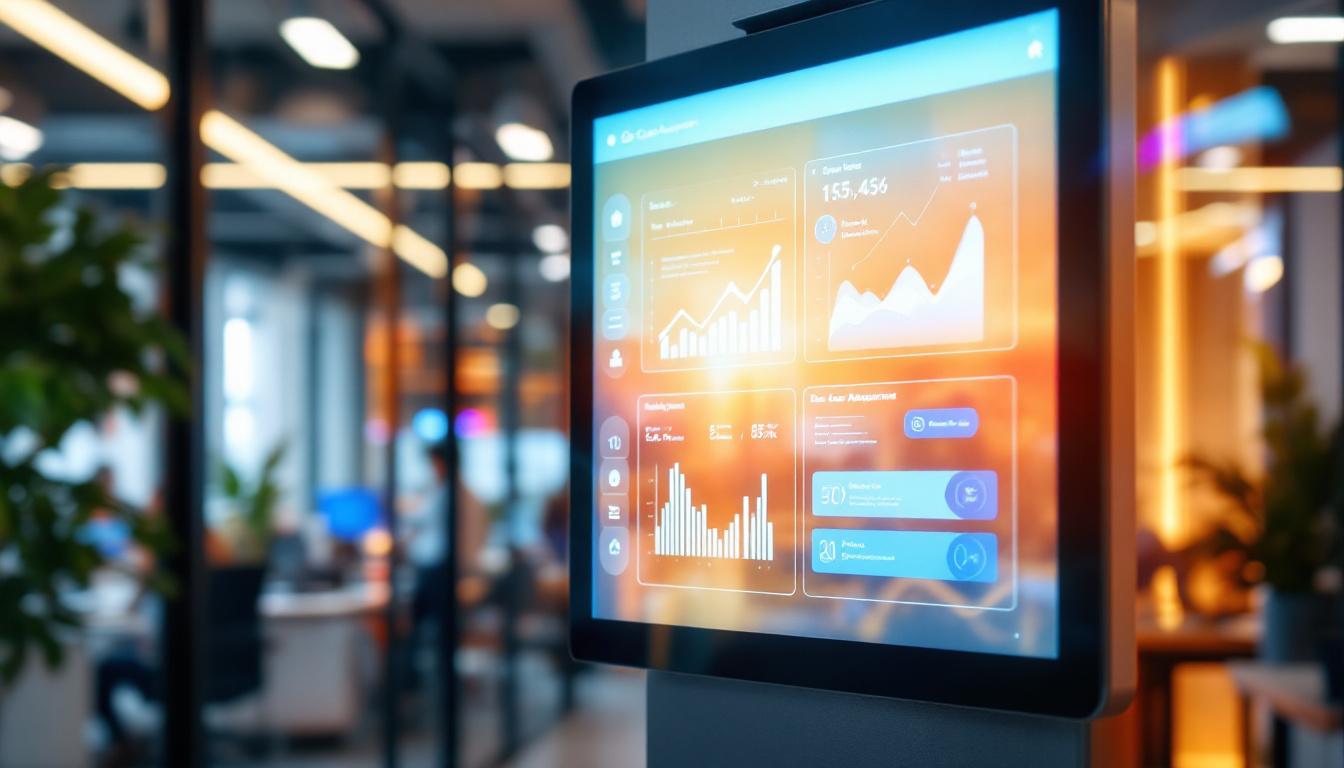
Furthermore, LED displays are increasingly being integrated with smart technology, allowing for real-time content updates and interactivity. This capability enhances user engagement and provides opportunities for personalized advertising, event promotions, and interactive installations. As the demand for dynamic visual content continues to grow, the versatility and adaptability of LED displays position them as a leading choice for a wide range of applications across various industries.
Why the Dimension 2.07M Matters in LED Display Projects
When specifying LED displays, dimensions such as width, height, and depth are critical for multiple reasons. A width of 2.07 meters (approximately 6.79 feet) is a common size for modular LED panels or segments used in assembling larger screens.
This size strikes a balance between manageability and visual impact. For instance, a 2.07-meter-wide panel can be easily transported and installed by a small team, yet it provides a substantial viewing area when combined with other panels.
Applications of 2.07M Wide LED Displays
Several industries and use cases benefit from LED displays around this size:
- Retail and Showrooms: Medium-sized LED walls measuring around 2 meters wide are perfect for dynamic product displays and promotional content.
- Corporate Events and Conferences: Portable LED screens of this size facilitate presentations and branding without overwhelming the venue space.
- Broadcast and Studios: LED walls measuring approximately 2 meters wide serve as immersive backdrops for newsrooms and entertainment sets.
- Public Information Displays: Transit hubs and public buildings use LED panels of this size to convey schedules, alerts, and advertisements effectively.
Technical Considerations When Working with 2.07M LED Displays
Choosing or working with an LED display approximately 2.07 meters wide involves several technical factors beyond just size. Understanding these ensures optimal performance and integration.
Resolution and Pixel Pitch
The resolution of an LED display depends on the pixel pitch and the total number of pixels. For a 2.07-meter-wide display, the pixel pitch determines how sharp the image will be at various viewing distances.
For example, a 2.07-meter-wide display with a 3mm pixel pitch will have approximately 690 pixels across its width (2,070mm / 3mm = 690 pixels). This resolution is suitable for indoor environments where viewers are relatively close.
Brightness and Contrast
Brightness is measured in nits (cd/m²), and LED displays typically range from 800 nits for indoor use to over 5,000 nits for outdoor screens. A 2.07-meter display intended for outdoor use must have sufficient brightness to remain visible in direct sunlight.
Contrast ratio also plays a vital role in image quality, influencing how well the display renders dark and bright areas. High contrast ratios contribute to more vivid and engaging visuals.
Power Consumption and Heat Management
LED displays consume varying amounts of power depending on size, brightness, and usage patterns. A 2.07-meter-wide LED panel may draw significant power, especially at high brightness levels.
Efficient heat dissipation mechanisms are necessary to prevent overheating, which can degrade performance and lifespan. Modern LED panels incorporate advanced cooling solutions such as heat sinks and ventilation systems.
Installation and Maintenance
Modular LED panels measuring around 2.07 meters wide are designed for straightforward installation. They often feature locking mechanisms and alignment tools to ensure seamless assembly.
Maintenance considerations include accessibility for repairs, ease of replacing faulty modules, and cleaning procedures to maintain optimal brightness and color accuracy.
Real-World Examples of 2.07M LED Displays
Several high-profile projects showcase the versatility and impact of LED displays around 2.07 meters wide. These examples illustrate how this size fits into broader display configurations and serves diverse purposes.
Retail Window Displays
Leading fashion brands have adopted 2.07-meter-wide LED panels for their storefronts, creating eye-catching digital windows that attract foot traffic. These displays combine high resolution with dynamic content, such as animations and interactive elements, to enhance customer engagement.
Sports Arenas and Scoreboards
In many sports venues, LED panels of this size are integrated into larger scoreboard systems. Their modular nature allows for flexible configurations that can be tailored to specific event requirements, ensuring spectators have clear views of scores, replays, and advertisements.
Corporate Lobbies and Reception Areas
Companies use 2.07-meter-wide LED walls in their lobbies to communicate brand messages, display news feeds, or showcase product innovations. These installations contribute to a modern and professional atmosphere, reinforcing corporate identity.
Future Trends in LED Display Dimensions and Technology
The LED display industry continues to evolve rapidly, with innovations influencing size, resolution, and functionality. While 2.07 meters remains a common panel width, emerging trends are shaping how these displays are designed and used.
Higher Resolution and Smaller Pixel Pitch
Advancements in LED manufacturing are enabling smaller pixel pitches, which increase resolution without enlarging the physical size of panels. This means future 2.07-meter-wide displays will offer even crisper images, suitable for closer viewing distances.
Flexible and Curved Displays
Flexible LED panels are gaining traction, allowing screens to bend and curve around architectural features. This flexibility opens new possibilities for creative installations in retail, entertainment, and public spaces.
Integration with Smart Technologies
Smart LED displays incorporate sensors, cameras, and AI-driven content management systems. Panels around 2.07 meters wide can become interactive surfaces that respond to viewer presence, environmental conditions, or real-time data feeds.
Conclusion
Understanding the measurement of 2.07 meters in feet and its relevance to LED displays is fundamental for anyone involved in digital signage, event production, or visual communication. At approximately 6.79 feet wide, LED panels of this size offer a versatile and practical solution for a wide range of applications.
From technical specifications like pixel pitch and brightness to real-world use cases in retail, sports, and corporate environments, the 2.07-meter dimension remains a popular choice for modular LED display systems. As technology advances, these displays will continue to evolve, offering higher resolution, greater flexibility, and smarter integration.
Whether planning a new installation or upgrading existing digital signage, appreciating the significance of dimensions such as 2.07 meters in feet ensures informed decisions that maximize visual impact and operational efficiency.
Discover LumenMatrix’s Advanced LED Display Solutions
Ready to elevate your visual display capabilities? LumenMatrix offers a comprehensive range of LED display solutions tailored to meet your specific needs. From vibrant Indoor LED Wall Displays to robust Outdoor LED Wall Displays, and from dynamic LED Sports Displays to innovative Custom LED Displays, our technology is designed to captivate and engage your audience. Experience the future of visual communication with LumenMatrix’s cutting-edge LED display modules. Check out LumenMatrix LED Display Solutions today and transform your space into a visual masterpiece.