In today’s digital era, LED displays have become ubiquitous, transforming the way we consume information, entertain ourselves, and engage with the world around us. From smartphones and televisions to massive outdoor billboards and stadium screens, LED technology powers a diverse range of devices and installations. Understanding the popular screen sizes and the nuances behind LED displays is essential for consumers, businesses, and professionals alike. This article explores the most common LED screen sizes, their applications, and the technology that drives them, providing a comprehensive overview for anyone interested in the vibrant world of LED displays.
Understanding LED Display Technology
Light Emitting Diode (LED) displays are screens that use tiny light-emitting diodes to create images. Unlike traditional LCDs that rely on backlighting, LED displays illuminate each pixel individually, resulting in superior brightness, contrast, and energy efficiency. This technology has evolved rapidly, enabling screens to become thinner, more vibrant, and more versatile. The advancements in LED technology have not only enhanced visual experiences but have also led to innovations in design, allowing for curved and flexible displays that can fit into various architectural spaces.
LED displays come in various forms, including:
- Direct View LED (DVLED): These are large-scale displays made up of modular LED panels, commonly used in outdoor advertising and event screens. Their ability to maintain visibility in bright sunlight makes them ideal for high-traffic areas.
- LED-backlit LCDs: Most consumer televisions and monitors use LED backlighting behind an LCD panel to improve picture quality. This hybrid technology combines the best aspects of both LED and LCD, providing a balance of color accuracy and energy efficiency.
- MicroLED: An emerging technology promising even higher resolution and efficiency by using microscopic LEDs as individual pixels. MicroLED displays have the potential to revolutionize the market with their ability to deliver true blacks and a wider color gamut, making them a strong contender against OLED technology.
Each type has unique characteristics that influence the optimal screen size for its intended use. For instance, DVLEDs are often deployed in large venues where visibility from a distance is crucial, while MicroLEDs are more suited for high-end home theaters or commercial spaces where detail and color fidelity are paramount. Furthermore, the flexibility of LED technology allows for creative applications, such as digital signage that can adapt to various environments or even interactive displays that engage users in novel ways. As the demand for high-quality visual content continues to grow, the evolution of LED technology will likely pave the way for even more innovative applications in the future.
Popular LED Screen Sizes and Their Applications
Small to Medium Screens: Smartphones, Tablets, and Laptops
LED technology has revolutionized portable devices, with screen sizes typically ranging from 4 inches on smartphones to around 17 inches on laptops. For example, the average smartphone screen size in 2024 is approximately 6.5 inches diagonally, a size that balances portability with usability. Tablets often range between 7 and 12 inches, providing larger canvases for media consumption and productivity.
These smaller LED-backlit LCD screens prioritize high pixel density to deliver sharp images and vibrant colors. The widespread adoption of OLED (Organic LED) in smartphones, which is a variant of LED technology, has further enhanced display quality, offering deeper blacks and better contrast ratios. Additionally, advancements in screen technology have led to features like adaptive brightness and blue light reduction, which improve user comfort during prolonged use, making these devices not only visually appealing but also more user-friendly.
Medium to Large Screens: Televisions and Computer Monitors
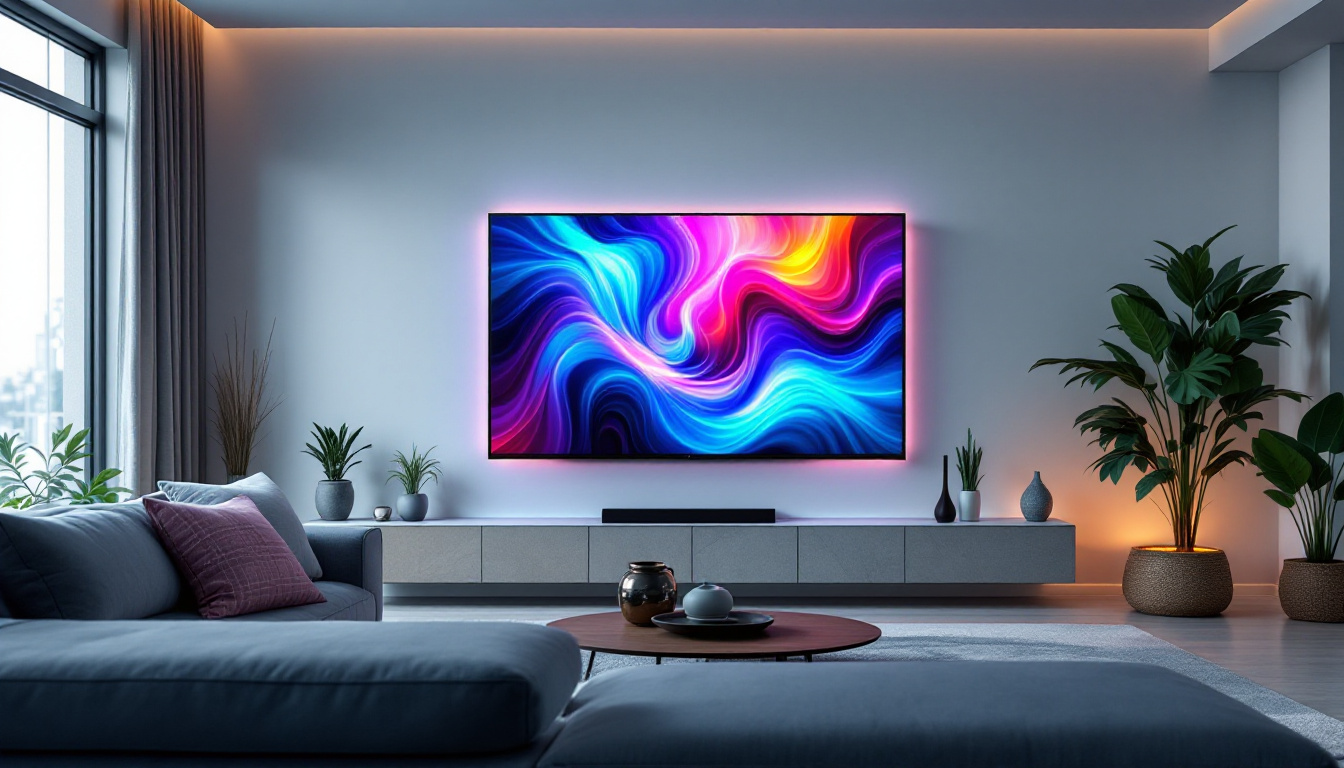
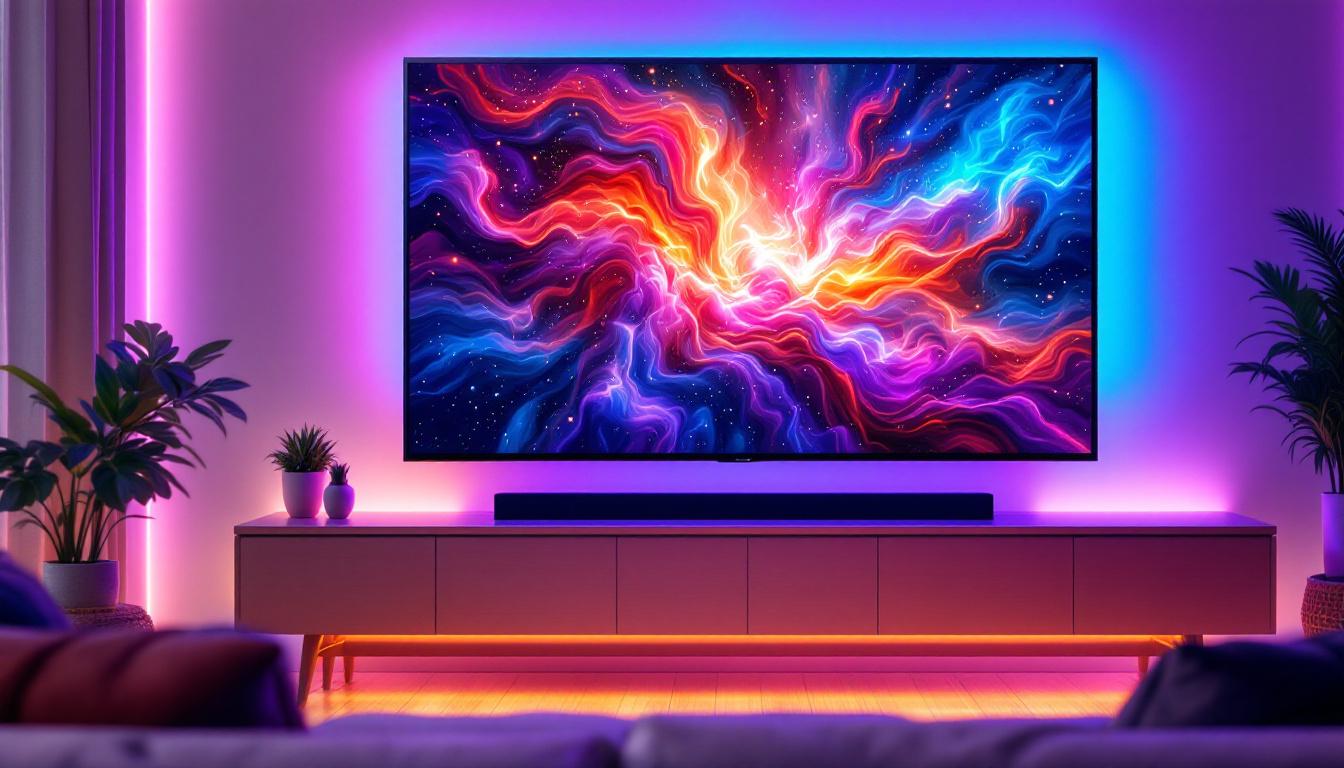
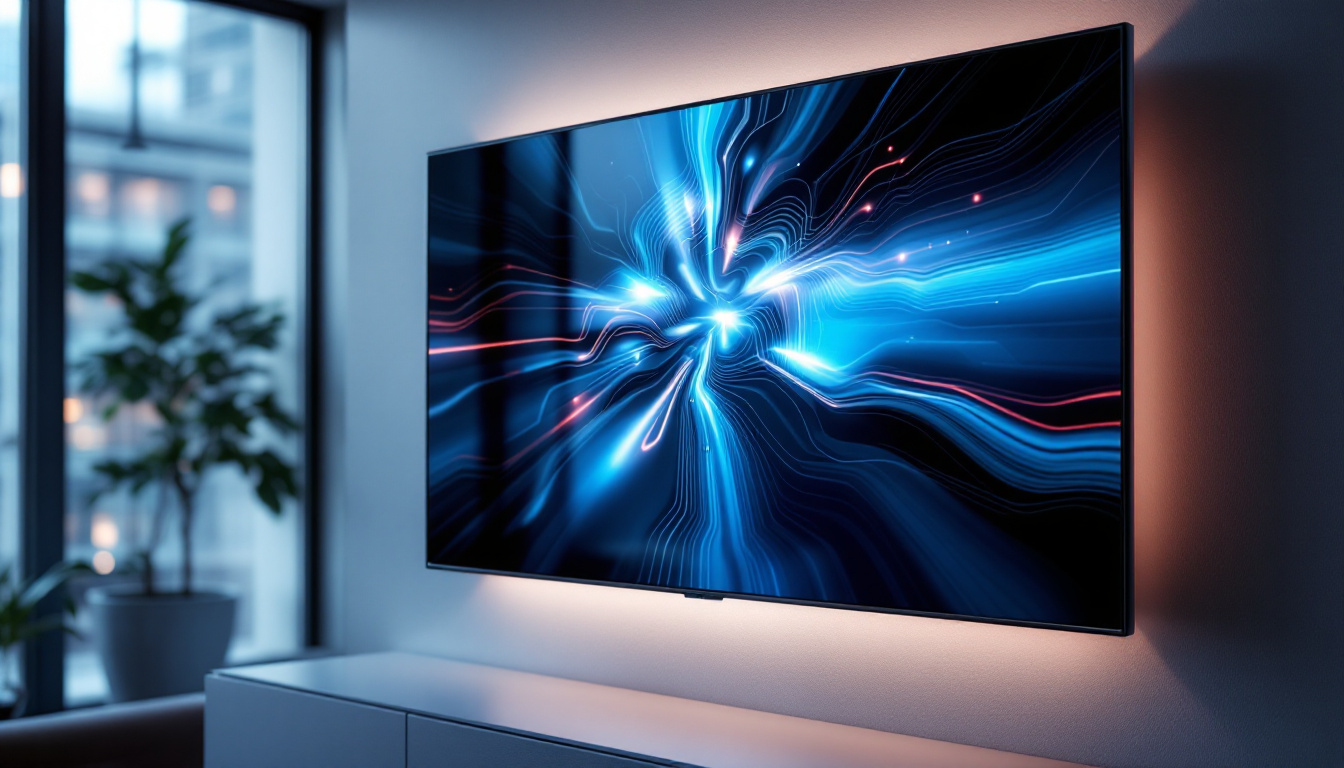
In the home entertainment and professional workspace sectors, LED displays dominate with a wide range of sizes. Televisions commonly range from 32 inches to 85 inches, with 55 to 65 inches being the most popular sizes for living rooms. According to recent market research, 55-inch LED TVs account for nearly 30% of global sales, reflecting consumer preference for immersive viewing experiences without overwhelming room space.
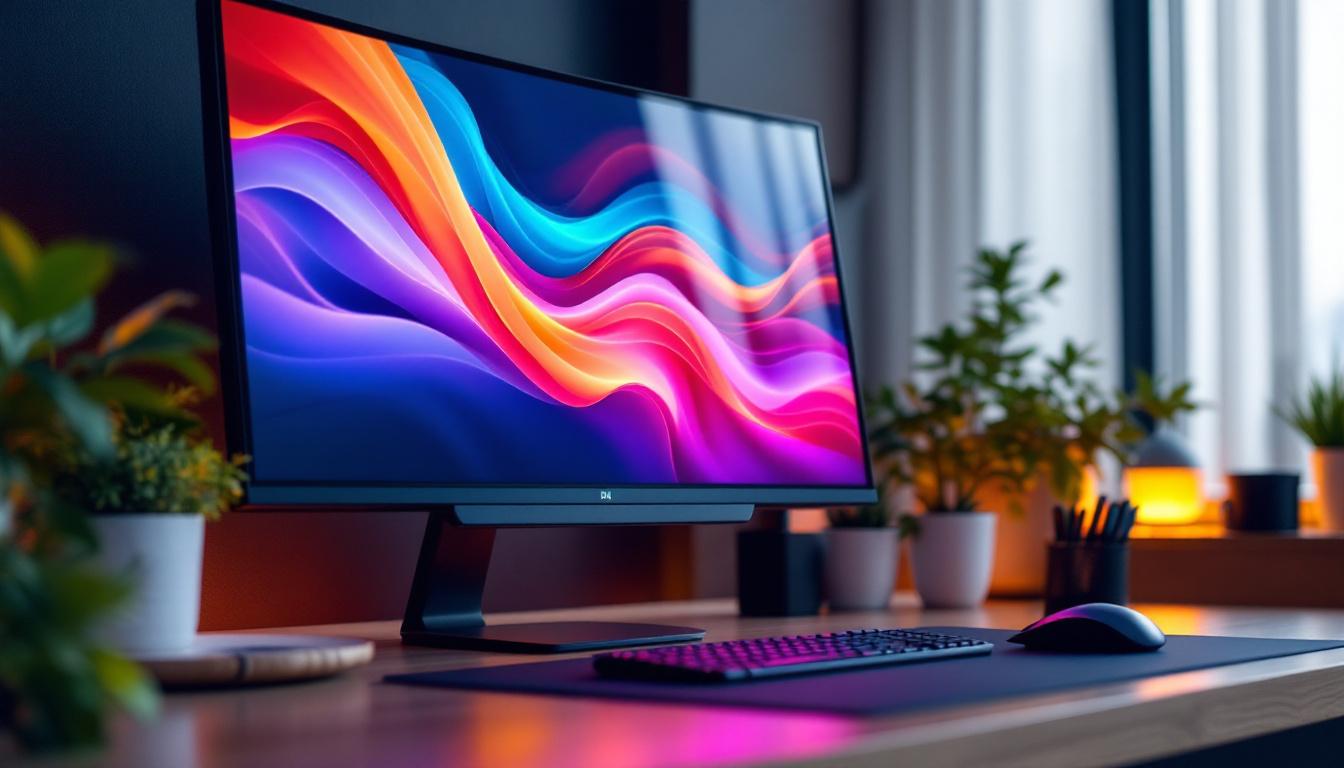
Computer monitors vary from 21 inches to 34 inches or more, with ultrawide formats gaining traction for productivity and gaming. LED-backlit LCD monitors offer excellent color accuracy and refresh rates, essential for graphic designers, video editors, and gamers. Furthermore, many monitors now come equipped with features such as HDR (High Dynamic Range) support and adaptive sync technologies, which enhance the visual experience by providing more vivid colors and smoother motion during fast-paced action scenes, making them ideal for both work and play.
Large-Scale LED Displays: Digital Signage and Outdoor Screens
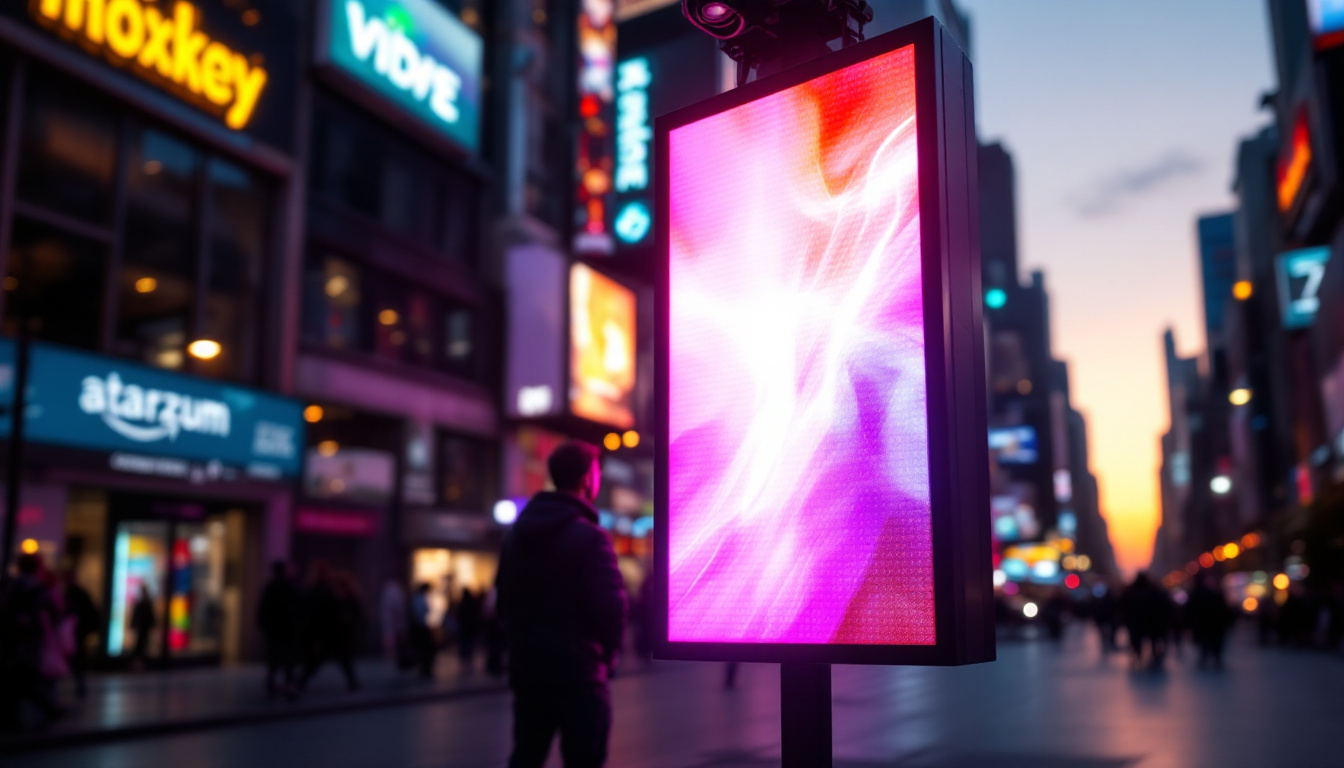
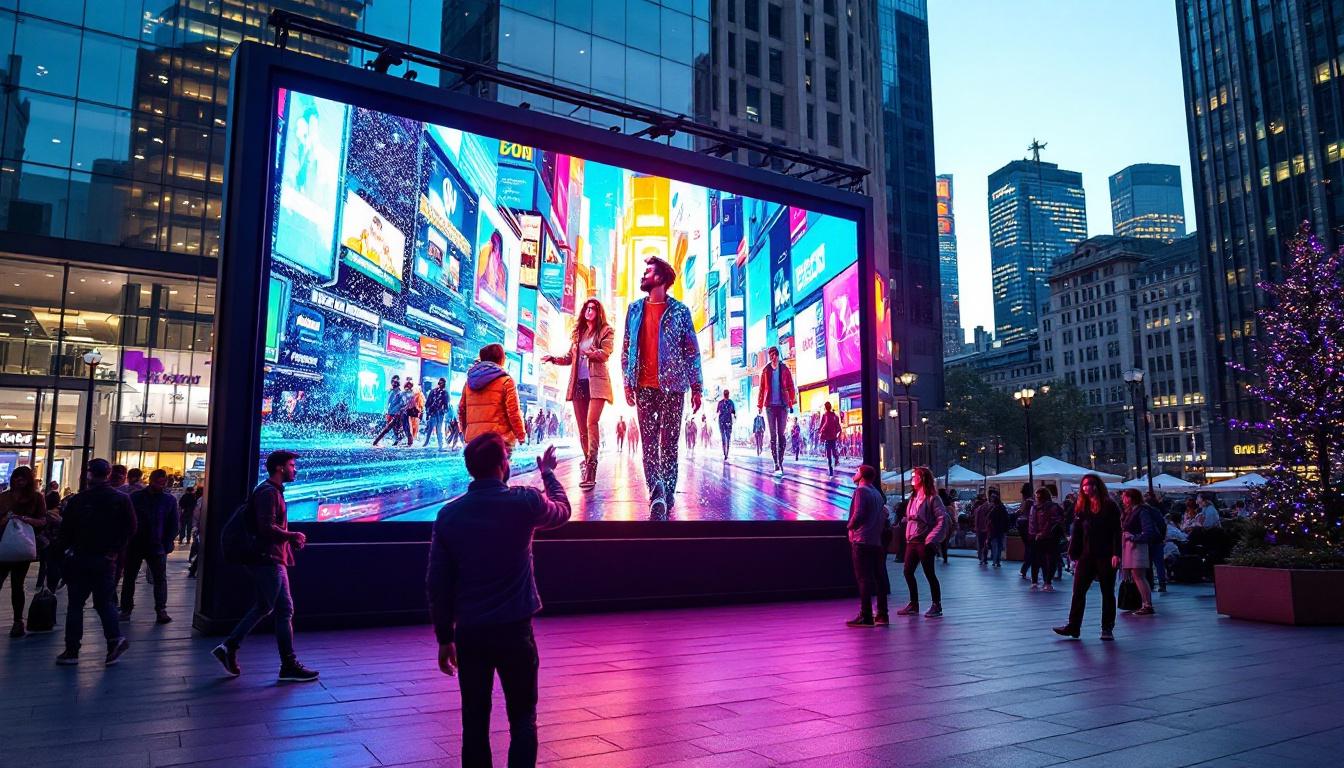
Outdoor and commercial LED displays are significantly larger, often measured in feet rather than inches. These include digital billboards, stadium screens, and public information displays. Typical sizes range from 10 feet by 20 feet to massive installations exceeding 50 feet in width.
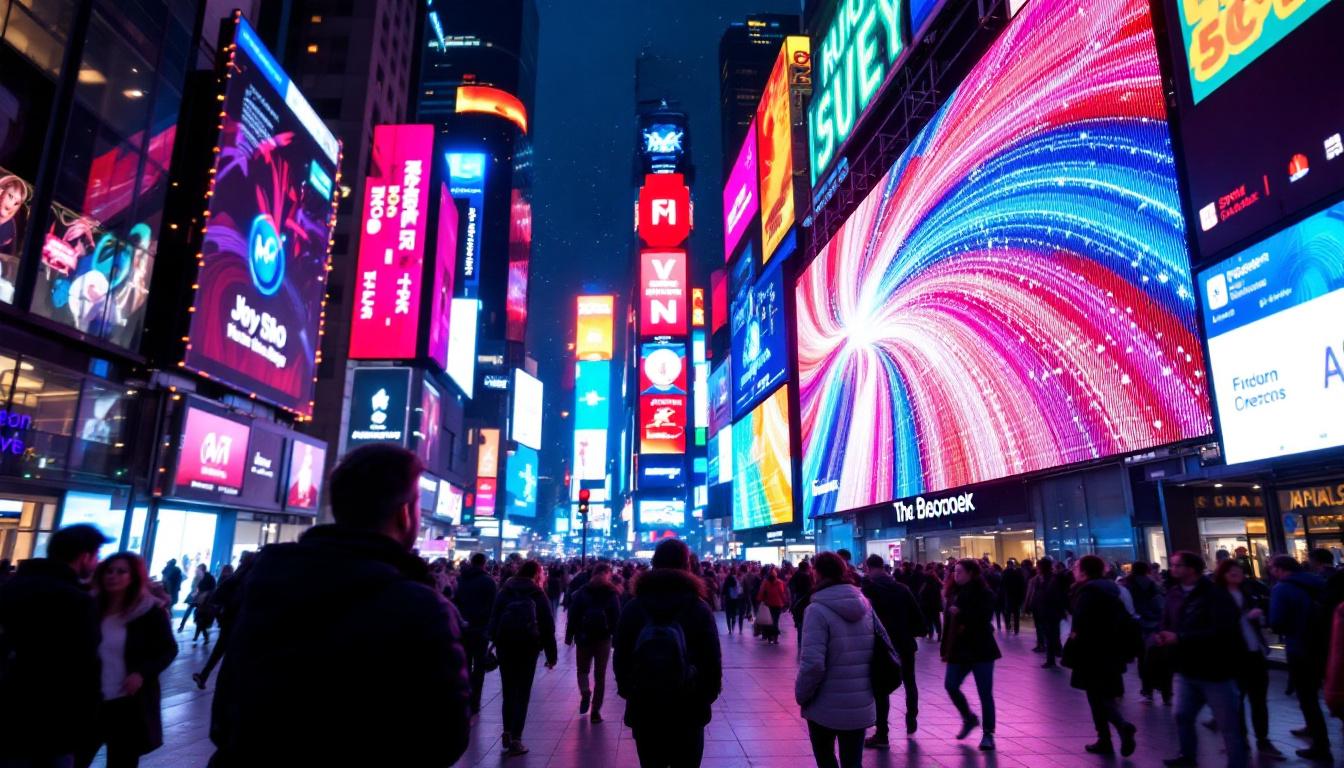
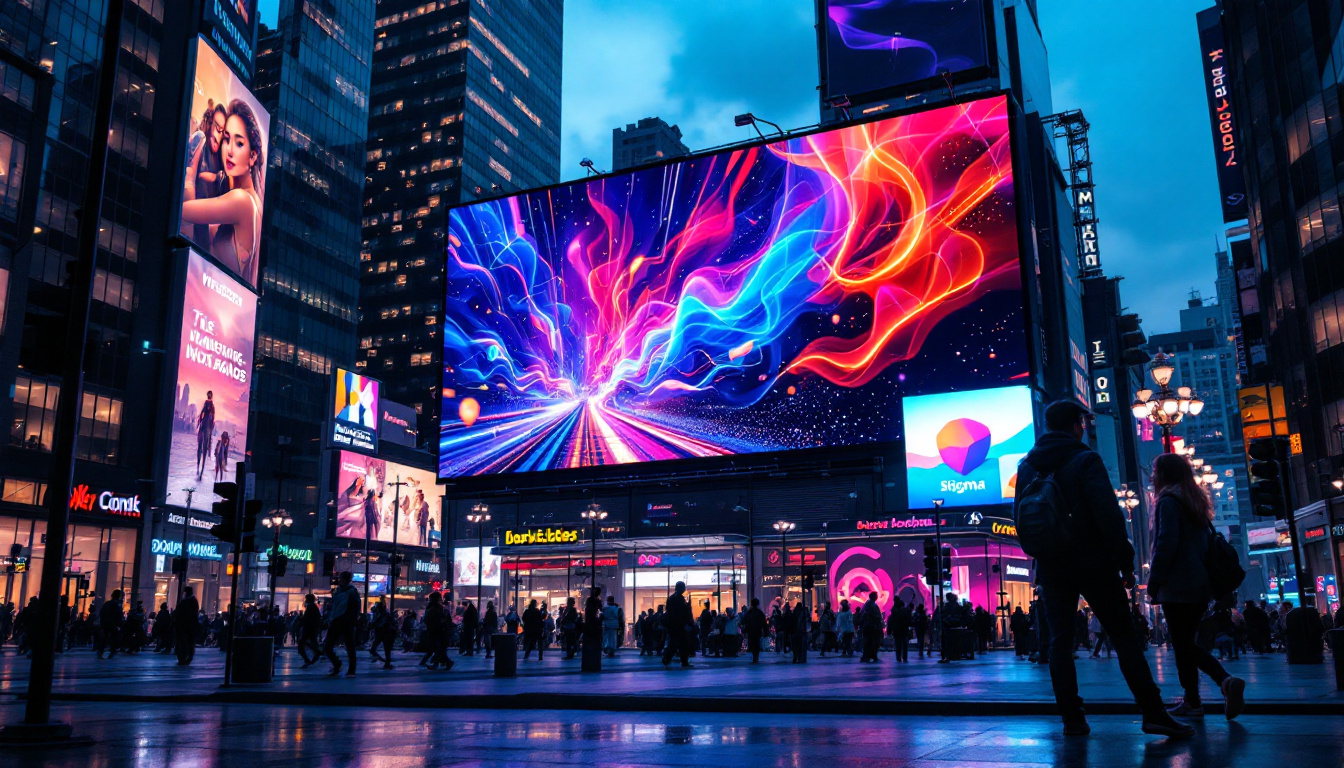
One notable example is Times Square in New York City, where LED billboards can reach sizes of over 100 feet wide and 50 feet tall, delivering high-impact advertising visible from great distances. Such large displays use Direct View LED technology, which allows for scalability and high brightness levels necessary to combat sunlight glare. The versatility of these displays extends beyond advertising; they are also used for live event broadcasting, public service announcements, and interactive installations, engaging audiences in ways that traditional media cannot. As technology continues to evolve, we can expect these large-scale displays to incorporate more advanced features, such as real-time data integration and augmented reality, further enhancing their impact and functionality.
Factors Influencing the Choice of LED Screen Size
Viewing Distance and Environment
The optimal screen size is closely tied to the viewing distance. For instance, a 55-inch television is ideal for a viewing distance of about 7 to 9 feet, ensuring viewers can appreciate the resolution without straining their eyes. In contrast, outdoor LED displays are designed to be seen from hundreds of feet away, necessitating much larger screen sizes and higher brightness.
Ambient lighting also plays a crucial role. LED displays in brightly lit environments require higher brightness and contrast ratios to maintain visibility, often influencing the choice of screen size and technology.
Resolution and Pixel Pitch
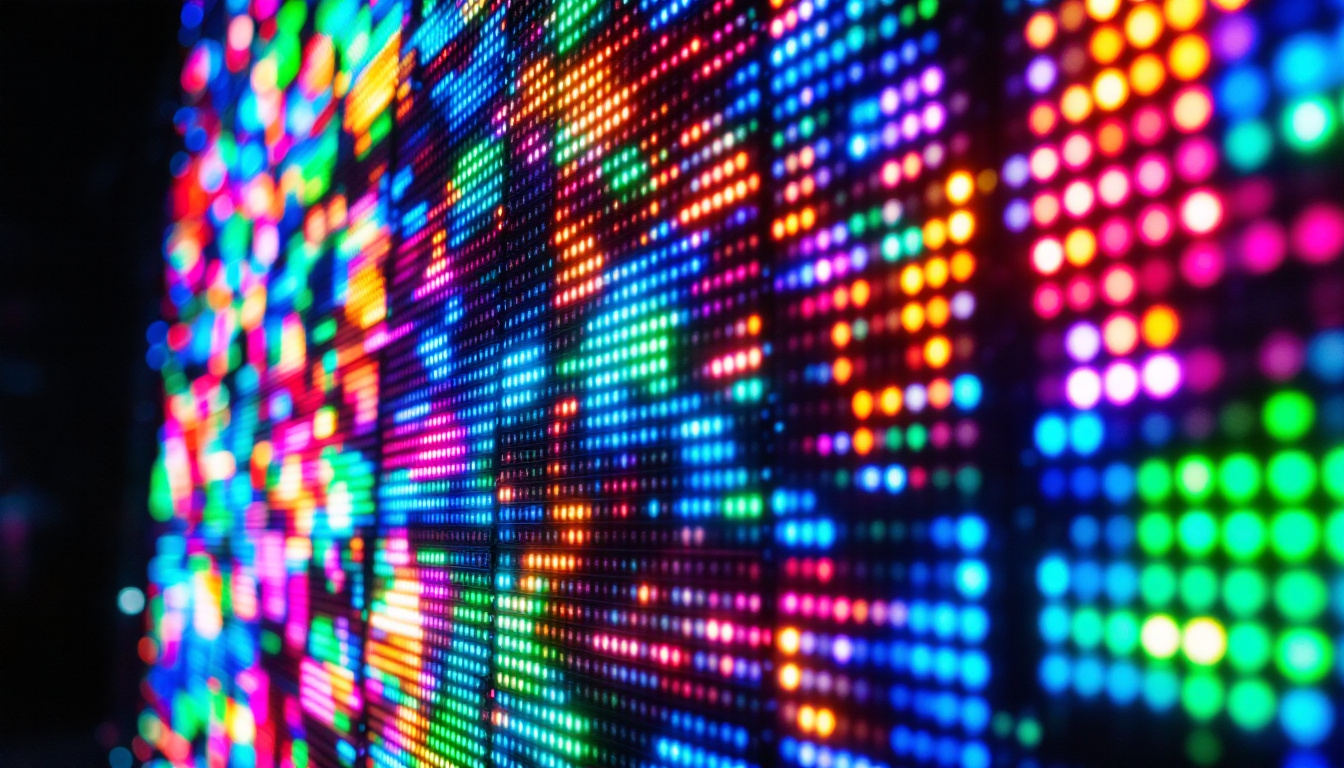
Resolution, the number of pixels on a screen, determines image clarity. For smaller screens, high resolutions such as 4K (3840 x 2160 pixels) or even 8K are common, providing exceptional detail. Larger LED displays, especially outdoor ones, often have lower resolutions but compensate with larger pixel pitch—the distance between individual LEDs—to maintain visibility at greater distances.
For example, a stadium LED screen might have a pixel pitch of 10mm or more, which is acceptable because viewers are far away. Conversely, indoor LED walls used for presentations might have a pixel pitch as low as 1.5mm for crisp images at close range.
Purpose and Content Type
The intended use of the LED display significantly affects size selection. Gaming monitors benefit from sizes between 24 and 32 inches with high refresh rates, while digital signage might prioritize larger sizes for maximum impact. Similarly, television sizes are often chosen based on room dimensions and content preferences, such as sports or cinema.
Trends Shaping the Future of LED Screen Sizes
Increasing Demand for Larger and Curved Displays
Consumer preferences are shifting toward larger screens that offer immersive experiences. Curved LED displays are gaining popularity in both consumer and commercial markets, enhancing viewing angles and reducing distortion. These designs often come in sizes above 65 inches for TVs and 34 inches or more for monitors.
Advancements in MicroLED and Flexible Displays
MicroLED technology promises to revolutionize screen sizes by enabling ultra-high resolution on both small and large displays while maintaining energy efficiency. Flexible and foldable LED displays are also emerging, allowing screens to adapt to various form factors, such as rollable TVs and wearable devices.
Integration with Smart Technologies
Smart LED displays are becoming standard, incorporating AI-driven content optimization, voice control, and seamless connectivity. This integration influences screen size decisions, as users seek devices that fit their smart home ecosystems and offer versatile functionality.
Choosing the Right LED Screen Size: Practical Tips
Assess Your Space and Viewing Habits
Measure the room or area where the LED display will be installed. Consider seating arrangements and typical viewing distances to select a size that offers comfort and optimal viewing angles.
Consider Resolution and Content Quality
Match the screen size with appropriate resolution to avoid pixelation or wasted display potential. High-resolution content is essential for larger screens to maintain image quality.
Evaluate Brightness and Durability for Outdoor Use
For outdoor LED displays, prioritize high brightness levels (often above 5,000 nits) and weather-resistant designs to ensure longevity and visibility under various conditions.
Budget and Installation Constraints
Larger LED displays typically come with higher costs and more complex installation requirements. Balance your budget with desired features and professional installation services to achieve the best results.
Conclusion
LED displays have transformed visual communication across multiple domains, from personal devices to massive public installations. Understanding popular screen sizes and the technology behind LED displays enables informed decisions, whether purchasing a new television, designing digital signage, or planning large-scale events.
As LED technology continues to advance, offering higher resolutions, flexible form factors, and smarter integrations, the range of available screen sizes will expand further. Staying informed about these trends and practical considerations ensures that users and businesses can select the perfect LED display to meet their needs, delivering vibrant, engaging, and impactful visual experiences.
Discover the Future of LED Displays with LumenMatrix
Ready to elevate your visual experience with the latest in LED display technology? Look no further than LumenMatrix, a pioneer in crafting cutting-edge LED solutions that bring your content to life. Whether you’re in need of an Indoor LED Wall Display for a corporate event, an Outdoor LED Wall Display for impactful advertising, or any of our specialized solutions like Vehicle LED Displays and LED Sports Displays, LumenMatrix has you covered. Embrace the future of vibrant and dynamic visual communication with our comprehensive range of LED display modules. Check out LumenMatrix LED Display Solutions today and transform how you share your message with the world.