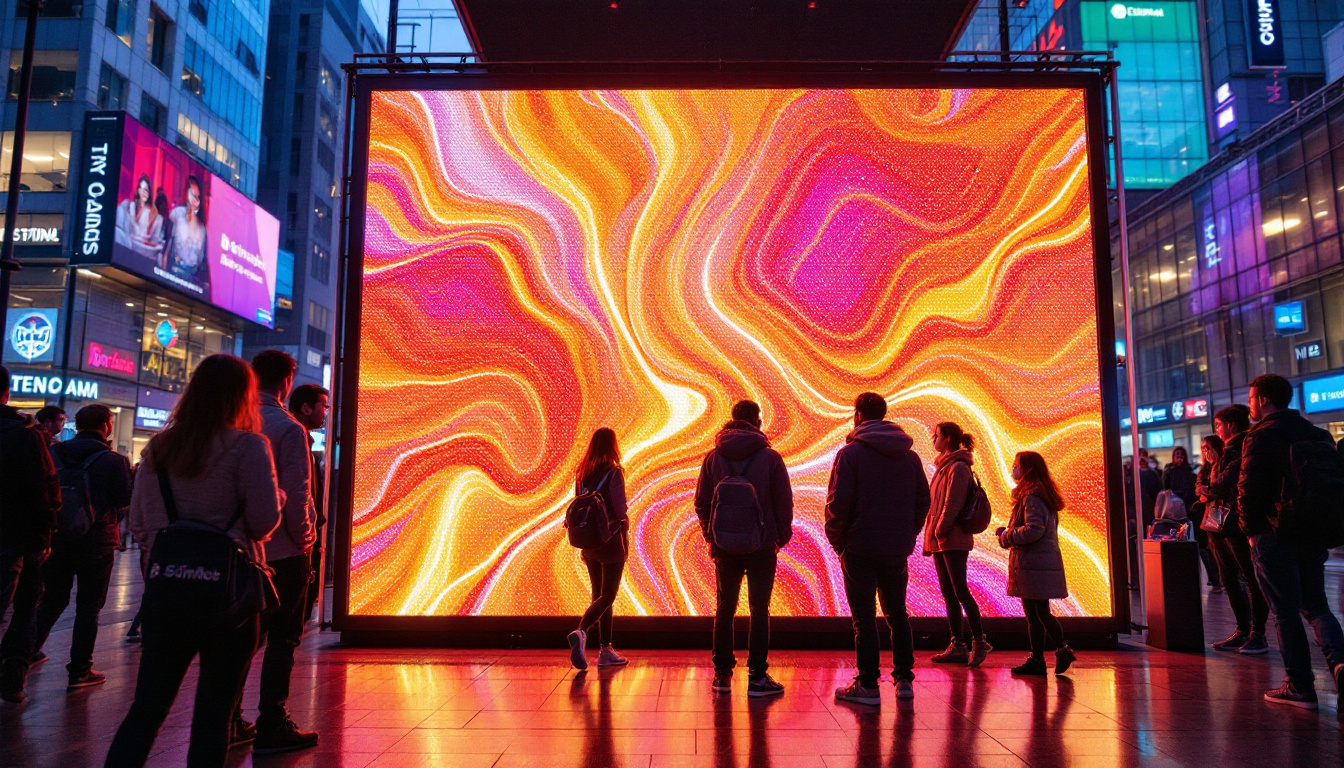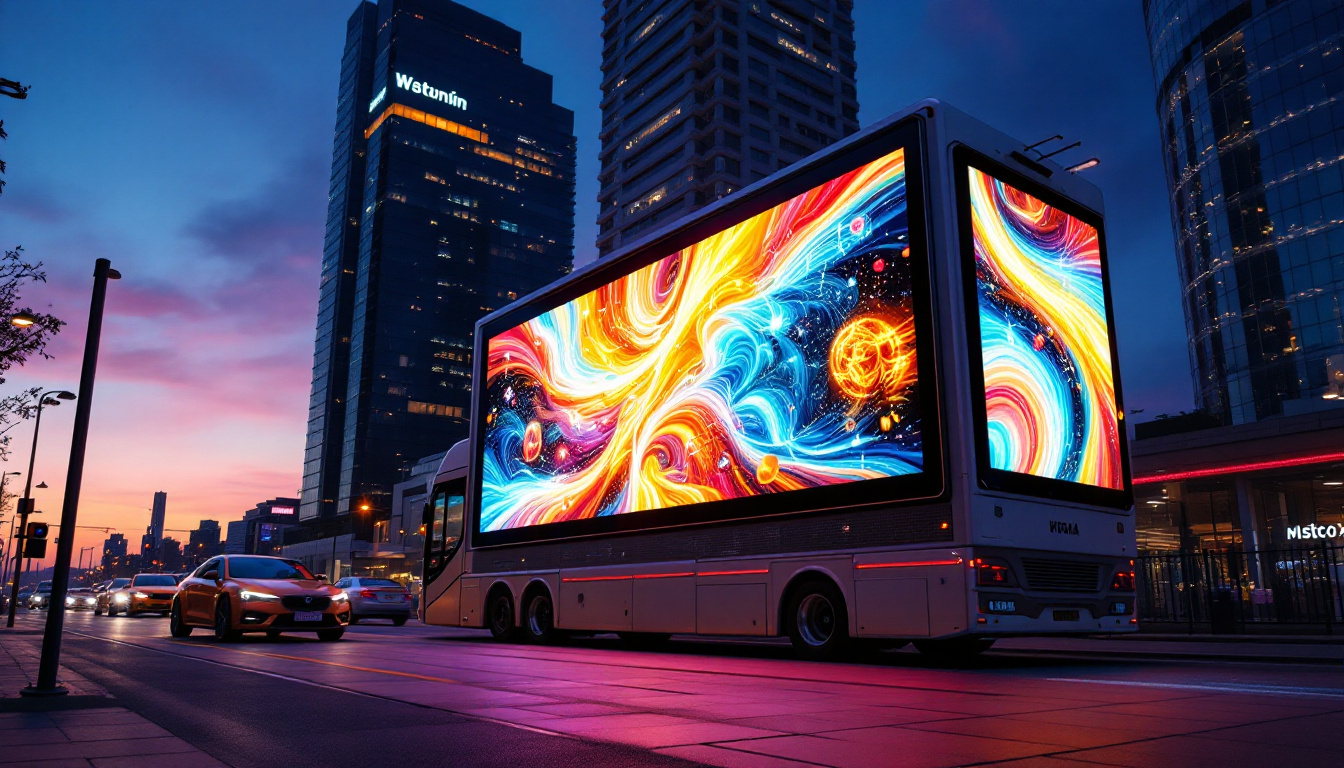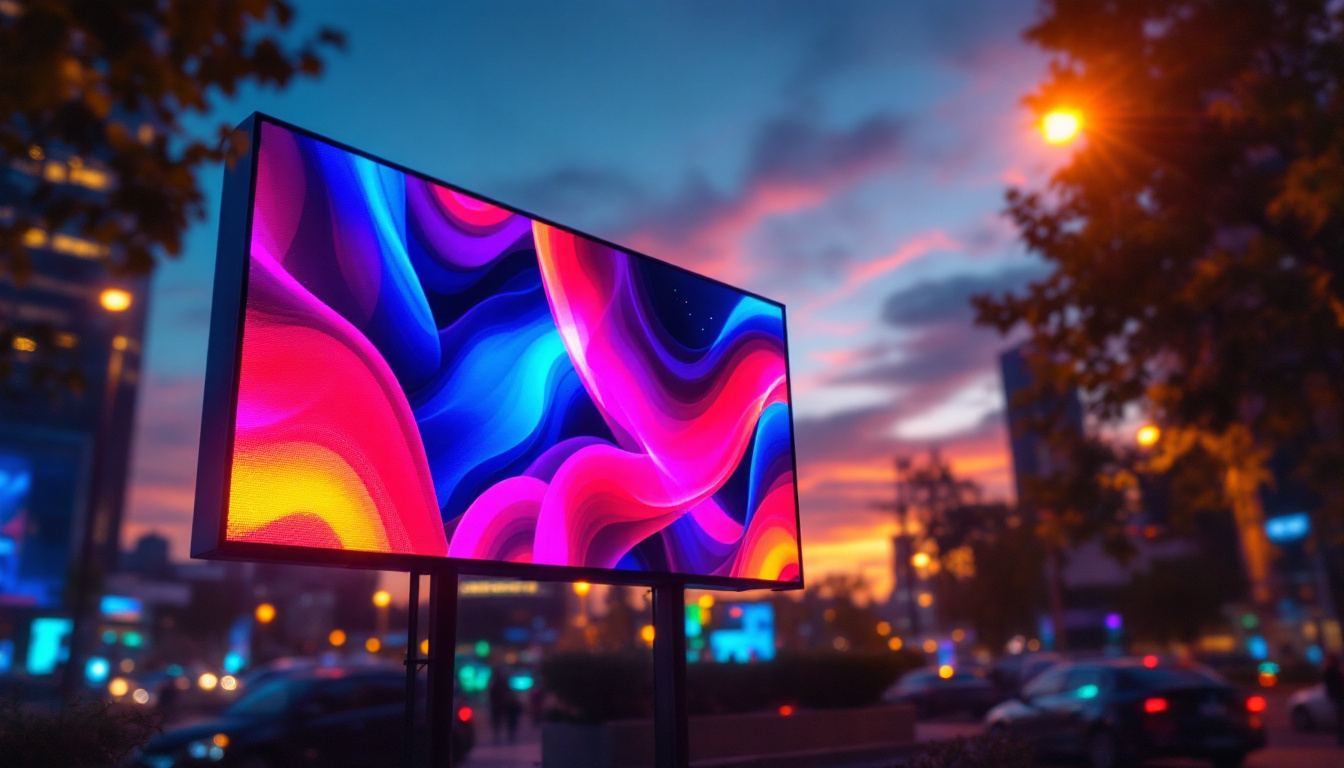
In the ever-evolving world of digital signage and display technology, LED displays have emerged as a dominant force. From vibrant billboards to intricate control room panels, LED displays offer unparalleled brightness, energy efficiency, and versatility. This article delves into the fundamentals of LED displays, exploring their technology, applications, advantages, and future trends, with a particular focus on the meaning and importance of “cd/m²” or candela per square meter — a key metric in understanding display brightness.
Understanding LED Display Technology
LED, short for Light Emitting Diode, is a semiconductor device that emits light when an electric current passes through it. Unlike traditional display technologies like LCD or plasma, LED displays use these tiny diodes as individual pixels to create images, resulting in bright, sharp visuals that are easily visible even in direct sunlight.
How LED Displays Work
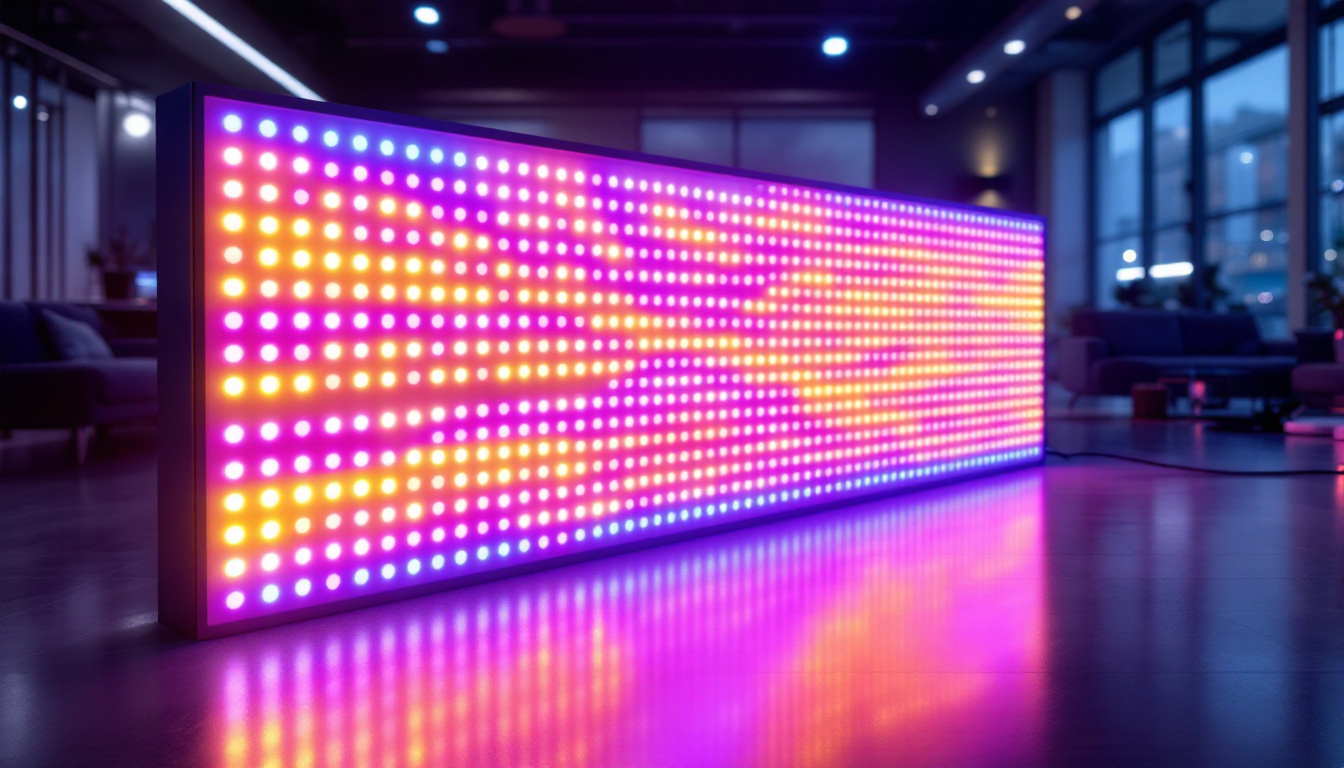
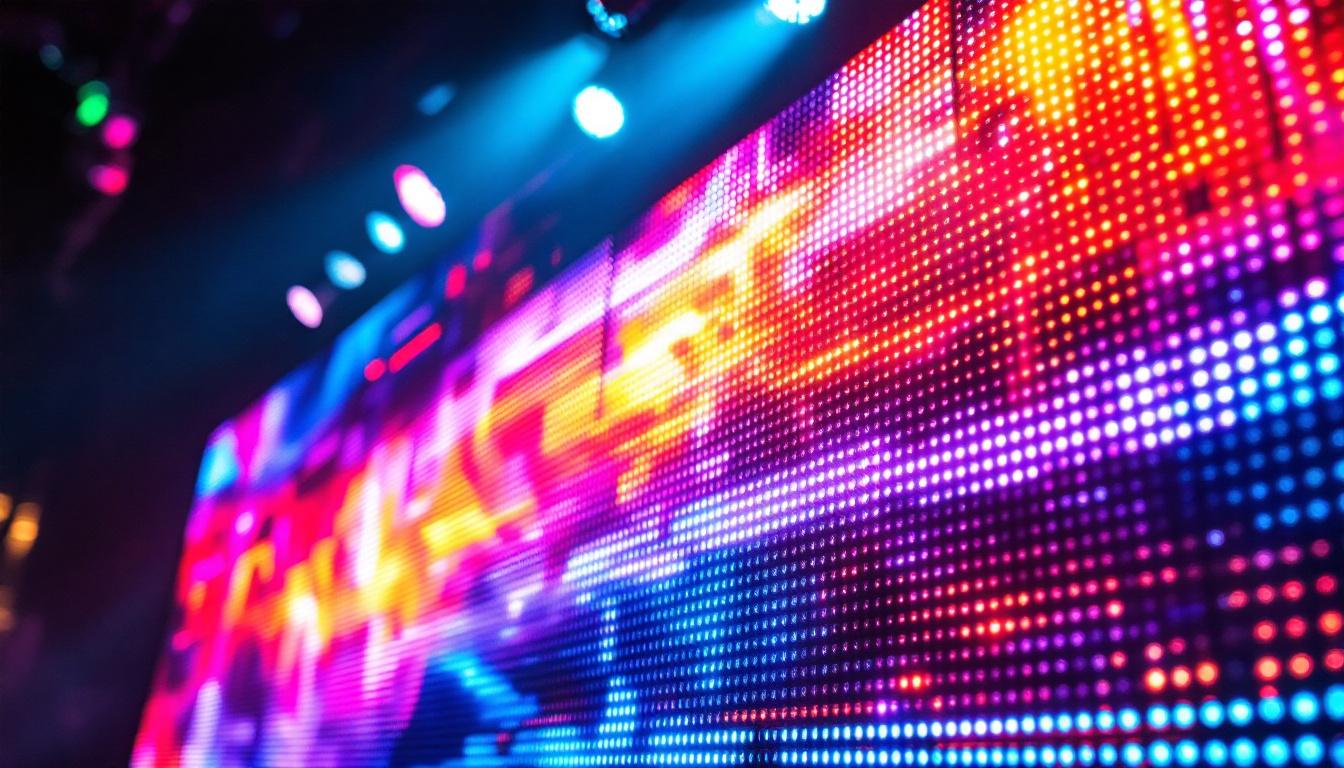
Each pixel in an LED display consists of one or more light-emitting diodes. These diodes can be red, green, or blue, and by varying their intensity, they combine to produce a full spectrum of colors. The display controller manages the brightness and color of each diode, allowing for dynamic and vivid images.
LED displays can be categorized into two main types: direct view LED and LED-backlit LCD. Direct view LED displays use LEDs as the actual pixels, while LED-backlit LCDs use LEDs as a backlight source behind an LCD panel. This article focuses primarily on direct view LED displays, which are commonly used in large-scale outdoor and indoor signage. The flexibility of LED technology allows for various configurations, including curved and flexible displays, which can be tailored to fit unique architectural designs and enhance the viewer’s experience.
The Significance of Brightness: Understanding Cd/m²
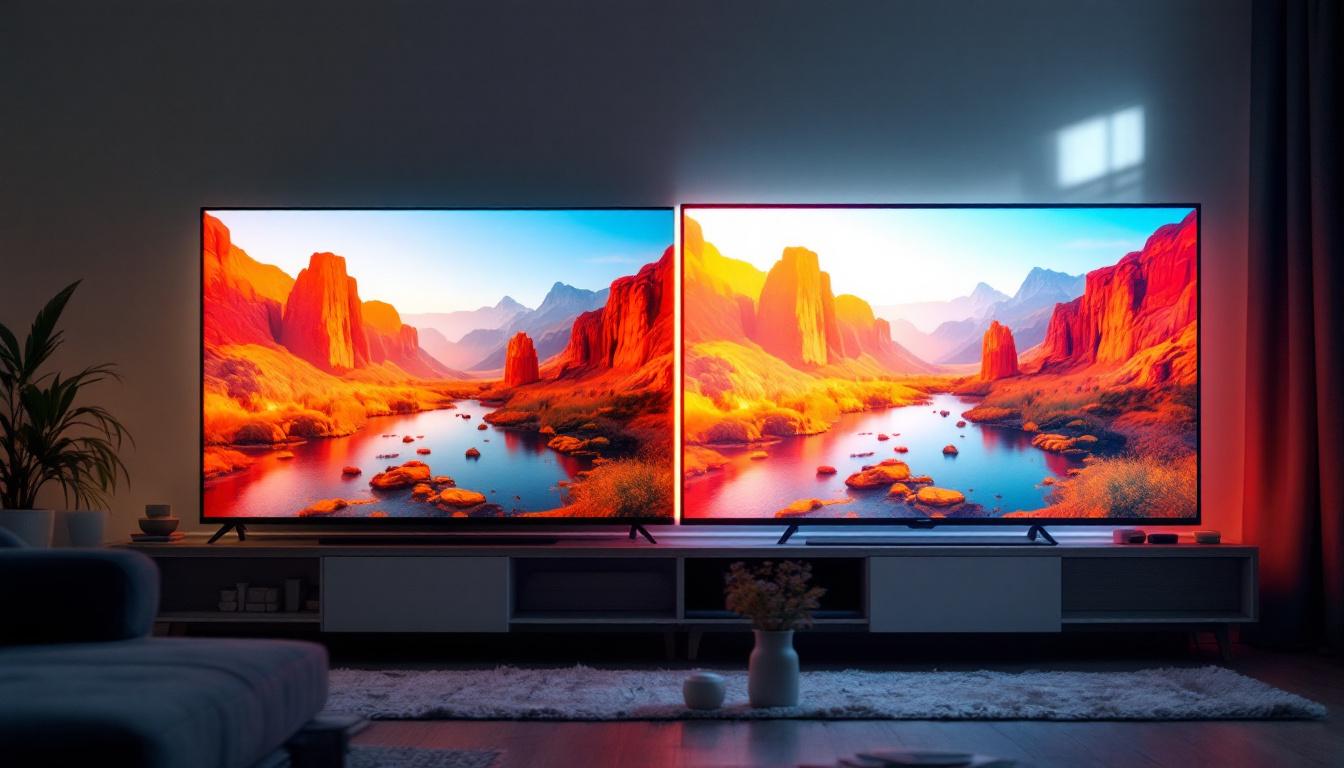
Brightness in display technology is often measured in candelas per square meter (cd/m²), also known as “nits.” This unit quantifies how much light a display emits per unit area. For LED displays, brightness is a critical factor, especially in outdoor environments where ambient light levels can be extremely high.
For example, an indoor LED display might have a brightness of around 800 to 1,200 cd/m², sufficient for typical lighting conditions. In contrast, outdoor LED displays often exceed 5,000 cd/m² to remain visible under direct sunlight. High brightness ensures that content remains clear, vibrant, and legible regardless of environmental lighting. Additionally, advancements in LED technology have led to the development of high dynamic range (HDR) displays, which can produce deeper blacks and brighter whites, further enhancing the viewing experience. This capability is particularly beneficial for applications such as live events and advertising, where capturing attention is crucial.
Applications of LED Displays
LED displays have transformed numerous industries, offering flexible and impactful ways to communicate visually. Their adaptability to various sizes, resolutions, and brightness levels makes them ideal for a wide range of applications.
Outdoor Advertising and Digital Billboards
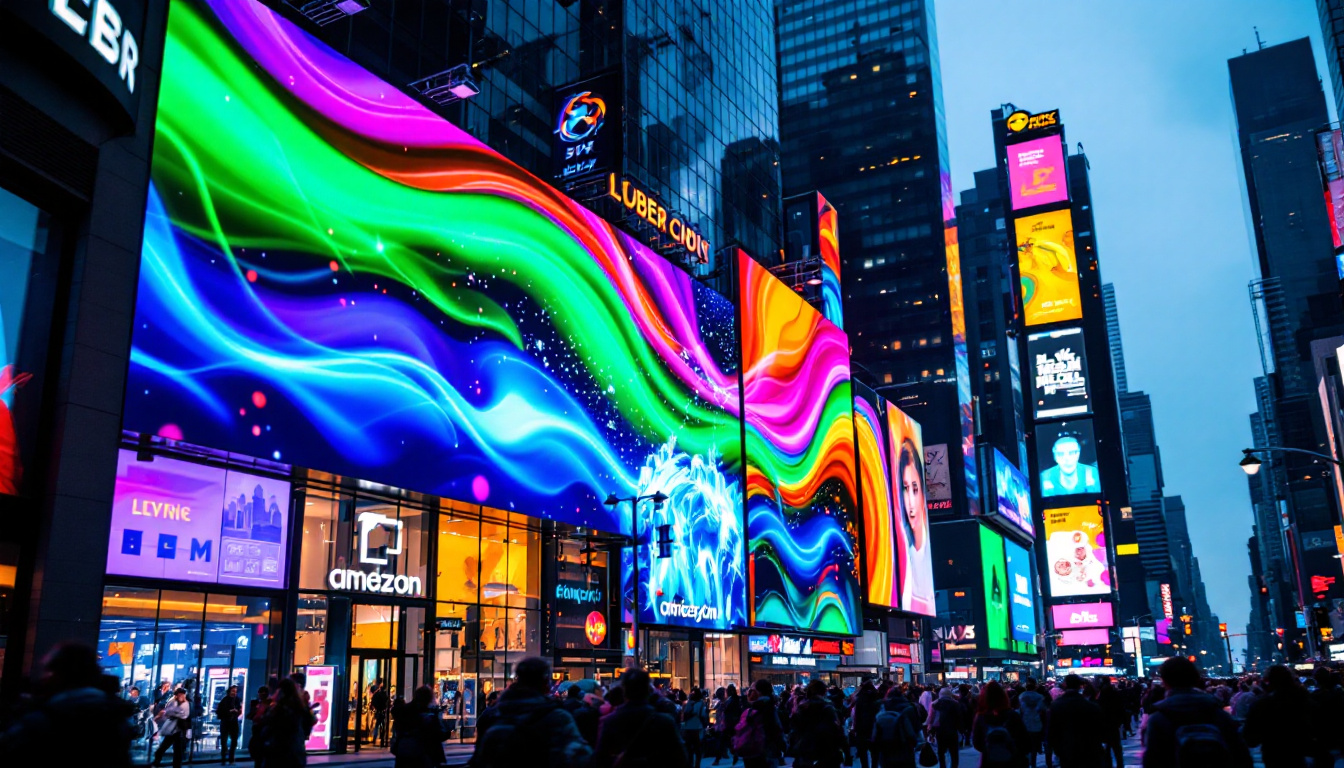
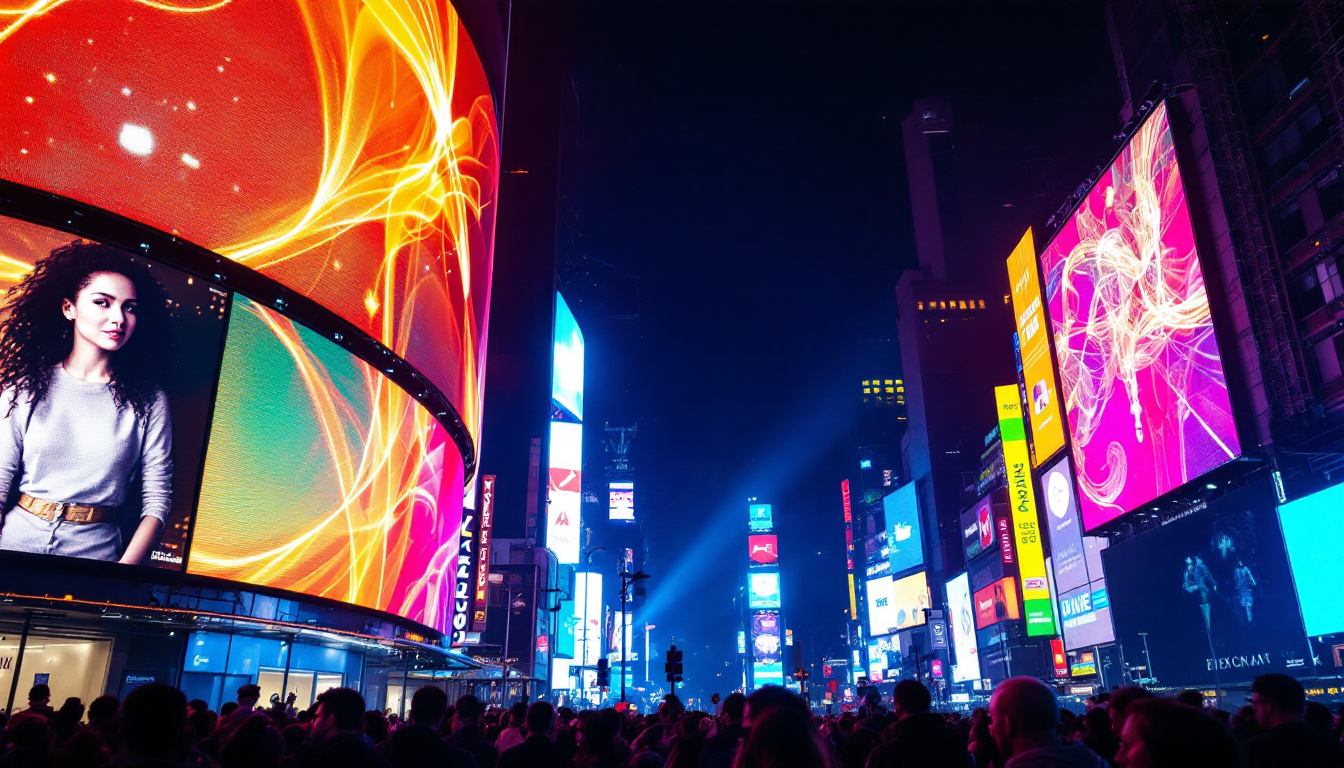
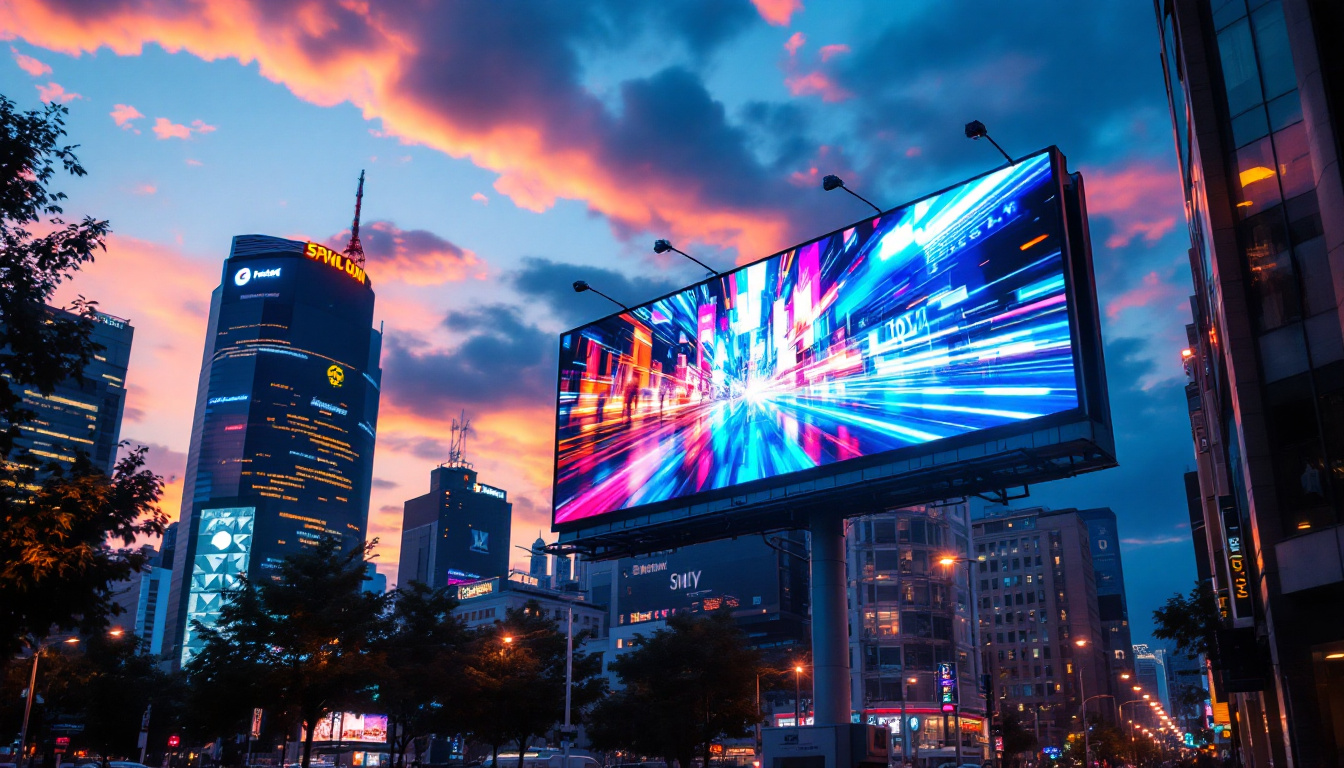
One of the most visible uses of LED displays is in outdoor advertising. Digital billboards equipped with high-brightness LEDs can display dynamic content that captures attention more effectively than static posters. According to recent market research, the global digital billboard market is expected to grow at a compound annual growth rate (CAGR) of over 10% through 2027, driven largely by the adoption of LED technology.
These displays must maintain high brightness levels, often exceeding 6,000 cd/m², to combat sunlight and weather conditions. Additionally, their modular design allows for easy maintenance and scalability, enabling advertisers to deploy large-format screens in urban centers, highways, and stadiums. Furthermore, the ability to change content in real-time allows businesses to adapt their messaging based on time of day, weather, or special events, maximizing engagement and relevance. This flexibility has led to innovative advertising strategies, such as countdowns to sales or live updates on social media interactions, making outdoor advertising more interactive than ever.
Indoor Displays: Retail, Events, and Control Rooms
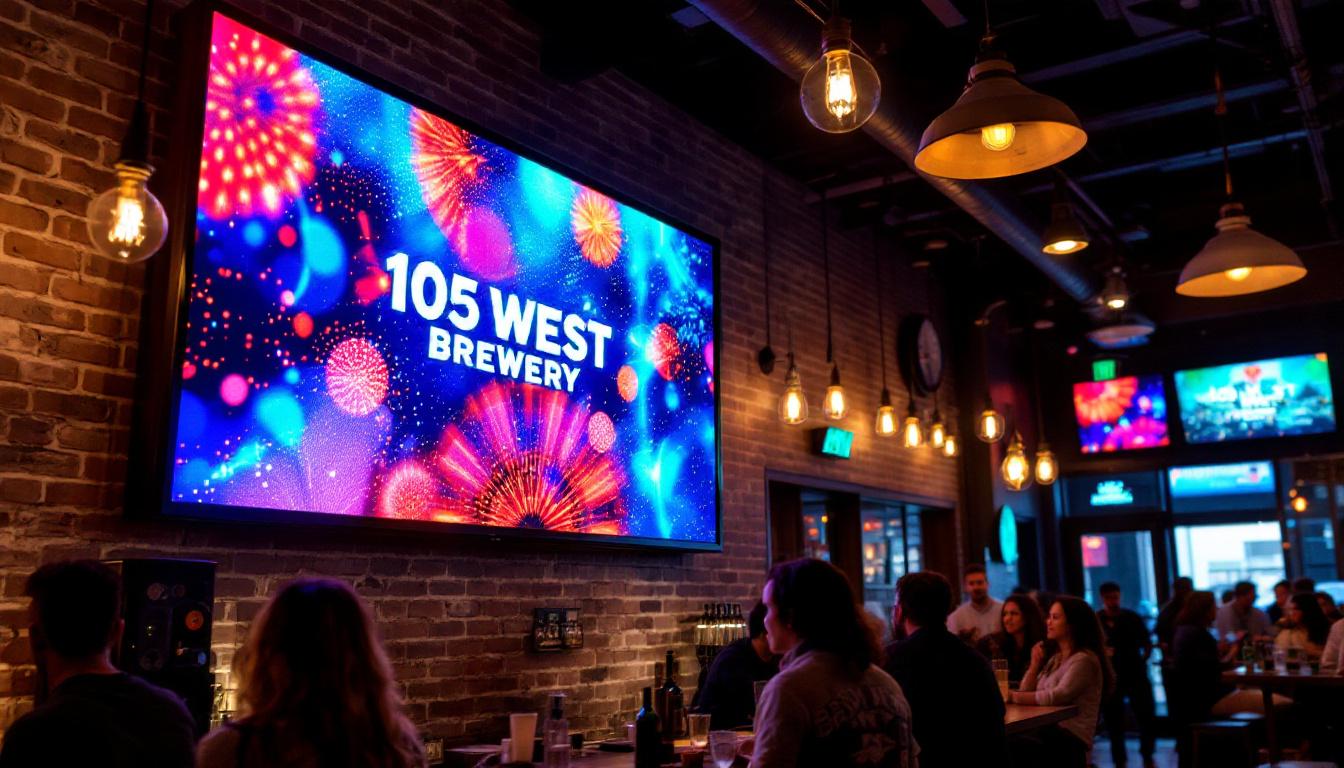
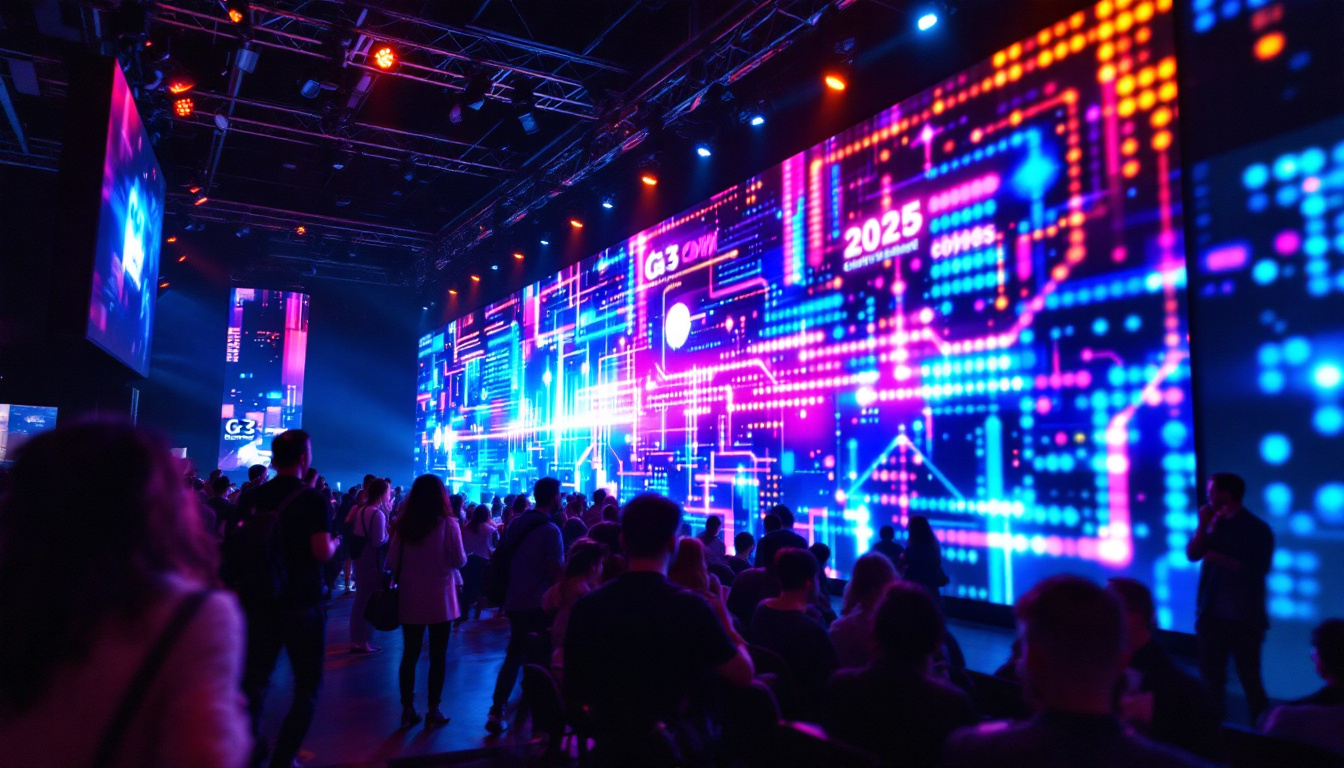
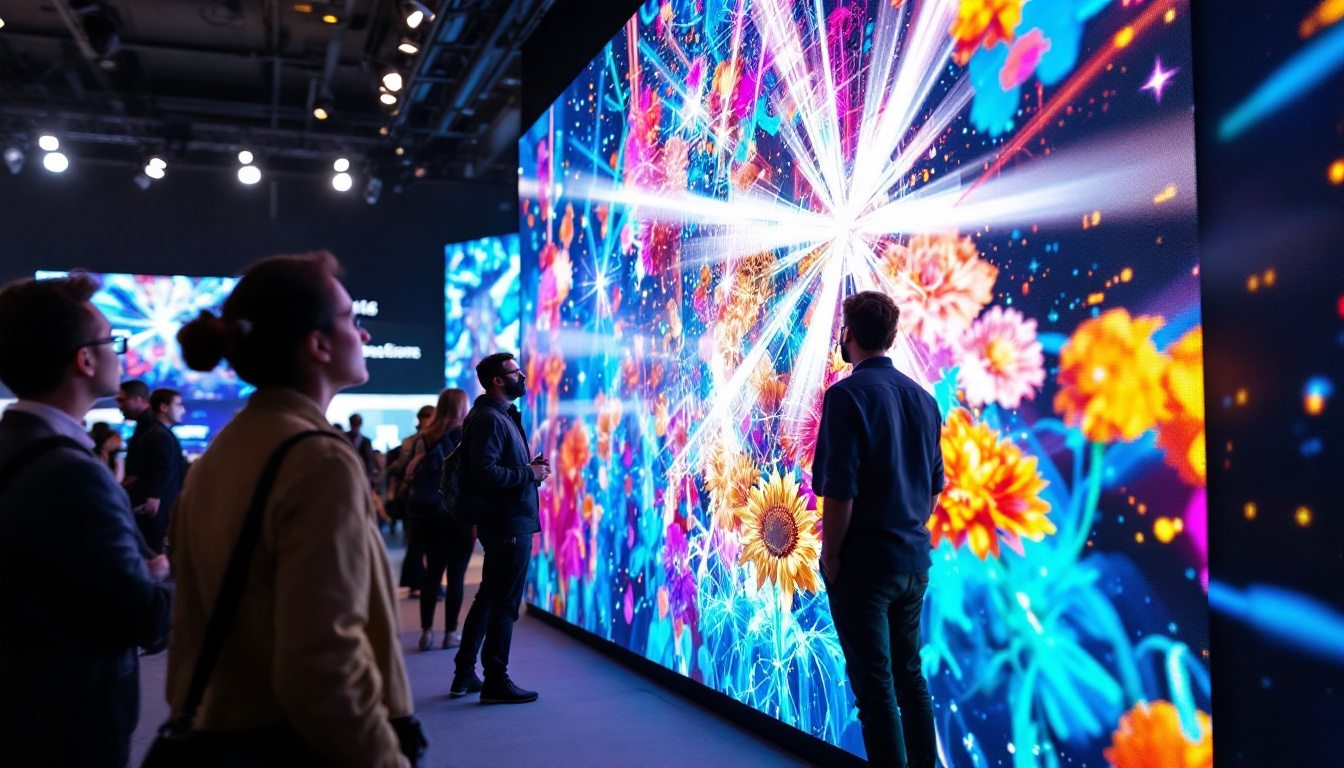
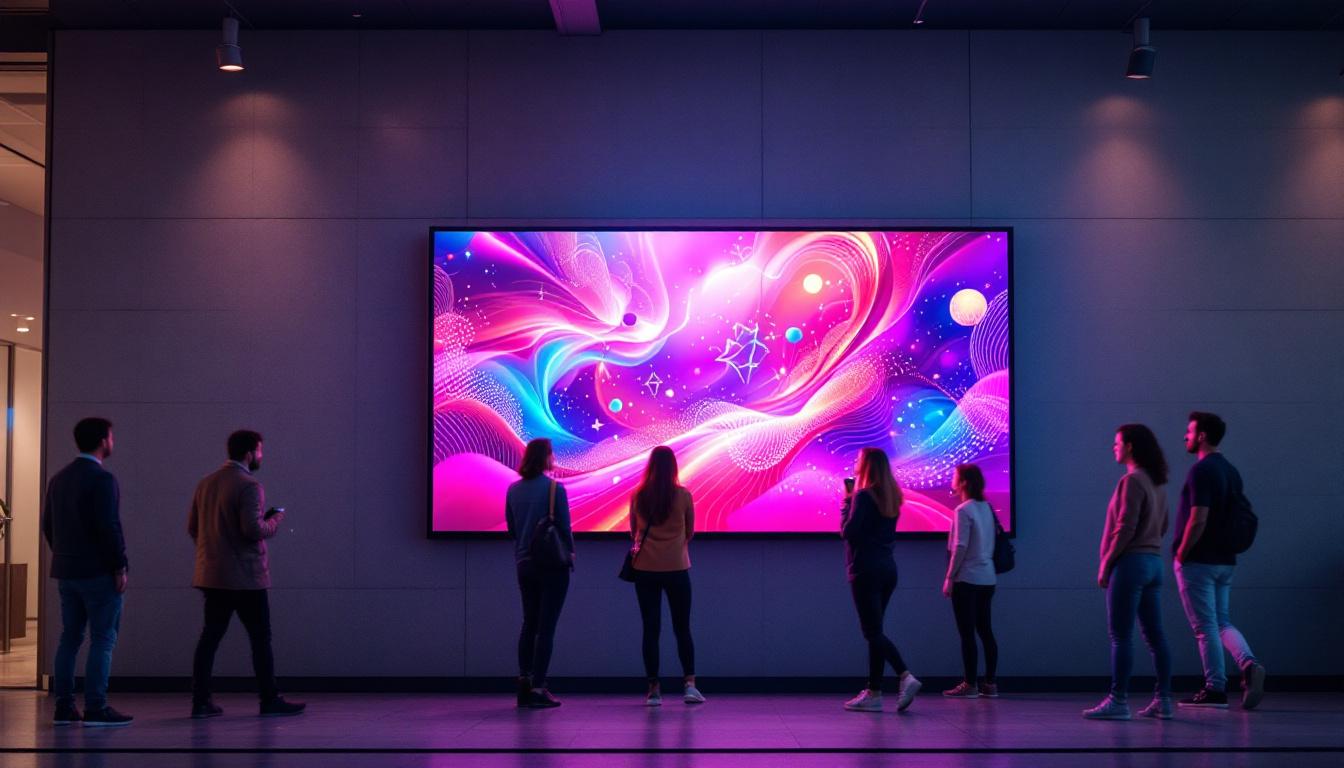
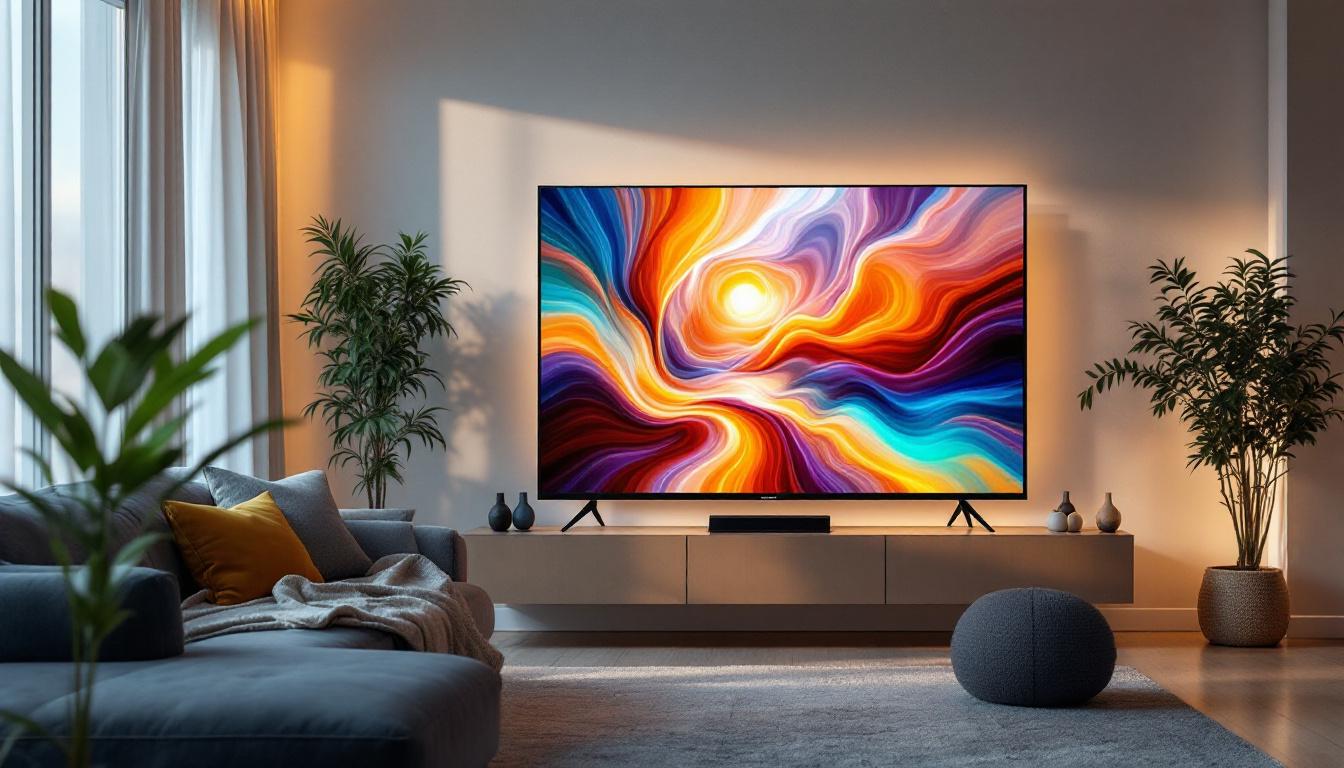
Indoors, LED displays are widely used in retail environments to create immersive shopping experiences. Retailers leverage LED walls and video displays to showcase promotions, product information, and interactive content. The controlled lighting indoors means brightness requirements are lower, typically between 800 and 1,500 cd/m², allowing for energy savings and longer component life.
In control rooms and command centers, LED displays provide critical real-time data visualization. Their high resolution and brightness ensure that operators can monitor complex systems without strain. The ability to customize display configurations and integrate with various data sources makes LED technology invaluable in these settings. For instance, in emergency response centers, LED displays can aggregate information from multiple sources, providing a comprehensive overview that aids in decision-making during crises. This capability not only enhances operational efficiency but also improves response times, ultimately saving lives and resources.
Sports Arenas and Entertainment Venues
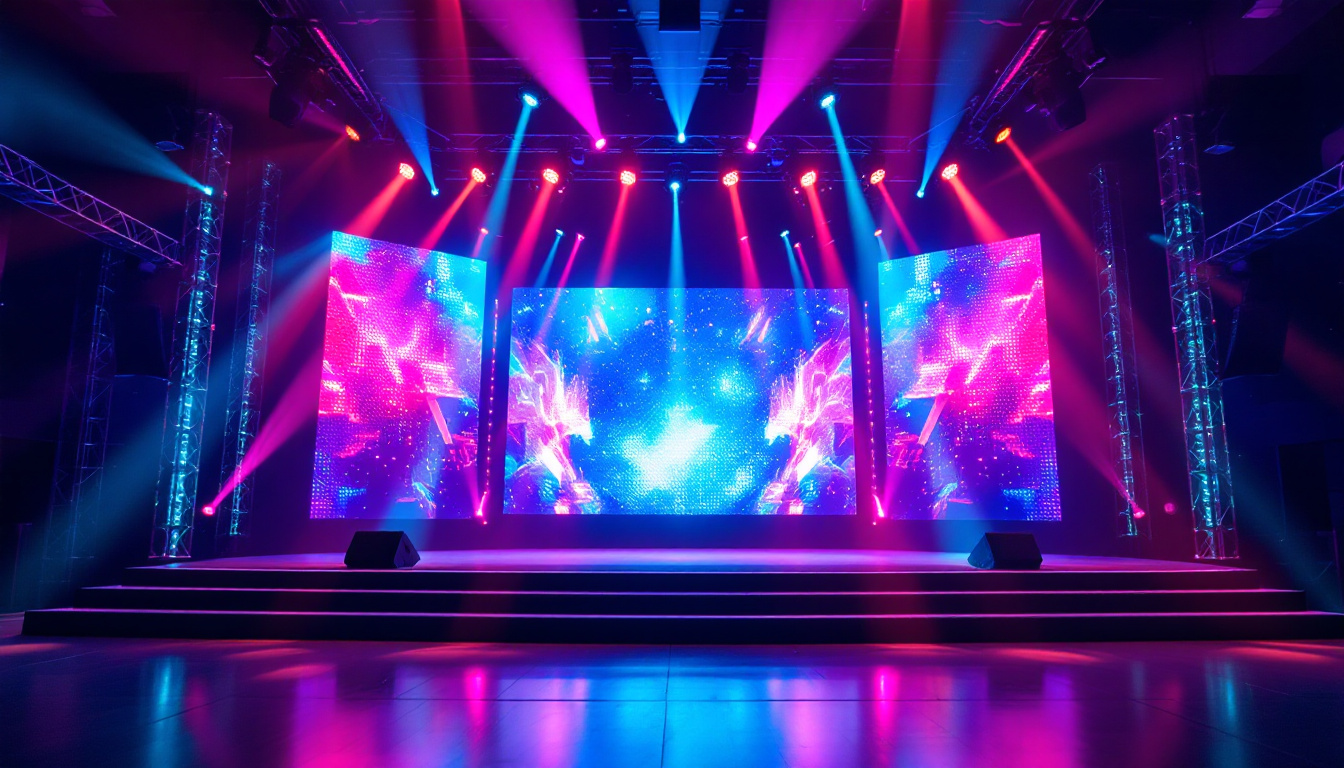
Sports arenas and entertainment venues utilize massive LED screens to enhance spectator experience. From live game footage to instant replays and advertisements, these displays must deliver vibrant, high-contrast images visible from long distances and varying angles. Brightness levels typically range from 3,000 to 6,000 cd/m², balancing visibility with energy consumption.
Moreover, LED displays in these venues often feature high refresh rates and color accuracy to ensure smooth motion and realistic visuals, critical for fast-paced sports and dynamic performances. The integration of augmented reality (AR) and interactive features is becoming increasingly popular, allowing fans to engage with the content in innovative ways. For example, during halftime shows, audiences can participate in live polls or view additional stats and player information on their mobile devices, all synchronized with the LED displays. This not only enhances the overall experience but also fosters a deeper connection between fans and the event, making each visit memorable and exciting.
Advantages of LED Displays Over Other Technologies
LED displays offer several advantages compared to other display technologies such as LCD, OLED, and projection systems. These benefits have contributed to their widespread adoption across industries.
Superior Brightness and Visibility
As discussed, LED displays can achieve extremely high brightness levels, making them suitable for both indoor and outdoor environments. Their direct light emission means they are less affected by ambient lighting conditions than reflective or transmissive displays. This advantage is crucial for outdoor advertising and public information displays where visibility is paramount.
Energy Efficiency and Longevity
LEDs are inherently energy-efficient, converting a higher percentage of electrical energy into light compared to traditional incandescent or fluorescent lighting. This efficiency translates into lower operating costs and reduced environmental impact. Furthermore, LED displays typically have longer lifespans, often rated at 50,000 to 100,000 hours of operation, minimizing maintenance and replacement expenses.
Flexibility and Scalability
LED modules can be assembled in various shapes and sizes, from small indoor panels to massive outdoor walls spanning hundreds of square meters. This modularity allows for custom configurations tailored to specific needs. Additionally, LED displays can be curved or flexible, opening new possibilities for creative architectural integrations.
High Contrast and Color Accuracy
LED displays provide excellent contrast ratios due to their ability to turn individual pixels completely off, producing true blacks. This capability enhances image depth and color vibrancy. Advances in LED technology have also improved color gamut and accuracy, making these displays suitable for critical applications such as broadcasting and digital art installations.
Key Technical Considerations When Choosing an LED Display
Selecting the right LED display involves understanding several technical parameters that impact performance and suitability for specific applications.
Pixel Pitch and Resolution
Pixel pitch refers to the distance between the centers of two adjacent pixels, typically measured in millimeters. Smaller pixel pitches result in higher resolution and finer image detail, which is essential for close viewing distances. For example, indoor LED displays often have pixel pitches as low as 1.2 mm, while outdoor displays may range from 4 mm to 20 mm or more, depending on viewing distance requirements.
Brightness and Contrast Ratio
Brightness, measured in cd/m², must align with the ambient lighting conditions of the display environment. Contrast ratio, the difference between the brightest white and the darkest black a display can produce, affects image clarity and depth. High contrast ratios are desirable for vivid and legible content.
Viewing Angle
The viewing angle defines the range within which the display maintains consistent brightness and color. Wide viewing angles are necessary for displays intended to be seen from various positions, such as public billboards or event screens. LED displays typically offer viewing angles of 120 degrees or more horizontally and vertically.
Refresh Rate and Response Time
Refresh rate, measured in Hertz (Hz), indicates how many times per second the display updates its image. Higher refresh rates reduce flicker and motion blur, important for video playback and live broadcasts. Response time, the speed at which pixels change state, also affects motion clarity.
The Future of LED Display Technology
LED display technology continues to advance rapidly, driven by innovations in materials, manufacturing, and integration with other digital technologies.
MicroLED and MiniLED Innovations
MicroLED and MiniLED represent the next generation of LED displays, featuring smaller diodes that allow for even higher resolution and improved contrast. MicroLED, in particular, promises OLED-like image quality with better brightness and longevity. These technologies are poised to revolutionize consumer electronics, including televisions, smartphones, and augmented reality devices.
Integration with IoT and Smart Systems
Smart LED displays integrated with the Internet of Things (IoT) enable dynamic content updates based on real-time data, environmental conditions, and user interactions. For example, digital signage can automatically adjust brightness based on ambient light or display targeted advertisements based on audience demographics.
Sustainability and Energy Efficiency
As sustainability becomes a priority, LED manufacturers are focusing on reducing energy consumption and using eco-friendly materials. Advances in driver electronics and power management are further enhancing the efficiency of LED displays, making them more attractive for large-scale deployments.
Conclusion
LED displays have transformed the way information and advertising are presented across multiple industries. Their superior brightness, energy efficiency, and versatility make them a preferred choice for both indoor and outdoor applications. Understanding key metrics like cd/m² is essential for selecting the right display to ensure optimal visibility and impact.
As technology advances, emerging innovations such as MicroLED and smart integration will continue to expand the capabilities and applications of LED displays. Whether for advertising, entertainment, or critical data visualization, LED technology remains at the forefront of digital display solutions.
Explore Cutting-Edge LED Display Solutions with LumenMatrix
Ready to elevate your visual communication strategy with the latest in LED display technology? LumenMatrix is at the forefront of innovation, offering a wide array of LED display solutions tailored to your needs. From captivating Indoor LED Wall Displays to dynamic Outdoor LED Wall Displays, and from versatile Vehicle LED Displays to engaging LED Sports Displays, our products are designed to make your brand shine. Discover the transformative power of LED displays and how LumenMatrix can help you create unforgettable visual experiences. Check out LumenMatrix LED Display Solutions today and take the first step towards revolutionizing your visual engagement.