In the evolving landscape of home entertainment and professional presentations, the choice of display technology plays a pivotal role in delivering a captivating visual experience. Wall mounted projector screens have long been a staple for those seeking large-format viewing, but the rise of LED display technology is reshaping expectations and possibilities. This article delves into the nuances of wall mounted projector screens and LED displays, explaining their differences, advantages, and the considerations to keep in mind when choosing the right solution for your space.
Understanding Wall Mounted Projector Screens
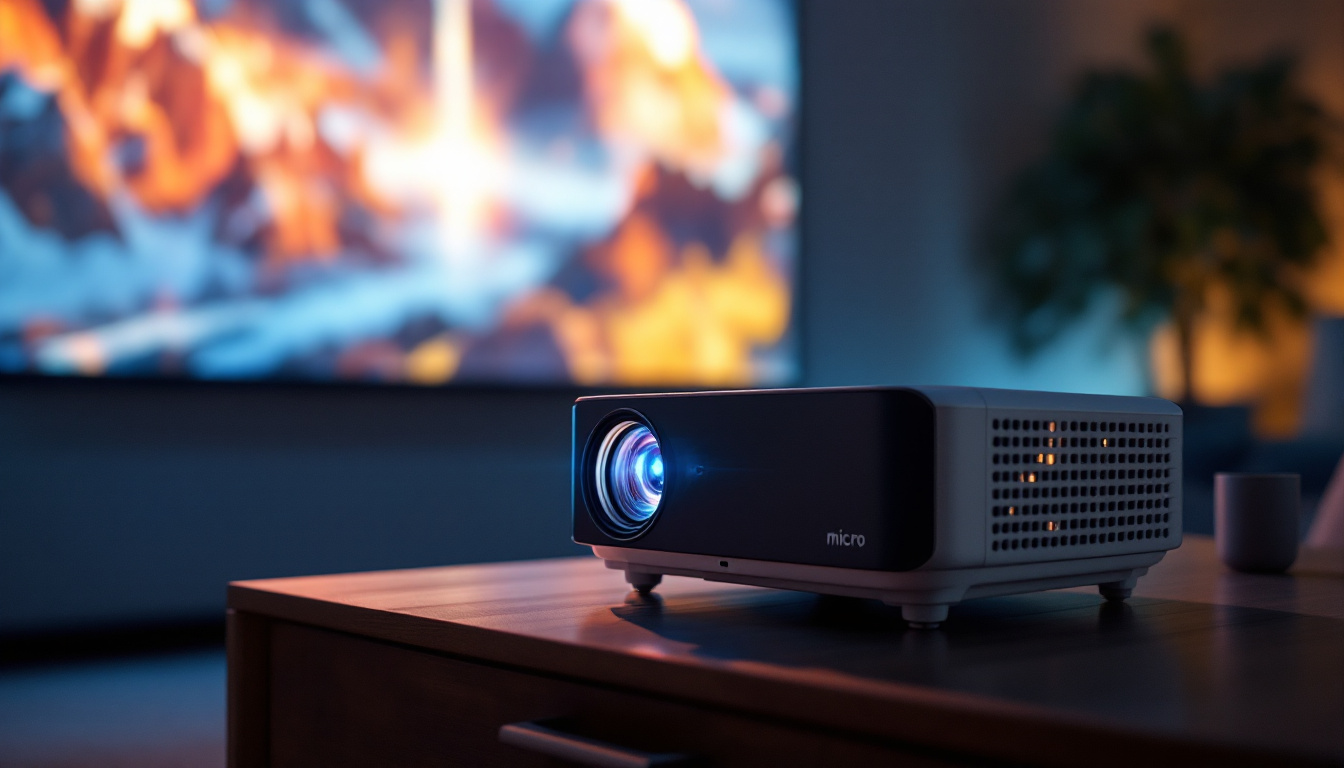
Wall mounted projector screens are designed to provide a dedicated surface onto which images from a projector are displayed. These screens come in various materials and formats, tailored to optimize image quality based on ambient lighting and projector specifications.
Typically, these screens are fixed to a wall or ceiling, providing a stable and flat surface that enhances image clarity and color accuracy. The most common types include matte white, glass bead, and high contrast gray screens, each suited for different lighting environments and projector types.
Types of Projector Screens
Matte white screens are the most prevalent, offering wide viewing angles and accurate color reproduction, making them ideal for home theaters and conference rooms. Glass bead screens, on the other hand, reflect light more directly, increasing brightness but narrowing the viewing angle, which is beneficial in controlled lighting conditions.
High contrast gray screens improve black levels and color saturation, particularly in rooms with some ambient light, enhancing the overall viewing experience. These options allow users to tailor their setup according to their environment and projector capabilities. Additionally, there are also portable and retractable screens available for those who may need flexibility in their viewing arrangements, making it easier to adapt to different settings, whether it be for outdoor movie nights or business presentations on the go.
Installation and Space Considerations
Installing a wall mounted projector screen requires careful measurement and consideration of room dimensions, projector throw distance, and seating arrangements. The screen size should complement the room size to avoid eye strain and ensure immersive viewing.
Moreover, the wall surface must be smooth and sturdy enough to support the screen. Proper installation also involves aligning the projector to the center of the screen to prevent image distortion. Professional installation is often recommended to achieve optimal results. Furthermore, it’s important to consider the acoustic properties of the room, as sound can significantly impact the viewing experience. Adding sound-absorbing materials or positioning speakers strategically can enhance audio quality, making the overall setup more enjoyable for viewers. Additionally, incorporating smart home technology can allow for seamless control of both the projector and screen, providing a modern touch to your viewing environment.
The Emergence of LED Displays as an Alternative
While projector screens have been the go-to solution for large displays, LED display technology has gained significant traction, especially in commercial and high-end residential settings. LED (Light Emitting Diode) displays consist of thousands of tiny LEDs that emit light directly, eliminating the need for an external light source like a projector.
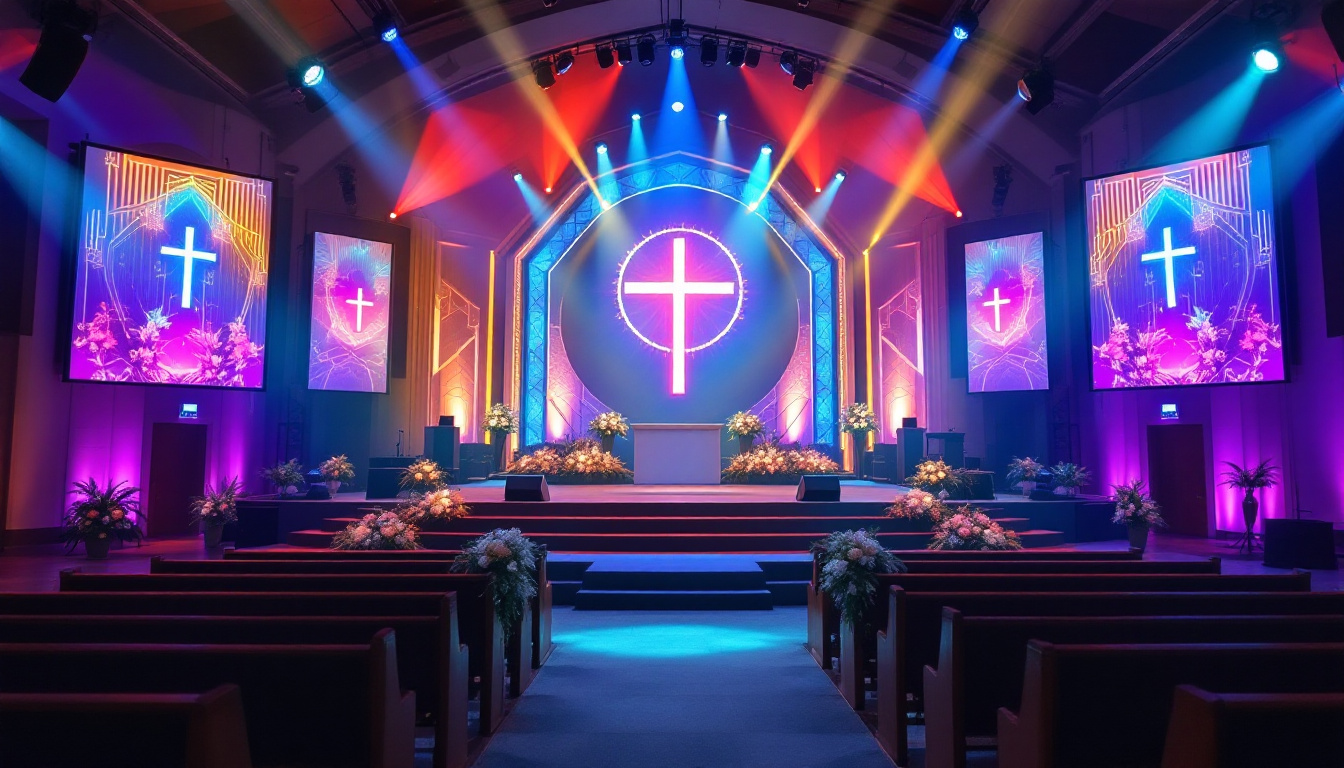
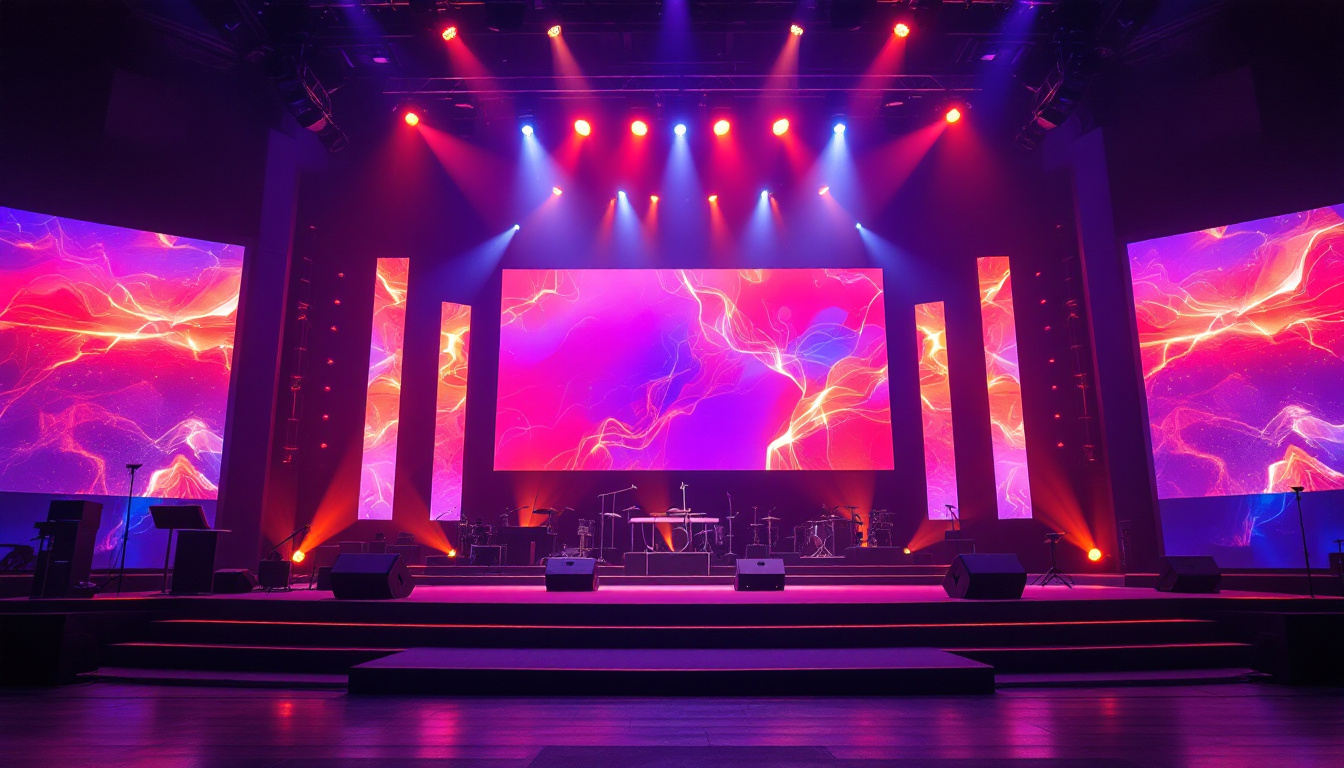
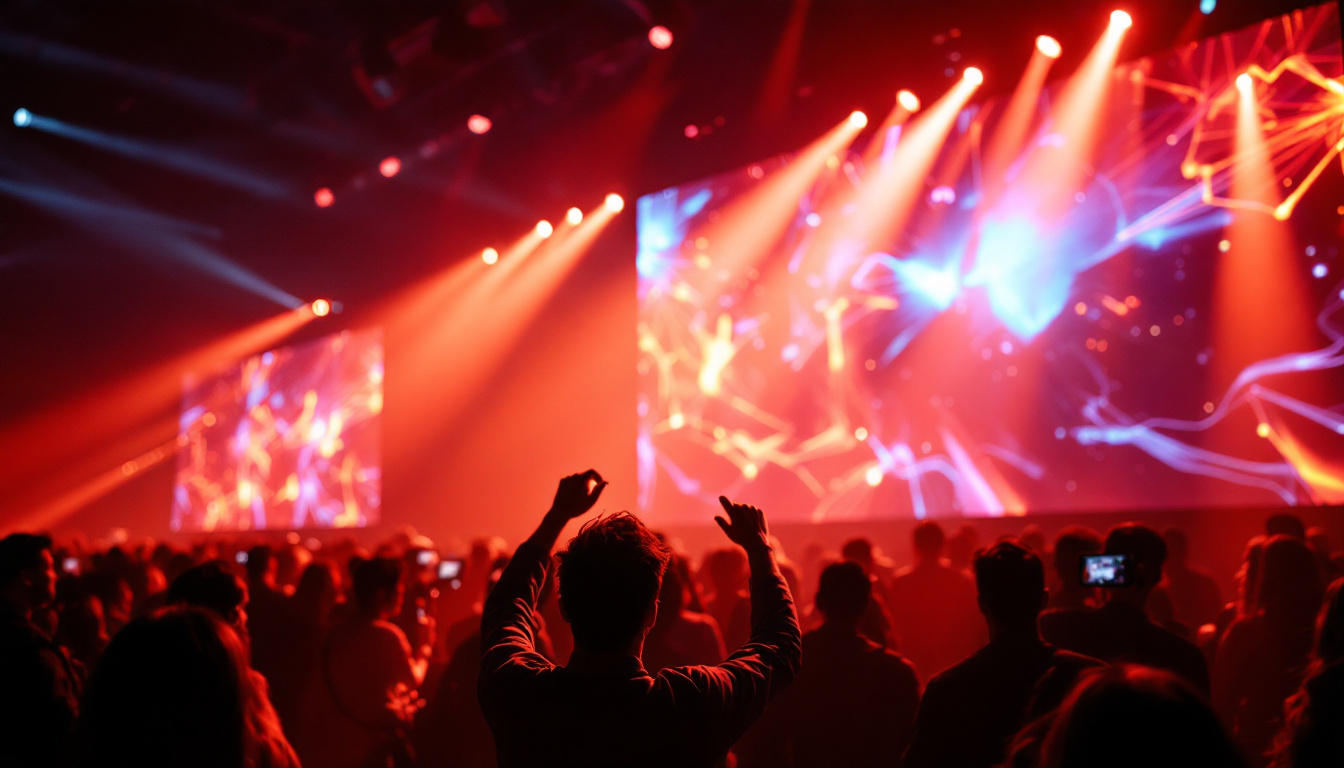
These displays offer vibrant colors, high brightness levels, and exceptional contrast ratios, making them suitable for environments with high ambient light where traditional projectors might struggle. Their ability to deliver clear and sharp images in various lighting conditions has made them increasingly popular for events, advertising, and entertainment venues, where visual impact is paramount.
Advantages of LED Displays
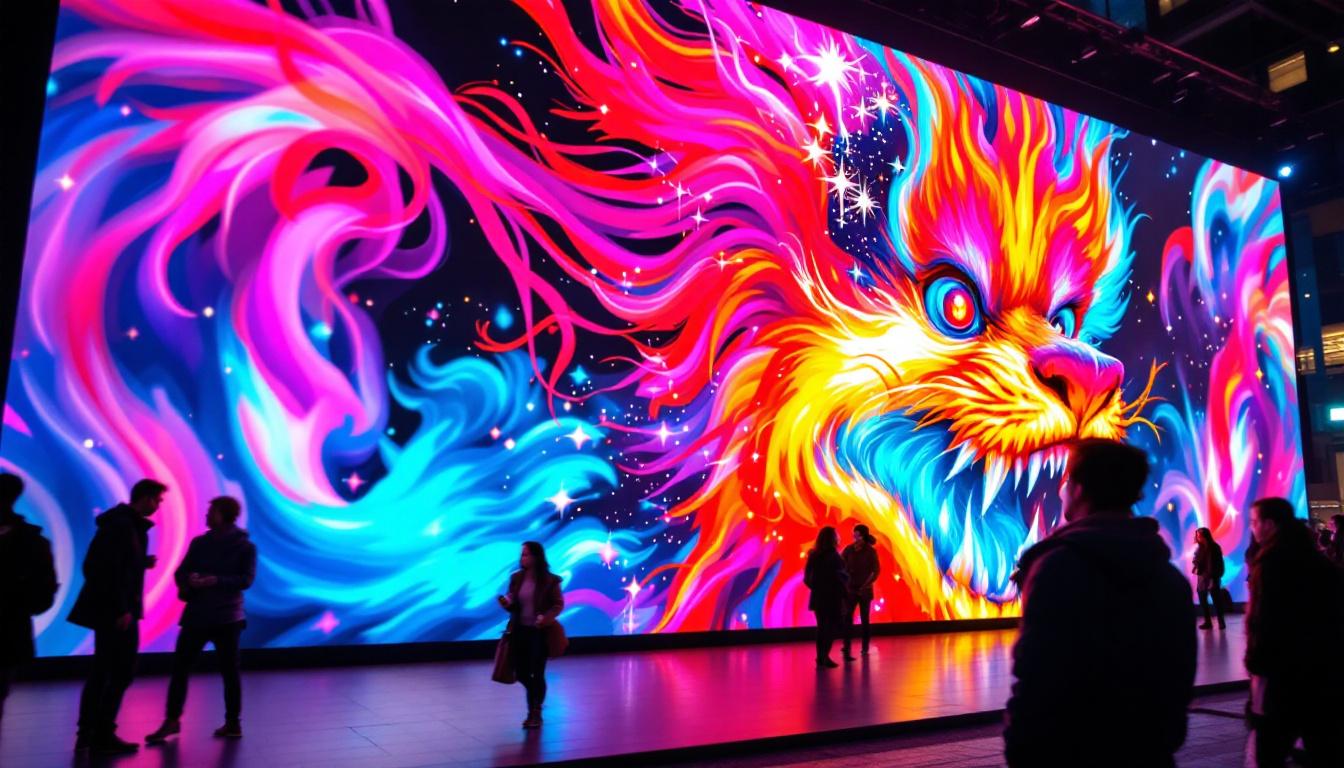
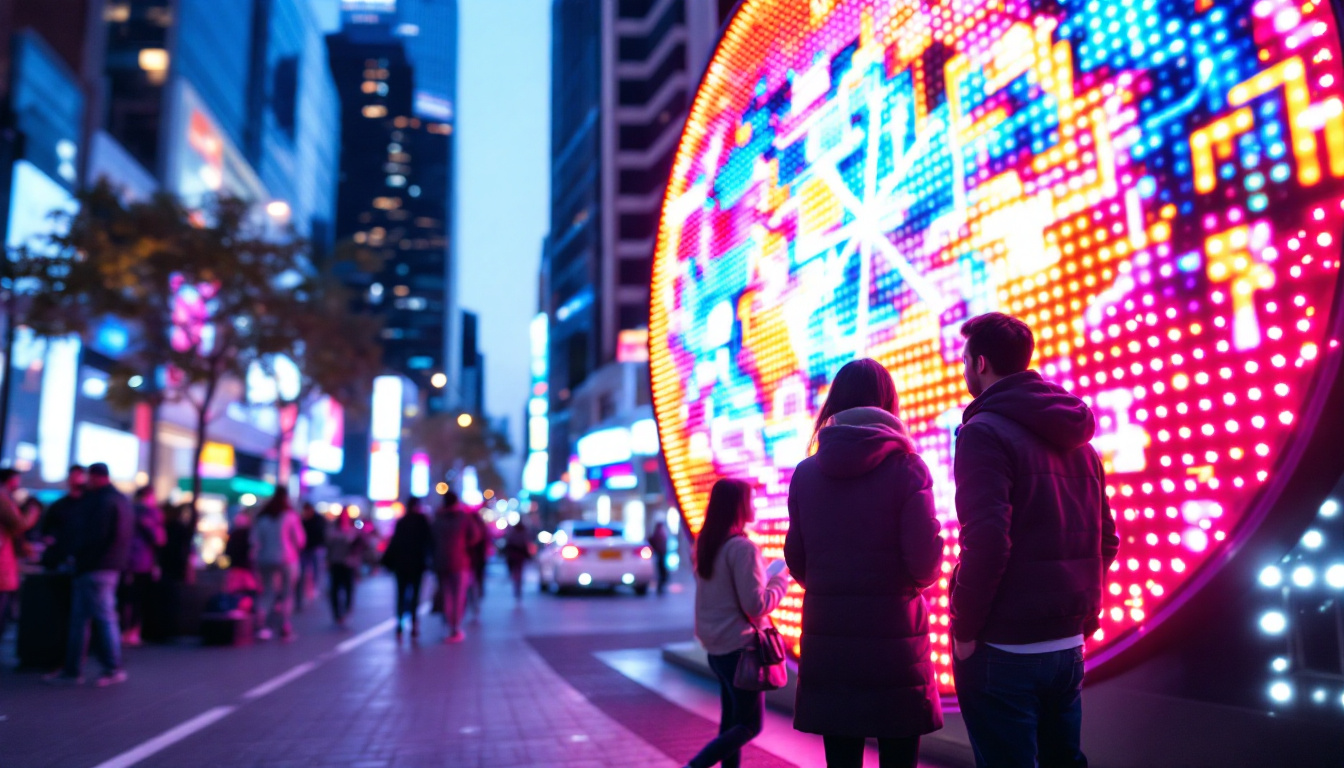
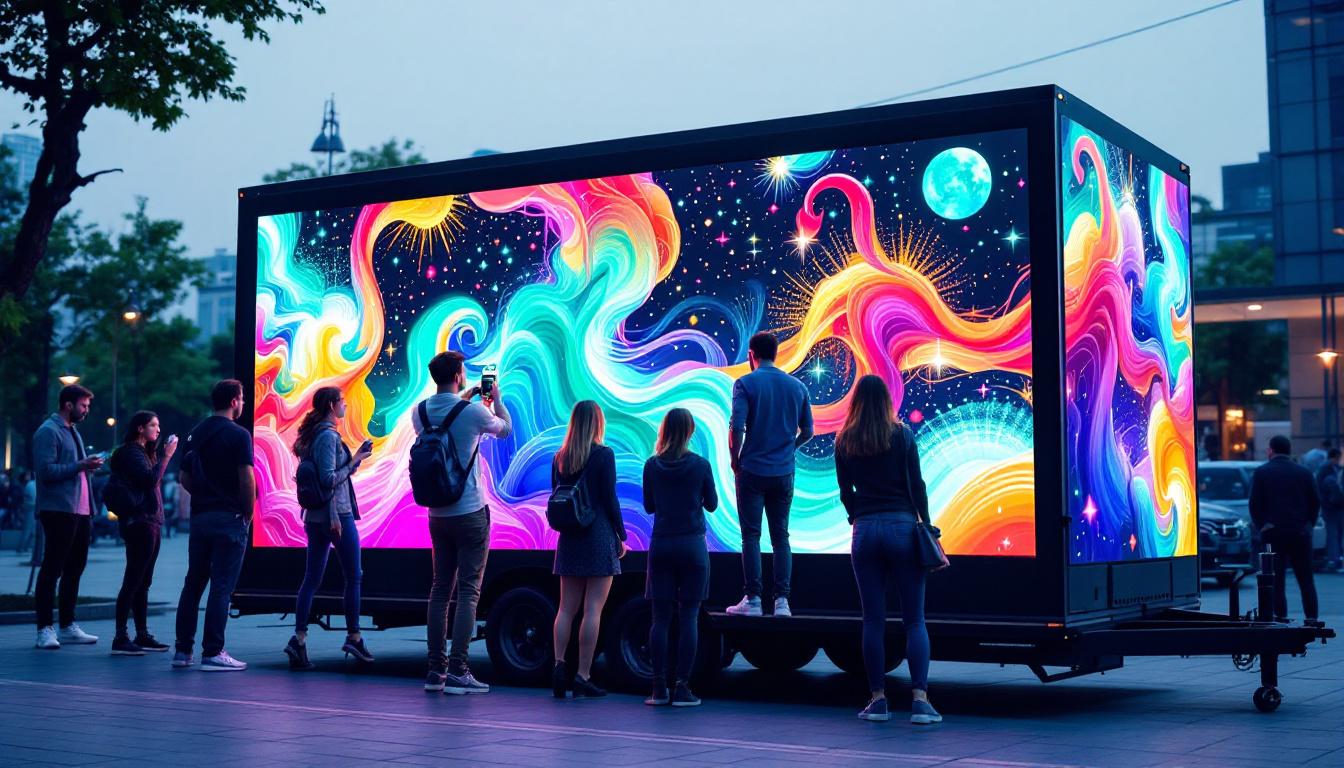
One of the primary advantages of LED displays is their brightness. Unlike projectors that rely on reflected light, LEDs produce their own light, resulting in vivid images even in brightly lit rooms. This makes LED displays ideal for spaces such as conference halls, retail environments, and outdoor installations. The adaptability of LED technology also allows for creative applications, such as curved screens and interactive displays, which can enhance audience engagement and create immersive experiences.
Additionally, LED displays provide superior color accuracy and uniformity across the entire screen, without the risk of image degradation over time due to screen material wear or projector lamp aging. The thin profile and modular design of LED panels allow for flexible installation options, including seamless large-format walls. This modularity means that businesses can customize their display setups to fit any space, whether it’s a small boutique or a sprawling stadium, ensuring that the visual experience is tailored to their specific needs.
Energy Efficiency and Longevity
Modern LED displays are designed to be energy efficient, consuming less power compared to high-lumen projectors, which often require significant electricity to operate. Furthermore, LEDs have a longer lifespan, typically exceeding 50,000 hours, reducing maintenance costs and downtime. This longevity is particularly advantageous for commercial applications where continuous operation is common. The reliability and durability of LED displays contribute to their growing popularity in various sectors.
Moreover, many manufacturers are now incorporating smart technology into LED displays, allowing for features such as remote monitoring and automated brightness adjustments based on ambient light conditions. This not only enhances energy savings but also optimizes the viewing experience by ensuring that the display is always operating at its best. As businesses become more environmentally conscious, the sustainability aspect of LED technology is also a significant factor driving its adoption, as it aligns with efforts to reduce carbon footprints and promote greener practices in digital signage and advertising.
Comparing Wall Mounted Projector Screens and LED Displays
Choosing between a wall mounted projector screen and an LED display hinges on several factors, including budget, environment, intended use, and desired image quality. Understanding the strengths and limitations of each technology is essential for making an informed decision.
Image Quality and Viewing Experience
LED displays generally outperform projector screens in terms of brightness and contrast. The direct emission of light from LEDs ensures deep blacks and vibrant colors, which can be challenging to achieve with projection, especially in rooms with ambient light.
However, high-end projectors paired with quality screens can produce excellent image quality, particularly in controlled lighting environments. Projectors also offer larger screen sizes at a lower cost compared to equivalent-sized LED walls, making them attractive for home theaters and budget-conscious setups.
Installation Complexity and Flexibility
Projector screens require space for the projector itself, including appropriate throw distance and ceiling or wall mounting. This can limit placement options and necessitate cable management for power and video signals.
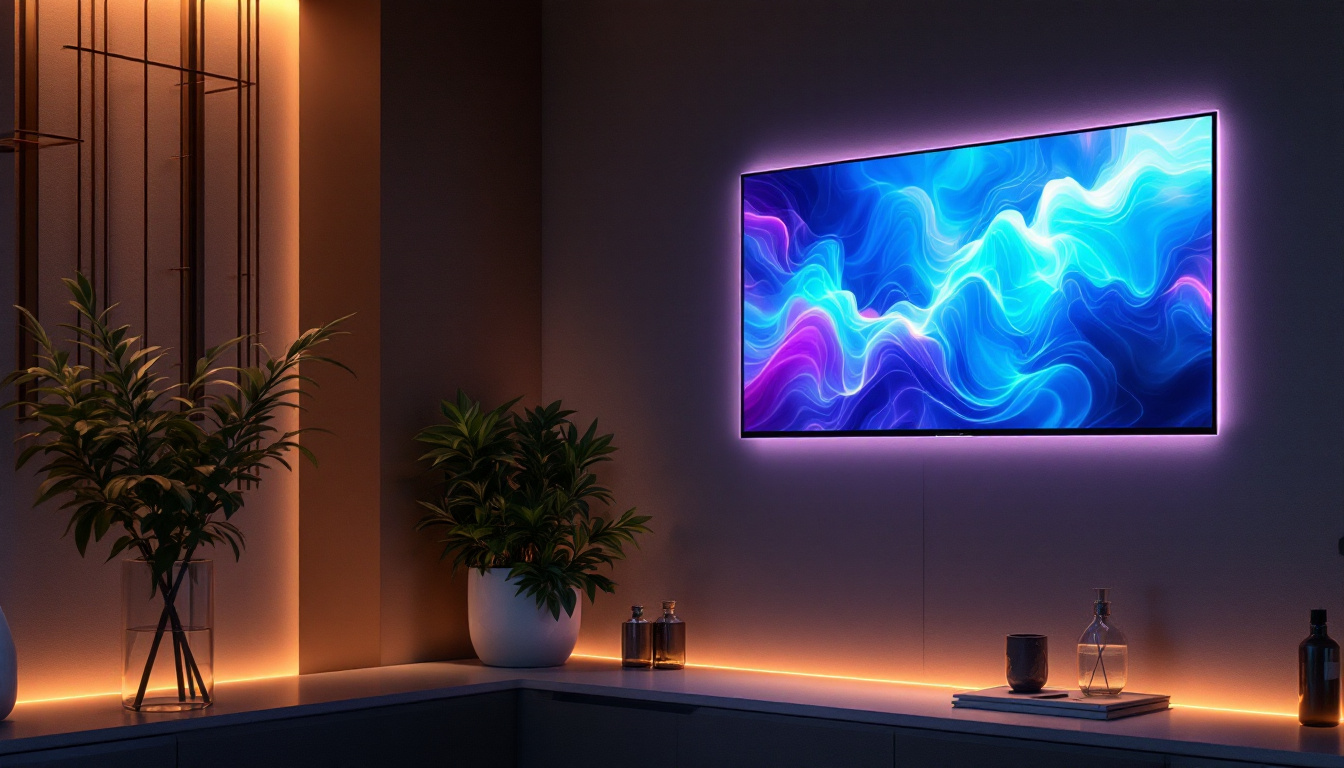
LED displays, being self-contained panels, can be mounted directly on walls with minimal space requirements. Their modular nature allows for custom sizes and shapes, but installation may require professional expertise to ensure proper calibration and alignment.
Cost Considerations
Initial costs for LED displays are generally higher than projector setups, especially for large screen sizes. However, when factoring in maintenance, lamp replacements, and energy consumption, LED displays can offer better long-term value.
Projectors and screens are more accessible for smaller budgets and are widely available, making them a practical choice for many users. The decision often balances upfront investment against operational costs and desired performance.
Use Cases and Practical Applications
Both wall mounted projector screens and LED displays have distinct niches where they excel. Understanding these applications can help users select the most suitable technology for their needs.
Home Entertainment
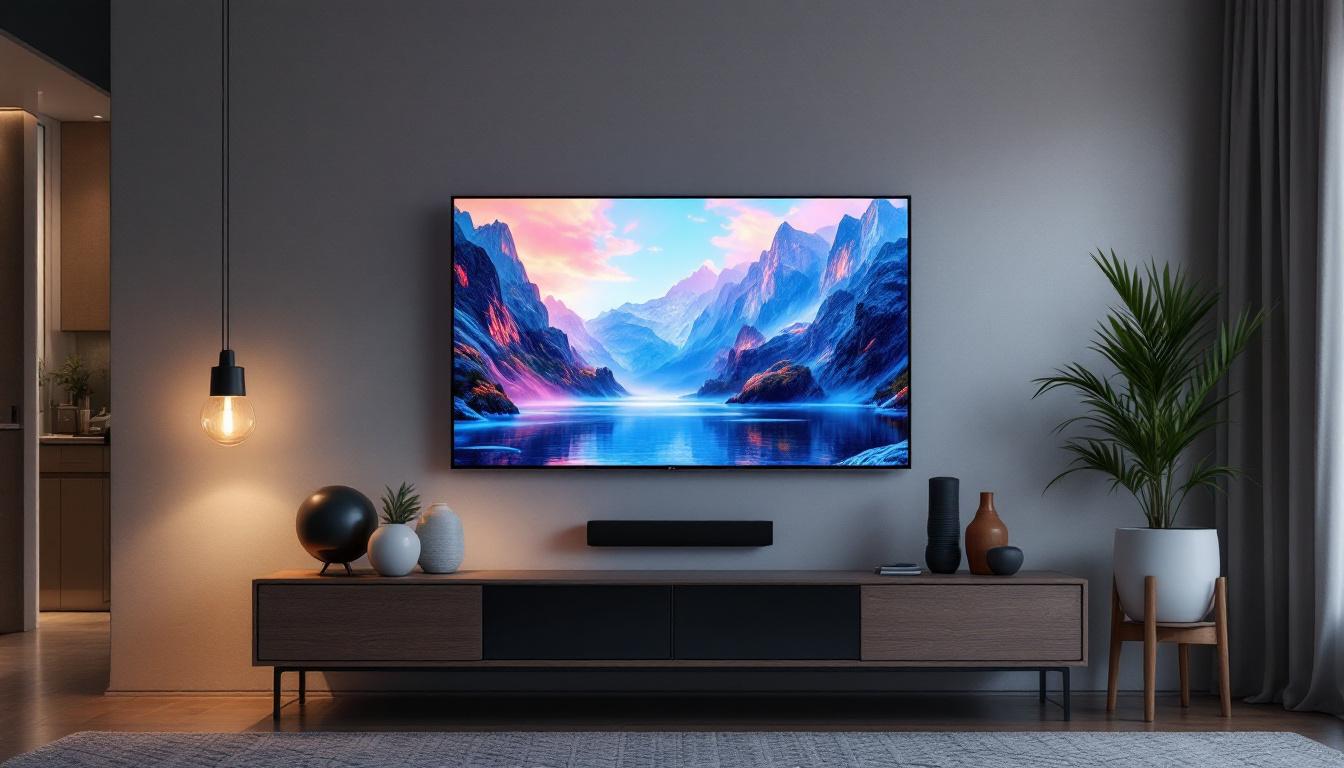
For home theaters, wall mounted projector screens remain popular due to their ability to deliver large images at relatively low cost. Controlled lighting conditions in dedicated media rooms allow projectors to shine, offering cinematic experiences with immersive screen sizes.
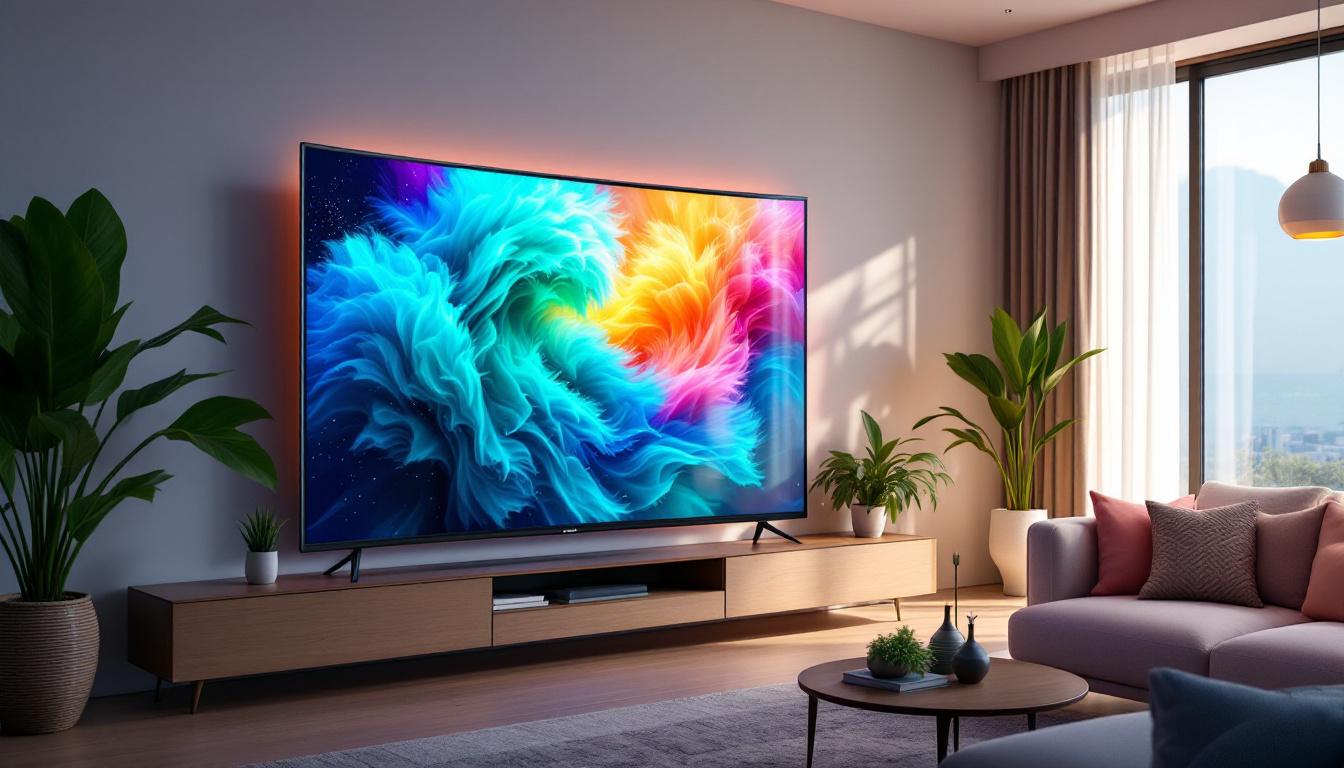
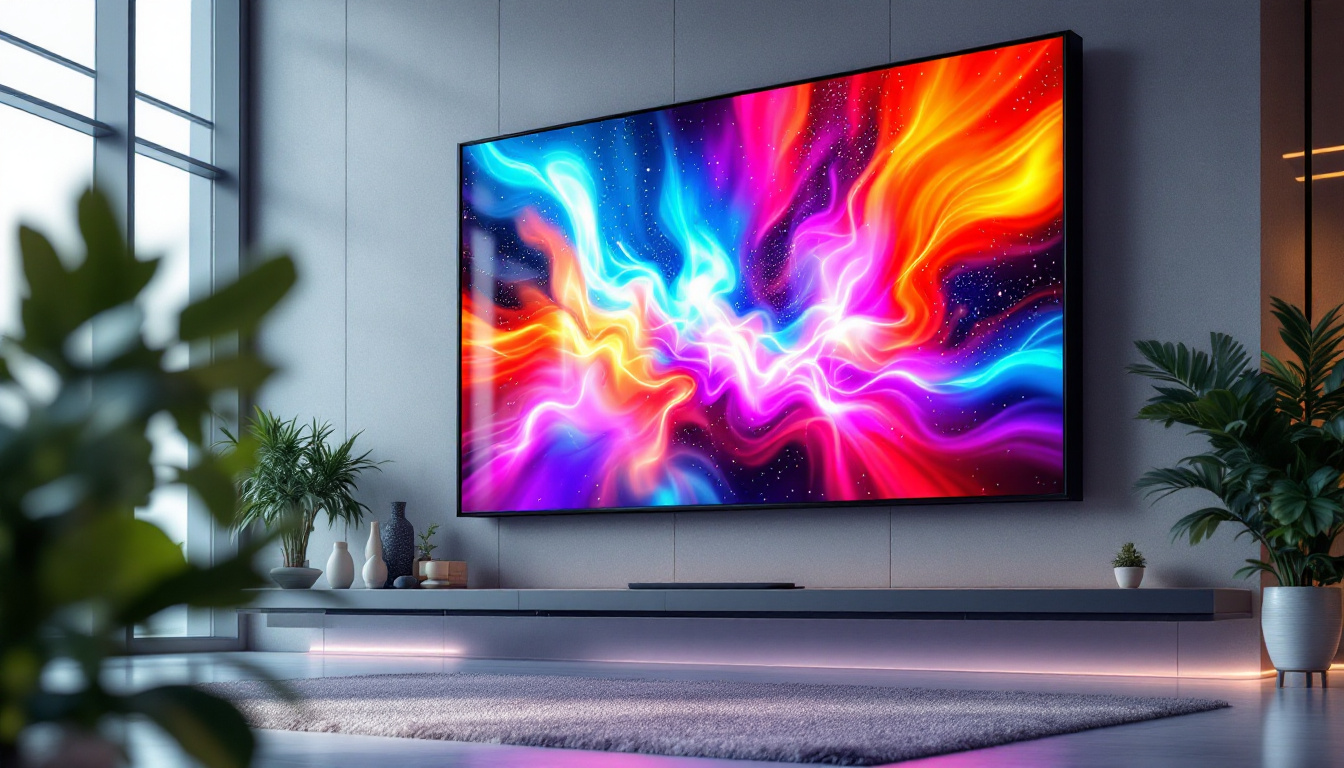
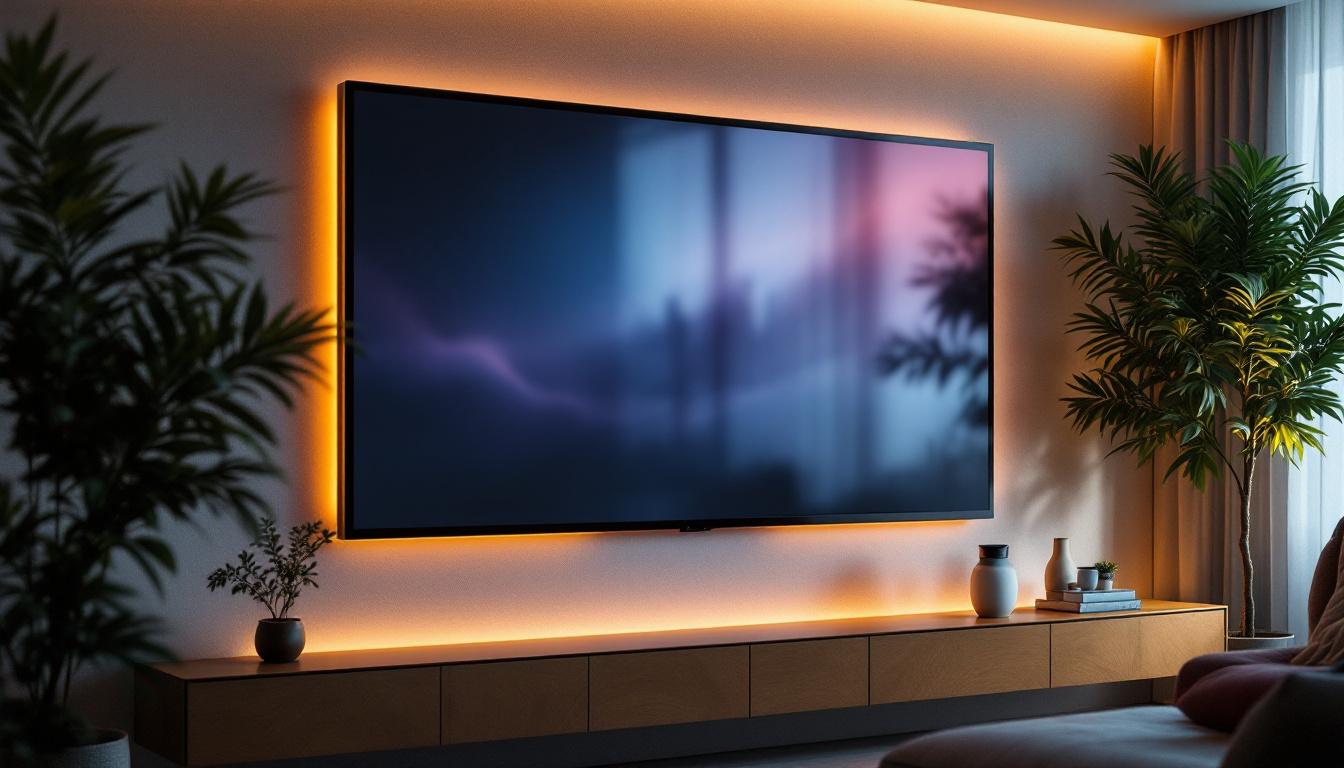
LED displays are gaining ground in luxury home installations, particularly where ambient light cannot be fully controlled or where ultra-high brightness and color fidelity are desired. Their sleek design also complements modern interior aesthetics.
Corporate and Educational Settings
In conference rooms, lecture halls, and classrooms, LED displays provide clear visibility even under bright lighting, ensuring presentations are easily seen by all attendees. Their instant-on capability and low maintenance make them convenient for frequent use.
Projector screens remain prevalent in educational environments due to their cost-effectiveness and adaptability to various room sizes. Interactive projector systems also support collaborative learning and engagement.
Retail and Public Spaces
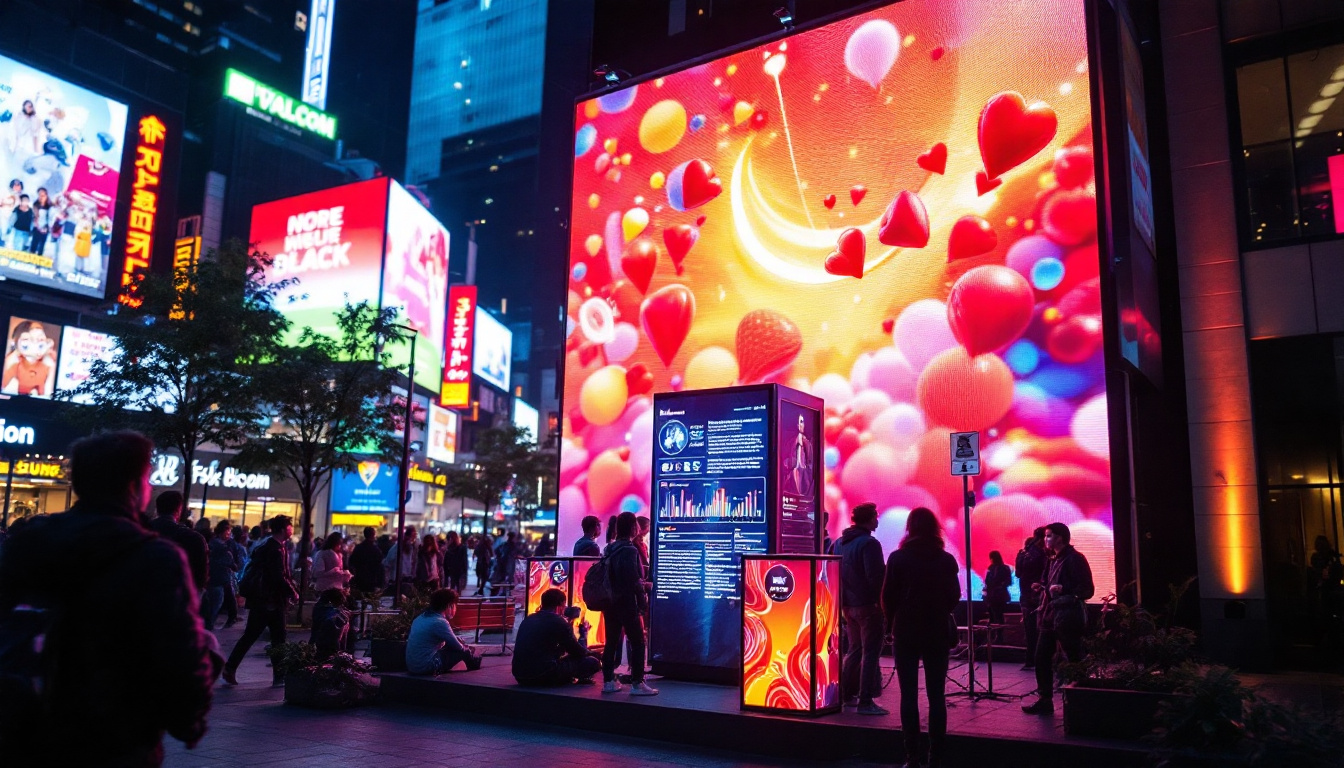
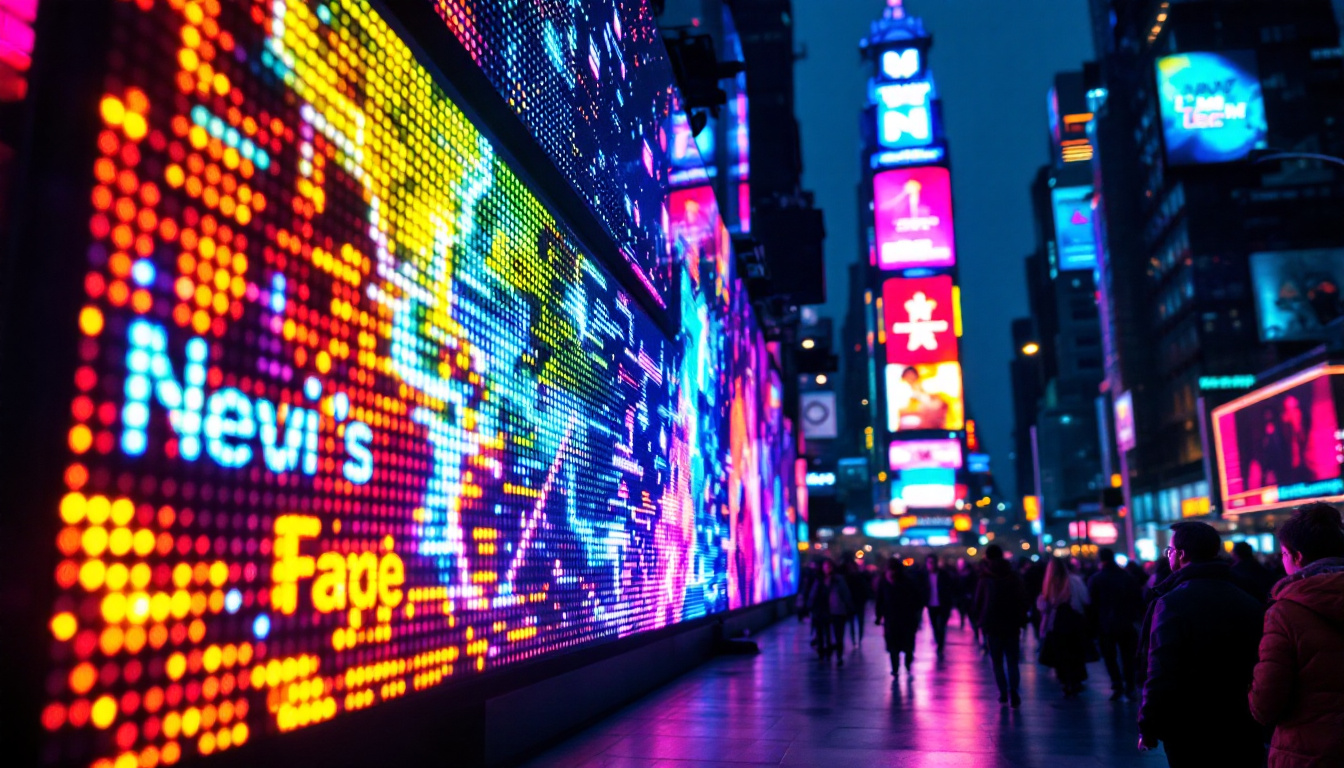
LED displays dominate retail signage, digital billboards, and public information systems due to their brightness and durability. Their ability to display dynamic content attracts customer attention and enhances brand messaging.
Projector screens are less common in these environments due to ambient light challenges and the need for constant maintenance, which can disrupt operations.
Future Trends in Display Technology
The display technology landscape continues to evolve rapidly, with innovations blurring the lines between traditional projection and LED systems. MicroLED and OLED technologies are emerging, promising even higher contrast ratios, thinner profiles, and improved energy efficiency.
Hybrid solutions combining projection with LED backdrops are also being explored to leverage the strengths of both technologies. Additionally, advances in 4K and 8K resolutions are pushing the boundaries of image clarity and detail.
Impact of Smart and Connected Displays
Integration of smart features such as wireless connectivity, touch interactivity, and content management systems is transforming displays into versatile communication tools. LED displays, in particular, benefit from these enhancements, enabling real-time updates and remote control.
Projector systems are also incorporating smart capabilities, including streaming and voice control, making them more user-friendly and adaptable to modern workflows.
Conclusion: Choosing the Right Display for Your Needs
Deciding between a wall mounted projector screen and an LED display involves evaluating your specific requirements, environment, and budget. Projector screens offer affordability and large image sizes suitable for controlled lighting spaces, while LED displays provide superior brightness, color accuracy, and durability for challenging environments.
As technology advances, the gap between these options narrows, offering users more choices tailored to their unique applications. Consulting with display technology experts and considering future scalability can ensure a display solution that delivers exceptional performance and value over time.
Explore Cutting-Edge LED Display Solutions with LumenMatrix
Ready to elevate your visual experience with the latest in display technology? LumenMatrix is at the forefront of LED innovation, offering a diverse range of LED display modules tailored to your unique needs. From captivating Indoor and Outdoor LED Wall Displays to dynamic Vehicle and Sports LED Displays, our solutions are designed to enhance brand visibility and engage your audience. Discover the transformative power of LED technology with our Custom, All-in-One, and Transparent LED Displays. Check out LumenMatrix LED Display Solutions today and see how we can help you communicate your message with unparalleled impact and clarity.