In the evolving world of visual display technology, the term “110 inch projector screen” often sparks curiosity, especially when paired with LED displays. Whether for home theaters, conference rooms, or large venues, understanding the nuances between traditional projector screens and LED displays is crucial for making an informed purchase decision. This article delves into the concept of a 110 inch projector screen and explores the rise of LED display technology, highlighting their differences, advantages, and practical applications.
Understanding the 110 Inch Projector Screen
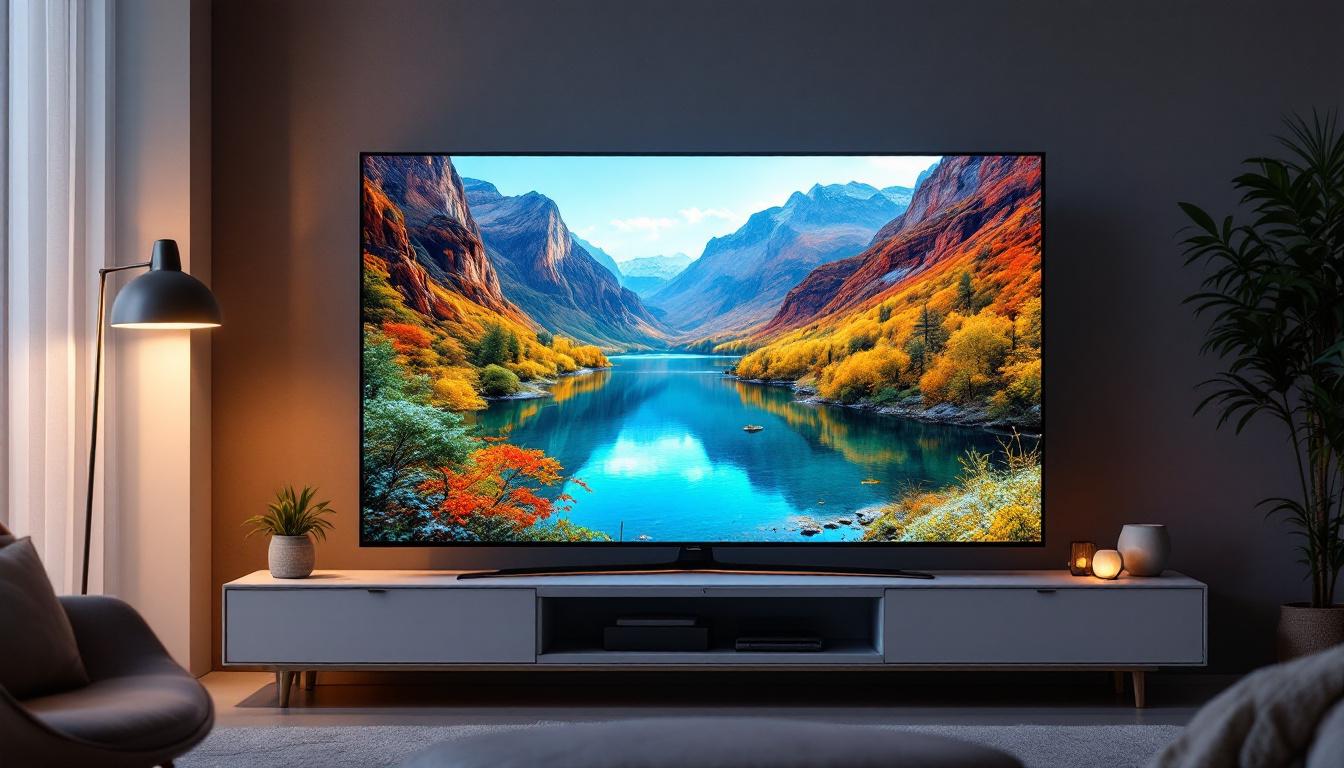
The 110 inch projector screen is a popular size choice for many users seeking a balance between immersive viewing and space efficiency. Typically measured diagonally, a 110 inch screen offers a substantial viewing area that enhances the cinematic experience without overwhelming a standard room. This size is particularly favored by home theater enthusiasts who desire a larger-than-life experience while still being able to fit the screen comfortably in their living spaces.
Projector screens come in various materials and formats, but the size itself plays a pivotal role in determining the viewing distance, resolution requirements, and overall image quality. For instance, a 110 inch screen is ideal for medium to large rooms where viewers can sit approximately 10 to 15 feet away, providing an optimal viewing angle and comfort. This distance allows for a more immersive experience, as viewers can fully appreciate the details and colors of the projected image without straining their eyes or missing finer points of the film or presentation.
Types of Projector Screens Suitable for 110 Inch Size
There are several types of projector screens available that can accommodate a 110 inch diagonal size:
- Fixed Frame Screens: These are rigid and mounted permanently on a wall, offering a flat and taut surface for the best image quality. They are often made from high-quality materials that enhance contrast and brightness, making them a favorite among serious movie watchers.
- Pull-Down Screens: These retractable screens are versatile and space-saving, suitable for multi-use rooms. They can be easily hidden when not in use, making them ideal for living rooms or classrooms where aesthetics and functionality must coexist.
- Electric Motorized Screens: Offering convenience, these screens can be controlled remotely and are ideal for professional settings. They often come with features such as programmable settings, which allow users to set the screen to lower or retract at specific times, enhancing the overall presentation experience.
- Portable Screens: Lightweight and easy to set up, these are perfect for presentations on the go. They can be quickly assembled and disassembled, making them an excellent choice for traveling professionals or educators who frequently present in different locations.
Each type has its pros and cons, but the choice often depends on the intended use, room setup, and budget. For instance, while fixed frame screens may offer superior image quality, they require a dedicated space and a more significant investment. In contrast, portable screens provide flexibility but may not deliver the same level of performance. Additionally, the material of the screen can also impact the viewing experience; for example, a matte white screen is great for ambient light, while a high-gain screen can enhance brightness in darker environments. Understanding these nuances can help users make an informed decision that best suits their needs and enhances their viewing experience.
What Is an LED Display?
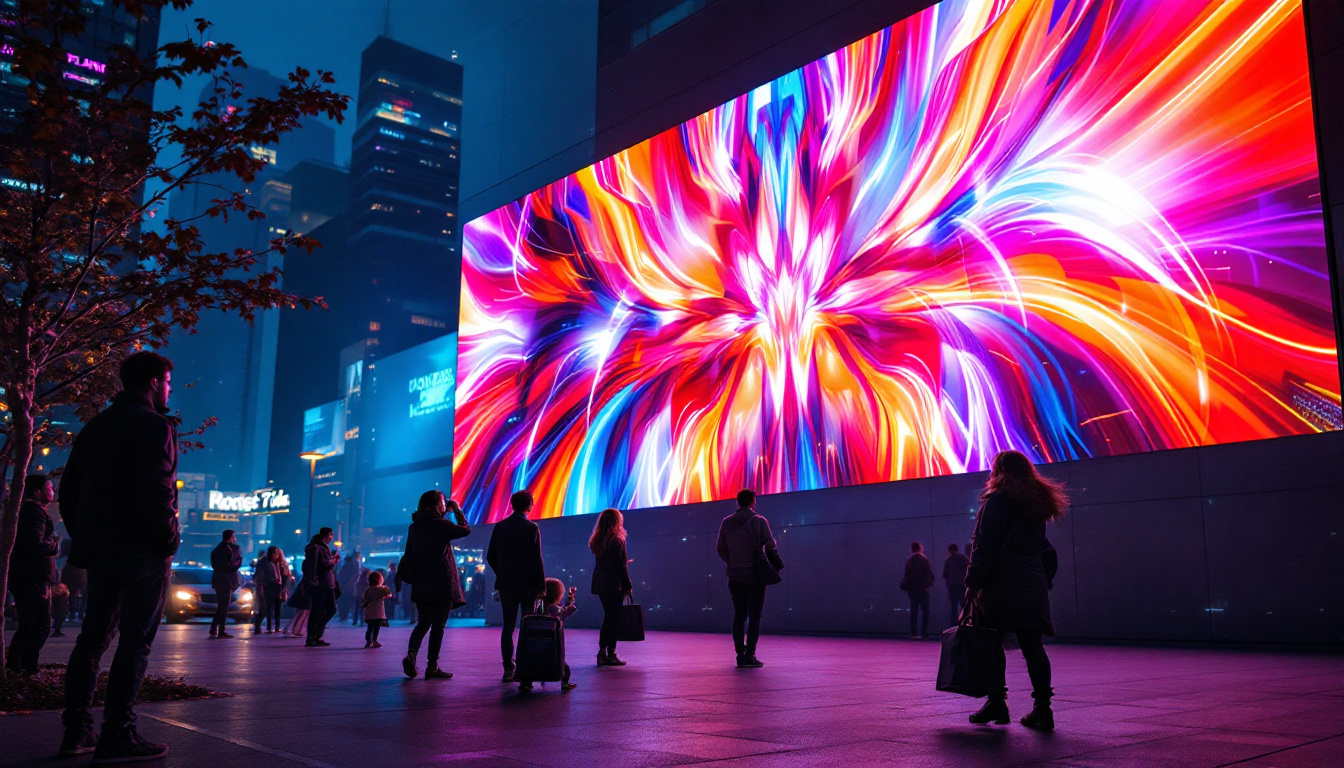
LED (Light Emitting Diode) displays have revolutionized the way images and videos are presented in both commercial and residential settings. Unlike traditional projector screens that rely on an external projector to cast images, LED displays are self-illuminating panels composed of thousands or millions of tiny LEDs that emit light directly. This innovation has not only transformed visual experiences but has also led to significant advancements in energy efficiency, making LED displays a more sustainable choice for both businesses and consumers.
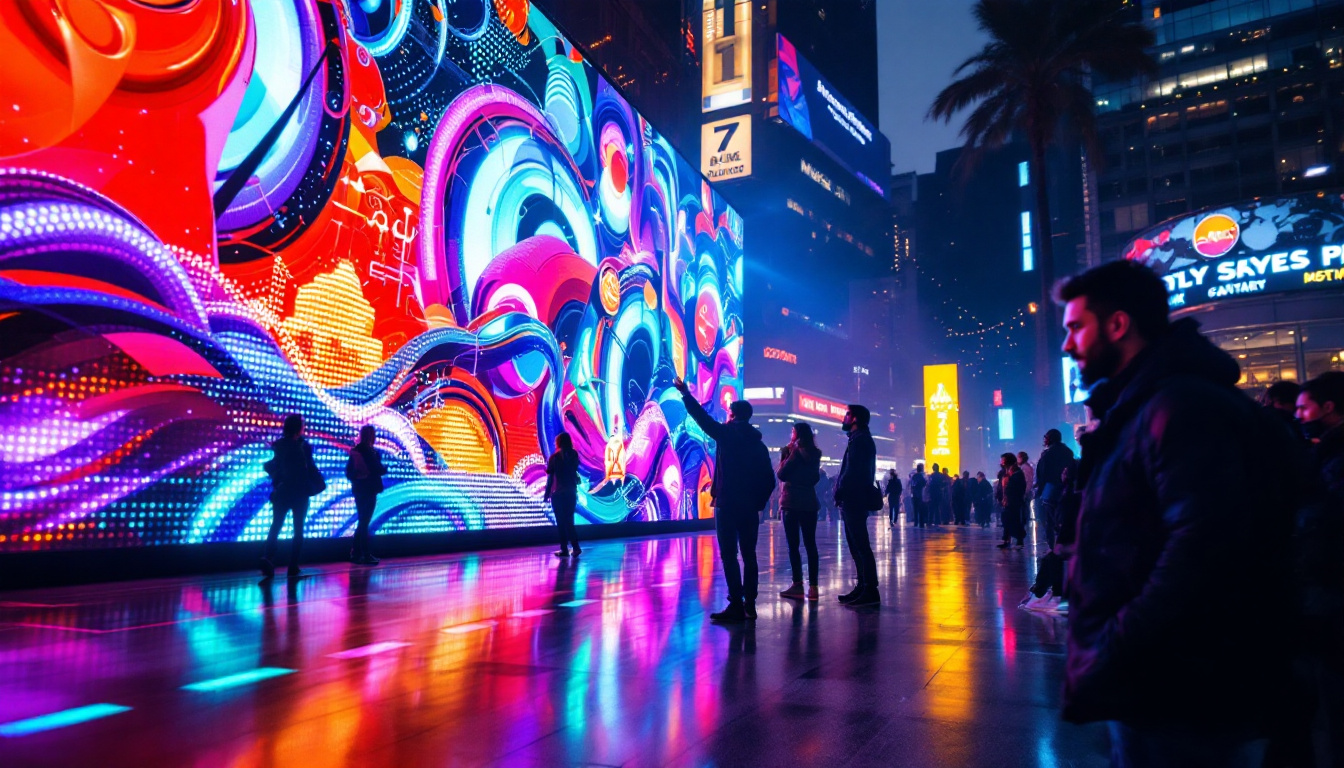
This technology offers several advantages, including higher brightness, better contrast ratios, and vibrant colors that remain consistent regardless of ambient lighting conditions. LED displays are commonly used in large-scale advertising billboards, stadium screens, and increasingly in home theaters and conference rooms. The durability of LED technology also means that these displays can withstand harsh weather conditions, making them ideal for outdoor use, where traditional screens would falter. Furthermore, their long lifespan reduces the need for frequent replacements, which can be both cost-effective and environmentally friendly.
How LED Displays Work
Each pixel on an LED display is made up of red, green, and blue diodes. By varying the intensity of these diodes, the display can reproduce a wide color gamut and high dynamic range. The modular design of LED panels allows for flexible screen sizes and shapes, making it possible to create very large displays without loss of image quality. This adaptability has led to creative installations in various settings, from immersive art exhibits to dynamic stage backdrops in concerts, where the visual impact can be tailored to enhance the overall experience.
Modern LED displays also incorporate advanced processing technology to ensure smooth motion, reduce latency, and enhance image sharpness, which is particularly important for video playback and interactive applications. The integration of features such as 4K and 8K resolution capabilities has pushed the boundaries of visual fidelity, allowing for an incredibly detailed viewing experience. Additionally, many LED displays now come equipped with smart technology, enabling connectivity with other devices and the ability to stream content directly from the internet, further enhancing their versatility in both professional and personal environments.
Comparing 110 Inch Projector Screens and LED Displays
Choosing between a 110 inch projector screen and an LED display depends on several factors, including environment, budget, and intended use. Below is a detailed comparison to help clarify the distinctions.
Image Quality and Brightness
Projector screens rely on the projector’s brightness, measured in lumens, to create a visible image. In well-lit rooms, even high-lumen projectors can struggle to maintain image clarity and vibrancy. Conversely, LED displays emit their own light, resulting in superior brightness and color accuracy regardless of ambient light.
For example, a typical projector might offer 3,000 to 5,000 lumens, which is sufficient for darkened rooms but less effective in daylight. LED displays can reach brightness levels of 1,000 to 5,000 nits, making them visible even in brightly lit environments.
Installation and Space Requirements
Projector setups require careful calibration and sufficient throw distance—the space between the projector and the screen—to ensure the image fills the 110 inch screen properly. This can limit placement options and may require ceiling mounts or dedicated furniture.
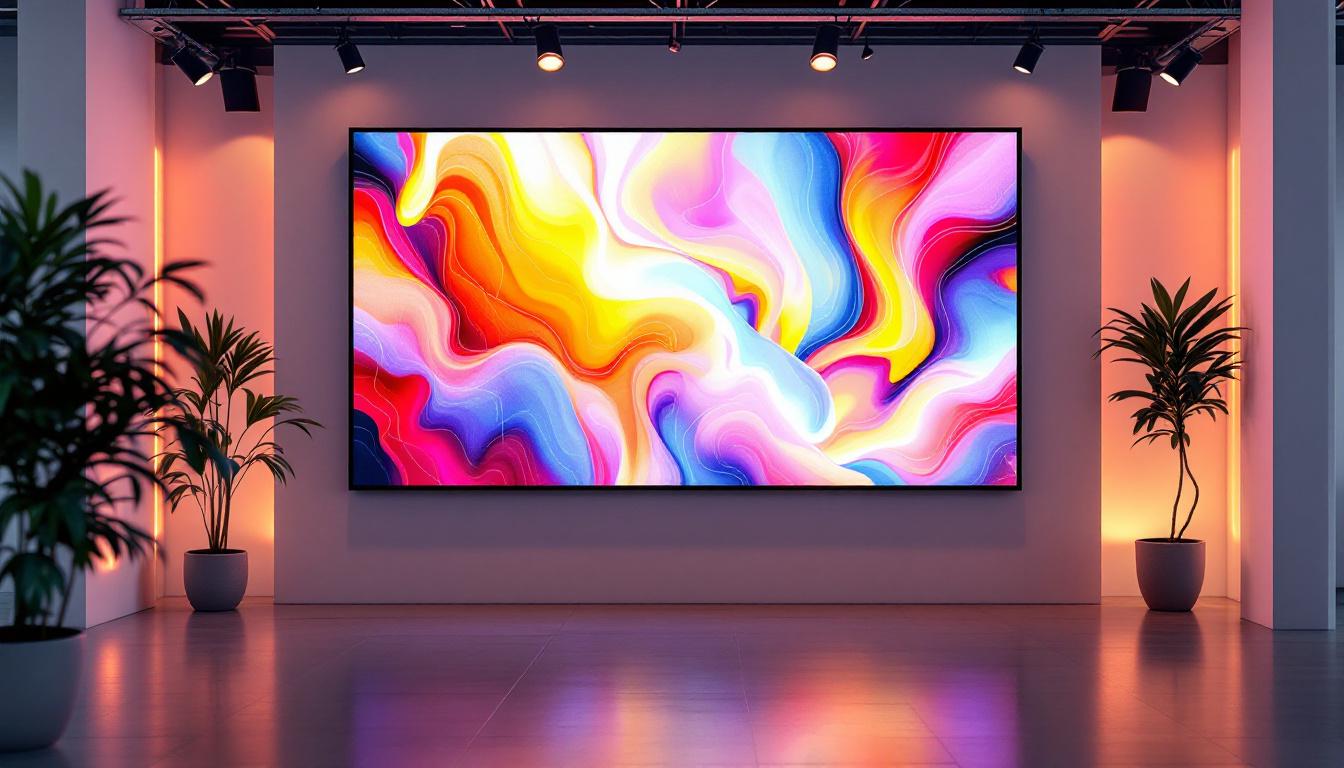
LED displays, being self-contained panels, can be mounted directly on walls or integrated into custom installations without the need for additional projection space. This makes LED displays more flexible in terms of room layout and design.
Maintenance and Longevity
Projectors typically require periodic maintenance such as lamp replacements, cleaning, and alignment. Lamp life varies but often ranges from 2,000 to 5,000 hours, after which replacement bulbs can be costly.
LED displays have longer lifespans, often exceeding 50,000 hours, and require minimal maintenance. Their solid-state nature means fewer moving parts and less risk of mechanical failure.
Cost Considerations
Initial costs for a 110 inch projector screen setup can be relatively affordable, especially with budget projectors and manual screens. However, high-end projectors and motorized screens increase the price significantly.
LED displays, particularly large ones, tend to have a higher upfront cost due to the complexity of the technology and manufacturing. However, the total cost of ownership may be lower over time due to reduced maintenance and longer lifespan.
Applications and Use Cases
Understanding where each technology excels can guide users toward the right choice for their needs.
Home Theater and Entertainment
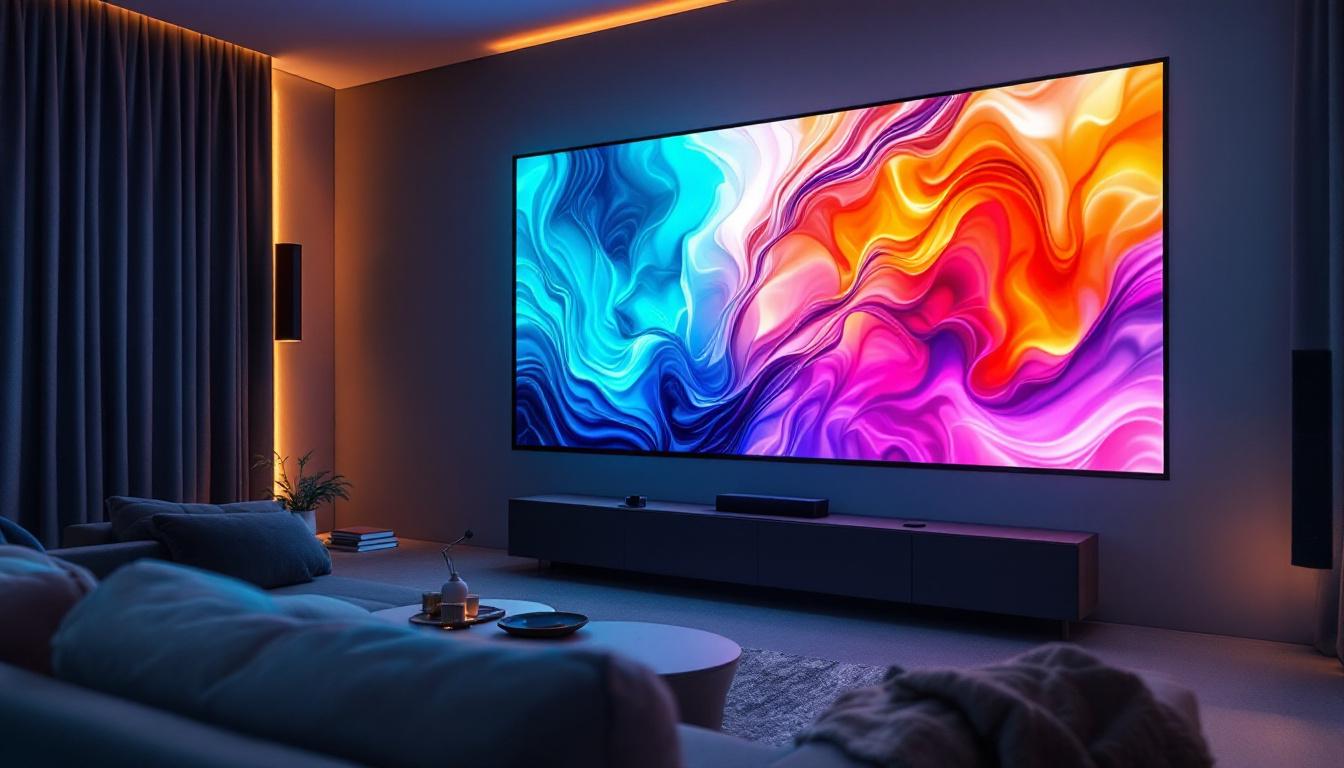
For home theater enthusiasts, a 110 inch projector screen remains a popular choice due to its cinematic feel and immersive experience. Projectors can deliver large images with excellent resolution, and when paired with a quality screen, they create a theater-like atmosphere at home.
However, LED displays are gaining traction in luxury home theaters, especially where ambient light control is challenging. Their brightness and color fidelity offer a vivid viewing experience without the need to darken the room completely.
Corporate and Educational Settings
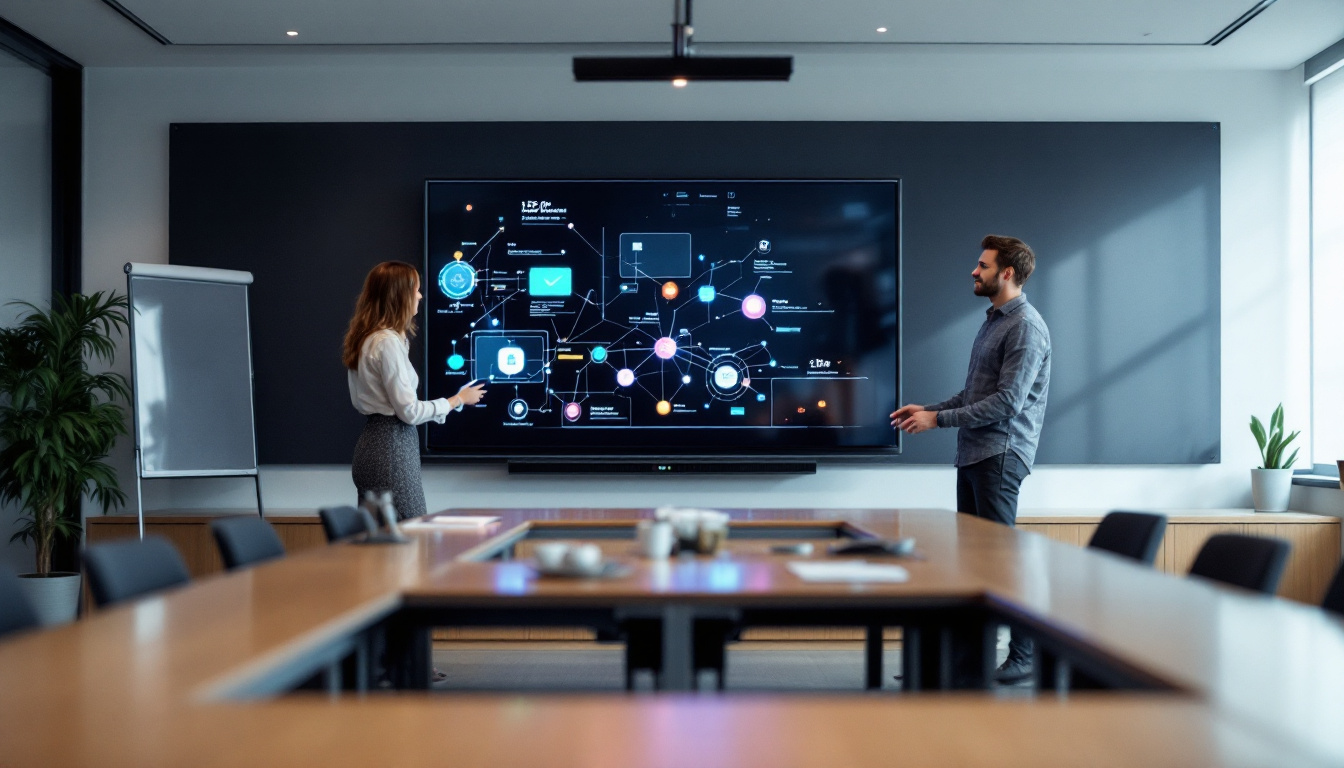
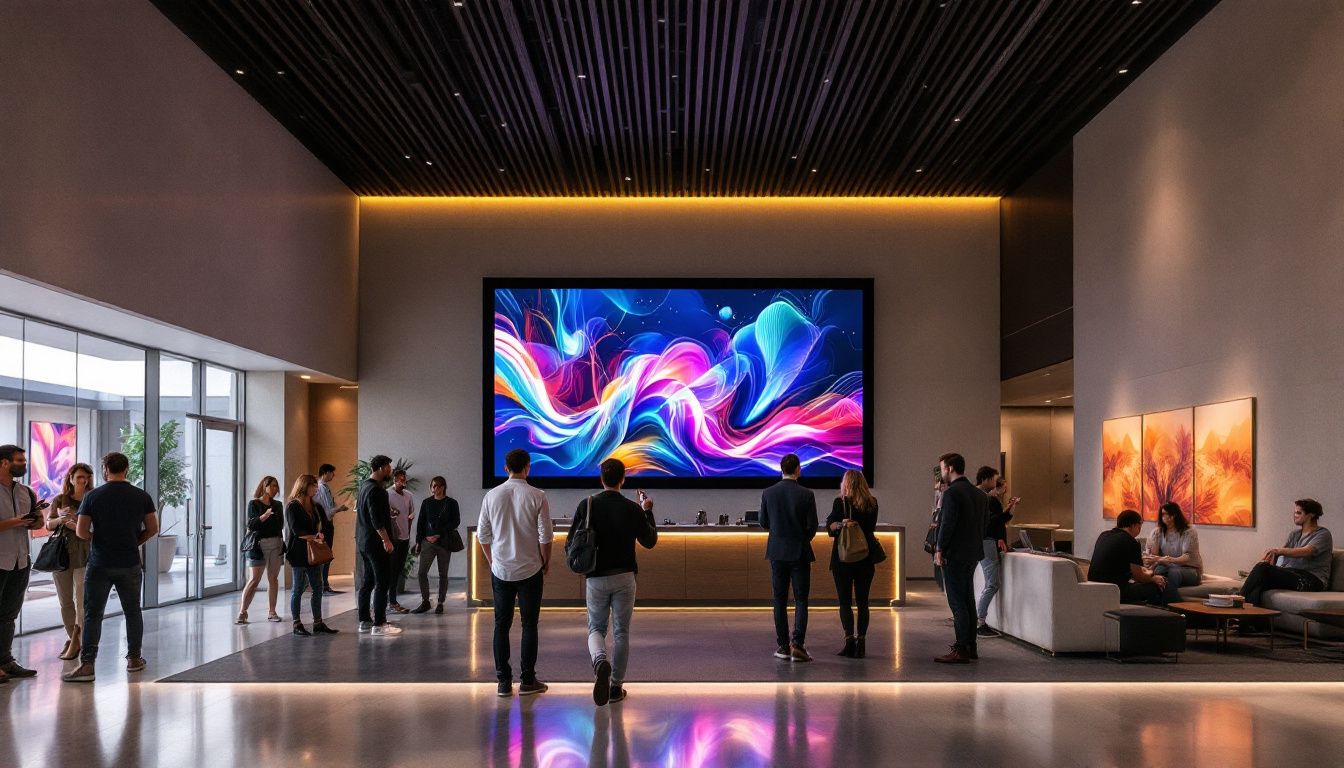
In conference rooms and classrooms, LED displays offer advantages such as quick startup, consistent brightness, and the ability to display dynamic content with minimal setup. Their slim profiles and ease of integration make them ideal for modern meeting spaces.
Projector screens still find use in larger auditoriums or multi-purpose rooms where the flexibility of retractable screens is beneficial.
Public Venues and Events
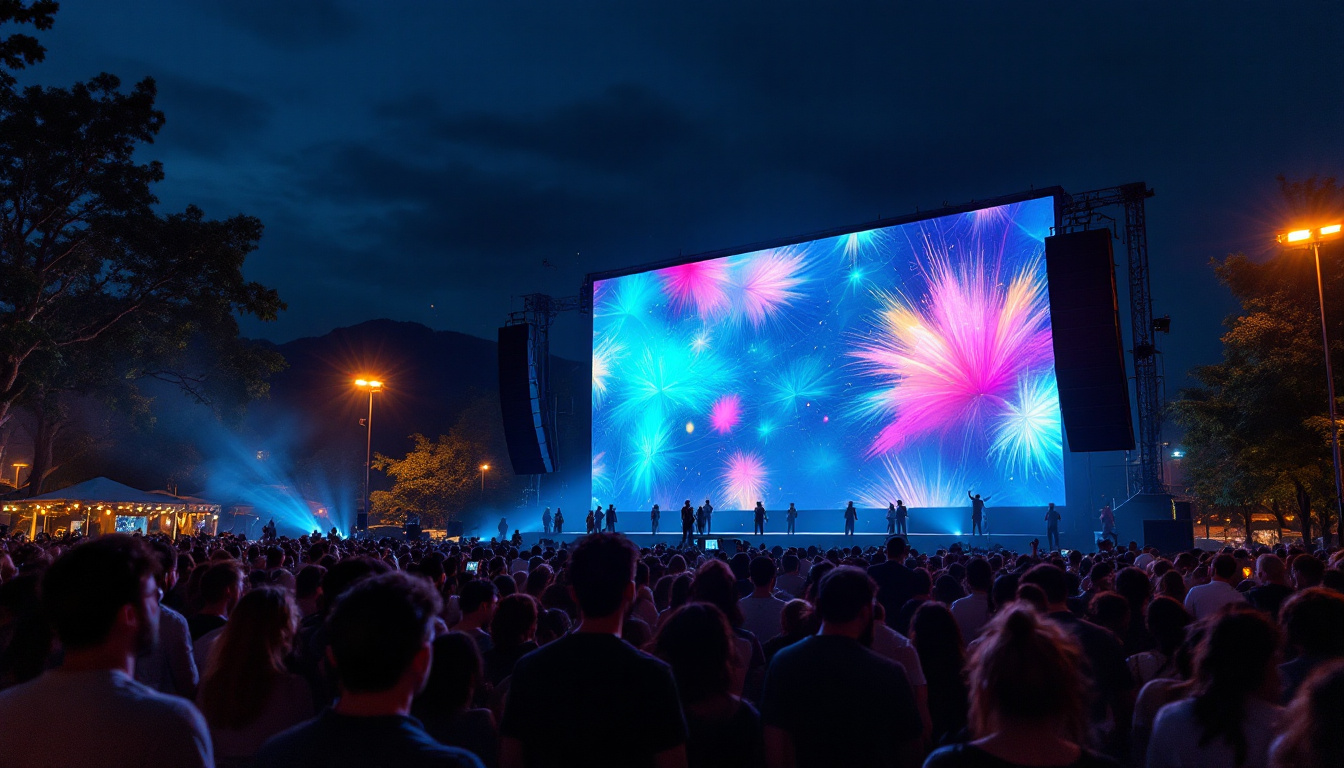
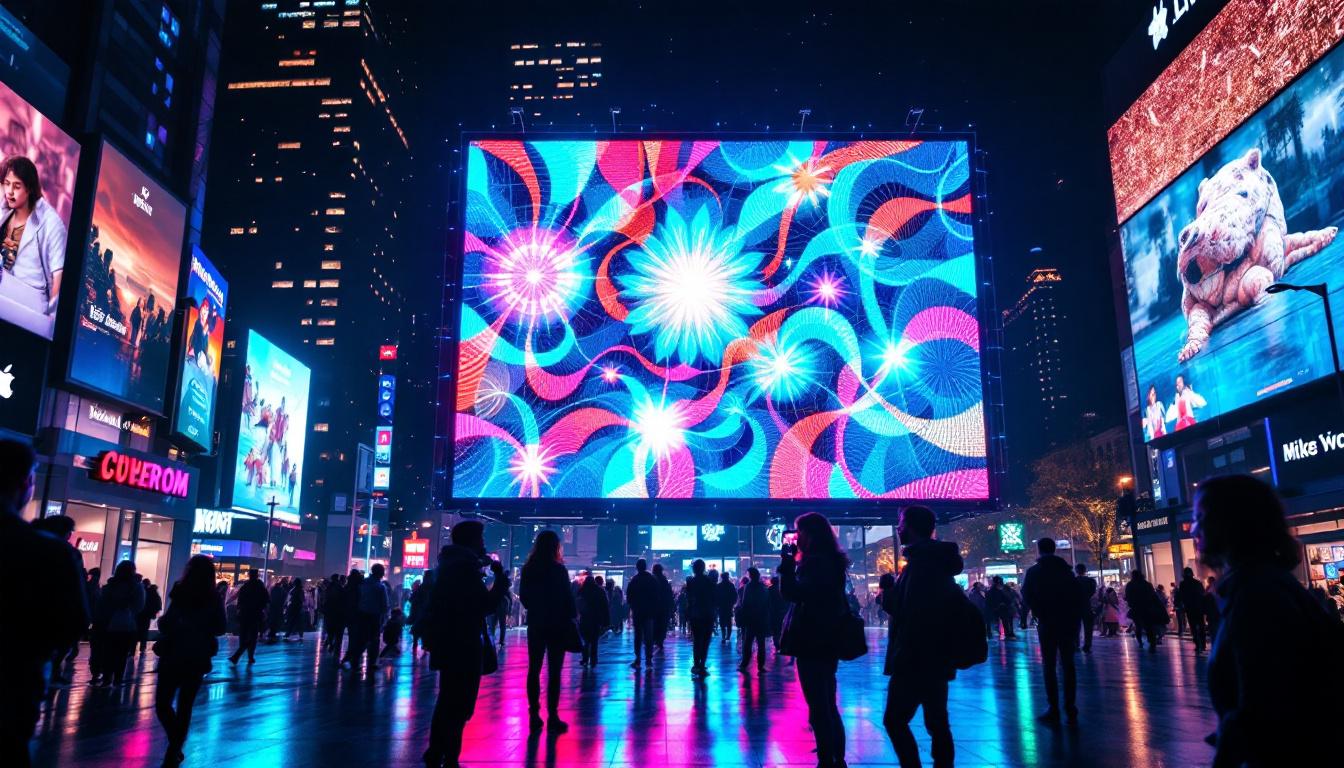
Large-scale events, concerts, and outdoor venues increasingly rely on LED displays due to their scalability and visibility in various lighting conditions. A 110 inch screen might be too small for such settings, but the principles of image quality and brightness remain relevant.
Future Trends in Display Technology
The display technology landscape continues to evolve rapidly. MicroLED and MiniLED technologies promise even higher brightness, better energy efficiency, and thinner form factors, potentially bridging the gap between traditional projector screens and LED displays.
Additionally, advancements in 8K resolution and HDR (High Dynamic Range) content are pushing the limits of what both projector and LED technologies can deliver, enhancing the overall viewing experience.
Integration with Smart Technologies
Smart home and office ecosystems are increasingly incorporating display technologies that can interact with voice assistants, IoT devices, and wireless streaming. Both projector systems and LED displays are adapting to these trends, offering enhanced connectivity and user-friendly interfaces.
Conclusion
Choosing between a 110 inch projector screen and an LED display involves weighing factors such as image quality, installation constraints, maintenance, and cost. Projector screens remain a favored option for immersive home theaters and flexible setups, while LED displays excel in brightness, durability, and modern integration.
As technology advances, the lines between these display types may blur, offering consumers more choices tailored to their specific needs. Understanding the strengths and limitations of each will empower users to create the best possible viewing environment for their space.
Discover LumenMatrix’s Advanced LED Display Solutions
Ready to elevate your viewing experience with the latest in LED display technology? LumenMatrix offers a comprehensive range of cutting-edge LED display modules designed to bring your visual communication to life. From immersive Indoor LED Wall Displays to dynamic Outdoor LED Wall Displays, and from versatile Vehicle LED Displays to innovative Custom LED Solutions, our products are crafted to captivate and engage your audience. Embrace the future of display technology and check out LumenMatrix LED Display Solutions today to see how we can transform your space with clarity and impact.