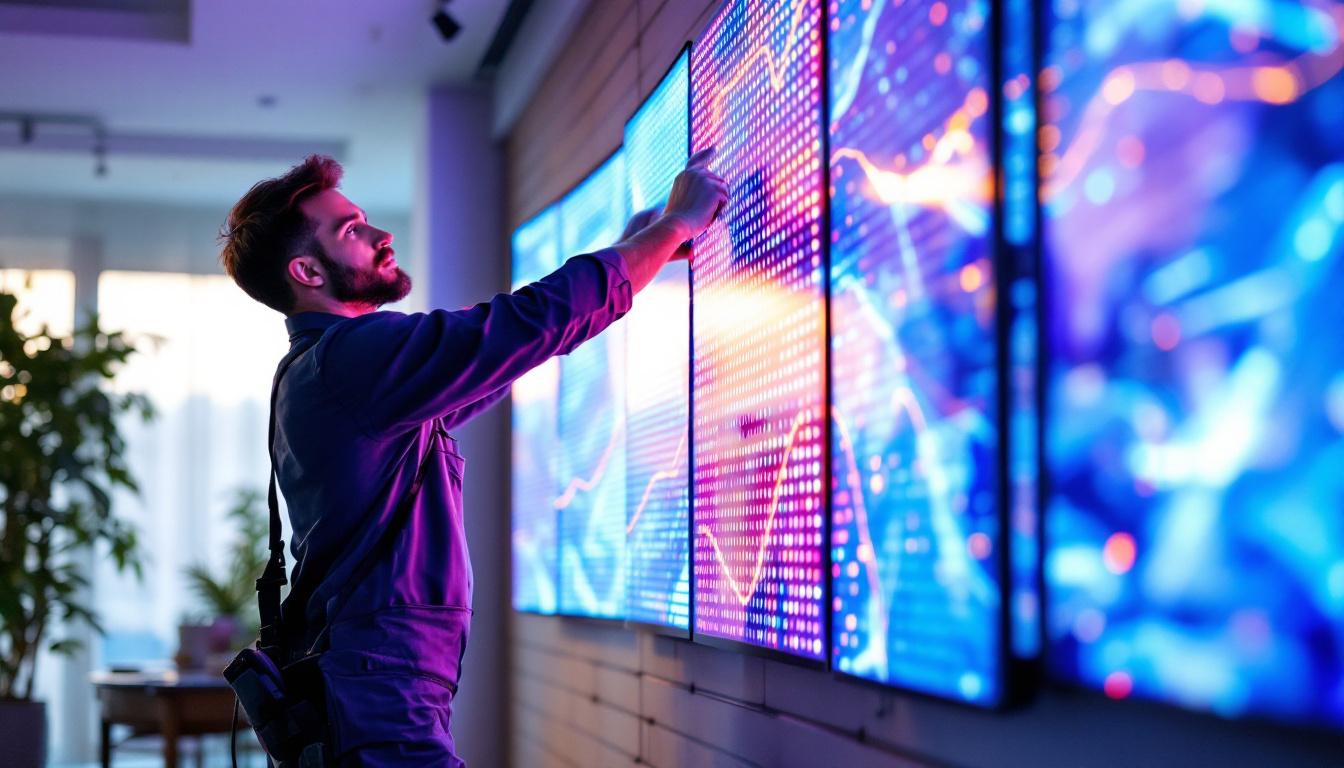
Curved LED walls have transformed the way businesses, event organizers, and designers showcase digital content. Offering immersive visuals with sleek, modern aesthetics, these displays are becoming a staple in retail environments, corporate lobbies, museums, and entertainment venues worldwide. However, building a curved LED wall requires a detailed understanding of both the technical and structural elements involved.
This comprehensive guide will walk you through the essential steps of constructing a curved LED display wall, from initial planning and design considerations to installation and maintenance. Whether you’re a professional AV integrator, an architect, or a technology enthusiast, understanding the nuances of curved LED walls will help you create stunning visual experiences that captivate audiences.
Understanding Curved LED Walls: What Sets Them Apart?
LED walls have been popular for years, but curved LED walls add a new dimension to digital signage. Unlike flat panels, curved LED walls bend around a radius, creating a more immersive and engaging viewing experience. This curvature can be subtle or dramatic, depending on the design goals.
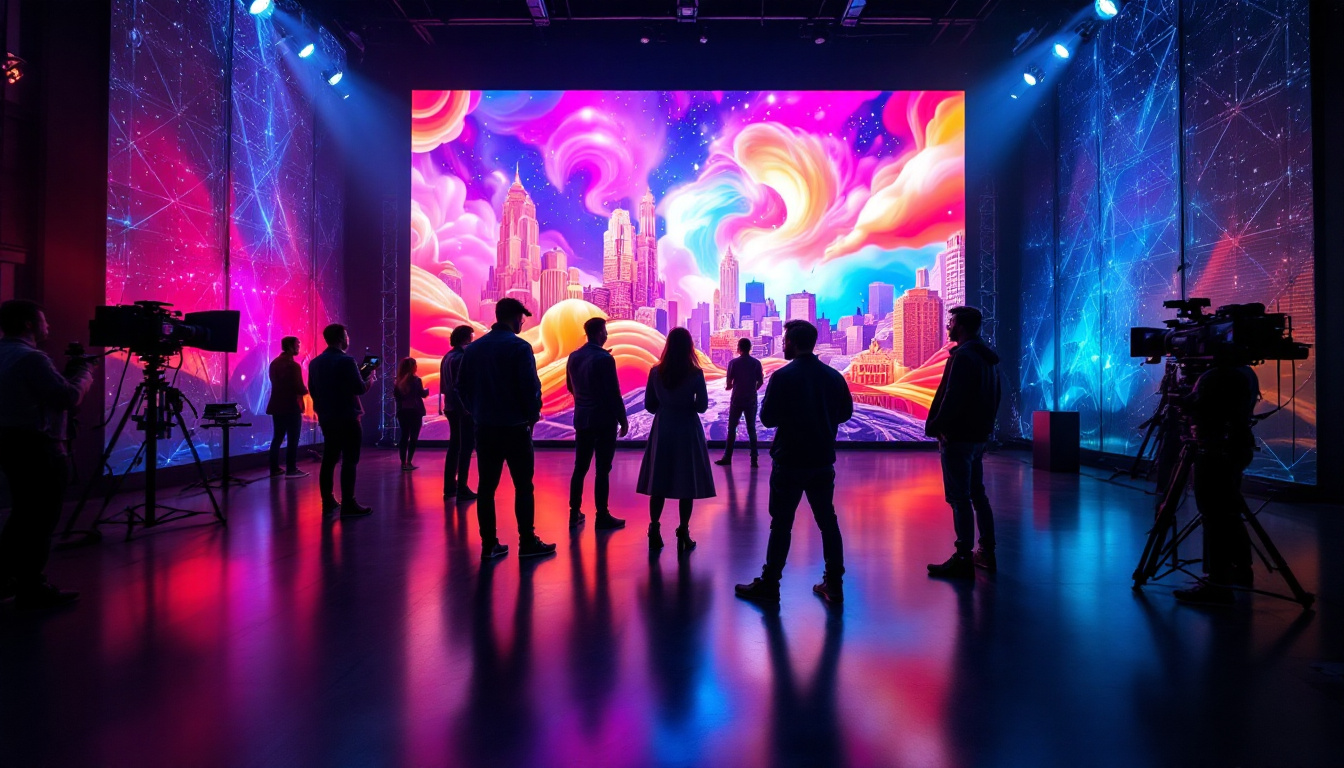
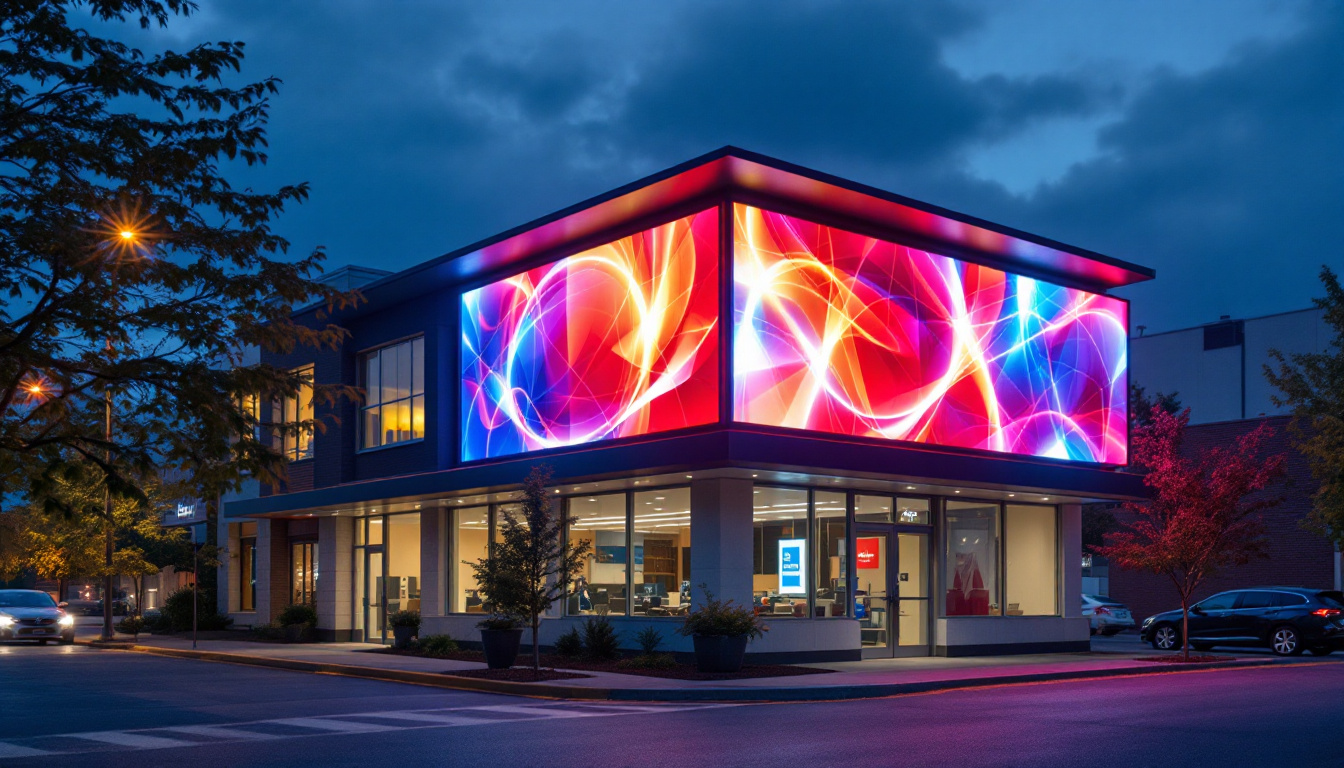
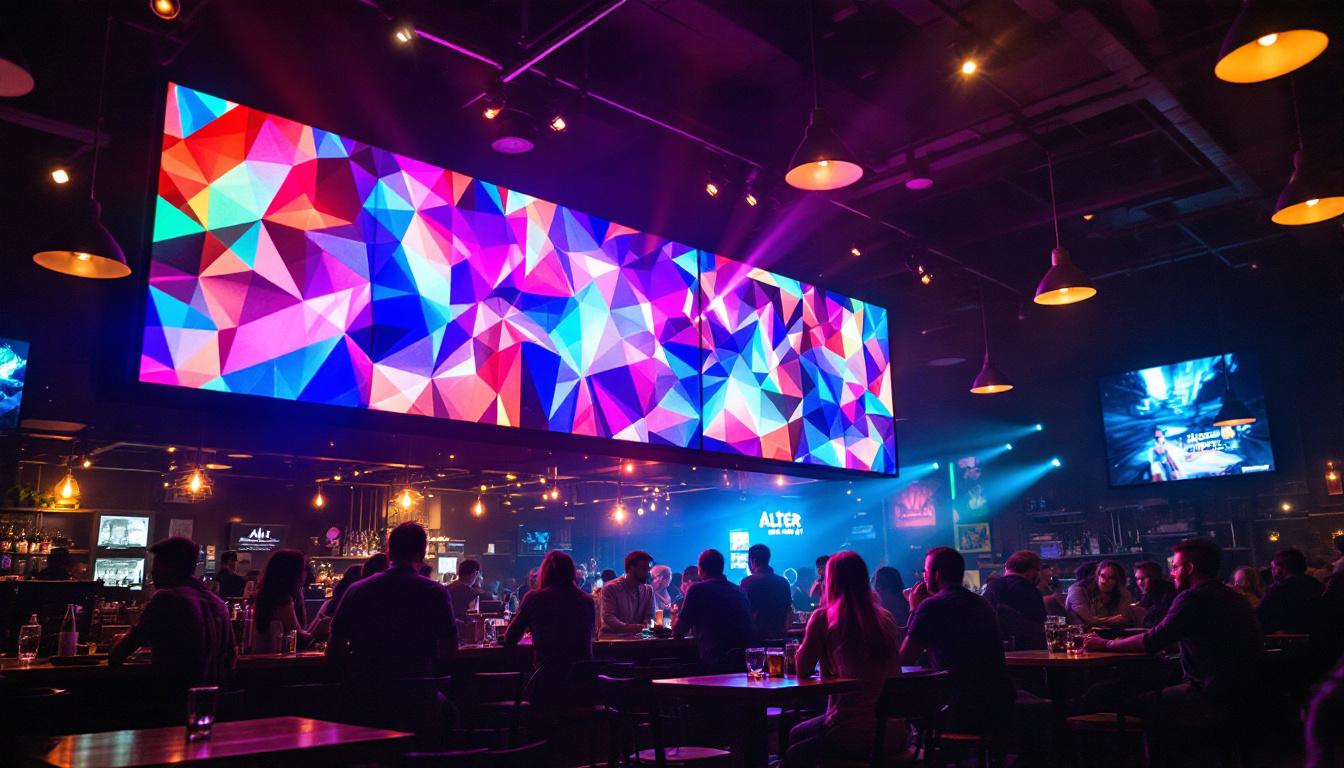
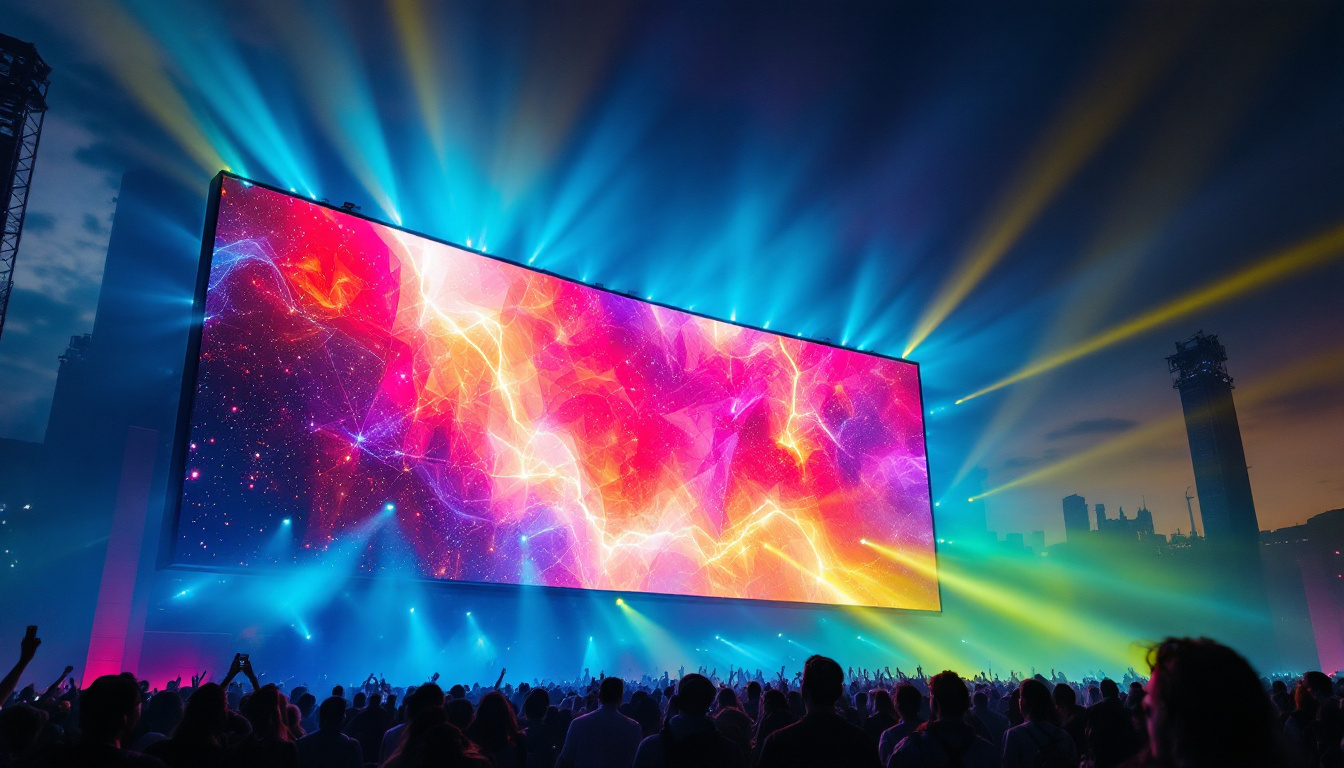
One of the key advantages of curved LED walls is their ability to fit unique architectural spaces or to create dynamic focal points that draw attention. For example, a retail store might use a gently curved LED wall to wrap around a product display, enhancing customer engagement. In entertainment venues, a large curved LED screen can envelop the audience, making visuals feel more lifelike. The adaptability of these installations allows for creative storytelling, where the visuals can seamlessly transition across the curvature, enhancing the narrative being presented.
According to a 2023 market report by Grand View Research, the LED display market is expected to grow at a compound annual growth rate (CAGR) of over 12% through 2030, with curved LED walls representing a significant segment due to their versatility and visual impact. This growth is fueled not only by advancements in technology but also by an increasing demand for innovative advertising solutions that captivate audiences in crowded spaces.
Technical Challenges of Curved LED Walls
Curving an LED wall is not as straightforward as bending a single screen. It involves precise engineering to ensure pixel alignment, structural integrity, and optimal viewing angles. The LED modules must be designed or selected to accommodate the curvature without distorting the image or causing dead zones. This requires collaboration between designers and engineers to create a cohesive visual experience that meets the intended artistic vision.
Moreover, power distribution, heat dissipation, and cable management become more complex with curved configurations. These factors must be addressed early in the design phase to avoid costly issues during installation. For instance, the use of advanced cooling systems may be necessary to manage heat effectively, particularly in larger installations where the density of LED modules generates significant heat. Additionally, the integration of smart technology can enhance functionality, allowing for real-time adjustments to brightness and color balance, ensuring that the display performs optimally under varying environmental conditions.
Planning Your Curved LED Wall Project
Successful curved LED wall projects begin with thorough planning. This phase involves defining the purpose, location, size, curvature radius, and technical specifications of the display.
Define the Purpose and Audience
Understanding what the LED wall will be used for is crucial. Is it for advertising, informational displays, immersive experiences, or artistic installations? The content type influences pixel pitch, brightness, and resolution requirements.
For instance, a retail environment might prioritize high brightness and vivid colors to stand out under ambient lighting, while a museum exhibit may focus on color accuracy and contrast for detailed visuals.
Measure and Design the Curvature
The curvature radius is a critical parameter. It determines how sharply the wall bends and affects the viewer’s perception. A smaller radius means a more pronounced curve, which can be visually striking but technically challenging.
Designers often use 3D modeling software to simulate the curved wall in the intended space. This helps to visualize the impact on sightlines, content distortion, and structural requirements.
Choose the Right LED Modules
LED modules come in various pixel pitches, sizes, and form factors. For curved walls, flexible or semi-flexible modules are ideal. These modules can bend slightly without damaging the LEDs or compromising image quality.
For example, a pixel pitch of 1.5mm to 3mm is common for indoor curved walls, offering high resolution and smooth images up close. Outdoor curved walls may use larger pixel pitches (4mm to 10mm) due to viewing distance and environmental factors.
Structural Considerations for Curved LED Walls
The physical support structure is the backbone of any curved LED wall. It must be engineered to bear the weight of the LED panels while maintaining the precise curvature.
Frame and Mounting Systems
Modular frame systems made from aluminum or steel are commonly used. These frames can be custom-fabricated to match the desired curve radius. The frame must allow for fine adjustments during installation to ensure perfect alignment of LED modules.
Innovative mounting solutions, such as adjustable brackets and hinge mechanisms, facilitate the bending and securing of LED panels along the curve. These systems also simplify maintenance by allowing individual modules to be removed without dismantling the entire wall.
Weight and Load Distribution
Curved LED walls can be heavy, especially when covering large areas. It’s essential to calculate the total load and ensure the supporting structure (walls, floors, or rigging points) can safely handle it.
Structural engineers should be consulted to verify load-bearing capacities and to design reinforcements if necessary. This is particularly important in venues with specific safety codes or seismic considerations.
Installation Process: Step-by-Step
Installing a curved LED wall is a meticulous process that requires coordination between designers, engineers, and technicians. Below is a typical workflow to guide the installation.
Site Preparation and Survey
Before installation, the site must be prepared. This includes verifying measurements, ensuring power and data infrastructure are in place, and confirming environmental conditions such as temperature and humidity.
A detailed site survey helps identify potential obstacles and allows the team to plan logistics, such as equipment access and staging areas.
Frame Assembly and Alignment
The supporting frame is assembled first. Using laser levels and 3D measurement tools, installers ensure the frame matches the designed curvature precisely. Any deviations can cause image distortion or module misalignment.
Mounting LED Modules
LED modules are installed onto the frame, starting from one end and working systematically across the curve. Each module is carefully aligned with its neighbors to maintain pixel continuity.
Flexible modules are handled with care to avoid stress on the LEDs and connectors. Technicians often use specialized tools to snap modules into place securely.
Electrical and Data Connections
Once all modules are mounted, power and data cables are connected. Cable management is critical to prevent tangling and to allow for heat dissipation.
Testing is conducted at this stage to verify that all pixels light up correctly and that the display responds to control signals without latency or flicker.
Calibration and Content Optimization
After installation, the curved LED wall requires calibration to ensure uniform brightness, color accuracy, and seamless image blending across the curve.
Color and Brightness Calibration
Professional calibration tools measure luminance and color temperature across the entire display. Adjustments are made via software to compensate for any inconsistencies caused by the curvature or module variations.
This step is essential for delivering a visually cohesive experience, especially when displaying high-definition video or detailed graphics.
Content Design for Curved Surfaces
Content creators must consider the curvature when designing visuals. Flat images can appear distorted if not adjusted for the curve’s geometry.
Advanced content management systems (CMS) offer warping and mapping features that adapt content to the curved surface, preserving proportions and enhancing viewer engagement.
Maintenance and Longevity of Curved LED Walls
Maintaining a curved LED wall ensures it continues to perform optimally and extends its lifespan.
Routine Cleaning and Inspection
Dust and debris can accumulate on LED modules, affecting brightness and image quality. Regular cleaning with appropriate tools and solutions is necessary.
Inspections should check for loose connections, damaged modules, and structural integrity, especially in high-traffic or outdoor environments.
Software Updates and Diagnostics
Keeping the control software up to date ensures compatibility with new content formats and improves system stability. Many LED systems include diagnostic tools that alert operators to potential issues before they affect performance.
Repair and Replacement Procedures
One advantage of modular LED walls is the ease of replacing individual panels. Having spare modules on hand minimizes downtime in case of failures.
Technicians should be trained in safe removal and installation practices to avoid damaging adjacent modules or the supporting structure.
Case Studies: Successful Curved LED Wall Installations
Examining real-world examples can provide valuable insights into best practices and innovative applications of curved LED walls.
Retail Innovation: Nike’s Curved LED Experience
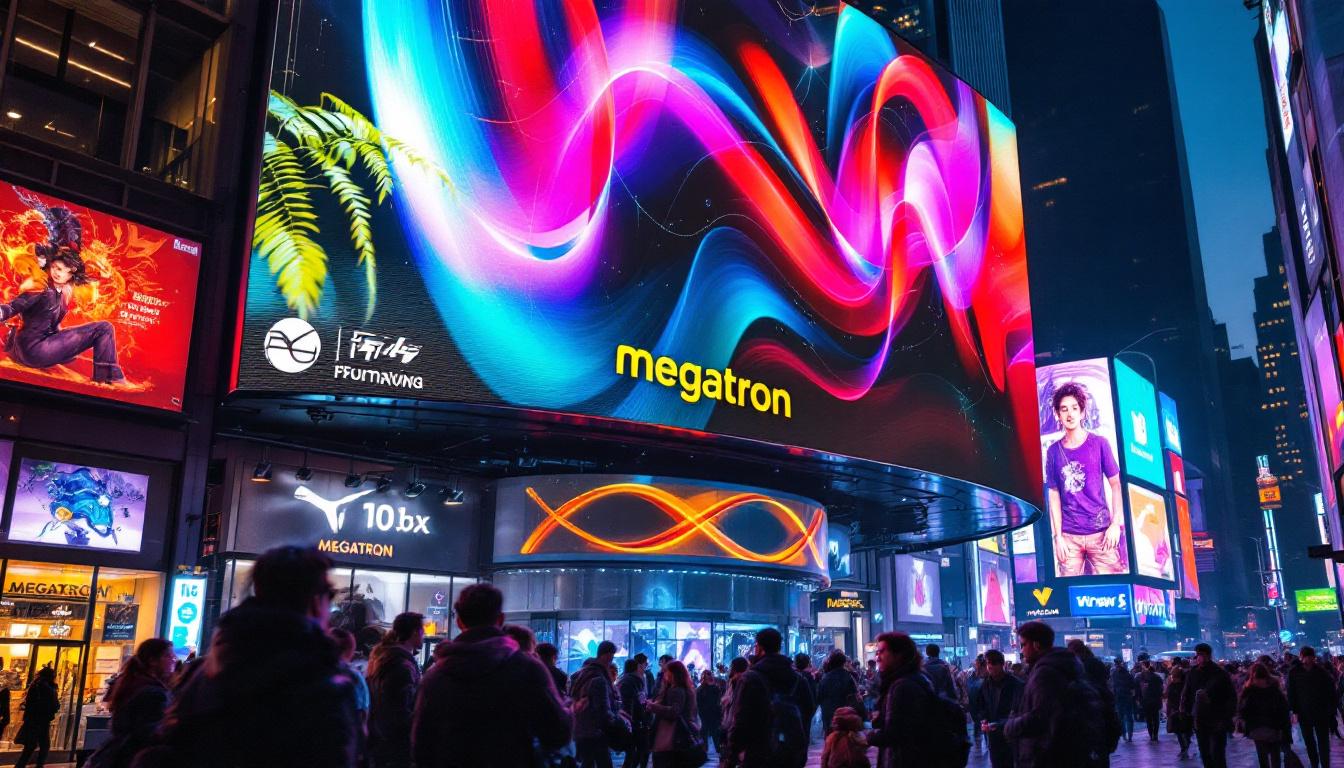
Nike’s flagship stores have incorporated large curved LED walls to showcase dynamic product launches and athlete stories. These walls wrap around display areas, creating an immersive brand environment that drives customer engagement and sales.
The project highlighted the importance of precise curvature design and high-resolution modules to maintain image clarity at close viewing distances.
Entertainment Venue: The Dolby Theatre
The Dolby Theatre in Los Angeles installed a massive curved LED backdrop to enhance live performances and events. The curvature envelops performers and audiences alike, delivering stunning visuals that complement the show.
Structural engineers collaborated closely with AV specialists to ensure the frame could support the weight while meeting strict safety codes.
Conclusion: Crafting Impactful Curved LED Walls
Building a curved LED wall is a complex but rewarding endeavor. It combines art, engineering, and technology to create captivating visual experiences that stand out in any environment.
By carefully planning the design, selecting appropriate materials, and following meticulous installation and maintenance procedures, organizations can leverage curved LED walls to enhance branding, storytelling, and audience engagement.
As LED technology continues to evolve, the possibilities for curved digital displays will expand, offering even greater flexibility and creative potential in the years ahead.
Discover the Future of LED Displays with LumenMatrix
Ready to bring your space to life with a curved LED wall that captivates and engages? LumenMatrix is at the forefront of LED display innovation, offering a wide range of solutions tailored to your unique needs. From immersive Indoor and Outdoor LED Wall Displays to dynamic Vehicle and Sports LED Displays, our technology is designed to revolutionize visual communication. Elevate your brand and create unforgettable experiences with our cutting-edge LED display modules. Check out LumenMatrix LED Display Solutions today and step into the future of digital signage.