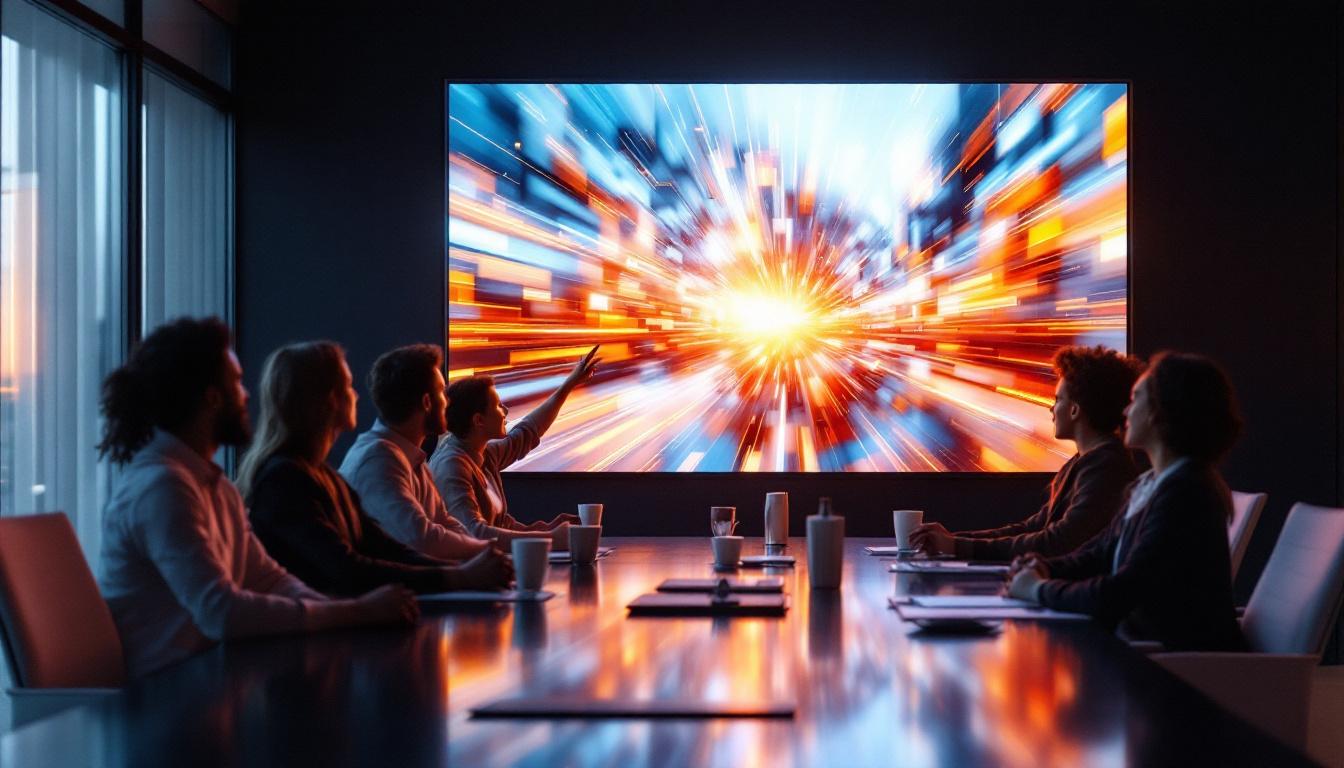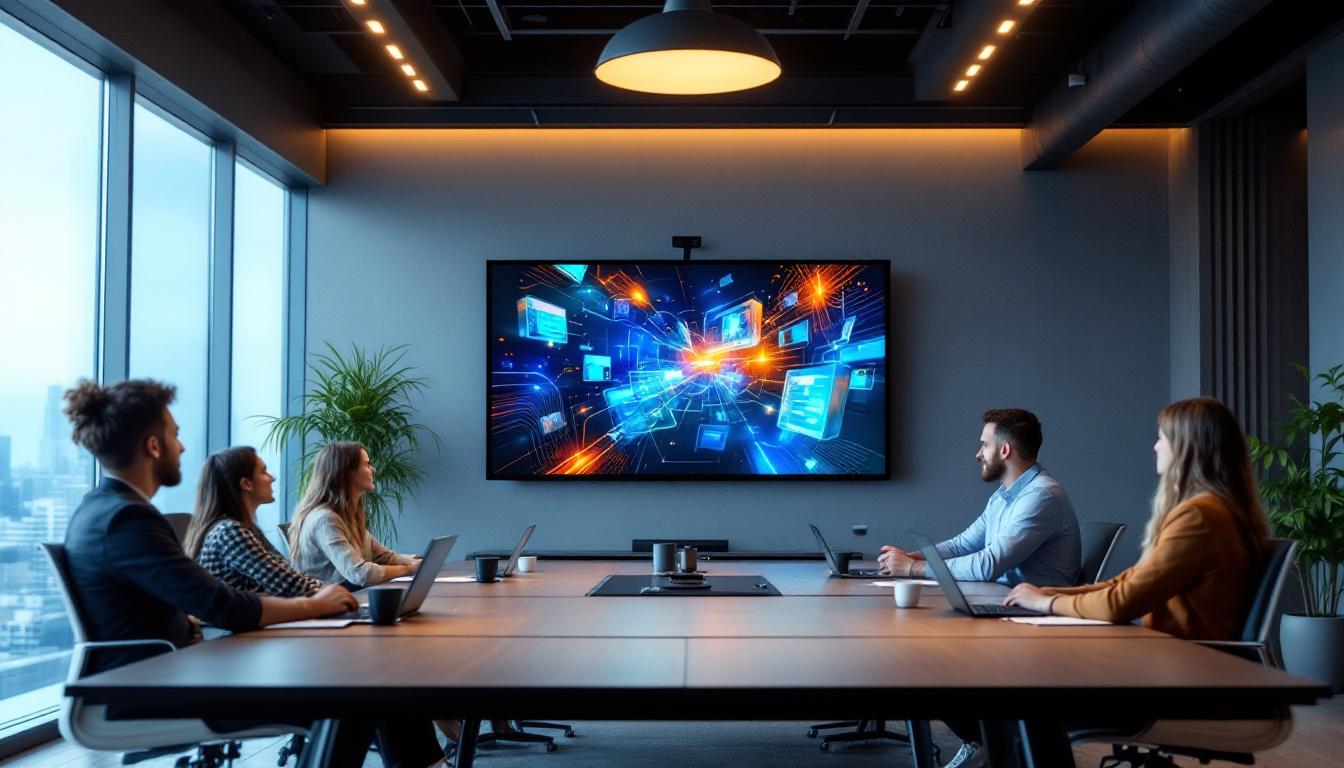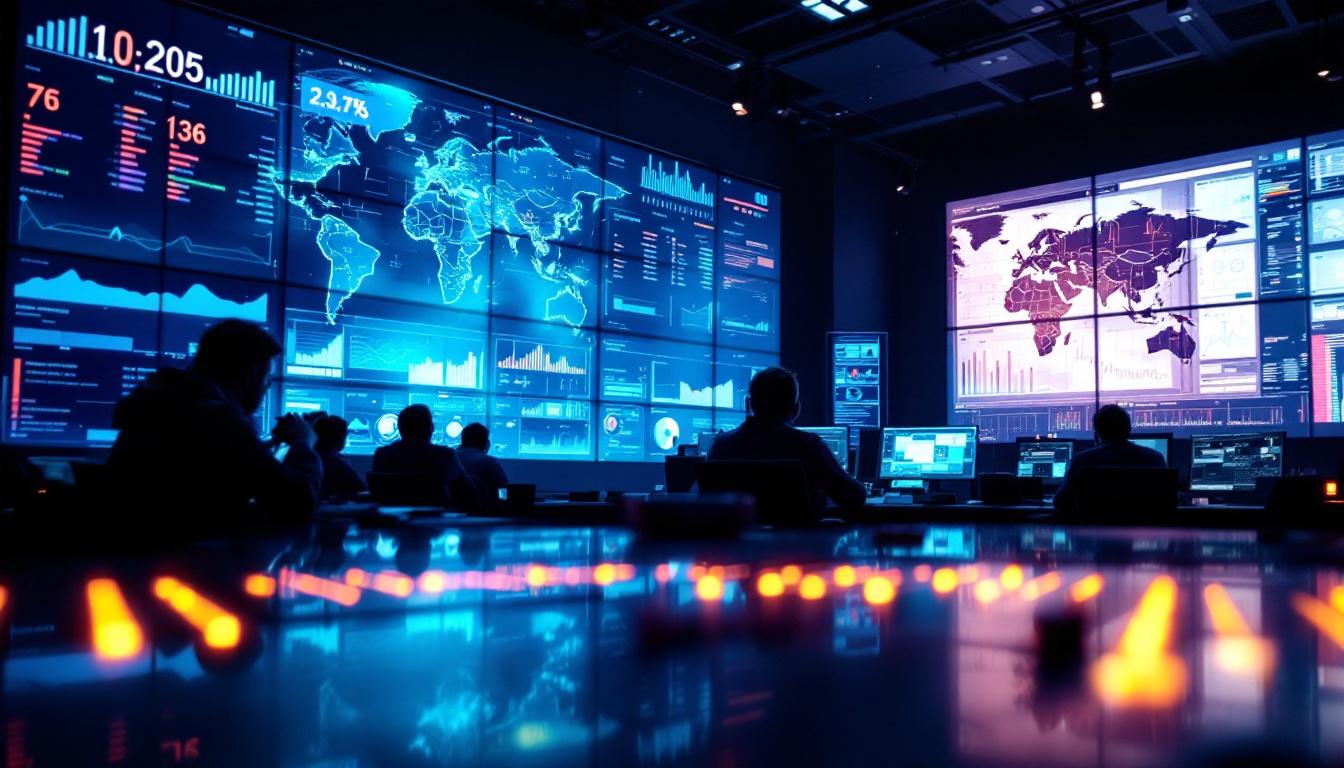
In today’s fast-paced and data-driven world, control rooms serve as nerve centers for critical operations across industries such as utilities, transportation, security, and emergency management. The ability to visualize data clearly and in real-time is paramount to effective decision-making. Among the various display technologies available, LED displays have emerged as a leading solution for control room environments.
This article delves into the role of LED displays in control rooms, explaining their technology, benefits, and practical applications. It also explores how organizations can select the right LED display solution to enhance operational efficiency and situational awareness.
Understanding LED Display Technology
What is an LED Display?
LED stands for Light Emitting Diode, a semiconductor device that emits light when an electric current passes through it. LED displays consist of thousands to millions of these tiny diodes arranged in a grid to form images, videos, or data visualizations. Unlike traditional LCD or projection-based displays, LED displays are self-illuminating, meaning each diode generates its own light.
This self-illumination provides several advantages, including higher brightness, better contrast ratios, and superior color accuracy. These features make LED displays particularly well-suited for environments where visibility under various lighting conditions is critical. Furthermore, LED technology has evolved to include various color spectrums, enabling displays to produce vibrant hues and deep blacks, which are essential for applications ranging from advertising to complex data analysis.
Additionally, the energy efficiency of LED displays is noteworthy. Compared to older display technologies, LEDs consume significantly less power, which not only reduces operational costs but also contributes to a smaller carbon footprint. This aspect is increasingly important as organizations strive to adopt greener technologies while maintaining high performance standards in their visual communications.
Types of LED Displays Used in Control Rooms
Control rooms typically utilize two main types of LED display technologies: direct-view LED video walls and LED-backlit LCD panels.
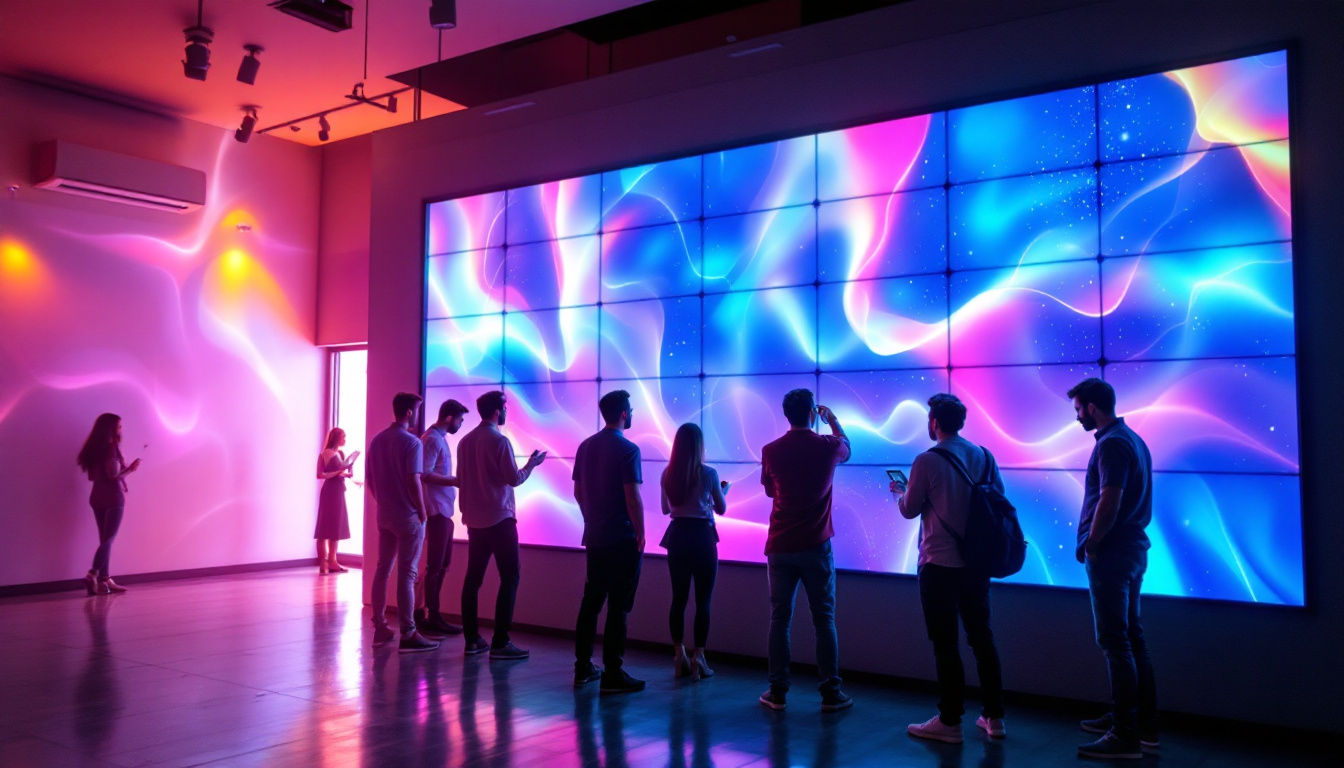
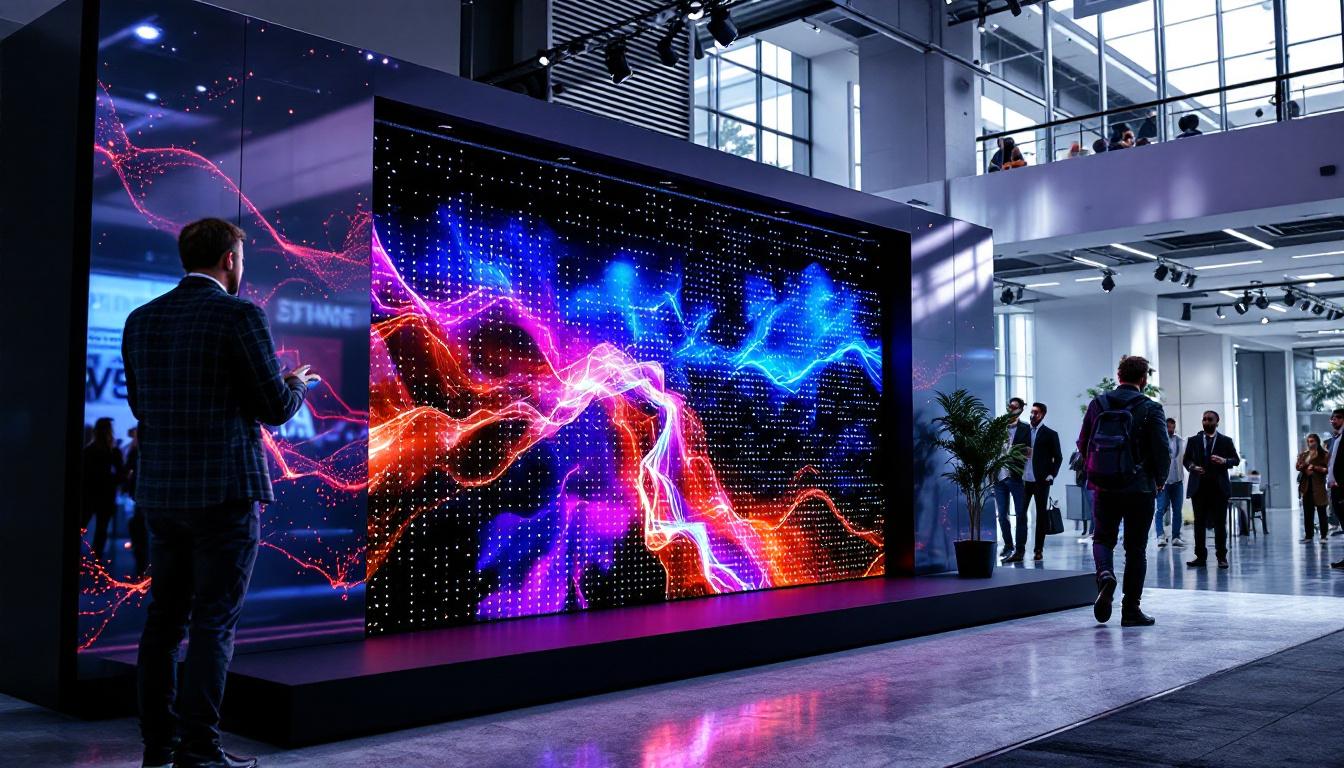
- Direct-View LED Video Walls: These are large-scale displays made up of modular LED panels seamlessly tiled together. They offer excellent brightness and viewing angles, making them ideal for large control rooms where multiple operators need to view the same information simultaneously. The modular nature of these displays allows for flexible configurations, enabling control rooms to adapt their layouts based on specific operational needs or spatial constraints.
- LED-Backlit LCD Panels: These are conventional LCD screens that use LED backlighting instead of fluorescent lamps. While they offer improved brightness and energy efficiency compared to older LCDs, they do not match the performance of direct-view LED walls in terms of contrast and viewing angles. However, they can still be an effective solution for smaller control rooms or secondary displays where space and budget limitations exist.
For mission-critical control rooms, direct-view LED video walls are generally preferred due to their scalability, durability, and superior image quality. These video walls can be customized with varying pixel pitches, allowing for high-resolution displays that cater to the specific needs of the operators. Moreover, advancements in LED technology have led to the development of fine-pitch displays, which provide even greater detail and clarity, making them suitable for applications requiring intricate data visualization.
In addition to the technical specifications, the integration of LED displays into control room environments also involves considerations of ergonomics and user experience. The placement and height of displays are crucial in ensuring that operators can view information comfortably without straining their necks or eyes. Furthermore, modern LED displays often come equipped with advanced features such as touch interactivity and remote monitoring capabilities, enhancing the overall functionality and efficiency of control room operations.
Why LED Displays are Ideal for Control Rooms
Exceptional Visibility and Image Quality
One of the most important requirements in a control room is the ability to clearly see and interpret data from a distance and under varying lighting conditions. LED displays excel in this regard because they provide high brightness levels—often exceeding 1,000 nits—which ensures visibility even in brightly lit environments.
Moreover, LED displays offer wide viewing angles, typically up to 160 degrees horizontally and vertically. This means operators can view the screen from different positions without color distortion or loss of image quality, which is essential in collaborative control room settings.
Scalability and Customization
Control rooms vary widely in size and function, from small security monitoring stations to expansive transportation management centers. LED video walls can be customized to fit virtually any space, with panels that can be tiled horizontally and vertically to create displays of any size or aspect ratio.
This modularity allows organizations to scale their display solutions over time, adding more panels as operational needs grow or change. Additionally, LED displays can be configured to show multiple data sources simultaneously, enabling operators to monitor diverse information streams on a single unified screen.
Reliability and Longevity
Control rooms operate around the clock, often in mission-critical environments where downtime is unacceptable. LED displays are designed for continuous operation, with lifespans typically ranging from 50,000 to 100,000 hours. This durability reduces maintenance costs and minimizes the risk of unexpected failures.
Furthermore, LED technology is less prone to image burn-in compared to OLED or plasma displays, ensuring consistent image quality over time. Many LED video walls also incorporate redundancy features, such as backup power supplies and failover systems, to maintain uptime even in case of component failures.
Applications of LED Displays in Control Rooms
Utility and Energy Management
Utility companies rely on control rooms to monitor power grids, water supplies, and gas pipelines. LED video walls enable operators to visualize real-time data such as load distribution, fault detection, and system health metrics. The high resolution and brightness of LED displays help quickly identify anomalies and coordinate rapid responses to outages or emergencies.
Transportation and Traffic Control
In transportation control centers, LED displays are used to monitor traffic flow, public transit schedules, and incident reports. Large-format LED walls allow traffic managers to oversee multiple camera feeds and data dashboards simultaneously, improving situational awareness and facilitating timely interventions to reduce congestion and enhance safety.
Public Safety and Emergency Response
Emergency operations centers depend on clear, real-time information to coordinate responses to natural disasters, security threats, or public health crises. LED displays provide a centralized platform to aggregate data from multiple sources, including surveillance cameras, weather updates, and communication networks, enabling faster decision-making and resource deployment.
Industrial and Manufacturing Control
Manufacturing plants and industrial facilities use control rooms to oversee production lines, monitor equipment status, and ensure safety compliance. LED video walls help operators detect process deviations and equipment malfunctions early, minimizing downtime and optimizing operational efficiency.
Key Considerations When Selecting an LED Display for Control Rooms
Resolution and Pixel Pitch
Resolution determines the clarity and detail of the displayed image. Pixel pitch—the distance between the centers of adjacent LEDs—is a critical factor affecting resolution. Smaller pixel pitch values (e.g., 0.9mm to 1.5mm) provide higher resolution and are better suited for close viewing distances typical in control rooms.
Choosing the appropriate pixel pitch depends on the size of the display and the distance from which operators will view it. For example, a control room where operators sit 2 to 3 meters from the screen might require a pixel pitch of 1.2mm or less to ensure sharp images.
Brightness and Contrast Ratio
Brightness is measured in nits and affects how well the display performs under ambient lighting. Control rooms with large windows or strong overhead lighting require displays with high brightness levels to maintain visibility.
Contrast ratio—the difference between the darkest black and brightest white—impacts image depth and clarity. LED displays typically offer superior contrast ratios compared to other technologies, enhancing the readability of complex data visualizations.
Color Accuracy and Uniformity
Accurate color reproduction is essential for interpreting data correctly, especially when color coding is used to indicate status or alerts. LED displays generally provide excellent color accuracy and uniformity across the entire screen, ensuring consistent visuals regardless of viewing angle.
Integration and Control Software Compatibility
Modern control rooms often integrate multiple data sources and visualization tools. It is important to select LED display solutions compatible with existing control room management software and video wall controllers. Seamless integration enables operators to switch between inputs, customize layouts, and manage content efficiently.
Maintenance and Serviceability
Consideration should be given to how easily the LED display can be serviced without disrupting operations. Front-access modular panels allow for quick repairs and replacements, reducing downtime. Additionally, choosing vendors that offer comprehensive support and warranties can safeguard long-term investment.
Future Trends in LED Display Technology for Control Rooms
Higher Resolution and Mini-LED Innovations
As control rooms demand more detailed and immersive visualization, LED technology continues to evolve. Mini-LED and micro-LED displays, featuring even smaller pixel pitches and improved brightness, are becoming more accessible. These advancements enable ultra-high-definition video walls that enhance clarity and reduce eye strain for operators.
Integration of Artificial Intelligence and Analytics
Emerging control room solutions are incorporating AI-driven analytics directly into display systems. Intelligent algorithms can highlight critical data points, predict system failures, and automate alerts, all visualized through LED video walls. This integration enhances situational awareness and decision-making speed.
Energy Efficiency and Sustainability
With increasing focus on sustainability, LED displays are becoming more energy-efficient, consuming less power while delivering higher performance. Innovations in materials and design are reducing heat output and extending lifespan, aligning with green building standards and reducing operational costs.
Conclusion
LED displays have revolutionized control room environments by providing unparalleled visibility, reliability, and flexibility. Their ability to deliver bright, high-resolution images with wide viewing angles makes them indispensable for monitoring complex operations in real-time.
When selecting an LED display solution for a control room, it is crucial to consider factors such as pixel pitch, brightness, integration capabilities, and maintenance requirements. By choosing the right technology, organizations can significantly enhance operational efficiency, improve response times, and ensure safety across diverse industries.
As LED technology continues to advance, control rooms will benefit from even greater clarity, intelligence, and sustainability, empowering operators to meet the challenges of tomorrow with confidence.
Discover LumenMatrix LED Display Solutions
Ready to elevate your control room with the latest in LED display technology? LumenMatrix offers a comprehensive range of LED display solutions tailored to meet the demands of any operational environment. From Indoor and Outdoor LED Wall Displays to specialized options like Vehicle, Sports, and Floor LED Displays, our innovative products are designed to improve situational awareness and decision-making efficiency. Experience the future of visual communication with LumenMatrix and transform your control room into a hub of clarity and precision. Check out LumenMatrix LED Display Solutions today and take the first step towards a more engaged and empowered operation.