In the evolving world of digital displays, portrait monitors have gained significant traction across various industries. From professional workstations to digital signage and creative studios, these vertically oriented LED displays offer unique advantages that cater to specific user needs. This article delves into the essentials of portrait monitors, focusing on LED technology, their applications, benefits, and what to consider when selecting one.
Understanding Portrait Monitors and Their Growing Popularity
What Are Portrait Monitors?
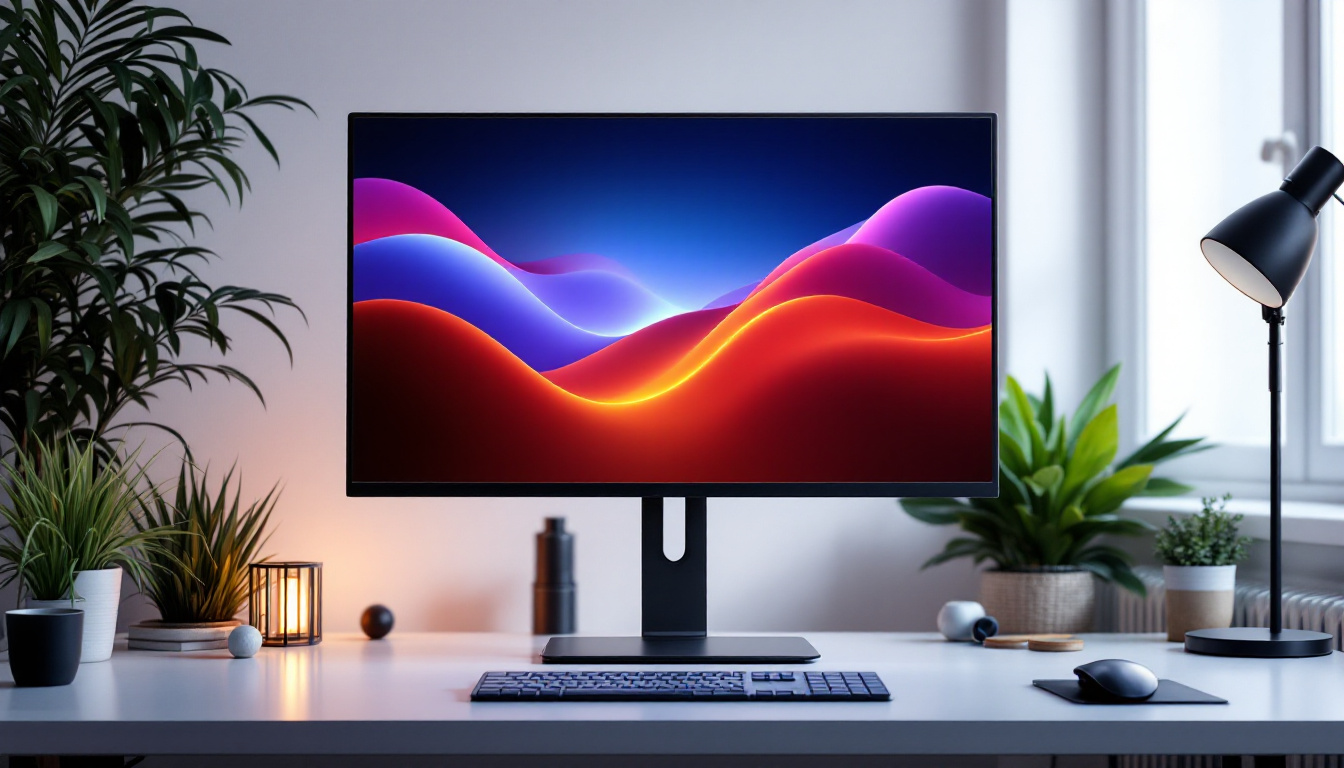
Portrait monitors are display screens oriented vertically rather than the traditional horizontal or landscape layout. This means the height of the screen is greater than its width, resembling the shape of a portrait photograph. While most monitors default to landscape mode, many modern displays support rotation, allowing users to switch between landscape and portrait orientations seamlessly.
The rise of portrait monitors is closely tied to the increasing demand for specialized display setups. Whether it’s for coding, reading long documents, or digital signage, portrait orientation offers a more natural and efficient way to view certain types of content. This versatility is particularly appealing in a world where multitasking is the norm, as users can easily manage multiple applications side by side in a way that feels intuitive and organized.
Why Are Portrait Monitors Becoming More Popular?
Several factors contribute to the growing popularity of portrait monitors:
- Enhanced Productivity: For professionals such as programmers, writers, and editors, portrait monitors allow viewing more lines of code or text without scrolling, improving workflow efficiency.
- Better Content Fit: Many types of content, including web pages, social media feeds, and mobile app designs, are naturally vertical. Portrait monitors display this content more authentically, aiding in design and testing.
- Space Efficiency: In tight workspaces, a vertical monitor can fit better than a wide horizontal screen, making it ideal for multi-monitor setups.
- Digital Signage: Retailers and advertisers increasingly use portrait-oriented LED displays for digital signage, as they align well with human eye movement and the natural reading flow.
Moreover, the rise of remote work and flexible office environments has further propelled the adoption of portrait monitors. As employees set up home offices or adapt to shared spaces, the ability to customize their workstation with portrait monitors allows for a more personalized and efficient workspace. This adaptability not only enhances comfort but also fosters creativity, as users can arrange their screens in ways that best suit their individual workflows.
Additionally, advancements in technology have made portrait monitors more accessible and affordable than ever. With a variety of options available, from high-resolution displays to budget-friendly models, users can find a portrait monitor that meets their specific needs without breaking the bank. This democratization of technology encourages more professionals and casual users alike to explore the benefits of portrait orientation, leading to a broader acceptance and integration of these monitors in various fields.
LED Technology in Portrait Monitors
What Is LED Display Technology?
LED, or Light Emitting Diode, technology is a form of backlighting used in modern monitors. Unlike older LCDs that used cold cathode fluorescent lamps (CCFLs) for backlighting, LED monitors use arrays of light-emitting diodes to illuminate the screen. This advancement brings several benefits:
- Improved Brightness and Contrast: LEDs provide brighter displays and deeper blacks, enhancing image quality.
- Energy Efficiency: LED backlighting consumes less power compared to CCFLs, making monitors more energy-efficient.
- Thinner Displays: The compact size of LEDs allows for slimmer monitor designs.
- Longer Lifespan: LEDs generally last longer, reducing the need for replacements.
Types of LED Displays Used in Portrait Monitors
Within LED technology, there are different types of displays that impact image quality and performance:
Edge-Lit LED
Edge-lit LED monitors place LEDs along the edges of the screen, using light guides to distribute illumination evenly. This method allows for thinner panels but can sometimes lead to uneven brightness or contrast issues, especially in darker scenes.
Direct-Lit LED
Direct-lit LED monitors have LEDs positioned directly behind the screen surface, providing more uniform backlighting. This design can improve contrast and brightness consistency but often results in thicker monitors.
Full-Array Local Dimming (FALD)
Full-array LED monitors feature a grid of LEDs behind the screen that can be dimmed or brightened independently. This local dimming enhances contrast ratios dramatically, producing deeper blacks and more vivid colors. While more common in high-end TVs, some professional monitors incorporate FALD for superior image quality.
Why LED Is Ideal for Portrait Monitors
LED technology complements portrait monitors by delivering sharp, bright images that are essential for reading and detailed work. The energy efficiency and slim form factor of LED displays also support the vertical orientation, making it easier to design ergonomic and stylish setups.
Applications of Portrait LED Monitors
Professional and Creative Workspaces
Portrait monitors are favored in professions where vertical content dominates. Programmers benefit from seeing more lines of code at once, reducing the need for scrolling. Writers and editors can view entire pages of text, improving readability and editing efficiency.
Graphic designers and photographers often use portrait monitors to review vertical images or layouts. This orientation provides a more accurate representation of how content will appear in print or on mobile devices.
Financial and Data Analysis
Financial analysts and traders frequently use portrait monitors to display long spreadsheets, charts, or real-time data feeds. The vertical layout helps in monitoring multiple data points simultaneously, supporting faster decision-making.
Digital Signage and Advertising
In retail environments, portrait LED displays are increasingly popular for digital signage. Their vertical format aligns well with human eye movement and is ideal for displaying posters, menus, or promotional content. According to recent market research, the global digital signage market is projected to reach $31.71 billion by 2028, with portrait-oriented LED displays playing a significant role in this growth.
Public Information Displays
Airports, train stations, and public venues use portrait LED monitors for wayfinding and information displays. The vertical format allows for clear, readable content such as schedules, maps, and alerts, improving user experience in busy environments.
Key Benefits of Using Portrait LED Monitors
Improved Viewing Experience for Vertical Content
Many digital contents, such as social media feeds, websites, and mobile applications, are designed with vertical scrolling in mind. Portrait monitors display this content naturally, reducing distortion and the need for zooming or panning.
Enhanced Productivity and Ergonomics
Studies suggest that using a portrait monitor can increase productivity by up to 20% in tasks involving reading or coding. The ability to view more lines of text or data reduces eye strain and minimizes repetitive scrolling, contributing to better ergonomics.
Space-Saving and Flexible Setup Options
Portrait monitors take up less horizontal desk space, making them ideal for multi-monitor configurations. Users can combine portrait and landscape screens to create customized workstations tailored to their specific needs.
Energy Efficiency and Longevity
LED technology ensures that portrait monitors consume less power and have a longer operational life compared to older display technologies. This translates to lower energy costs and reduced environmental impact over time.
Choosing the Right Portrait LED Monitor
Screen Size and Resolution
When selecting a portrait monitor, consider the screen size and resolution carefully. A larger screen with a high resolution (such as 2560×1440 or 4K) provides sharper images and more screen real estate, which is beneficial for detailed work. However, larger screens may require more desk space and higher investment.
Panel Type and Color Accuracy
IPS (In-Plane Switching) panels are preferred for portrait monitors due to their superior color accuracy and wide viewing angles. This is particularly important for creative professionals and those who require precise color representation.
Refresh Rate and Response Time
While refresh rate and response time are critical for gaming, they are less important for typical portrait monitor use cases like coding or document editing. Standard 60Hz refresh rates and moderate response times are usually sufficient.
Ergonomics and Adjustability
Look for monitors that support easy rotation to portrait mode, height adjustment, tilt, and swivel. These features ensure comfortable viewing angles and reduce physical strain during extended use.
Connectivity Options
Modern portrait monitors should offer versatile connectivity, including HDMI, DisplayPort, USB-C, and possibly USB hubs. USB-C support is particularly valuable for streamlined setups with laptops and mobile devices.
Price and Warranty
Prices for portrait LED monitors vary widely based on size, resolution, and features. Investing in a reputable brand with a solid warranty can provide peace of mind and ensure long-term reliability.
Future Trends in Portrait LED Displays
Higher Resolutions and HDR Support
As 4K and even 8K resolutions become more accessible, portrait monitors will continue to improve in clarity and detail. High Dynamic Range (HDR) technology is also making its way into professional monitors, offering enhanced color and contrast for more lifelike images.
Flexible and Curved Displays
Emerging technologies include flexible and curved LED displays that can be adjusted to different orientations and shapes. These innovations may redefine how portrait monitors are used, providing immersive and ergonomic experiences.
Integration with Touch and Pen Input
Touchscreen and stylus support are becoming more common in professional monitors, enabling interactive workflows. This is especially useful for designers, educators, and digital artists working in portrait mode.
Artificial Intelligence and Smart Features
Future portrait monitors may incorporate AI-driven features such as automatic brightness adjustment, blue light filtering, and content optimization based on the displayed material, enhancing user comfort and productivity.
Conclusion
Portrait monitors with LED display technology offer a compelling solution for a wide range of professional and commercial applications. Their vertical orientation aligns perfectly with many types of content, enhancing readability, productivity, and user experience. LED technology ensures bright, energy-efficient, and long-lasting displays that fit well into modern workspaces and public environments.
When choosing a portrait LED monitor, it is essential to consider factors such as screen size, resolution, panel type, ergonomics, and connectivity to find the best fit for specific needs. As display technology advances, portrait monitors will continue to evolve, incorporating higher resolutions, flexible designs, and smart features that further expand their utility and appeal.
Whether for coding, creative work, financial analysis, or digital signage, portrait LED monitors represent a versatile and valuable tool in today’s digital landscape.
Discover LumenMatrix’s Innovative LED Display Solutions
Ready to elevate your professional or commercial space with the latest in LED display technology? LumenMatrix offers a diverse range of cutting-edge LED display modules tailored to your unique needs. From captivating Indoor LED Wall Displays to dynamic Outdoor LED Wall Displays, and from versatile Vehicle LED Displays to sleek LED Poster Displays, our solutions are designed to enhance brand visibility and create immersive visual experiences. Embrace the future of visual communication with LumenMatrix’s LED display solutions that promise to captivate your audience and deliver your message with unparalleled impact and clarity. Check out LumenMatrix LED Display Solutions and see the difference for yourself.