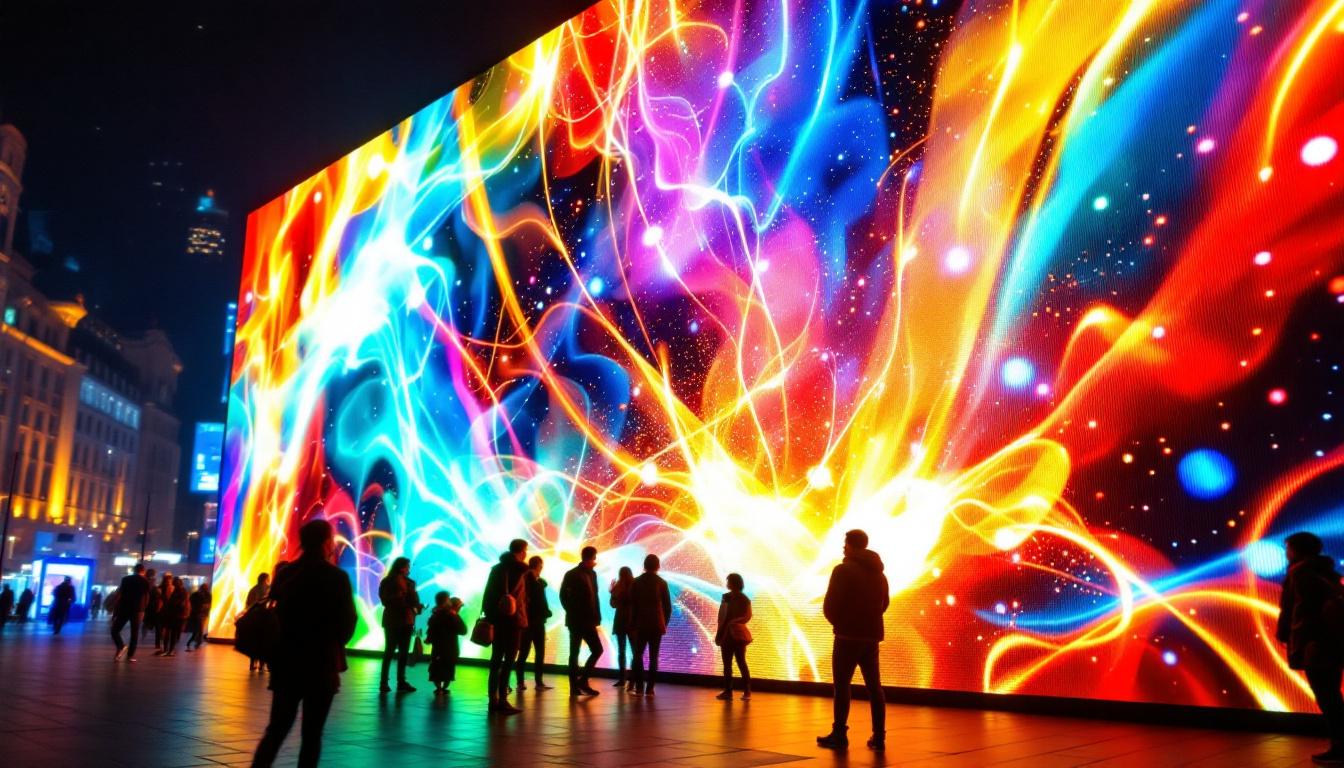
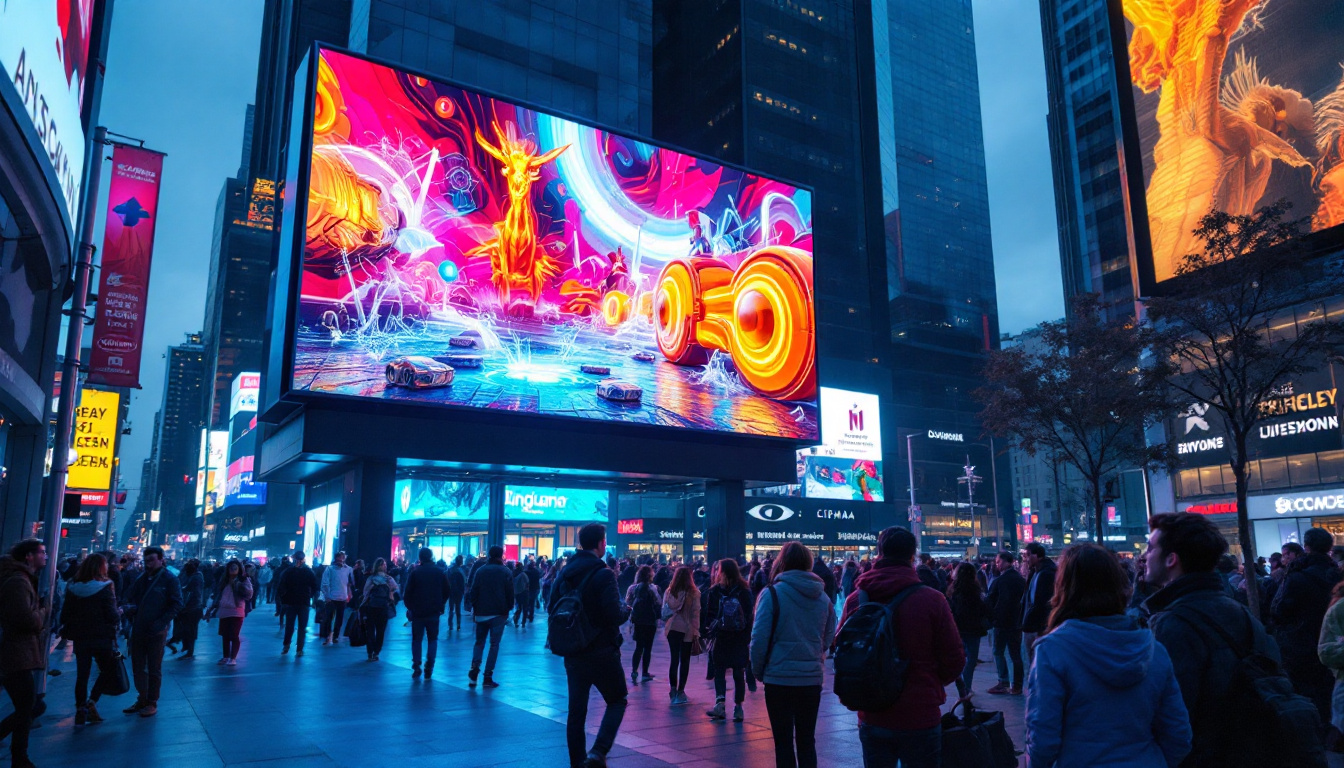
In today’s fast-paced digital world, LED displays have become an integral part of how information and visuals are presented across various industries. From massive outdoor billboards to indoor video walls in conference rooms, LED technology powers vibrant, dynamic screens that captivate audiences and communicate messages effectively. This article explores the fundamentals of LED displays, their technology, applications, and the evolving trends shaping their future.
What is an LED Display?
LED stands for Light Emitting Diode, a semiconductor device that emits light when an electric current passes through it. An LED display is a flat panel display that uses an array of these tiny LEDs as pixels to produce images, videos, or text. Unlike traditional LCD or plasma screens, LED displays rely on these individual light sources, which can be controlled independently to create bright, high-contrast visuals.
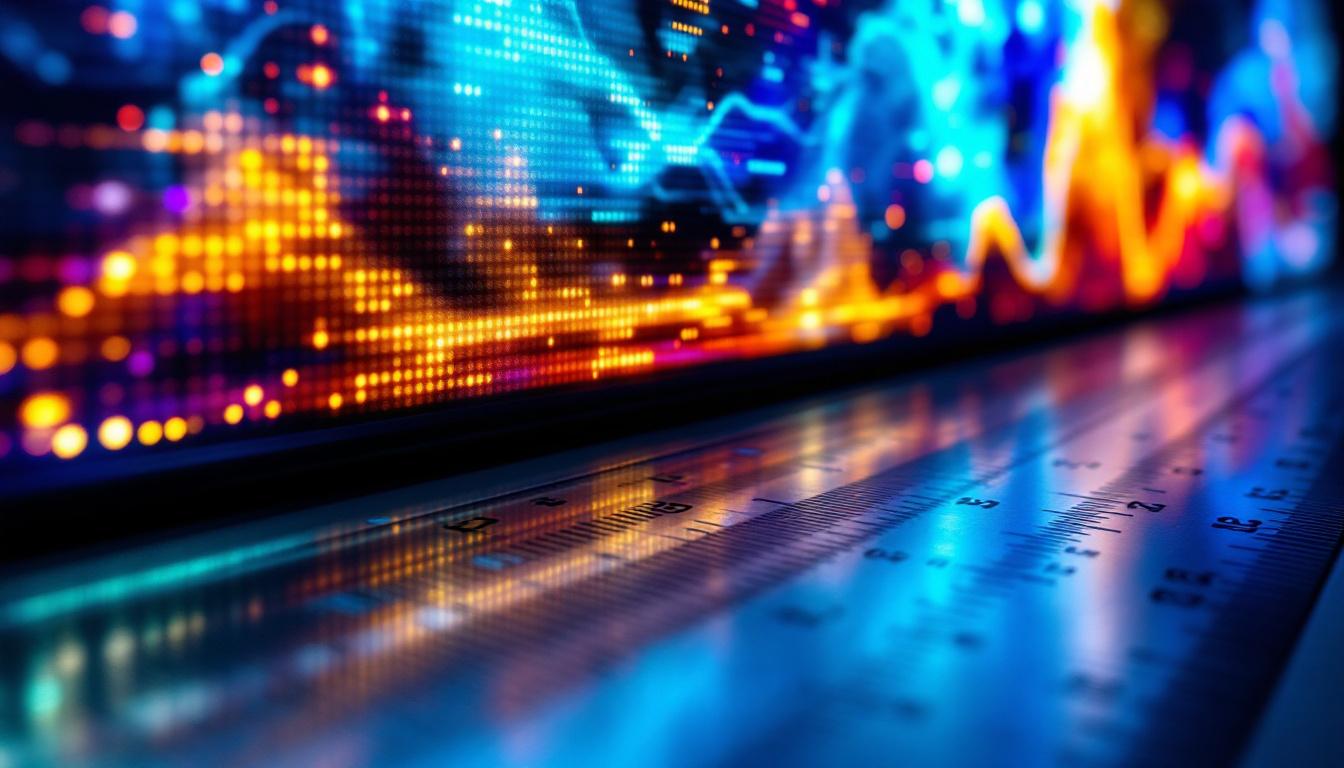
The term “Video Px” often refers to the pixel pitch of an LED display, which is the distance between the centers of two adjacent pixels. Pixel pitch is a critical factor influencing the resolution and viewing distance of the screen. Smaller pixel pitches mean more pixels per unit area, resulting in sharper images and finer detail, especially important for close-up viewing.
How LED Displays Work
Each pixel on an LED display is composed of one or more LEDs, typically red, green, and blue (RGB). By varying the intensity of these three colors, the display can produce a full spectrum of colors through additive color mixing. The control system sends signals to each pixel, adjusting brightness levels to render the desired image.
Modern LED displays use surface-mounted device (SMD) technology, where tiny LEDs are mounted directly on the circuit board. This allows for high pixel density and excellent color uniformity. The display’s brightness can reach up to several thousand nits, making it visible even in direct sunlight, a feature that sets LED displays apart from other technologies.
Types of LED Displays
LED displays come in various forms, each suited to specific applications and environments. Understanding these types helps businesses and consumers choose the right display for their needs.
Indoor LED Displays
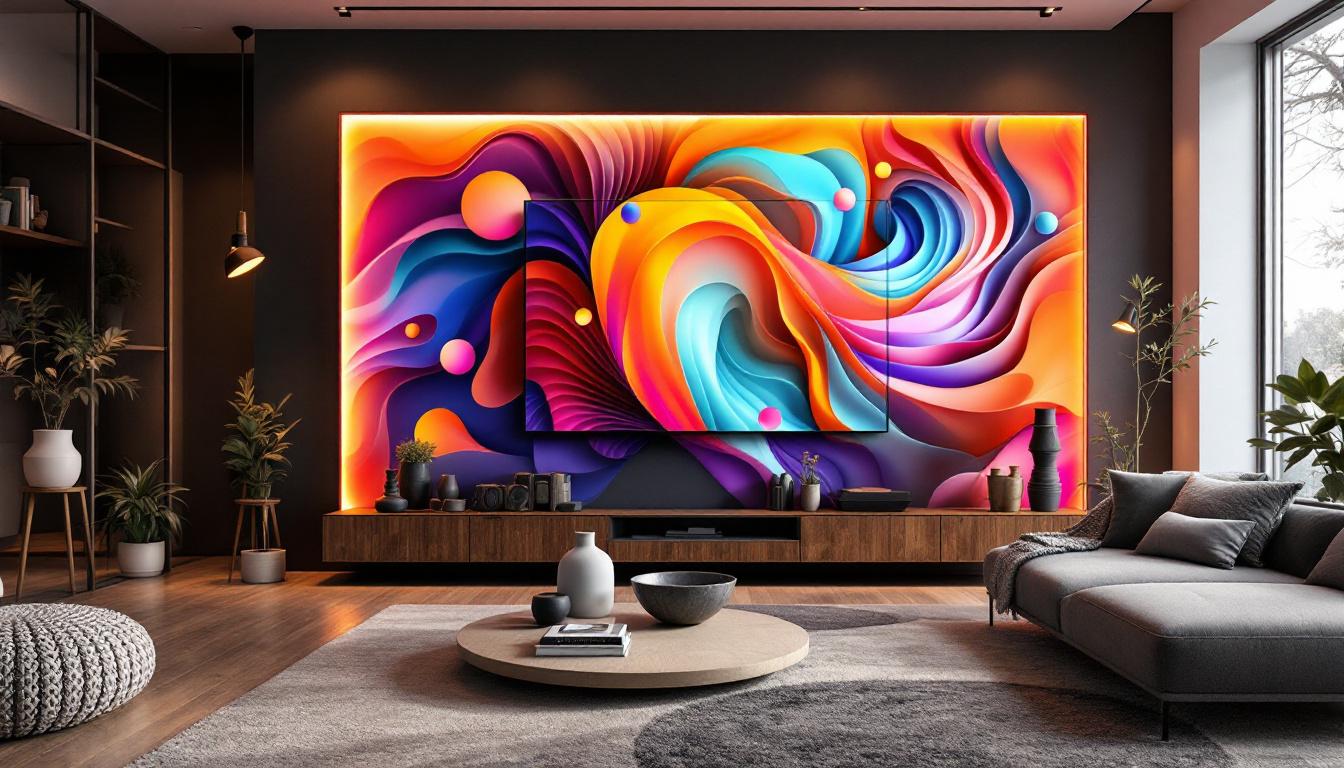
Indoor LED displays are designed for environments with controlled lighting, such as retail stores, airports, conference rooms, and broadcast studios. They typically have a smaller pixel pitch, ranging from 0.9mm to 4mm, enabling high-resolution images that look sharp even at close viewing distances.
These displays are prized for their vibrant colors, seamless video playback, and durability. They often feature high refresh rates (above 3,000 Hz), which ensure flicker-free images, especially important for video recording and live broadcasts.
Outdoor LED Displays
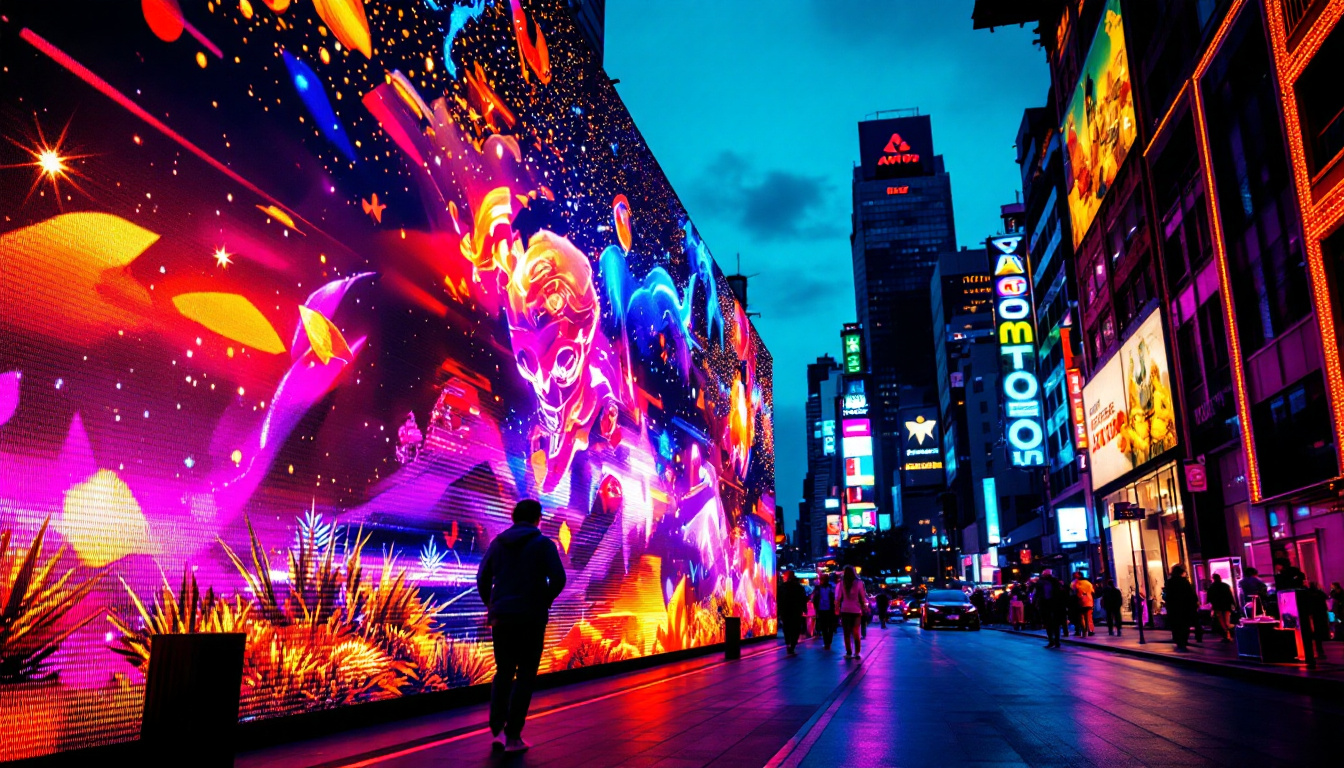
Outdoor LED displays are built to withstand harsh weather conditions, including rain, wind, and extreme temperatures. They have higher brightness levels, often exceeding 5,000 nits, to remain visible under direct sunlight. Pixel pitches for outdoor displays usually range from 4mm to 20mm, as viewers tend to be farther away.
Common applications include digital billboards, stadium screens, transportation hubs, and public information displays. These screens often feature robust enclosures with IP65 or higher ratings, ensuring protection against dust and water ingress.
Transparent LED Displays
Transparent LED displays are an innovative type of screen that allows light to pass through, making them ideal for storefront windows and architectural installations. They combine the benefits of LED brightness with a see-through design, enabling displays without blocking natural light or visibility.
These displays typically have a pixel pitch between 10mm and 20mm and are used to create eye-catching advertising or informational content while maintaining the aesthetic appeal of glass facades.
Key Technical Specifications to Consider
When selecting an LED display, several technical factors influence performance, image quality, and suitability for different environments.
Pixel Pitch and Resolution
Pixel pitch, measured in millimeters, is the distance between the centers of adjacent pixels. It directly impacts the resolution and clarity of the display. For example, a 1mm pixel pitch display will have significantly higher pixel density than a 10mm pixel pitch display of the same size.
Higher resolution is essential for applications requiring close-up viewing, such as control rooms or retail signage. Conversely, larger pixel pitches are acceptable for billboards or stadium screens where viewers are positioned farther away.
Brightness and Contrast Ratio
Brightness, measured in nits (cd/m²), determines how well the display performs under various lighting conditions. Indoor displays typically range from 800 to 1,500 nits, while outdoor displays can exceed 5,000 nits to combat sunlight glare.
Contrast ratio—the difference between the darkest black and the brightest white—affects image depth and color vibrancy. LED displays generally offer high contrast ratios due to their ability to turn off individual LEDs completely, producing true blacks.
Refresh Rate and Viewing Angle
The refresh rate, measured in hertz (Hz), indicates how many times per second the image is updated. Higher refresh rates (above 3,000 Hz) reduce flicker and are crucial for video content, especially when recorded by cameras.
Viewing angle defines how far off-center a viewer can be while still seeing a clear image. Most LED displays offer wide viewing angles, typically around 140° horizontally and vertically, ensuring consistent image quality from different perspectives.
Applications of LED Displays
The versatility of LED displays has led to their adoption across numerous sectors, each leveraging the technology’s strengths to meet specific needs.
Advertising and Digital Signage
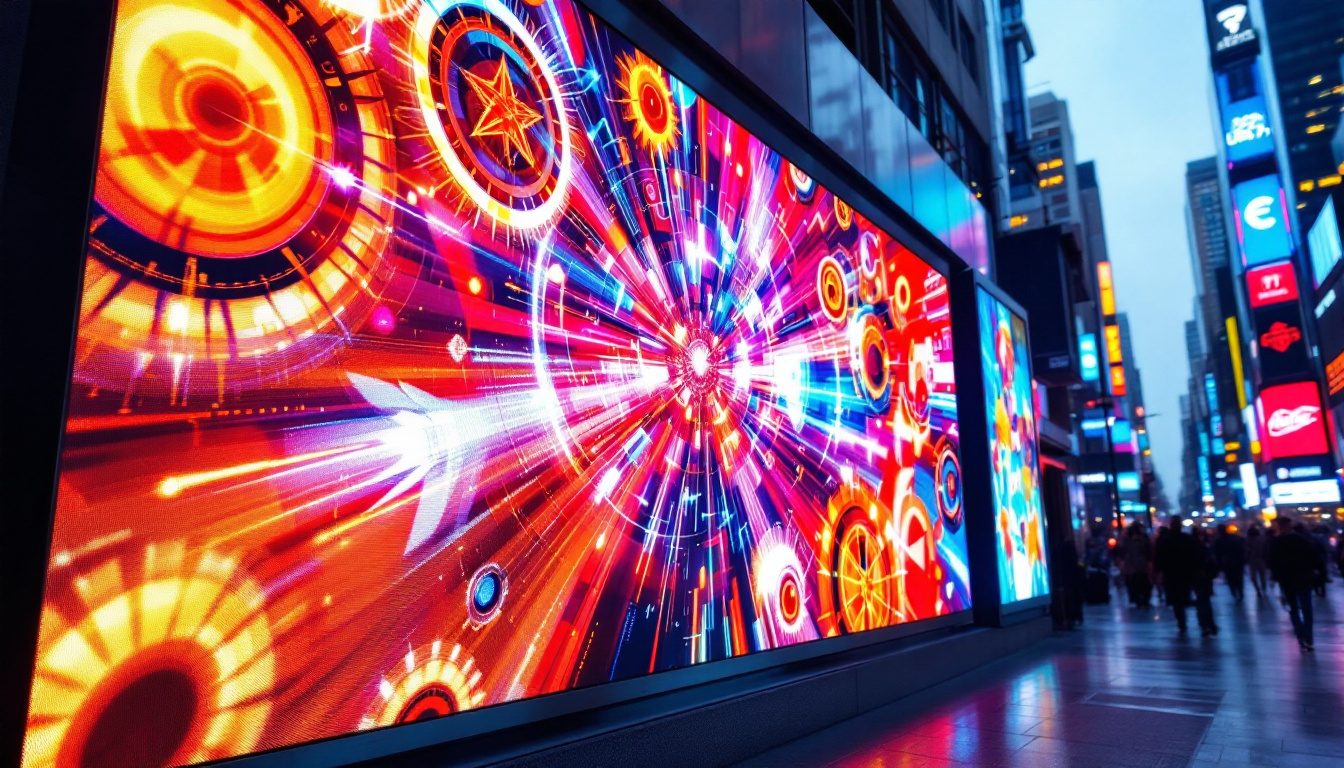
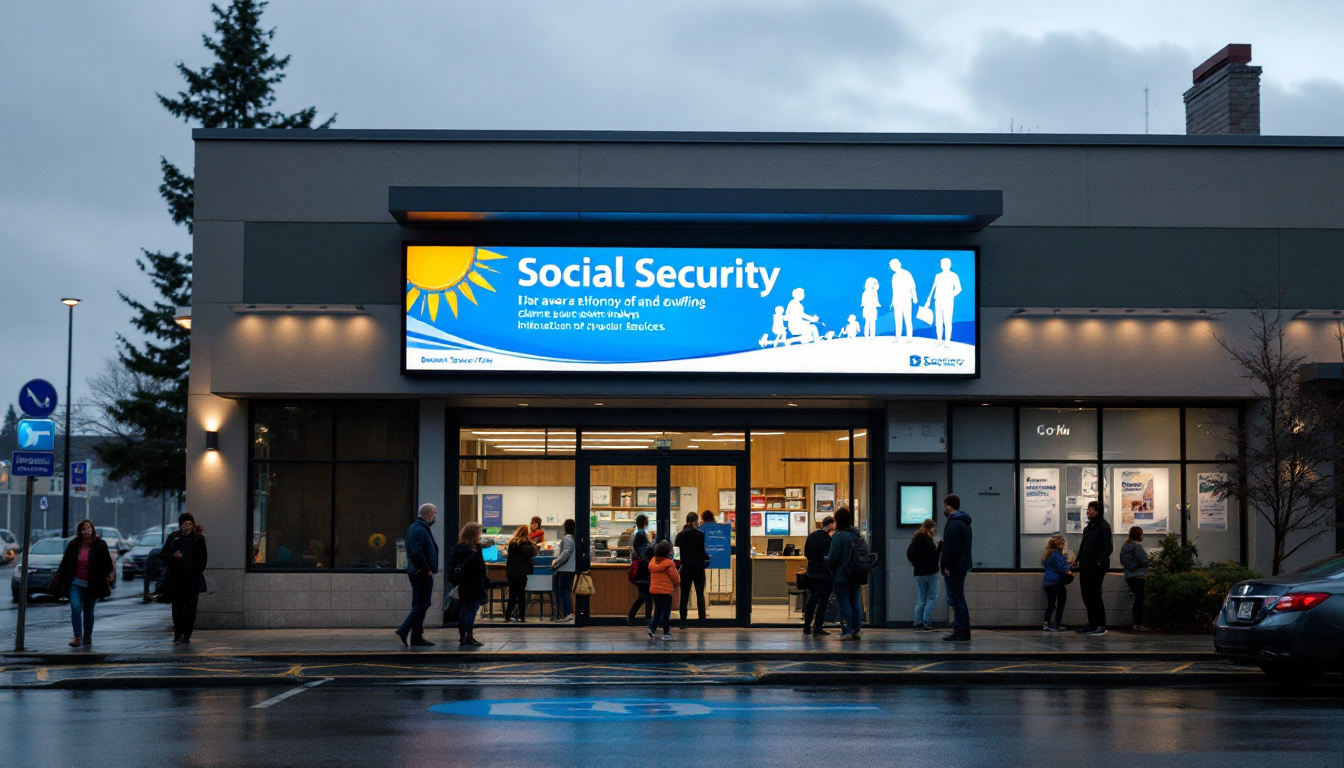
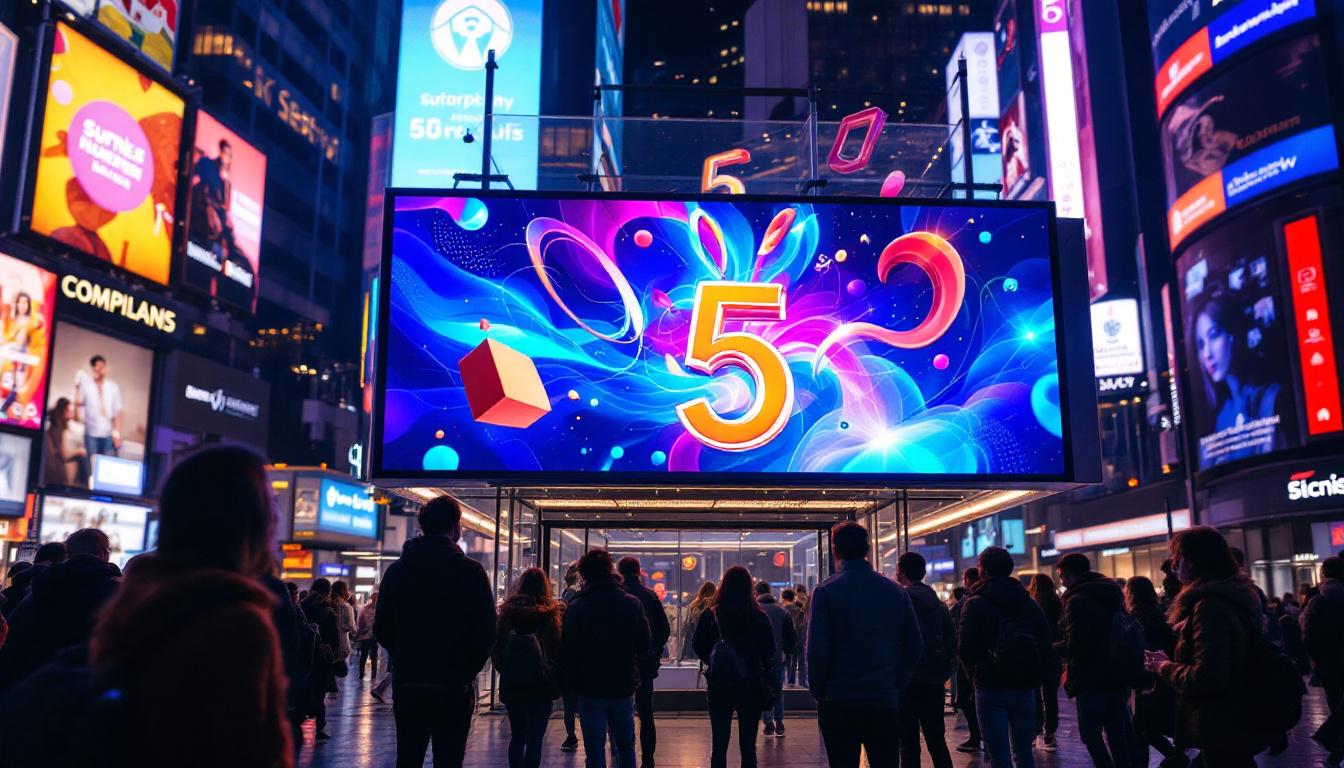
One of the most prominent uses of LED displays is in advertising. Digital billboards and storefront displays capture attention with bright, dynamic content that can be updated remotely and in real-time. According to a 2023 report by the Digital Signage Federation, digital signage engagement rates have increased by 30% over the past five years, driven largely by LED technology improvements.
LED displays enable advertisers to deliver targeted messages based on time of day, audience demographics, or special events, increasing the effectiveness of campaigns and return on investment.
Sports and Entertainment Venues
Stadiums and arenas utilize large-scale LED screens to enhance the spectator experience. These displays provide live video feeds, replays, scores, and interactive content, making events more engaging. The 2022 FIFA World Cup, for instance, showcased some of the most advanced LED display installations, with ultra-high-definition screens delivering crystal-clear images to tens of thousands of fans.
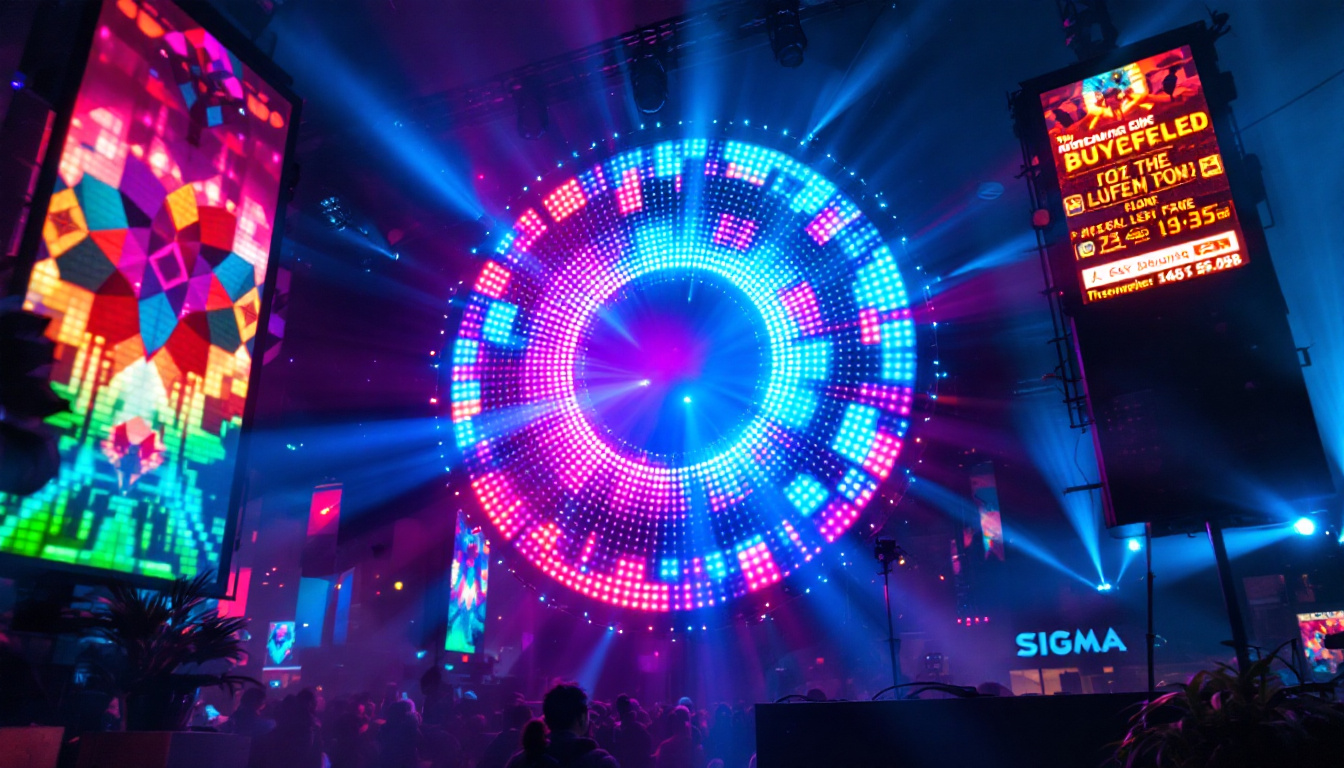
Beyond sports, concerts and festivals also rely on LED walls for stage backdrops and immersive visual effects, pushing the boundaries of creativity.
Corporate and Control Room Environments
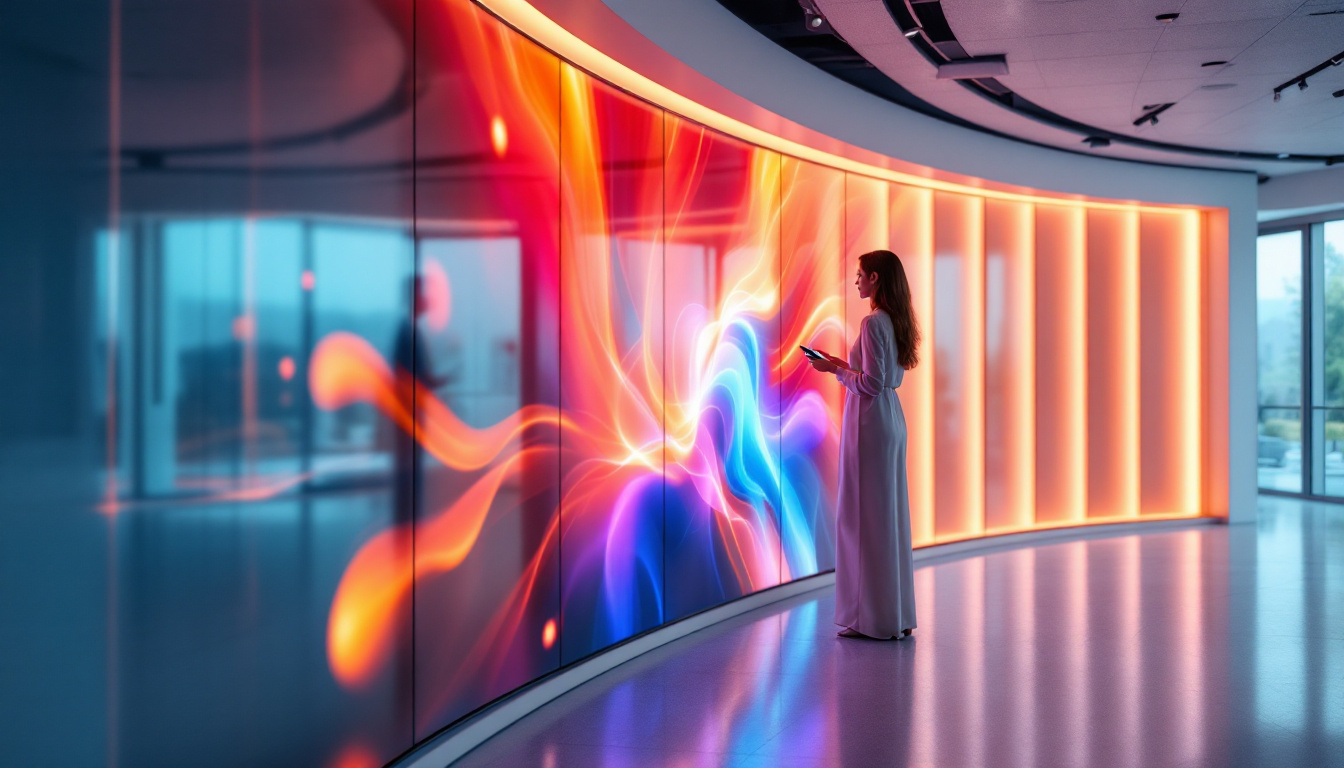
In corporate settings, LED video walls are used for presentations, video conferencing, and data visualization. Their seamless design and high resolution make complex information easier to interpret, improving decision-making processes.
Control rooms in industries such as transportation, utilities, and security benefit from LED displays’ reliability and clarity. Real-time monitoring and situational awareness are enhanced by the ability to display multiple data streams simultaneously on large, customizable screens.
Emerging Trends and Innovations in LED Display Technology
The LED display market continues to evolve rapidly, driven by advances in materials science, electronics, and software integration.
MicroLED and MiniLED Technologies
MicroLED represents the next generation of LED displays, featuring microscopic LEDs that enable even smaller pixel pitches and higher brightness levels with lower power consumption. Unlike OLEDs, MicroLEDs do not suffer from burn-in issues and offer longer lifespans.
MiniLED technology, which uses smaller LEDs than traditional displays but larger than MicroLEDs, is gaining traction in premium TVs and monitors, offering improved contrast and HDR performance.
Flexible and Curved LED Displays
Flexible LED panels allow displays to bend and curve, opening up new possibilities for creative installations. These can wrap around columns, ceilings, or irregular surfaces, providing immersive environments in retail, entertainment, and public spaces.
Curved LED displays also improve viewing angles and reduce distortion, enhancing the visual experience for audiences.
AI-Driven Content and Smart Control Systems
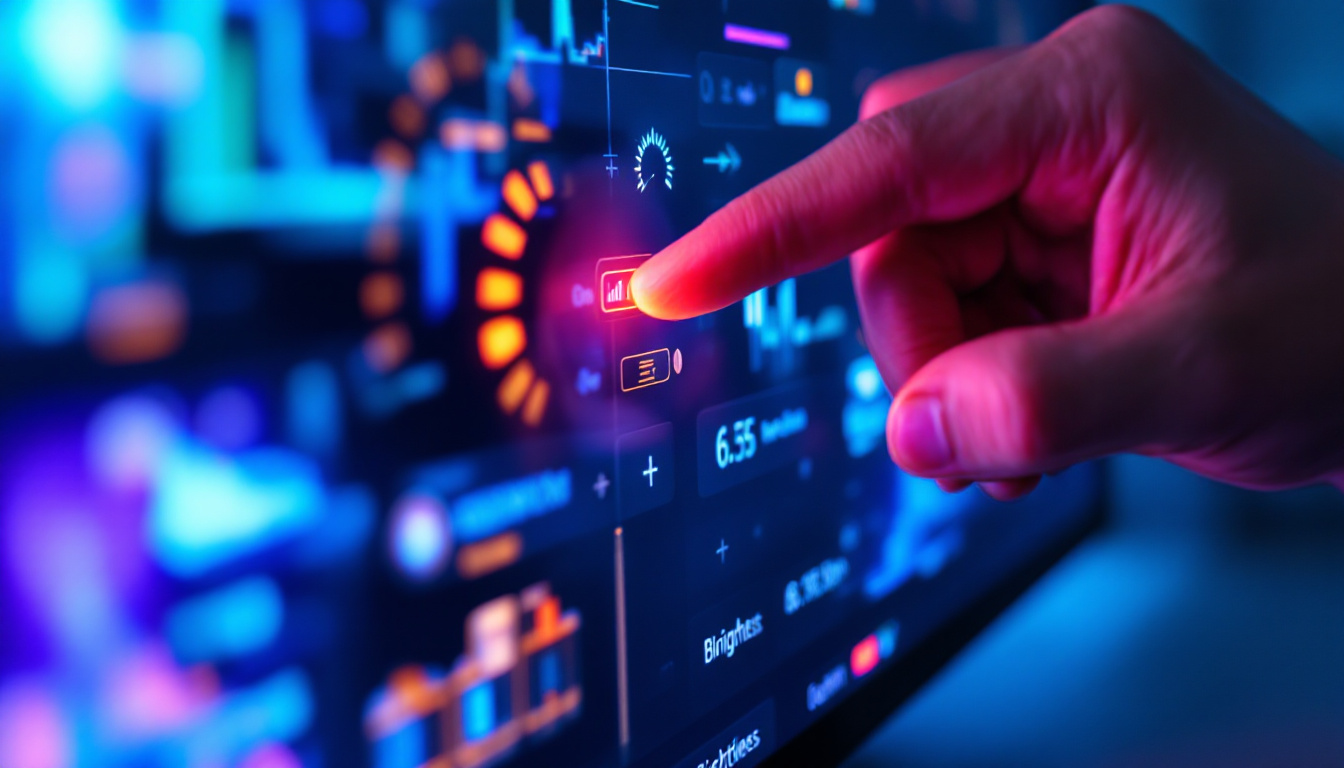
Artificial intelligence is increasingly integrated into LED display management systems, enabling automated content optimization based on audience behavior, environmental conditions, and performance analytics. Smart controls allow for seamless scheduling, remote diagnostics, and adaptive brightness adjustments, reducing operational costs and improving user engagement.
Choosing the Right LED Display: Practical Considerations
Selecting the ideal LED display involves balancing technical specifications, budget, and application requirements.
Assessing Viewing Distance and Environment
Understanding the typical viewing distance is crucial for determining the appropriate pixel pitch. For instance, a retail store window display viewed from a few feet away demands a much finer pixel pitch than a highway billboard seen from hundreds of meters.
Environmental factors such as ambient light, weather exposure, and installation location also influence the choice between indoor, outdoor, or transparent LED displays.
Budget and Total Cost of Ownership
While LED displays can represent a significant upfront investment, their long lifespan, low maintenance, and energy efficiency often translate into lower total cost of ownership compared to alternative technologies.
It’s important to consider not only the initial purchase price but also installation costs, content management systems, and potential upgrades.
Supplier Reputation and Support
Partnering with reputable manufacturers and integrators ensures access to quality products, warranty coverage, and technical support. Given the complexity of LED display systems, reliable after-sales service is essential for long-term satisfaction.
Conclusion
LED displays have revolutionized the way visual content is delivered, offering unparalleled brightness, color accuracy, and flexibility across countless applications. Understanding the technology behind LED displays, from pixel pitch to brightness and refresh rates, empowers businesses and individuals to make informed decisions tailored to their unique needs.
As innovations like MicroLED and AI-driven content management continue to advance, the future of LED displays promises even more immersive and efficient visual experiences. Whether for advertising, entertainment, or corporate communication, LED technology remains at the forefront of digital display solutions.
Discover LumenMatrix’s Innovative LED Solutions
Ready to elevate your visual experience with the latest in LED technology? Look no further than LumenMatrix, a pioneer in crafting cutting-edge LED displays that bring your content to life. From vibrant Indoor and Outdoor LED Wall Displays to dynamic Vehicle and Sports LED Displays, our extensive range of solutions is designed to captivate your audience and amplify your message. Embrace the future of digital signage with LumenMatrix and transform your visual communication. Check out LumenMatrix LED Display Solutions today and see the difference for yourself.