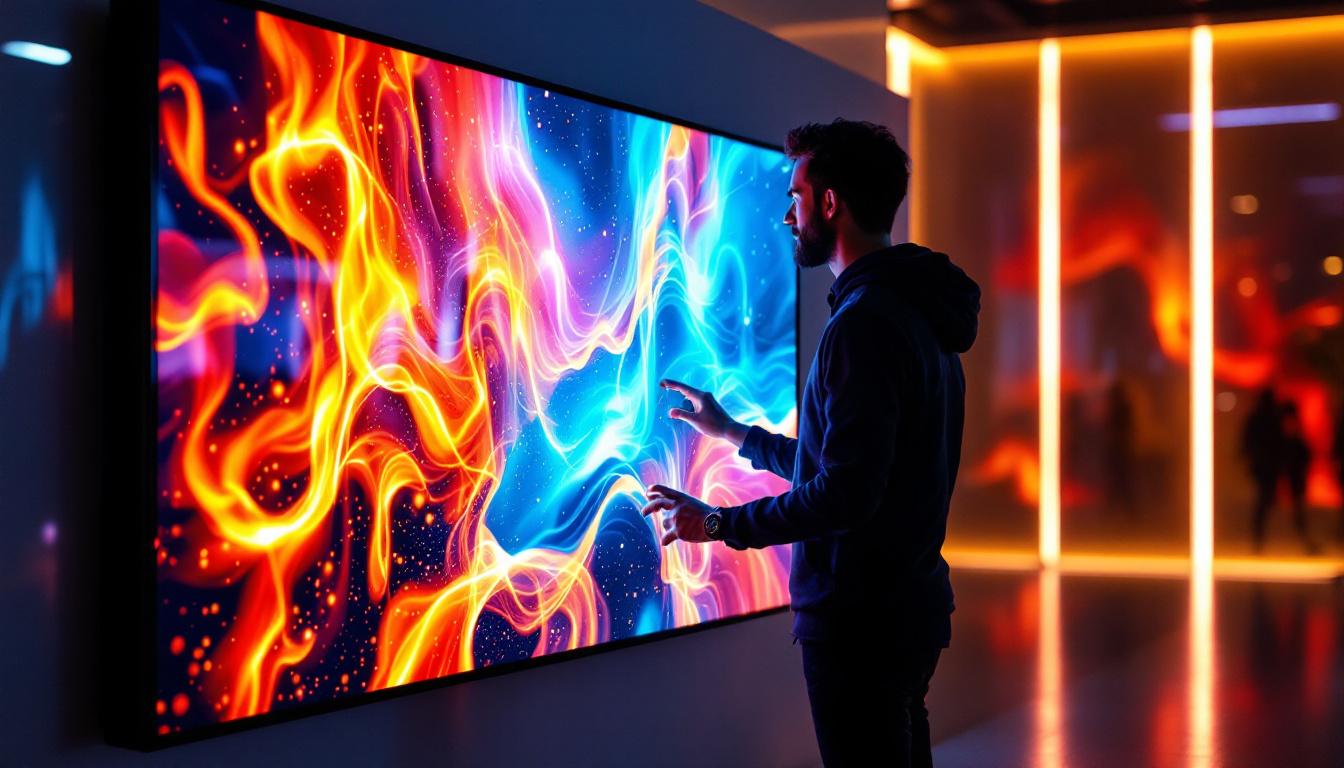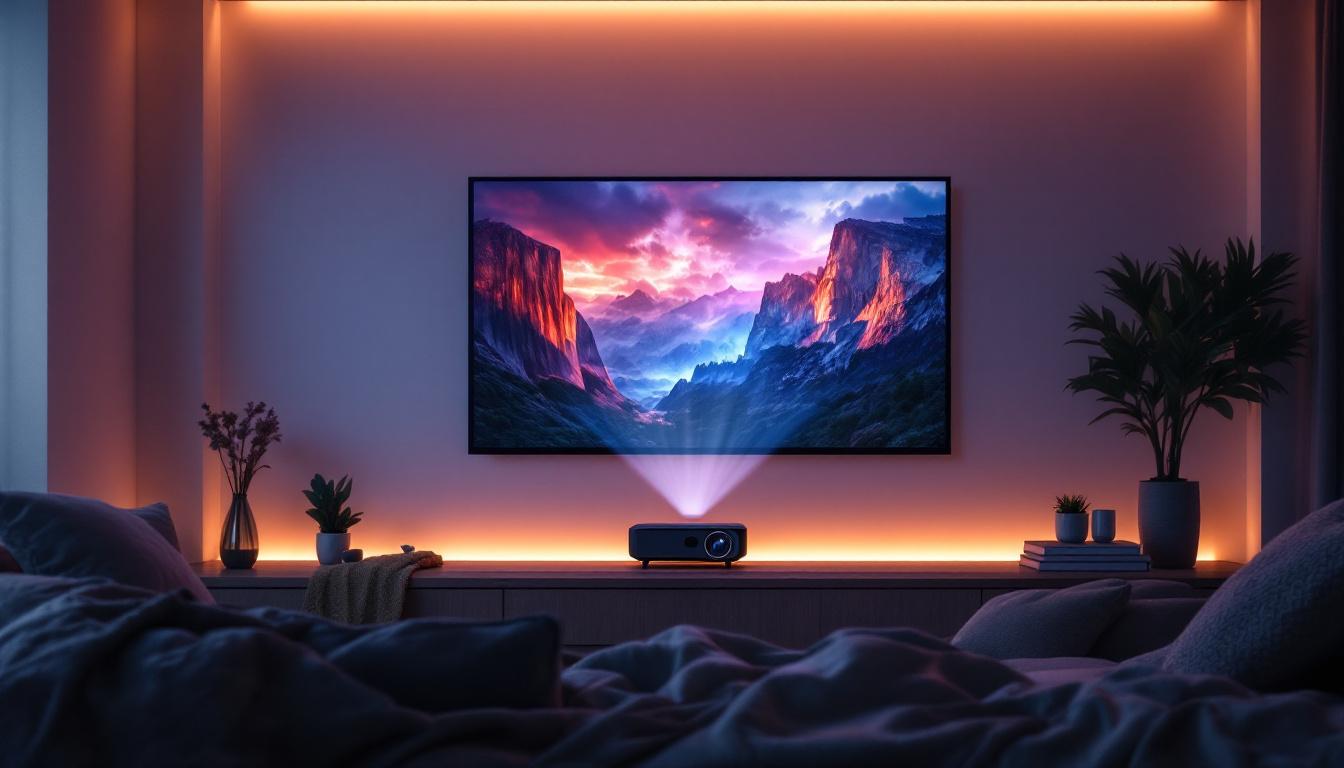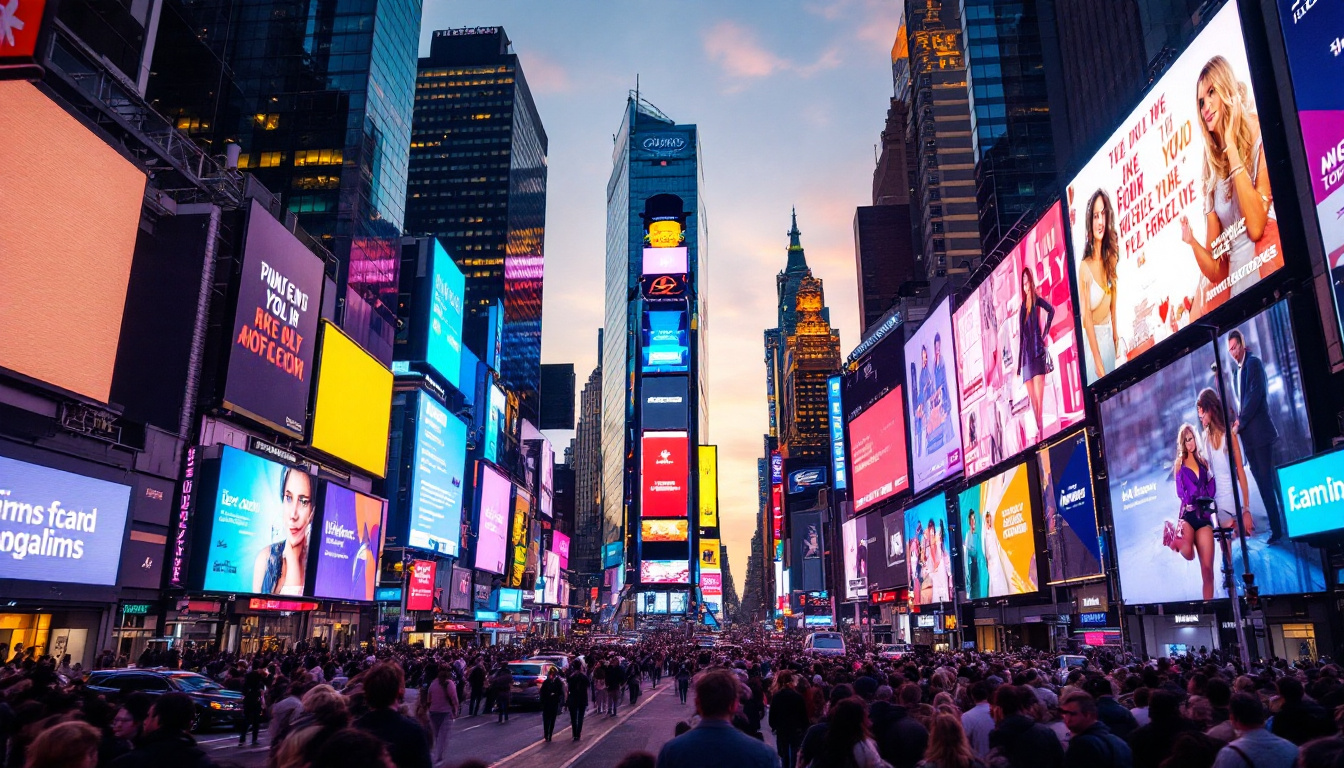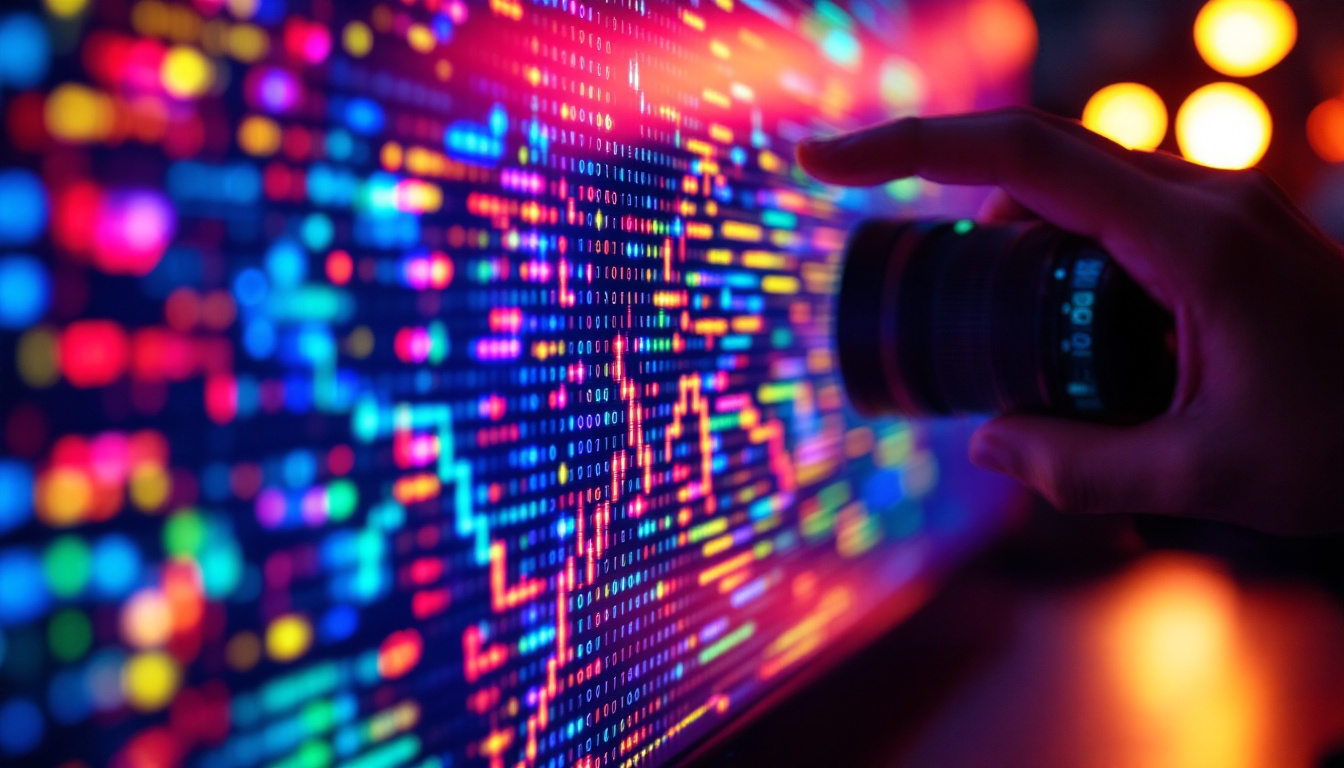
In today’s fast-paced digital world, LED displays have become an integral part of how information is shared and consumed. From billboards and stadium screens to indoor advertising and control rooms, LED technology powers vibrant, high-impact visual communication. This article explores the fundamentals of panel LED screens, how they work, their various applications, and why they continue to revolutionize the display industry.
Understanding Panel LED Screens: The Basics
Panel LED screens are a type of digital display composed of numerous tiny light-emitting diodes (LEDs) arranged in a matrix. Each LED acts as a pixel or part of a pixel, emitting light in different colors to create images, videos, or text. The term “panel” refers to the modular units that make up the entire screen, allowing for flexible sizing and configurations.
Unlike traditional LCD or plasma displays, LED panels use self-illuminating diodes, which means they don’t require a backlight. This fundamental difference results in several advantages, including higher brightness, better contrast ratios, and improved energy efficiency. Additionally, LED technology has evolved significantly, leading to thinner, lighter screens that are easier to install and maintain, making them a popular choice for both commercial and residential applications.
How Do LED Panels Work?
Each LED panel consists of thousands of LEDs arranged in rows and columns. These LEDs can be red, green, and blue (RGB), and by varying the intensity of each color, the panel can produce a full spectrum of colors. The LEDs are controlled by a driver circuit that receives input from a video processor or controller, which translates digital signals into the corresponding light output. This intricate system allows for dynamic content to be displayed, enabling everything from stunning visuals in advertising to real-time information updates in public spaces.
Because the LEDs emit light directly, panel LED screens can achieve exceptional brightness levels, making them visible even in broad daylight. This feature is particularly important for outdoor advertising and large venue displays. Furthermore, the rapid response time of LED technology ensures that motion graphics and videos are displayed smoothly, enhancing the viewer’s experience. As a result, LED panels are increasingly being used in various applications, from sports arenas to concert stages, where vibrant visuals are crucial.
Types of LED Panels
LED panels come in various types, primarily distinguished by their pixel pitch—the distance between the centers of adjacent LEDs. A smaller pixel pitch means higher resolution and closer viewing distances, while a larger pitch is suitable for bigger screens viewed from afar. This versatility allows designers and engineers to choose the right panel for specific environments and purposes, optimizing both performance and visual impact.
- Indoor LED Panels: Typically have a pixel pitch ranging from 1.2mm to 4mm, offering crisp images for close-up viewing in retail stores, conference rooms, and broadcast studios. These panels often feature advanced technologies such as HDR (High Dynamic Range) for enhanced color accuracy and depth.
- Outdoor LED Panels: Designed with larger pixel pitches (often 6mm to 20mm) to withstand harsh weather conditions and provide visibility over long distances. Many outdoor panels are also equipped with protective coatings to resist moisture and UV damage, ensuring longevity and reliability.
- Transparent LED Panels: These innovative panels allow light to pass through, making them ideal for glass facades and retail windows without obstructing the view. This unique feature not only enhances the aesthetic appeal of commercial spaces but also enables creative advertising solutions that blend seamlessly with the environment.
Advantages of Panel LED Screens Over Other Display Technologies
LED panel screens have gained widespread adoption because of their unique advantages compared to LCD, OLED, and projection-based displays. Understanding these benefits helps explain why LED displays dominate many commercial and public spaces.
Brightness and Visibility
One of the most significant advantages of LED panels is their superior brightness. Outdoor LED displays can reach brightness levels of 5,000 to 8,000 nits or more, compared to typical LCD screens that max out around 300 to 500 nits. This high brightness ensures visibility in direct sunlight, making LED panels indispensable for outdoor advertising, sports arenas, and transportation hubs.
Energy Efficiency and Longevity
LED technology is inherently energy-efficient because LEDs convert most electrical energy into light rather than heat. This efficiency reduces operational costs, especially for large-scale installations that run continuously. Additionally, LEDs have a long lifespan, often exceeding 100,000 hours, which translates to years of reliable use with minimal maintenance.
Color Accuracy and Contrast
Because LEDs emit light directly, panel LED screens offer exceptional contrast ratios and vibrant colors. Blacks appear truly black rather than dark gray, and colors remain vivid even at wide viewing angles. This quality makes LED panels ideal for applications requiring high image fidelity, such as broadcast studios and art exhibitions.
Modularity and Scalability
LED panels are designed as modular units that can be seamlessly joined to create screens of virtually any size and shape. This scalability allows businesses and event organizers to customize displays to fit unique spaces, from small retail signs to massive stadium scoreboards.
Applications of Panel LED Screens
The versatility of panel LED screens has led to their adoption across numerous industries and environments. Their ability to deliver dynamic, eye-catching content makes them a preferred choice for both indoor and outdoor use.
Advertising and Digital Signage
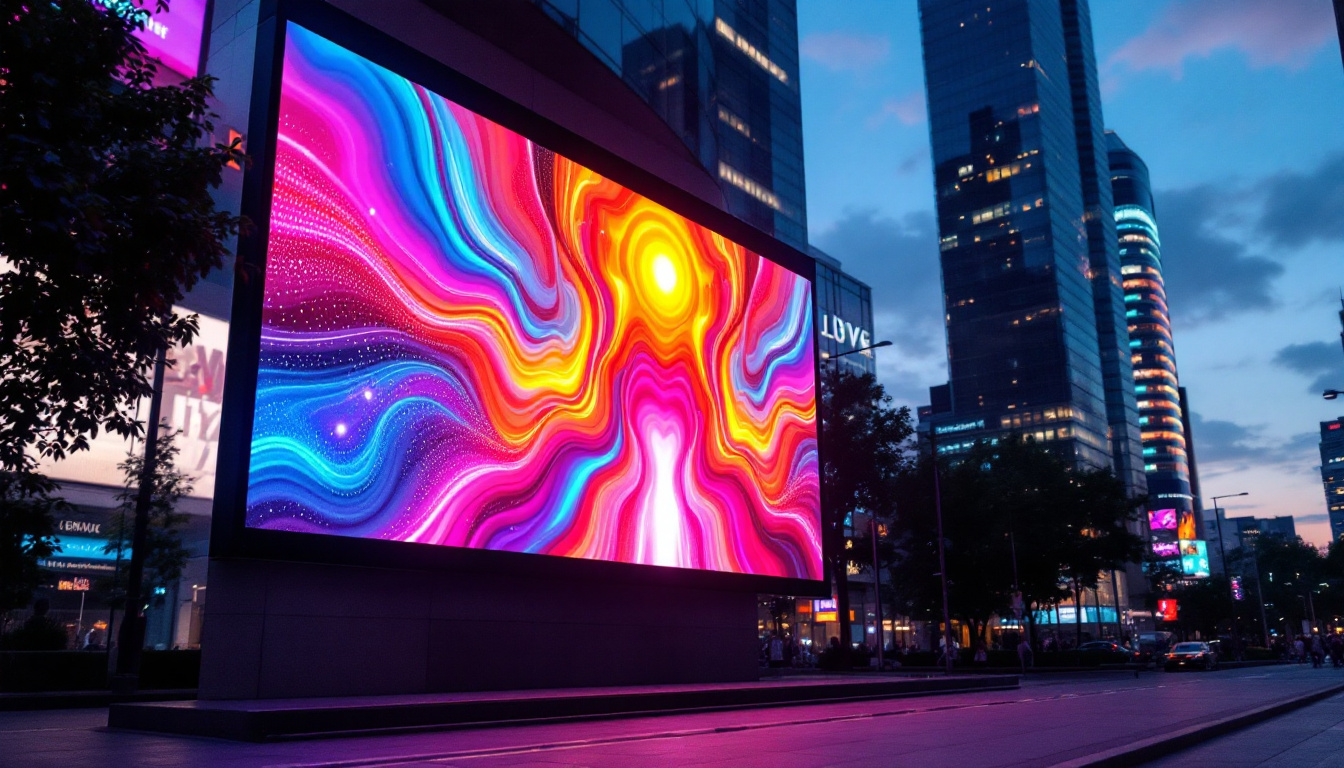
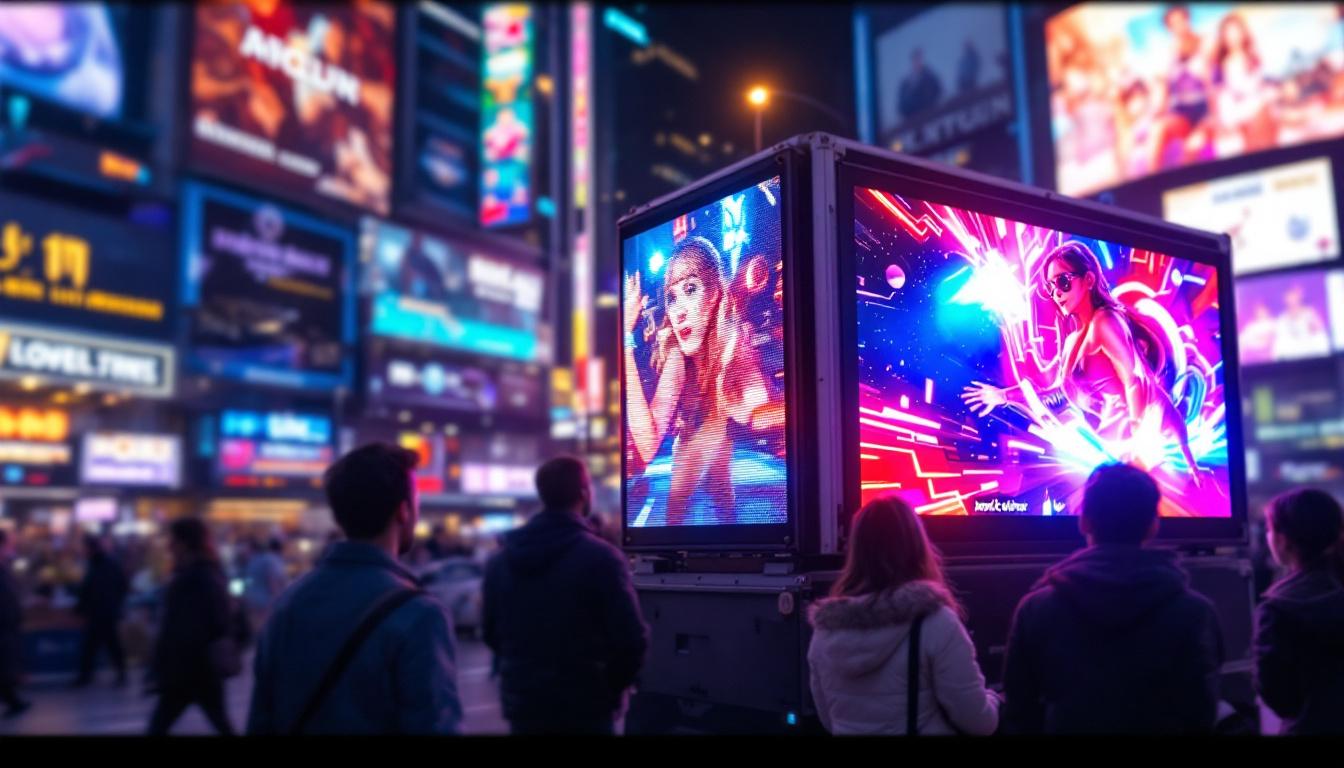
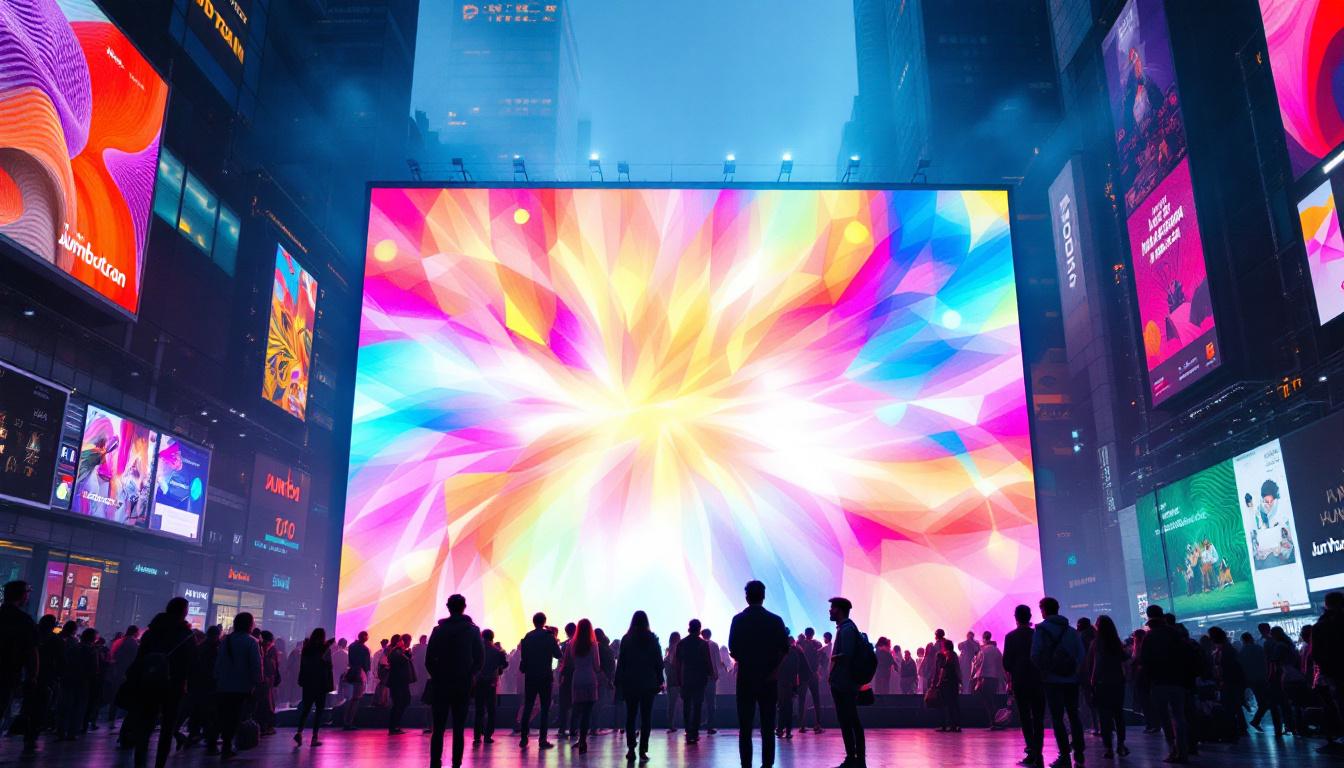
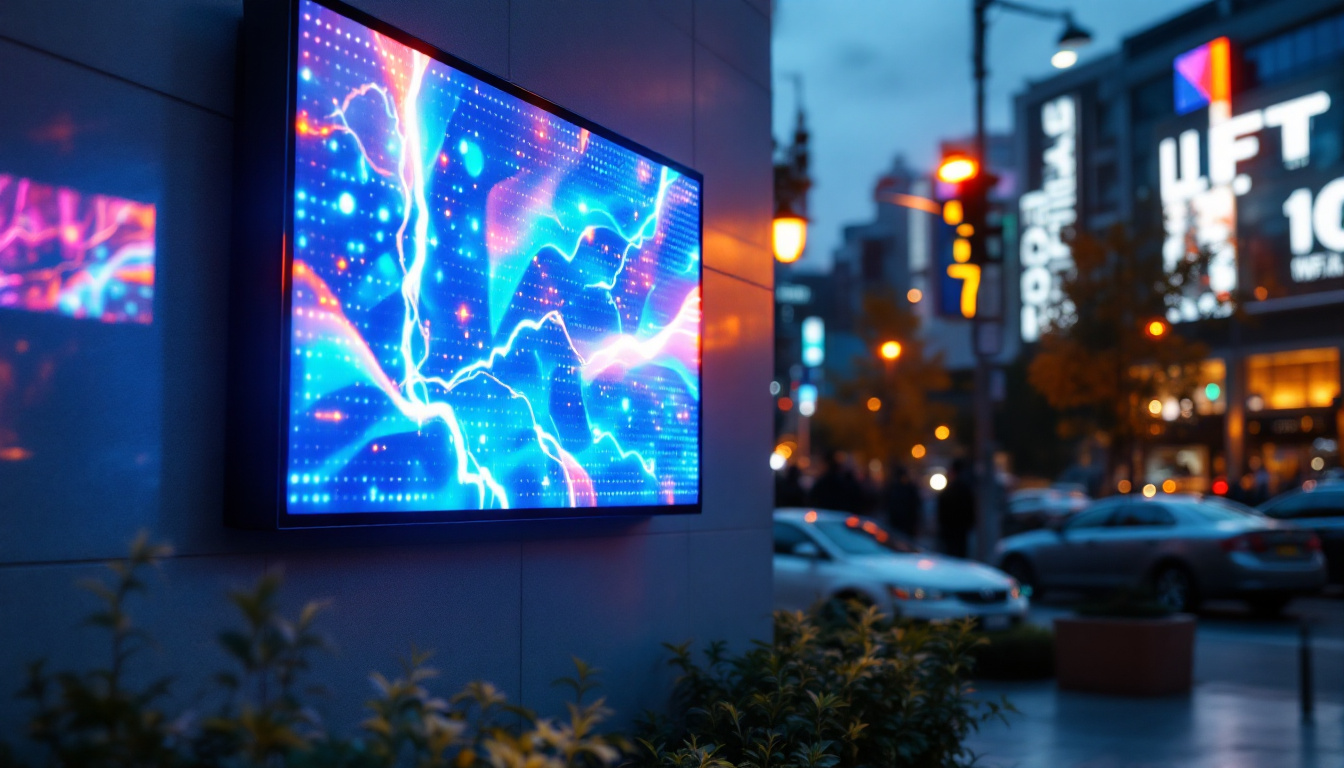
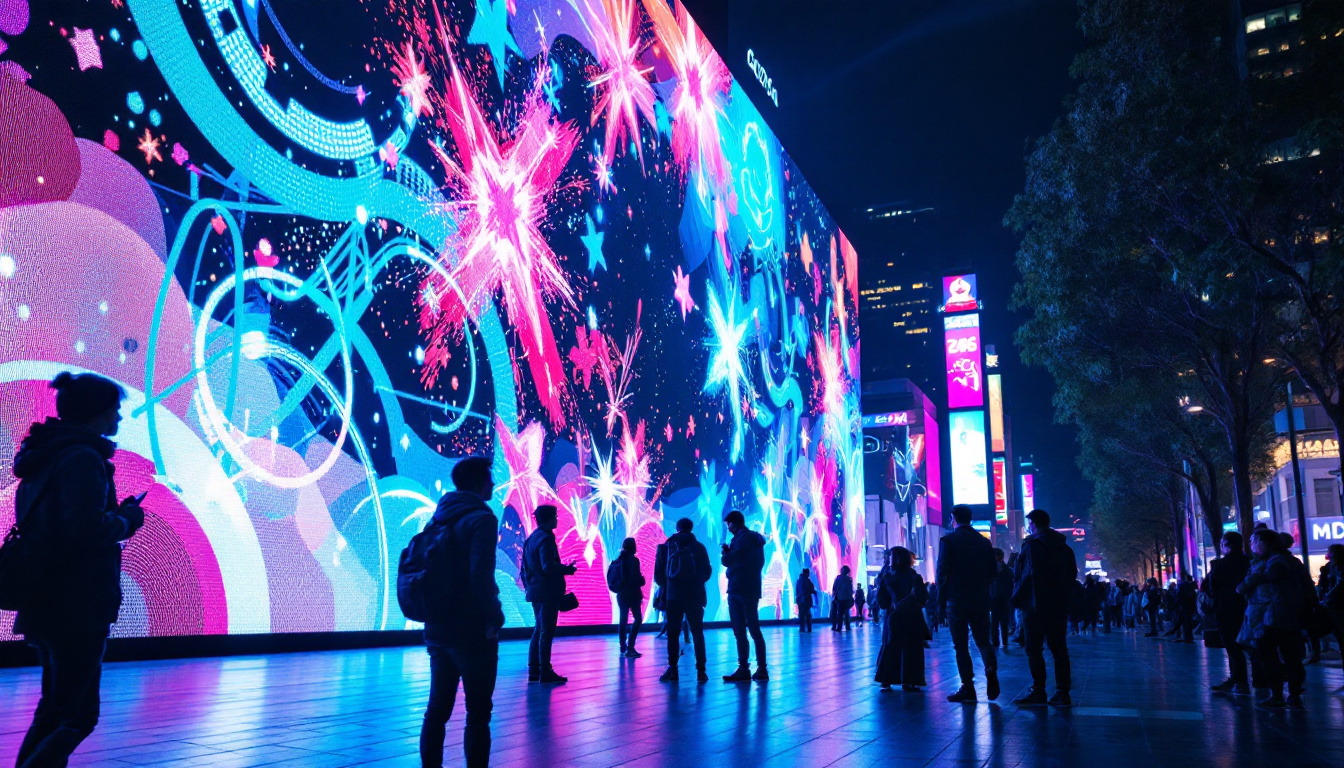
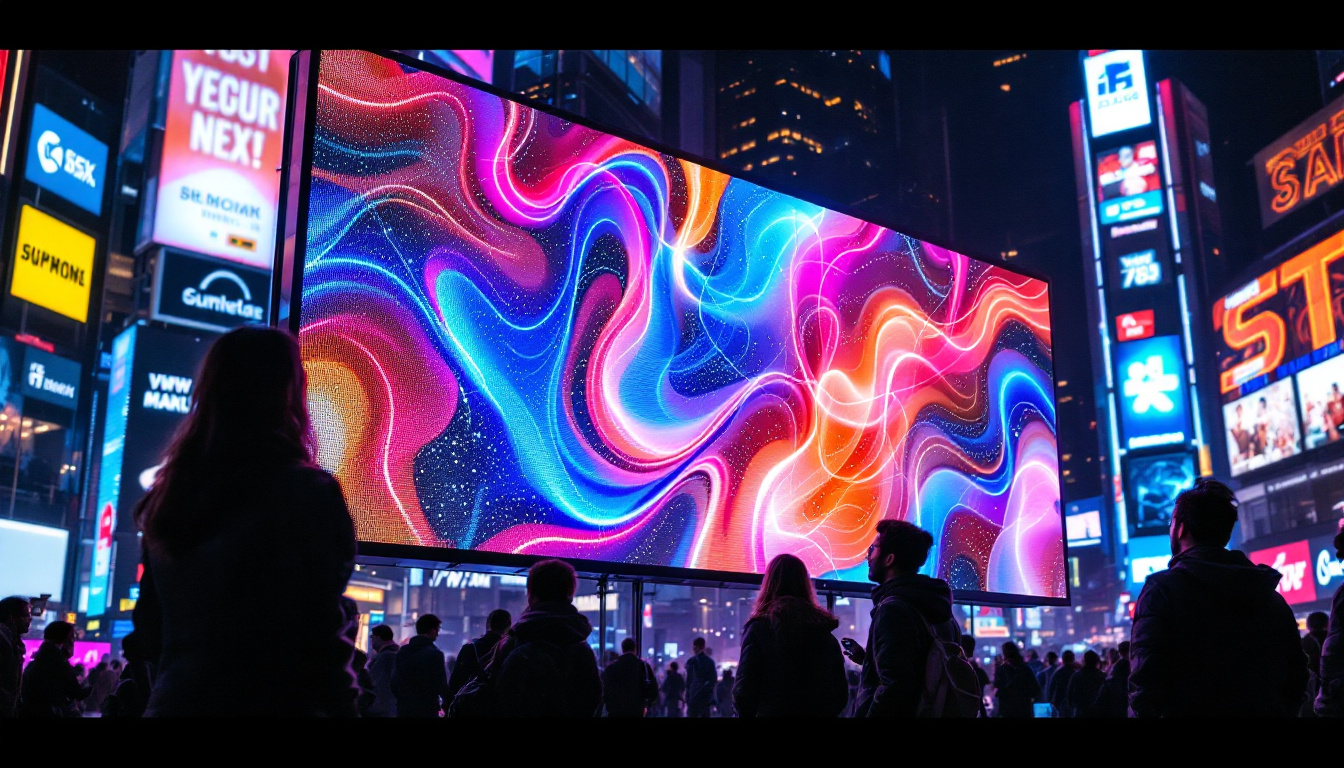
One of the most common uses of LED panel screens is in advertising. Digital billboards powered by LED technology are found in major cities worldwide, offering advertisers the ability to display multiple ads, update content in real-time, and engage audiences with motion graphics and videos.
Indoor digital signage in shopping malls, airports, and transit stations also leverages LED panels to provide information, promotions, and wayfinding assistance. The high brightness and wide viewing angles ensure messages reach diverse audiences effectively.
Sports and Entertainment Venues
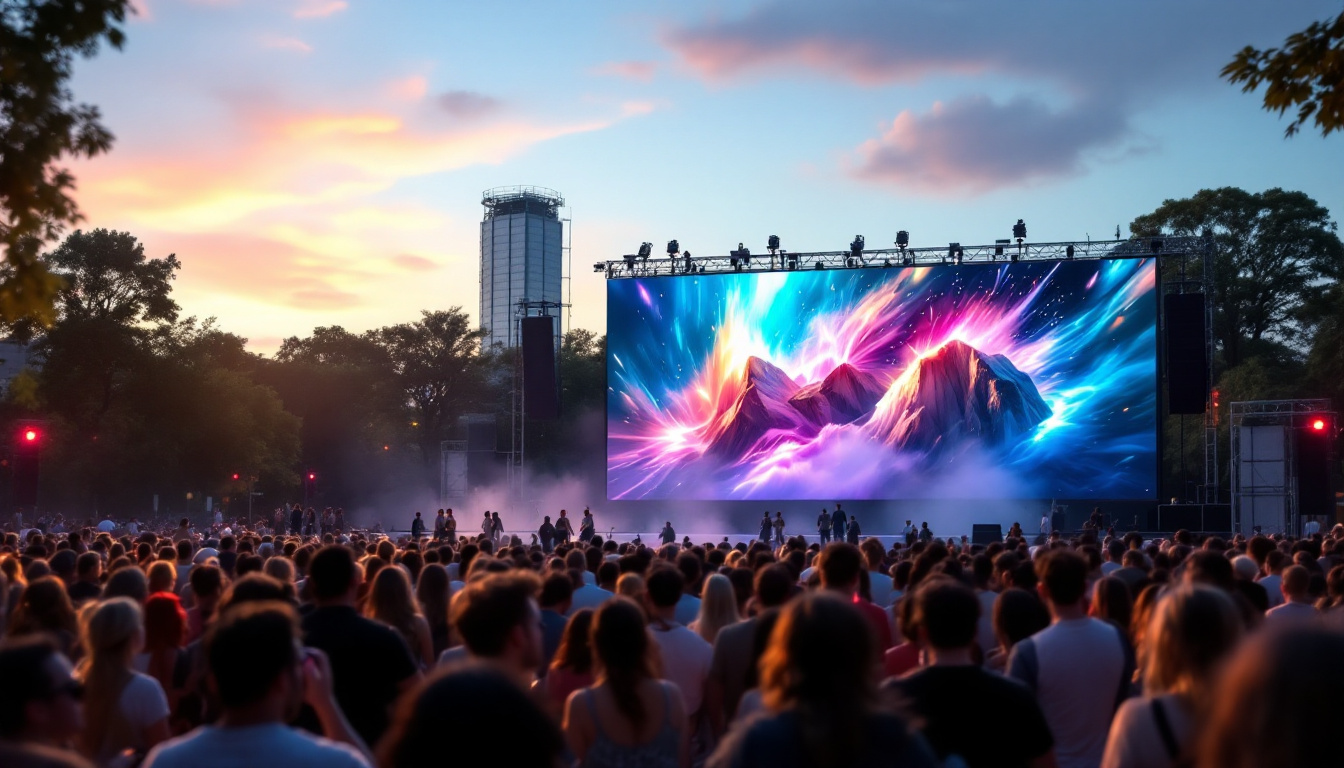
Stadiums and arenas use large LED panel screens to enhance the fan experience by displaying live game footage, replays, scores, and interactive content. These screens are engineered to withstand outdoor elements and deliver high-resolution images visible from great distances.
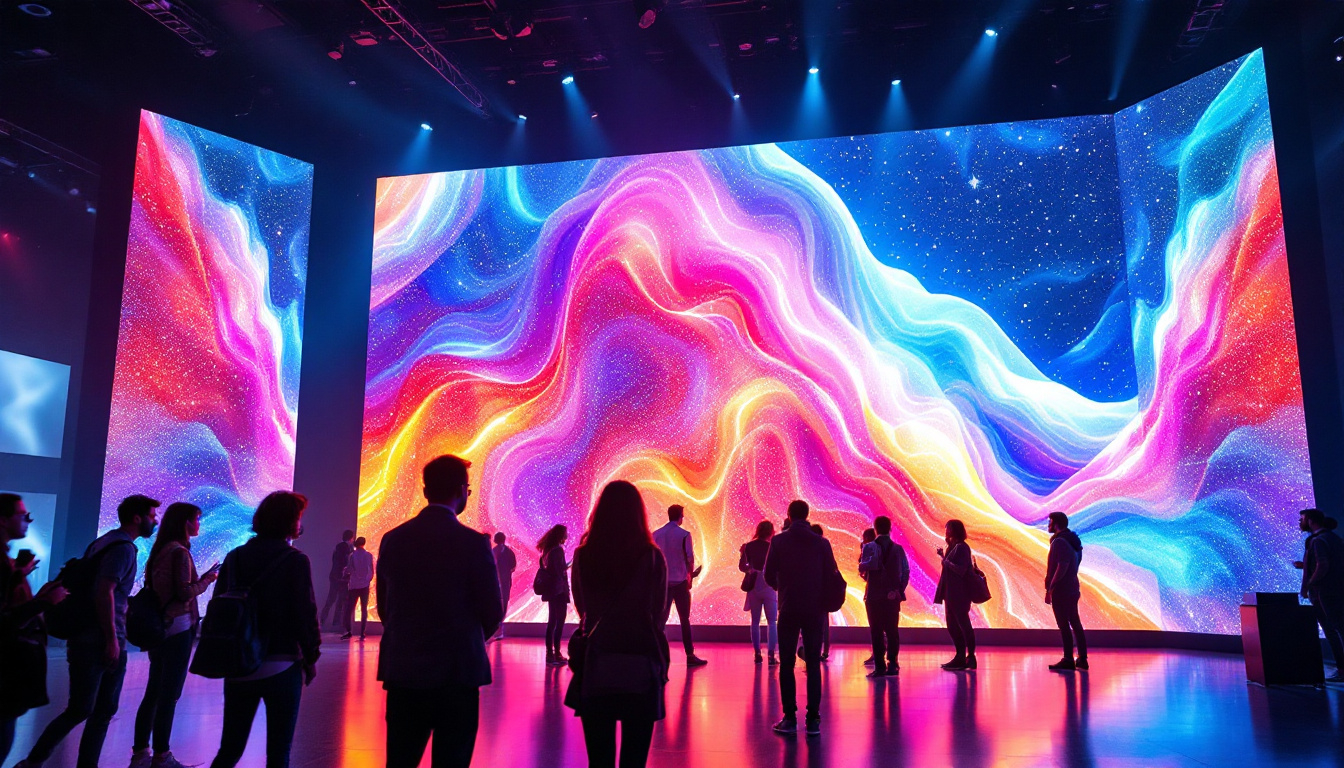
Concerts and events also utilize LED walls as dynamic backdrops, creating immersive visual effects that synchronize with performances.
Corporate and Control Room Displays
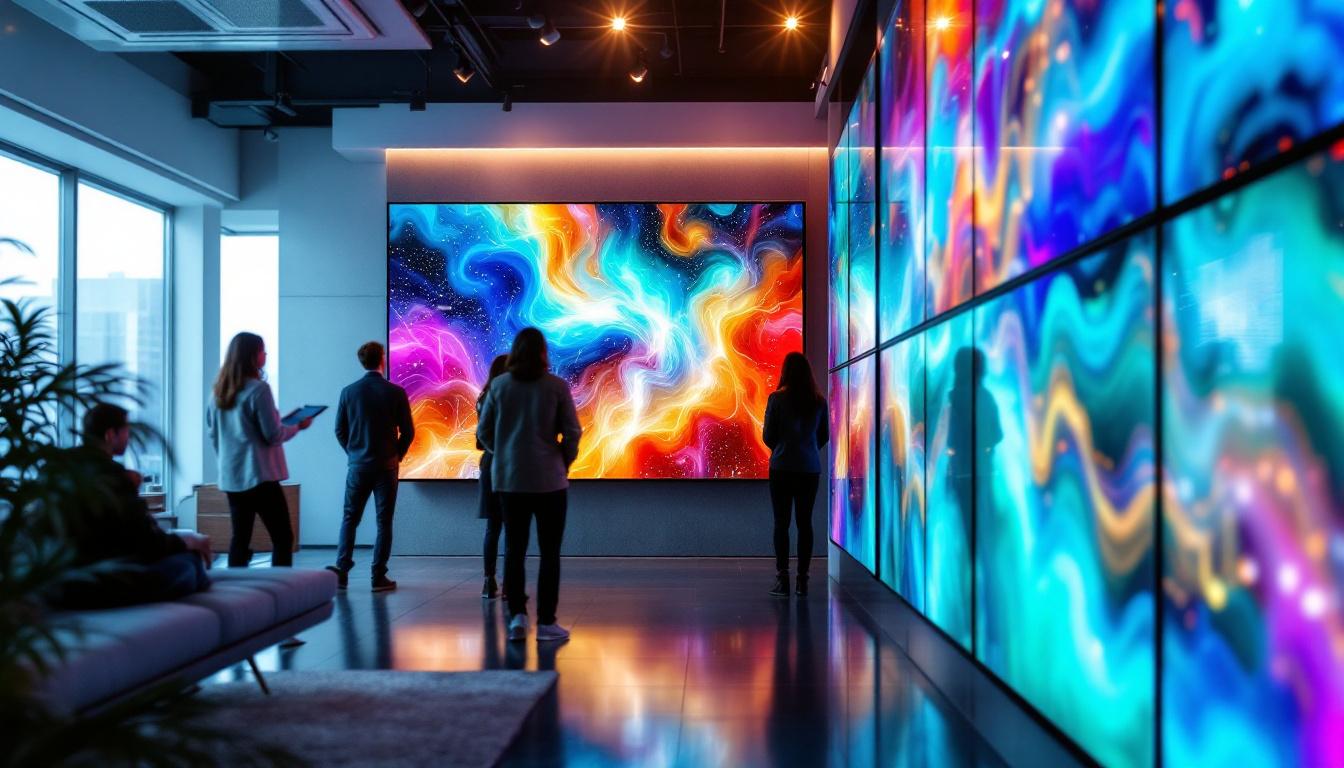
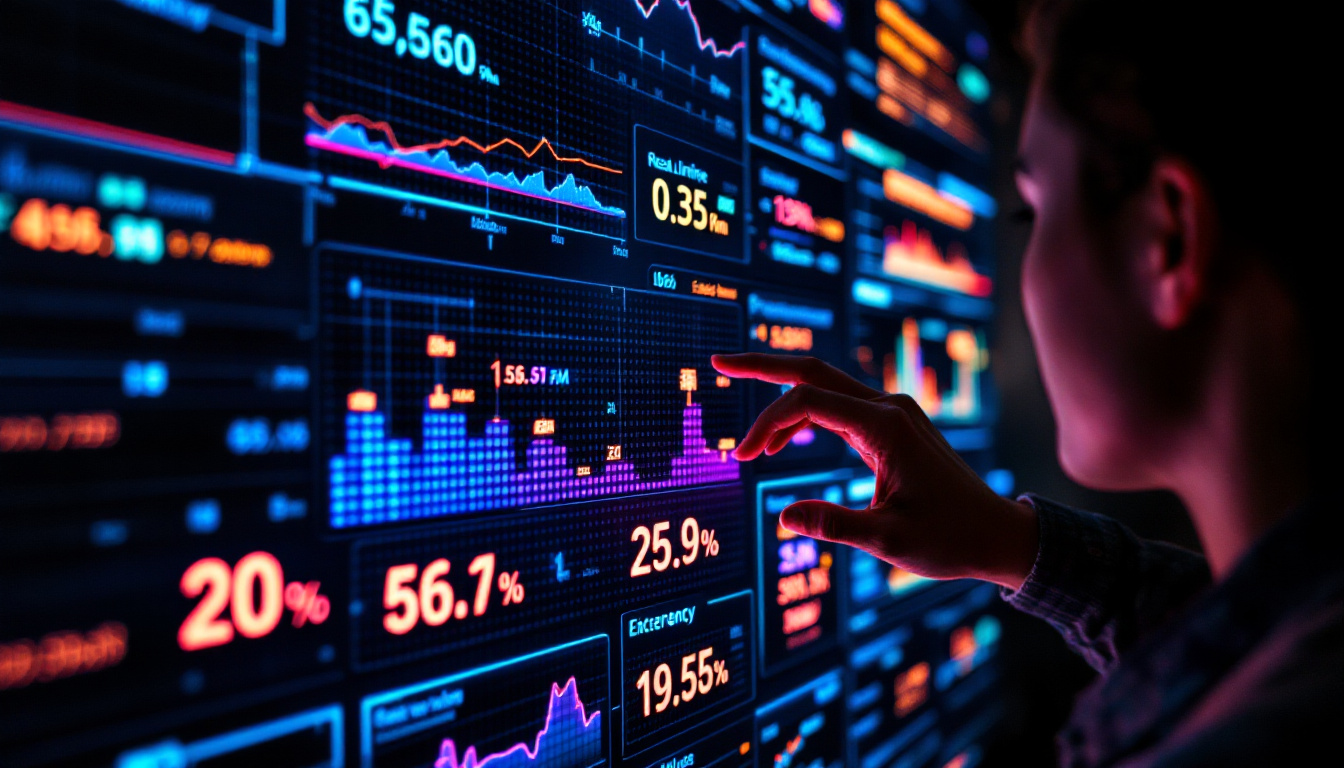
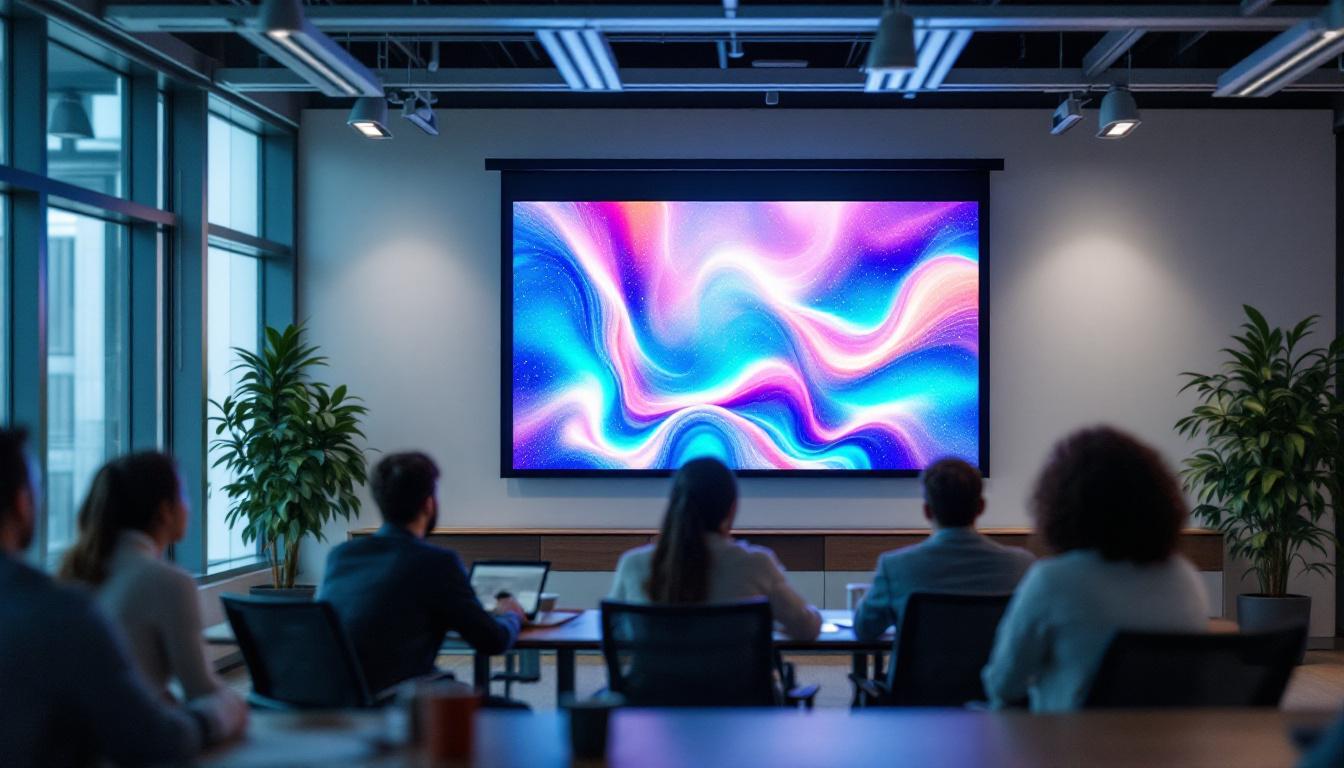
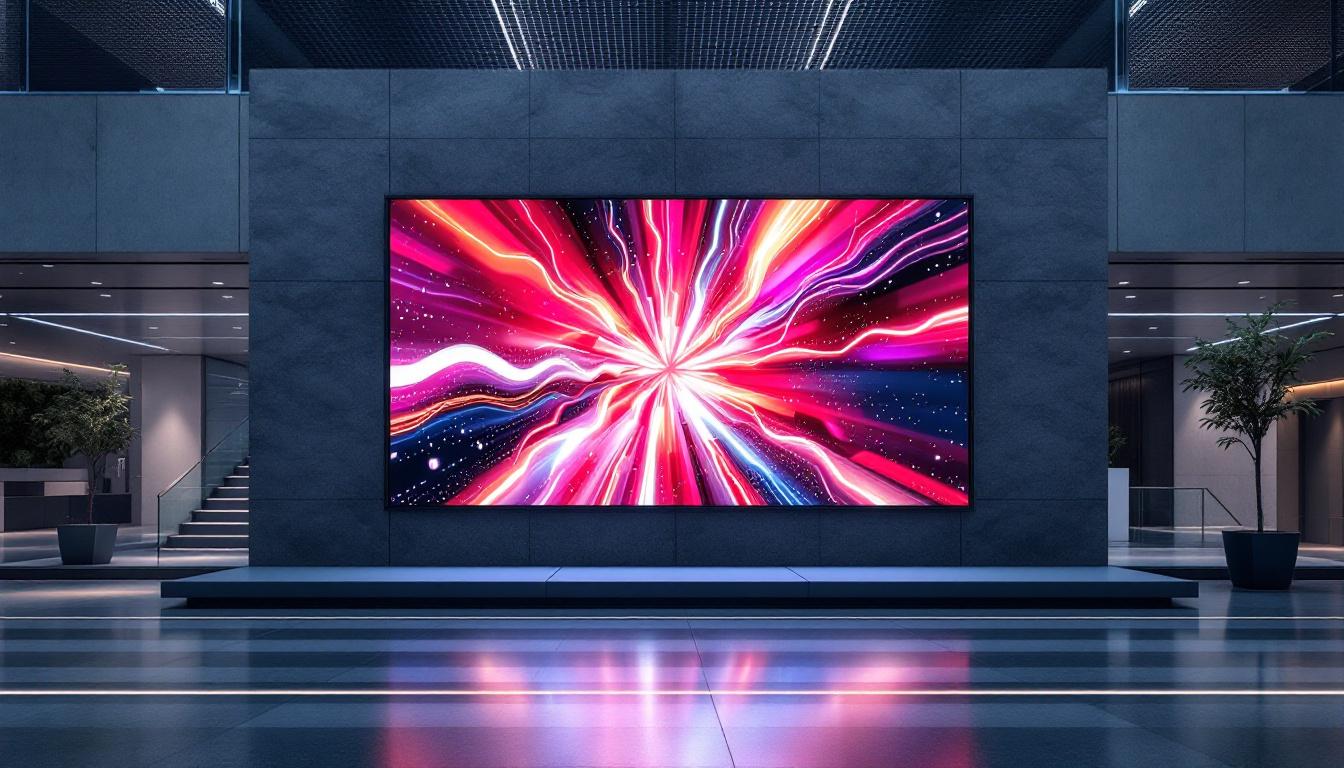
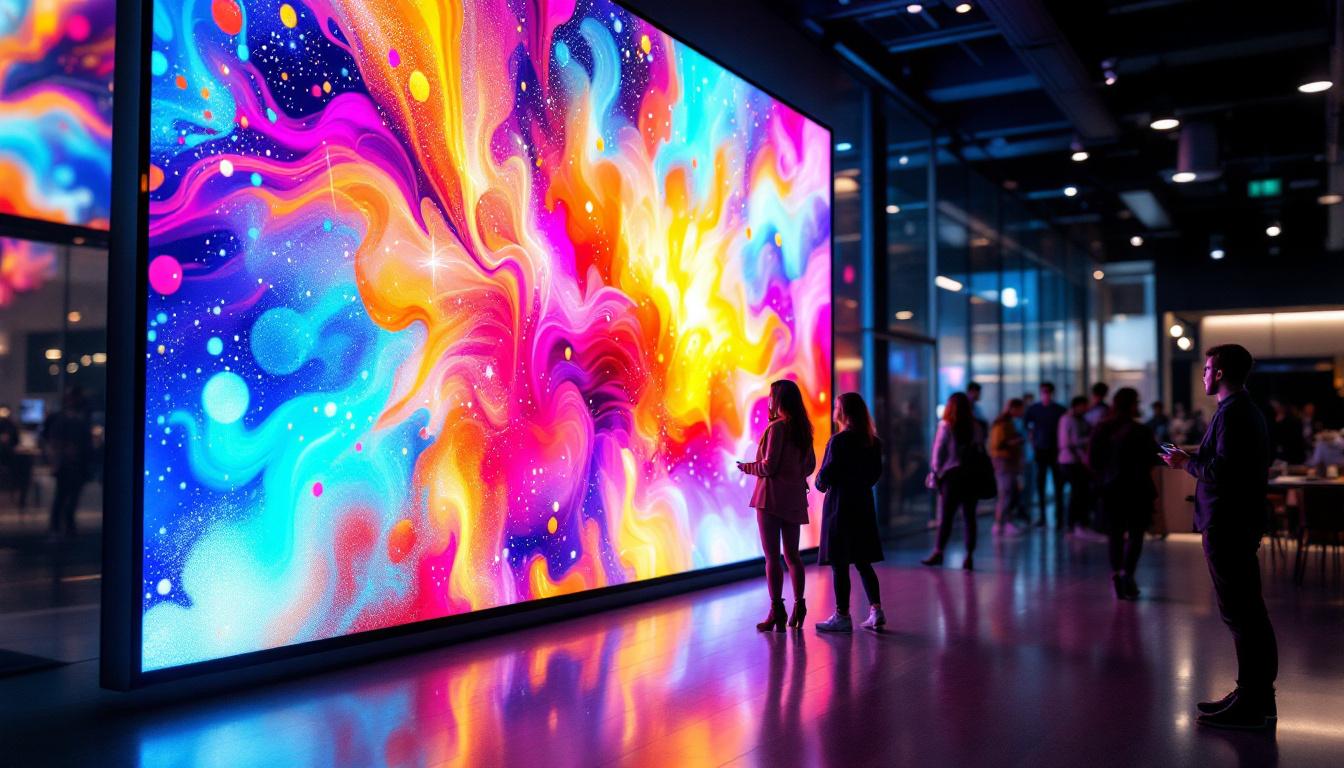
In corporate environments, LED panels serve as video walls in boardrooms and lobbies, facilitating presentations and brand messaging. Control rooms for utilities, transportation, and emergency services rely on high-resolution LED displays to monitor complex data streams and coordinate operations efficiently.
Retail and Hospitality
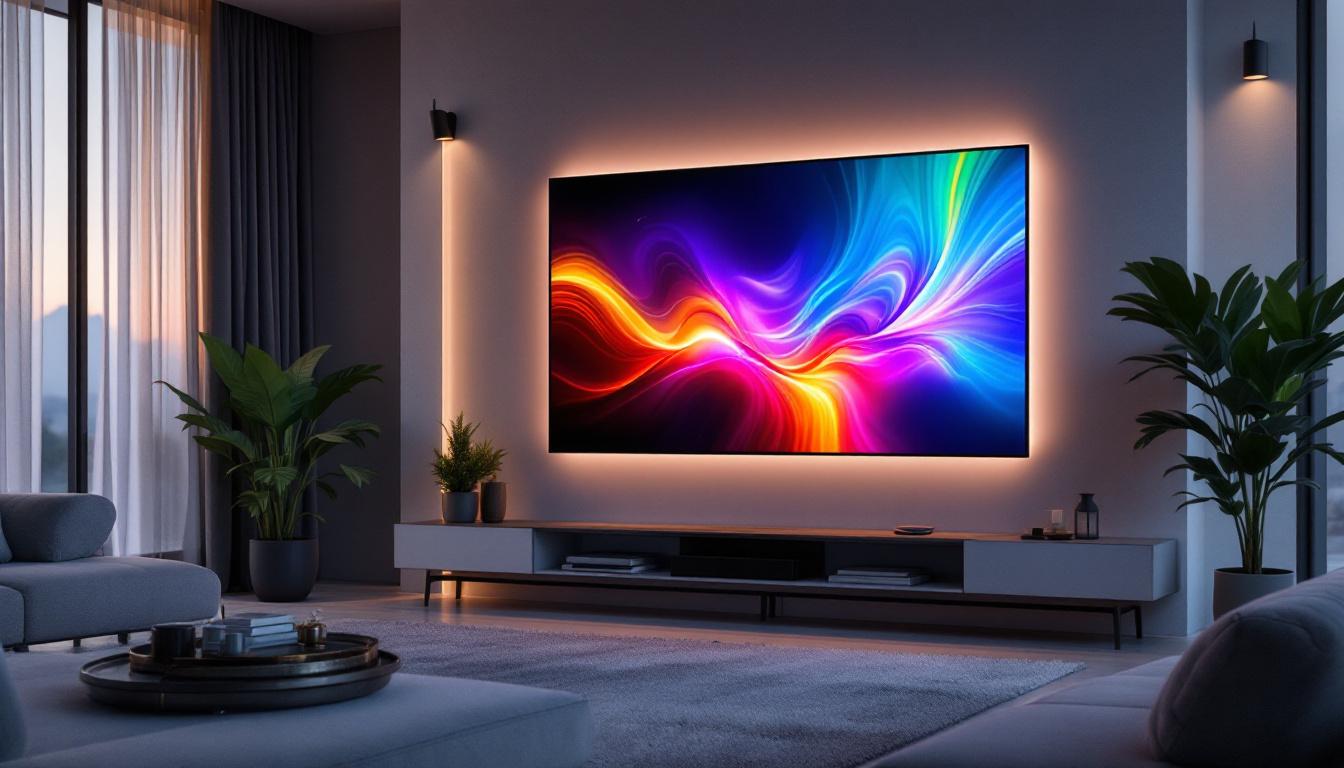
Retailers use LED screens to create engaging window displays and in-store promotions that attract customers and enhance the shopping experience. Hotels and restaurants deploy LED panels for digital menus, event announcements, and ambiance lighting.
Choosing the Right Panel LED Screen: Key Considerations
Selecting the appropriate LED panel screen depends on multiple factors, including the intended application, viewing distance, environment, and budget. Understanding these considerations ensures optimal performance and return on investment.
Pixel Pitch and Resolution
The pixel pitch directly impacts image clarity and viewing distance. For example, an indoor retail display viewed from a few feet away requires a pixel pitch of 1.5mm to 2.5mm for sharp images. Conversely, a large outdoor billboard viewed from hundreds of feet away can use a pixel pitch of 10mm or more without compromising visual quality.
Brightness and Environmental Resistance
Outdoor LED panels must have high brightness levels and robust weatherproofing (IP65 or higher) to resist rain, dust, and temperature fluctuations. Indoor panels typically require lower brightness but benefit from features like anti-glare coatings and flicker-free operation for comfortable viewing.
Refresh Rate and Color Depth
Higher refresh rates (above 3,000 Hz) are critical for applications involving video or live broadcasts to prevent flickering and motion blur. Color depth affects how many shades each pixel can display, influencing overall image quality and realism.
Installation and Maintenance
Modular LED panels should support easy installation and maintenance. Front-access designs allow servicing without dismantling the entire screen, reducing downtime and labor costs. Additionally, compatibility with existing control systems and software is important for seamless integration.
The Future of Panel LED Screens
LED display technology continues to evolve rapidly, driven by innovations in materials, manufacturing, and digital processing. Several trends are shaping the future landscape of panel LED screens.
MicroLED and MiniLED Technologies
MicroLED and MiniLED represent the next generation of LED displays, featuring smaller diodes that enable even higher resolution, better color accuracy, and improved energy efficiency. MicroLEDs, in particular, promise OLED-like contrast without the drawbacks of burn-in or limited lifespan.
Flexible and Transparent Displays
Advancements in flexible LED panels allow screens to bend and curve, opening new possibilities for creative installations and wearable technology. Transparent LED panels are gaining traction in retail and architecture, blending digital content with real-world environments.
Integration with Smart Technologies
Future LED displays will increasingly integrate with artificial intelligence, augmented reality, and Internet of Things (IoT) platforms. This integration will enable smarter content delivery, personalized advertising, and interactive experiences that respond to viewer behavior and environmental conditions.
Conclusion
Panel LED screens have transformed the way visual information is delivered across industries, offering unmatched brightness, flexibility, and image quality. Their modular design and scalability make them suitable for a wide range of applications, from outdoor advertising to corporate communications and entertainment.
As technology advances, LED displays will become even more sophisticated, enabling richer, more immersive experiences. For businesses and organizations looking to make a lasting visual impact, understanding the capabilities and benefits of panel LED screens is essential for making informed decisions and staying ahead in a competitive digital landscape.
Discover LumenMatrix LED Display Solutions
Ready to elevate your visual communication with the latest in LED technology? LumenMatrix is at the forefront of innovative LED display solutions, offering an array of products designed to capture attention and immerse viewers. From vibrant Indoor and Outdoor LED Wall Displays to dynamic Vehicle and Sports LED Displays, our offerings cater to every need. Experience the future of digital signage with our LED Poster Displays, Floor LED Displays, and Custom LED solutions. Embrace the clarity and impact of LumenMatrix’s All-in-One and Transparent LED Displays. Check out LumenMatrix LED Display Solutions today and transform your space into a captivating visual experience.