In the rapidly evolving world of visual technology, LED display systems have emerged as a dominant force, transforming how we experience digital content in public spaces, events, and even homes. Among these innovations, the LED wall projector stands out for its ability to deliver large-scale, vibrant visuals with remarkable clarity and flexibility. This article delves into the intricacies of LED wall projectors and LED displays, exploring their technology, applications, advantages, and future trends.
Understanding LED Display Technology
What is an LED Display?
LED, or Light Emitting Diode, displays are screens that use tiny light-emitting diodes as pixels to create images. Unlike traditional LCD or plasma screens, LED displays rely on these diodes to emit light directly, resulting in brighter, more vivid images with higher contrast ratios. LED technology can be found in various forms, from small indicator lights to massive outdoor billboards.
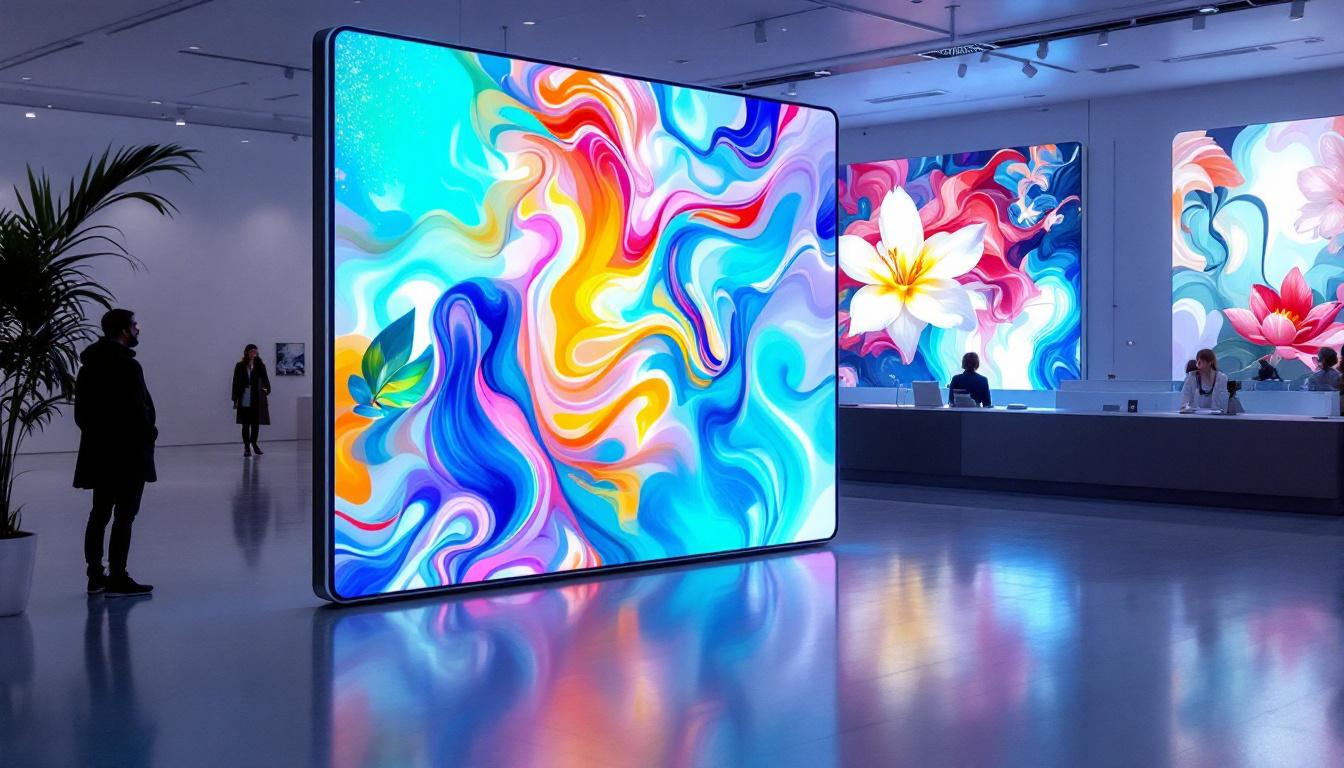
When scaled up, LED displays become ideal for large-format visuals, such as stadium screens, digital signage, and video walls. The modular nature of LED panels allows for flexible sizing and shapes, making them adaptable to diverse environments. This adaptability is particularly beneficial in settings such as concerts and events, where the visual experience is paramount. Furthermore, LED displays are energy-efficient, consuming less power than traditional display technologies, which not only reduces operational costs but also contributes to a lower carbon footprint.
How Does an LED Wall Projector Work?
Contrary to traditional projectors that use lamps and lenses to project images onto a surface, an LED wall projector integrates LED technology within the display itself. Essentially, the term “LED wall projector” often refers to an LED video wall—an assembly of LED panels that collectively form a large, seamless display surface.
Each LED panel contains thousands of tiny diodes that emit light in red, green, and blue (RGB) to produce full-color images. These panels are connected and synchronized to display content uniformly. The brightness and color accuracy of these panels make them suitable for environments with high ambient light, where conventional projectors might struggle. Additionally, LED wall projectors offer remarkable durability and longevity, often lasting tens of thousands of hours without significant degradation in performance. This resilience makes them a preferred choice for both permanent installations and temporary setups, such as trade shows and exhibitions, where reliability is crucial.
Key Components of LED Wall Displays
LED Modules and Pixels
The foundation of any LED display is the LED module, which contains numerous pixels. Each pixel is typically made up of three diodes—red, green, and blue—that combine to produce a wide color gamut. The pixel pitch, or the distance between pixels, significantly affects image resolution and viewing distance. Smaller pixel pitches yield higher resolution and are preferred for close-up viewing, while larger pitches are suitable for outdoor or distant viewing scenarios. Additionally, advancements in technology have led to the development of fine-pitch LED displays, which allow for ultra-high-definition images even at very close distances, making them ideal for environments such as control rooms, broadcast studios, and high-end retail spaces.
Control Systems and Processing
LED walls rely on sophisticated control systems that manage image processing, synchronization, and content delivery. These systems receive video signals from various sources—computers, media players, or live feeds—and translate them into signals that control each LED pixel’s brightness and color. Advanced processing ensures smooth transitions, color calibration, and real-time adjustments to maintain image quality. Furthermore, many modern control systems incorporate software that allows for dynamic content management, enabling users to schedule, update, and customize displays remotely. This flexibility is particularly beneficial for advertising and event management, where timely updates can significantly impact audience engagement.
Power and Cooling Considerations
Given the high brightness levels and continuous operation, LED walls require efficient power management and cooling solutions. Modern LED panels are designed to be energy-efficient, but large installations still consume significant power. Effective heat dissipation mechanisms, such as integrated fans or heat sinks, are essential to maintain optimal performance and prolong the lifespan of the diodes. Additionally, some manufacturers are now exploring passive cooling technologies, which can reduce noise and improve reliability by eliminating moving parts. This innovation not only enhances the longevity of the displays but also makes them more suitable for environments where quiet operation is critical, such as theaters and conference rooms.
Applications of LED Wall Projectors
Entertainment and Events
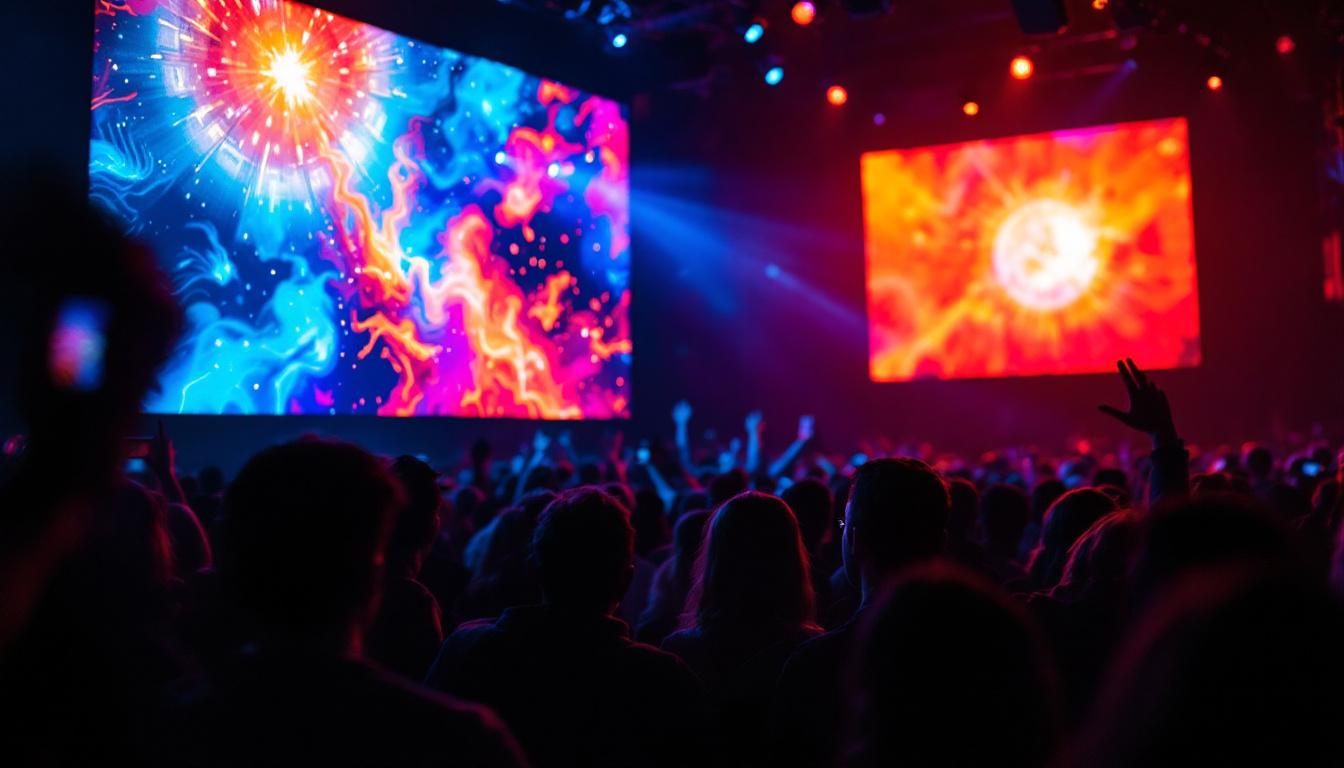
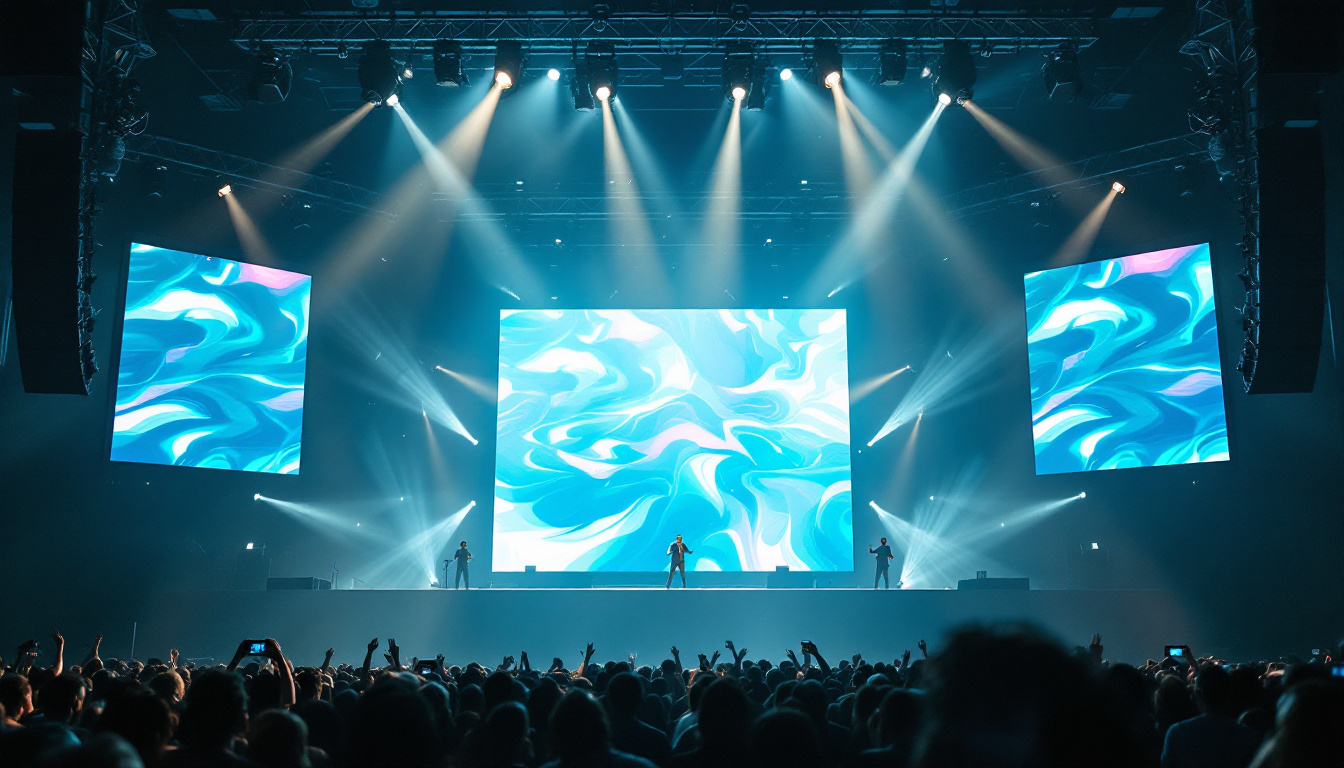
One of the most visible applications of LED wall projectors is in the entertainment industry. Concerts, festivals, and sports events frequently utilize massive LED walls to display live video feeds, graphics, and interactive content. These displays enhance audience engagement by providing clear visuals visible from great distances, even in daylight.
For instance, the Super Bowl halftime shows often feature enormous LED video walls that create immersive visual experiences. Similarly, music festivals like Coachella employ LED walls to complement performances with dynamic backgrounds and visual effects.
Advertising and Digital Signage
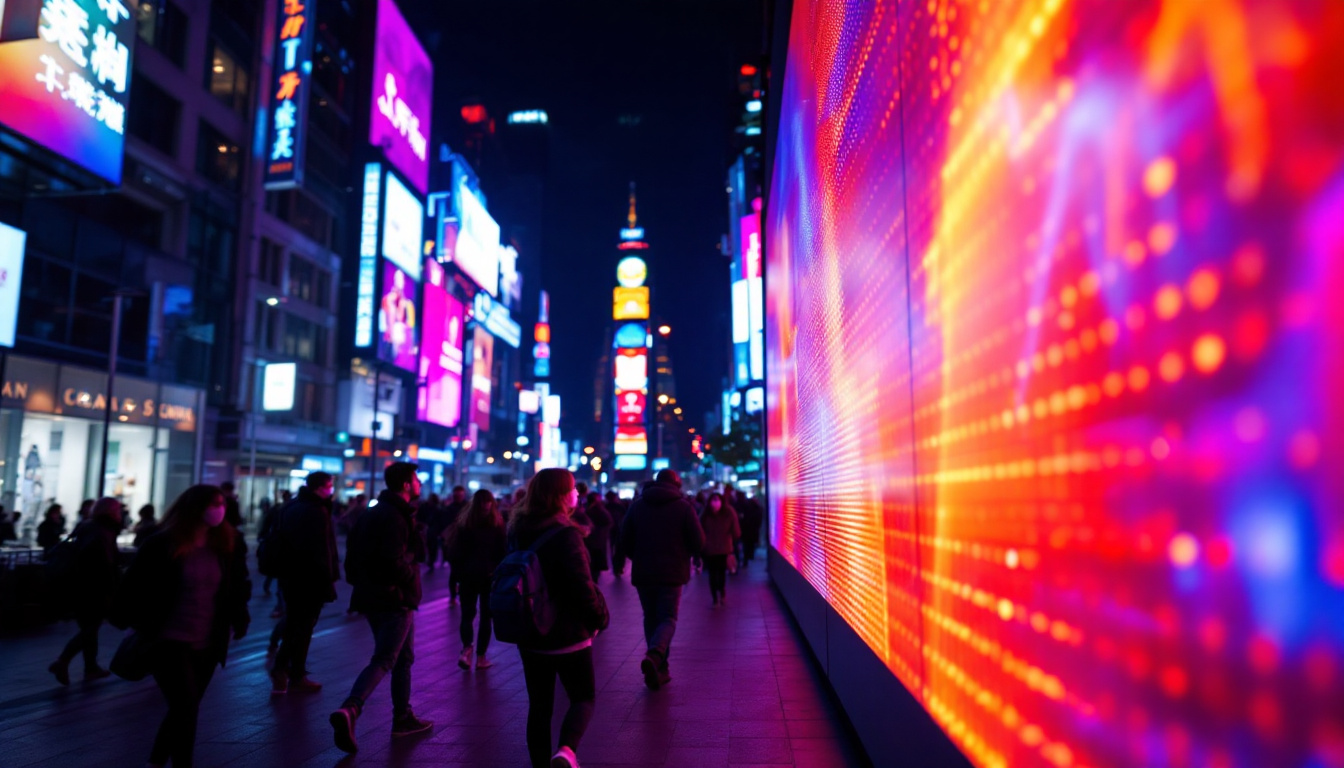
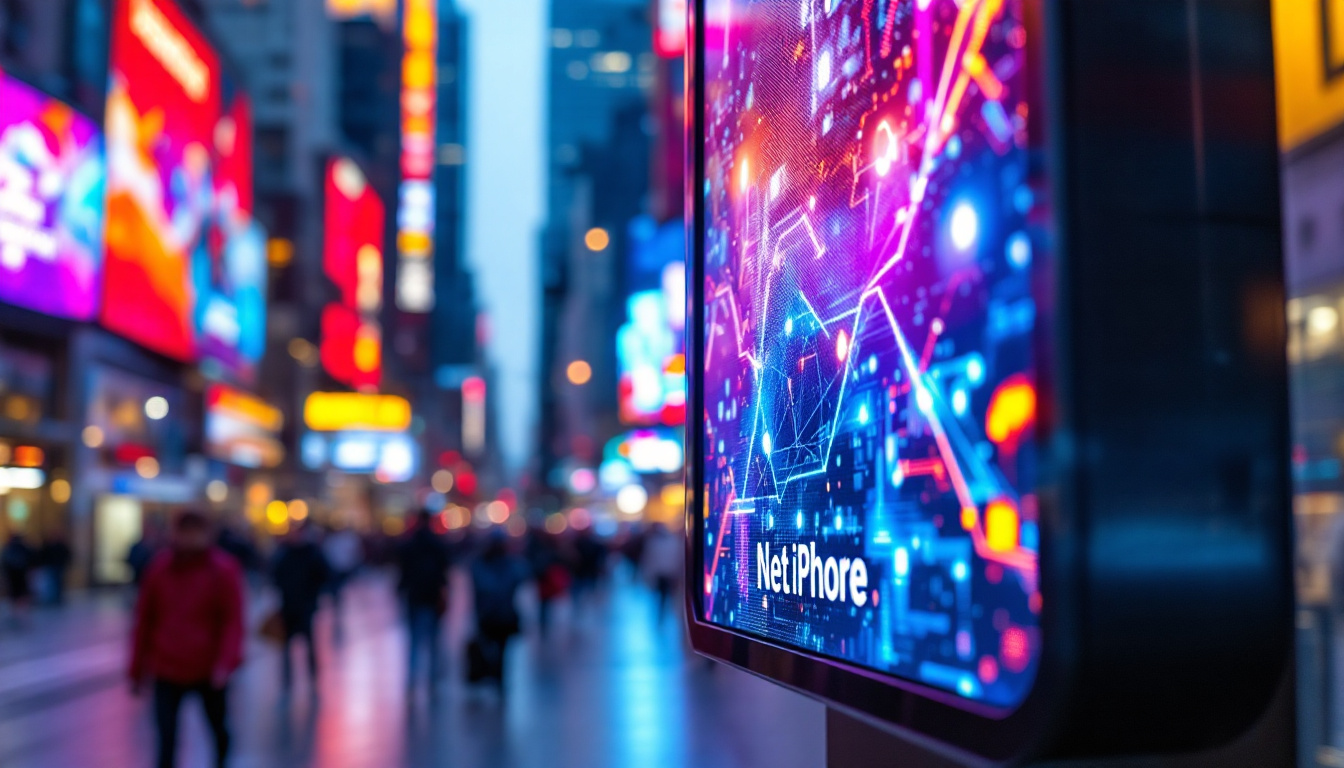
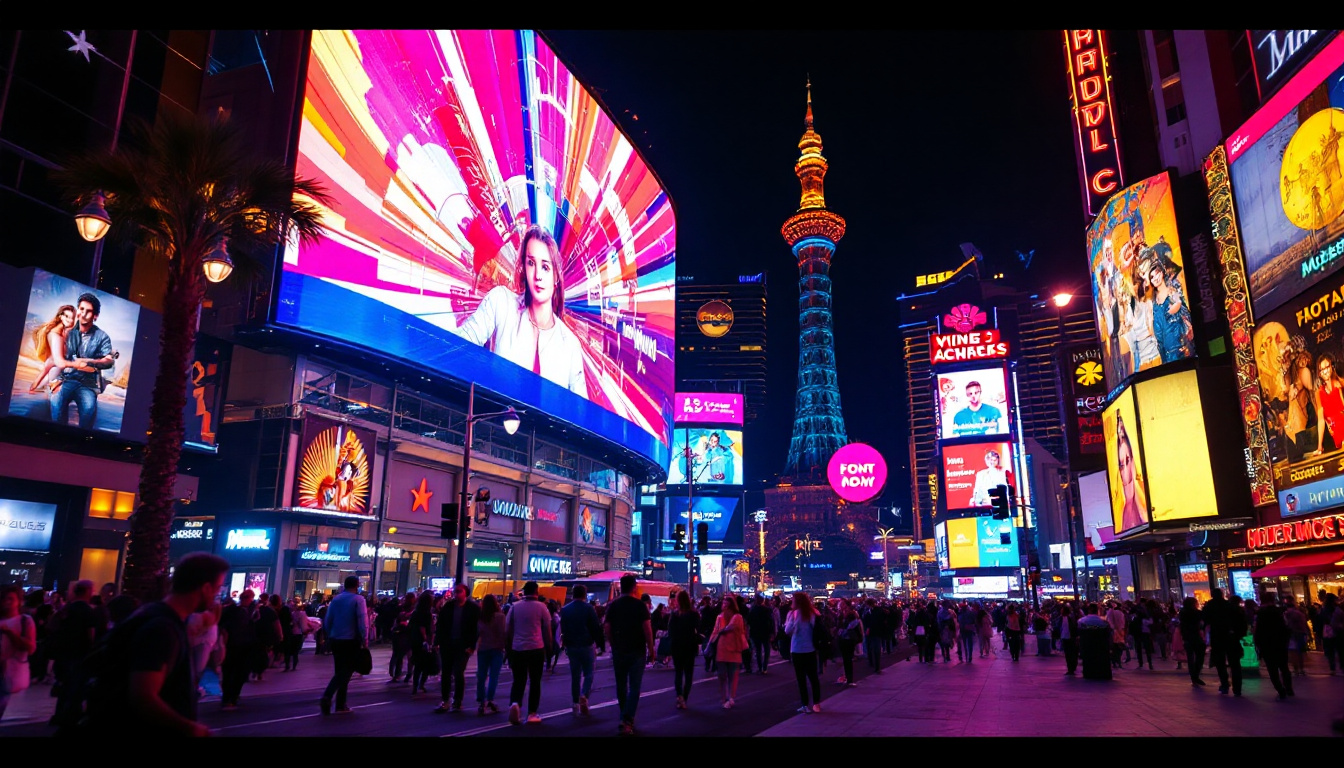
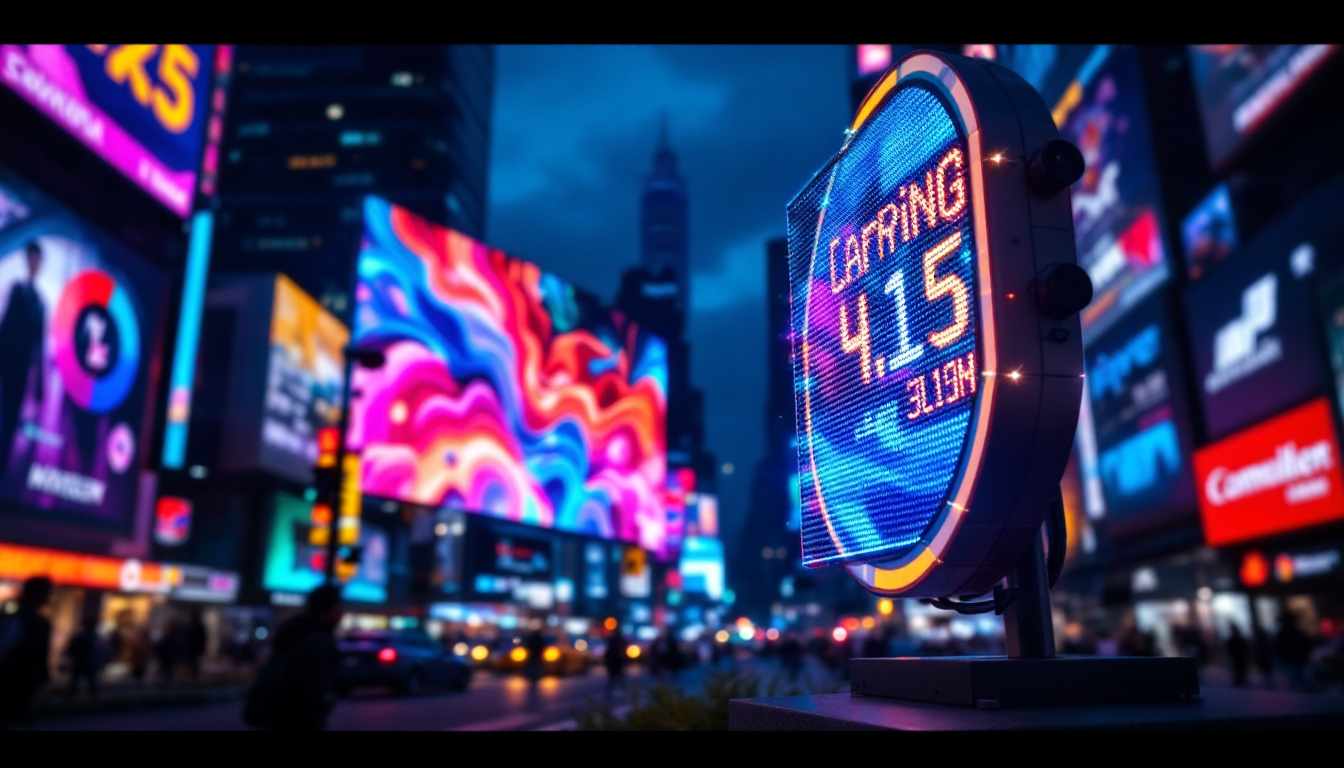
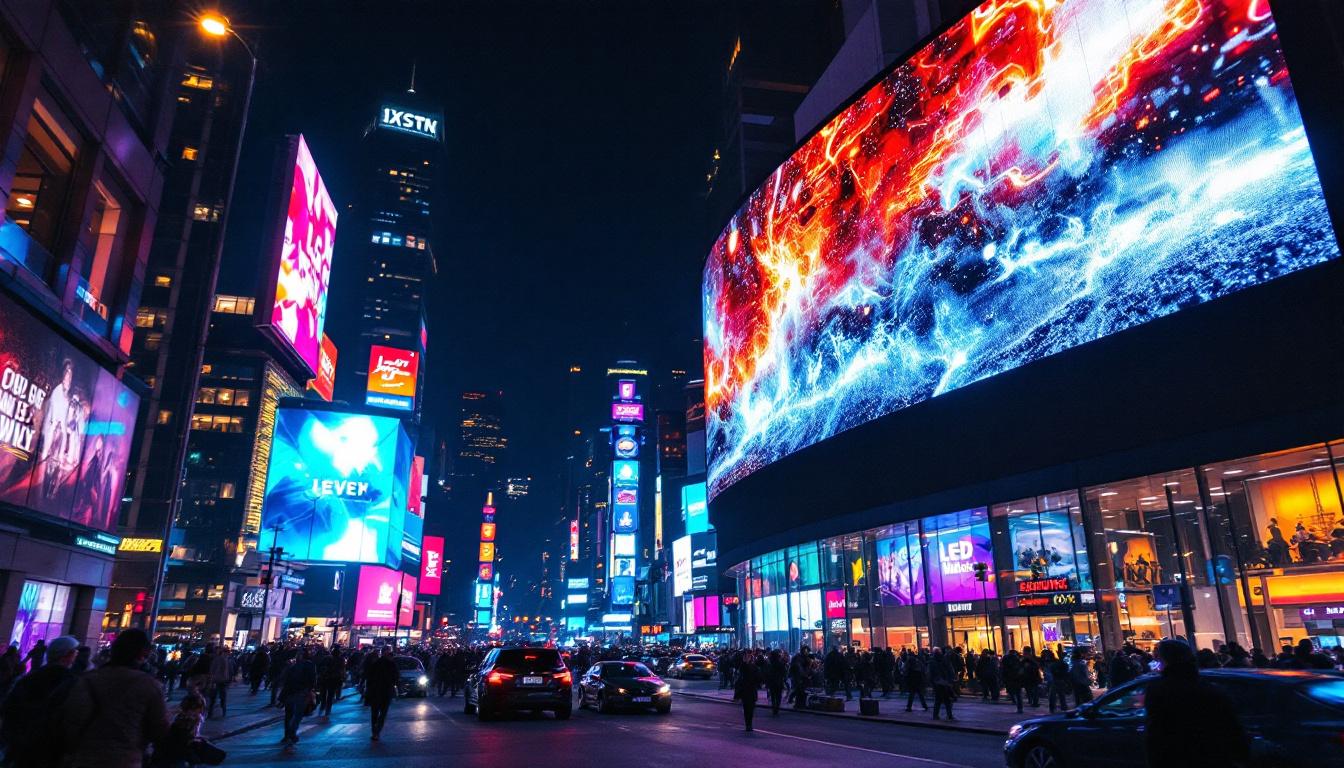
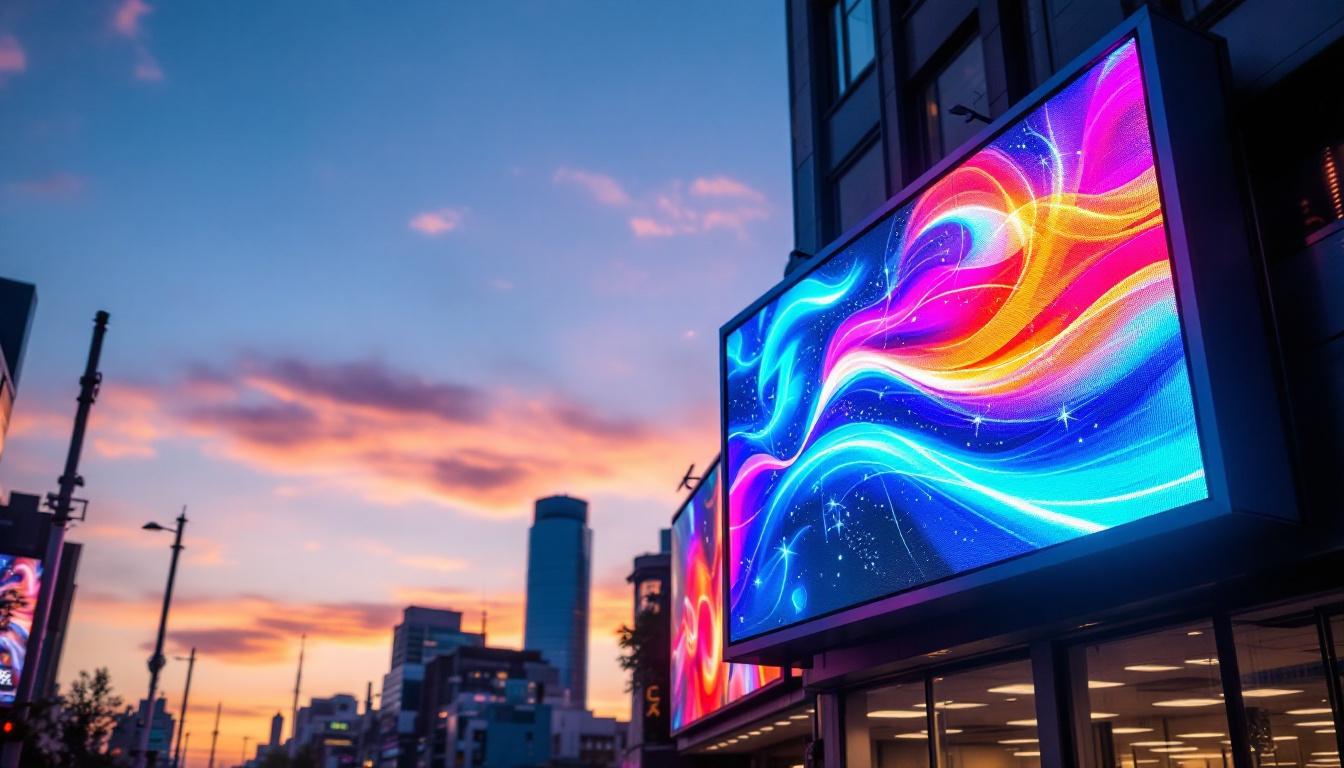
LED walls have revolutionized outdoor advertising by enabling digital billboards that are bright, eye-catching, and capable of displaying dynamic content. Cities worldwide, from Times Square in New York to Shibuya Crossing in Tokyo, showcase LED walls that deliver advertisements, public announcements, and entertainment content.
Compared to traditional static billboards, LED digital signage offers flexibility to update content instantly, target specific audiences with tailored messages, and incorporate interactive elements. This adaptability has made LED walls a preferred choice for marketers and urban planners alike.
Corporate and Retail Environments
Within corporate settings, LED walls serve as powerful tools for presentations, video conferencing, and brand promotion. Retail stores use LED displays to attract customers, showcase products, and create immersive shopping experiences. The ability to customize content and adjust display configurations makes LED walls valuable assets for enhancing communication and customer engagement.
Advantages of LED Wall Projectors Over Traditional Displays
Superior Brightness and Visibility
One of the most significant advantages of LED walls is their exceptional brightness, often reaching up to 5,000 nits or more. This level of luminance ensures that images remain vivid and clear even under direct sunlight, a challenge for many other display technologies. This makes LED walls ideal for outdoor applications and venues with high ambient lighting.
Durability and Longevity
LED displays are known for their durability. Unlike projector lamps that degrade over time and require replacement, LED diodes have a long operational life, often exceeding 100,000 hours. Additionally, LED panels are resistant to shock and vibration, which is crucial for installations in dynamic environments like concerts or transportation hubs.
Energy Efficiency
Despite their brightness, LED walls are relatively energy-efficient compared to traditional projection systems or large LCD video walls. Advances in LED technology have reduced power consumption while maintaining or improving brightness and color quality. This efficiency translates to lower operating costs and a reduced environmental footprint.
Flexibility and Scalability
LED walls are highly modular, allowing for easy scaling and customization. Panels can be arranged in various shapes and sizes, from simple rectangular displays to curved or irregular configurations. This flexibility enables creative designs tailored to specific architectural or branding needs.
Challenges and Considerations When Choosing LED Wall Projectors
Initial Investment and Installation Costs
While LED walls offer numerous benefits, the upfront costs can be substantial. High-quality LED panels, control systems, and installation labor contribute to significant initial expenses. However, when considering the long-term durability and reduced maintenance costs, many organizations find the investment worthwhile.
Pixel Pitch and Viewing Distance
Selecting the appropriate pixel pitch is critical to ensuring image clarity. A pixel pitch too large for close viewing distances results in visible gaps between pixels, reducing image quality. Conversely, very fine pixel pitches increase costs and may not be necessary for distant viewing applications. Careful assessment of the intended viewing environment is essential.
Maintenance and Technical Support
LED walls require periodic maintenance to ensure optimal performance. This includes cleaning, software updates, and occasional repairs. Partnering with experienced suppliers who offer comprehensive support services can mitigate downtime and extend the display’s lifespan.
Future Trends in LED Display Technology
MicroLED and MiniLED Innovations
The LED display industry is witnessing exciting advancements with MicroLED and MiniLED technologies. MicroLEDs are microscopic LEDs that enable ultra-high-resolution displays with superior brightness and contrast. These displays promise to combine the best attributes of OLED and traditional LED screens without some of their limitations, such as burn-in or limited lifespan.
MiniLED technology, which uses smaller LEDs than conventional panels, allows for improved local dimming and better contrast ratios. Both technologies are expected to enhance the quality and versatility of LED wall projectors in the coming years.
Integration with AI and Interactive Features
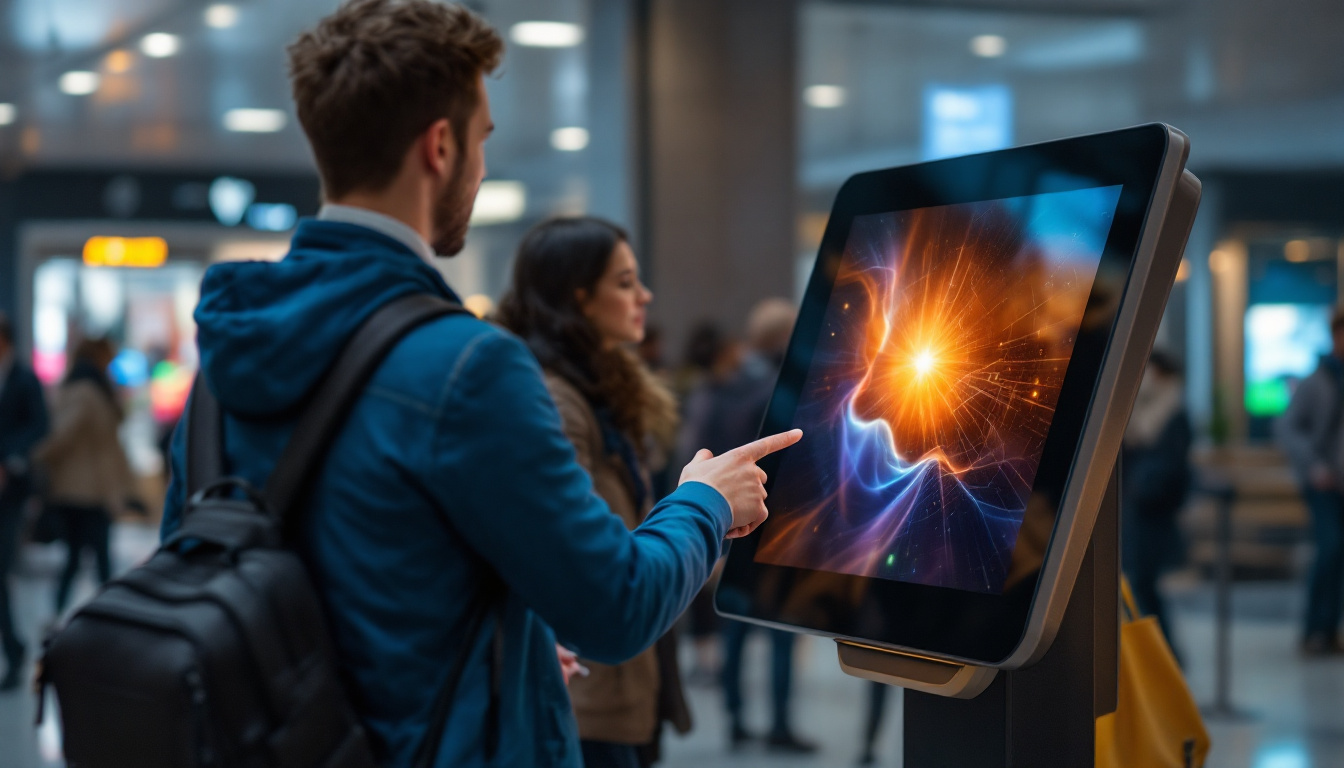
Artificial intelligence is increasingly integrated into LED display systems to optimize content delivery and user interaction. AI-driven analytics can tailor advertisements based on audience demographics, while interactive LED walls respond to gestures or touch, creating engaging experiences in retail, education, and entertainment sectors.
Energy Efficiency and Sustainability
As sustainability becomes a global priority, LED manufacturers are focusing on reducing power consumption and using eco-friendly materials. Innovations in power management and recyclable components are making LED walls more environmentally responsible, aligning with corporate social responsibility goals.
Conclusion
LED wall projectors and LED displays have transformed the landscape of digital visual communication. Their superior brightness, durability, and flexibility make them indispensable tools across various industries, from entertainment and advertising to corporate communications. While initial costs and technical considerations require careful planning, the long-term benefits and evolving technology trends promise a bright future for LED display systems.
As LED technology continues to advance, embracing innovations like MicroLED, AI integration, and sustainable design will further enhance the capabilities and applications of LED walls, solidifying their role as a cornerstone of modern visual experiences.
Discover LumenMatrix’s Innovative LED Solutions
Ready to elevate your visual experience with the latest in LED display technology? LumenMatrix is at the forefront of innovation, offering a diverse range of LED display solutions tailored to meet your needs. Whether you’re looking to captivate audiences with an Indoor LED Wall Display, make a statement with an Outdoor LED Wall Display, or drive engagement with our Custom LED Displays, we have the technology to bring your vision to life. Experience the future of digital signage and create unforgettable visual experiences. Check out LumenMatrix LED Display Solutions today and see the difference cutting-edge technology can make.