In the rapidly evolving world of audiovisual technology, LED displays have become a cornerstone for delivering vibrant, high-quality visuals across various applications. From digital billboards and stadium screens to corporate presentations and control rooms, LED displays are everywhere. This article delves into the fundamentals of AV monitors with a focus on LED display technology, exploring how they work, their advantages, and key considerations for selecting the right LED display for your needs.
Understanding LED Display Technology
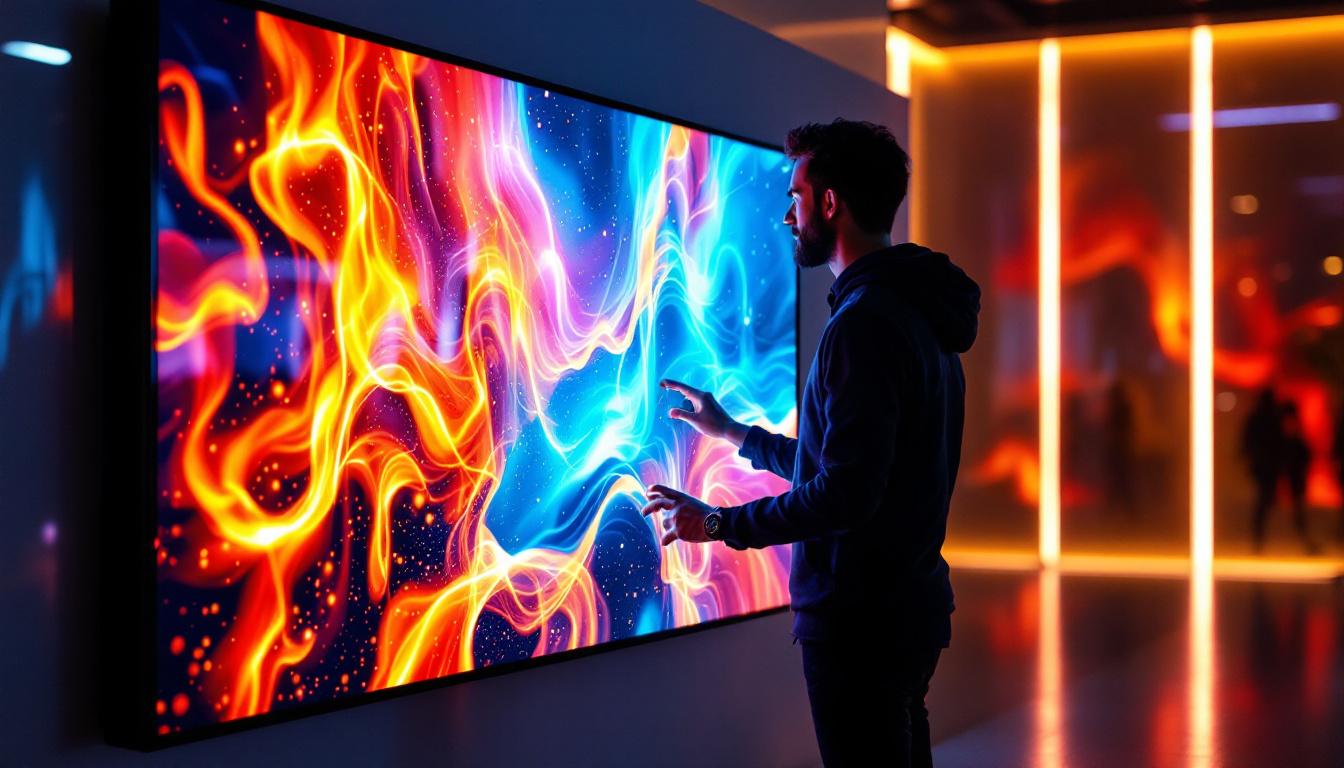
LED, or Light Emitting Diode, technology has revolutionized the way images and videos are displayed in professional AV environments. Unlike traditional LCD or plasma screens, LED displays use an array of tiny light-emitting diodes to produce images directly, which results in brighter, more vivid visuals. This advancement has not only enhanced the viewing experience but has also expanded the possibilities for creative expression in various fields, including advertising, entertainment, and education.
Each LED acts as a pixel, or part of a pixel, emitting light in red, green, or blue. By varying the intensity of these LEDs, the display can create millions of colors, producing sharp and dynamic images. This direct emission of light means LED displays do not require backlighting, a key difference from LCD technology, which relies on backlights to illuminate pixels. The absence of backlighting also contributes to a thinner and lighter design, making LED displays more versatile and easier to install in a variety of settings, from corporate offices to large-scale public installations.
Types of LED Displays
LED displays come in two primary types: direct view LED (DVLED) and LED-backlit LCD. Direct view LED displays are composed entirely of LEDs that form the image, while LED-backlit LCDs use LEDs as a backlight behind an LCD panel. The distinction between these types is crucial for understanding their applications and advantages in different environments.
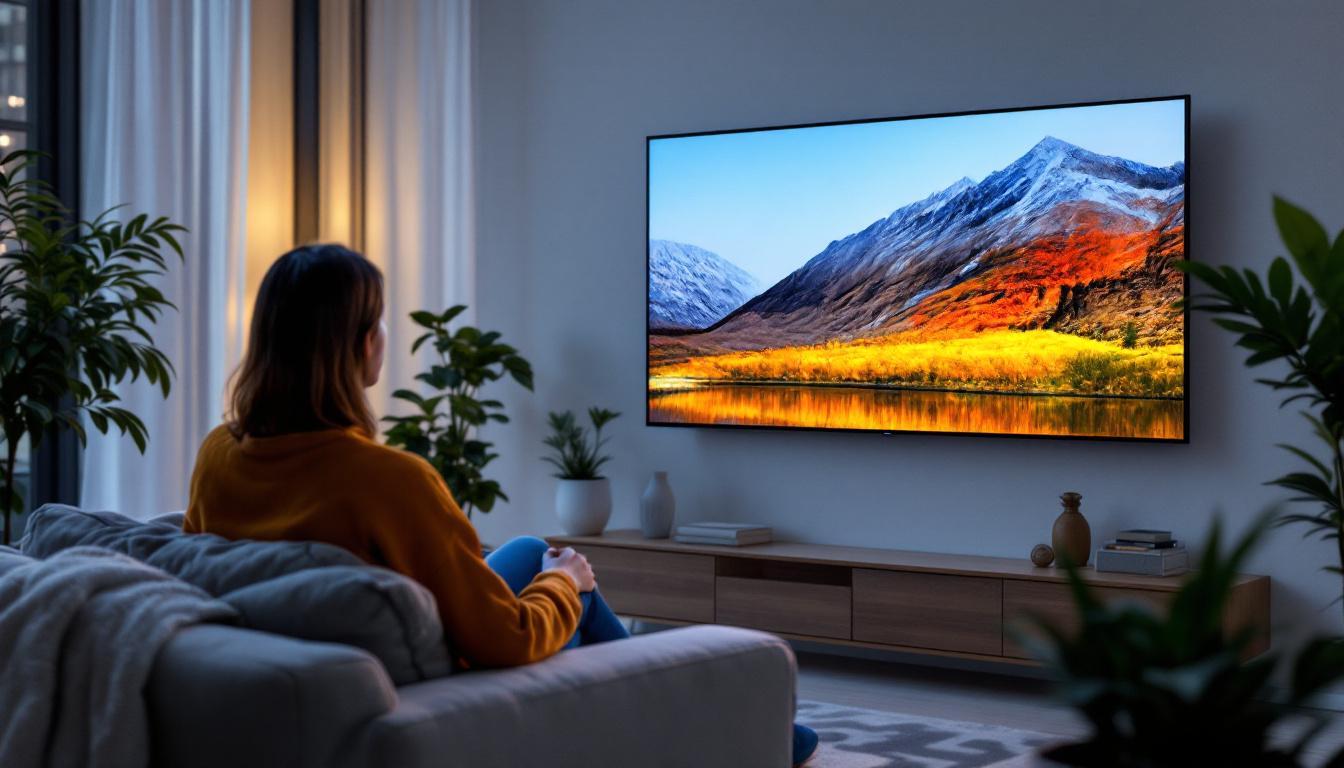
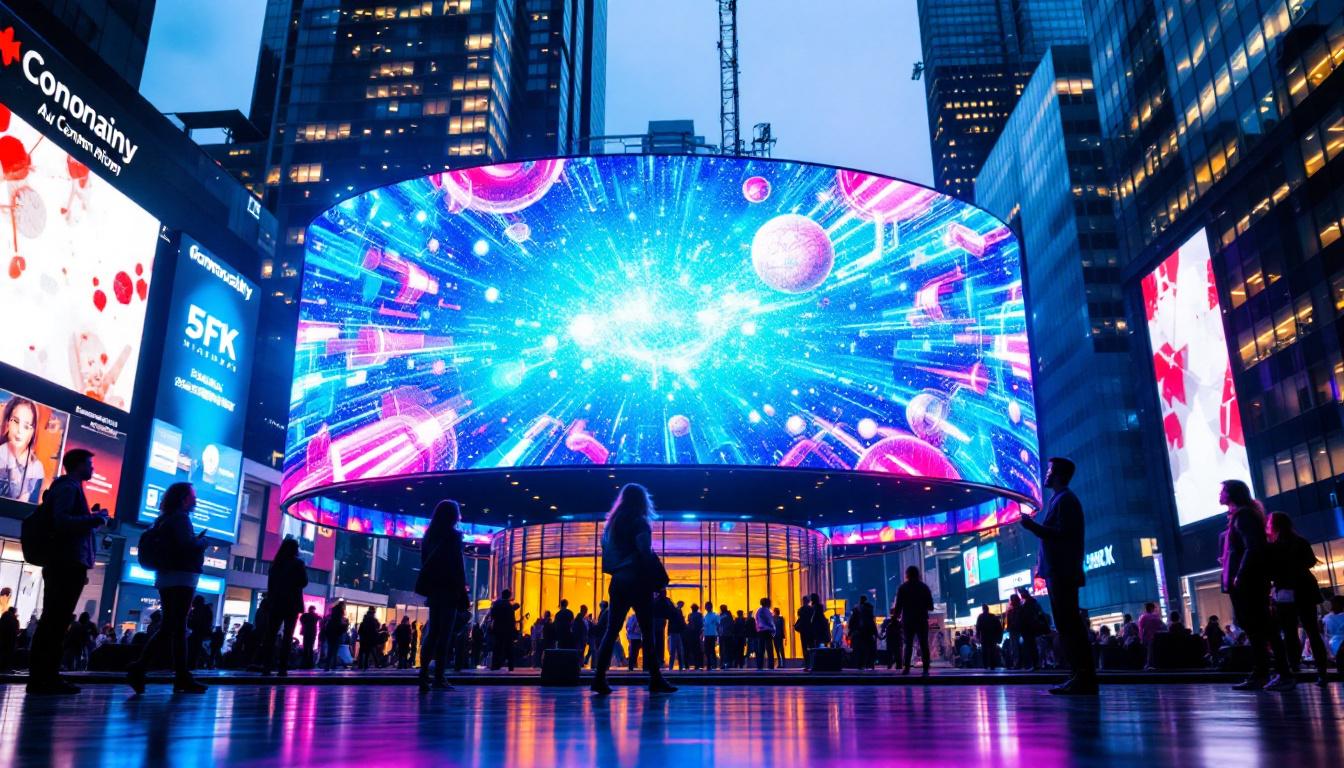
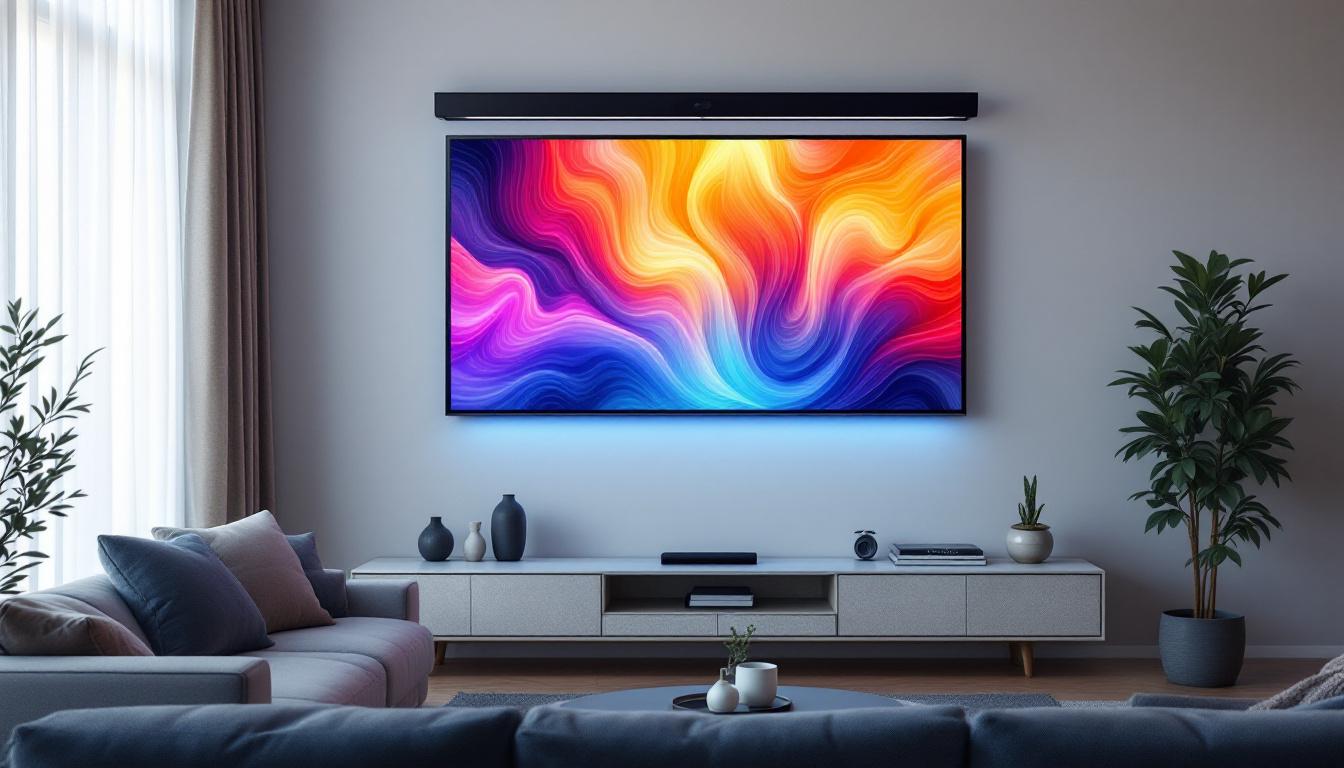
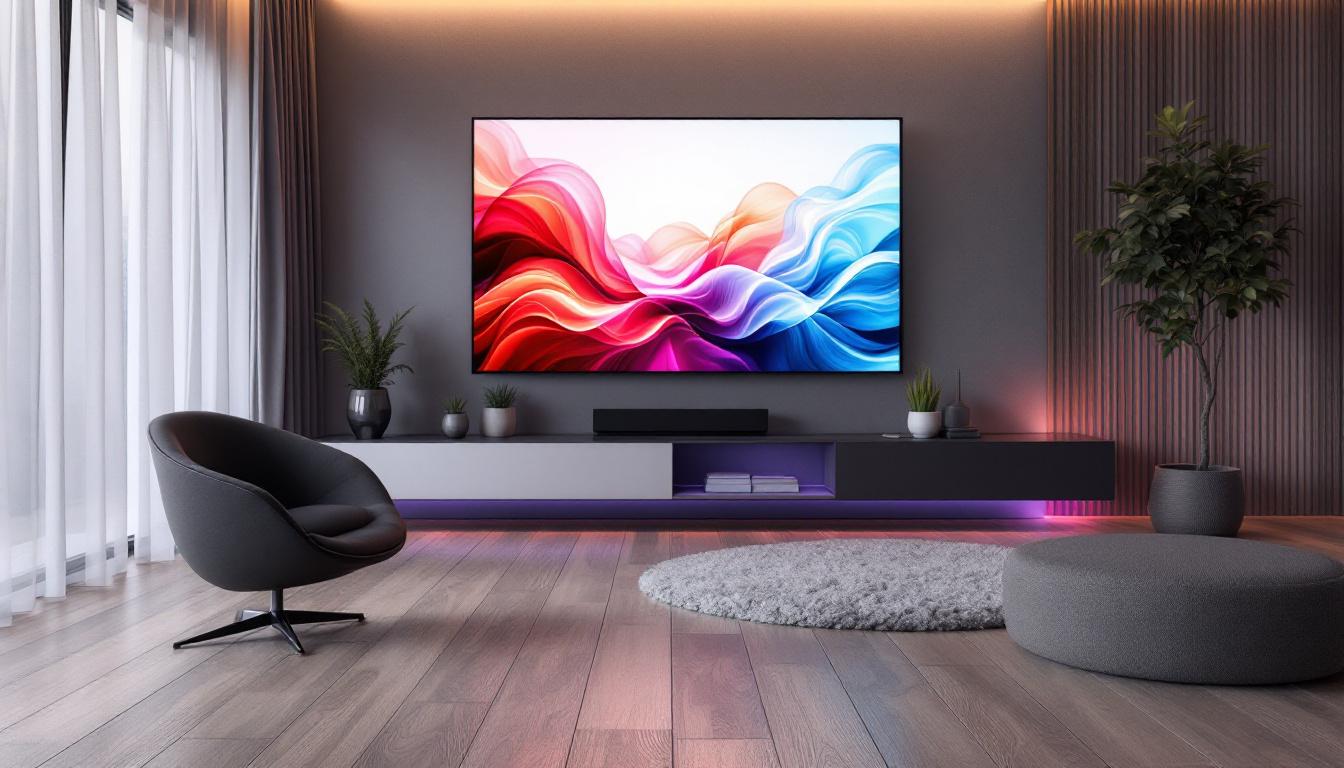
Direct view LED displays are widely used for large-format applications such as outdoor advertising, sports arenas, and concert venues due to their scalability and brightness. These displays can be configured in virtually any size or shape, allowing for creative installations that capture attention and engage audiences. LED-backlit LCDs, on the other hand, are common in desktop monitors and televisions, offering improved energy efficiency and color accuracy compared to older CCFL-backlit LCDs. This technology has made it possible to produce thinner screens with better contrast ratios, enhancing the overall viewing experience for consumers at home.
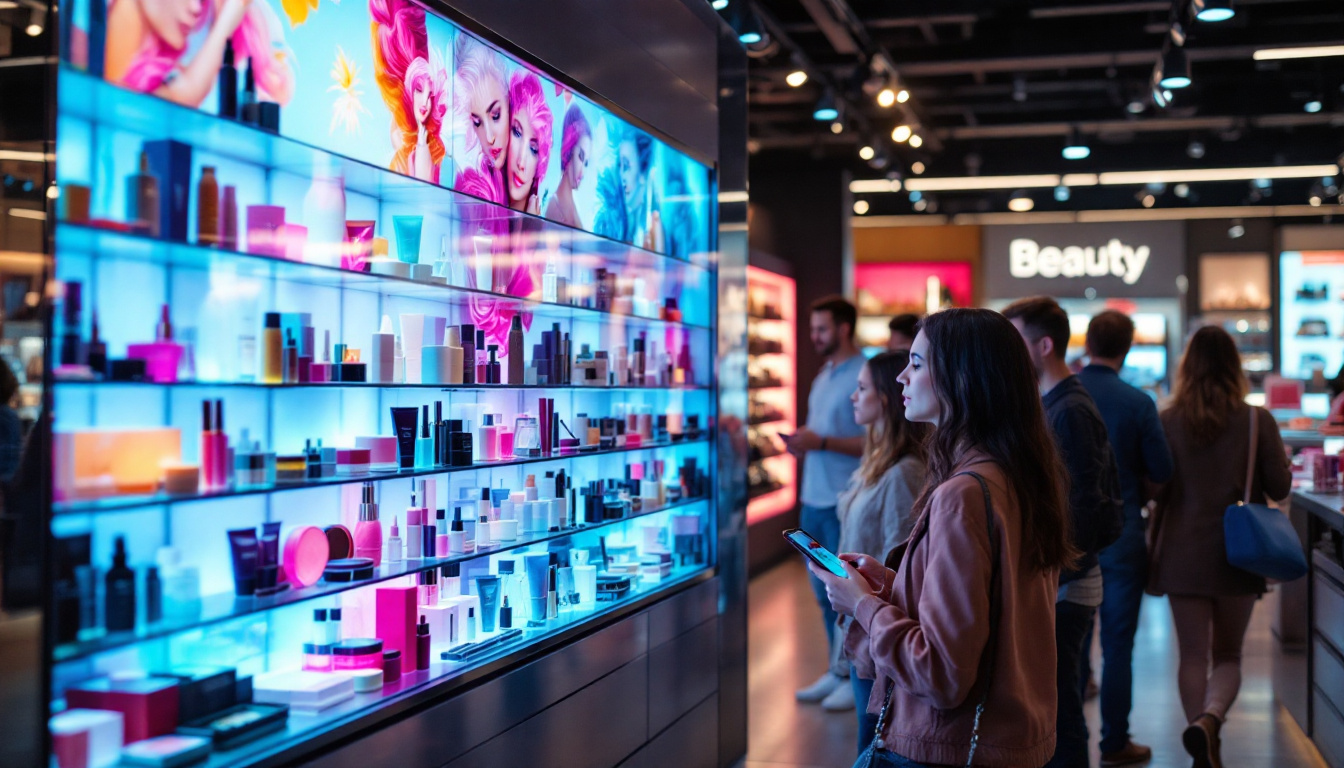
In addition to these two main types, there are also specialized LED displays designed for specific applications, such as transparent LED displays that allow for unique advertising opportunities without obstructing visibility. These innovative displays are increasingly being used in retail environments, where they can showcase products while maintaining an open and inviting atmosphere. Furthermore, advancements in LED technology continue to push the boundaries of what’s possible, with developments in flexible LED screens that can bend and conform to various surfaces, opening up new avenues for creative design and functionality.
Key Advantages of LED AV Monitors
LED displays have become the preferred choice in professional AV setups for several compelling reasons. Their unique properties provide benefits that enhance both the viewing experience and operational efficiency.
Superior Brightness and Contrast
One of the most significant advantages of LED displays is their ability to produce extremely high brightness levels. This makes them ideal for environments with high ambient light, such as outdoor venues or brightly lit conference rooms. Typical LED displays can reach brightness levels of 1,000 to 5,000 nits, far surpassing traditional LCD monitors that usually max out around 300 to 500 nits.
Additionally, LED displays offer exceptional contrast ratios. Because LEDs can be turned off completely to produce true blacks, the contrast between dark and bright areas is more pronounced, resulting in richer images and enhanced depth perception.
Energy Efficiency and Longevity
LED technology is well-known for its energy efficiency. Compared to older display technologies, LEDs consume less power while delivering brighter images. This efficiency translates to lower operational costs, especially in large-scale or 24/7 installations.
Furthermore, LED displays boast impressive longevity. Many commercial-grade LED panels have a lifespan exceeding 100,000 hours, meaning they can operate continuously for over 11 years without significant degradation. This durability reduces maintenance costs and downtime, a critical factor for mission-critical AV environments.
Flexibility and Scalability
LED displays are highly modular, allowing for customization in size and shape. This flexibility makes them suitable for a wide range of applications, from small indoor monitors to massive outdoor video walls spanning hundreds of square meters.
Scalability also means that LED displays can be configured to fit unique architectural requirements, including curved or irregular surfaces. This adaptability is a major advantage for creative installations in retail, entertainment, and corporate branding.
Applications of LED AV Monitors
LED displays have found a home in diverse sectors, each leveraging the technology’s strengths to meet specific needs. Understanding these applications helps clarify why LED AV monitors have become indispensable tools in modern visual communication.
Digital Signage and Advertising
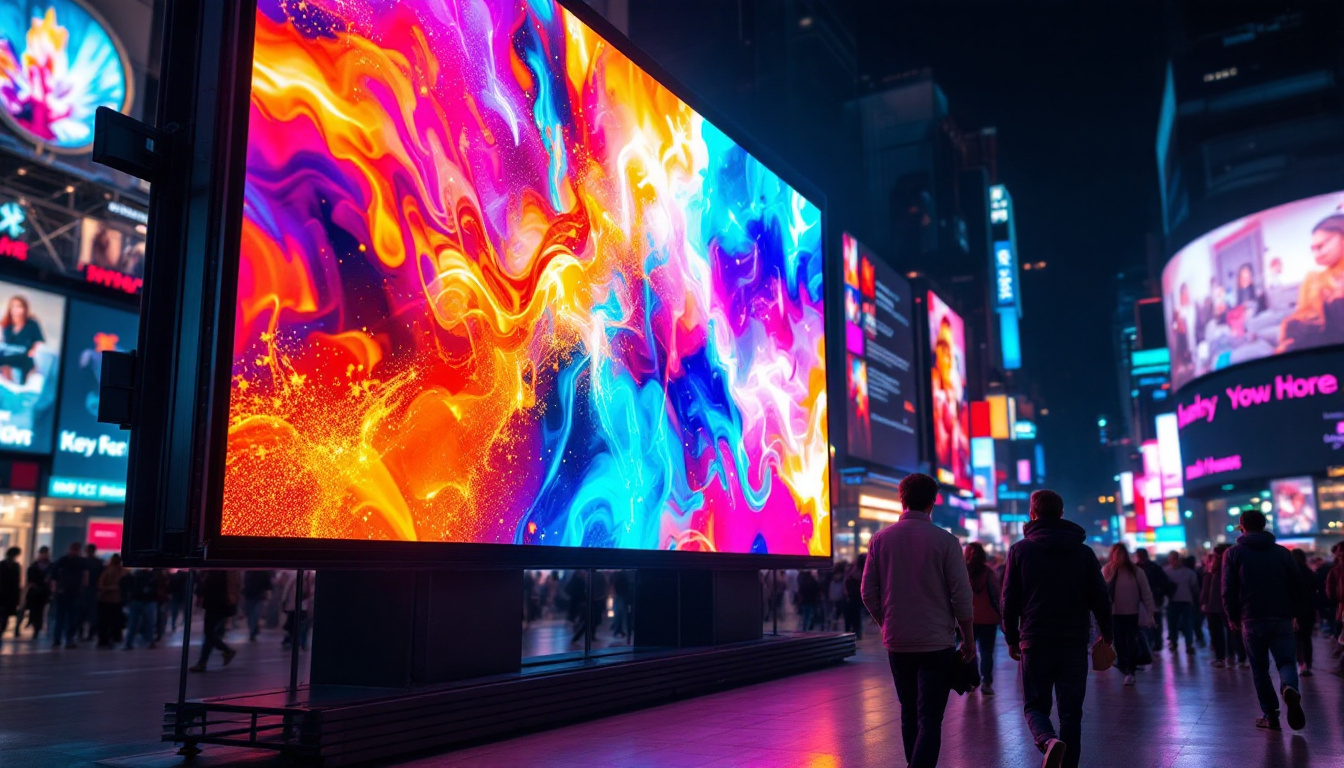
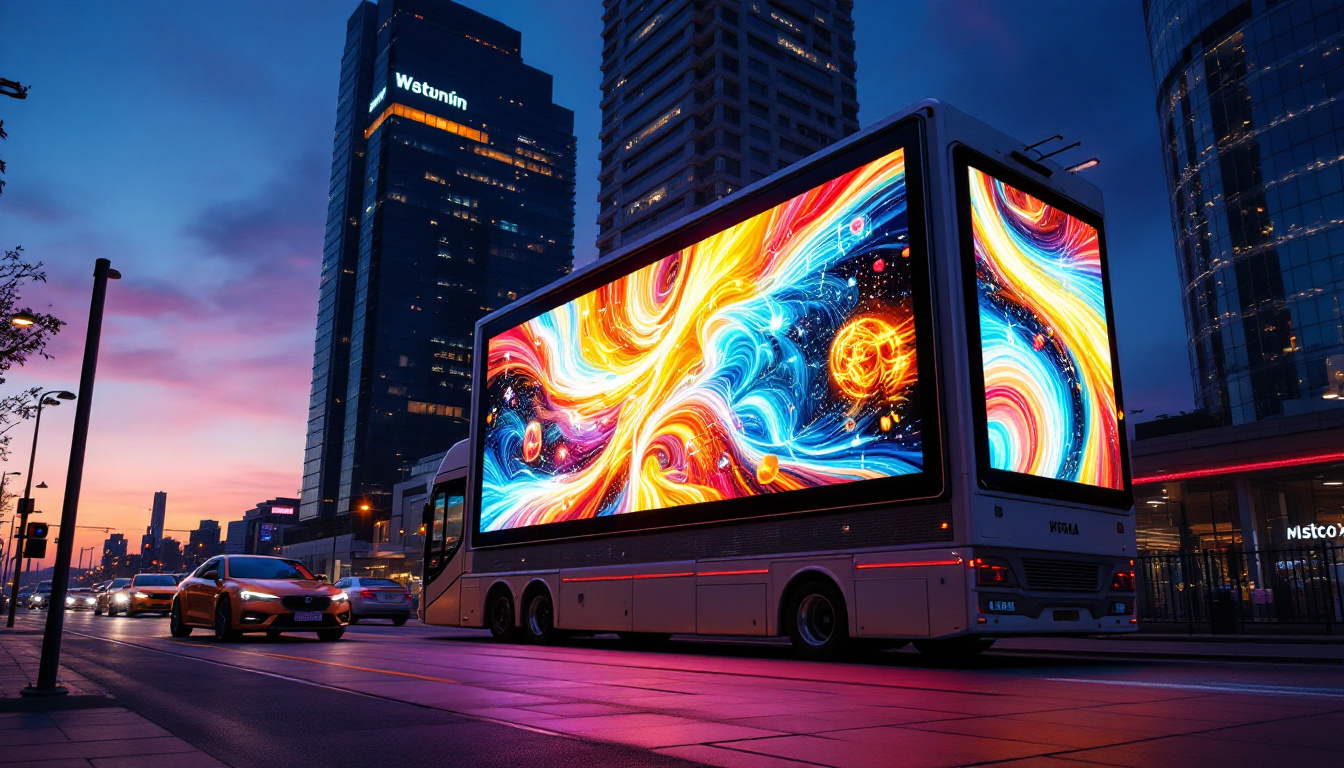
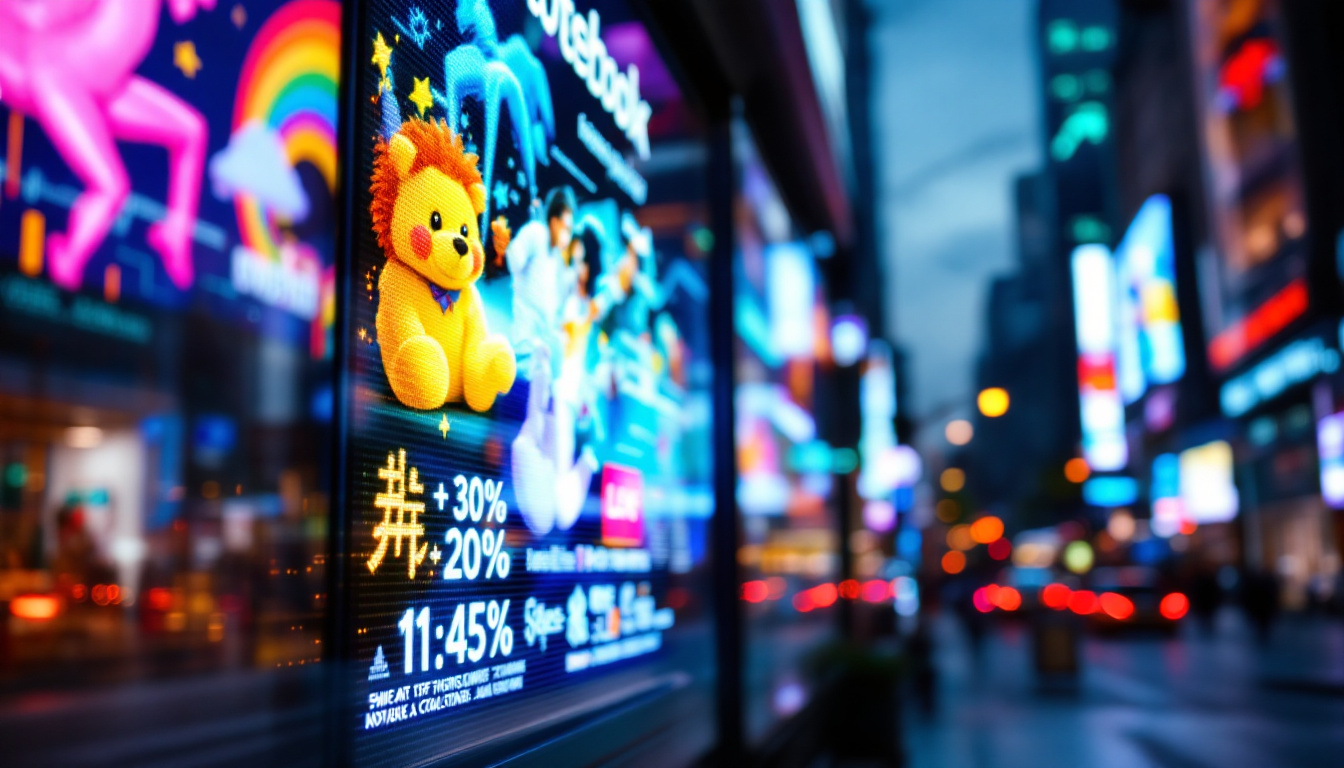
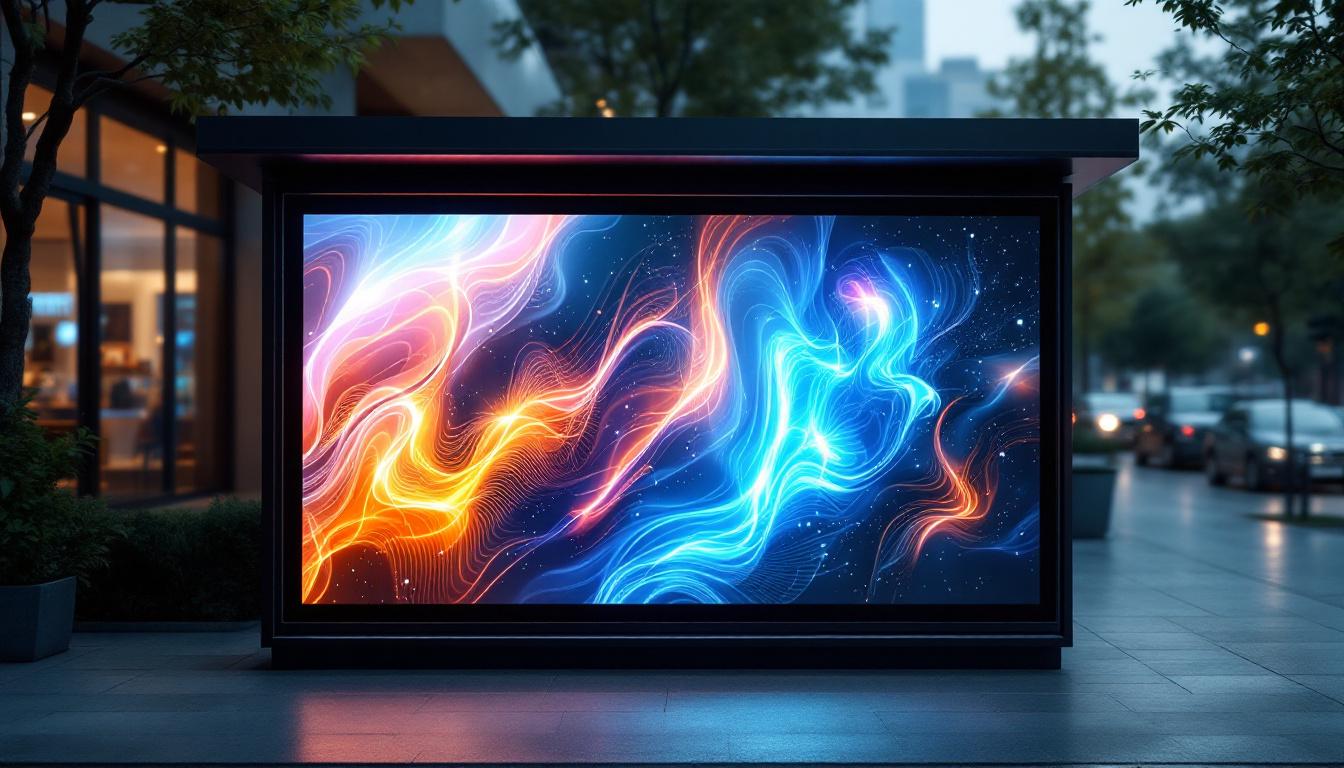
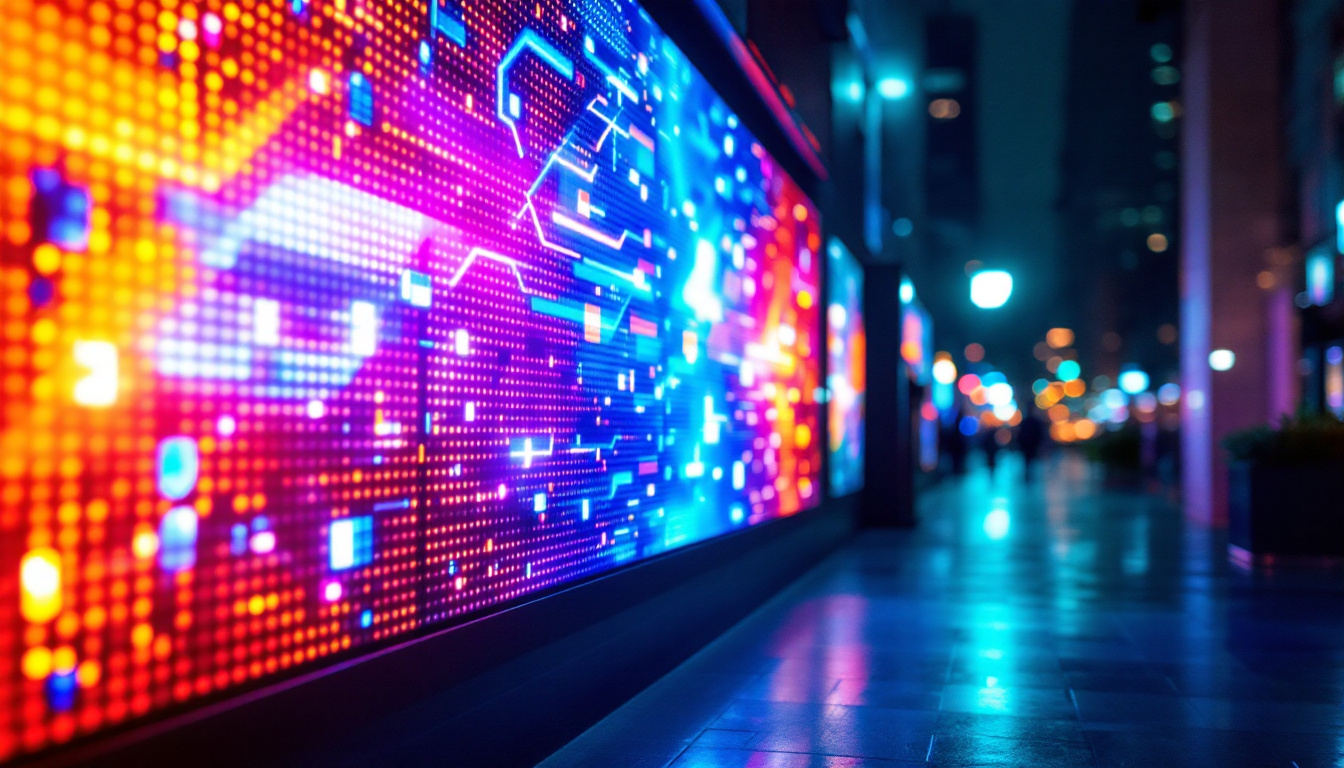
Outdoor and indoor digital signage is one of the most prevalent uses of LED displays. Their high brightness ensures visibility even under direct sunlight, making them perfect for billboards, transit stations, and shopping malls.
Dynamic content capabilities allow advertisers to update messages in real-time, tailor campaigns to specific audiences, and display eye-catching animations that static signs cannot match. This interactivity and flexibility have driven significant growth in the digital signage market, which is projected to reach over $32 billion globally by 2027.
Event Production and Entertainment
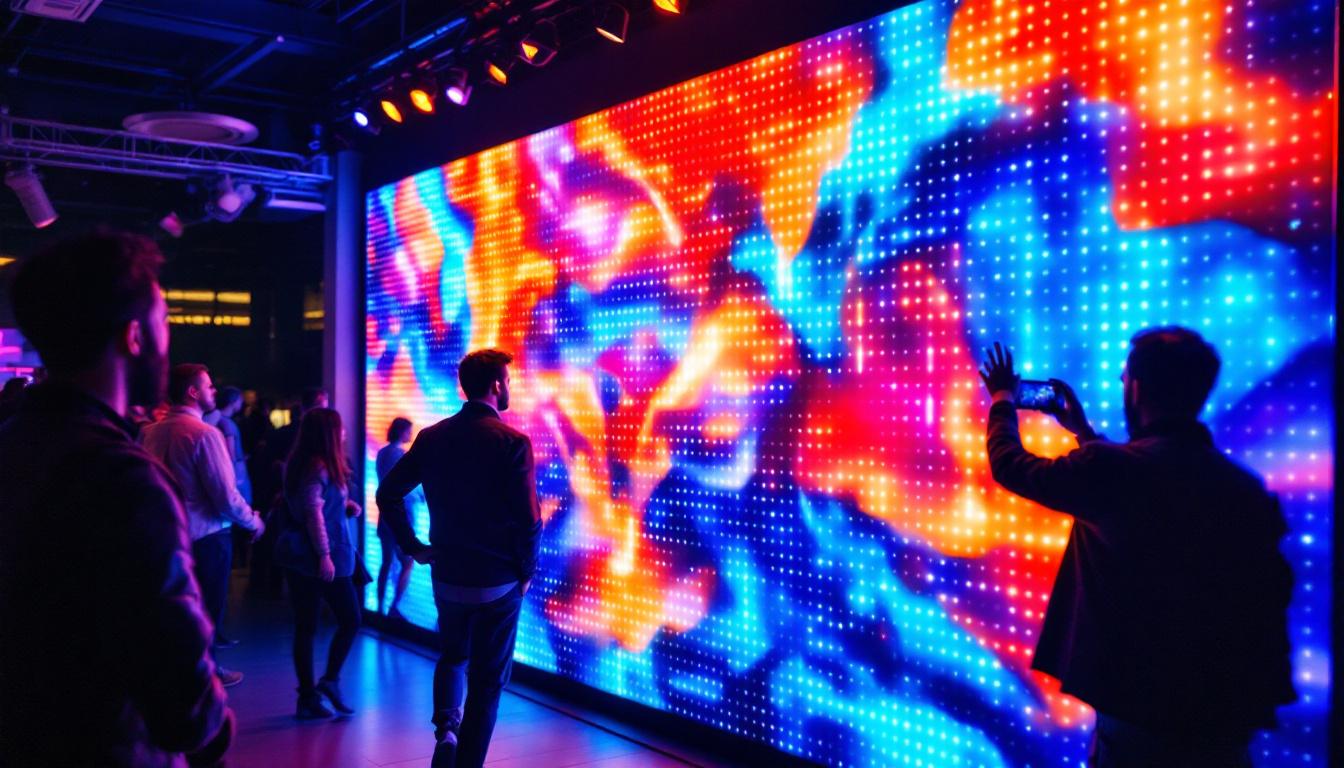
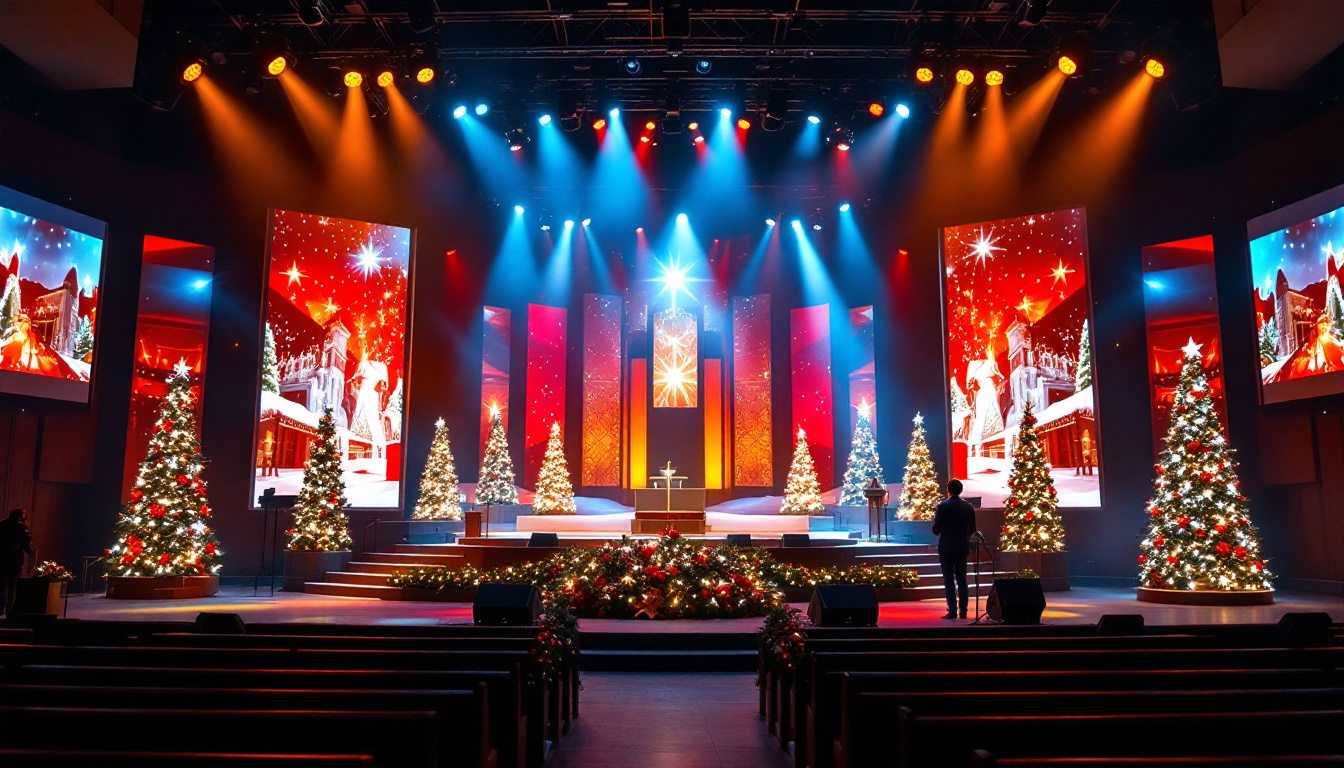
Concerts, festivals, and live events rely heavily on LED video walls to deliver immersive visual experiences. The ability to create large, seamless screens with high resolution enables event organizers to captivate audiences and enhance performances.
LED displays also support high refresh rates and low latency, essential for synchronizing visuals with live action and audio. This responsiveness ensures smooth playback and minimizes motion blur, contributing to a professional and engaging presentation.
Corporate and Control Room Environments
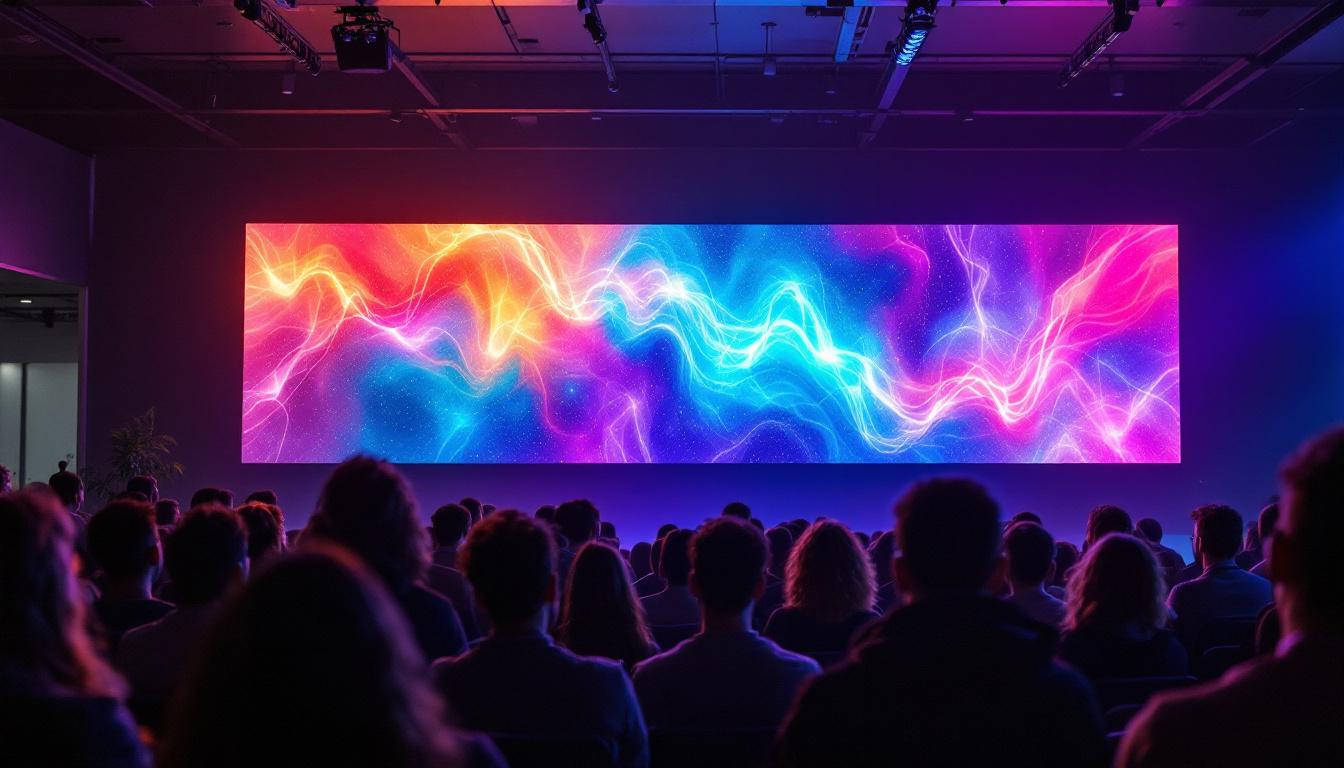
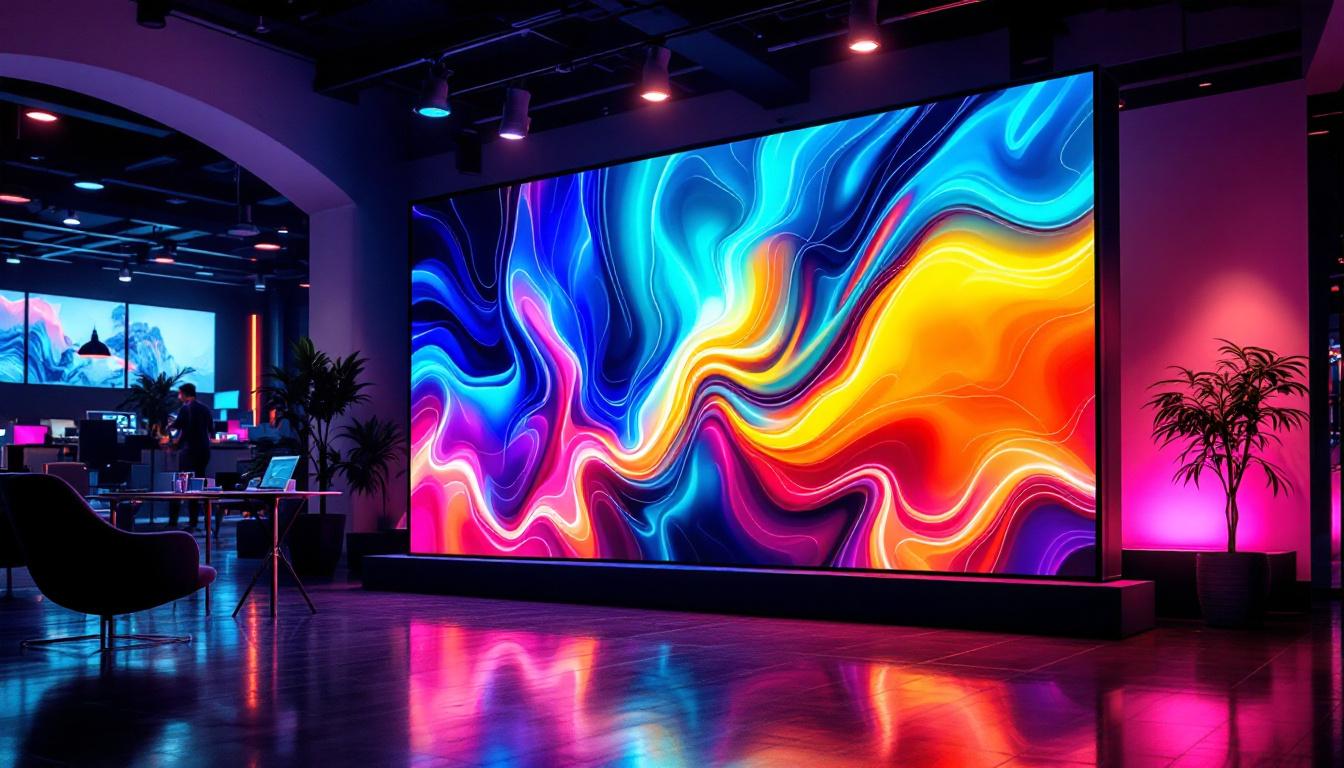
In corporate settings, LED monitors are increasingly used for video conferencing, presentations, and digital dashboards. Their clarity and brightness improve communication effectiveness, especially in large meeting rooms or auditoriums.
Control rooms benefit from LED video walls that provide operators with real-time data visualization and situational awareness. The modular nature of LED displays allows for multi-screen configurations that can be tailored to specific monitoring needs, such as traffic management, security surveillance, or energy grid control.
Choosing the Right LED Display for Your AV Setup
Selecting an LED display involves evaluating several technical and practical factors to ensure optimal performance and value. Understanding these considerations helps avoid costly mistakes and ensures the display meets your specific requirements.
Resolution and Pixel Pitch
Resolution refers to the number of pixels displayed horizontally and vertically, while pixel pitch is the distance between the centers of two adjacent pixels, usually measured in millimeters. A smaller pixel pitch results in higher resolution and sharper images, especially important for close viewing distances.
For indoor applications where viewers are close to the screen, pixel pitches of 1.2mm to 2.5mm are common. Outdoor displays typically have larger pixel pitches (4mm to 10mm or more) since viewers are farther away. Matching pixel pitch to viewing distance ensures the image appears crisp without unnecessary cost.
Brightness and Viewing Environment
Assess the ambient lighting conditions where the LED display will be installed. High-brightness displays (3,000 nits and above) are essential for outdoor or brightly lit indoor environments, while lower brightness levels may suffice for dimmer settings.
Some LED displays also feature automatic brightness adjustment sensors to optimize visibility and reduce power consumption based on ambient light levels.
Durability and Weather Resistance
For outdoor installations, weatherproofing is critical. Look for displays with an IP65 rating or higher, indicating protection against dust and water ingress. Temperature tolerance is also important, as LED displays must operate reliably in extreme heat or cold.
Indoor displays generally have less stringent environmental requirements but should still be robust enough to withstand regular use and potential impacts.
Connectivity and Control Systems
Modern LED displays support a variety of input sources, including HDMI, DisplayPort, DVI, and network-based protocols. Ensure the display is compatible with your existing AV infrastructure and control systems.
Advanced control software enables content scheduling, remote monitoring, and diagnostics, which are valuable features for managing large or distributed LED installations efficiently.
Future Trends in LED Display Technology
The LED display industry continues to innovate, driven by demands for higher resolution, greater energy efficiency, and enhanced interactivity. Several emerging trends are shaping the future of AV monitors.
MicroLED and MiniLED Advances
MicroLED technology, which uses microscopic LEDs to create displays, promises even higher brightness, better contrast, and longer lifespans than current LED panels. Although still in early stages of commercial adoption, MicroLED could revolutionize AV monitors by combining the best attributes of OLED and LED technologies without their drawbacks.
MiniLED backlighting, which uses thousands of tiny LEDs behind an LCD panel, is already improving contrast and color accuracy in high-end monitors and TVs, offering a middle ground between traditional LED and MicroLED displays.
Flexible and Transparent LED Displays
Innovations in flexible LED panels allow displays to bend and curve without compromising image quality, opening new possibilities for creative installations and wearable technology.
Transparent LED displays, which can be integrated into glass surfaces, enable unique applications such as augmented reality windows and heads-up displays, blending digital content with the physical environment.
Integration with AI and IoT
Artificial intelligence is increasingly being used to optimize content delivery on LED displays, tailoring messages based on audience demographics and behavior. IoT connectivity allows displays to interact with other smart devices, creating dynamic and responsive environments.
Conclusion
LED AV monitors have transformed the landscape of visual communication, offering unparalleled brightness, flexibility, and durability across a wide range of applications. Whether for advertising, entertainment, corporate use, or control rooms, understanding the technology and key selection criteria is essential for maximizing the impact and efficiency of LED displays.
As LED technology continues to advance with innovations like MicroLED and AI integration, the future of AV monitors promises even more immersive and intelligent visual experiences. Investing in the right LED display today ensures your setup remains relevant and effective in the years to come.
Explore Cutting-Edge LED Display Solutions with LumenMatrix
Ready to elevate your visual communication with the latest in LED display technology? Discover LumenMatrix’s innovative range of LED display modules, designed to bring your brand to life and captivate your audience. From Indoor and Outdoor LED Wall Displays to specialized solutions like Vehicle LED Displays and LED Sports Displays, LumenMatrix has the perfect option to meet your needs. Experience the future of digital signage with our All-in-One LED Displays, LED Transparent Displays, and more. Check out LumenMatrix LED Display Solutions today and transform your space into a dynamic visual experience.