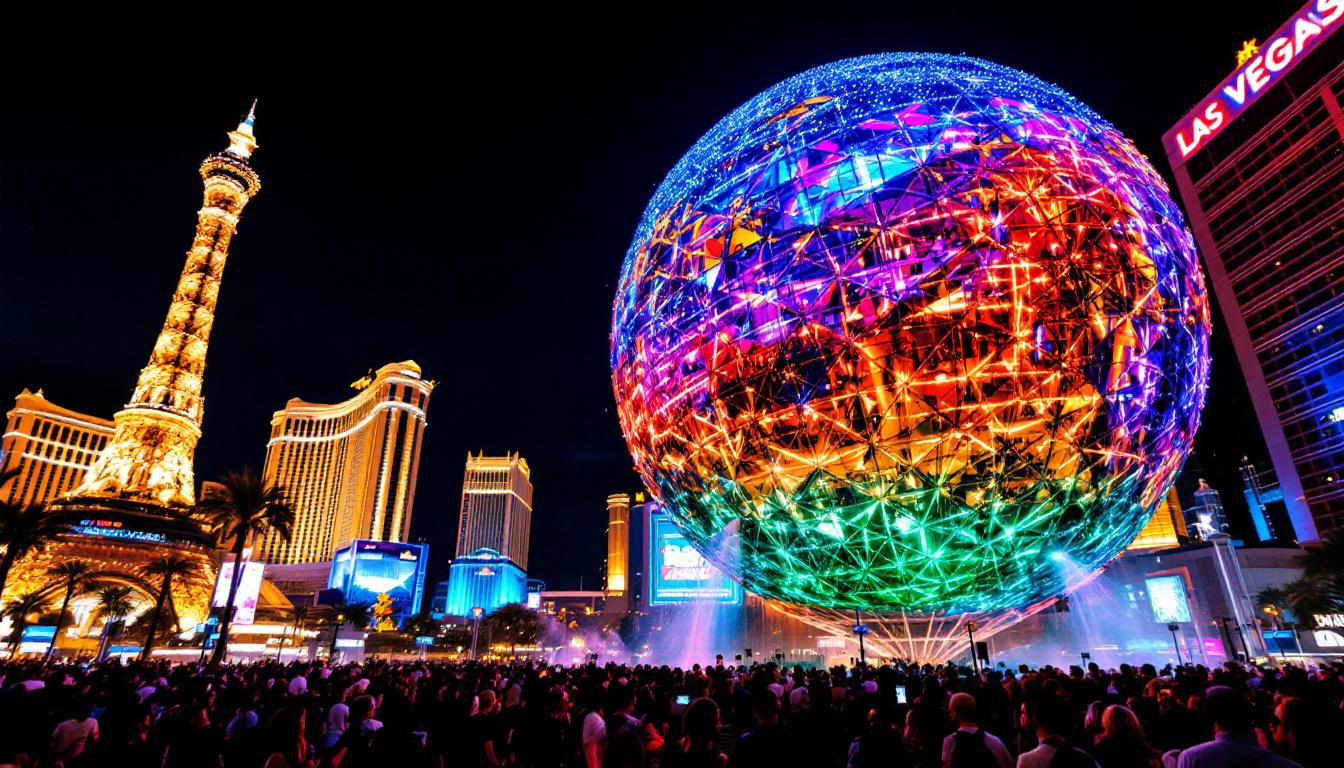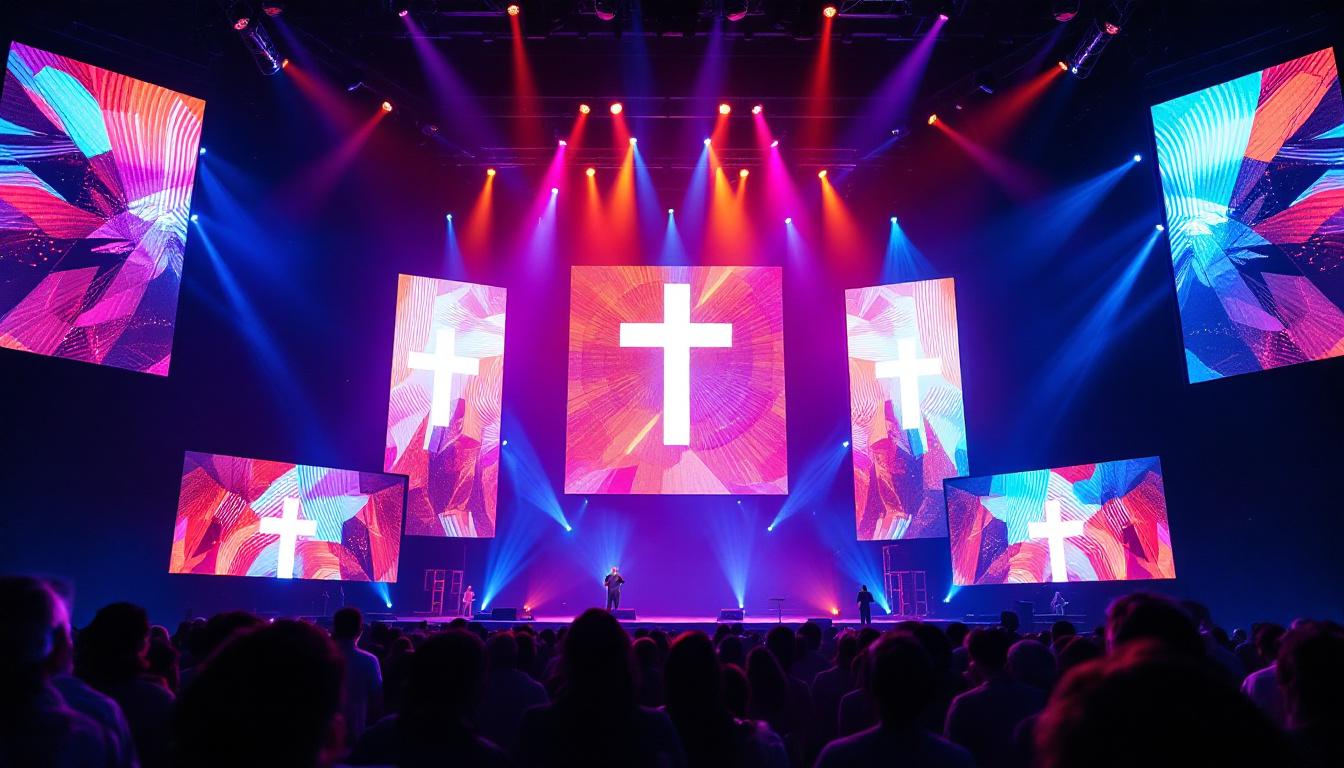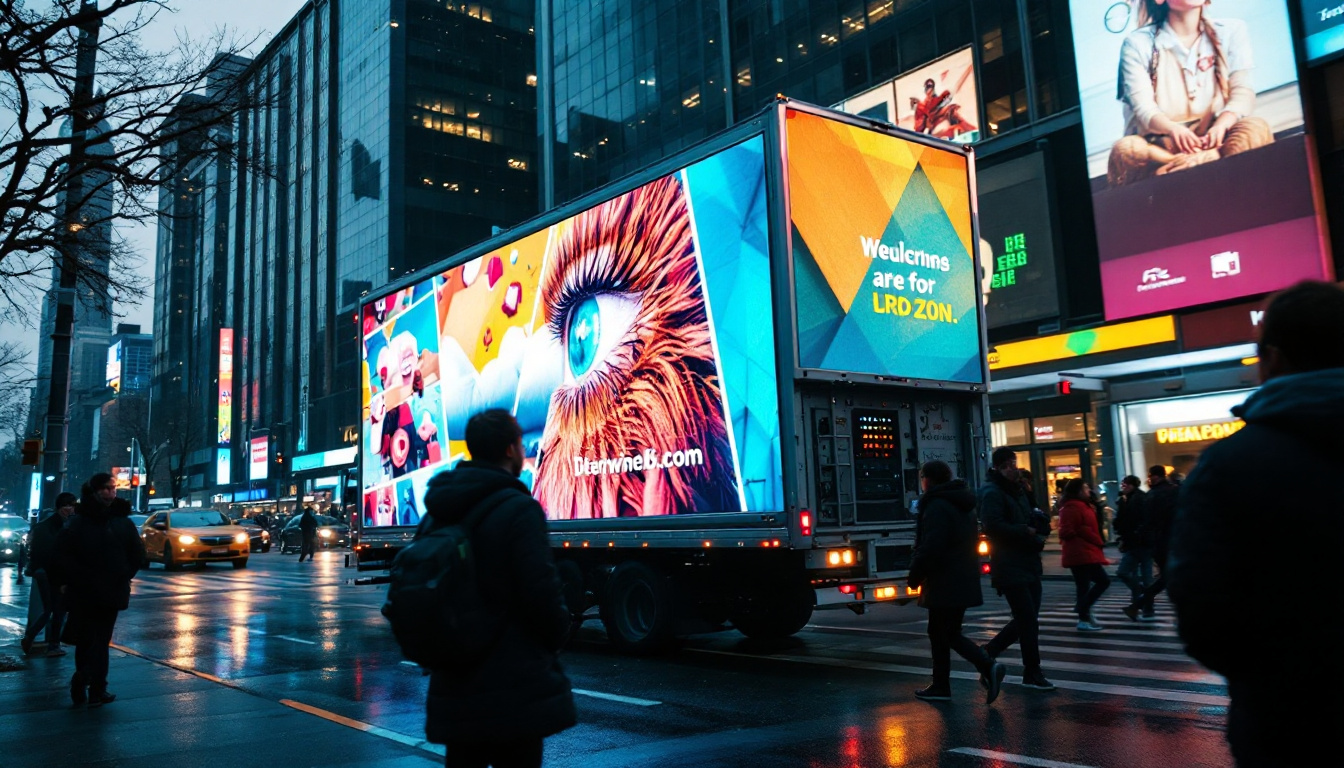
In the rapidly evolving world of digital signage and large-scale displays, LED screen tiles have become a cornerstone technology. From stadiums and concert venues to corporate lobbies and retail environments, LED displays offer vibrant, high-resolution visuals that captivate audiences and communicate messages effectively. But what exactly are screen tiles, how do they work, and why have they become the preferred choice for so many applications? This article delves into the fundamentals of LED screen tiles, exploring their technology, benefits, types, and practical considerations for deployment.
Understanding LED Screen Tiles: The Building Blocks of Modern Displays
At its core, an LED screen tile is a modular panel that contains an array of tiny light-emitting diodes (LEDs). These tiles can be combined seamlessly to form large, continuous screens of virtually any size and shape. The modular nature of screen tiles allows for flexibility in design, easy maintenance, and scalability, making them ideal for both indoor and outdoor applications.
What Are LED Screen Tiles?
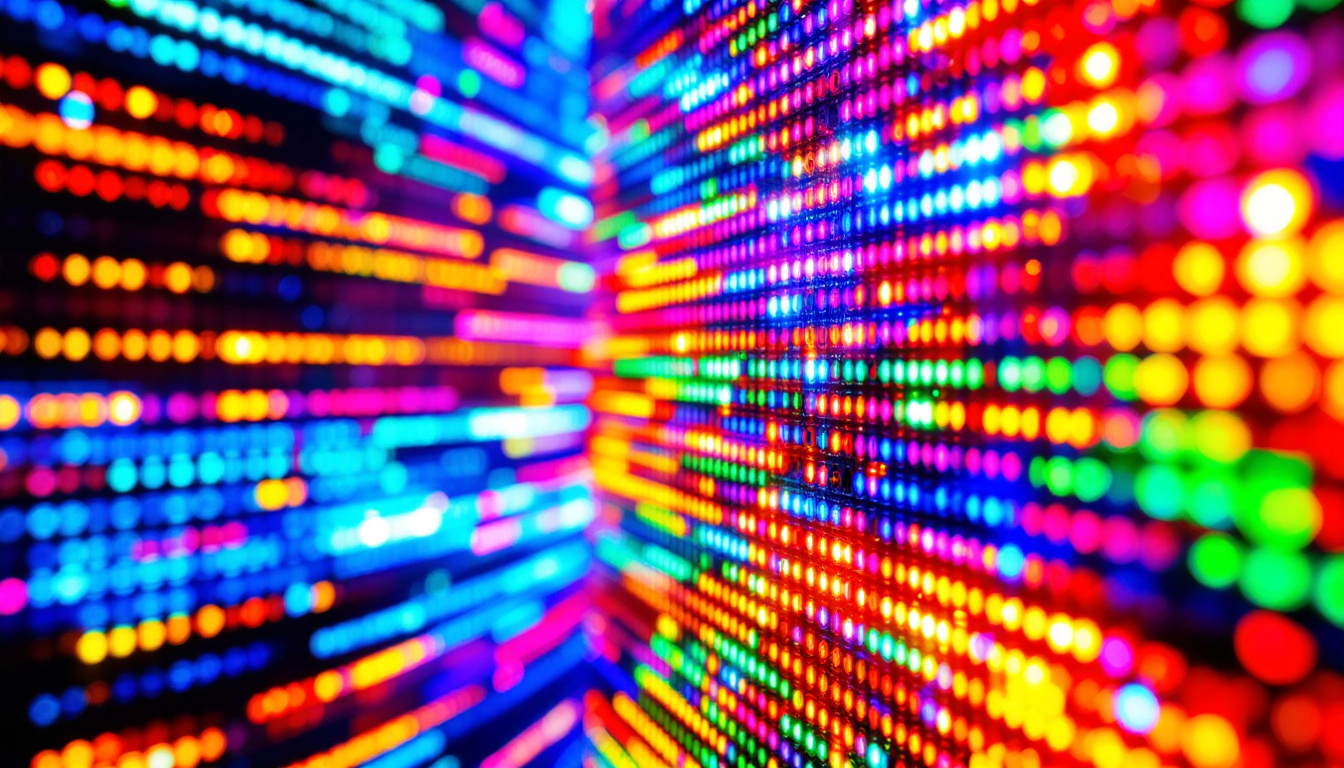
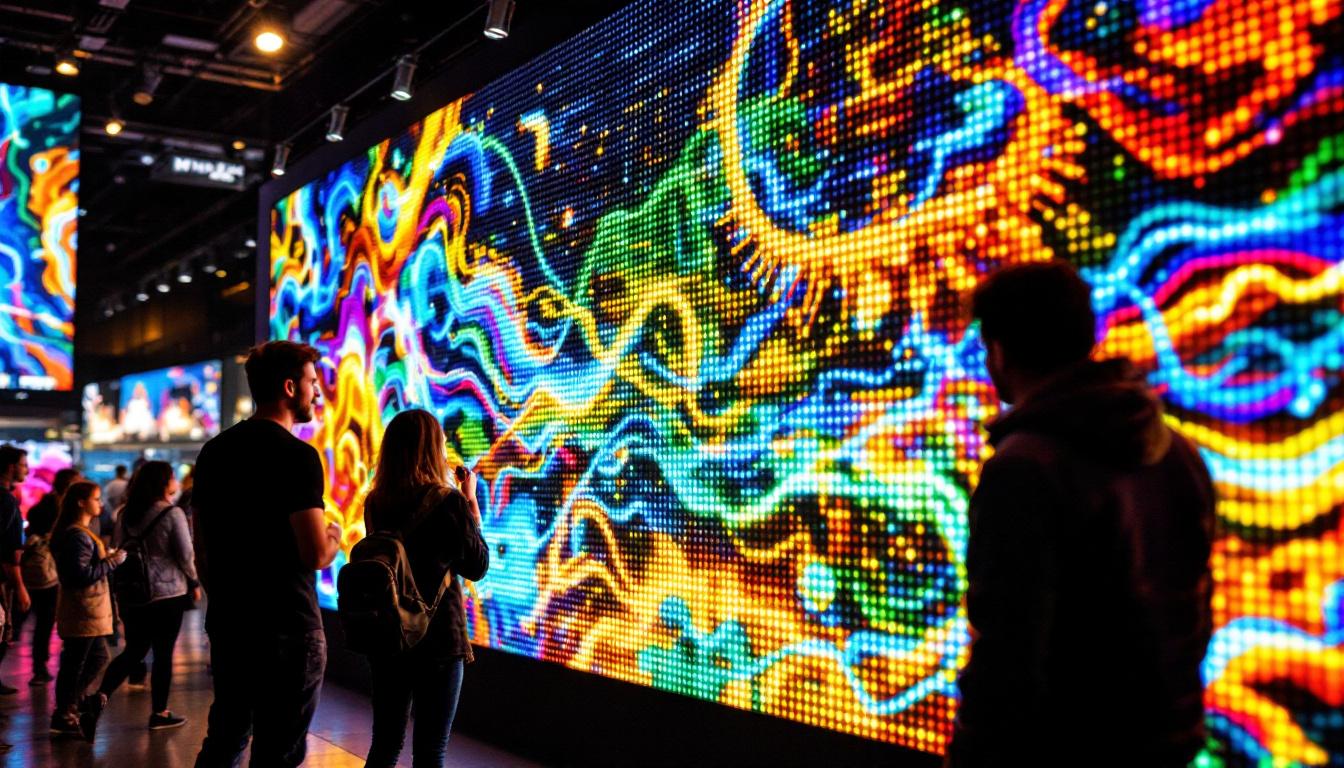
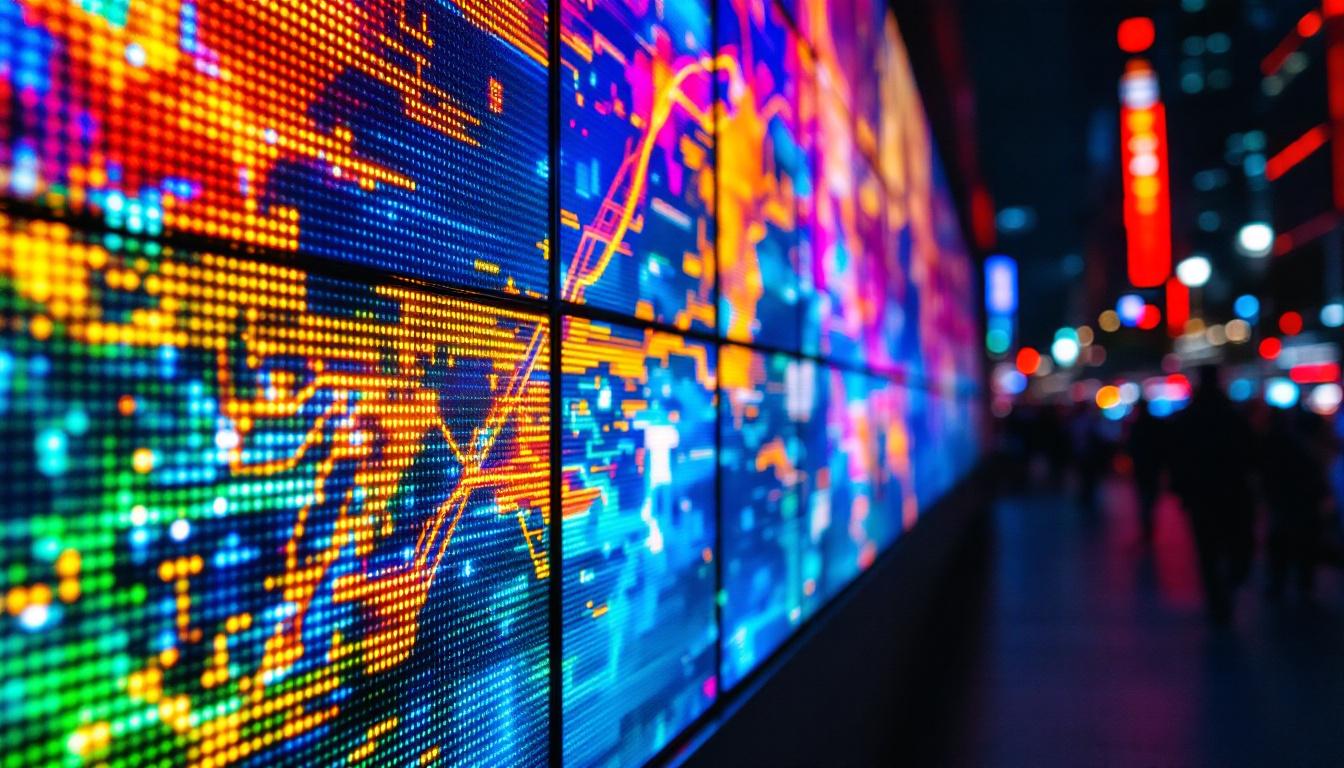
LED screen tiles are flat panels composed of numerous individual LEDs arranged in a grid. Each LED functions as a single pixel capable of producing a range of colors by combining red, green, and blue light. When thousands of these pixels work together, they form images, videos, or text that are visible even from great distances.
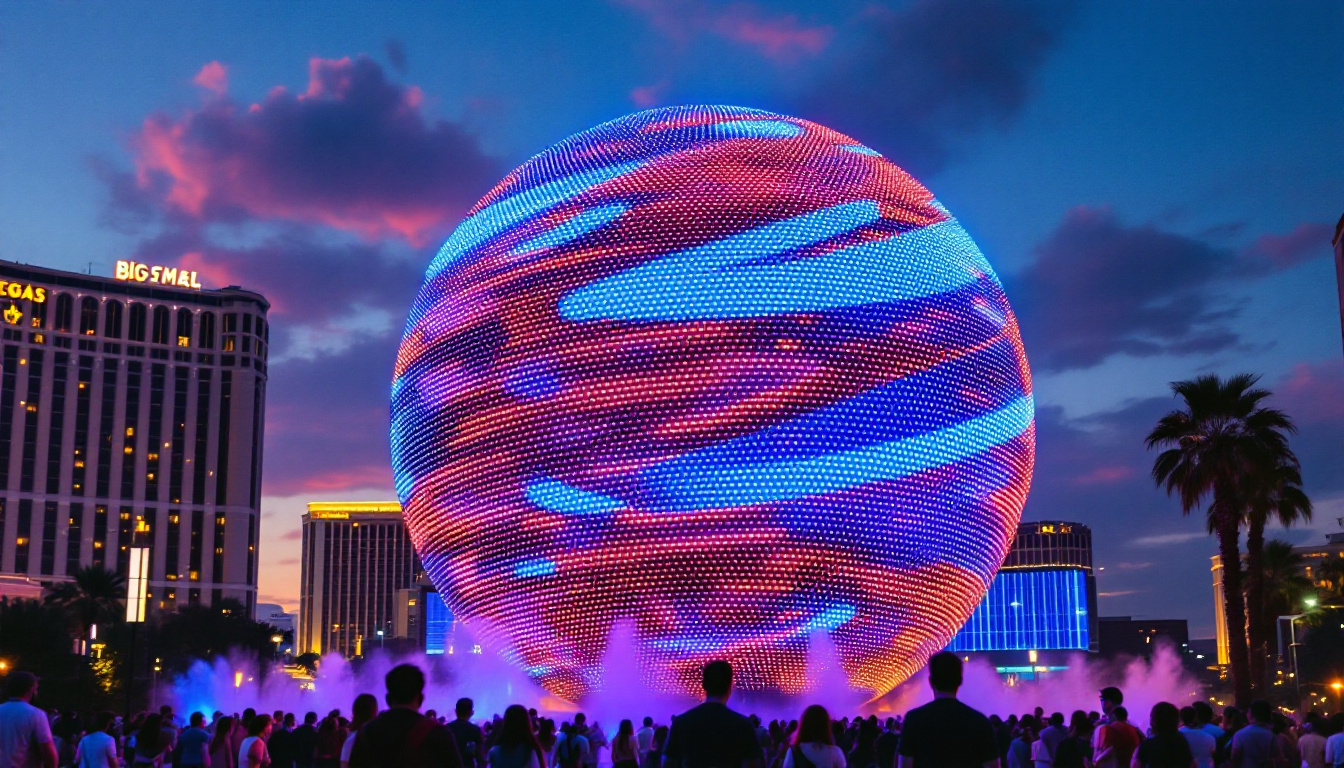
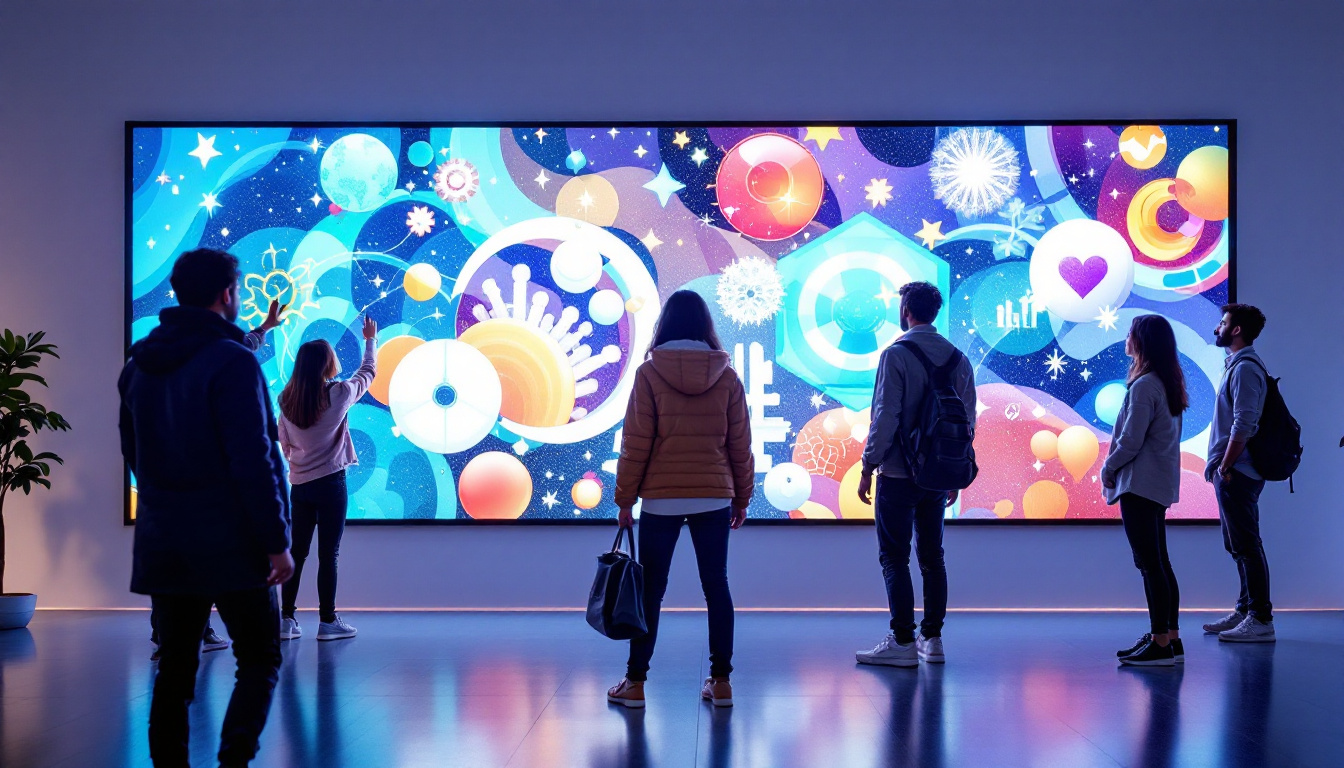
These tiles typically come in standardized sizes, such as 500mm x 500mm or 640mm x 640mm, allowing multiple tiles to be connected both horizontally and vertically. This modular approach facilitates the creation of displays that can span several meters, delivering high-impact visuals for advertising, entertainment, or informational purposes. The versatility of LED screen tiles also extends to their applications; they can be used in concert venues, sports arenas, retail environments, and even in art installations, showcasing dynamic content that captures the attention of audiences.
How Do LED Screen Tiles Work?
Each LED pixel within a tile is controlled by a driver circuit that regulates its brightness and color. A central processing system sends image data to the tiles, which then illuminate the appropriate LEDs to render the desired visuals. The refresh rate, pixel pitch, and brightness levels are critical parameters that influence the quality and clarity of the displayed content.
Pixel pitch, defined as the distance between the centers of two adjacent pixels, is particularly important. Smaller pixel pitches (e.g., 1.2mm to 2.5mm) are used for close viewing distances, such as indoor displays, providing sharper images. Larger pixel pitches (e.g., 4mm to 10mm or more) are suitable for outdoor displays viewed from afar, where brightness and durability take precedence. Additionally, advancements in LED technology have led to the development of high dynamic range (HDR) capabilities, which enhance color accuracy and contrast, making visuals more vibrant and lifelike. This is particularly beneficial in environments with varying lighting conditions, ensuring that the display remains impactful regardless of the surrounding light levels.
The Advantages of LED Screen Tiles Over Traditional Display Technologies
LED screen tiles have revolutionized the display industry by providing several advantages over older technologies such as LCD panels or projection systems. Understanding these benefits helps explain their widespread adoption across various sectors.
Superior Brightness and Visibility
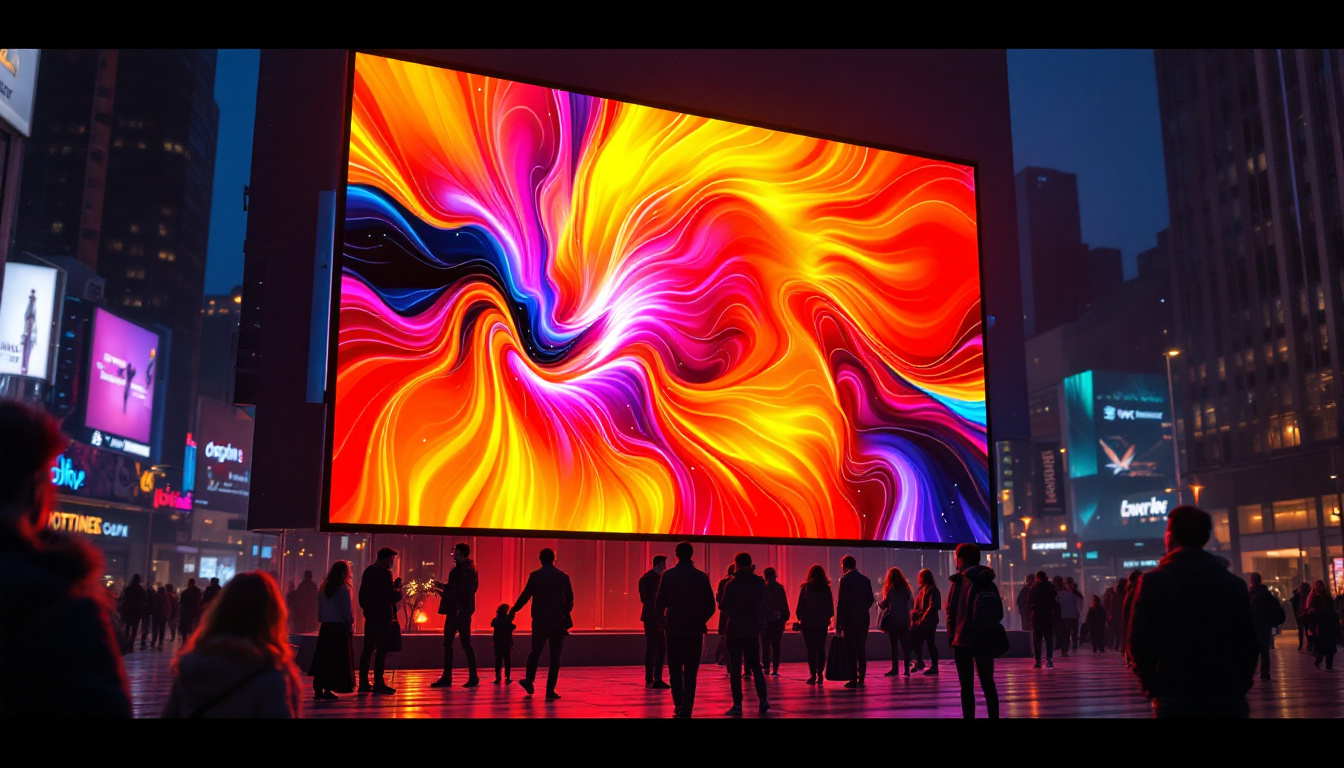
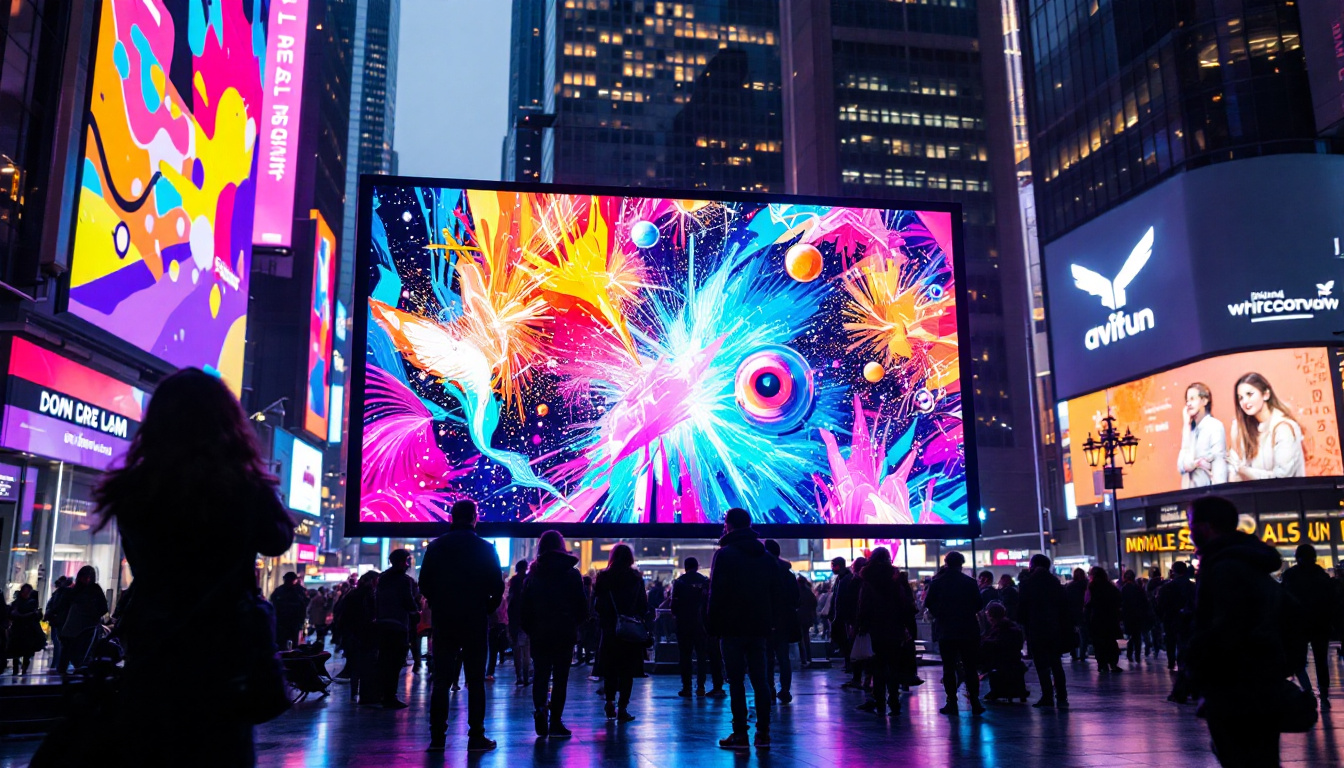
One of the most significant advantages of LED displays is their exceptional brightness. LED screen tiles can achieve brightness levels exceeding 5,000 nits, which is essential for outdoor visibility under direct sunlight. This makes them ideal for billboards, sports arenas, and public spaces where ambient light conditions vary widely.
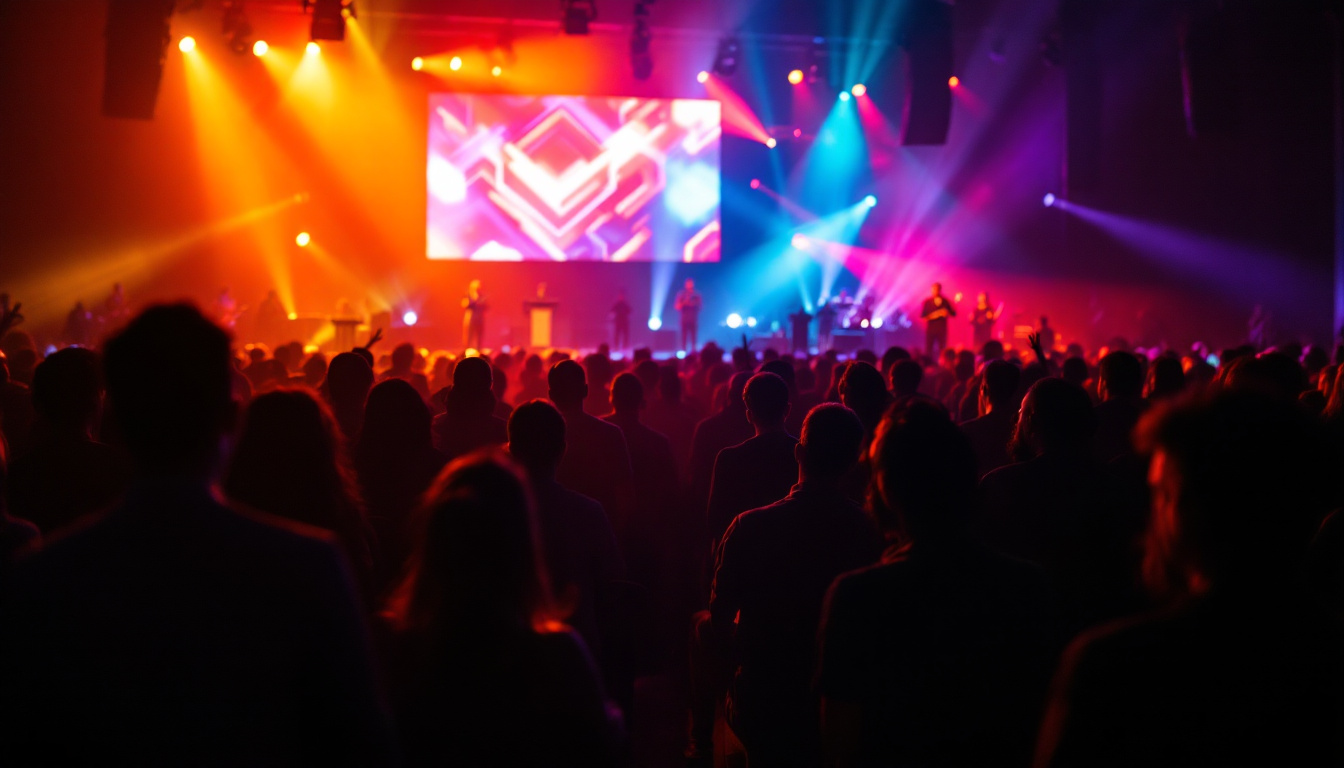
In contrast, traditional LCD screens often struggle with glare and reduced visibility outdoors. LEDs also offer better contrast ratios, resulting in more vivid colors and deeper blacks, which enhance overall image quality. Furthermore, the uniformity of brightness across the entire display ensures that every viewer, regardless of their position, experiences the same high-quality visuals. This is particularly important in settings like concerts or large events, where the audience is spread out across a wide area.
Scalability and Flexibility
The modular design of LED screen tiles allows for unparalleled scalability. Whether a small 2×2 meter display or a colossal 100×20 meter video wall is required, tiles can be combined to meet the exact size and aspect ratio specifications. This flexibility is invaluable for architects, event planners, and advertisers who need custom solutions tailored to unique spaces.
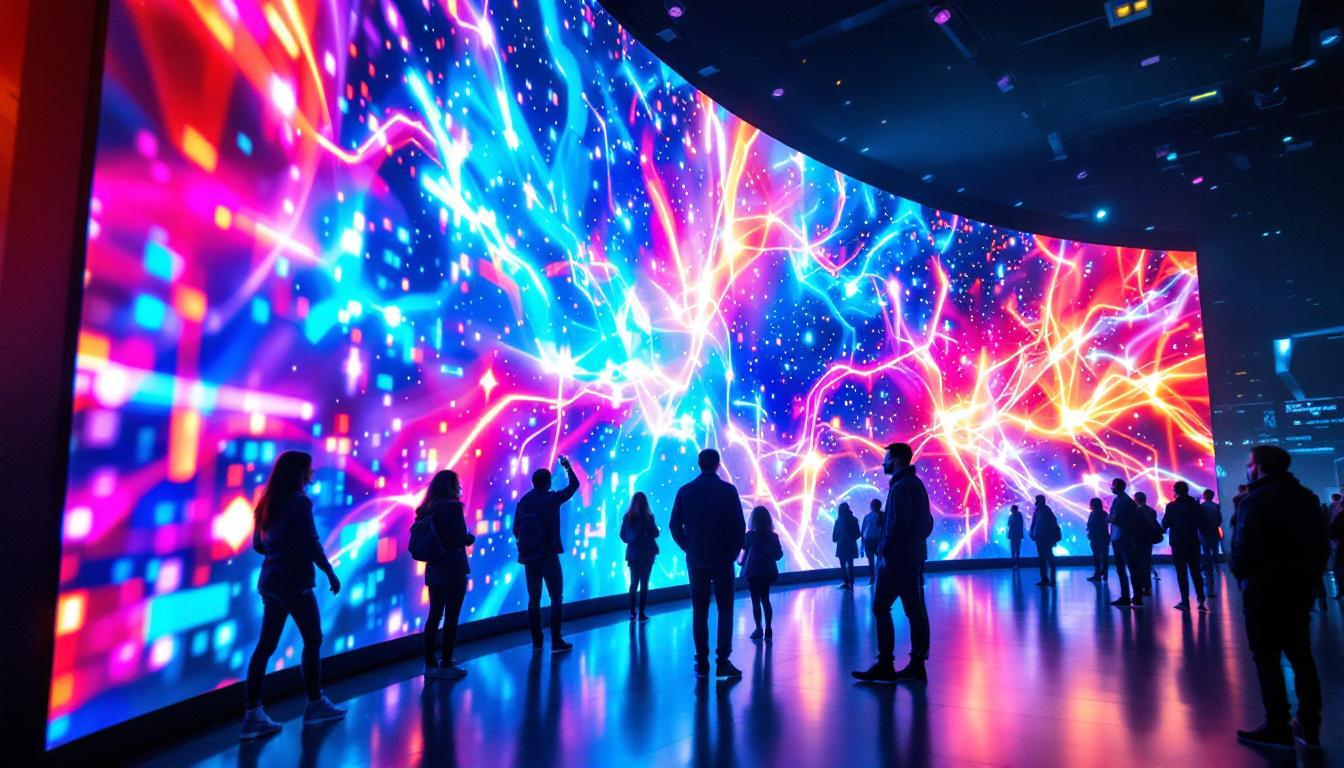
Additionally, LED tiles can be curved or shaped to fit creative designs, enabling immersive and eye-catching installations that were previously impossible with rigid display technologies. This adaptability not only enhances aesthetic appeal but also allows for innovative storytelling techniques in advertising and entertainment, where the visual experience can be crafted to align perfectly with the narrative being presented.
Durability and Longevity
LED screen tiles are built to withstand harsh environmental conditions, especially those designed for outdoor use. They are typically weatherproof, resistant to dust, moisture, and temperature fluctuations, ensuring reliable performance over many years.
Moreover, LEDs have a long operational lifespan, often rated at 50,000 to 100,000 hours, significantly reducing maintenance costs and downtime compared to other display types. This durability is particularly beneficial for businesses that rely on continuous operation, such as retail stores or transportation hubs, where any interruption in display functionality can lead to lost revenue and customer dissatisfaction. The robust construction of LED tiles also means they are less prone to damage from impacts or vibrations, making them suitable for high-traffic areas.
Energy Efficiency
Compared to traditional lighting and display technologies, LEDs consume less power while delivering higher brightness. This energy efficiency translates to lower operational costs and a smaller environmental footprint, aligning with the growing demand for sustainable technology solutions.
In addition to their lower energy consumption, many modern LED displays come equipped with intelligent technology that allows for automatic brightness adjustment based on ambient light conditions. This feature not only enhances the viewing experience but also contributes to further energy savings, making LED screen tiles an increasingly popular choice for environmentally-conscious organizations looking to reduce their carbon footprint while maintaining high-quality visual presentations.
Types of LED Screen Tiles and Their Applications
LED screen tiles come in a variety of types, each optimized for specific environments and use cases. Selecting the right type is crucial for maximizing performance and return on investment.
Indoor LED Screen Tiles
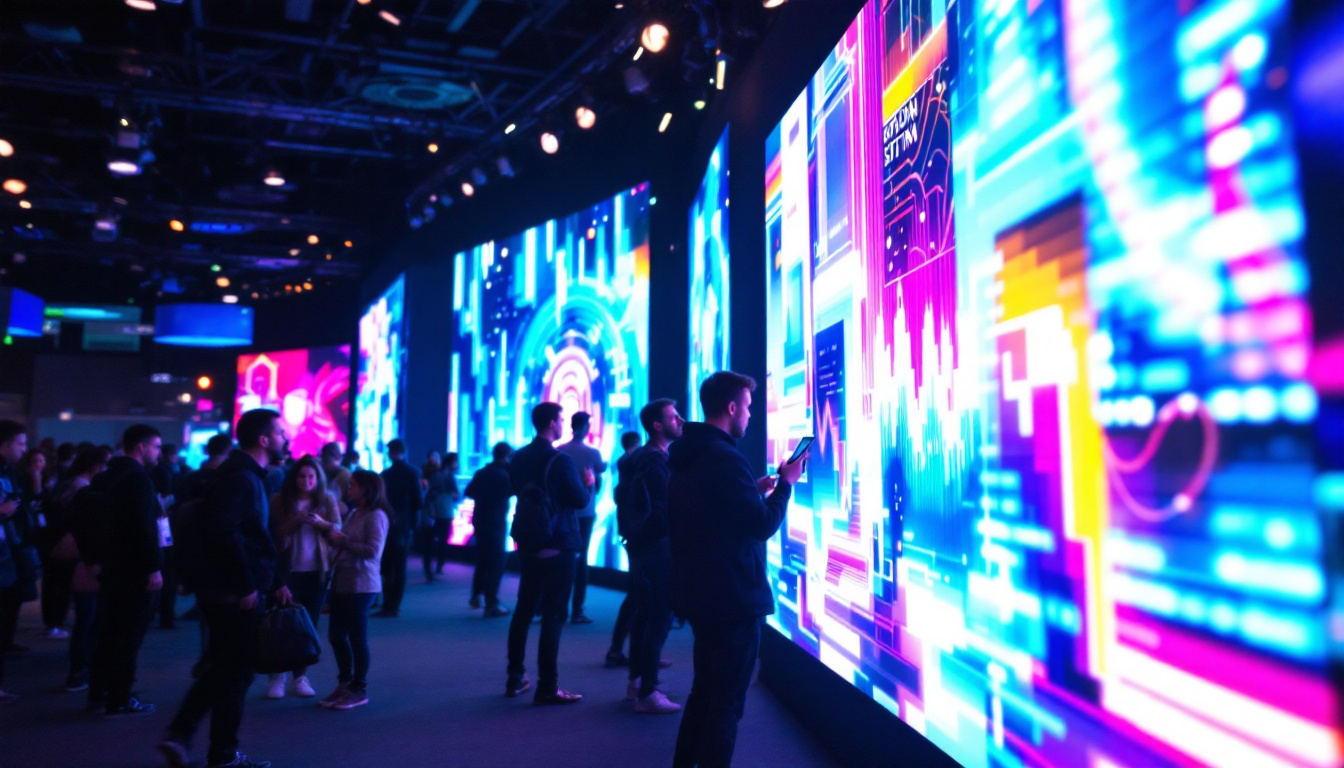
Indoor LED tiles typically feature a smaller pixel pitch, ranging from 0.9mm to 3mm, to accommodate close viewing distances. They deliver crisp, high-resolution images suitable for conference rooms, retail displays, museums, and control centers.
These tiles prioritize color accuracy and fine detail, often incorporating advanced calibration technologies to ensure consistent image quality across the entire display surface.
Outdoor LED Screen Tiles
Outdoor LED tiles are designed to endure extreme weather conditions and provide high brightness levels to combat sunlight glare. Pixel pitches for outdoor tiles generally range from 4mm to 20mm, depending on the viewing distance.
Common applications include sports stadiums, digital billboards, transportation hubs, and public event spaces. Outdoor tiles also feature robust enclosures with IP65 or higher ratings for water and dust resistance.
Transparent and Flexible LED Tiles
Innovations in LED technology have led to the development of transparent and flexible LED tiles. Transparent tiles allow light and air to pass through, making them ideal for glass facades and retail windows without obstructing natural light.
Flexible LED tiles can be bent or curved to fit unconventional surfaces, expanding creative possibilities for architects and designers. These specialized tiles are increasingly popular in experiential marketing and artistic installations.
Key Considerations When Choosing and Installing LED Screen Tiles
Deploying LED screen tiles requires careful planning and consideration of various technical and environmental factors to ensure optimal performance and longevity.
Resolution and Pixel Pitch
Determining the appropriate resolution and pixel pitch is fundamental. For indoor applications where viewers are close, a higher resolution with a smaller pixel pitch is necessary to avoid visible pixelation. Outdoor displays, viewed from greater distances, can use larger pixel pitches without sacrificing perceived image quality.
Brightness and Contrast Requirements
Assessing ambient lighting conditions helps establish the required brightness levels. Outdoor displays must be significantly brighter than indoor ones to remain visible in daylight. Contrast ratios also impact the clarity and vibrancy of images, particularly in environments with varying light conditions.
Installation Environment and Durability
Understanding the installation environment informs the choice of tile enclosures and weatherproofing standards. Outdoor installations demand higher ingress protection ratings and materials resistant to corrosion and UV exposure.
Indoor installations may prioritize aesthetics and seamless integration with interior design, requiring thinner tiles and advanced mounting systems.
Maintenance and Serviceability
Modular LED screen tiles simplify maintenance, as individual tiles can be replaced or serviced without dismantling the entire display. However, accessibility and ease of service should be factored into the installation design to minimize downtime.
Control Systems and Content Management
Modern LED displays rely on sophisticated control systems that manage content playback, synchronization, and diagnostics. Selecting compatible hardware and software ensures smooth operation and the ability to update content remotely.
Future Trends in LED Screen Tile Technology
The LED display industry continues to innovate, driven by advances in materials science, electronics, and software. Several emerging trends are shaping the future of screen tiles.
MicroLED and MiniLED Technologies
MicroLED and MiniLED represent next-generation display technologies that promise even higher brightness, contrast, and energy efficiency. MicroLED, in particular, offers pixel-level control with individual LEDs measuring just microns in size, enabling ultra-high-resolution displays with exceptional color fidelity.
Integration with Smart Technologies
Smart LED tiles equipped with sensors and IoT connectivity are enabling interactive and adaptive displays. These screens can adjust brightness based on ambient light, detect viewer engagement, and integrate with other digital systems for dynamic content delivery.
Environmental Sustainability
Manufacturers are increasingly focusing on eco-friendly materials and energy-saving designs. Recyclability, reduced power consumption, and longer lifespans contribute to minimizing the environmental impact of large-scale LED installations.
Conclusion
LED screen tiles have transformed the landscape of digital displays by offering unparalleled brightness, flexibility, and durability. Their modular design enables the creation of stunning visual experiences across a wide range of environments, from intimate indoor settings to vast outdoor arenas.
Understanding the technology behind LED tiles, their advantages, and the considerations for effective deployment is essential for businesses, event organizers, and designers looking to leverage this powerful medium. As technology advances, LED screen tiles will continue to evolve, delivering richer, more immersive, and sustainable visual solutions for years to come.
Discover LumenMatrix LED Display Solutions
Ready to elevate your visual displays with the latest in LED technology? LumenMatrix is at the forefront of creating immersive and dynamic visual experiences tailored to your needs. From vibrant Indoor LED Wall Displays to robust Outdoor LED Wall Displays, and from versatile Vehicle LED Displays to innovative LED Transparent Displays, our solutions are designed to captivate and engage your audience. Experience the future of visual communication with LumenMatrix and let us help you make a lasting impression. Check out LumenMatrix LED Display Solutions today and transform your space into a visual masterpiece.